Check out the biggest trends of the season and our expert take on them.
5 Common failures caused by cement grout in designer spaces
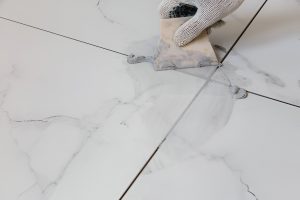
Grout may not take centre stage in your designs, but it plays a lasting role in how they perform. In modern residential spaces where aesthetics must meet everyday durability, cement grout often fails to hold up.
So, while you may know what grout is, it’s worth asking: Is your go-to material still the right fit? Because relying on outdated choices can result in finishes that fail faster.
Cement grout may be common, but it often struggles under pressure. Here are five problems it can cause in modern interiors.
1. Staining and moisture absorption
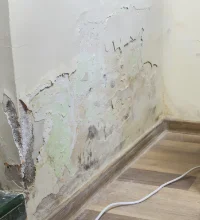
Cement grout may be widely used, but its porosity works against you. In wet corridors like kitchens and bathrooms, moisture, oils, and detergents seep in and cause dampness as well as leave behind stains that darken joints and dull the finish. Even with sealing, these grouting materials require constant upkeep, which compromises their long-term performance.
2. Discolouration and microbial growth
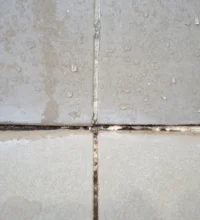
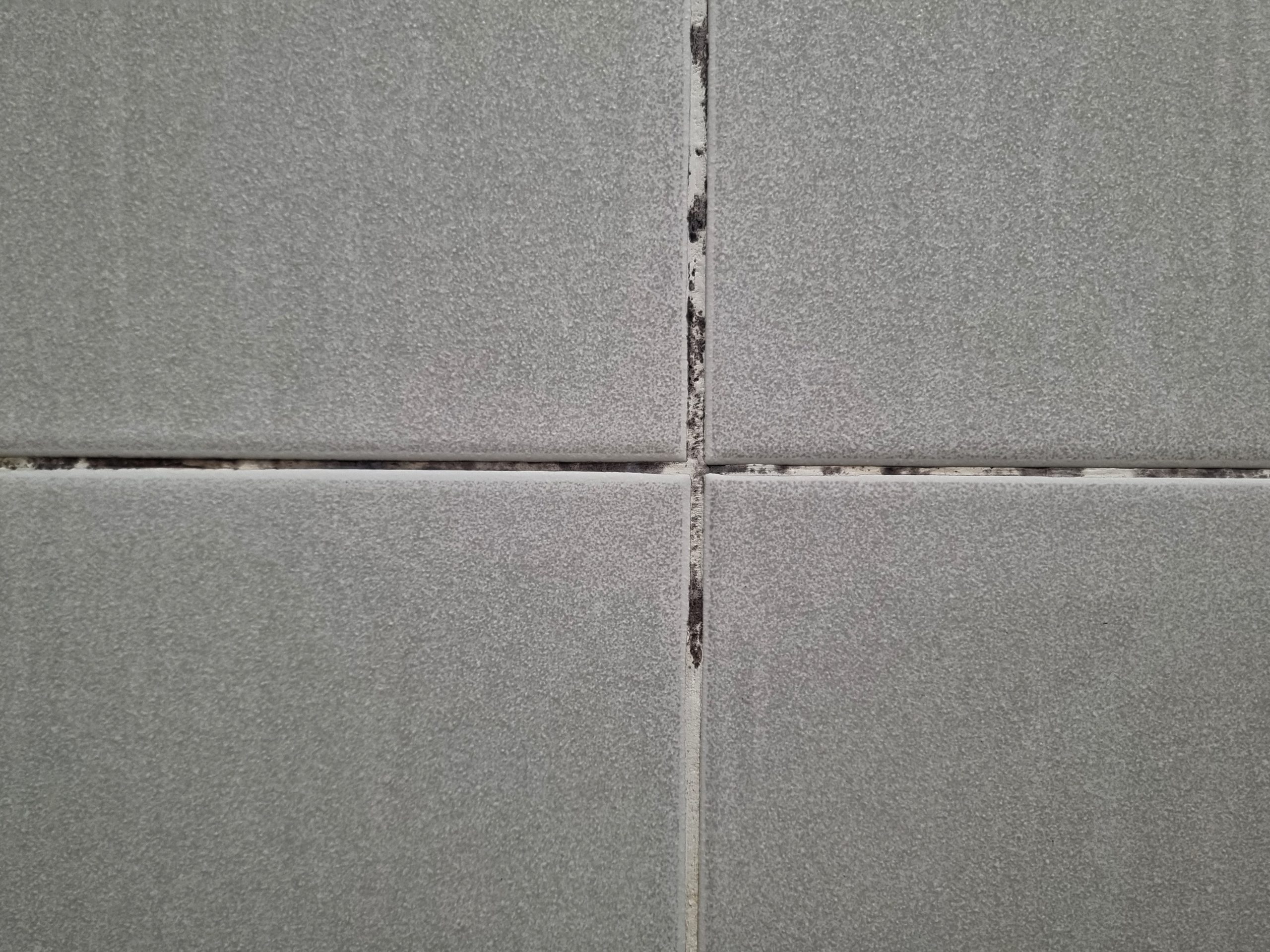
In high-humidity zones, cement grout can become a breeding ground for mould, mildew, and bacteria. This not only affects hygiene but also leads to unsightly darkened joints – hardly the look homeowners expect in a premium interior.
3. Cracks and shrinkage over time
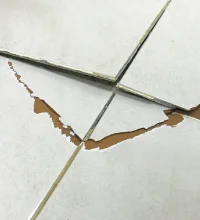
Over time, cement grout begins to shrink and crack, particularly in high-traffic areas or where temperature fluctuations cause the substrate to expand and contract. And when joints start breaking down, it undermines what grout is supposed to offer: a clean, sealed, and durable surface finish that holds everything together.
4. Surface flaws undermine a seamless finish
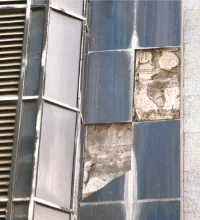
Precision is non-negotiable in modern tilework, but cement grout often works against it. Moisture retention, uneven curing, and mineral residue can lead to patchy colour, surface chalking, and visible efflorescence. These flaws interrupt clean lines and leave behind a finish that falls short of your design intent.
5. Excessive maintenance demands
Cement grout demands regular sealing, scrubbing, and patching. Repeated surface failures and joint breakdowns can quickly add up and raise questions about what grout is really delivering if it can’t support long-term integrity. Ultimately, it can cast doubt on whether the specification truly supports the performance your design promises.
Not all grouting is built for modern finishes
When cement grout can’t meet your design standards, it’s time to look at other types of grouting. Epoxy grouting for tiles offers the performance, finish, and durability that today’s spaces actually require.
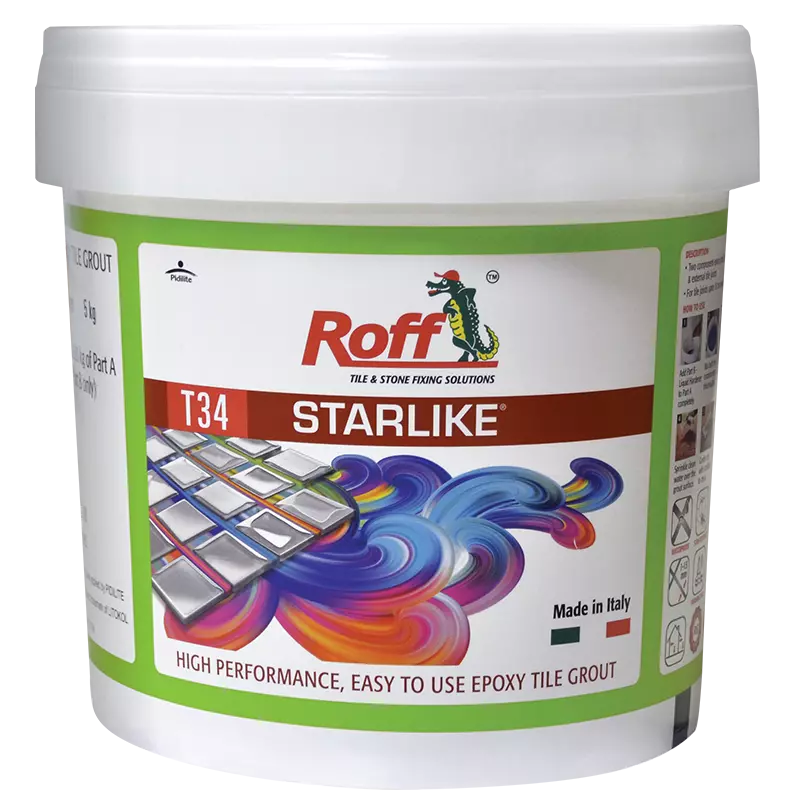
Roff Starlike, a two-component epoxy grout, changes the game by offering:
Zero water absorption and high stain resistance for joints that stay clean and consistent in finish
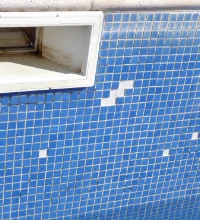
UV-stable colours that don’t fade – ideal for sunlit interiors, balconies, and semi-open spaces like swimming pool
Chemical and acid resistance that protects against harsh cleaners and accidental spills in kitchens and bathrooms
More coverage with less product – ideal for large-format tiles and expansive layouts
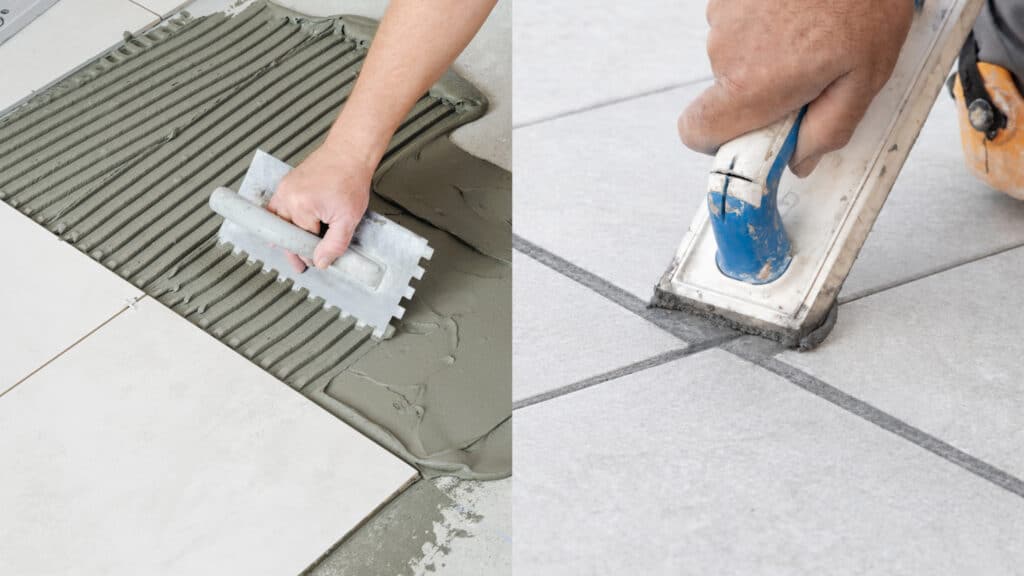
Easy to mix, apply, and clean, saving time during installation and reducing post-install effort
Food-grade and non-toxic formulation, making it safe for use in kitchens, dining areas, and other food-prep zones
Modern spaces need more than old defaults
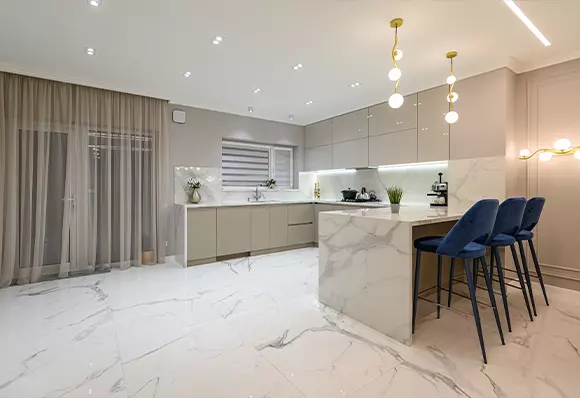
Whether you’re specifying tiles for a luxury bathroom, a high-end kitchen, or a minimalist living space, Roff Starlike ensures your designs remain as flawless as you intended.
When you define grouting as more than just filling gaps, you shift how you think about what grout is – it’s not just a material choice, but a detail that protects your finish, your functionality, and your intent.