Check out the biggest trends of the season and our expert take on them.
Flooring Tile Adhesive: Requirements for existing tiled floors vs cement-based surface
Tile-on-tile renovations have become increasingly popular because they reduce demolition, save time, minimise on-site dust, and provide hassle-free renovation. But many designers notice a recurring issue: flooring tile adhesive often behaves very differently on existing tiled surfaces than on fresh cementitious substrates.
The adhesive may spread unevenly, cure slowly, or even lead to hollow patches and debonding over time. Understanding why this happens is essential for achieving durable renovation outcomes.
How does tile adhesive behave differently based on the surface?
At first glance, anold tiled floor and a cement screed may appear similar. They are both flat surfaces ready for tiles. But in practice, they behave very differently, and the type of tile adhesive you need will also differ accordingly.
Cementitious substrates
Fresh cement-based surfaces are porous and absorb moisture from the adhesive.
This helps the floor tile adhesive:
Grip the surface better
Cure more consistently
Achieve stronger mechanical bonding
Existing tiled floors
Old tiles, especially vitrified or glazed ones, are non-porous.
This means:
They absorb almost no moisture
Adhesive remains wetter for longer
Bonding relies more on surface adhesion than absorption
This fundamental difference directly affects how the adhesive performs. Factors like bond strength, slip resistance, and curing time matter a lot more during tile-on-tile installations, and an adhesive that works well on a cement-based surface may underperform, or even outright fail, when used on a tiled surface.
What are the risks of treating tile-on-tile like a fresh installation?
One of the biggest mistakes in renovation projects is assuming tile-on-tile work behaves like new flooring installation.
This often leads to:
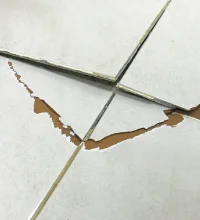
Hollow-sounding tiles
Weak bonding
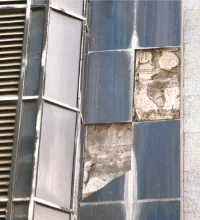
Tile lifting or debonding
Cracks due to movement stress
In many cases, the issue lies in adhesive incompatibility with the substrate.
What is the right way to perform tile-on-tile application?
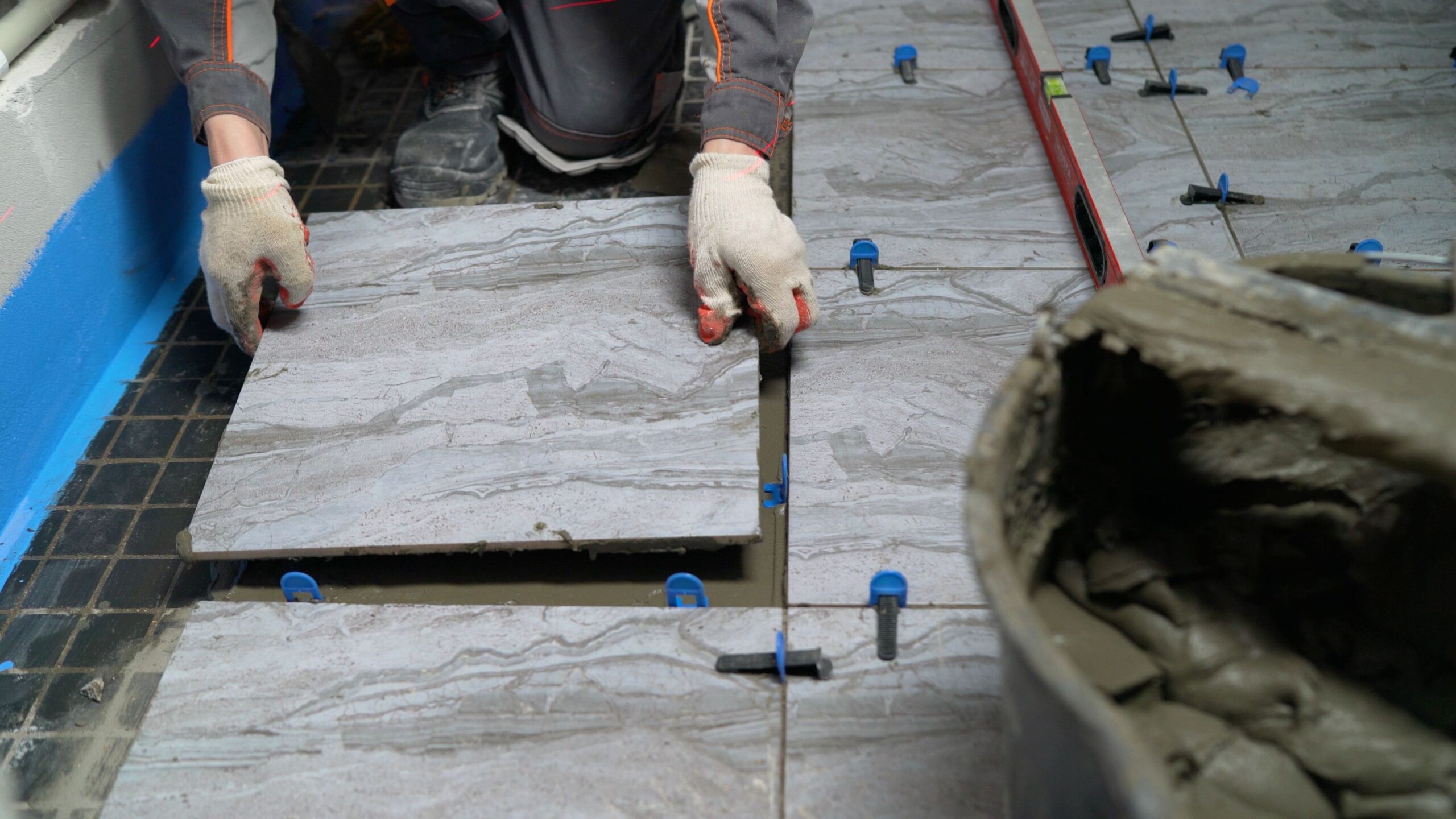
The core processes to follow while performing tile-on-tile installations include:
Cleaning the existing tiles properly to remove dust, grease, stains, or loose particles
Checking that the old tile surface is firm and not hollow, cracked, or loose, and performing necessary repairs before proceeding further
Roughen the surface of the old tile to allow the adhesive to grip to the surface
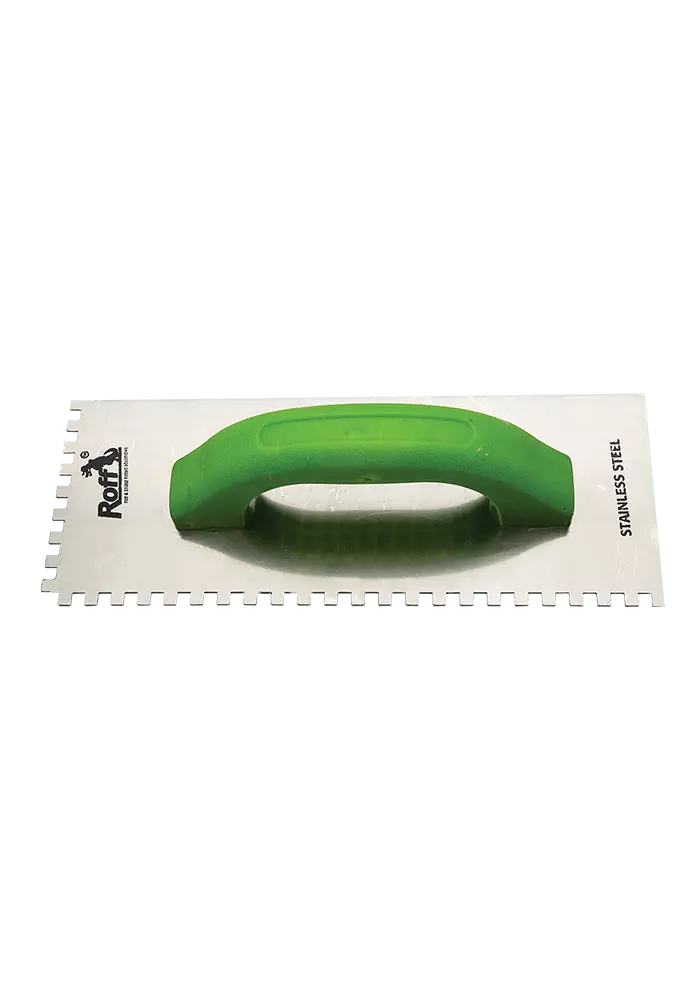
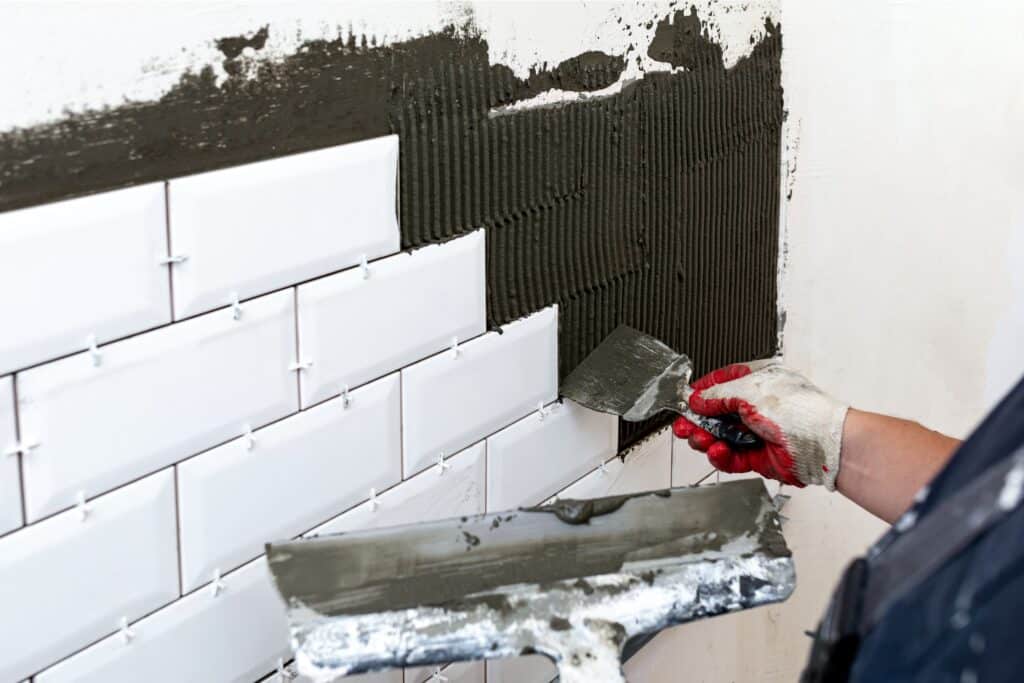
Using a suitable tile adhesive made for tile-on-tile application, and spreading it evenly with a notched trowel
After fixing, allowing the adhesive to cure properly before grouting or using the tiled area
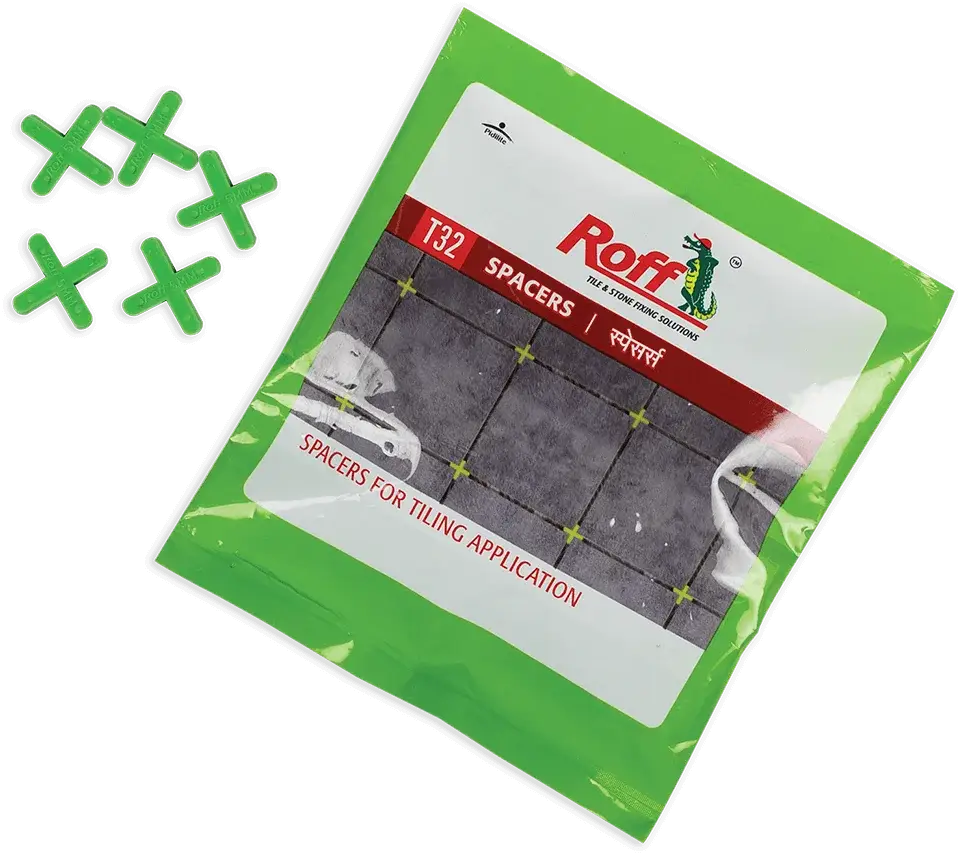
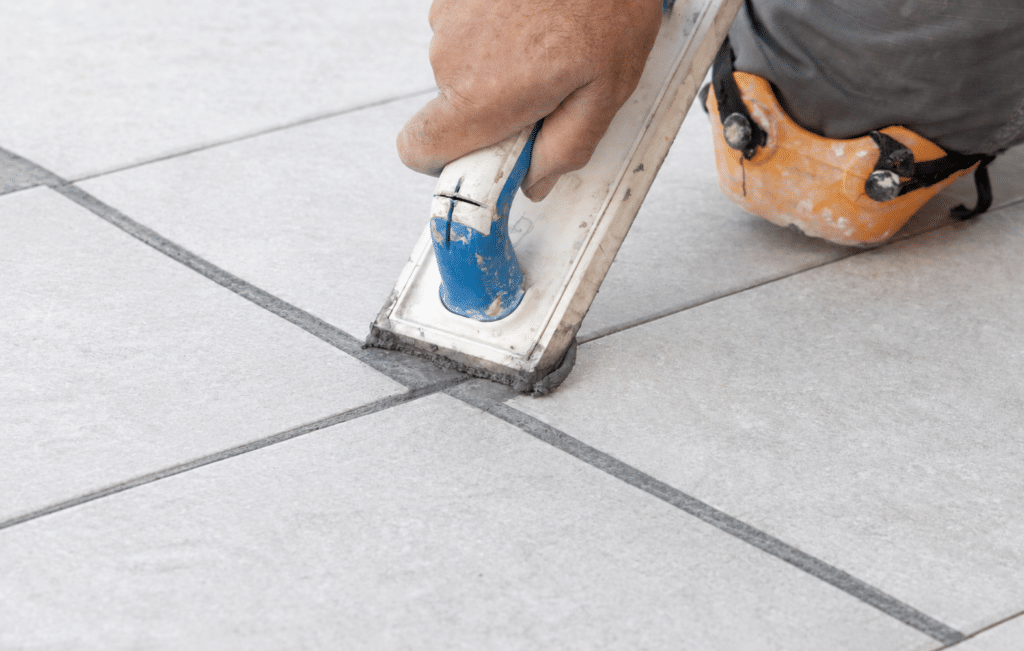
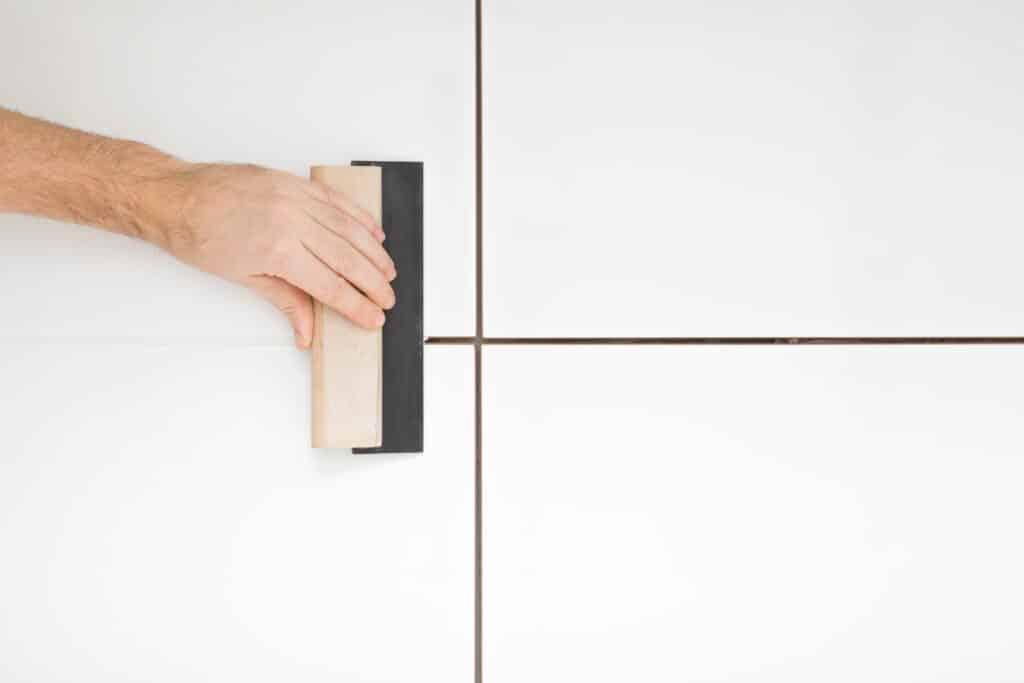
Maintaining proper gaps between tiles and filling them with quality grout to protect the surface from moisture and long-term damage
Following the above steps will ensure that your tile-on-tile installation remains healthy and durable for a long time.
Why is surface preparation alone not enough?
Surface preparation is important in all tile installations. Cleaning, roughening, and levelling existing tiles improve adhesion.
But preparation alone cannot compensate for using the wrong flooring tile adhesive.
A non-porous tiled surface requires an adhesive specifically engineered for tile-on-tile applications. Standard adhesives designed for cement bases may not provide reliable long-term performance.
Tile adhesive vs cement: Why do modern adhesives matter?
When comparing tile adhesive vs cement, modern adhesives offer significant advantages in renovation projects.
Unlike traditional cement mortar, high-performance tile adhesives:
Bond effectively to low-absorption surfaces
Provide better flexibility
Reduce hollow patches
Improve long-term durability
This is especially beneficial for tile-on-tile applications, where substrate behaviour can vary widely.
Why does choosing the right adhesive make a difference?
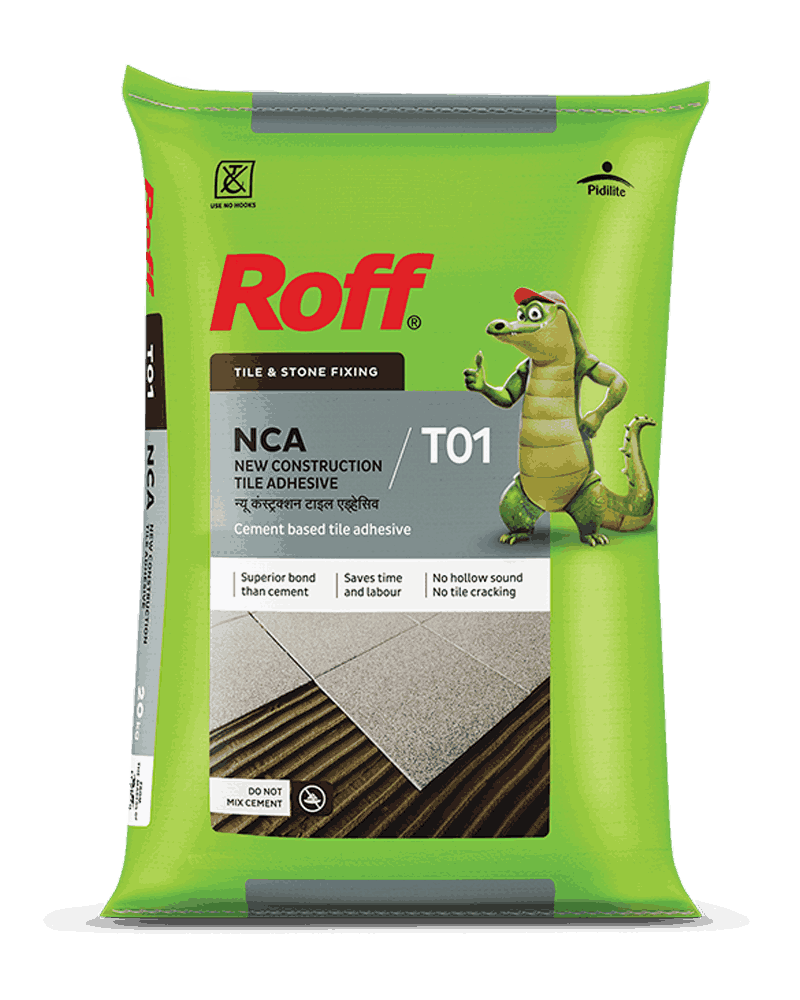
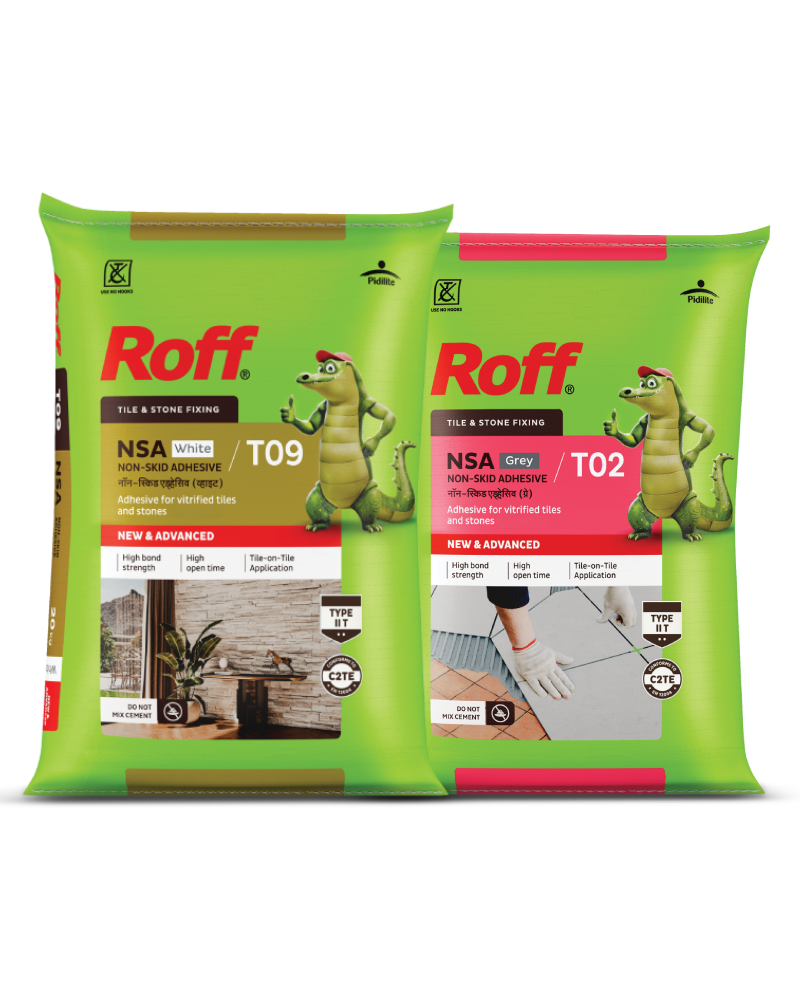
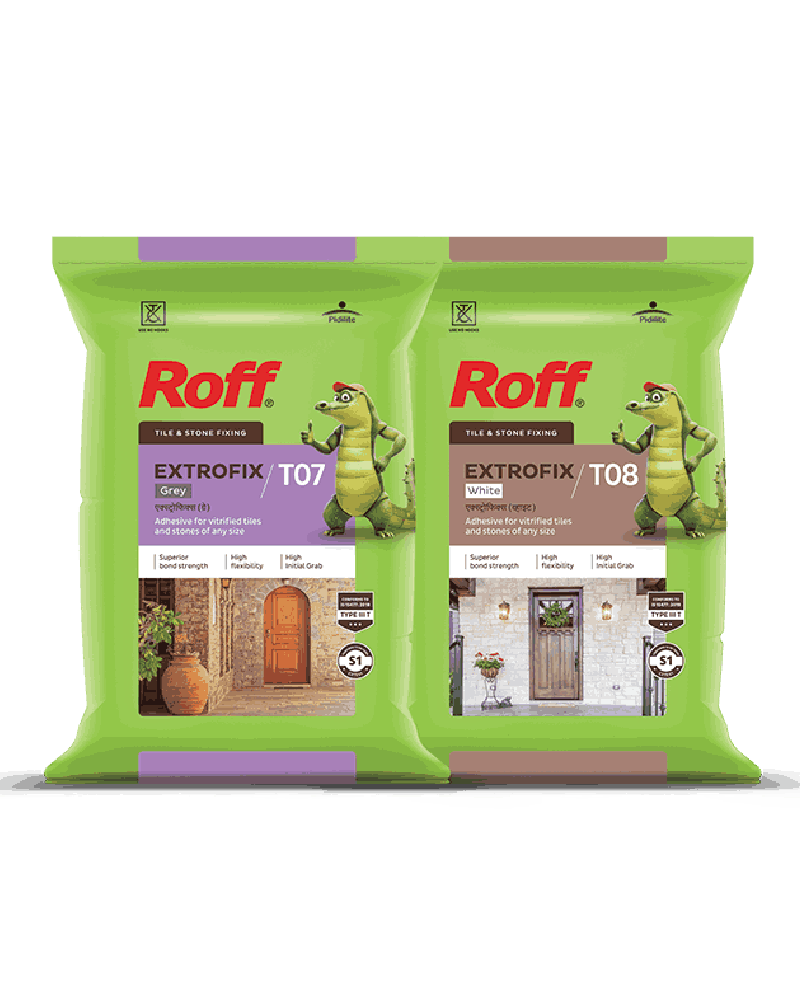
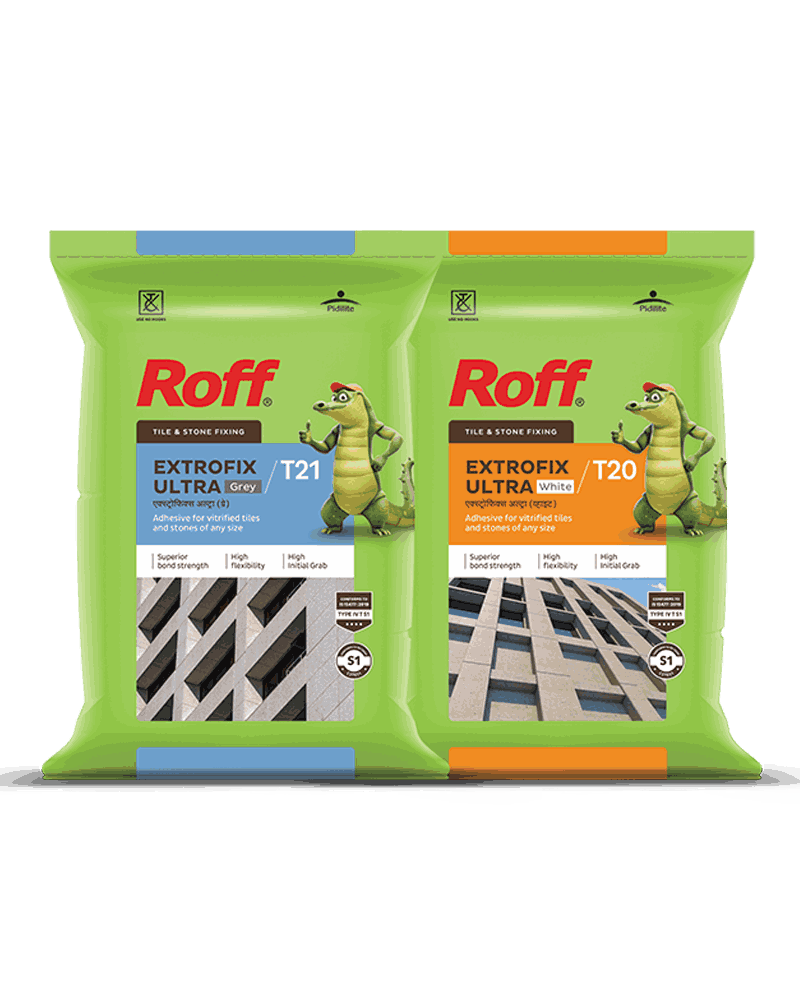
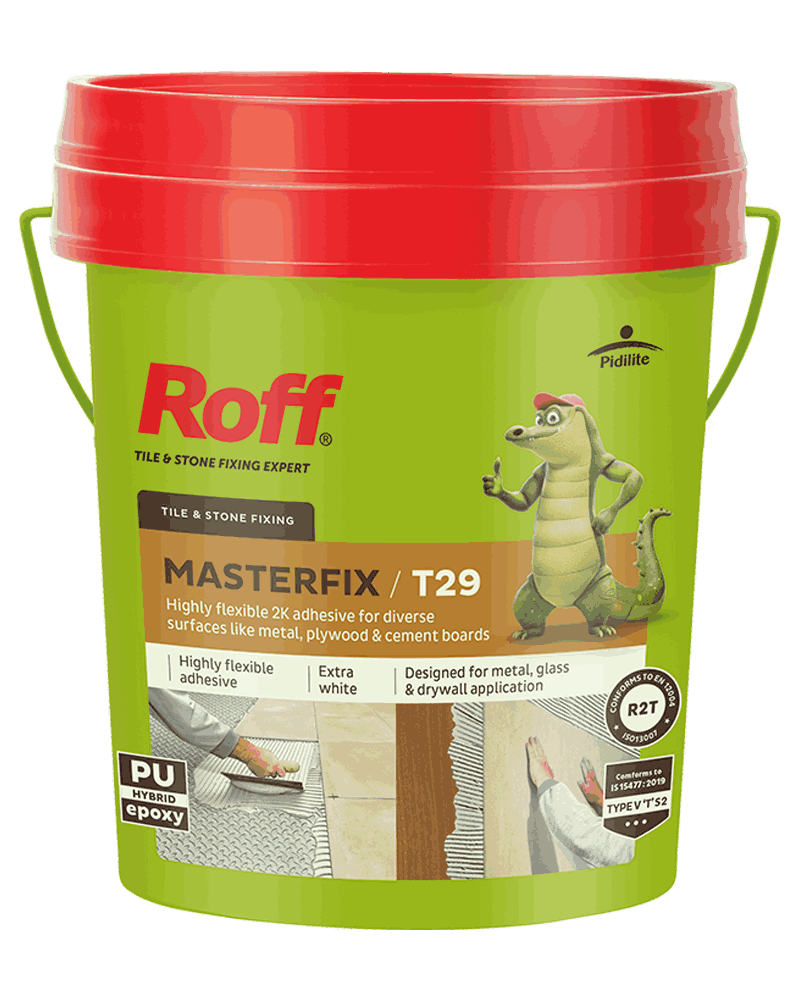
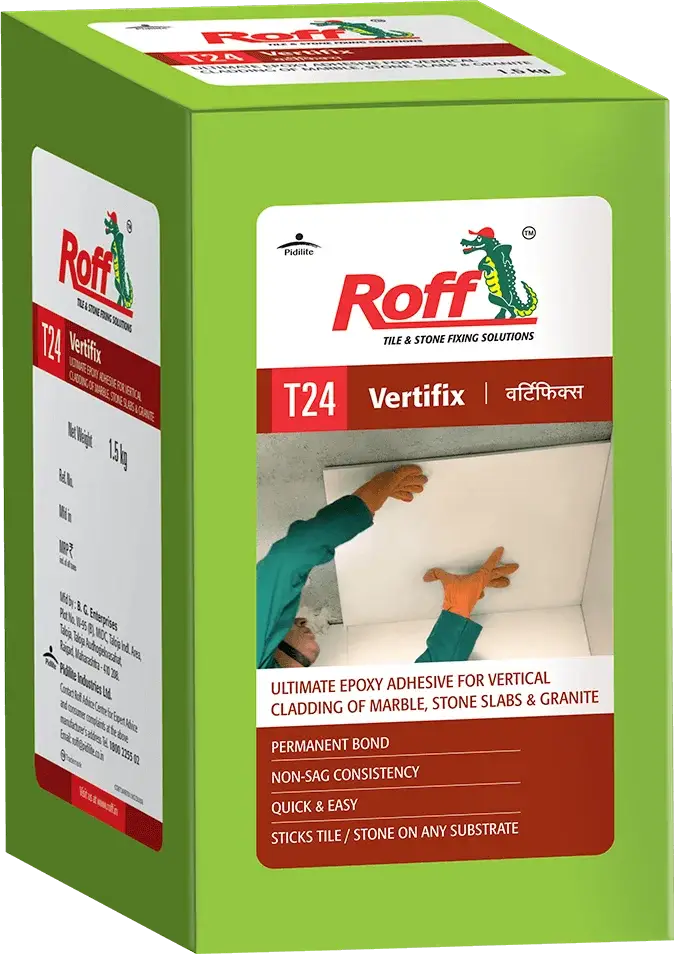
For renovation and tile-on-tile installations, using a high-performance Roff floor tile adhesive, such as Roff Non-Skid Adhesive (NSA), designed for non-porous surfaces, helps ensure reliable bonding.
These advanced adhesives are formulated to:
Deliver stronger adhesion on existing tiles
Handle low-absorption surfaces effectively
Reduce debonding risks
Improve installation stability over time
This helps designers achieve predictable performance for both old and new substrates.
Key takeaway
All flooring tile adhesives do not behave the same way across different substrates. Existing tiled floors and cementitious bases differ significantly in absorption, curingbehaviour, and bonding conditions.
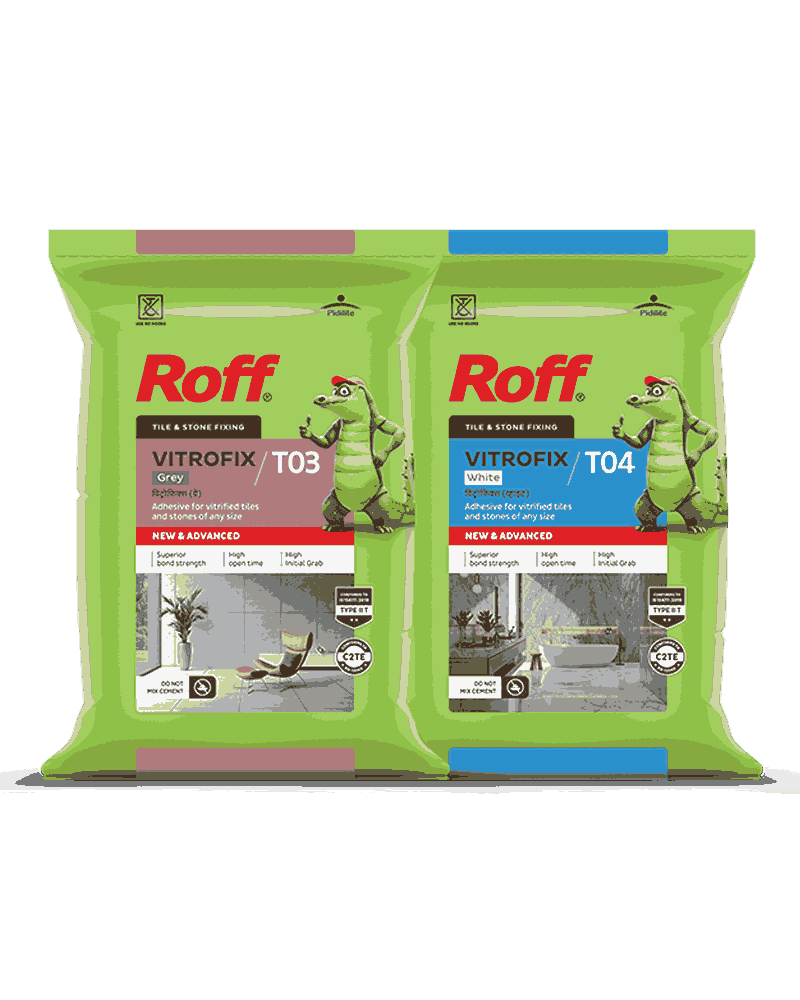
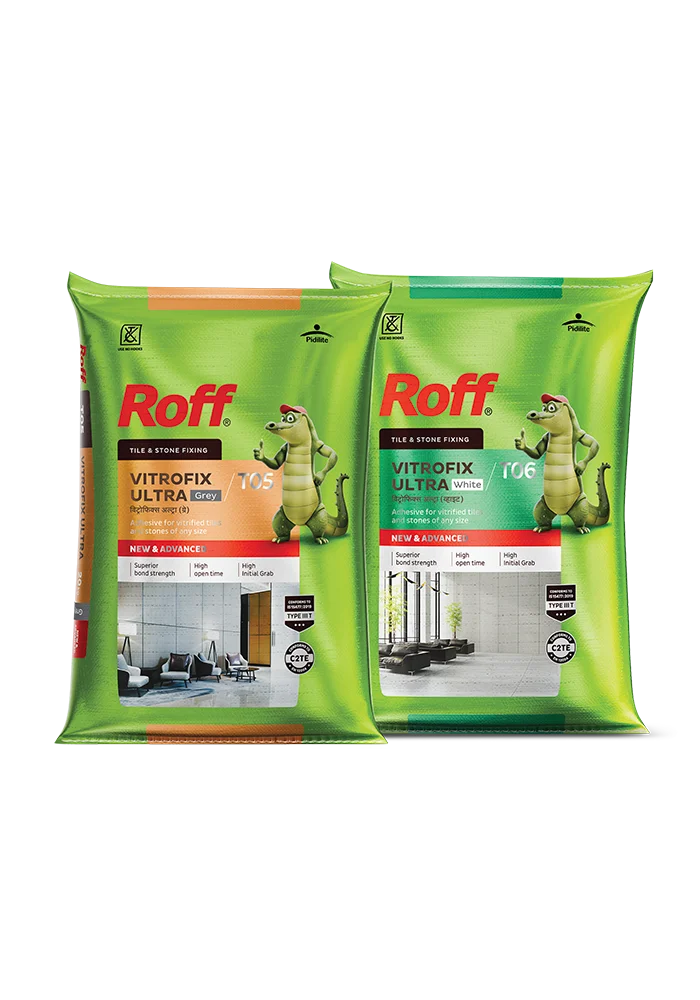
Recognising this difference and selecting a tile-on-tile-compatible adhesive system is necessary to avoid hollow tiles and long-term renovation failures. Roff has a variety of tile adhesives tailored to different tile types and surfaces, making it convenient to find the right match. You can find the right adhesive for your house usingRoff’s tile adhesive selector on their website.
FAQs
1) Why does flooring tile adhesive behave differently on old tiles and cement surfaces?
Flooring tile adhesive behaves differently on porous cement surfaces, whereasold tiled floors are usually non-porous. Cement absorbs some moisture from the adhesive, helping it cure and bond better. Existing tiles absorb little to no moisture, so the adhesive cures more slowly and depends more on surface grip.
2) Can the same floor tile adhesive be used for tile-on-tile and cement surfaces?
Not always. Cement surfaces and existing tiled floors require different adhesives. Tile-on-tile work requires a specialised adhesive for low-absorption or non-porous surfaces, while cement surfaces can be used with adhesives suited for porous substrates.
3)What is the best Roff adhesive for tile-on-tile installation on floor?
For tile-on-tile installation, Roff Non-Skid Adhesive (NSA) is a suitable choice. It is designed to bond well to existing tiles and helps reduce risks such as hollow patches, weak bonding, and debonding over time.
4)Why is surface preparation important for tile-on-tile application?
Surface preparation helps improve adhesion, but it cannot replace the right adhesive. Since existing tiles are non-porous, they require a tile-on-tile-compatible adhesive that bonds properly without relying on moisture absorption. Additionally, you must also ensure that the surface has been properly roughened and cleaned. The surface should be dust- and stain-free to ensure proper adhesion.