Check out the biggest trends of the season and our expert take on them.
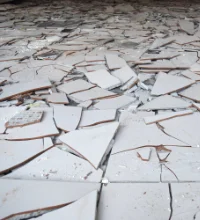
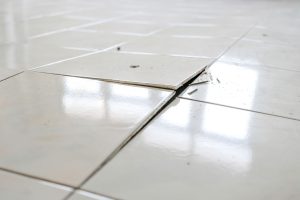
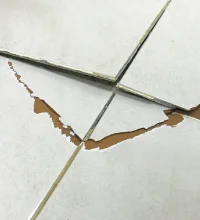
Tiles cracking, coming loose, or sounding hollow a few months after installation is a frustration many homeowners face. And more often than not, the problem is not the tile but the tile adhesive or glue used underneath. The right tile glue plays a critical role in how long tiles last, how clean the finish looks, and how well surfaces handle daily wear, moisture, and heat. Choosing the correct adhesive is not about convenience. It is about performance that matches your tile, surface, and space.
Let’s find out a few key parameters you should keep in mind when selecting a tile glue or adhesive.
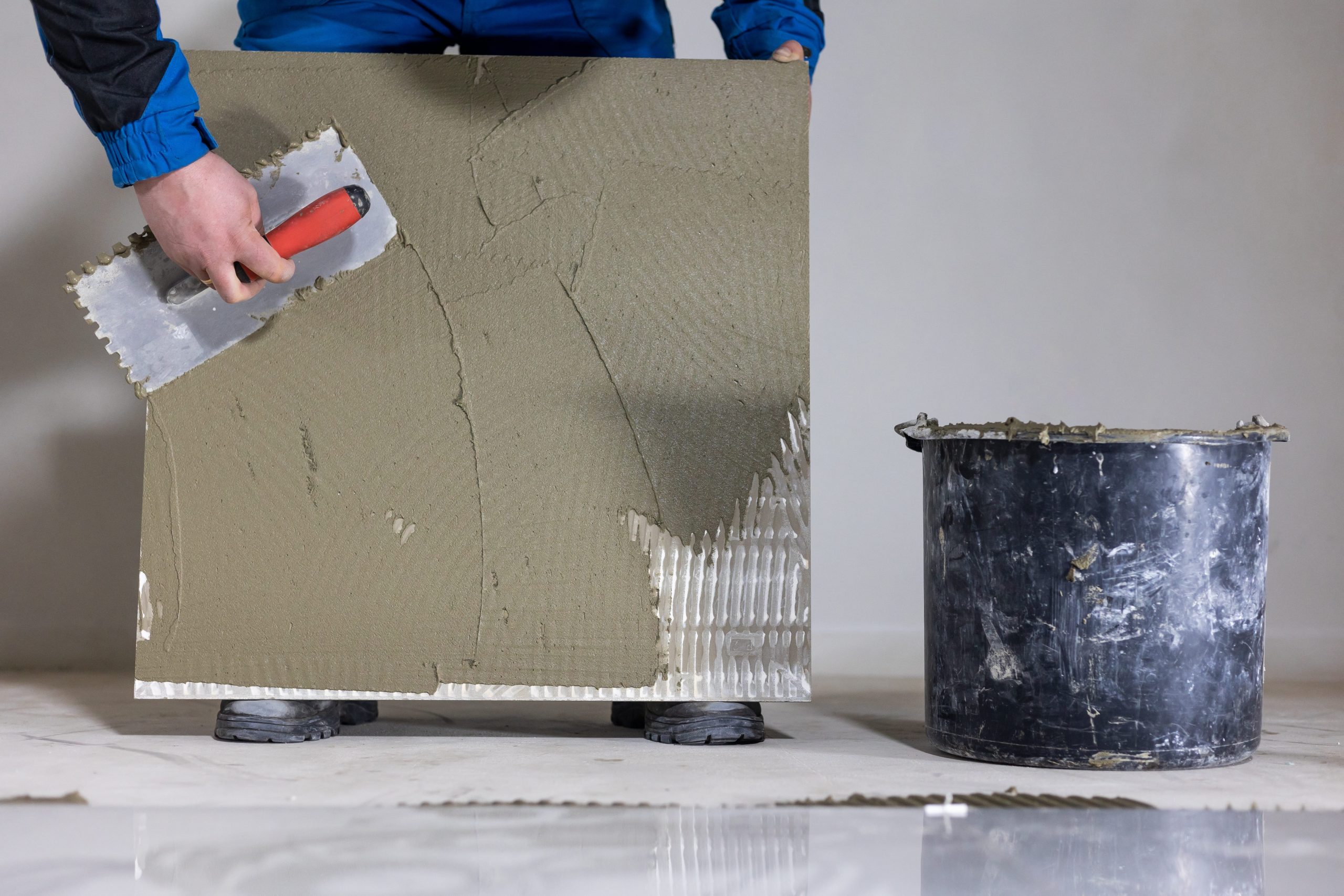
Bond strength refers to how securely a tile adhesive or glue creates a lasting tile bond between the tile and the surface beneath. This matters even more for large-format tiles, heavy stone, and wall applications. Different tiles and surfaces need different bond performance, so avoid generic strength claims and choose application-specific systems.
Slip resistance refers to a tile adhesive or glue’s ability to hold tiles in place without sliding after application. It is critical for wall tiles and large slabs, where movement can ruin alignment and finish quality. A low-slip tile-fixing paste helps installers place tiles accurately and maintain the intended design.
Open time refers to how long a tile adhesive or glue remains workable after application. Rushing tile placement can weaken the bond and lead to uneven finishes over time. Adequate open time is crucial for complex layouts and coordination on site, while a good tile-fixing adhesive allows repositioning without compromising the tile bond.
Water and heat resistance together decide how reliably a tile adhesive or glue performs over time. This is crucial for bathrooms, kitchens, balconies, and sun-exposed areas. Standard glue often underperforms in wet or high-temperature zones, leading to debonding and recurring repairs.
The right tile adhesive or glue depends on tile material, whether ceramic, vitrified, or stone, as each behaves differently. Tile size also changes performance needs, with larger formats requiring higher strength. Surface conditions like concrete, drywall, old tiles, and internal or external areas further influence selection. Even glue for ceramic tiles must be chosen based on context, not assumption.
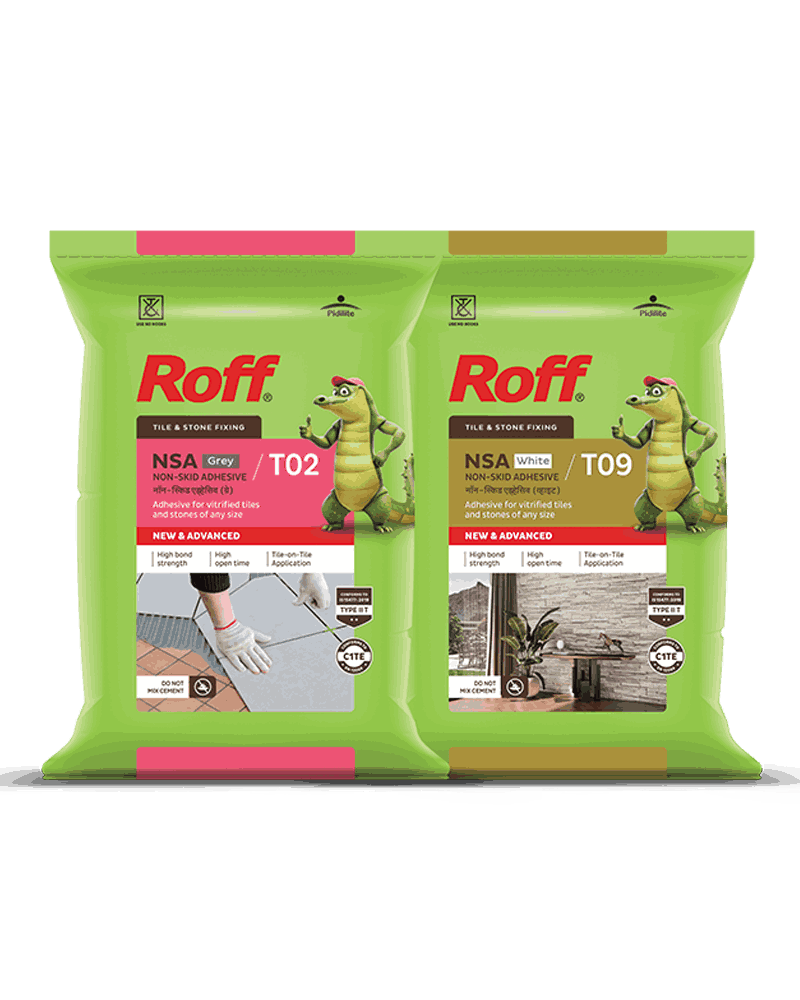
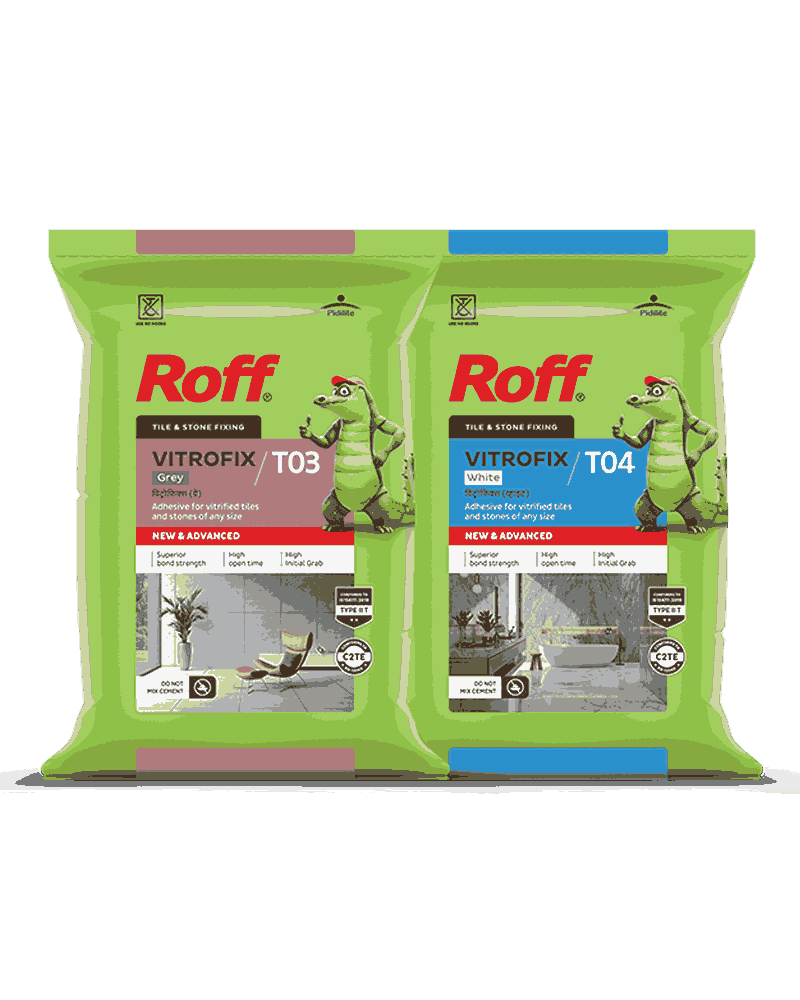
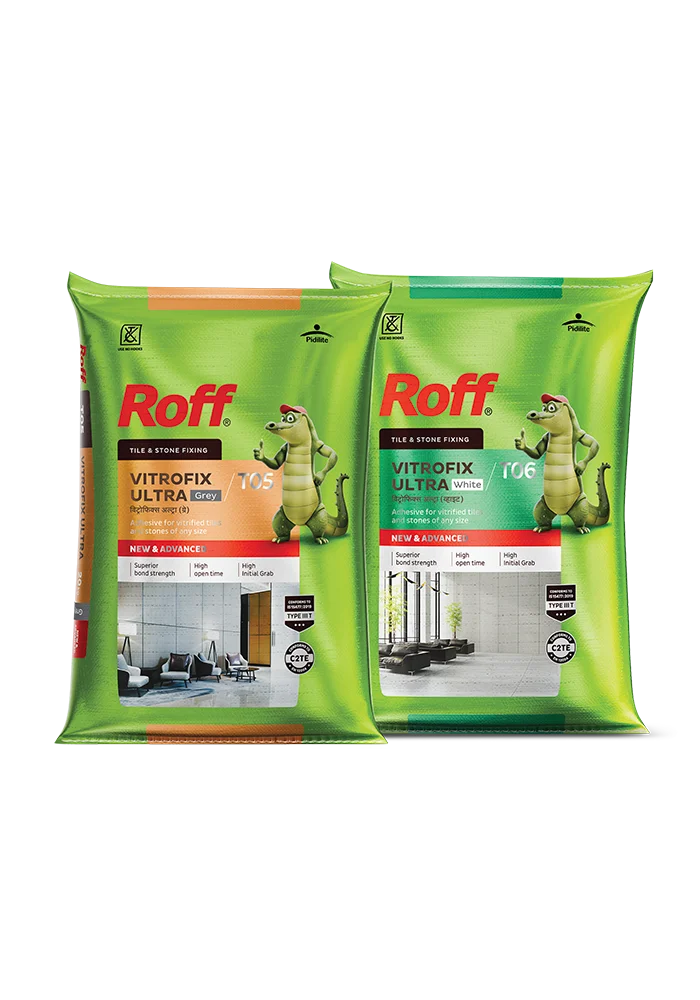
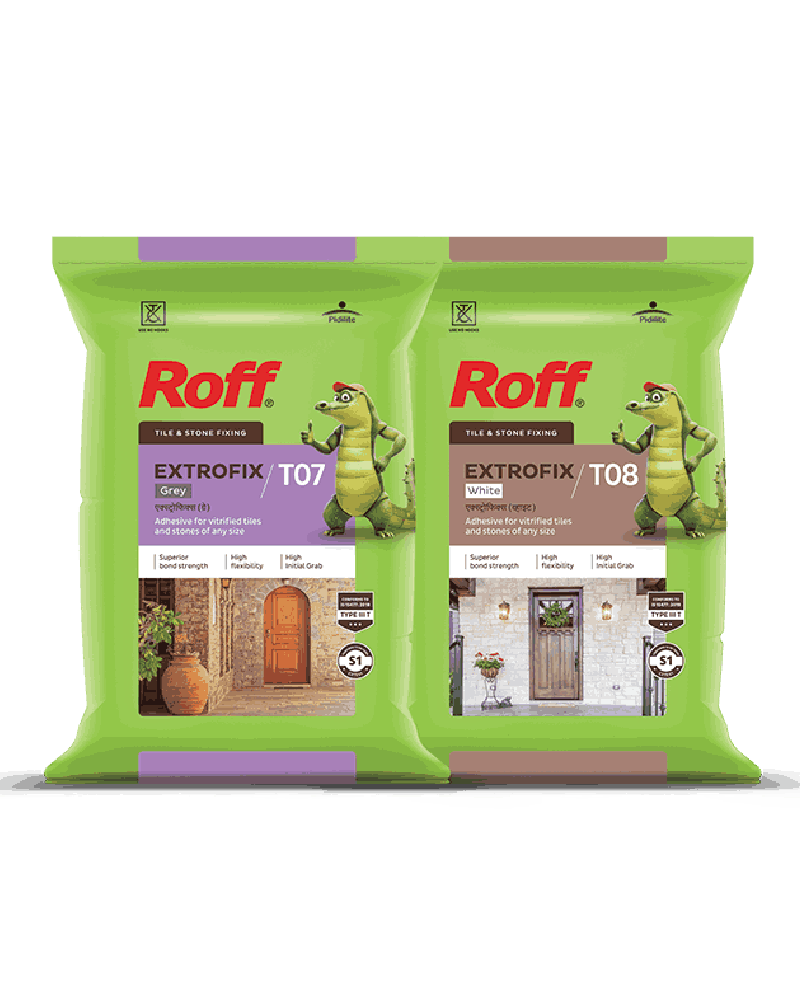
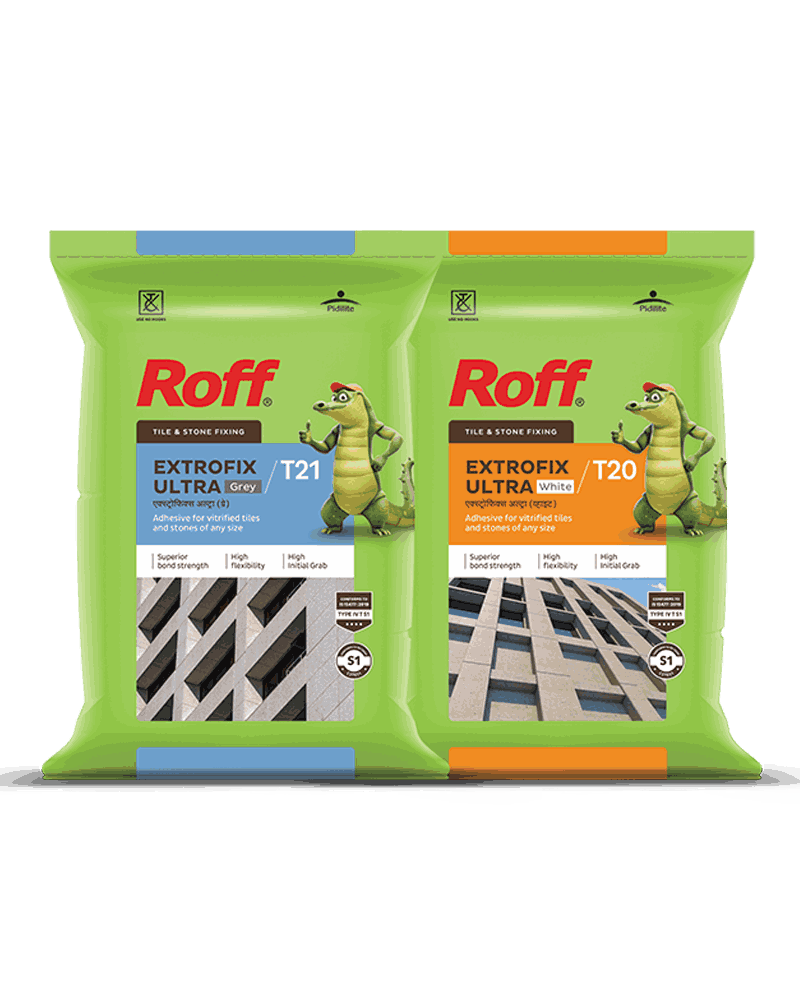
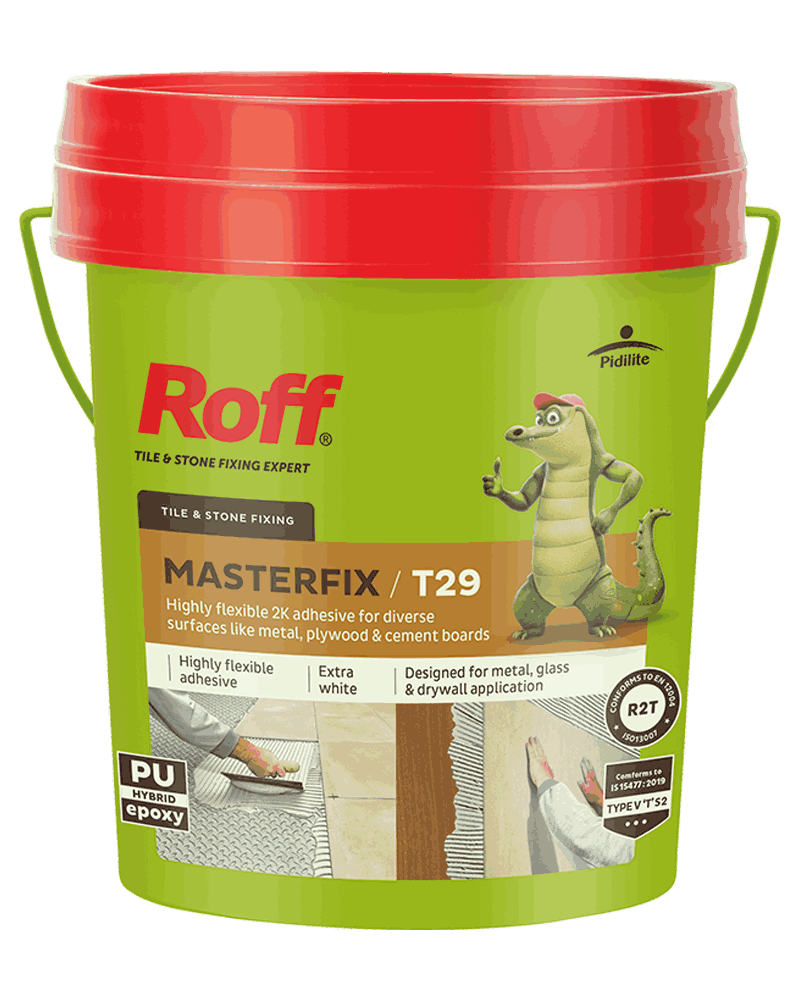
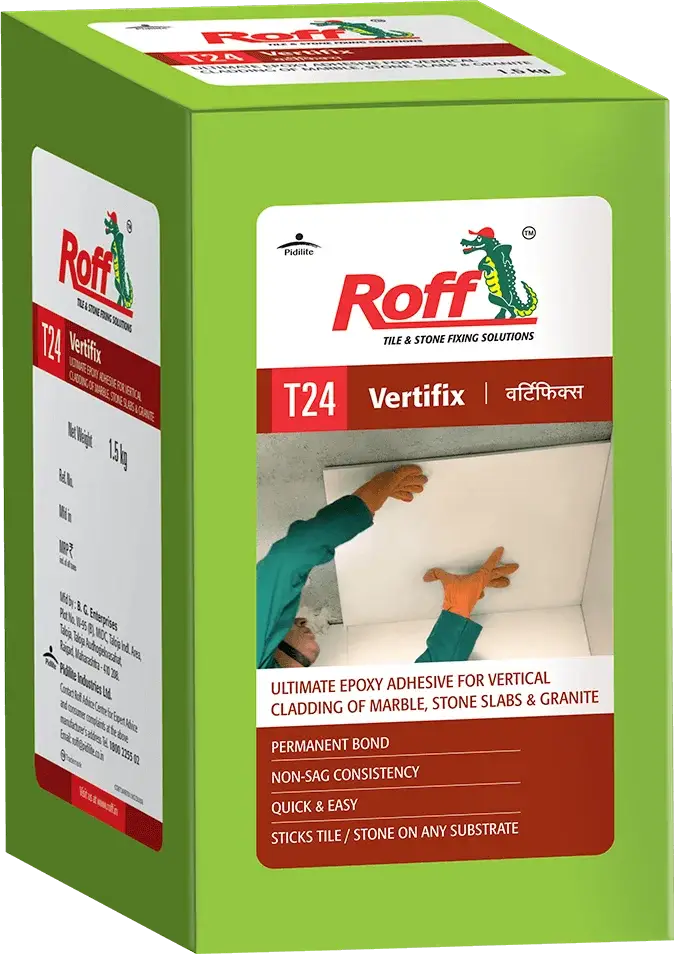
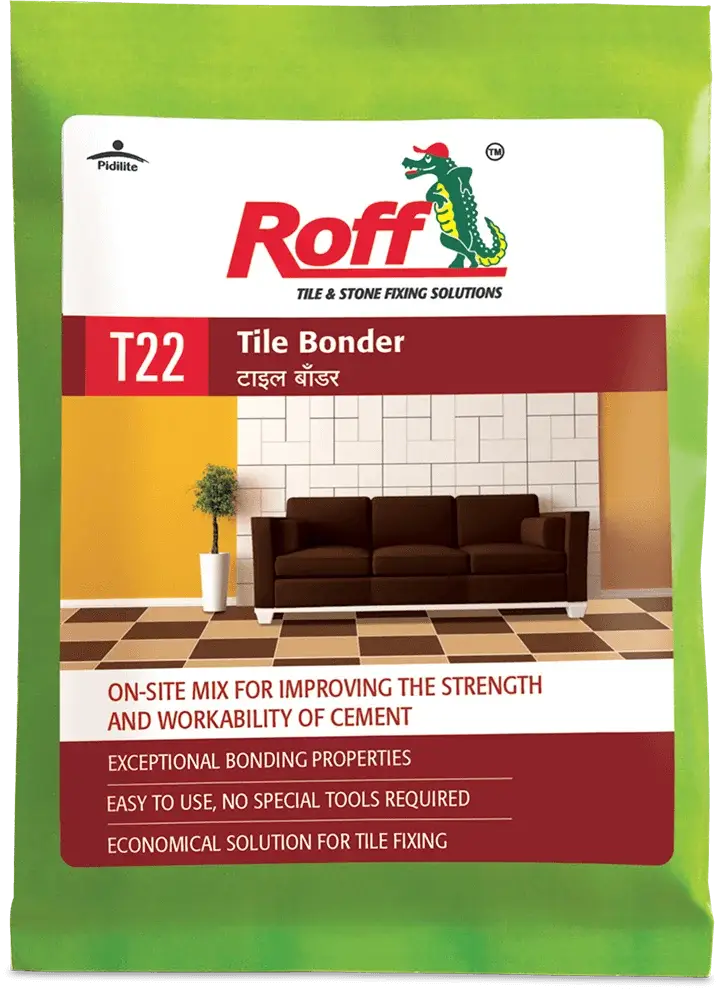
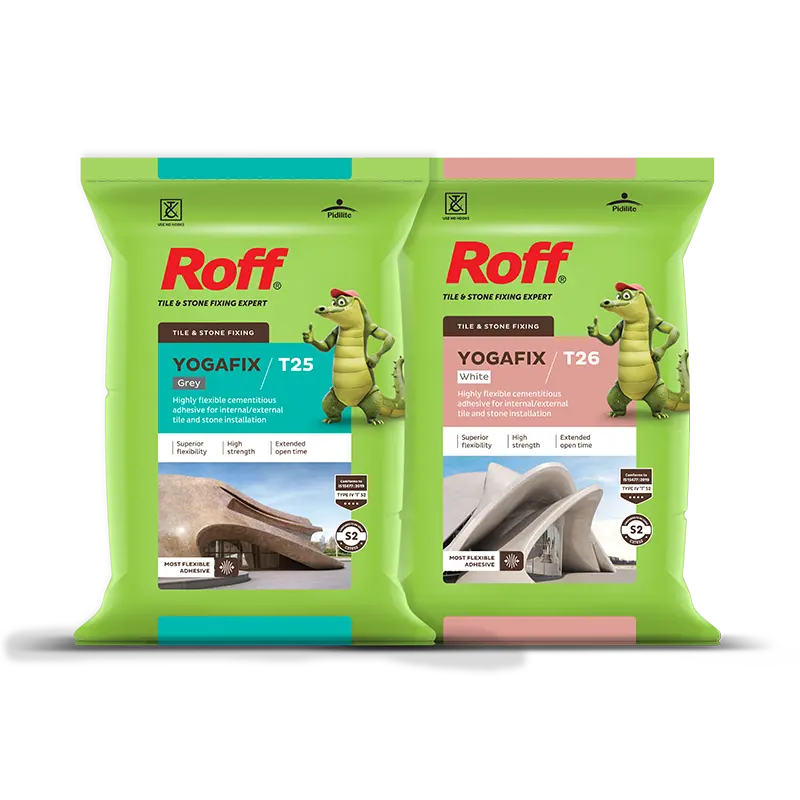
Roff’s range of tile adhesive or glue solutions is built around real installation needs, from small ceramic tiles to large-format slabs, walls, floors, internal spaces, and exposed areas. With options tailored for different tile types, sizes, and surfaces, Roff makes it easier to match performance parameters like bond strength, flexibility, and resistance to moisture and heat. This system-led approach ensures reliable results without overcomplicating selection, even for complex projects.
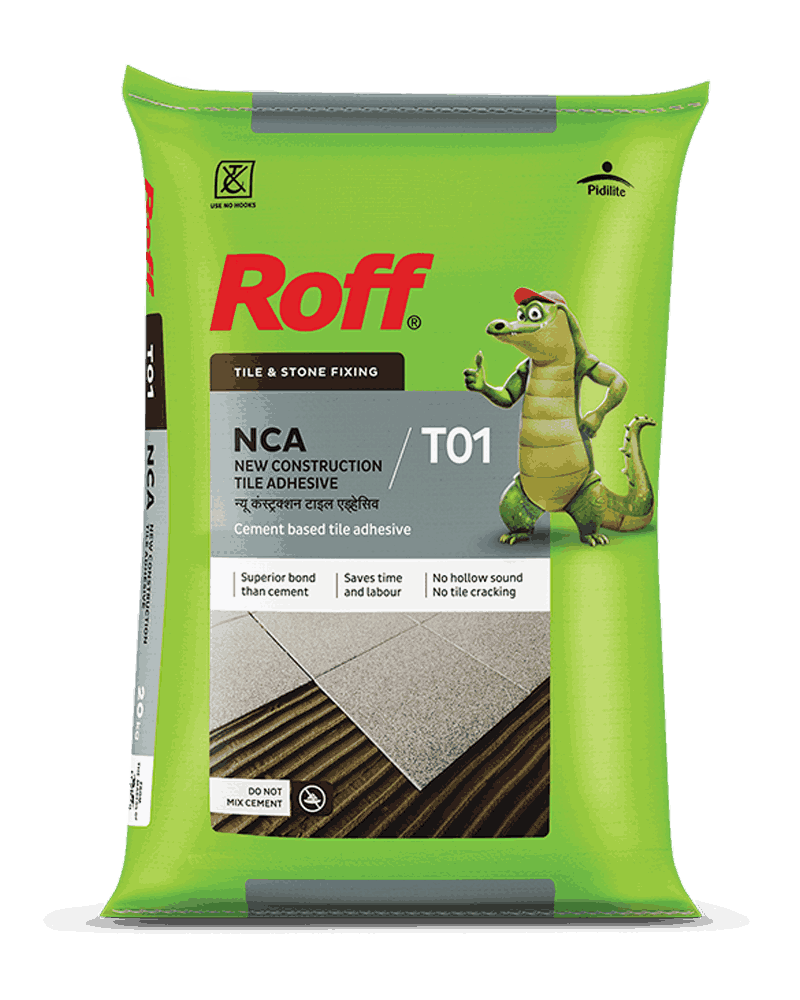
Choosing the right adhesive is ultimately about protecting your surfaces for the long run. When performance metrics guide your decision, you reduce failures, rework, and maintenance issues. Explore Roff’s tile paste and adhesive range to find a solution that fits your space, tile, and application with confidence.
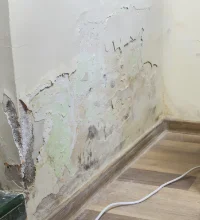
This approach ensures the wall isn’t just ‘ready’ but rather bonded to the wall tile adhesive system.