Blogs & Current Trends

Check out the biggest trends of the season and our expert take on them.

Tile cleaner chemical explained: Performance, compatibility, and safe use

Tiles are often selected after careful evaluation of finish, slip resistance, and durability. However, the tile cleaner chemical used to maintain them is rarely given the same attention. Over time, the wrong cleaner liquid for tiles can affect surface gloss, weaken grout joints, and even compromise hygiene in wet areas.
For architects and interior designers, maintenance planning is part of responsible specification. For homeowners, it is about preserving the look and performance of their investment. The right tile cleaner chemical plays a direct role in ensuring tiled surfaces remain durable, safe, and aesthetically pleasing long after installation. 

This article explores how different cleaning chemistries work, how they interact with tiles and grout, and how to select the right tile cleaner chemical for long-term performance.

Tile cleaner chemicals as part of the tile system lifecycle

Tiles do not function independently. They are part of a system that includes adhesive, grout, substrate preparation, waterproofing layers, and ongoing maintenance. 

A well-selected tile cleaner chemical influences: 

  • Surface durability and shine retention 
  • Grout joint strength and colour stability 
  • Hygiene performance in wet areas 

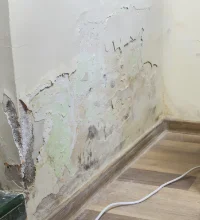
When cleaning products are chosen without considering compatibility, problems begin to surface. Grout may start powdering. White haze may reappear repeatedly. Tile finishes may become dull. In many cases, these are not installation failures but maintenance failures caused by using an unsuitable tile cleaner chemical. 

Thinking of cleaning as part of the lifecycle ensures tiled surfaces perform reliably for years.

Categories of tile cleaner chemicals and their functional properties

Not all cleaning agents work in the same way. Understanding how each tile cleaner chemical functions helps in selecting the right solution for the right problem.

  • Acidic cleaners

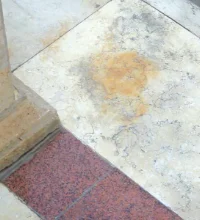
Acidic cleaners are designed to remove mineral deposits, cement haze, white efflorescence, yellow stains, hard water scaling, and moss buildup. These issues are common in bathrooms, balconies, porches, and post-construction sites. 

When properly formulated and used in recommended dilutions, an acidic tile cleaner chemical is highly effective for ceramic and vitrified tiles. It targets mineral-based stains that neutral cleaners cannot dissolve effectively.

Acidic cleaners are particularly useful in:

  • Bathrooms with hard water stains 
  • Tiled exterior areas exposed to rain and dirt 
  • Post installation residue removal 

The key is correct usage and material compatibility. 

  • Alkaline cleaners 

Alkaline cleaners break down grease, oil, and organic buildup. They are useful in kitchens and food preparation zones.

However, overuse of strong alkaline solutions may affect certain surface finishes over time. This reinforces the need to match the cleaning chemistry to the specific cleaning challenge.

  • Neutral cleaners 

Neutral cleaners are suitable for everyday maintenance. They are commonly used as a tile cleaning liquid for routine mopping. They are less aggressive and not ideal for maintaining clean tiles, and show build-up over time due to their inability to provide a thoroughly cleaned surface. 

The important takeaway is that stronger is not always better. The correct tile cleaner chemical depends on the type of stain and surface, with acidic cleaners always being the safest choice.

Compatibility considerations: Tile types and chemical selection

Choosing the right cleaner starts with understanding the tile material.

  • Ceramic and vitrified tiles

These tiles are generally compatible with properly formulated acidic cleaners. A well-designed tile cleaning liquid can remove scaling and stains without affecting colour or shine when used correctly.

  • Surface finishes 

Polished, matte, and textured tiles respond differently to cleaning agents. Residue buildup from an inappropriate cleaner liquid for tiles can reduce slip resistance or leave streaks.

Compatibility is not optional. It is fundamental to long-term performance.

Compatibility considerations: Tile types and chemical selection

Grout joints are often the most vulnerable part of a tiled surface. 

Cement grout is porous and can be affected by harsh or incorrectly diluted cleaning agents. Repeated exposure to an incompatible tile cleaner chemical may lead to:

  • Surface erosion 
  • Increased porosity 
  • Discoloration 
  • Micro cracking

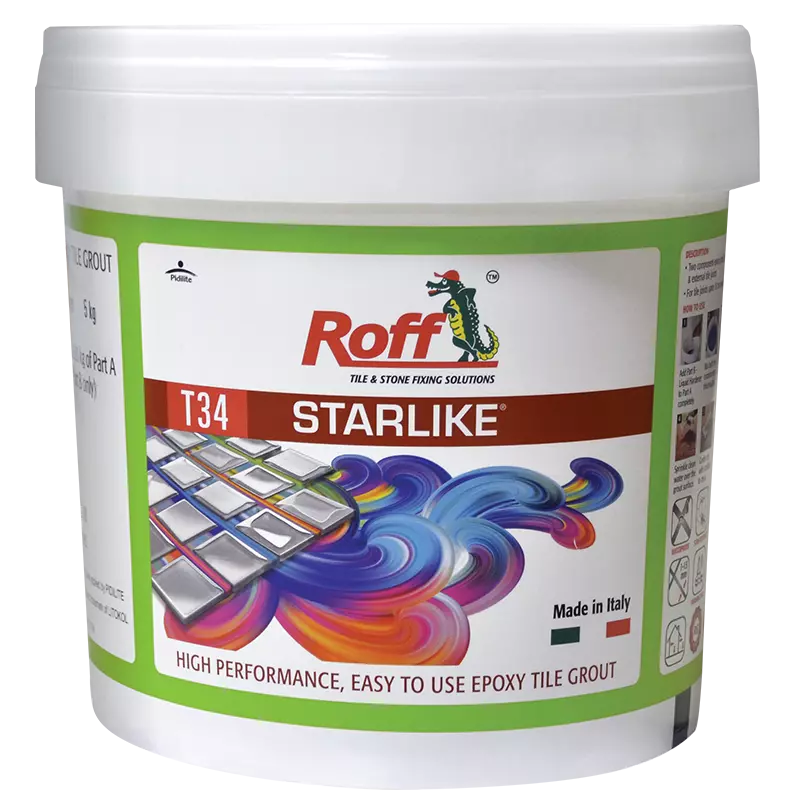
Epoxy grout systems, such as Roff Starlike, are more resistant but still require appropriate cleaning solutions.

A properly formulated acidic tile cleaner chemical, used at the correct dilution and frequency, can remove stains without damaging epoxy grout. The issue is not acidity alone but misuse or incompatibility. 

Maintenance recommendations should always align with the grout system specified during installation.

Wet areas, hygiene, and waterproofing considerations

Bathrooms, toilets, and balconies are high-moisture zones where cleaning plays a crucial role in hygiene.

Hard water deposits, soap scum, and biofilm formation can make surfaces slippery and unhygienic. An effective tile cleaner chemical helps remove these deposits while maintaining slip resistance. 

However, excessive or aggressive chemical exposure can:

  • Weaken grout joints 
  • Affect surface finish 
  • Interfere indirectly with the waterproofing performance if joints deteriorate

A balanced approach ensures both hygiene and durability.

Common surface and grout failures linked to incorrect cleaner selection

Many common tile issues are actually the result of incorrect cleaning practices.

These include:

  • Persistent white haze caused by improper residue removal 
  • Dull surfaces due to incompatible chemistry 
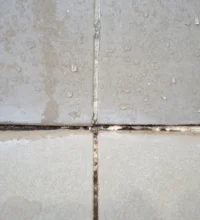
  • Powdering cement grout 
  • Recurring stains because the wrong tile stain remover was used 
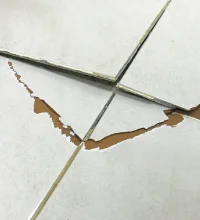
  • Joint widening due to gradual erosion 

In several cases, homeowners blame the tile quality when the root cause is the repeated use of an unsuitable tile cleaner chemical.

Practical specification guidelines for architects and designers

Professionals can reduce maintenance related failures by including cleaning recommendations in handover documents.

A good specification should include:

  • Recommended tile cleaner chemical type 
  • Clear dilution ratios 
  • Frequency of routine cleaning 
  • Separate instructions for tile and natural stone areas 
  • Patch testing guidance 

Providing a defined tile cleaning liquid recommendation ensures maintenance teams and homeowners do not rely on guesswork.

Recommended tile-safe solution: Understanding Roff Cera Clean

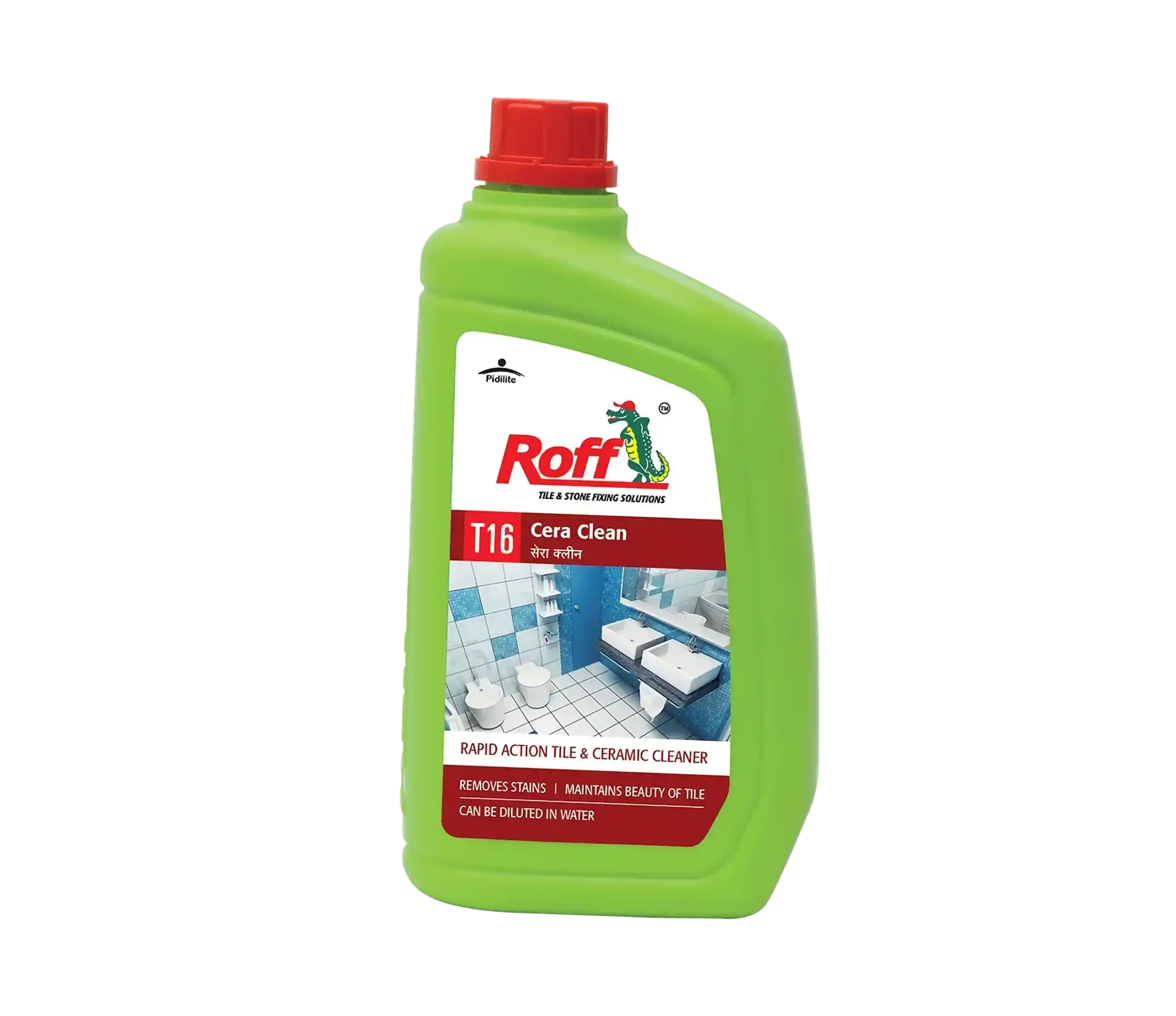
An example of a purpose designed tile cleaner chemical for ceramic and tiled surfaces is Roff Cera Clean. It is formulated to address real-world cleaning challenges while protecting tile performance.

  • Effective removal of mineral deposits and stains 

Roff Cera Clean is an acidic tile cleaning liquid developed to remove: 

  • Yellow spots 
  • Hard water scaling 
  • White residue layers 
  • Grime, oil, wax, and moss

These are common concerns in bathrooms, toilets, kitchens, and porch areas. Its formulation allows it to act as a reliable tile stain remover without affecting tile colour or shine when used correctly.
  • Designed specifically for tiled surfaces 

Roff Cera Clean is suitable for:

  • Ceramic and vitrified tile floors 
  • Tiled bathroom walls 
  • Domestic and commercial tiled areas

It is important to note that it is designed for tiles and not for natural stone surfaces. This distinction supports compatibility and prevents unintended surface reactions.
  • Flexible usage for different cleaning needs 

The product connects directly to practical maintenance scenarios:

  • For mild stains, dilute in a 1:10 ratio with water and apply with a cloth 
  • For stubborn scaling, use the neat solution after a patch test 
  • For everyday mopping, mix two caps in half a bucket of water

This flexibility allows homeowners and facility managers to use the same tile cleaner chemical across routine and deep cleaning tasks while maintaining control over concentration.

  • Protecting grout integrity and surface shine

When used as recommended, Roff Cera Clean supports:

  • Preservation of tile colour and natural shine 
  • Effective scaling removal without aggressive scrubbing 
  • Compatibility with epoxy grout systems when used responsibly
  • It demonstrates how an acidic tile cleaner chemical can be both powerful and surface-conscious when properly formulated.

Aligning maintenance with long-term surface performance

Cleaning is not an afterthought. It is an extension of the specification. 

Selecting the right tile cleaner chemical ensures that tiled surfaces maintain their aesthetic appeal, structural integrity, and hygiene standards over time. Acidic, alkaline, and neutral cleaners each have a defined role. The key lies in selecting the appropriate solution based on surface type and stain category.

When maintenance recommendations are aligned with compatible products, tiled surfaces perform consistently and predictably.

Aligning maintenance with long-term surface performance

tile cleaner chemical is not just a cleaning product. It is a performance variable that influences tile durability, grout strength, hygiene, and long-term aesthetics. By selecting compatible and properly formulated solutions, professionals and homeowners can prevent avoidable failures and extend surface life. 

If you are looking for a reliable, tile-safe solution that effectively removes stains and scaling while protecting surface shine, consider Roff Cera Clean as part of your regular maintenance plan. Choose the right cleaner today to ensure your tiled surfaces perform beautifully for years to come. 

Frequently asked questions (FAQs)

1. Can acidic tile cleaner chemicals damage tiles?

No. When properly formulated for tiles and used in recommended dilutions, acidic cleaners safely remove mineral deposits. They should not be used on natural stone surfaces.

2. How often should a tile cleaning liquid be used?

For routine cleaning, a diluted solution can be used during regular mopping. Stronger concentrations should only be used occasionally for stubborn stains or scaling.

3. Is one cleaner liquid for tiles suitable for all surfaces at home?

No. Tile-specific cleaners, such as Roff Cera Clean, are usually not compatible with natural stone surfaces. Always check surface type and conduct a patch test before full application.

This approach ensures the wall isn’t just ‘ready’ but rather bonded to the wall tile adhesive system.