Check out the biggest trends of the season and our expert take on them.
How poor tile glue or adhesive leads to cracks, loose tiles, and more
Did you know that failure of the tile glue or adhesive is one of the first problems to appear in a newly constructed or renovated home? The use of cement for tile fixing is the main reason for this failure, as cement is just not as effectiveas professionally formulated adhesives. Tiles can start to weaken within 6-12 months from installation due to cement’s ineffectiveness.
Tile glue or adhesive holds your tiles in place over the surface and keeps them locked in an interconnected system. So, if you want to ensure long-lasting tile bonding, here are a few problems to watch out for to keep your tiles in place longer.
Why does use of cement for tile fixing lead to failure ?
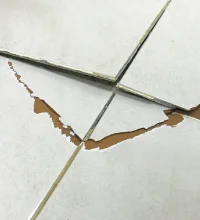
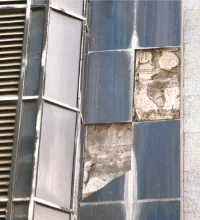
Using plain cement for tile fixing often fails because cement shrinks while drying and does not provide enough flexibility or bond strength. Tiles and the base surface expand, contract, or move slightly, causing the cement bond to crack or debond.
Cement also has poor water-retention and may dry out before proper adhesion develops. This can lead to hollow sounds, cracks, tile lifting, or complete tile failure.
How does weak bonding lead to loose tiles?
The integrity of your installation is determined by the tile bonding strength: the lock between tiles and the surface underneath (substrate). But when this bonding fails, tiles start coming loose.
This usually occurs if the substrate was not prepared properly or if a tile glue or adhesive with the right bonding strength was not used.
Why does the insufficient spread of adhesive cause cracks in tiles?
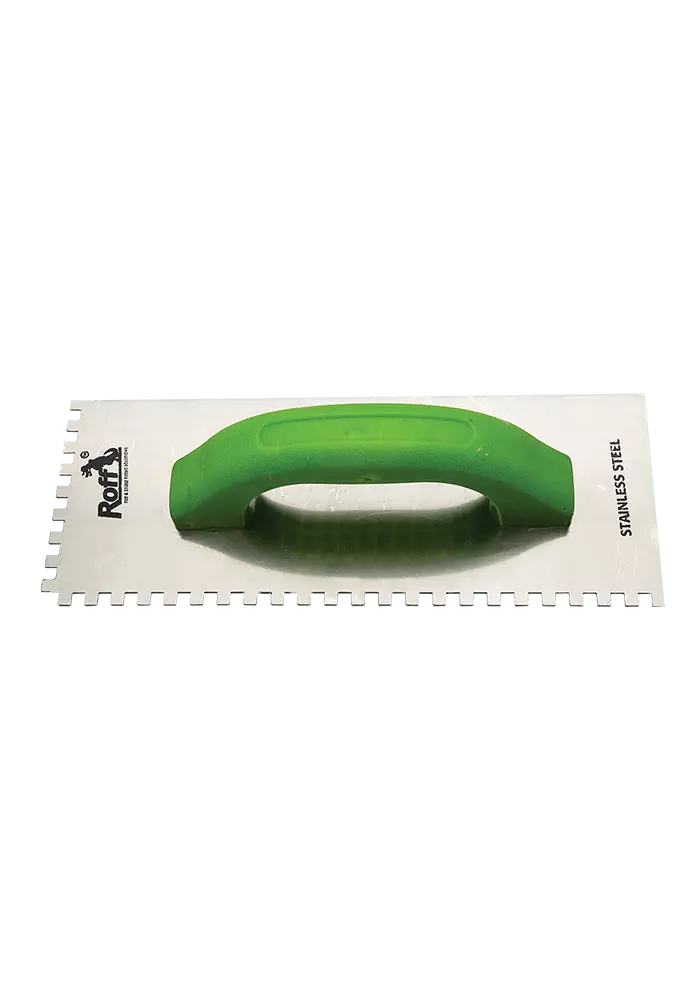
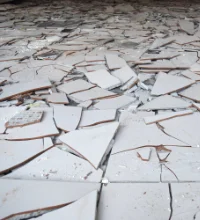
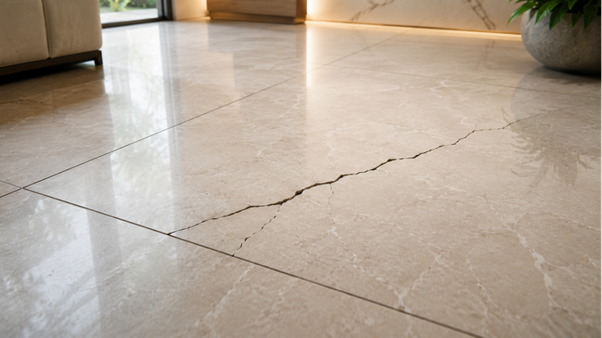
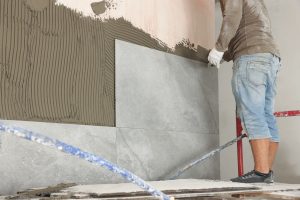
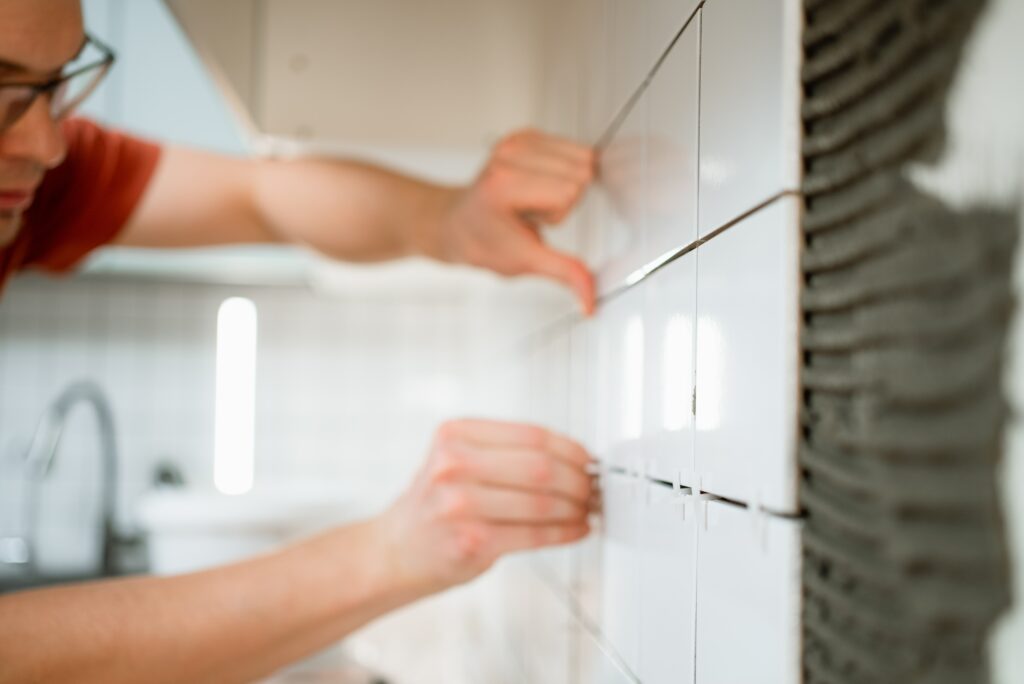
Apart from debonding, tiles can also crack or even break when the tile glue or adhesive is not spread properly on the substrate using a notch trowel.
This is because when tile adhesive is applied unevenly, in small blobs, or without proper notching, it leaves air pockets, eliminating necessary support and causing the tile to fail under load, weight, or temperature changes.
How does adhesive consistency or coverage impact tiles?
Misalignment of tiles is a common issue that occurs when the consistency of thetile glue or adhesive is too thick or too thin. Moreover, inadequate coverage of the tile adhesive can leave air pockets, which can further cause unevenness in the tiles.
Uneven tiles can cause a whole host of other issues, including:
Aesthetic disruptions that make your floor or wall look worse
Safety issues, as uneven tiles can cause you to trip if you aren’t paying attention
Uneven tiles are more vulnerable to water damage and dust accumulation
How does poor adhesive application lead to hollow sounds?
If you are wondering,“How do you know if a tile adhesive is bador not working?”Hollow sounds when tapping tiles are among the easiest indicators. It highlights the presence of air pockets and points towards failure in preparation or application during the tiling process.
How to prevent tile glue or adhesive failures?
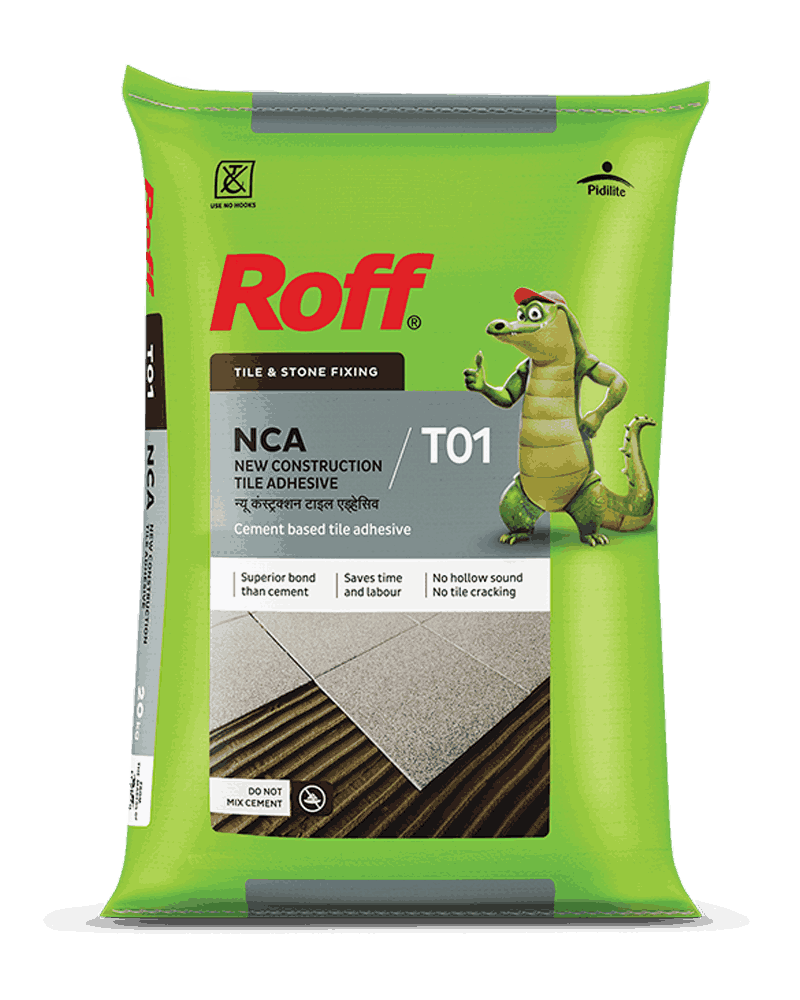
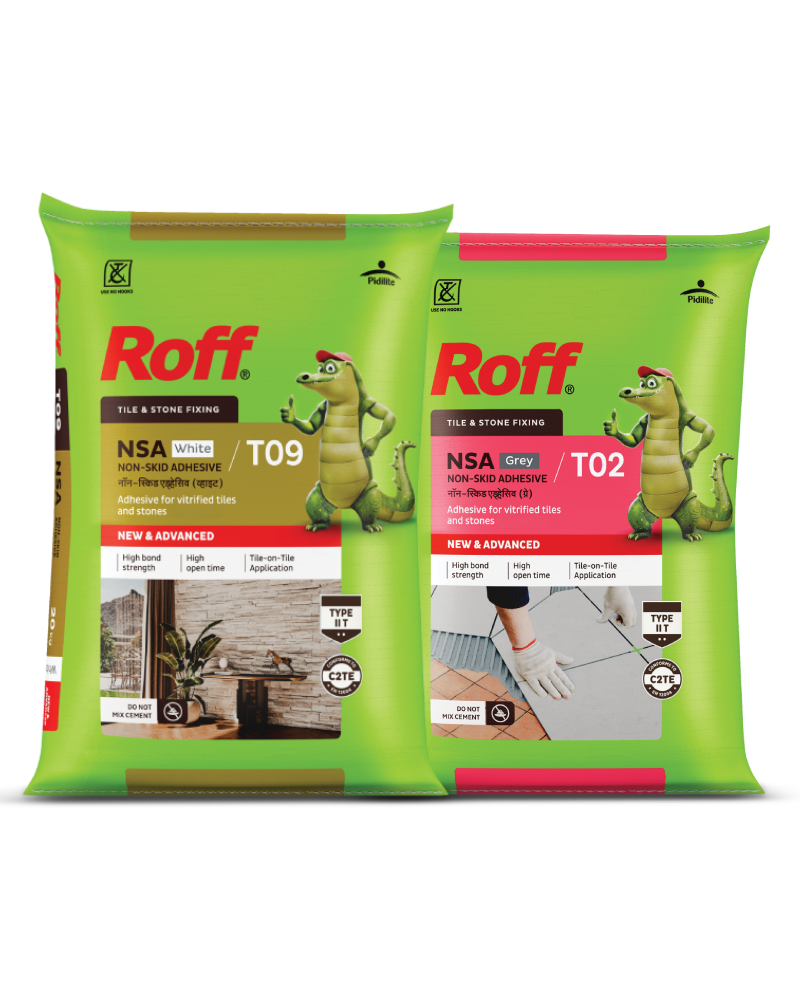
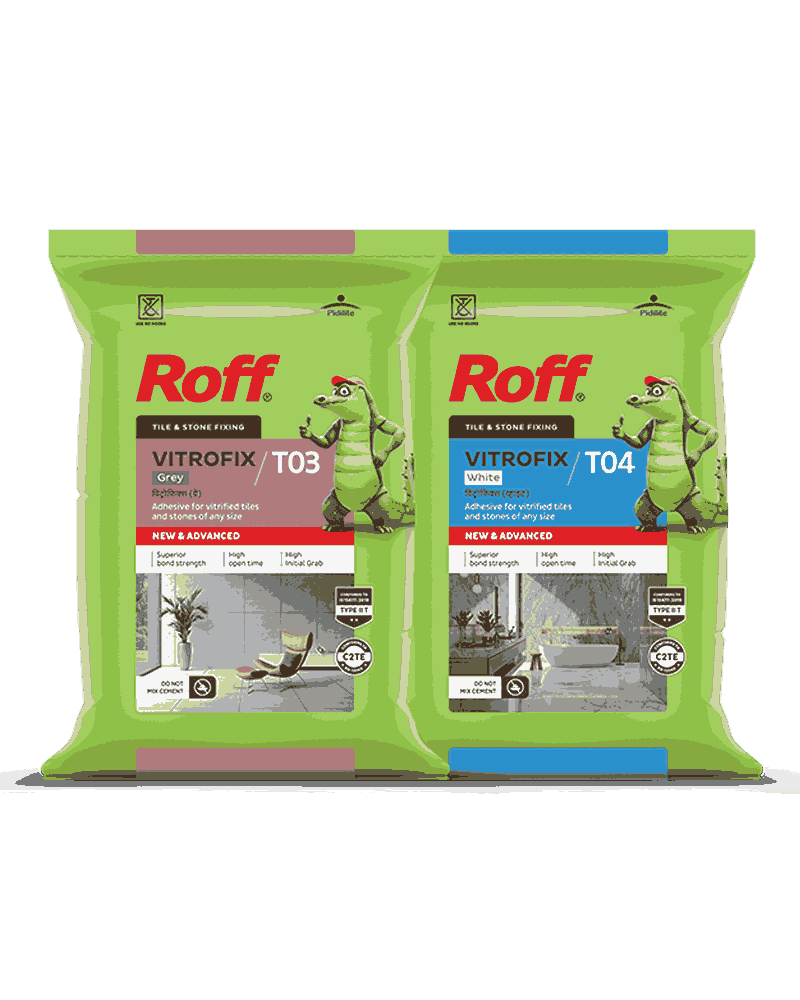
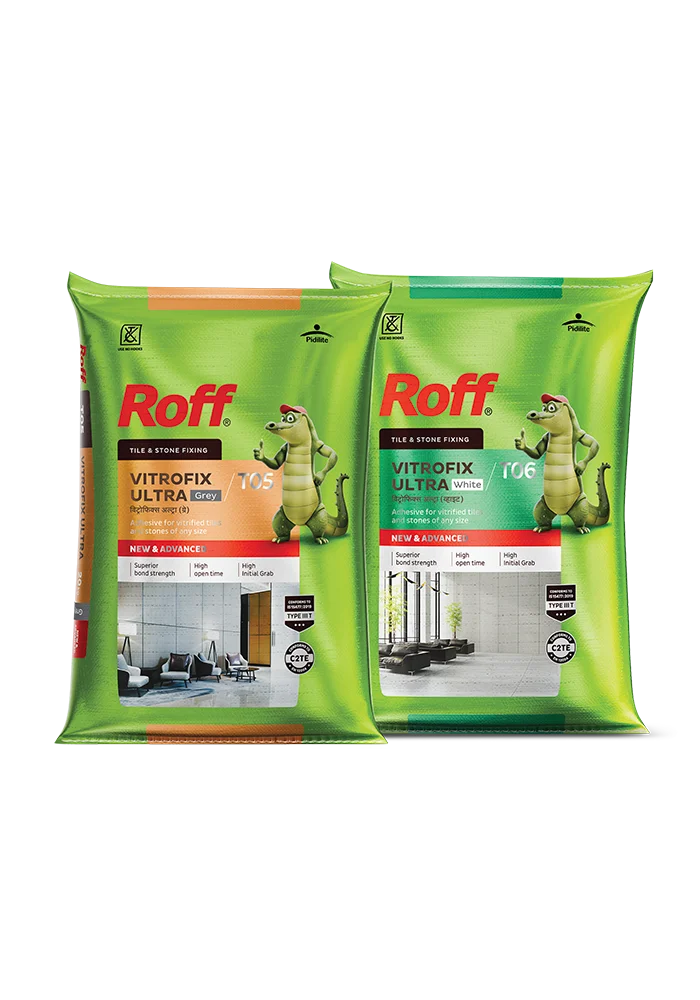
Preventing tile installation failure starts by choosing the right tile glue or adhesiveinstead of cement.Even today, most contractors use a simple cement paste for installations, despite the higher failure rate compared to chemical adhesives. This is because professionally manufactured tile glue is stronger than cement, thanks to its precise composition, which delivers long-lasting tile bonding.
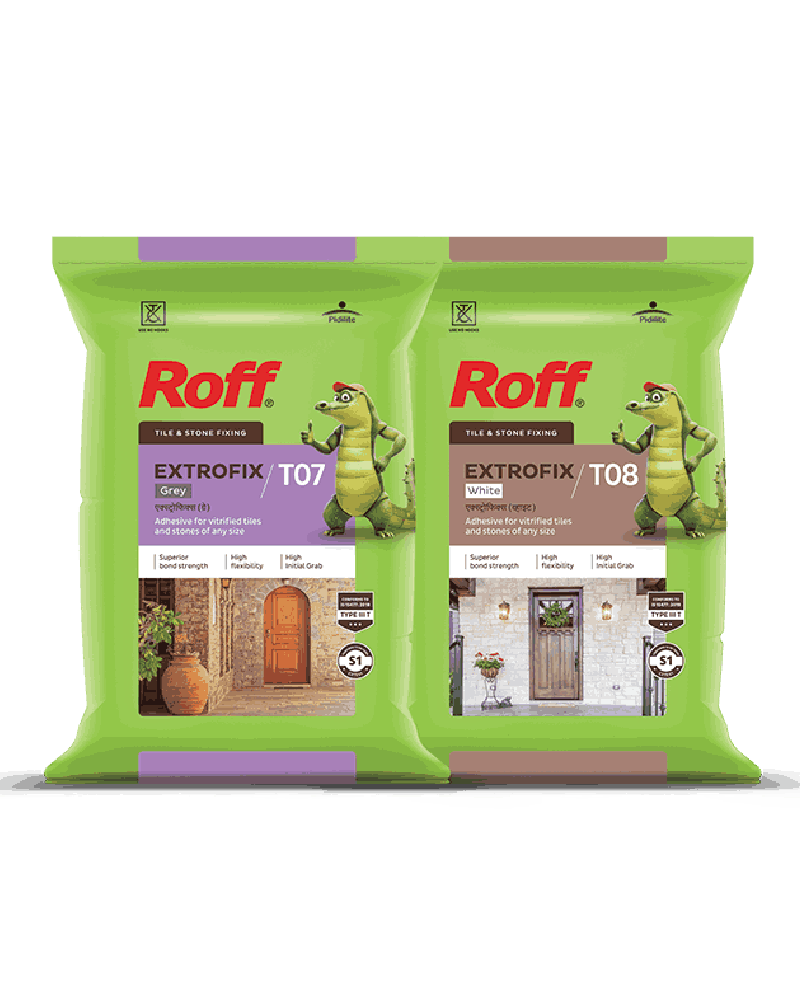
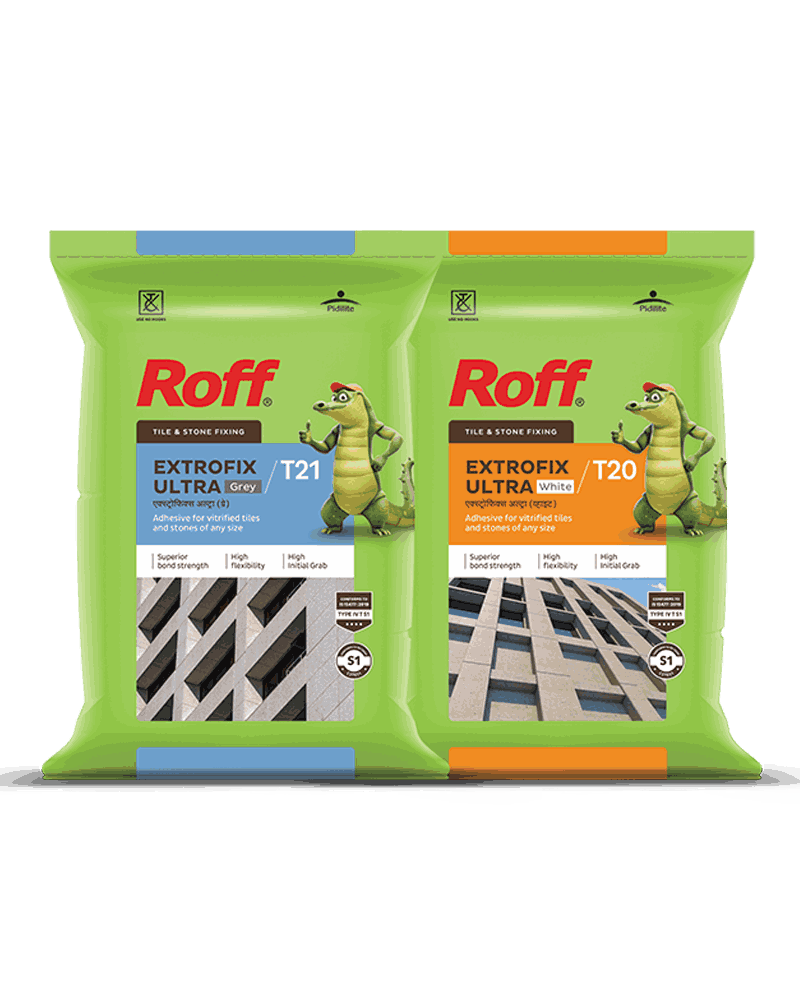
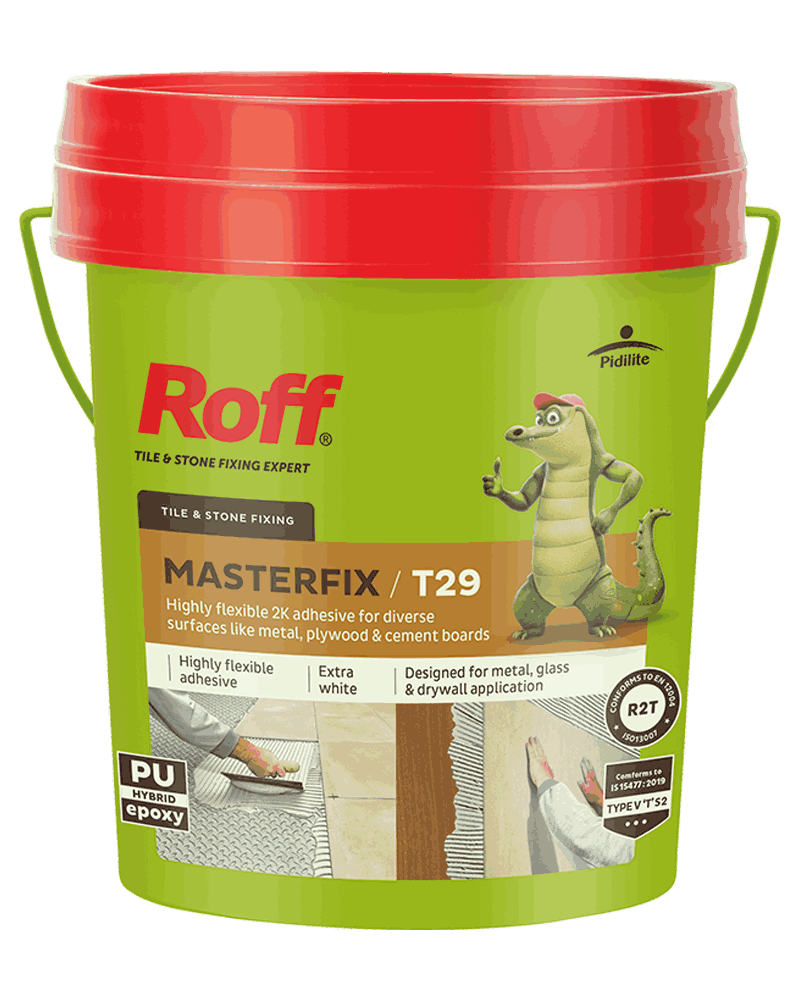
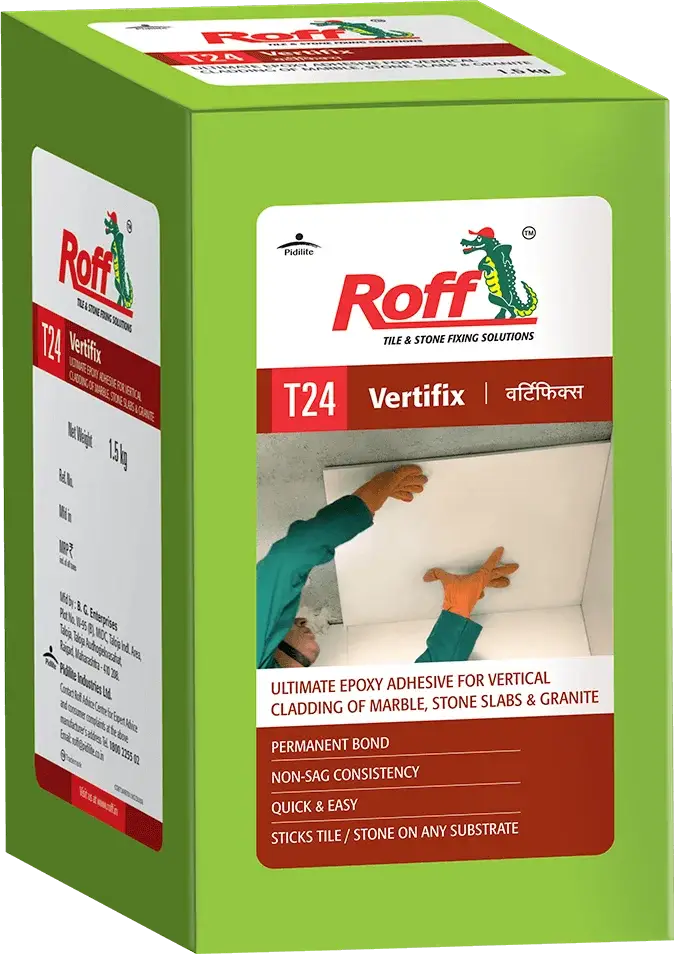
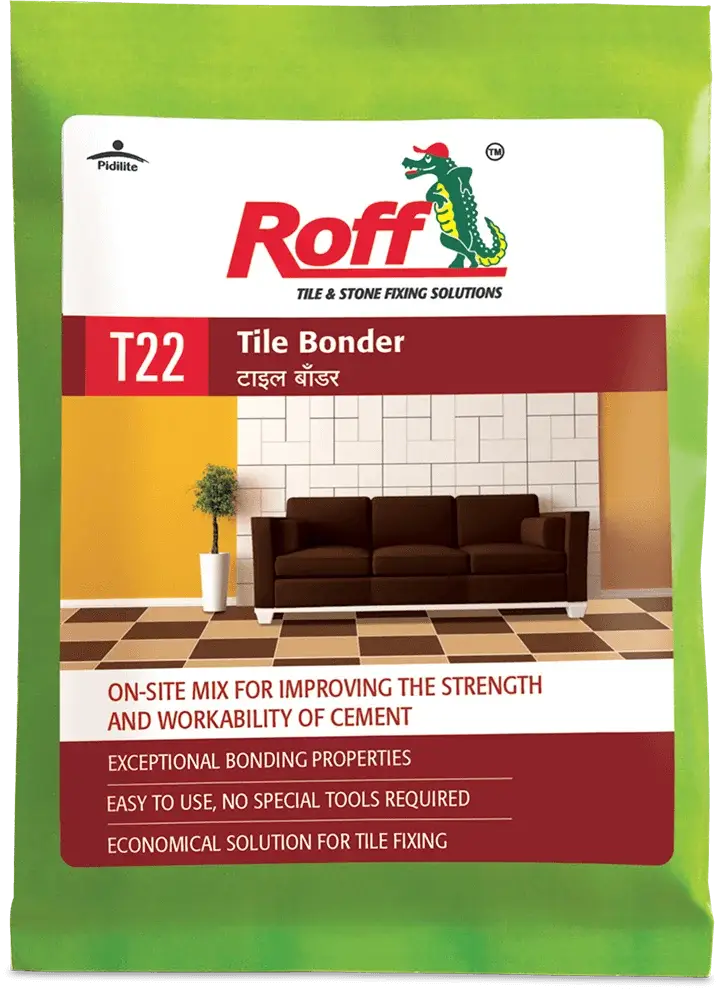
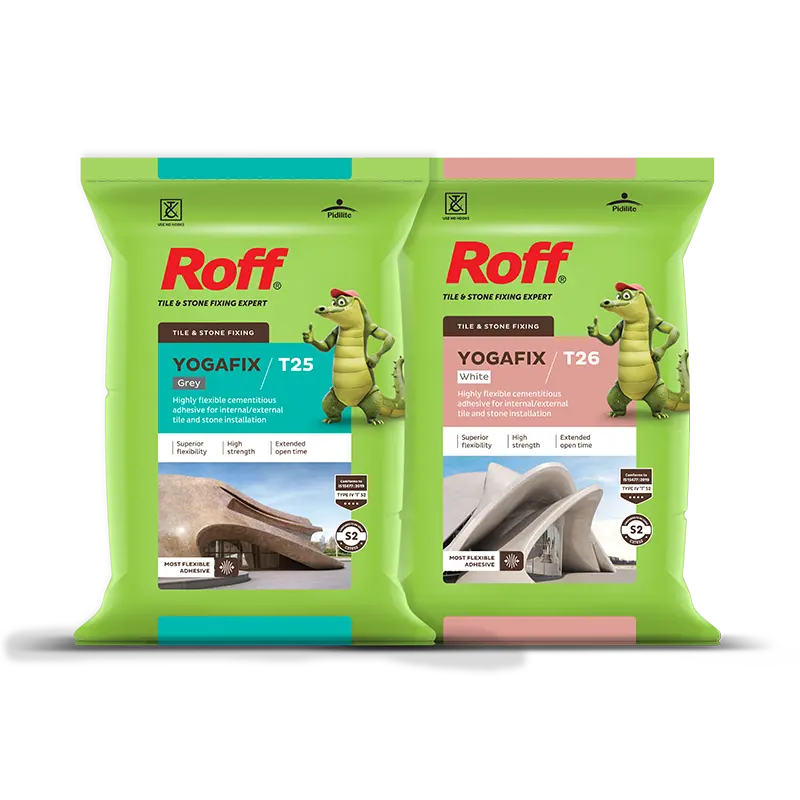
Selection of a wrong adhesive for tile fixing may lead to issues in the future.This is whereRoff’s range of tile adhesives stands out for their modern composition and strong bonding. If you want to ensure a tile installation that lasts for years, try the Tile Adhesive Selector and find the right Roff adhesive for your project today.
FAQs
1) What is the ideal curing time for tile adhesive before using the surface?
Most tile adhesives require at least 24 hours to set before light use, but full curing can take up to 7 days, depending on the product and site conditions.
2) Can one tile adhesive be used on all types of surfaces?
No, different substrates such as concrete, drywalls, or existing tiles require specific adhesives designed for proper bonding and compatibility.
3)How does temperature affect tile adhesive performance?
Extreme heat or cold can impact setting time and bonding strength, making it important to install tiles within the recommended temperature range. Temperature change can also lead to expansion of substrate and tile, which is why selection of flexible adhesives is important. .
4) Is tile adhesive suitable for large-format or heavy tiles?
Yes, but only if you use a high-performance adhesive specifically designed for large or heavy tiles to ensure adequate support and bonding.
5) How can Imaintain tile longevity after installation?
Regular cleaning, timely regrouting, and addressing early signs like cracks or hollow sounds can help extend the life of your tiled surface.