Check out the biggest trends of the season and our expert take on them.
How to fix marble cracks without compromising the stone’s finish
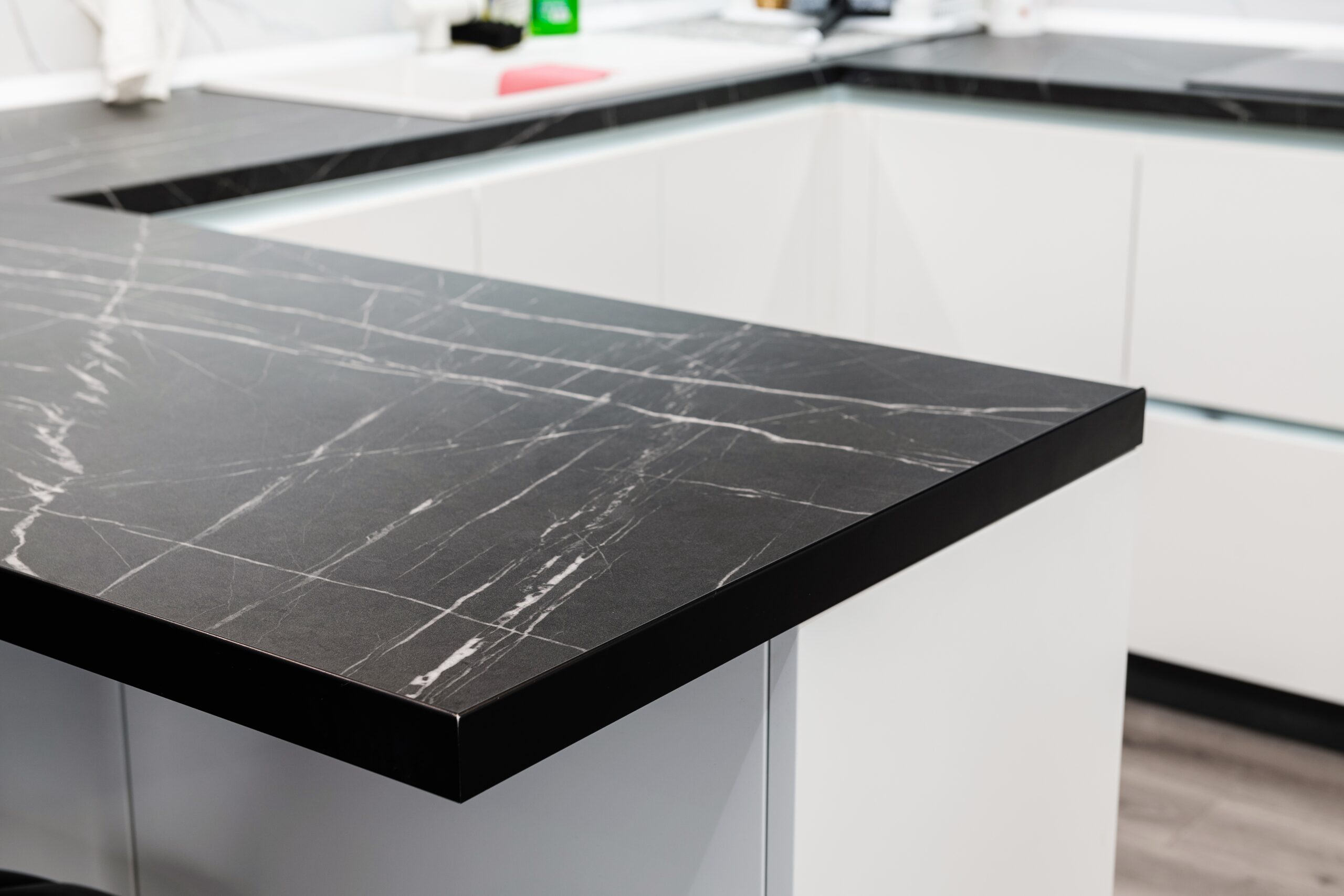
Marble countertops are a statement piece in any home due to their elegance and timelessness. But even the most well-maintained surfaces can develop cracks over time.
Impact damage, heavy loads, improper installation, or natural stress lines in the stone can all cause visible breaks. Knowing how to fix marble cracks the right way is what separates a lasting repair from one that worsens the problem. Here are four expert tips to help you understand the process.
1. Assess the crack before anything else
Not all cracks are the same. Hairline cracks in marble are superficial and often cosmetic. Surface fissures extend slightly deeper but remain manageable. Structural cracks, however, run through the slab’s thickness and require immediate professional attention. Before you figure outhow to fix marble cracks, it’s important to identify the type of crack correctly to determine the next step, as getting this wrong can turn a minor issue into a major repair.
2. Keep the area clean and stable
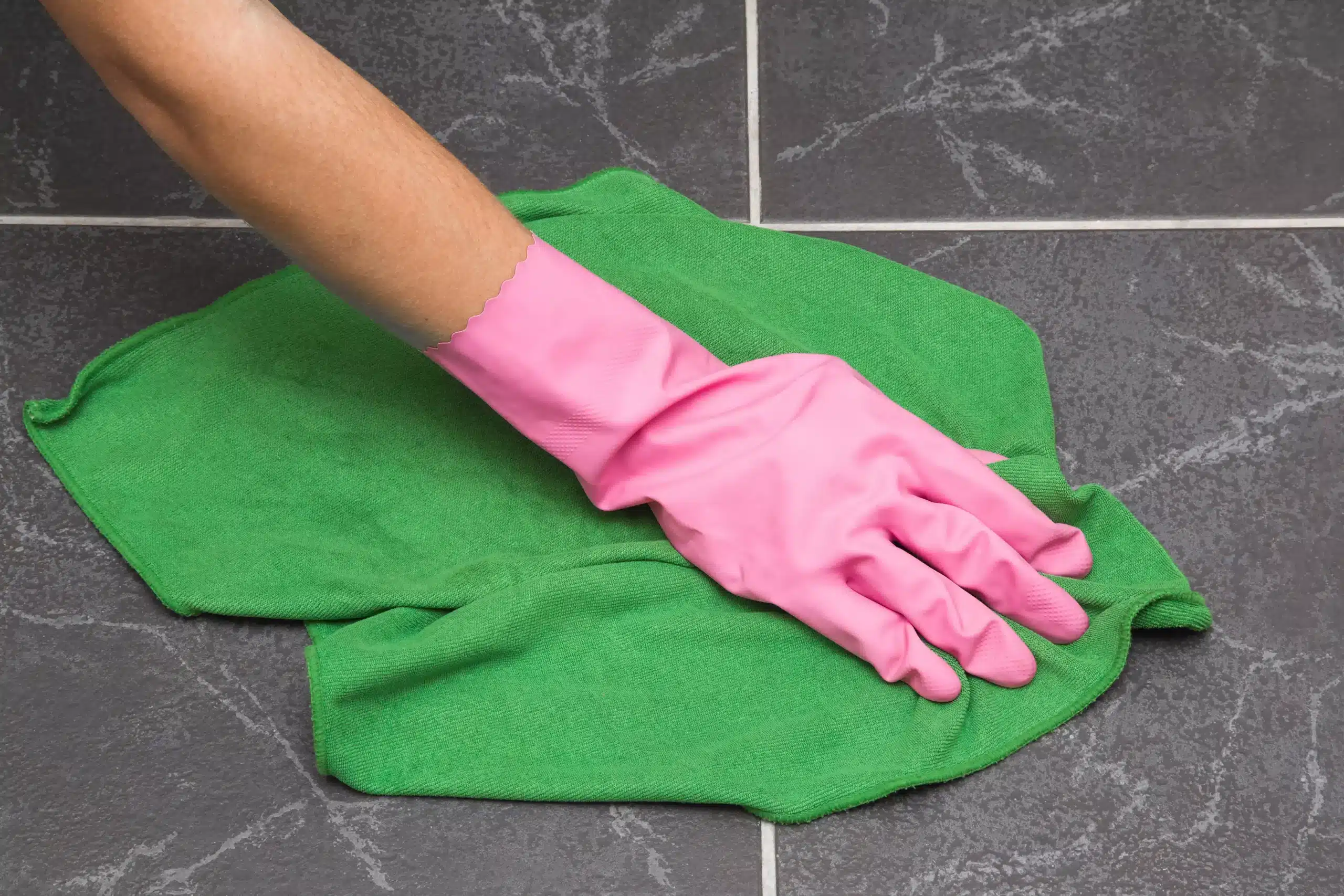
Before any marble crack repair can begin, the affected area needs to be thoroughly cleaned. Dust, grease, or moisture inside the crack will prevent the repair material from bonding properly. Do not attempt to scrub the crack or use household cleaners,as marble is porous and will absorb them, potentially causing staining or further damage. A professional will know exactly how to prepare the surface safely.
3. Use the right filling material
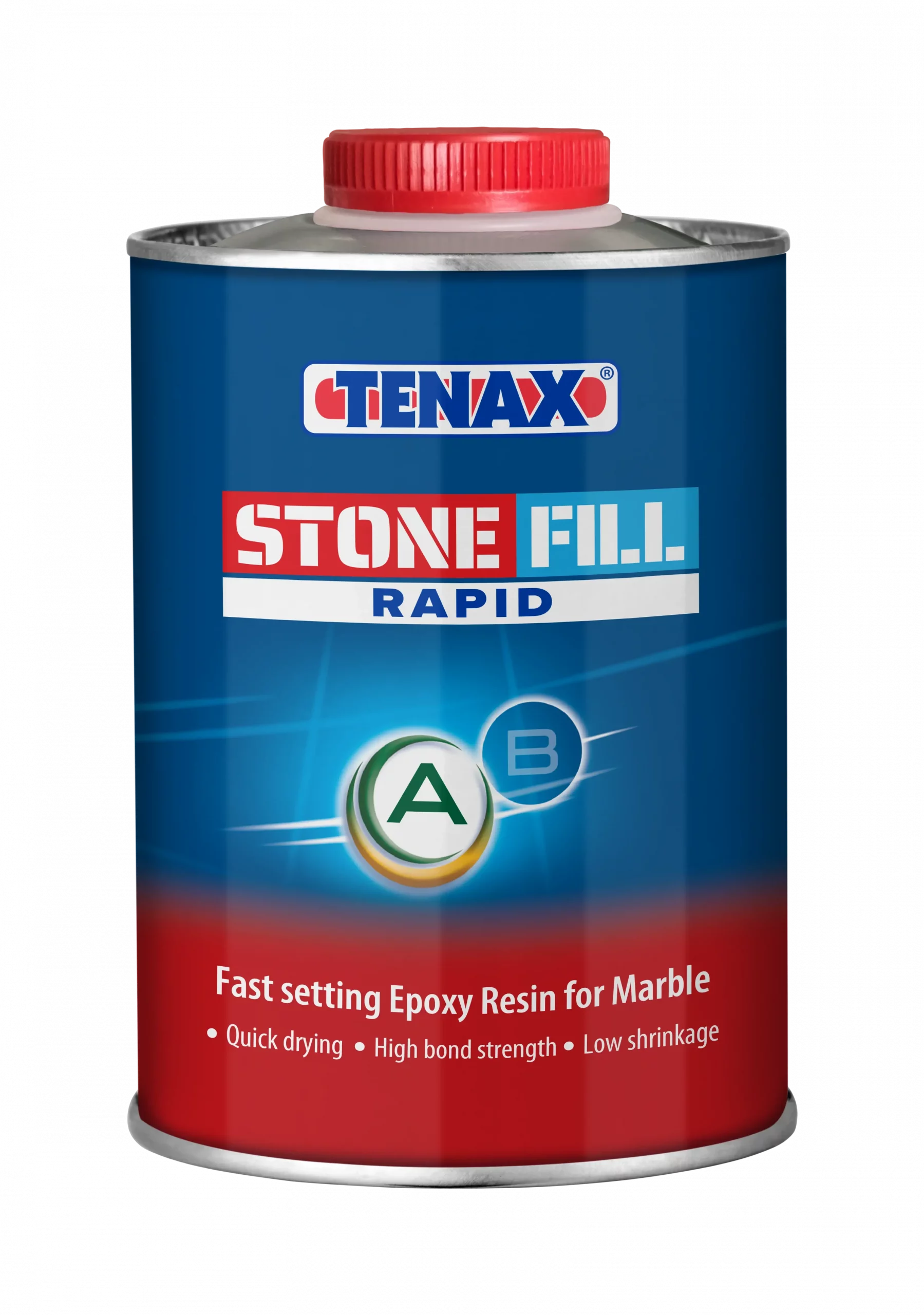
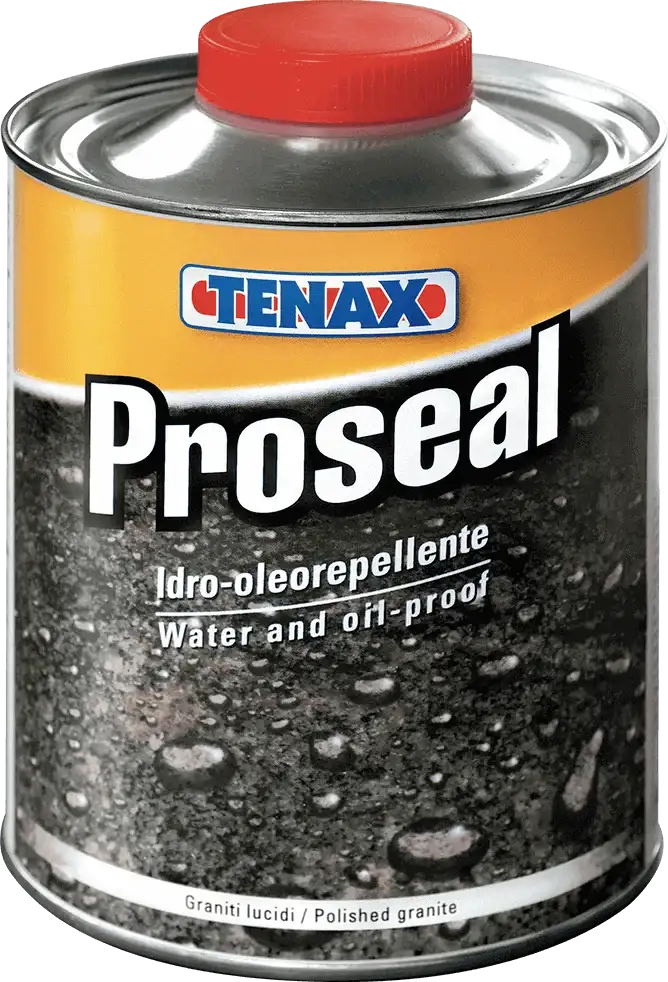
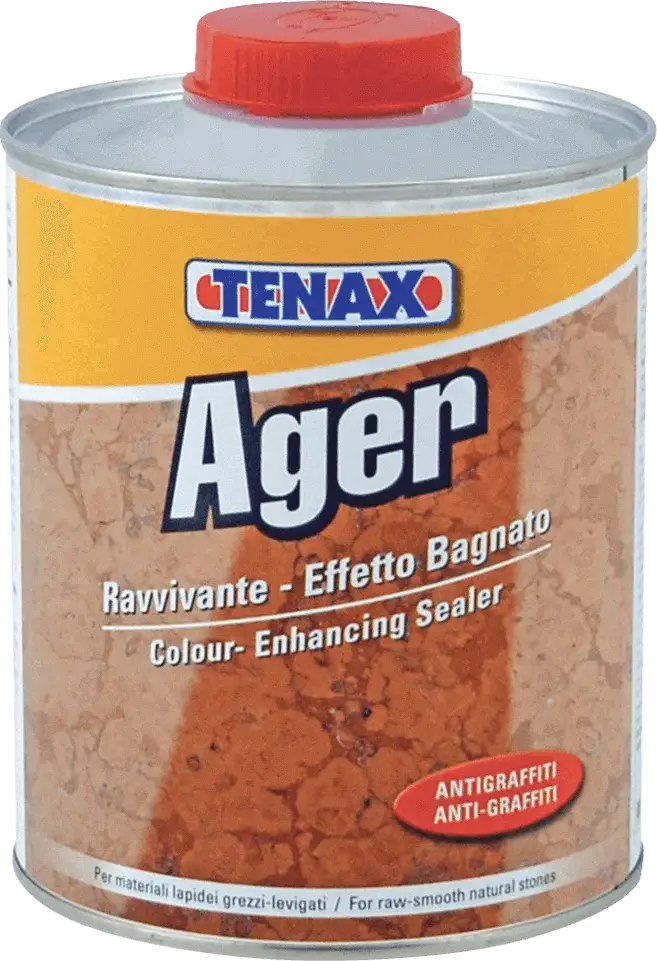
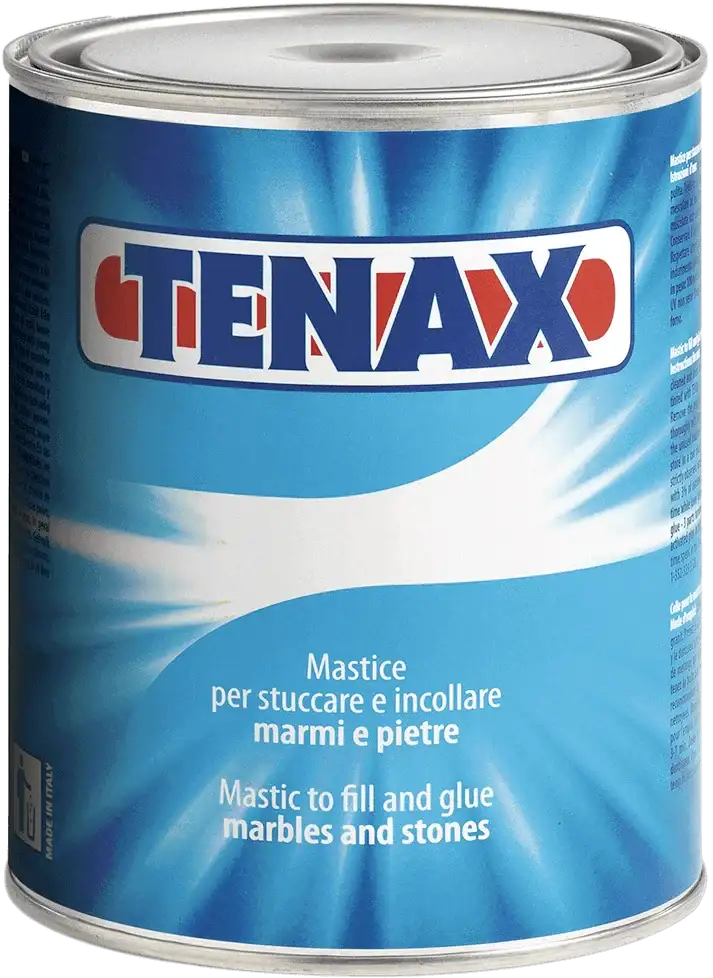
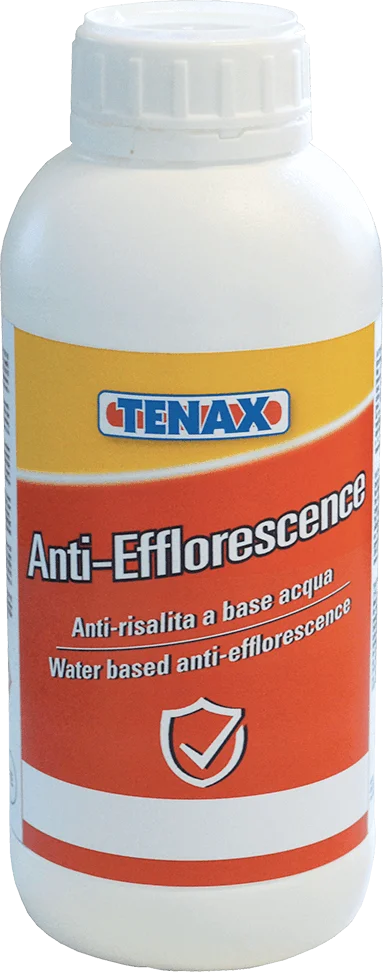
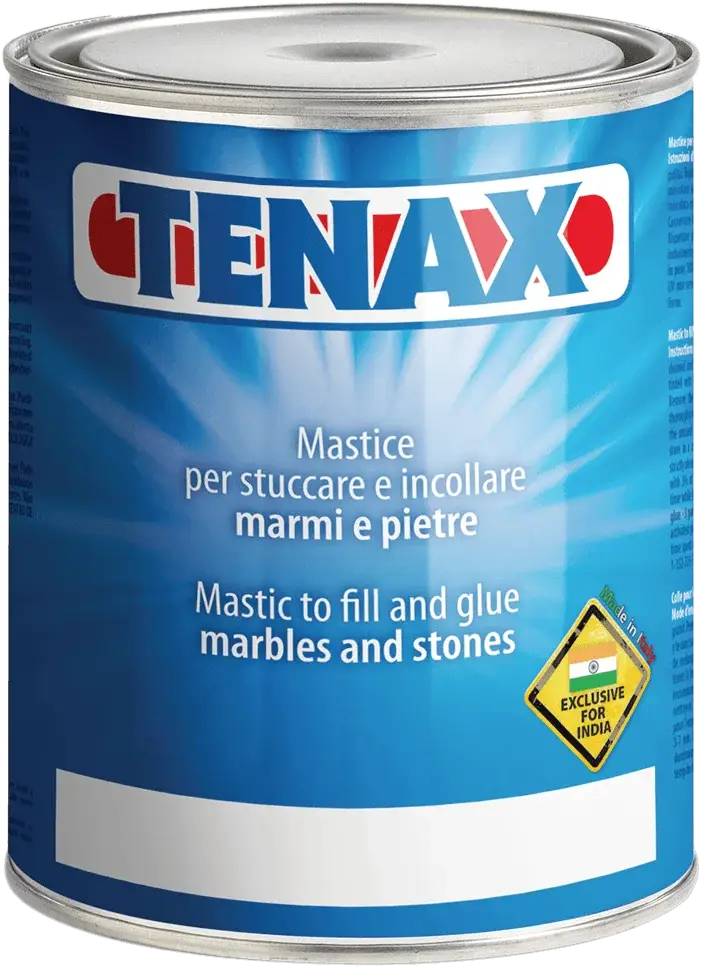
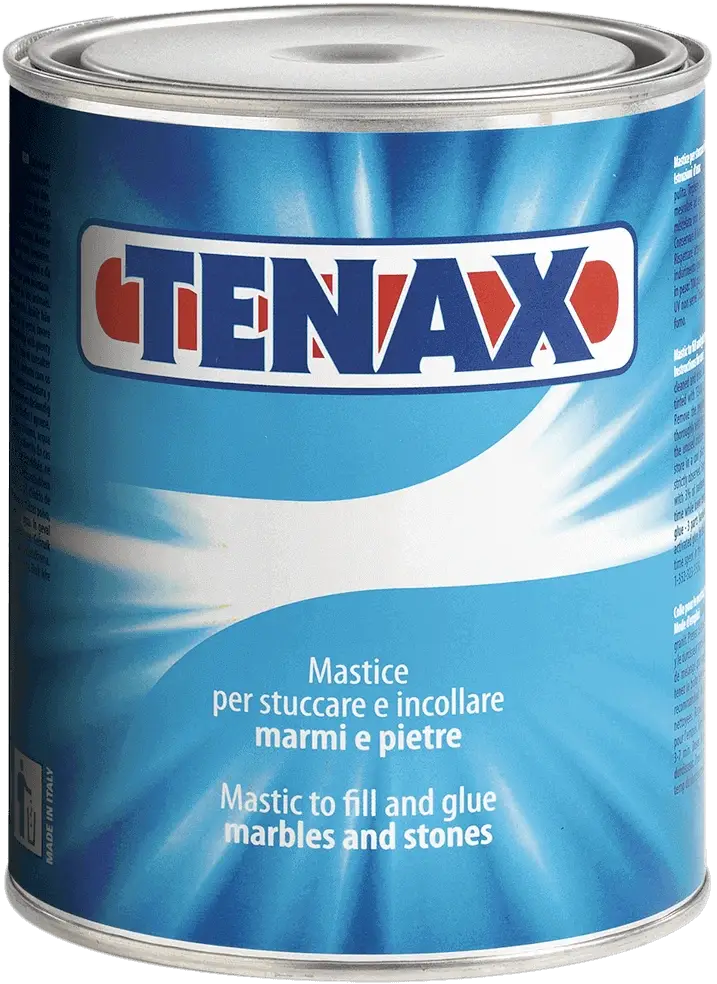
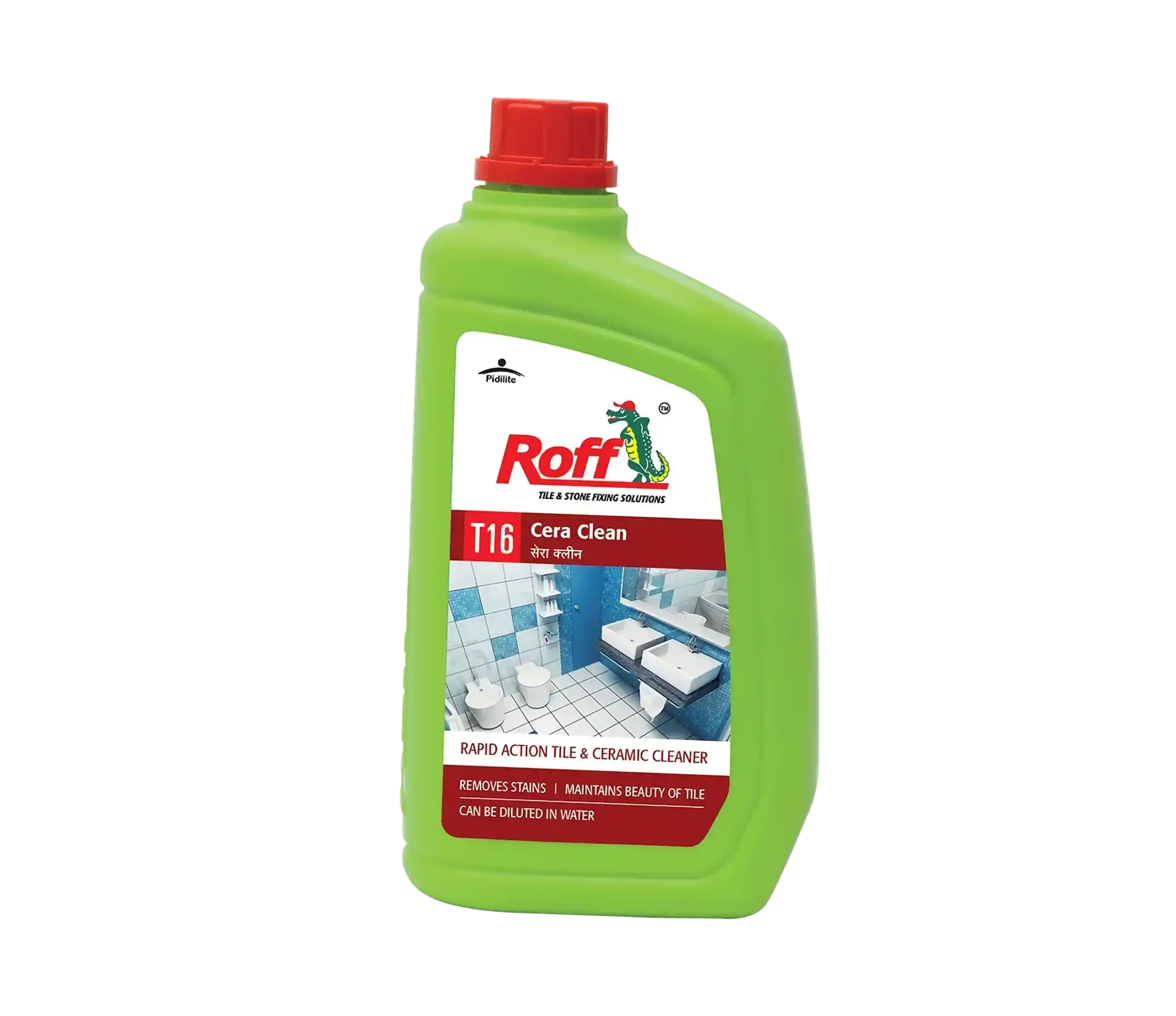
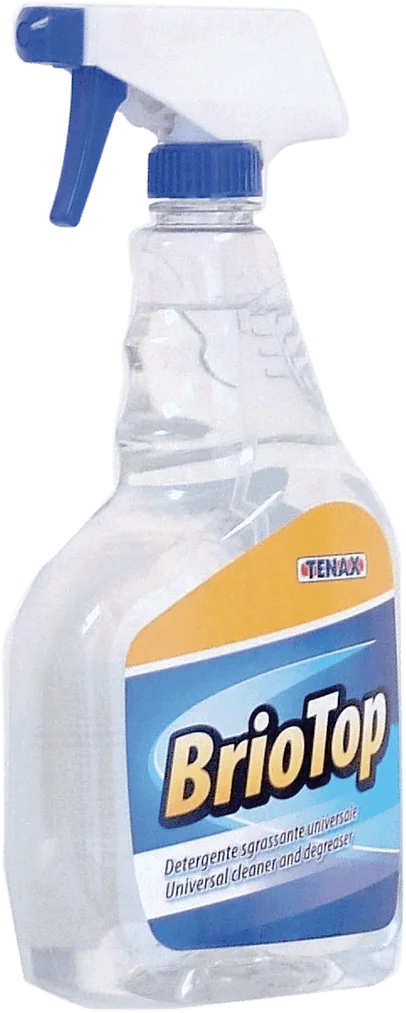
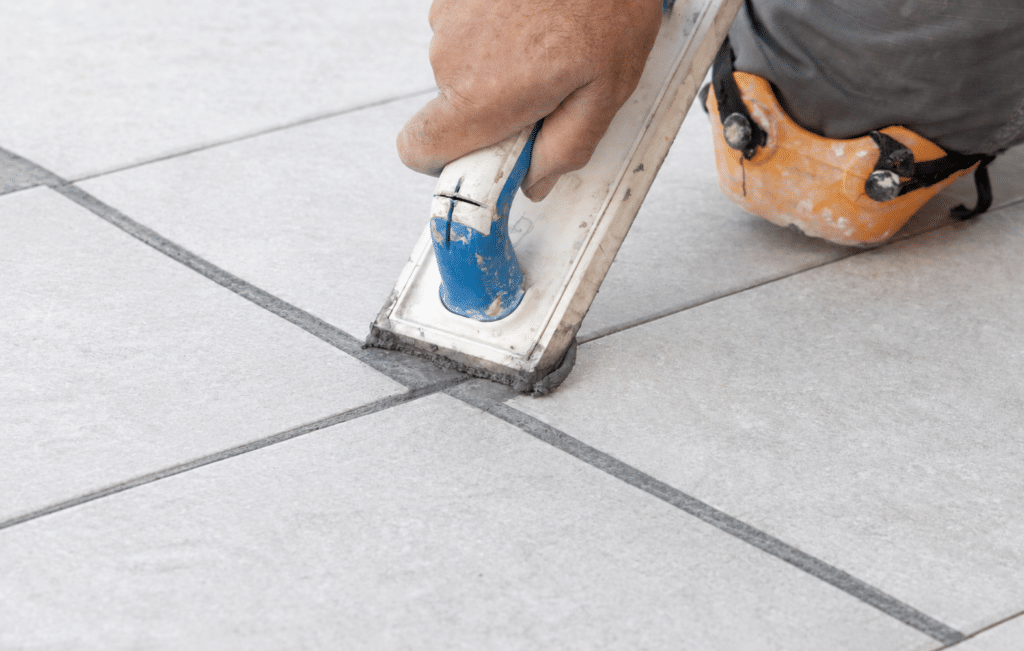
Marble crack filling requires stone-safe resins or epoxies formulated specifically for natural stone. These need to be colour-matched to the marble’s natural veining: a mismatch is immediately visible on polished surfaces. Tenax’s range of stone care solutions is designed to help you fix marble cracks effectively, with the right product chemistry, the right finish, and lower risk of surface damage.
4. Polish and seal after the repair
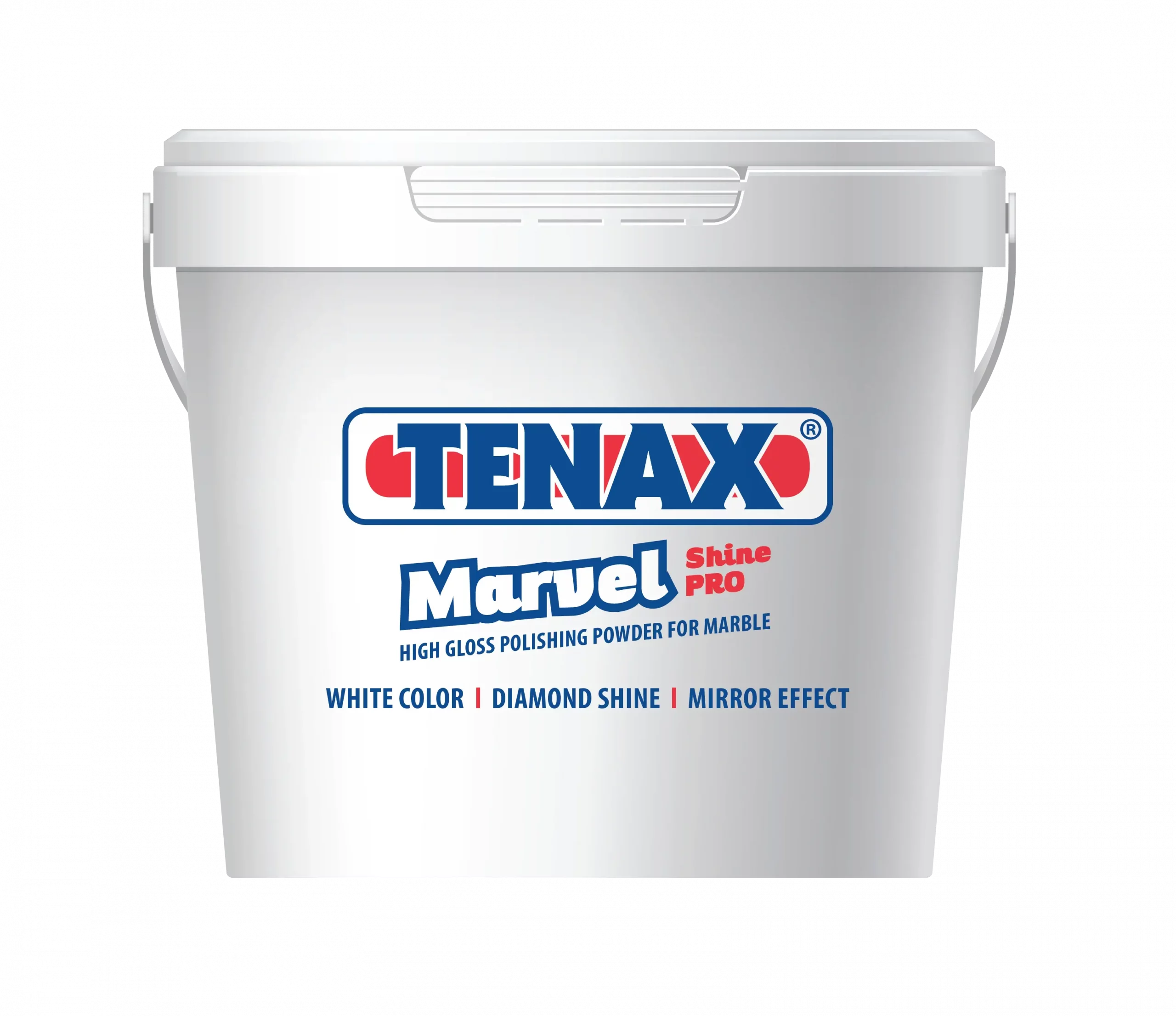
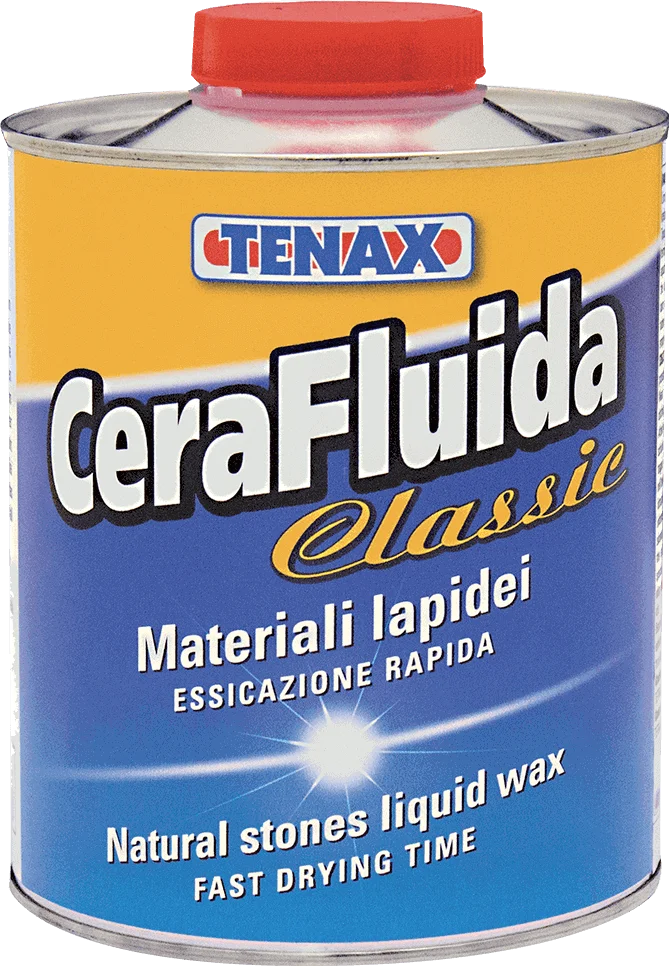
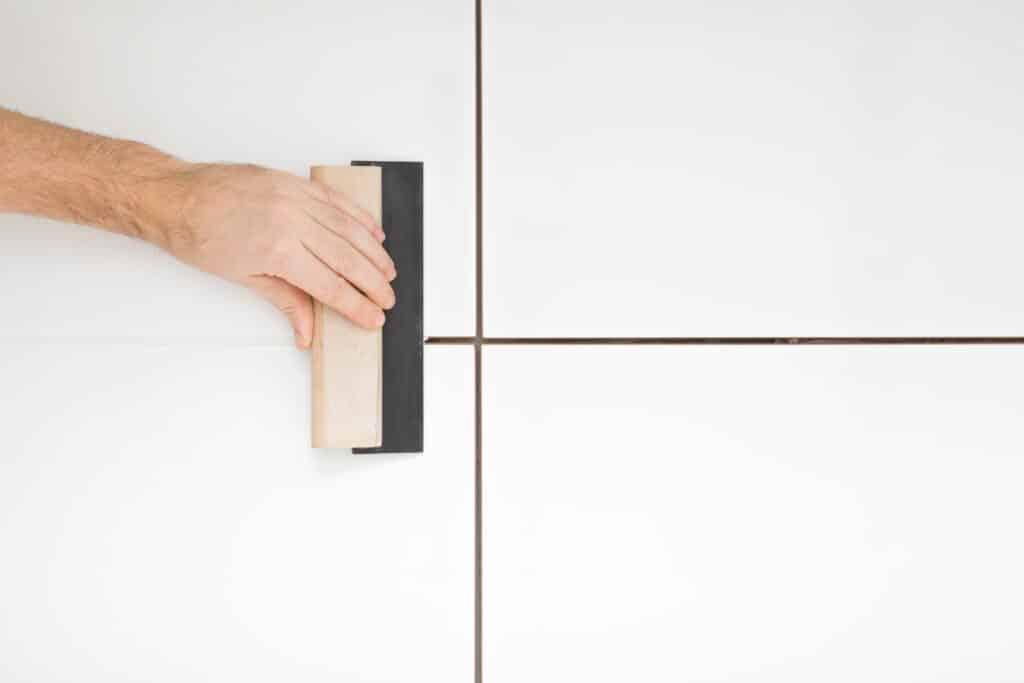
When learning how to fix marble cracks, a repair is only complete once the surface is polished back to its original finish and properly sealed. Polishing blends the repaired area with the surrounding stone. Sealing protects the marble from moisture and staining, and significantly extends the countertop’s lifespan. Both steps require professional-grade tools and materials to do properly.
Always consult a professional
Always consult a professional before attempting any marble crack repair, especially if the damage looks deep or spreads across the slab. Marble is a delicate natural stone, and using the wrong tools or products can make the crack worse. A trained expert can assess the issue, choose the right repair material, and restore the surface without compromising its finish or strength.
Don't let a crack become a replacement
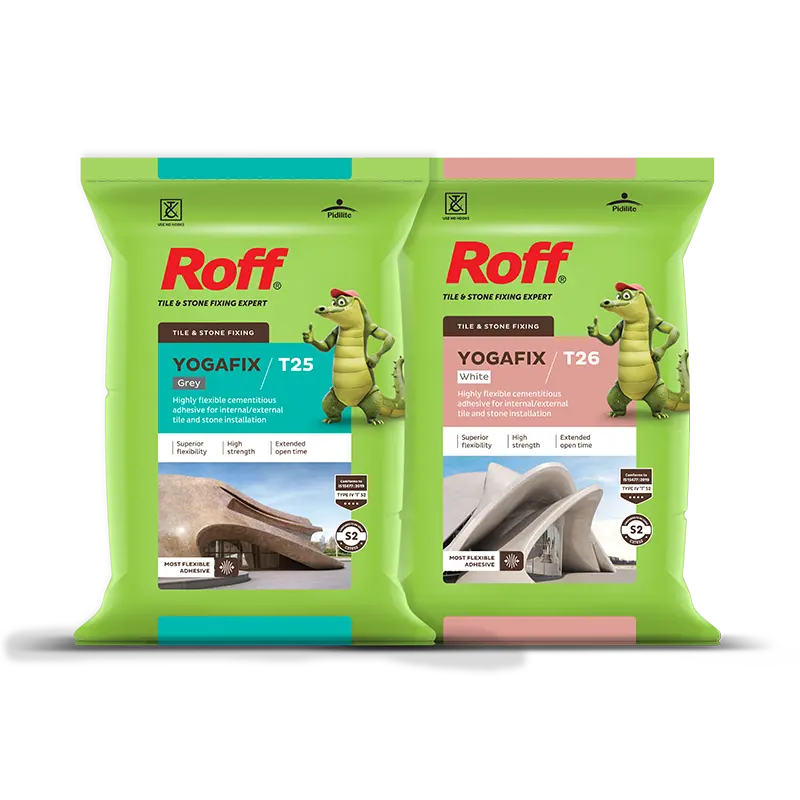
Learning how to fix cracked marble is a process, and every stage matters. From assessment to sealing, professional handling protects both the stone and your investment. Roff Tenax’s range of stone care solutions gives professionals everything they need to deliver repairs that hold. Speak to a professional today and give your marble countertop the care it deserves.
Frequently asked questions (FAQs)
1) Can hairline cracks in marble worsen over time?
Yes. Even minor hairline cracks in marble can deepen if left untreated, especially in high-use areas like countertops. Moisture, cleaning products, and regular pressure can all cause a hairline crack to expand. Early professional assessment is always the better call.
2) Is marble crack filling a permanent solution?
When done correctly, with the right stone-safe materials, proper surface preparation, and a professional finish, marble crack filling can be a long-lasting solution. The key is ensuring the underlying cause of the crack is also addressed, so the problem does not return.
3) How do I know if my marble countertop needs professional repair or full replacement?
A professional inspection is the only reliable way to make this call. Surface-level and hairline cracks can often be repaired successfully, but if the crack extends through the full thickness of the slab, or if there is significant movement or substrate damage beneath, replacement may be necessary. Either way, do not attempt to learn how to fix marble cracks on your own, as the risk of damage is very high without professional intervention.