Check out the biggest trends of the season and our expert take on them.
In many Indian homes, house repairs often begin with a fresh coat of paint and end in frustration. A newly finished wall starts peeling within months. Ceiling stains return after every monsoon. Cracks reappear despite repeated patchwork and surface treatments.
What seems like routine home repair work soon becomes a recurring cycle. These problems rarely indicate poor workmanship. They usually signal hidden moisture movement inside the structure. Without proper waterproofing, all your house repair work and wall crack repairs will go to waste in the long run.
Water remains one of the most damaging elements for buildings. Once it enters concrete or masonry, it weakens materials from within.
Common moisture-driven problems include:
These issues often appear minor at first. Over time, they develop into major house repair work requirements if left untreated.
Different types of moisture intrusion lead to specific repair problems.
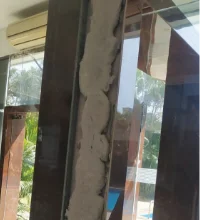
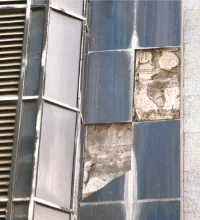
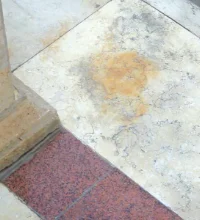
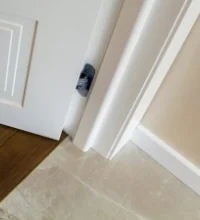
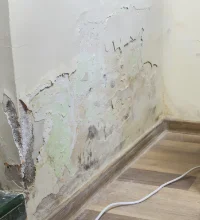
Water rising from the foundation causes cracks in the walls of old houses, leading to salt deposits, peeling paint, and surface weakening.
Leakage from terraces and bathrooms allows water to collect above ceilings, creating stains, sagging plaster, and mould.
Trapped moisture pushes paint layers outward, leading to bubbling and detachment.
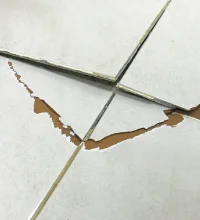
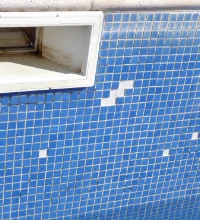
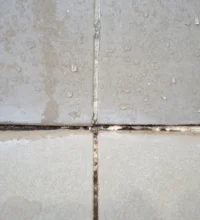
Water entering beneath tiles weakens adhesives, causing tiles to loosen and crack.
Constant moisture creates ideal conditions for fungal growth, affecting indoor air quality.
Each of these problems increases the need for frequent wall crack repairs and surface restoration.
Understanding leakage origins helps plan effective house repair strategies.
Major sources include:
When it comes to the question of how to repair cracks in walls, many people ignore these leakage issues, meaning that all their efforts amount to nothing more than temporary solutions.
Many homeowners focus on surface treatments such as repainting, replastering, or filling cracks. While these improve appearance, they rarely solve moisture problems.
Cosmetic repair includes:
Root-cause repair includes:
Without waterproofing, wall crack repair products and fillers fail prematurely. Long-term home repair begins with moisture control.
Waterproofing is not only corrective. It is a preventive strategy that reduces future repair expenses.
Benefits include:
In many cases, waterproofing costs only a fraction of repeated house repair work expenses over time.
Some areas require immediate attention due to constant water exposure.
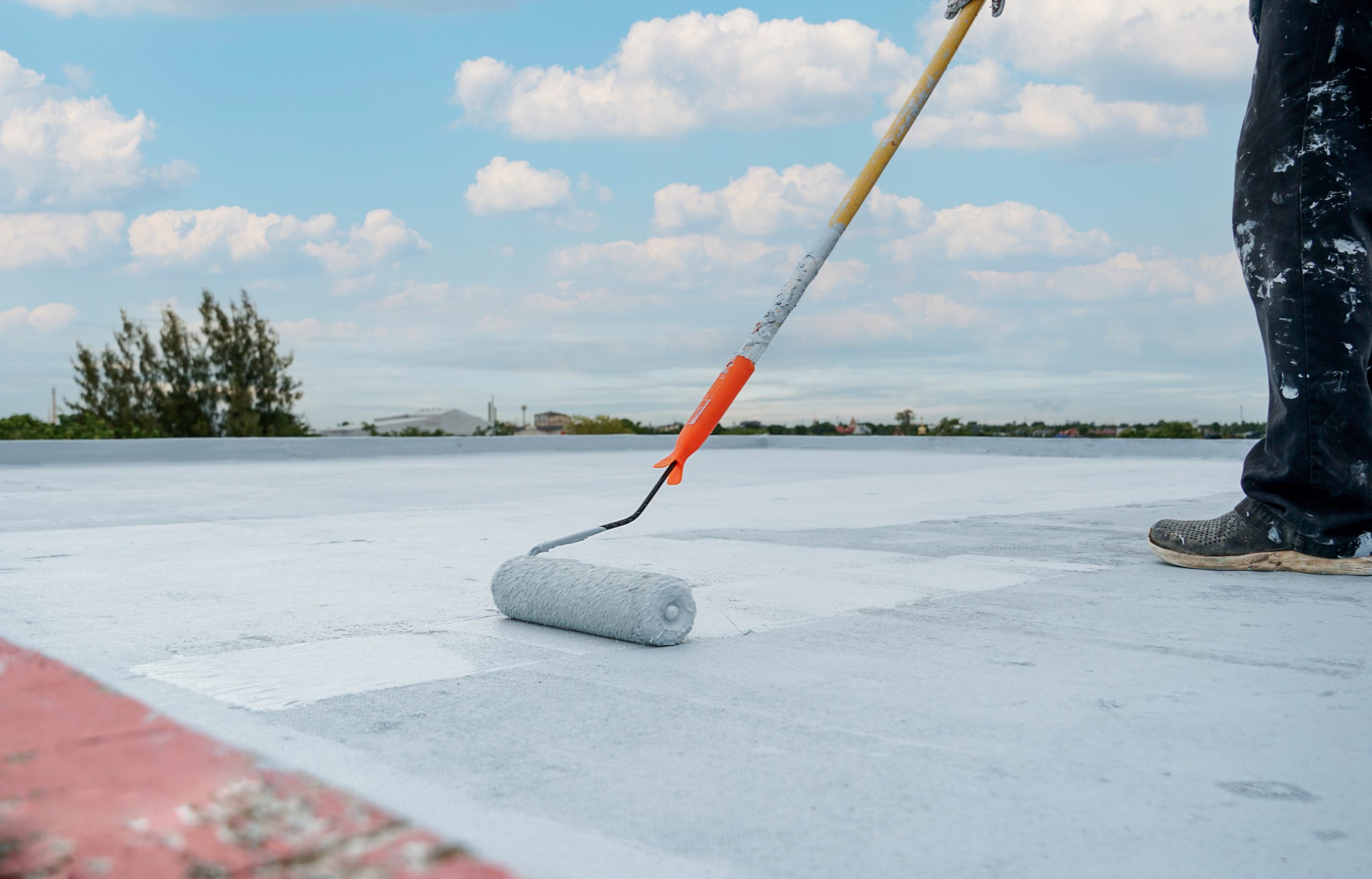
1. Terraces – Terraces face sun, rain, and water stagnation. Waterproof roof coatings and membrane systems offer critical protection.
2. Bathrooms and wet areas – In bathrooms, water splashing and leakage from pipelines weaken floors and walls. Cementitious and membrane systems work effectively here.
3. External walls and foundations – Rising dampness and rain penetration demand specialised crack seals for walls and barrier systems.
Addressing these zones first prevents future crack seals for walls and plaster repairs.
Using generic leak solutions across all surfaces often leads to failure. Each application requires a specific system.
For example:
Matching the right solution to the right zone ensures durable house repair outcomes.
Before starting work, follow this simple checklist:
Professional planning improves wall crack repair success and prevents future damage.
If repairs keep repeating, moisture remains untreated. Most house repair failures begin with overlooked water ingress. Paint and plaster can hide problems temporarily, but only waterproofing solves them permanently.
By addressing rising dampness, bathroom leakage, and terrace seepage through appropriate systems such as the Bitufix range, homeowners can convert short-term fixes into lasting protection. With expert guidance and reliable waterproofing solutions from Dr. Fixit, home repair becomes a long-term investment in safety and durability.
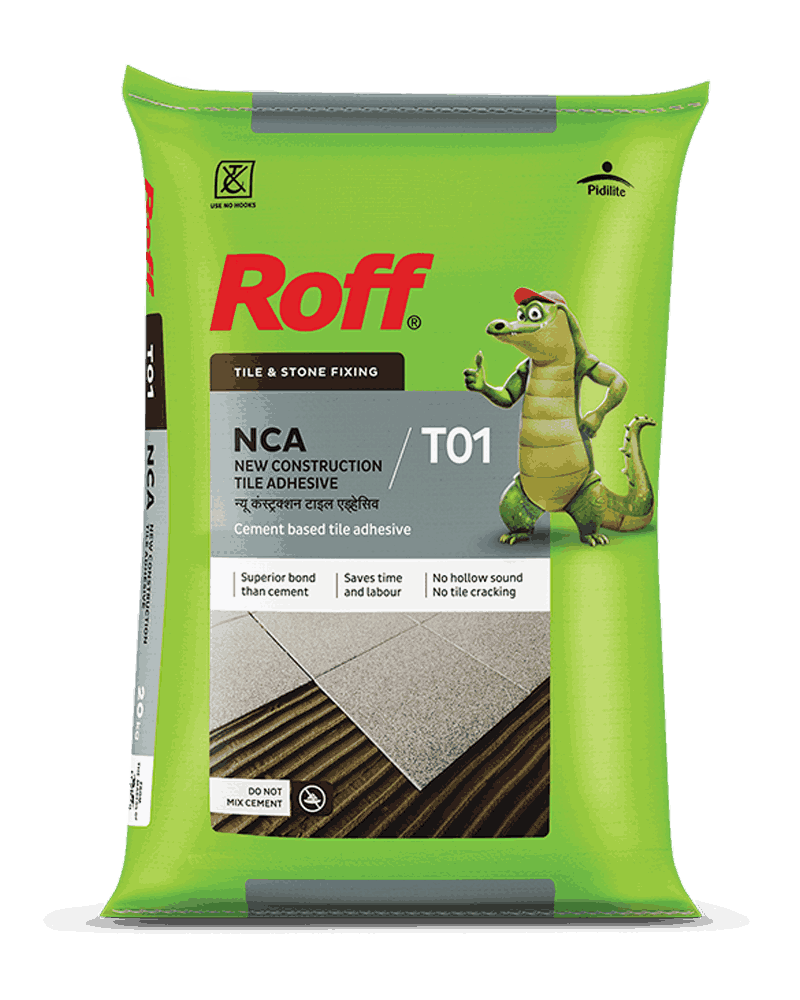
For customised repair and waterproofing support, connect with Dr. Fixit specialists by filling out the form below.
This approach ensures the wall isn’t just ‘ready’ but rather bonded to the wall tile adhesive system.