Check out the biggest trends of the season and our expert take on them.
Epoxy Coating: A Versatile Coating for Stones and Marbles
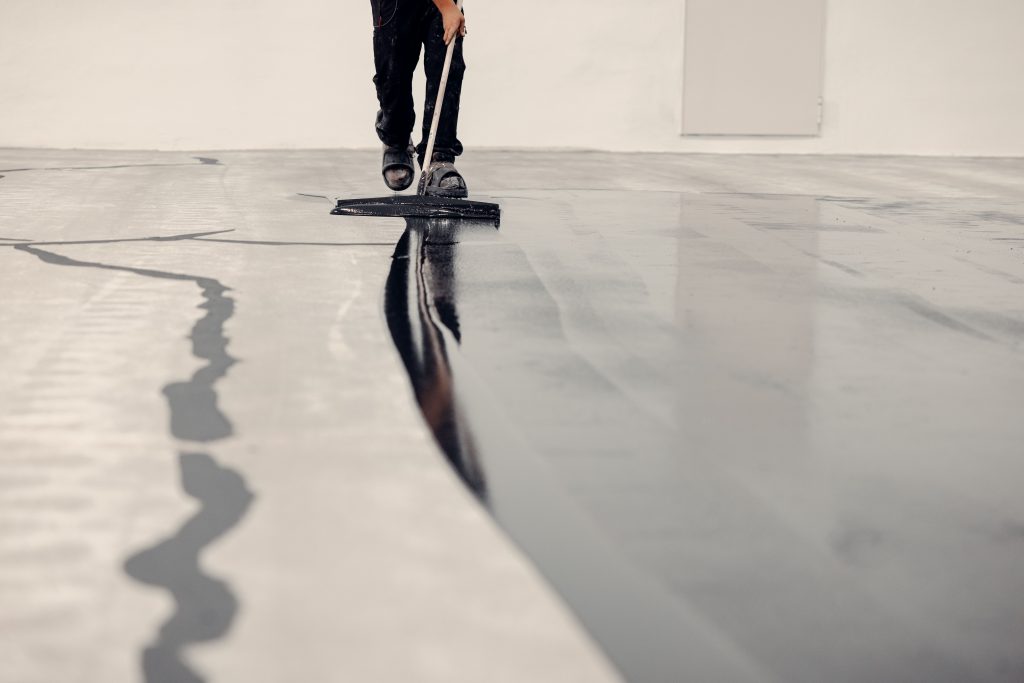
Epoxy coating is one of the most popular surface coatings in recent times, mainly due to its versatility and the look it imparts to the surface. Usually, liquid epoxy coating is applied on stones, marbles, and granite.
What is an Epoxy Coating?
Epoxy coating is a synthetic polymer composed of two components: a hardener and an epoxy resin. This coating can be an adhesive or a finishing substance applied to stones to strengthen and finish them. It forms a durable, protective layer that helps resist moisture, stains, and surface wear.
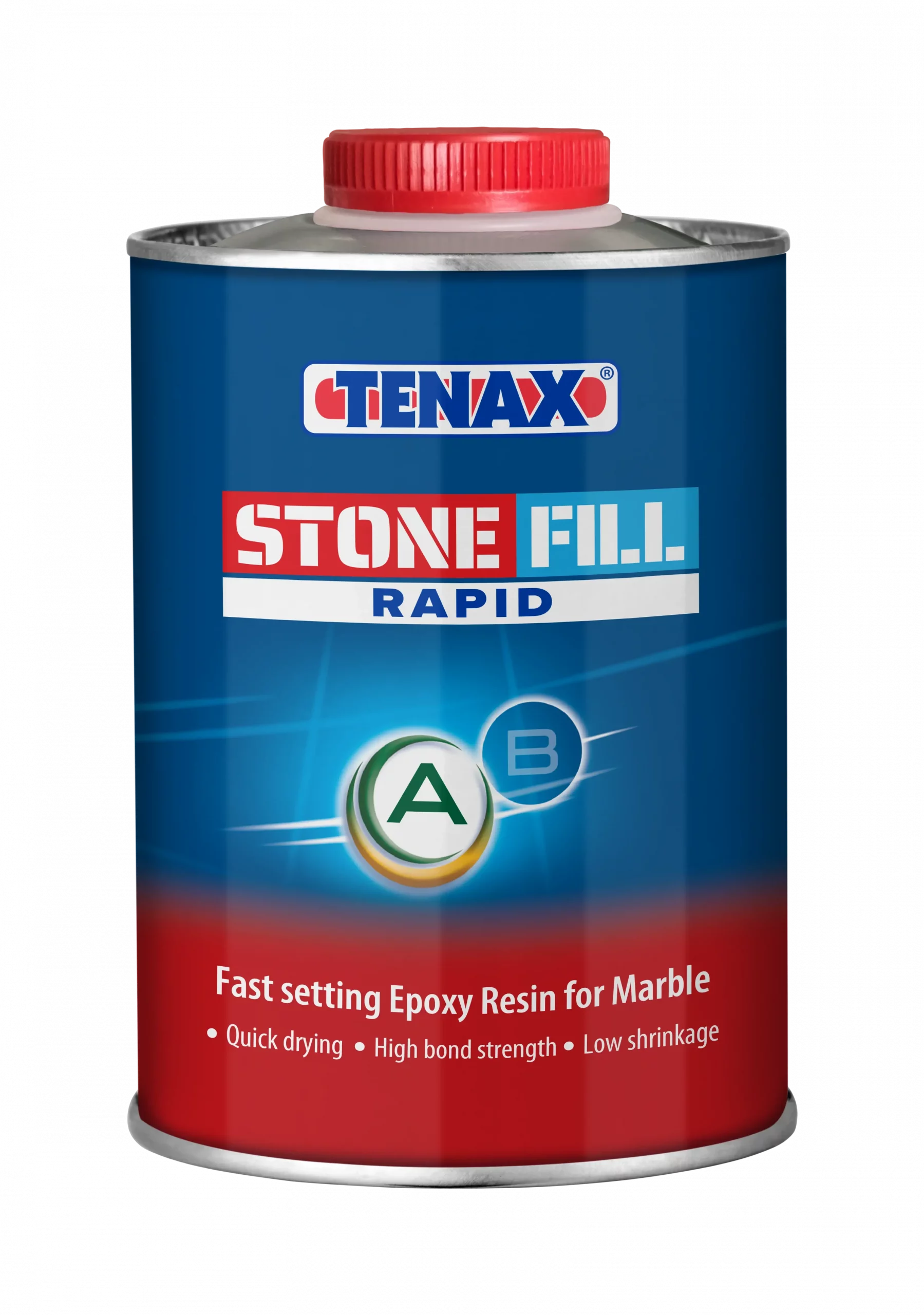
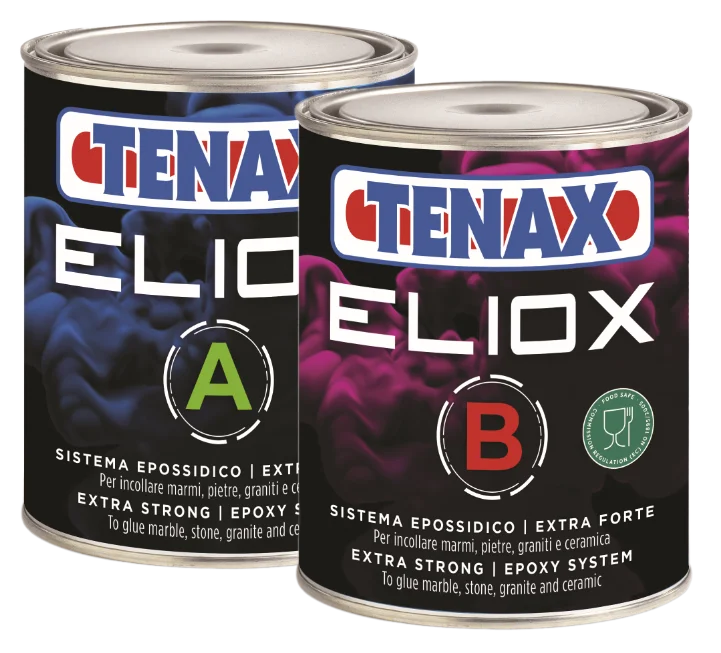
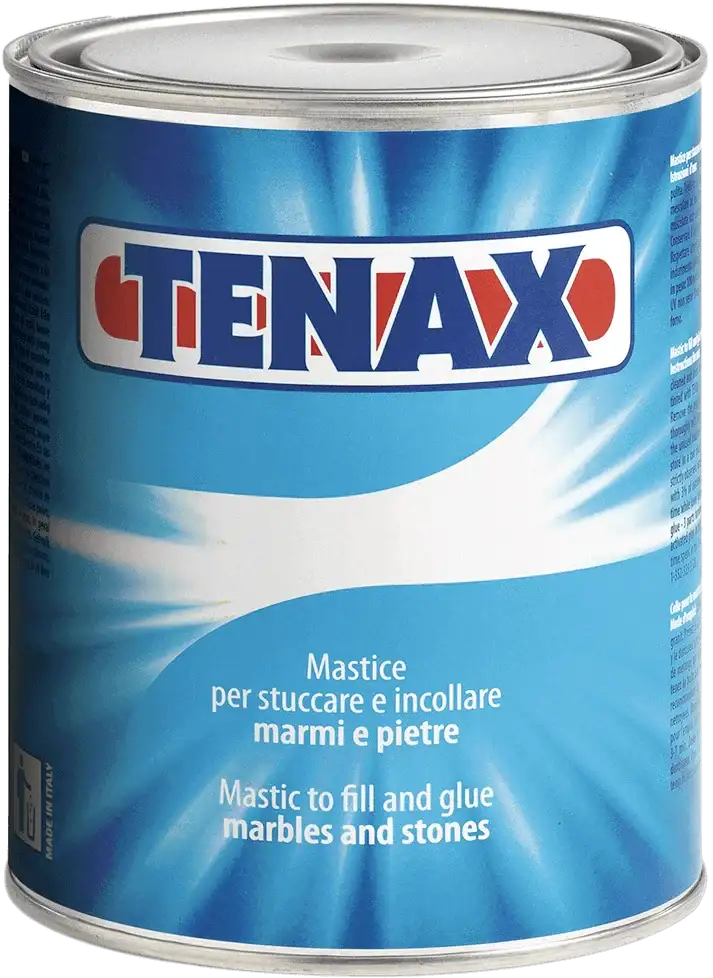
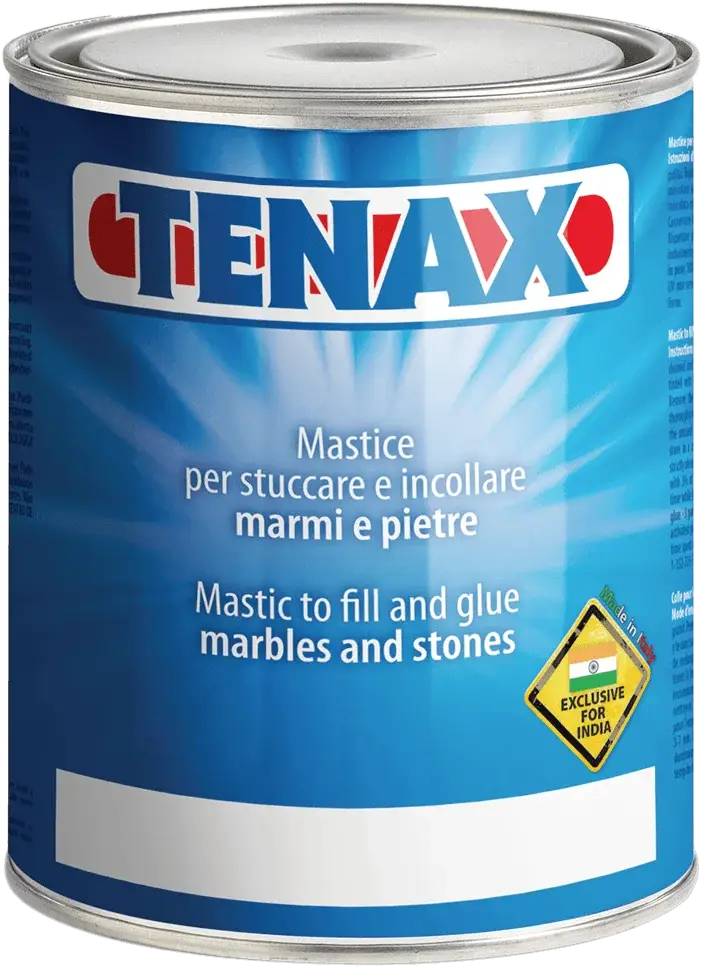
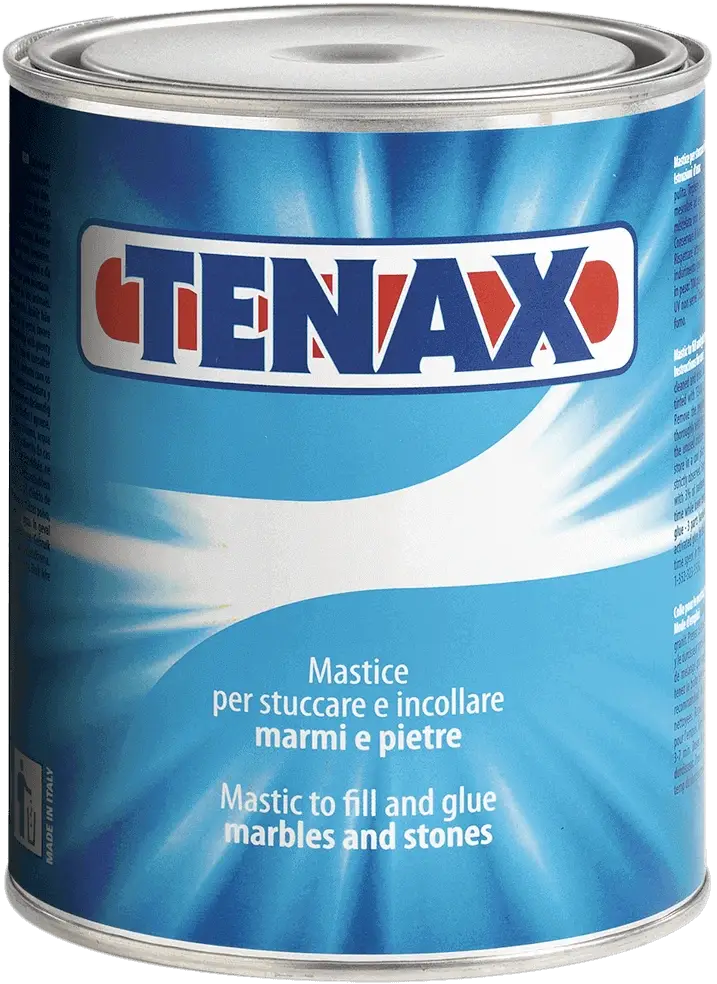
Roff offers Tenax Epoxy Resin filler or Coating for marble and granite surface applications, with medium hardness, medium viscosity, and excellent reactivity at low temperatures. This makes it suitable for consistent performance across different site conditions.
For applications requiring stronger bonding and uniform coverage, fusion-bonded epoxy coating is also used, especially where durability is a priority.
What are the Top Benefits of Epoxy Coating?
1. A Lasting Solution
Epoxy coating is a durable solution that is fairly popular in stone care. Once this coating is applied to the surface, it will remain intact for several years. It strengthens the surface and protects it from moisture, stains, and everyday wear, helping delay physical or chemical damage.
A uniform coating can go a long way in preserving marble and granite surfaces. In short, it is a one-time investment that will serve for several years. In more demanding environments, fusion-bonded epoxy coating provides enhanced adhesion and long-term performance.
2. Easy to Maintain
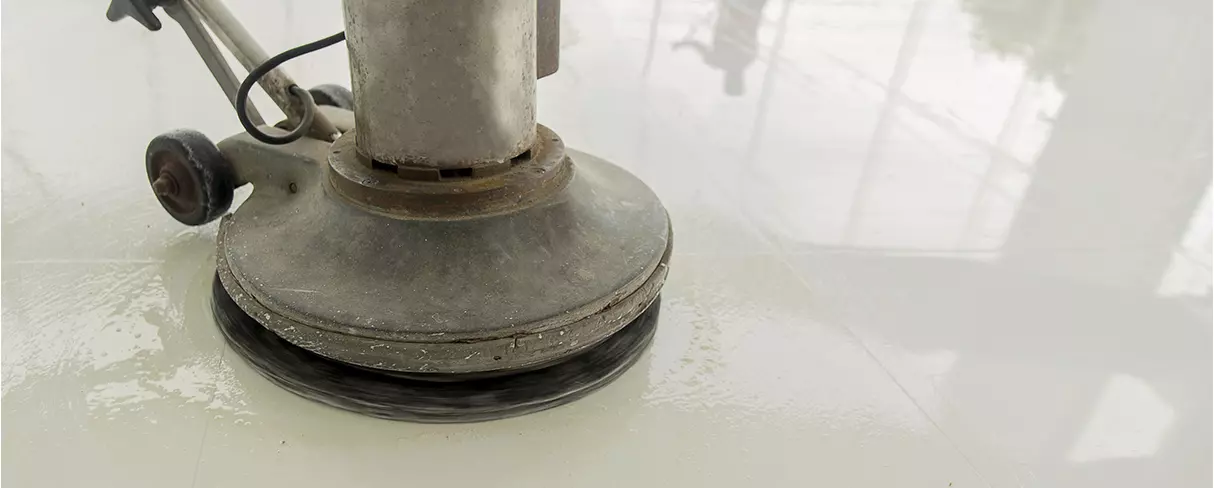
Maintaining a surface treated with epoxy coating is not very difficult. Regular cleaning works to keep it in good condition and maintain its natural shine. No additional treatments, such as frequent polishing or waxing, are typically required, which makes it a low-maintenance option. This is one of the reasons why epoxy coating for marble is widely preferred in both residential and commercial spaces.
3. User Safe
When an epoxy coating system is applied to a surface, it is generally safe for use once fully cured and does not cause harm under normal conditions. It is formulated for use on marble and granite surfaces. These materials are usually used in living spaces, floorings, and other common areas of the house. Fusion-bonded epoxy coating is also used in specific applications where a stronger, more stable finish is required.
4. Prevents Yellowing of Marble
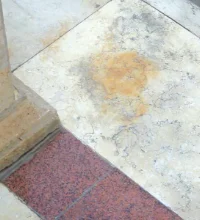
Epoxy coating forms a protective layer on the marble, preventing it from yellowing. This is because it helps reduce moisture buildup on the marble, preventing oxidation. Using an epoxy coating on marble helps preserve its original appearance and reduces dulling over time. It maintains marble’s natural shine, preserving its overall aesthetic appeal.
5. Enhances Surface Strength
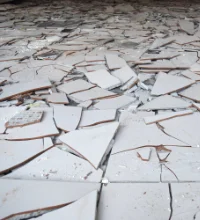
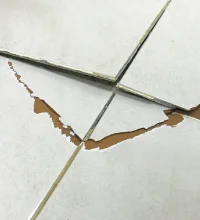
The primary benefit of epoxy coating lies in its power to strengthen stone surfaces that lack strength and contain weak points. The natural ageing process leads to microcracks and density loss in marble and other natural stones used daily.
The application of this coating enables the creation of structural elements that fill all existing flaws and provide internal structural strengthening. The added surface protection makes it more difficult to chip, crack, or undergo gradual wear. The surface becomes less vulnerable to damage during periods of heavy foot traffic
6. Improves Surface Finish and Appearance
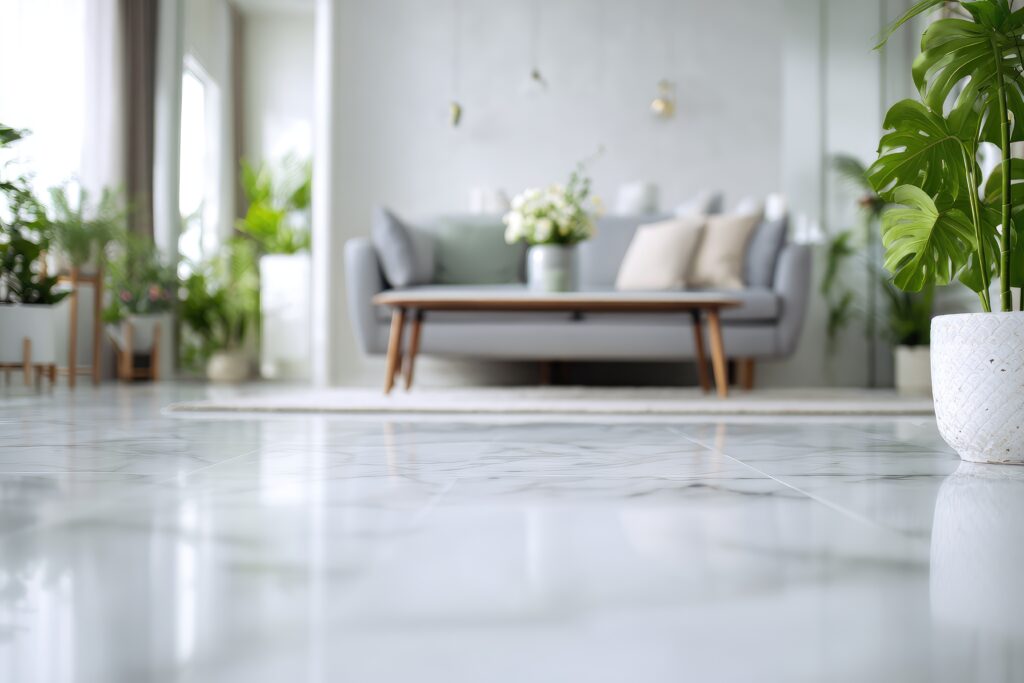
Epoxy coating implementation creates a protective barrier that protects stone surfaces while simultaneously boosting their aesthetic value. The process creates a flat surface, enhancing the inherent colour and design features of marble and granite. Its application helps older surfaces restore their original polished appearance through a simple process that requires no major renovations.
7. Resistant to Stains and Chemicals
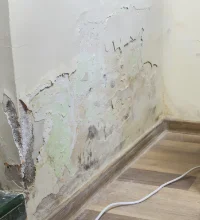
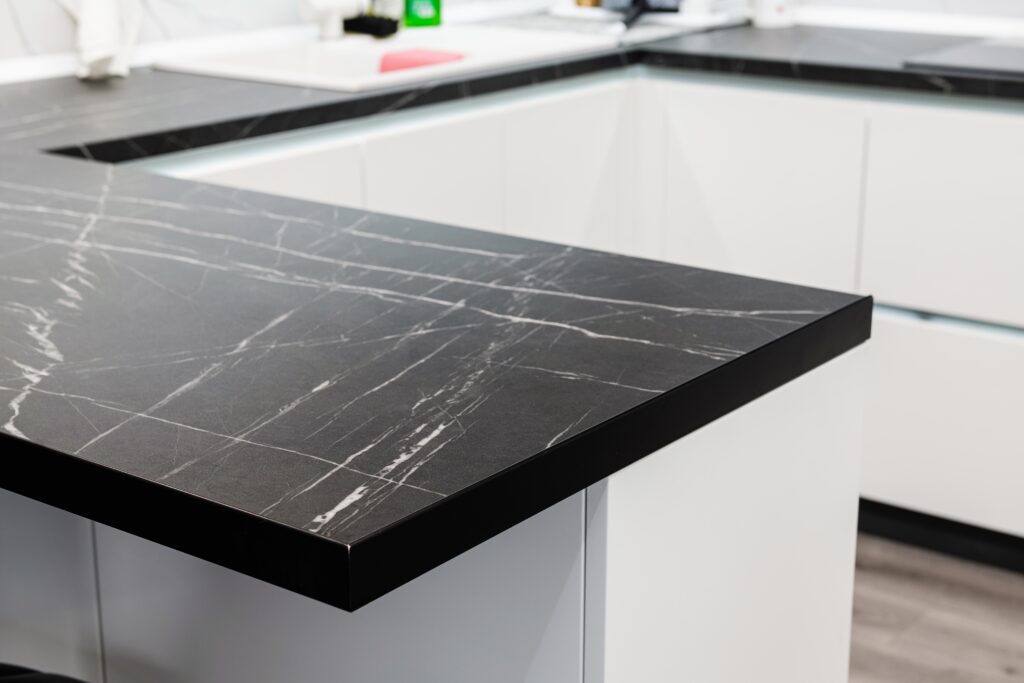
Stone surfaces are constantly threatened by spills, cleaning products, and other materials, which can cause stains and compromise surface integrity. The coating creates an absorption barrier that protects the surface from both stains and light chemical exposure. The material is highly effective for kitchen countertops, bathrooms, and all spaces that experience constant user contact.
8. Suitable for Multiple Applications
Epoxy coating has multiple applications, including flooring, countertops, wall cladding, and decorative stone features. The material’s adaptability makes it useful for residential and commercial construction projects. The coating of fusion-bonded epoxy remains the preferred option for projects requiring both high durability and consistent thickness throughout their implementation.
Tenax Epoxy Coating System by Roff
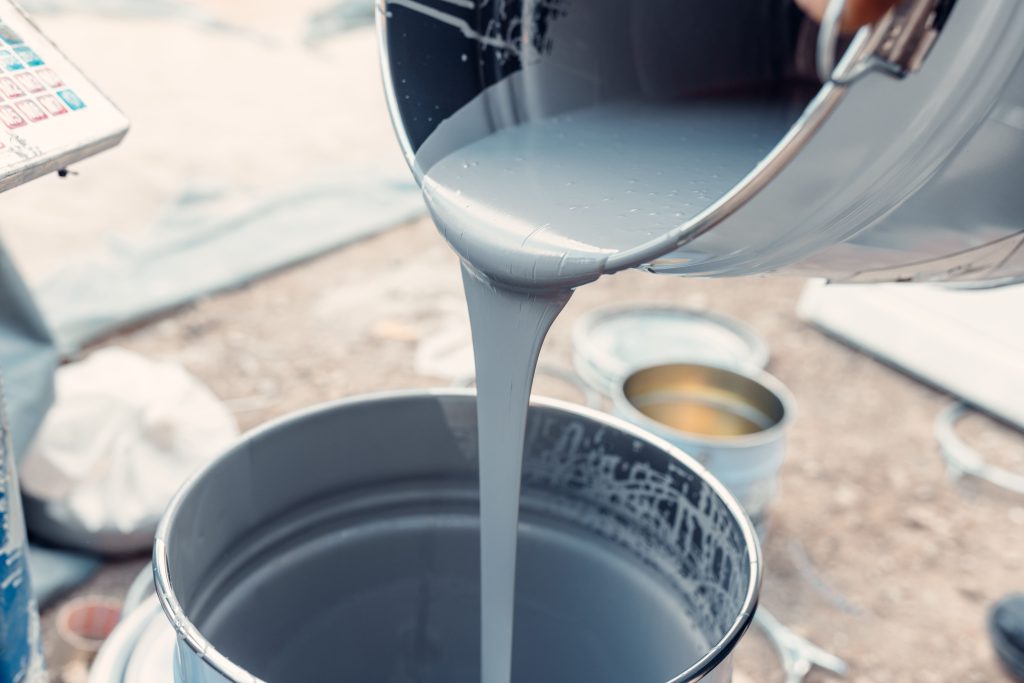
Roff offers Tenax Epoxy Coating System, used for strengthening and stone finishing. The product comes with a base and a hardener, ideal for repairing and enhancing the appearance of natural stones. It is a clear, hazy liquid that works beautifully on granite and marble surfaces. This marble epoxy coating solution helps improve surface strength while maintaining a smooth finish.
If you haveany further questions about Tenax Epoxy Coating System, you can call us at 1800 2255 02. Need help choosing the right coating solution? Our team will guide you based on your specific requirements.
FAQs
Can epoxy be used on marble?
Yes, epoxy can be used on marble. Epoxy coating for marble is commonly applied to repair minor cracks, enhance surface finish, and improve resistance to stains and moisture.
What epoxy to use for stone?
The type of coating depends on the application. Standard coating works well for repairs and finishing, while fusion-bonded epoxy coating is used where stronger adhesion and durability are required.
Is epoxy 100% waterproof?
Epoxy offers excellent protection against water damage, although it does not deliver total waterproofing. The product’s application establishes a barrier that protects surfaces from moisture penetration, but an effective waterproofing application must be maintained.