Blogs & Current Trends

Check out the biggest trends of the season and our expert take on them.

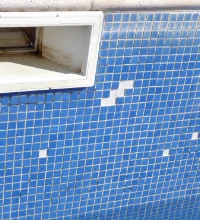
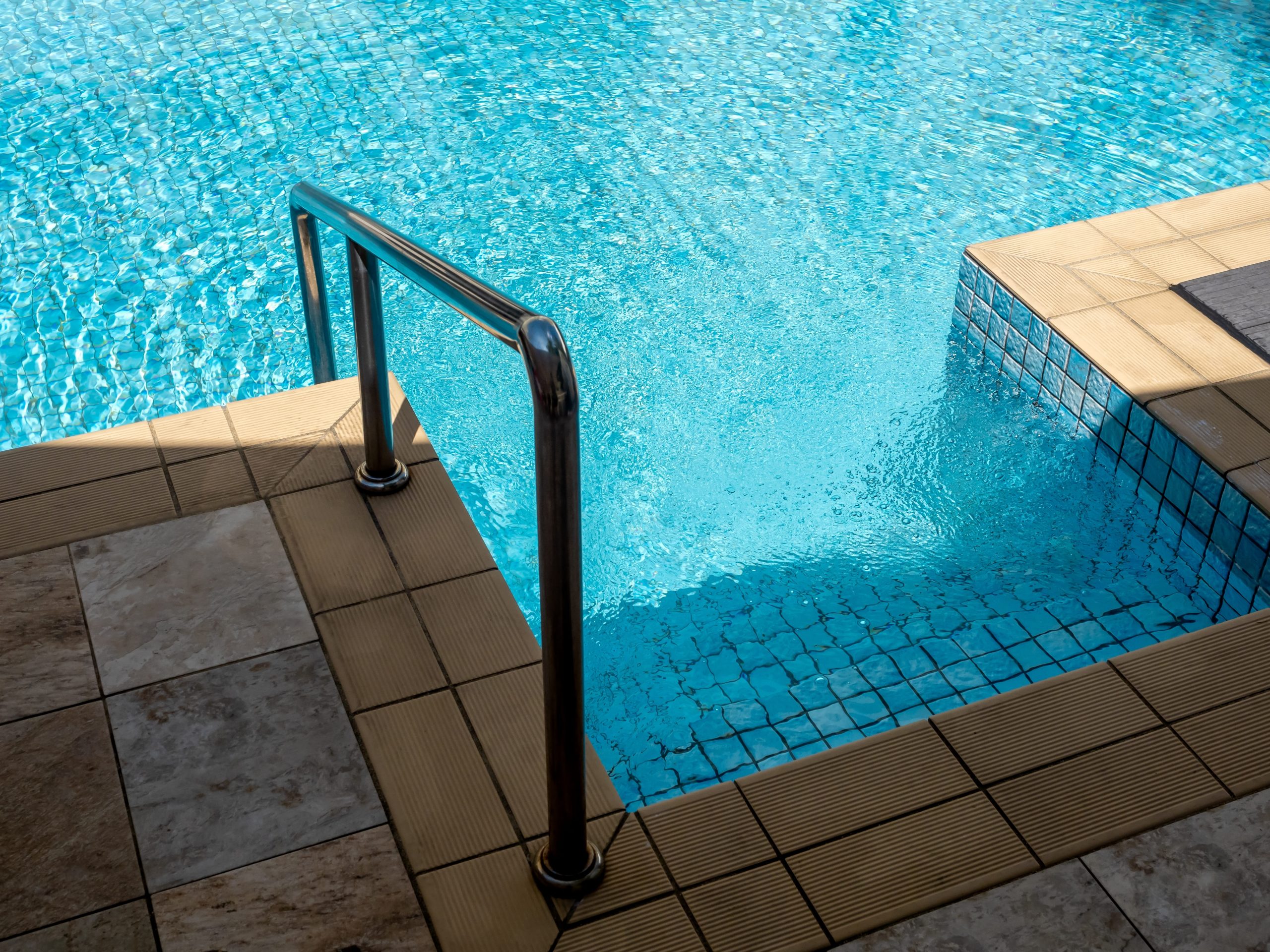
Clear water surface on swimming pool stair down steps with chrome metal grab bar with no body. Abstract pool texture, underwater pattern blue grid tiles, no people. Summer background concept.

How to choose the right tile adhesives, grout and sealants for your swimming pool

Many homeowners focus heavily on tile patterns and aesthetics when building or renovating a swimming pool. What they often overlook is that the success of any pool tiling project depends on using specialised adhesives, grouting and sealants designed for underwater environments.

Within a swimming pool, the material used for tiling is constantly exposed to moisture, cleaning chemicals, and temperature changes that can quickly wear down standard construction materials, leading to loose tiles, leaks, and costly repairs. Choosing the right adhesive and grout ensures tiles stay firmly in place and perform well over time.
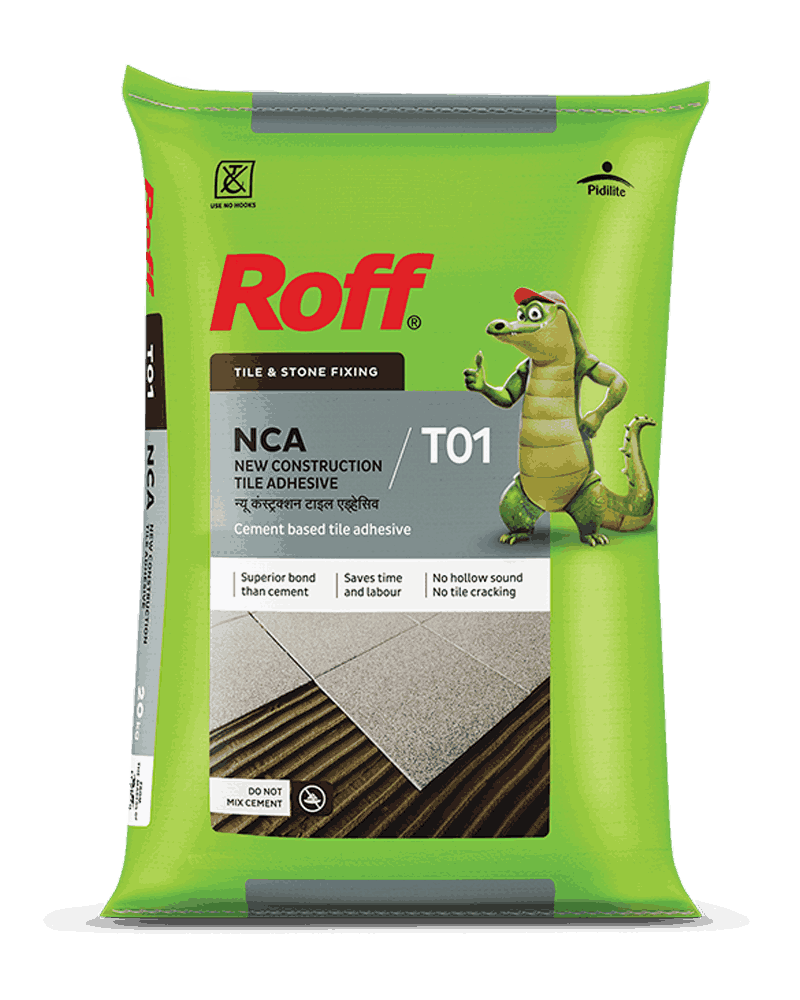
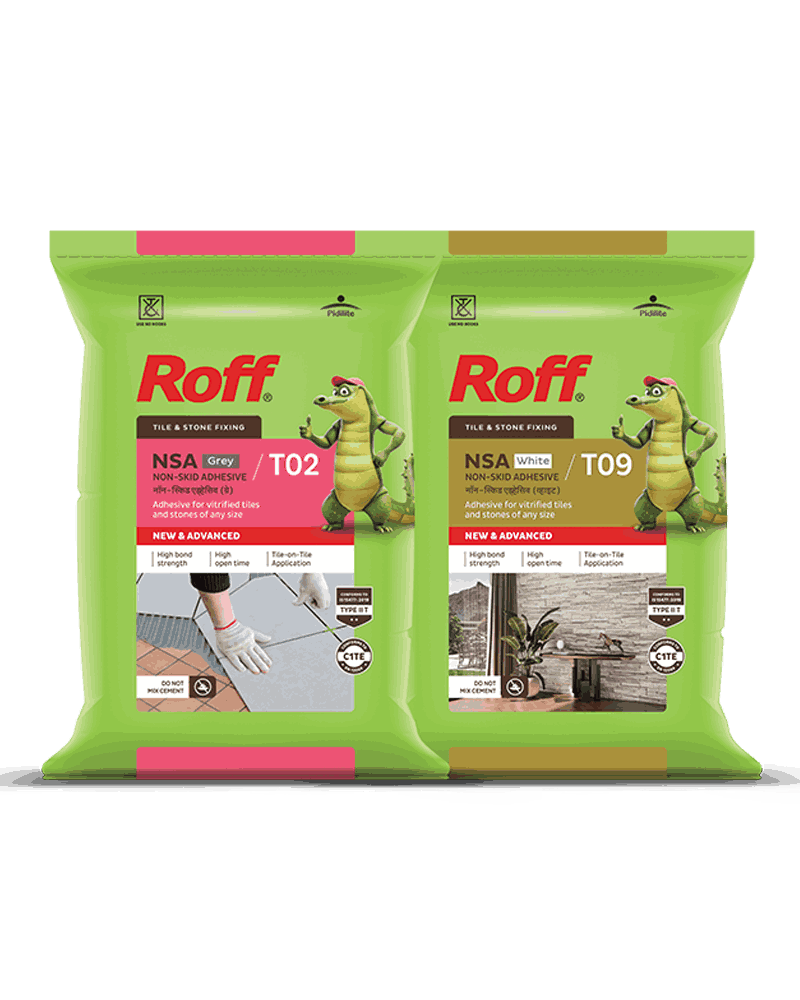
Understanding the different types of adhesives helps homeowners make smarter material choices and ensure their pool tiles stay strong, secure, and stunning for years to come.

The challenges of pool environments

Swimming pools present a unique set of challenges that regular materials can’t withstand. Regular adhesives tend to debond quickly under such demanding conditions, which is why choosing the right adhesives and sealants is critical.

Here’s what makes pool environments particularly harsh on tiled surfaces: 

  • Constant moisture: Prolonged water exposure can weaken the bond strength of ordinary adhesives, causing tiles to loosen over time.
  • Chlorine exposure: Pool water contains cleaning chemicals like chlorine that attack conventional adhesive formulations, breaking down their molecular bonds and leading to early failure. This degradation process accelerates in poorly ventilated pool areas where chemical concentrations can become more concentrated.
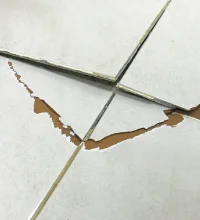
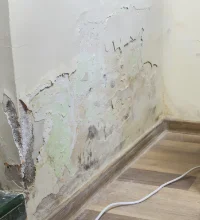
  • Water pressure: Continuous water movement and hydrostatic pressure create stress on tiled surfaces, often dislodging tiles if the adhesive isn’t designed for submerged use.
  • Temperature variation: Pool water temperatures can fluctuate dramatically between seasons and throughout the day. Regular adhesives aren’t equipped with the flexibility needed to accommodate thermal expansion and contraction.

Using the right tile adhesive specifically formulated for pools ensures long-term durability, maintaining both the function and beauty of the tiled surface despite these demanding conditions.

Pool-grade tile adhesives: Solutions built for performance

Pool environments call for materials that can handle constant stress, which is why knowing what the right adhesive is can make all the difference. Specialised adhesives, grout and sealants for pools are designed to deliver superior bond strength, flexibility, and avoid water seepage through tile joints, making them essential for submerged areas.

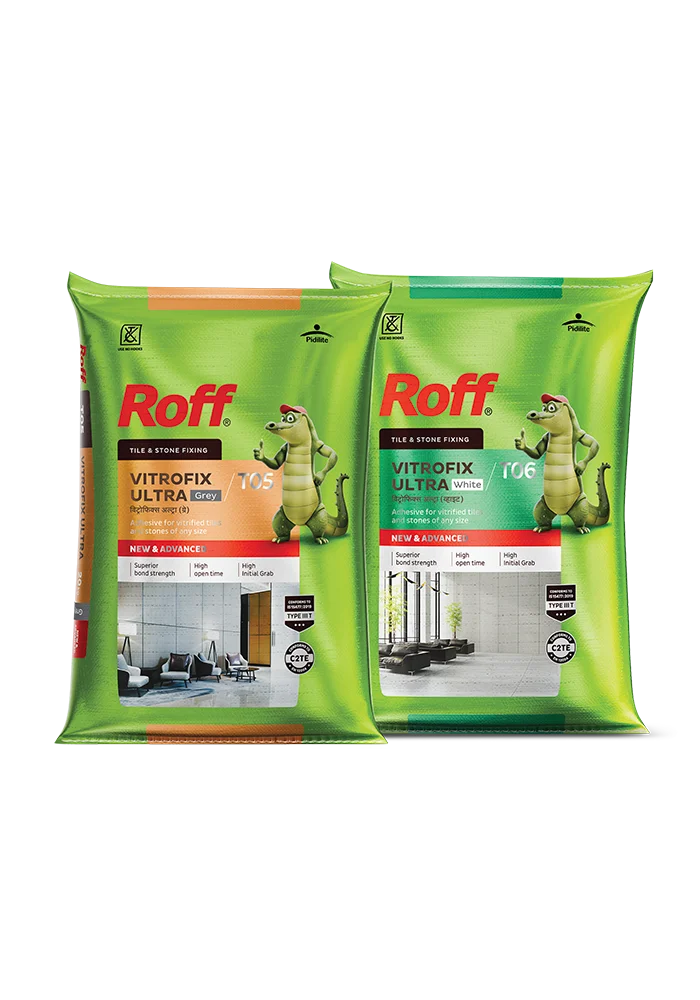
Roff Vitrofix Ultra is an excellent example of pool-grade adhesive technology. This polymer-modified, thin-set tile adhesive is specifically formulated for wet areas, including swimming pools, saunas, and spas. Its sag-resistant formula prevents tiles from sliding during installation on vertical surfaces, while its water and shock resistance ensure long-term durability.

The role of sealants in pool construction

In pool construction, the tile adhesive forms the first line of defence, but it works best when paired with the right sealant. Understanding what a sealant is key to achieving a watertight, long-lasting finish.

A sealant is a flexible material used to fill gaps and joints, preventing water infiltration while allowing for natural movement in the structure. Expansion joints around pool perimeters and at pipe penetrations need flexible, pool-grade sealants that withstand chemicals, UV exposure, and humidity. Standard options crack and breed mould, making specialised solutions like Dr. Fixit’s waterproofing range and sealant essential for long-lasting protection.

Grouting for pools: The final step for strength

Once the right adhesives and sealants have been used to secure and protect pool tiles, the final step to a perfect finish lies in proper grouting.

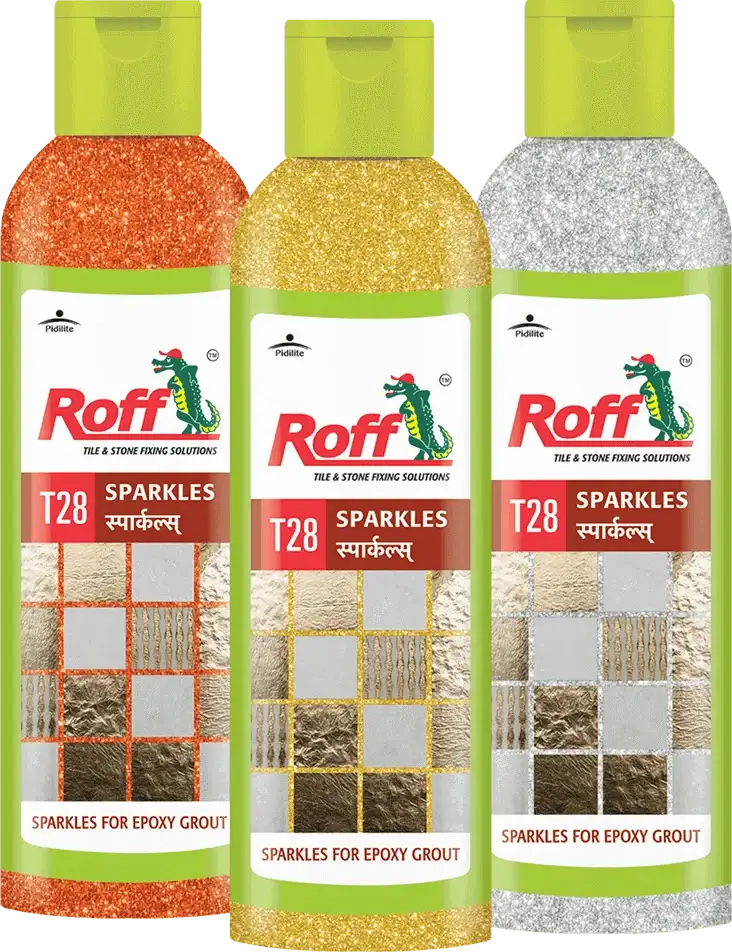
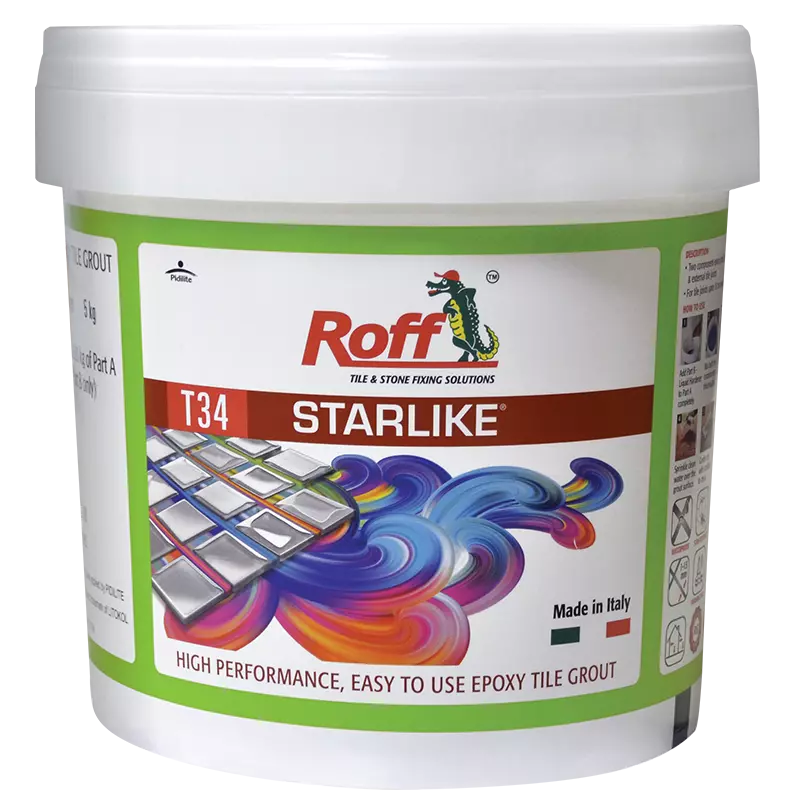
Roff Starlike is a two-part UV-rated epoxy grout that is waterproof and can be used for pool tiles in fully submerged applications. Its high strength prevents cracking during installation and use, while its anti-bacterial properties resist mould and fungal growth.

Roff Starlike’s flexibility accommodates structural movement without compromising the watertight seal. Available in numerous decorative finishes, it allows for creative design expression while maintaining excellent performance.

The importance of proper waterproofing

Even the best tile adhesive, sealant, and grout combinations will fail without proper waterproofing measures. Waterproofing creates a protective barrier between the pool structure and the tile installation, preventing water infiltration that can compromise adhesive performance.

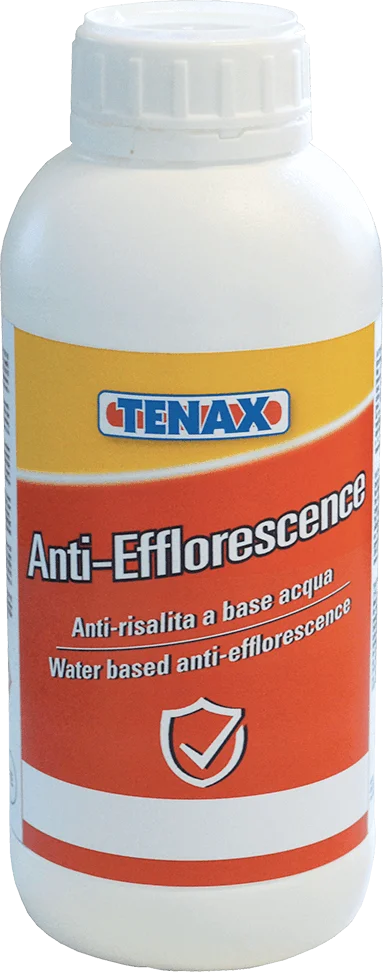
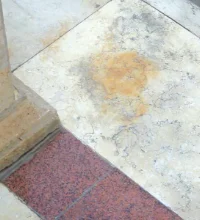
Proper waterproofing also prevents efflorescence – the chalky white buildup that appears on pool tiles when minerals rise to the surface through moisture migration. A well-sealed pool foundation ensures that specialised adhesives and sealants can perform can perform as intended when paired with high-quality waterproofing products like those from Dr. Fixit.

Building a pool that lasts

A durable pool starts with the right materials. Using specialised adhesives for tile fixing, the right grouting and sealants for filling gaps and joints, and effective waterproofing solutions for leakage protection ensures that tiles stay secure, joints remain watertight, and maintenance stays minimal. Understanding what an adhesive or sealant is helps homeowners choose smarter, longer-lasting solutions over standard products.

For pools that perform beautifully for years, choose Roff’s tile adhesives – engineered to deliver reliable strength and flexibility even under water.

This approach ensures the wall isn’t just ‘ready’ but rather bonded to the wall tile adhesive system.