Check out the biggest trends of the season and our expert take on them.
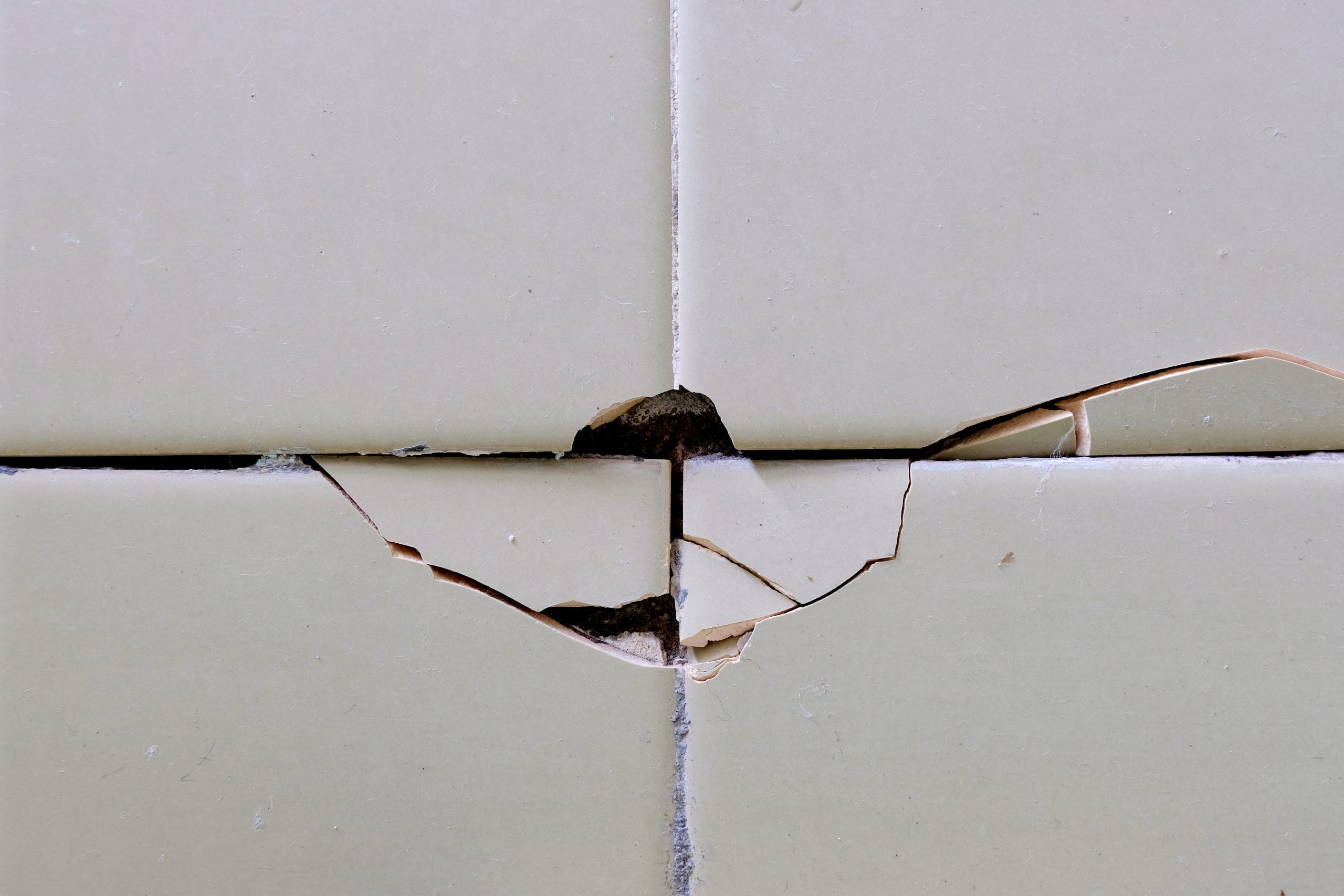
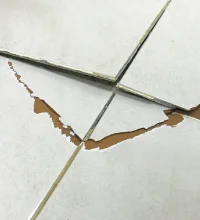
Repairing visible cracks or gaps in your tile joints may seem straightforward, but not all solutions are created equal. Many homeowners reach for white cement as a quick fix for tiles, unaware of its limitations. While it may temporarily fill gaps, white cement lacks the flexibility, adhesion, and moisture resistance required for long-lasting repairs. Choosing the wrong material can lead to recurring joint cracks, uneven surfaces, and even tile damage over time.
Here are the five major problems with relying on cement for broken tile joint repair, along with a smarter alternative to ensure lasting results.
Using white cement for tile repairs might seem convenient, but it’s not built for flexibility or strong bonding. When you repair a broken tile joint with white cement, it tends to crack under slight movement or temperature changes, leading to weak adhesion and surface gaps over time.
As white cement dries, it tends to shrink slightly. This shrinkage can reopen gaps in previously repaired tile joints, often confusing homeowners about how to fix cracked tile joints effectively. The result is frequent touch-ups and a higher risk of tile joint damage over time.
When you use white cement grout for tile joints, it readily absorbs water, especially in wet zones like bathrooms or kitchens. Moisture can seep into cracks, leading to mold growth, discolouration, and a weakened tile surface, eventually making broken tile joint repairs more frequent and less effective.
White cement repairs rarely match the original tile’s finish. Rough textures or colour inconsistencies can make even minor tile joint damage highly visible, reducing the aesthetic appeal of your flooring or walls.
Different tiles or stones, such as vitrified, ceramic, or marble, require a grout compatible with their porosity and finish. However, white cement for tiles often fails to provide proper gap filling, making it unsuitable for those exploring how to repair floor tile joints or carry out specialised fixes.
Unlike white cement for tile, epoxy grout delivers superior bonding strength, flexibility, and water resistance – qualities that make all the difference in effective broken tile joint repair. Where cement-based solutions tend to crack or loosen over time, epoxy grout forms a strong, long-lasting seal that keeps surfaces smooth and joints intact. It also resists stains, prevents tile damage, and maintains colour consistency, making it ideal for both wet zones and high-traffic areas.
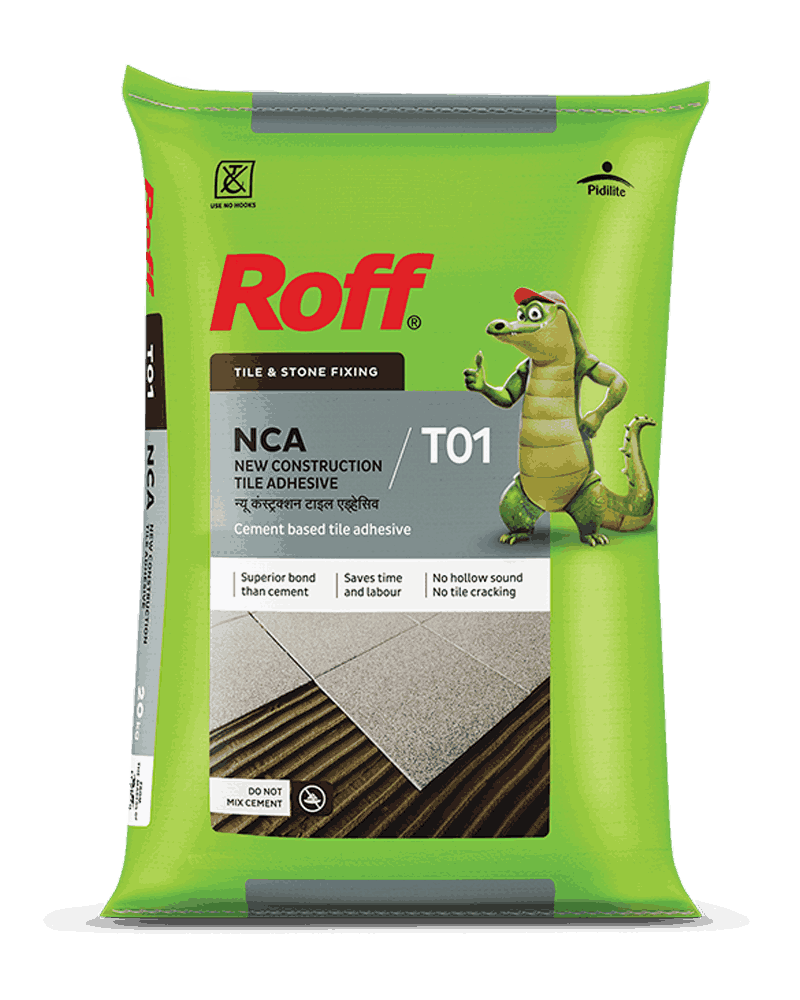
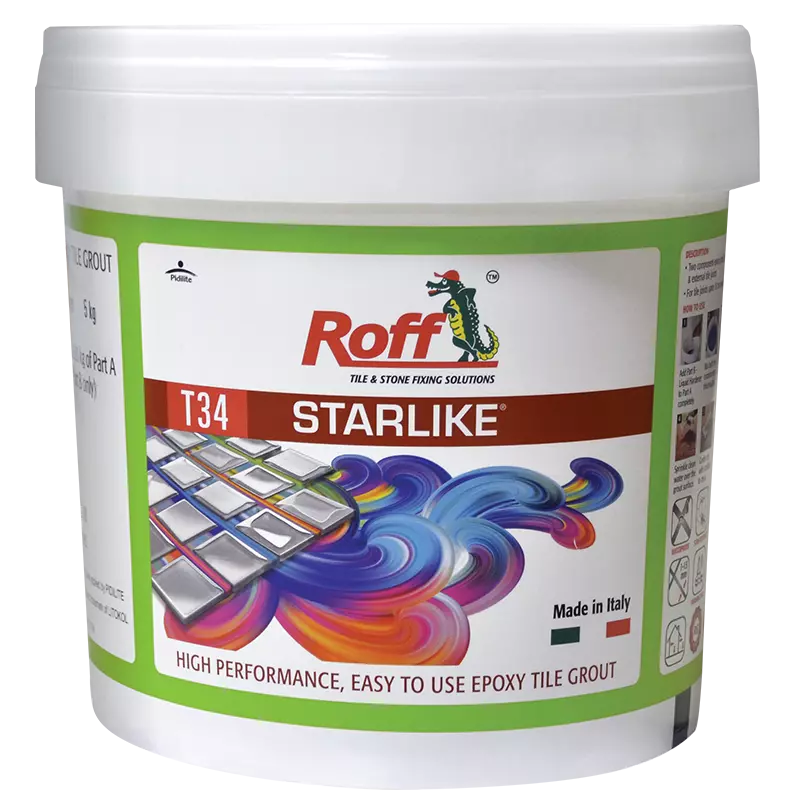
For homeowners looking for a durable, professional-grade solution, Roff Starlike is a two-component epoxy grout specifically designed for cracked tile joint repair. Its excellent adhesion, moisture resistance, and consistent finish protect tiles from future damage, ensuring a long-lasting, seamless look that reduces the need for repeated maintenance.
Don’t settle for short-lived fixes with white cement for tile. For homeowners seeking a truly durable solution, Roff Starlike epoxy grout offers superior bonding strength, flexibility, and moisture resistance that traditional materials simply can’t match. It ensures every broken tile joint repair is seamless, long-lasting, and resistant to everyday wear – keeping your surfaces flawless for years.


This approach ensures the wall isn’t just ‘ready’ but rather bonded to the wall tile adhesive system.