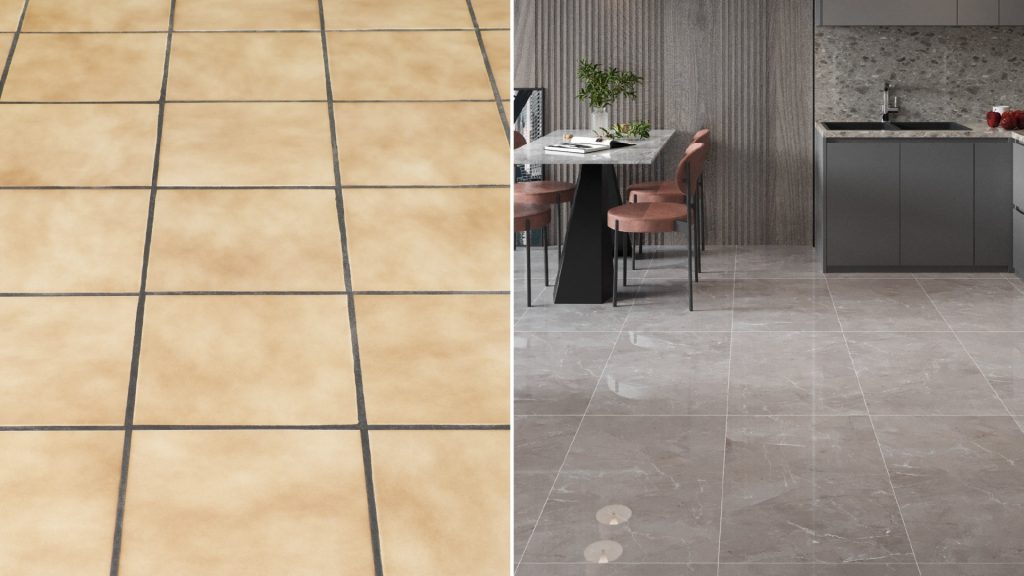
Check out the biggest trends of the season and our expert take on them.
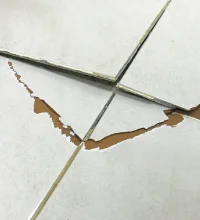
If you’re getting tiles installed at home, the real quality check isn’t about the tile design; it’s what holds the tile in place. Using the right tile adhesive is what prevents common issues like hollow sounds, uneven tiles, or tiles coming loose later.
That’s why choosing the best tile adhesive (and making sure it’s applied correctly) matters more than most homeowners realise. Here’s everything you need to know about it.
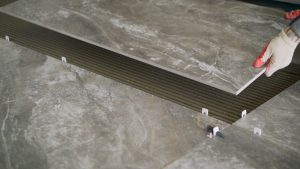
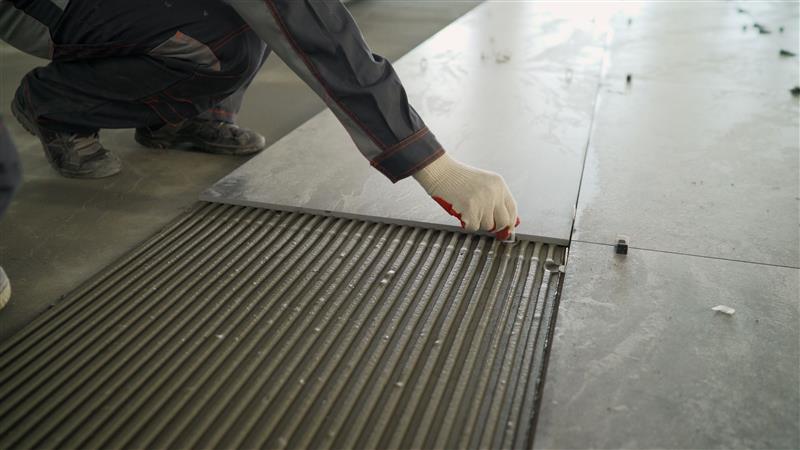
When it comes to the installation of tiles, using the right tile adhesive makes a big difference to how strong and neat the final finish looks. A tile adhesive is a ready-to-use, factory-formulated fixing material designed to give better grip and consistent performance, unlike traditional cement-sand mortar, which can vary based on mixing and workmanship.
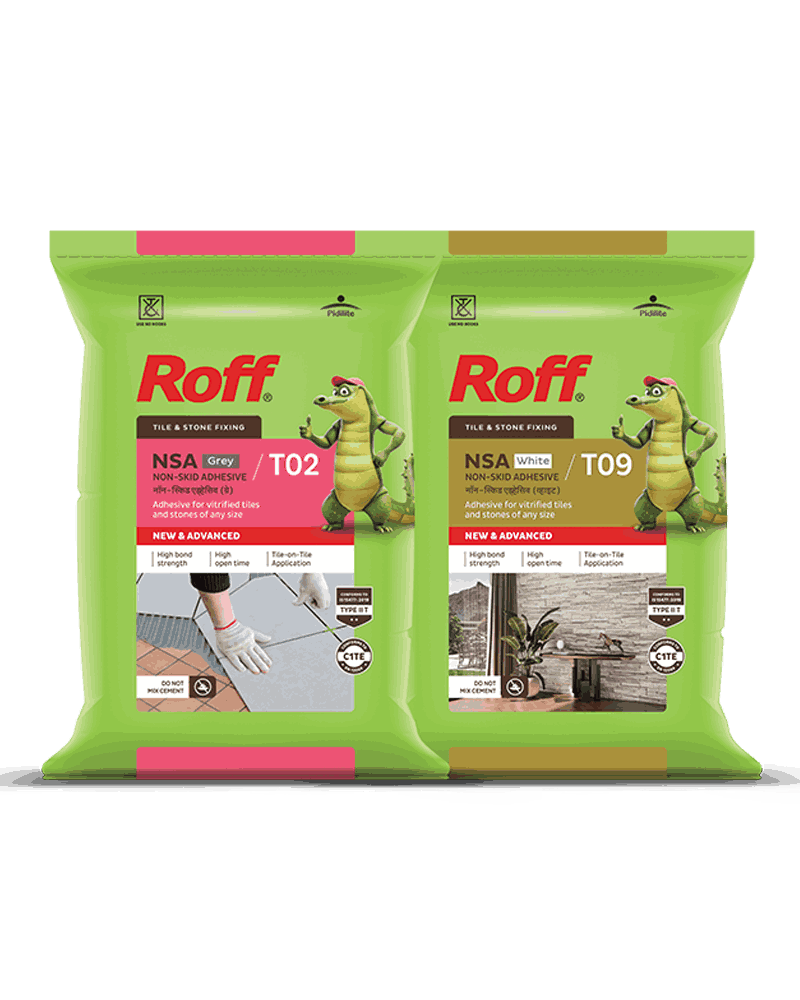
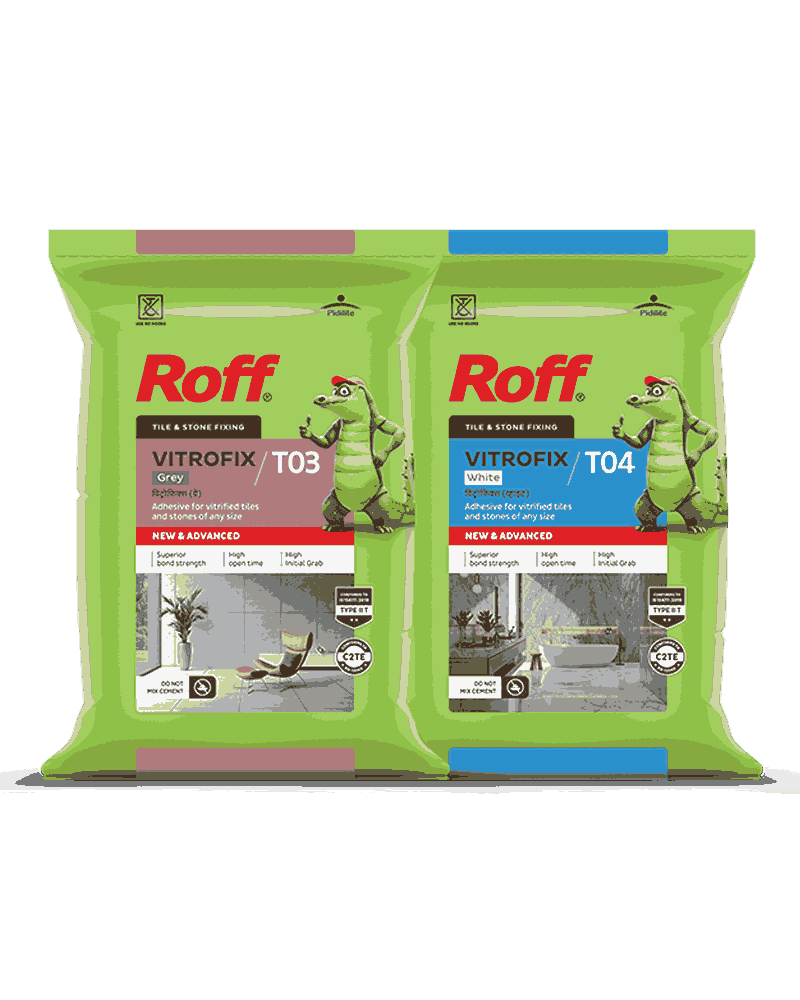
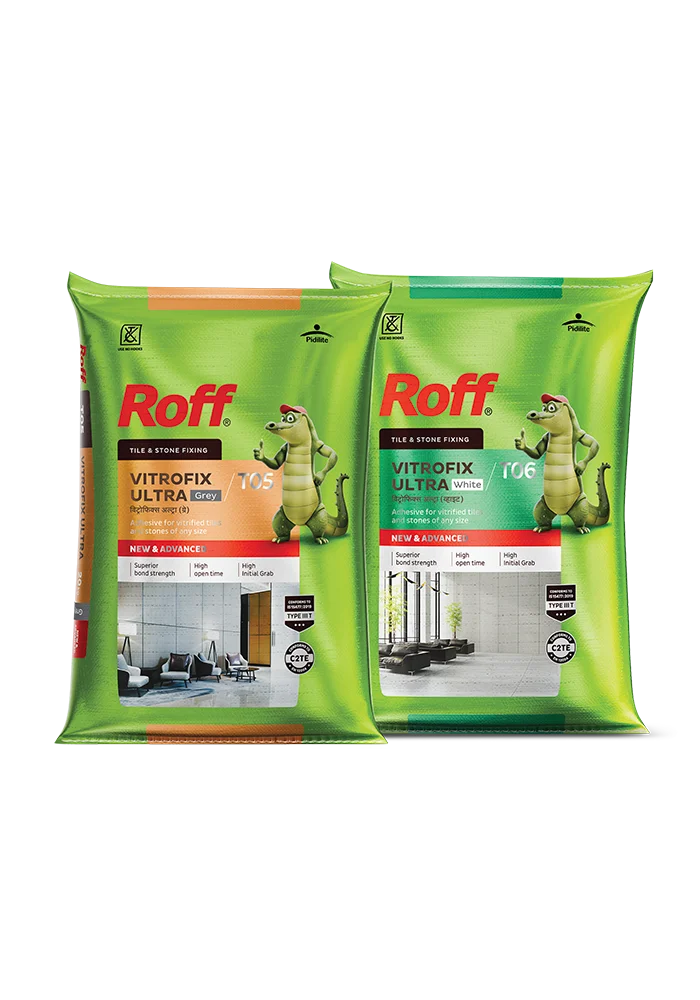
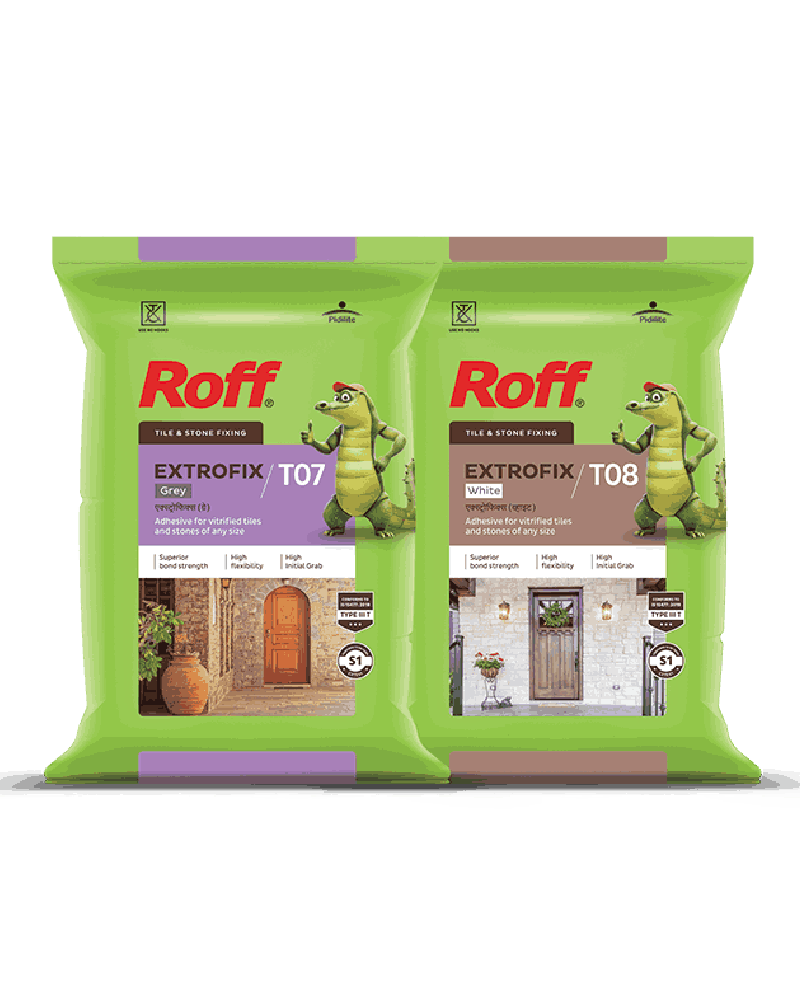
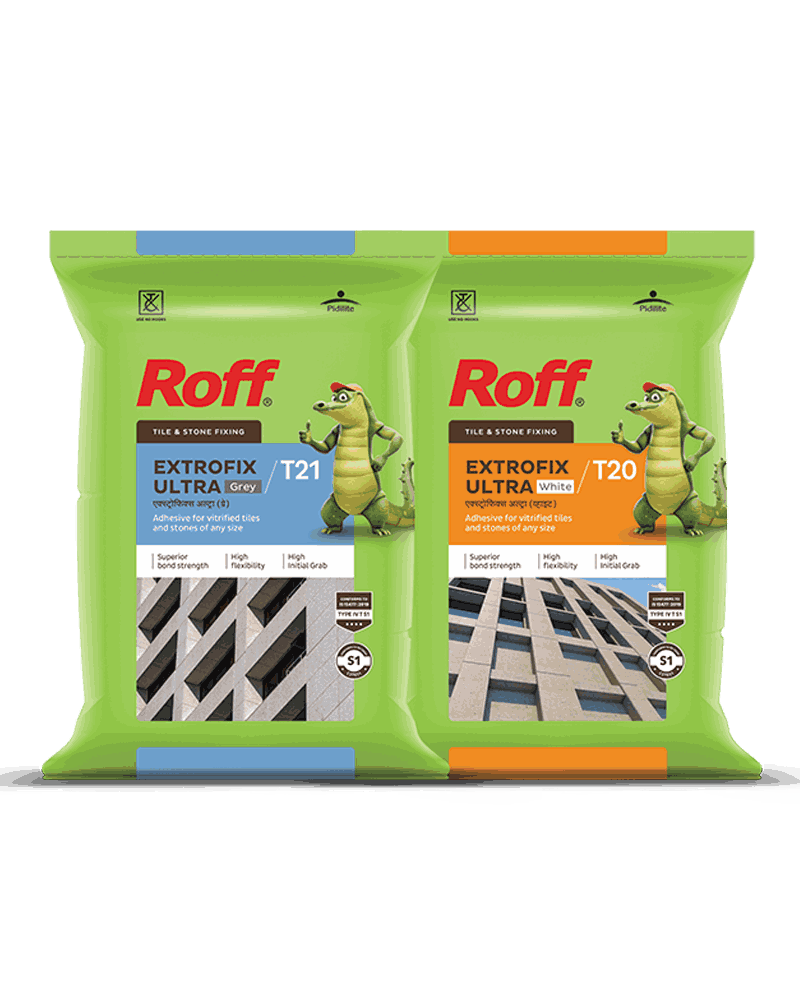
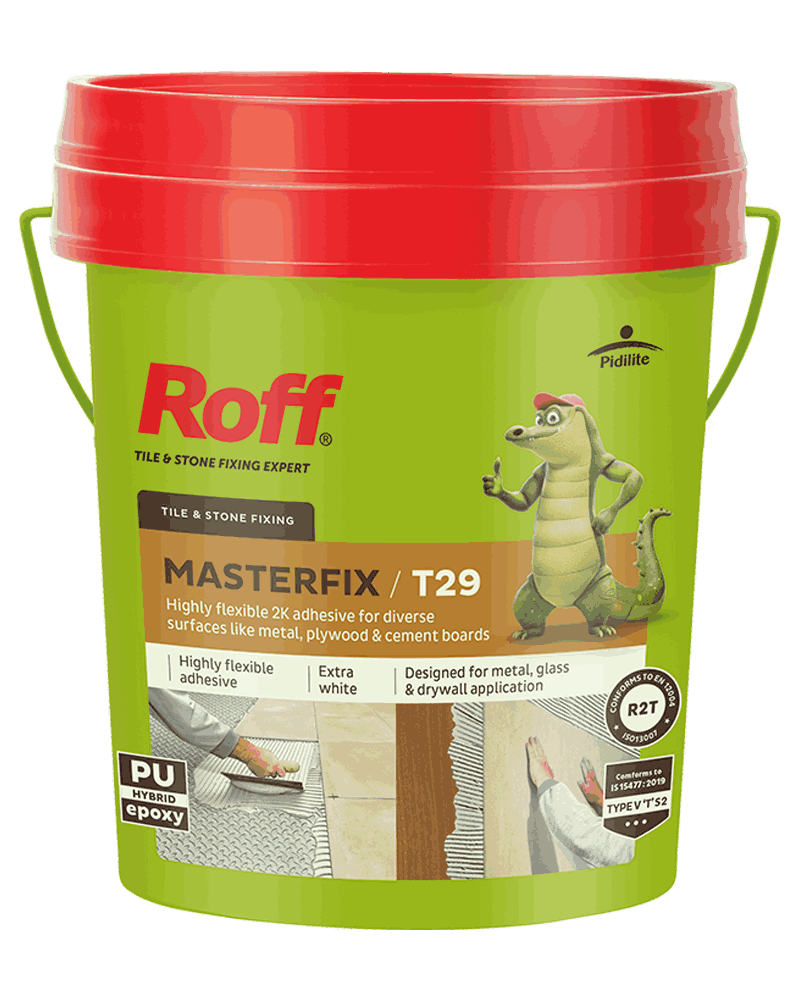
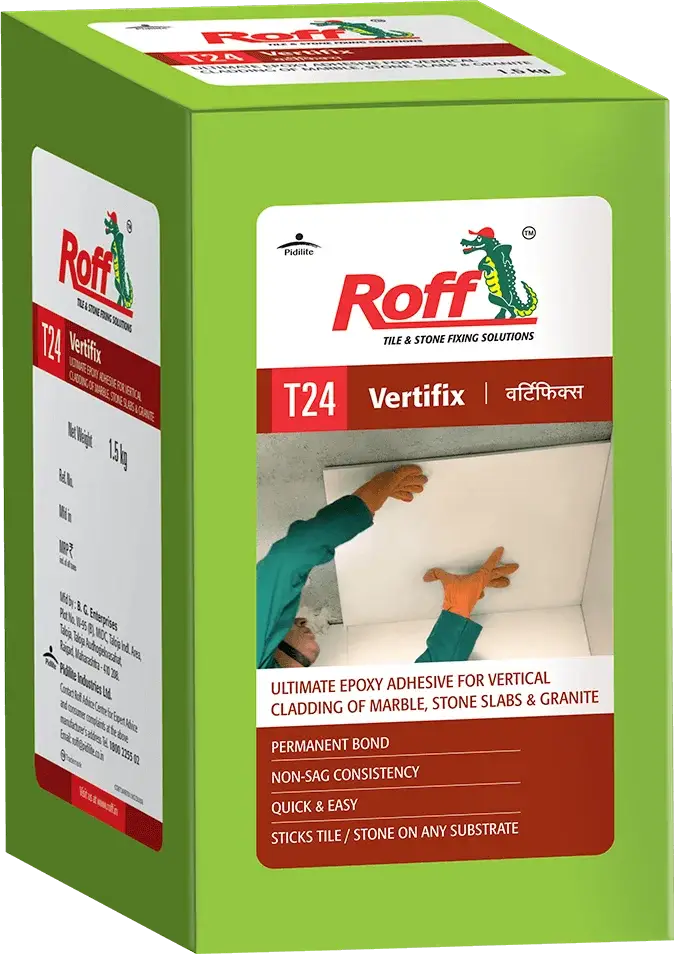
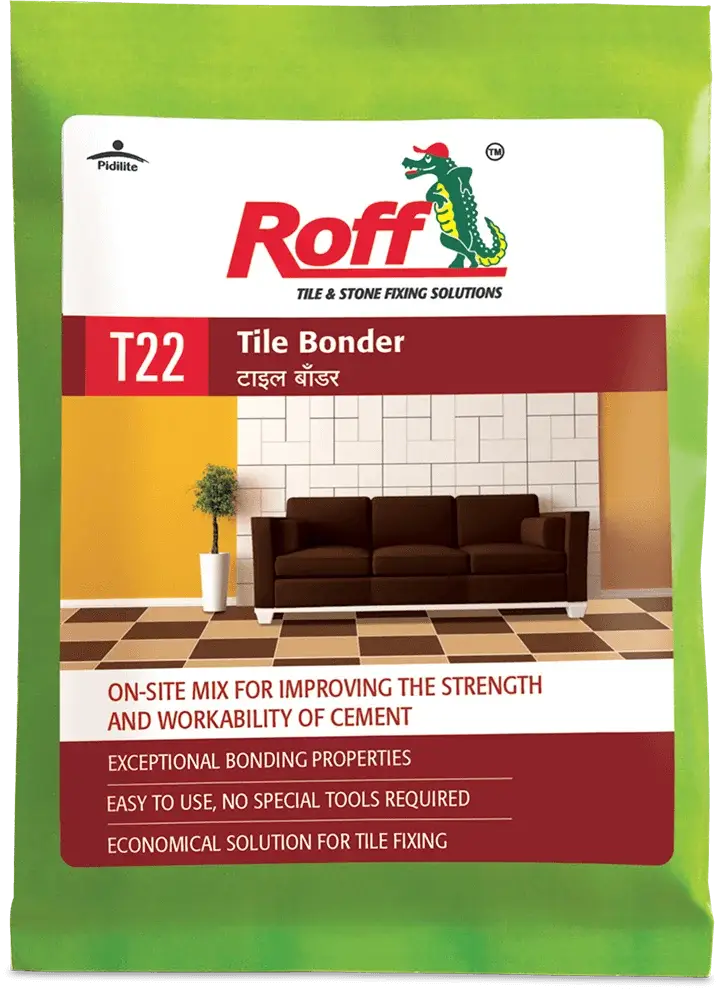
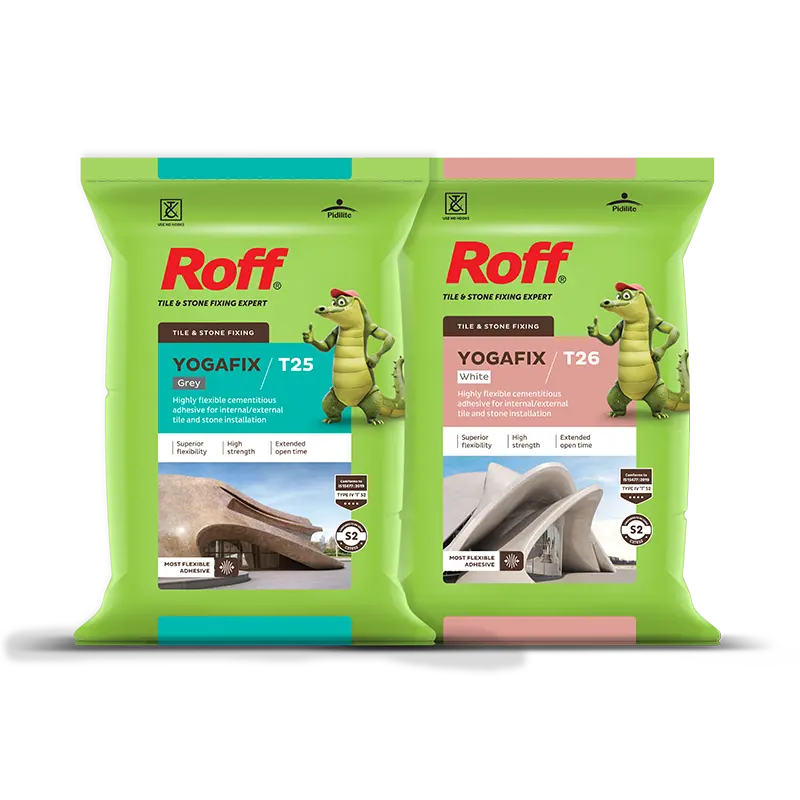
Compared to cement, tile adhesives offer stronger bonding, more even application, and a better hold, especially on modern tiles. This also reduces the chances of hollow-sounding tiles when applied correctly. That’s why reliable options like Roff’s tile adhesives are often preferred on-site, since they offer consistent quality and the right solution for different tile types and areas.
Before the first tile is fixed, a few basic checks can make sure the work starts on the right foundation. These are simple things you can monitor on-site so the tile adhesive performs well and your installation stays strong over time.
Make sure the surface is clean, solid, and dust-free before the tile adhesive is applied. Loose plaster, paint flakes, oil, or powdery cement can weaken the grip and lead to tiles coming loose later. A good base helps the tile adhesive hold properly from day one.
To create a level, hard, and stable base, PPC or screed is first applied to the floors or walls before tile installation. Only once this solid surface sets properly can tile adhesive be applied to securely fix the tiles. Following this process ensures better bonding and long-term durability for your tiled surfaces.
Confirm the tile adhesive being used matches your tile type and area, especially for bathrooms, balconies, and bigger tiles. This is where using the best tile adhesives in India, such as Roff’s range of adhesives, matters for your application. The right choice improves bonding strength and prevents avoidable installation failures. In order to choose the right adhesive for your home, try Roff’s Tile Adhesive Selector to identify the right products for different areas of the house.
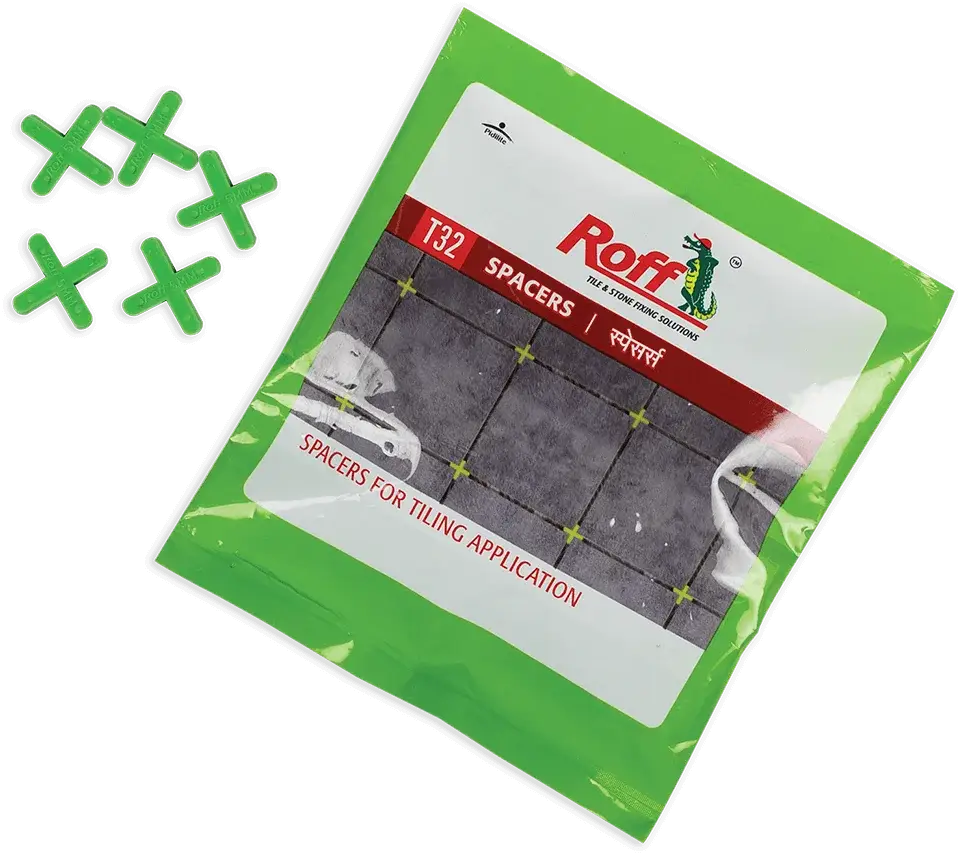
Tile spacers are small tools used during tile installation to maintain equal gaps between tiles, ensuring a neat and professional finish. They help keep tiles aligned while the tile adhesive sets, preventing tiles from shifting during installation. Consistent spacing also allows grout to bond properly and improves the durability of the tiled surface. When installing tiles with tile adhesive, spacers make the process faster, easier, and prevent lippage. Tile spacers also ensure long-term hygiene, as poor spacing between tiles eventually leads to dirt accumulation and mold growth.
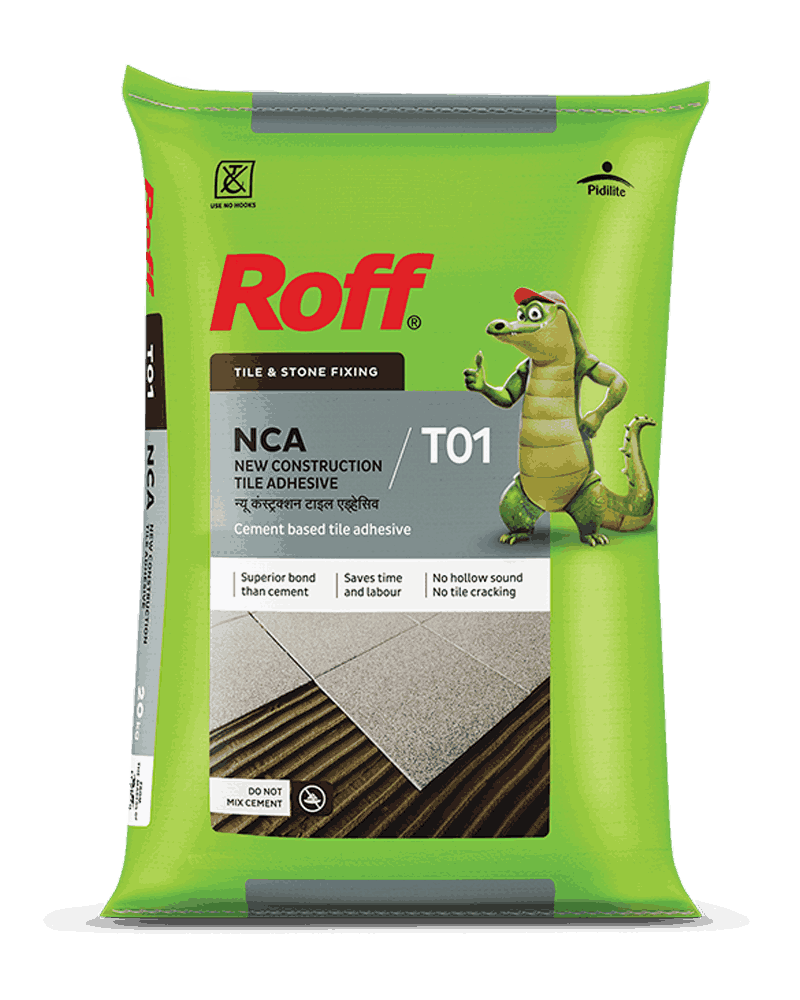
Ask the installer to do a dry layout and marking before applying tile adhesive. This helps avoid uneven lines, awkward cuts near corners, and last-minute adjustments. Proper planning also supports a clean tile bond, since tiles can be placed quickly and correctly without disturbing the adhesive layer. This prevents long-term problems with the installation, including hollow sounds, popping tiles, and uneven levelling.
For a long-lasting finish, tile fixing needs more than just good tiles; it needs the right adhesive underneath. Choosing a reliable, factory-formulated solution helps ensure consistent grip, better bonding, and fewer issues like hollow tiles or debonding over time.
That’s where Roff’s tile adhesive range becomes a smart choice for homeowners, offering dependable options for different tile types, sizes, and application areas, helping the installer get the method right from the start. If you want a stronger, cleaner, and more durable installation, ask your contractor to use Roff’s tile adhesives and choose the right grade for your space.
This approach ensures the wall isn’t just ‘ready’ but rather bonded to the wall tile adhesive system.