Blogs & Current Trends

Check out the biggest trends of the season and our expert take on them.

Why cement tiling grout develops mould and how to stop it for good

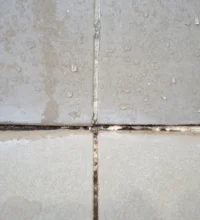
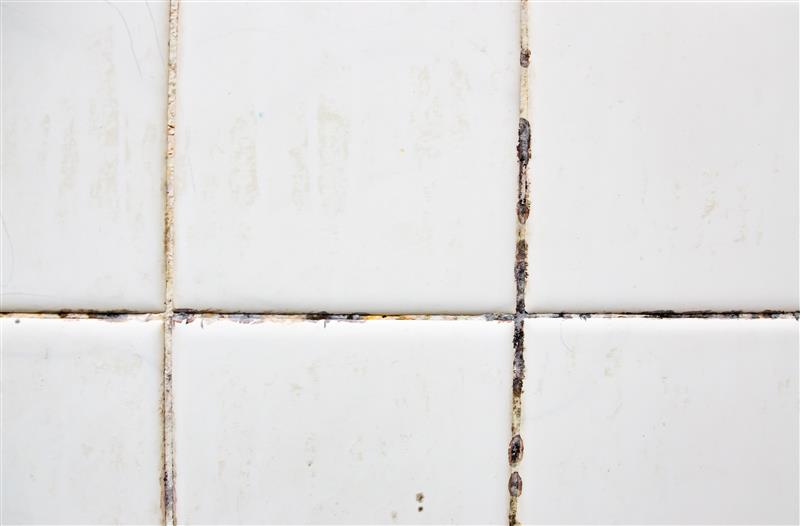
If you have ever wondered what grout in tiles is, it is the material that fills and seals the gaps between tiles. In most tiling projects, this is cement-based. While common, cement tile grout is porous by nature. That porosity, combined with moisture and poor detailing, is exactly why tiling grout in bathrooms and kitchens often develops mould that keeps coming back. 
Deep cleaning may remove surface stains, but it rarely fixes the root causes. Here are the real reasons mould returns in tiling grout. 
  • Porous grout absorbs and retains moisture 

Cement-based tile grout joints absorb water every time the area is used. In showers and kitchen backsplashes, this repeated exposure allows moisture to remain trapped within the joint, creating an ideal breeding ground for mould beneath the surface. 

  • Incomplete drying cycles 

In many homes, bathrooms are used multiple times a day with minimal sunlight or cross ventilation. This means the grout never fully dries between cycles, allowing spores to survive and multiply within the damp tiling grout. 

  • Incorrect grout selection for wet zones 

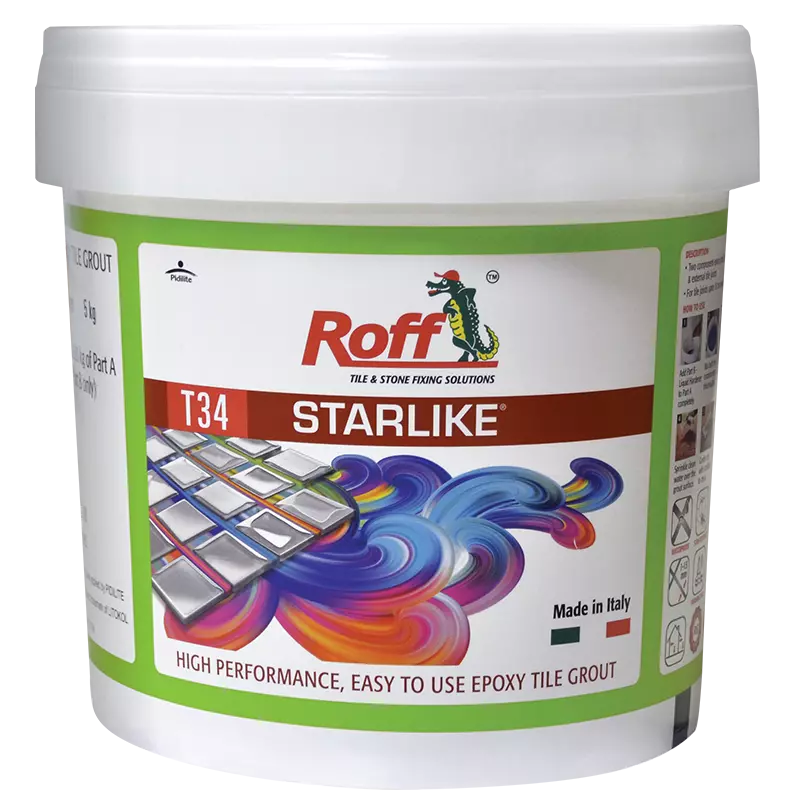
Many tiling projects use standard cement grout even in high-moisture areas. Over time, this leads to staining, discolouration and microbial growth. In contrast, epoxy tile grout (like Roff Starlike) offers far lower water absorption and significantly better resistance to mould. Roff Starlike is also a food grade product, meaning that it is perfect for kitchens and countertops! 

  • Poor grouting practices and curing 

Improper mixing ratios, rushed application or inadequate curing can result in microcracks and pinholes. These small defects trap moisture and dirt, accelerating mould growth in tile grout joints. 

  • Waterproofing and slope failures 

When waterproofing membranes are missing or floor slopes are incorrect, water accumulates beneath the tile surface. In such tiling projectsmould reappears because the moisture source lies below the visible tiling grout, not on it. 

  • Soap scum and organic residue feed mould 

Bathrooms and kitchens naturally accumulate organic residue. When this builds up on tiling grout, it acts as a nutrient source, encouraging mould to return even after scrubbing. 

Rethink the grout, not just the cleaning routine

If mould keeps returning in tiling projects, the problem is usually moisture combined with porous materials and inadequate detailing. The long-term solution lies in upgrading the grout system itself. 

Roff Starlike is a high-performance, two-component epoxy-based tile joint filler formulated with Italian quartz technology. It is completely waterproof, stain-resistant and zero-shrink, which prevents microgaps where moisture can accumulate. 

Roff Starlike’s food grade, non-toxic formulation makes it suitable for residential use, while its resistance to acids, grease and UV exposure makes it equally effective in kitchens, bathrooms and even external areas. It can fill joints from 1 to 15 mm and imparts flexibility to reduce cracking over time. 

Instead of repeatedly cleaning the same joints, invest in a high-performance system. Choose Roff Starlike and prevent recurring mould in tiling grout at its source. 

Frequently asked questions (FAQs)

  1. Can mould return even after deep cleaning? 

Yes. If moisture remains trapped within porous grout or behind tiles, mould will return regardless of how thoroughly the surface is cleaned. 

2. Is sealing cement grout enough to stop mould? 

No. Sealers can slow down water absorption, but do not make cement grout fully waterproof. In wet areas, epoxy tile grout like Roff Starlike provides superior protection. 

3. Is epoxy grout suitable for residential bathrooms? 

Yes. High-quality epoxy tile grout systems like Roff Starlike are waterproof, stain-resistant and highly durable, making them ideal for moisture-prone residential spaces. 

This approach ensures the wall isn’t just ‘ready’ but rather bonded to the wall tile adhesive system.