Blogs & Current Trends

Check out the biggest trends of the season and our expert take on them.

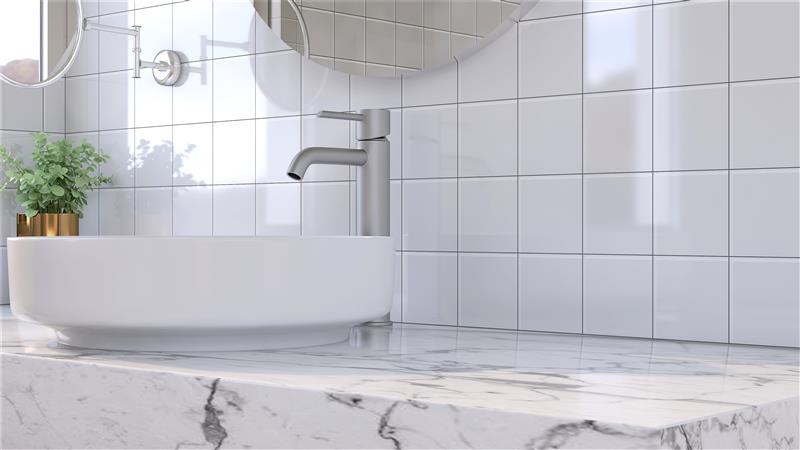
3D rendering closeup illustration of a modern vanity unit.

How wall treatment makes wall tile adhesives perform better on vertical surfaces

In wall tiling, product performance is often judged solely on the materials used. Yet, even the most advanced wall tile adhesives can fail if applied to an unprepared surface. This is especially true for vertical installations, where gravity, surface irregularities, and surface type all come into play. In these cases, wall treatment isn’t just a preparatory step – it’s a structural necessity.
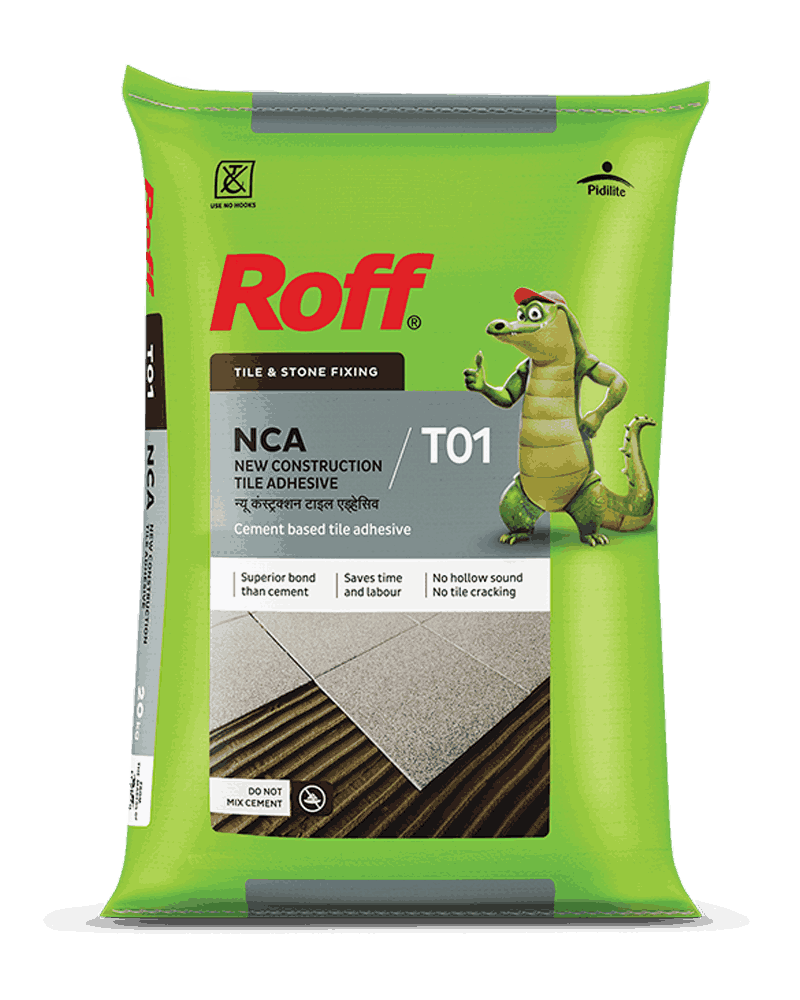
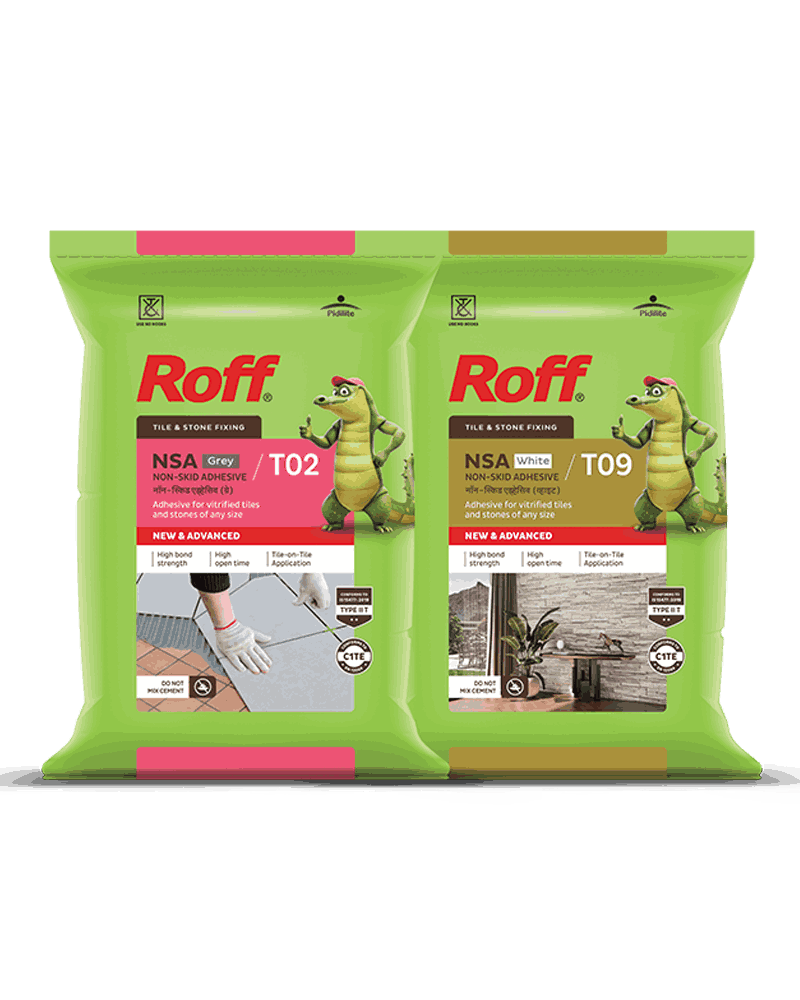
This article explores why proper surface preparation, combined with the right adhesive, is critical for safe, long-lasting vertical tile applications.

Vertical surfaces demand more than flat logic

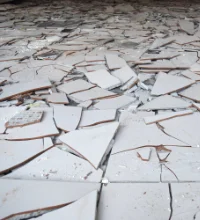
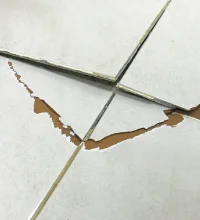
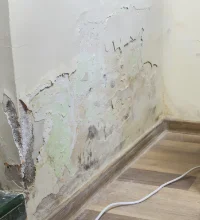
Unlike floors, vertical walls are subject to gravitational pull during curing. The slightest lapse in wall treatment, whether that’s unevenness, moisture retention, or powdery residue, can cause slippage, hollow spots, or full debonding. This is especially true for large-format tiles and natural stones, which exert more pressure and demand a reliable wall tile adhesive to hold firm.

Wall treatment begins long before adhesive application

So, what is wall treatment exactly? It’s a multi-step process involving:

  • Cleaning to remove dust, oil, or old paint
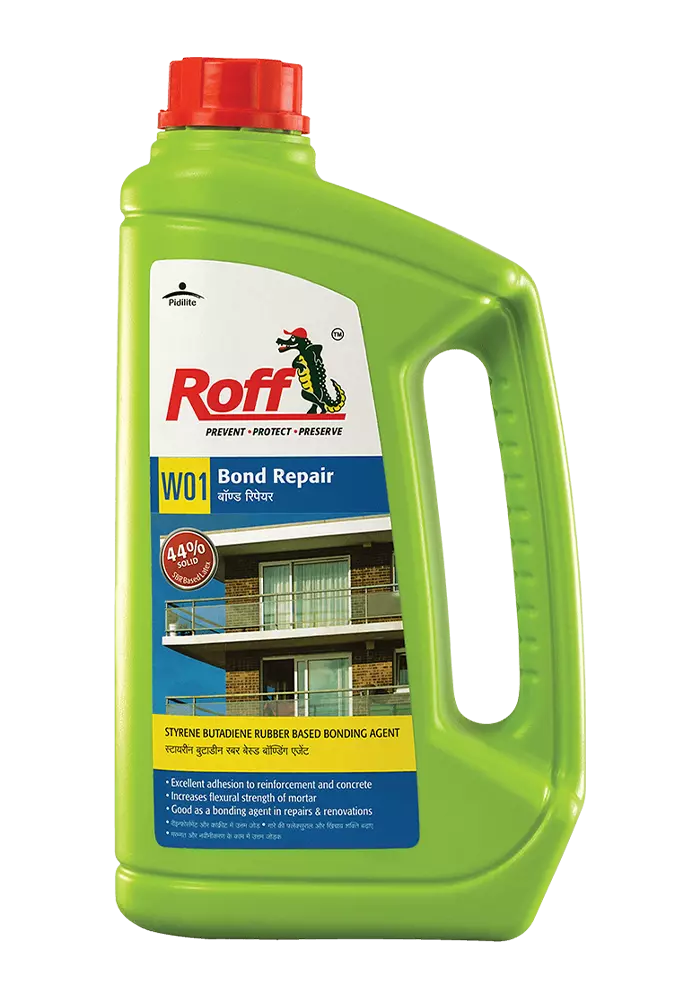
  • If required, using a priming or bonding agents to boost grip (especially over porous surfaces like cement board)
  • Levelling or patching to fix uneven surfaces and repair minor wall damage

This approach ensures the wall isn’t just ‘ready’ but rather bonded to the wall tile adhesive system.

Most failures begin with the wall, not the adhesive

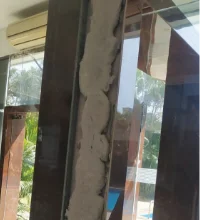
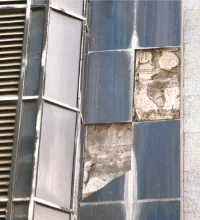
When tiles debond or shift, the adhesive often takes the blame. But poor wall treatment is usually the real issue. Dusty or painted surfaces often delaminate. An unlevel wall stresses tile alignment. Skipping these steps weakens even high-quality wall tile adhesive products.

Technique completes the system

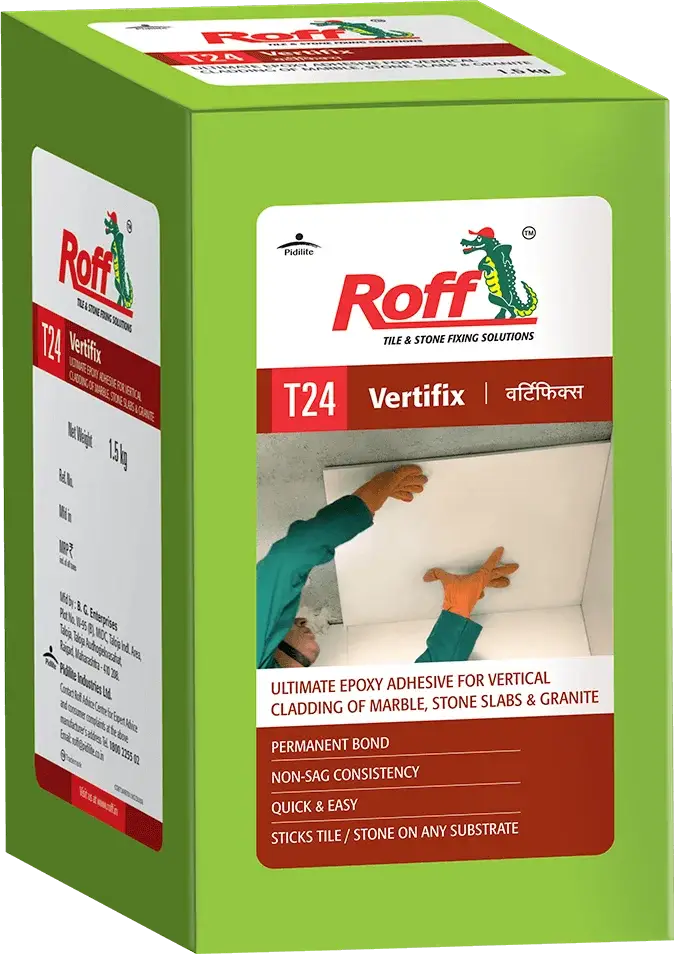
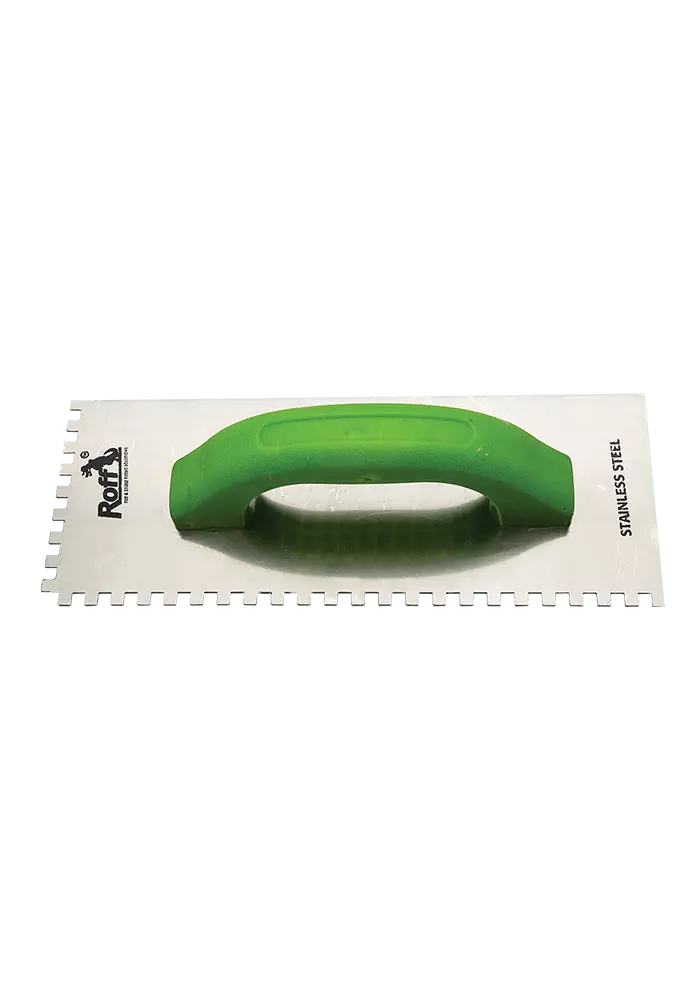
Even the best wall treatment and adhesives can fail without proper application. Use correct mixing ratios, notched trowels, and press tiles firmly for full contact. Vertical installs also require non-sag wall tile adhesives to resist gravitational pull.

Roff’s layered approach to vertical installations

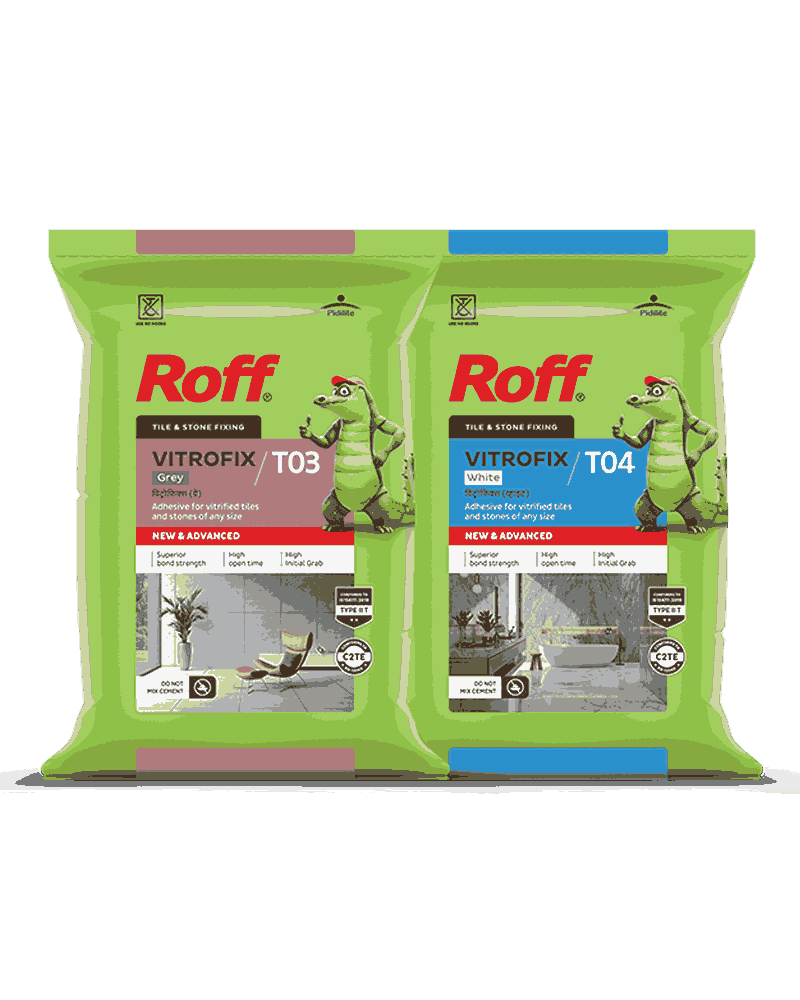
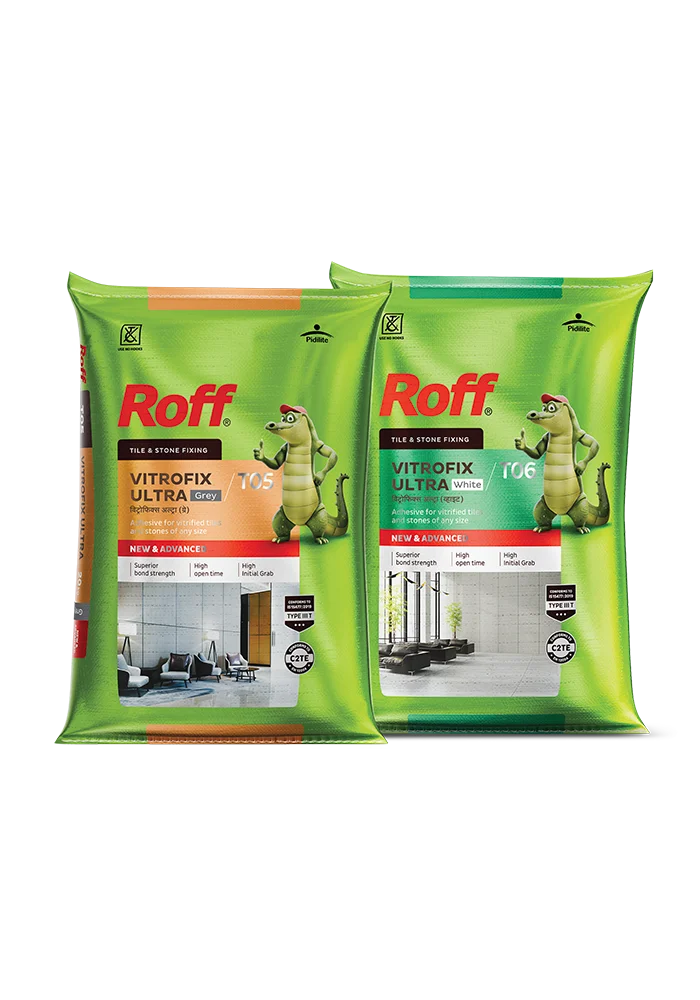
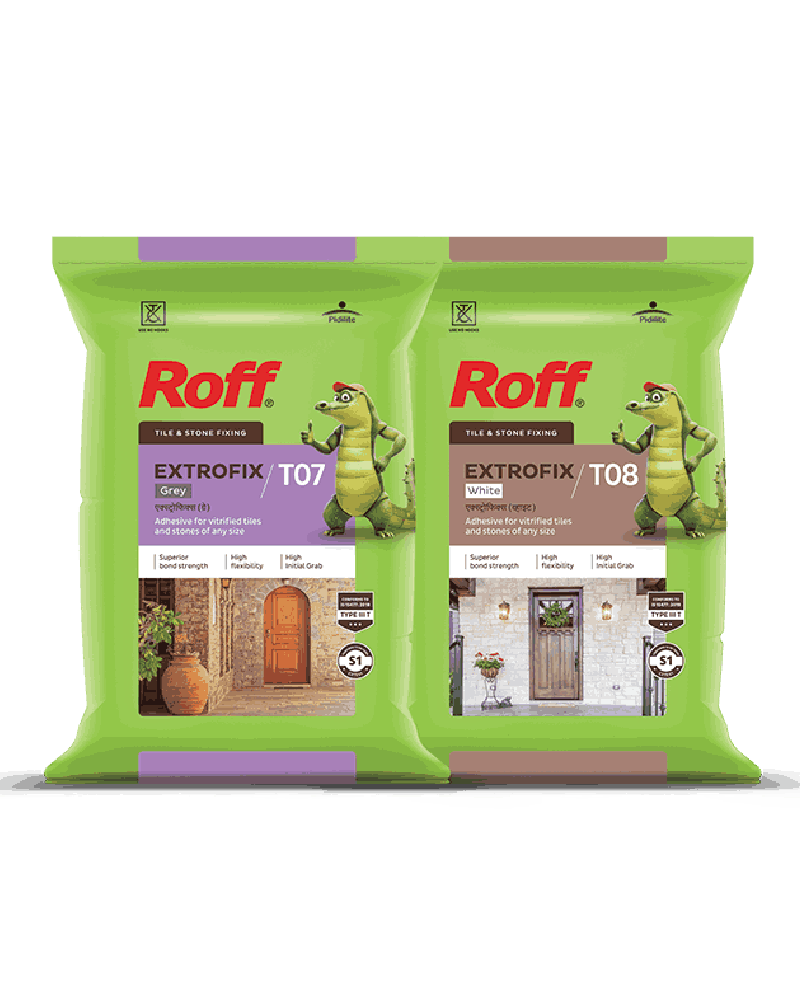
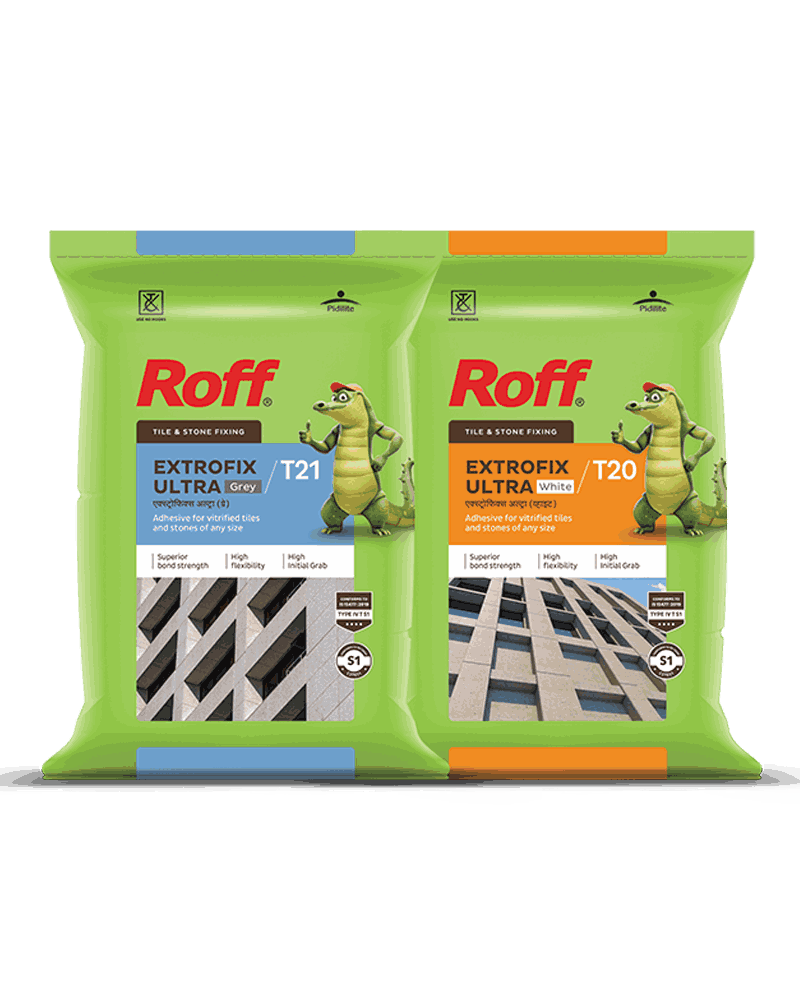
Roff approaches wall treatment and adhesive selection as part of a complete system, not an afterthought. Its vertical-grade wall tile adhesive solutions are designed to deliver maximum hold and reliability in challenging vertical applications.

To make selection easier, you can use the Roff Tile Adhesive Selector that factors in project details such as location, surface type, and tile or stone material to help you choose the most suitable product. Alternatively, since vertical installations can be complex, you can also consult Roff’s experts for professional guidance tailored to your specific projects.

Why wall treatment is the foundation of lasting installations

Tiling success depends on the substrate just as much as it does on the tile and adhesive. A well-prepped wall ensures clean finishes and fewer failures. When wall treatment is prioritised, projects are more reliable, with reduced chances of rework or safety risks

With products engineered for vertical wall tiling and system support from Roff, it’s no longer a guessing game – it’s precision work. Explore Roff’s range of advanced vertical-grade adhesives today and give your projects the secure finish they deserve.

Frequently asked questions (FAQs)

FAQ #1: What is wall treatment in tiling?

Wall treatment refers to the cleaning, priming, and levelling of walls before applying adhesive. It improves grip, prevents delamination, and supports long-term durability.
FAQ #2: Can I use the same adhesive for floor and wall tiles?

No. Walls need specialised non-sag wall tile adhesive that resists gravity and keeps tiles securely in place, whereas floor adhesives are designed to handle downward load but not vertical pull.
FAQ #3: Do all wall surfaces need a primer before tiling?

No, the requirement of a primer depends on the type of surface where the tile is getting fixed. Highly porous surfaces like cement board need a wall primer/special adhesive to ensure strong bonding and avoid failure.

This approach ensures the wall isn’t just ‘ready’ but rather bonded to the wall tile adhesive system.