Blogs & Current Trends

Check out the biggest trends of the season and our expert take on them.

The importance of stone adhesives in modern installation

Stone installation has evolved from traditional thick mortar beds to precision-driven, adhesive systems. Today, stone adhesive solutions have become pivotal in delivering faster execution, cleaner detailing, and better performance, especially in contemporary residential and commercial projects.
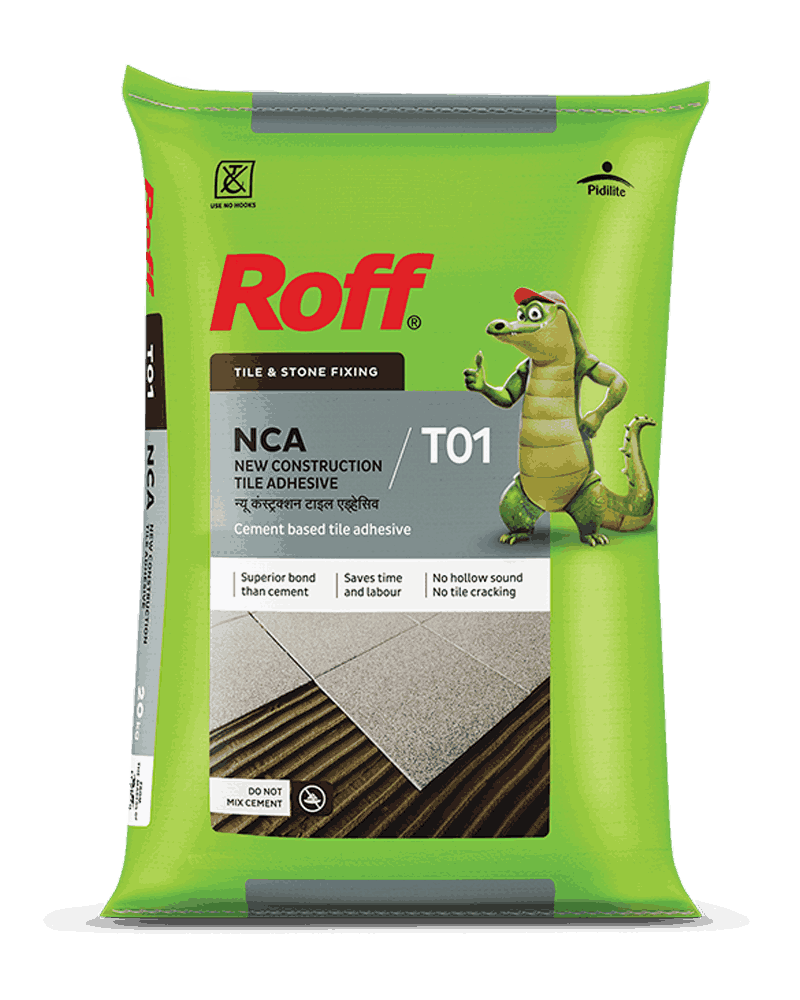
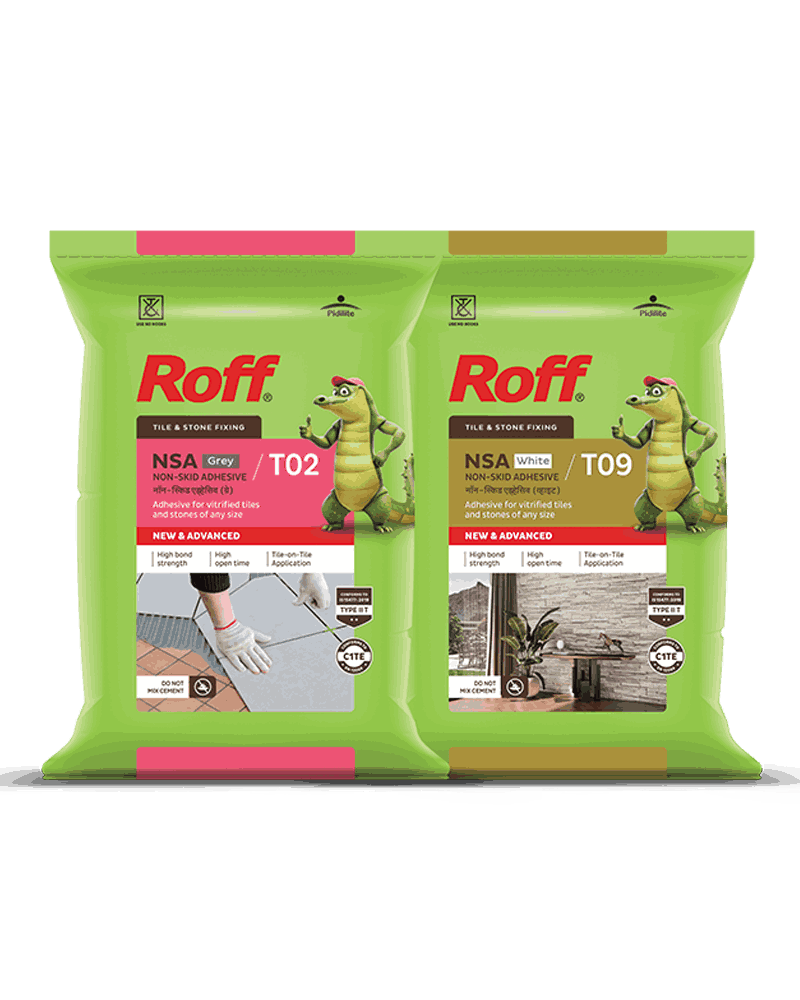
Understanding this shift is essential for designers. Modern construction timelines are tighter and demand seamless finishes. This is where advanced stone glue systems offer measurable advantages over conventional methods.
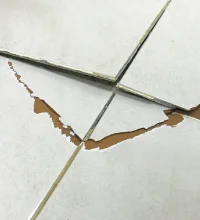
Transition from mortar beds to adhesive-led solutions

Traditional sand-cement mortar systems rely on mechanical bonding and thickness for strength. While they remain relevant under heavy-load or uneven substrate conditions, they often increase buildup thickness and limit precision. 

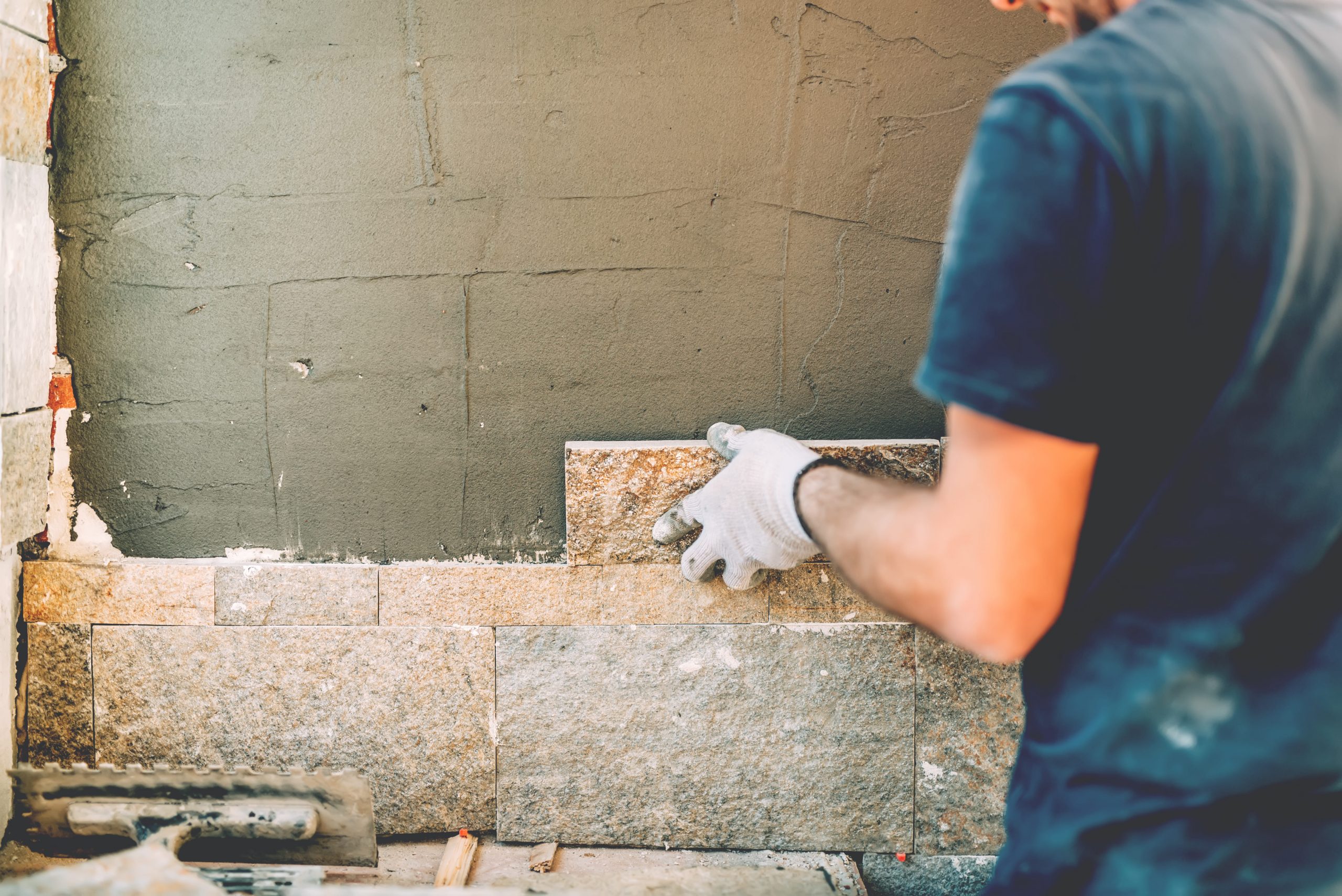
Whereas, glue for stone applications works on high bond strength and engineered formulations. They enable thin-bed installation methods, reducing floor height buildup and improving alignment accuracy, particularly valuable in premium interiors, feature walls, and vertical cladding. 

Functional role in modern applications

Stone adhesive systems are now widely used for:

  • Interior wall cladding 
  • Feature walls with large-format stone slabs 
  • Engineered stone panels 
  • Renovation projects where added thickness needs to be minimised 

For vertical installations, high-grip stone adhesive formulations reduce slip and ensure secure fixing, improving safety as well as finish quality.

Benefits of using stone adhesives

Specifying the right stone glue provides:

  • Precision fixing for tight joints and minimal slippage 
  • Reduces thickness buildup, ideal for refurbishments 
  • Faster installation timelines 
  • Cleaner and seamless detailing 

Adhesive-based systems also enable minimal joint designs that align with contemporary architectural language, something mortar-heavy systems may struggle to achieve.

Specification considerations

Before specifying glue for stone, designers must evaluate:

  • Stone type (marble, granite, engineered stone) 
  • Stone weight and slab size 
  • Substrate strength and flatness 
  • Interior vs exterior application 
  • Exposure to moisture or temperature variation 

In heavy structural stonework or highly uneven substrates, conventional mechanical fixing or mortar beds may still be preferred. However, for refined interior detailing and controlled environments, adhesive-led systems often perform better.

Long-Term performance and maintenance

When selected correctly, stone adhesives reduce stress transfer, minimise the risk of cracking, and improve durability. Proper substrate preparation and alignment with manufacturer guidelines directly influence long-term performance and client satisfaction.

Stone adhesive is critical to modern installation methods, providing cleaner finishes, faster execution, and greater design flexibility. Mindful specification ensures refined stone applications that align with modern construction and aesthetic standards, as well as structural stability and long-term performance. Reach out to our experts who can guide you in making the right choice.

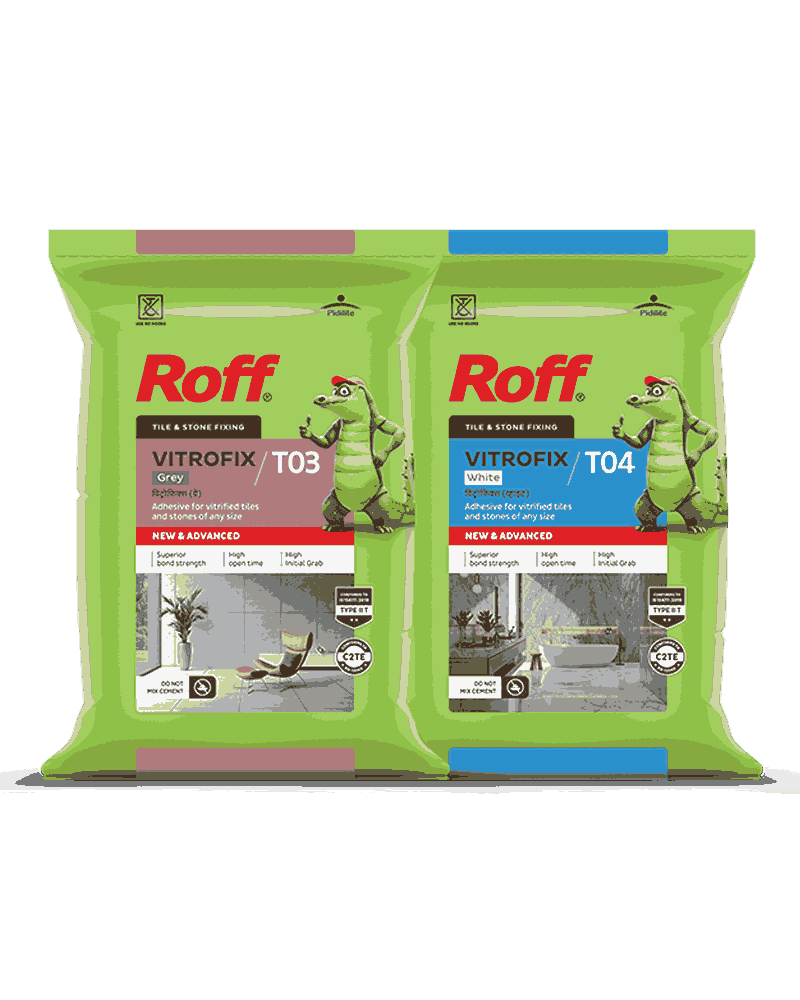
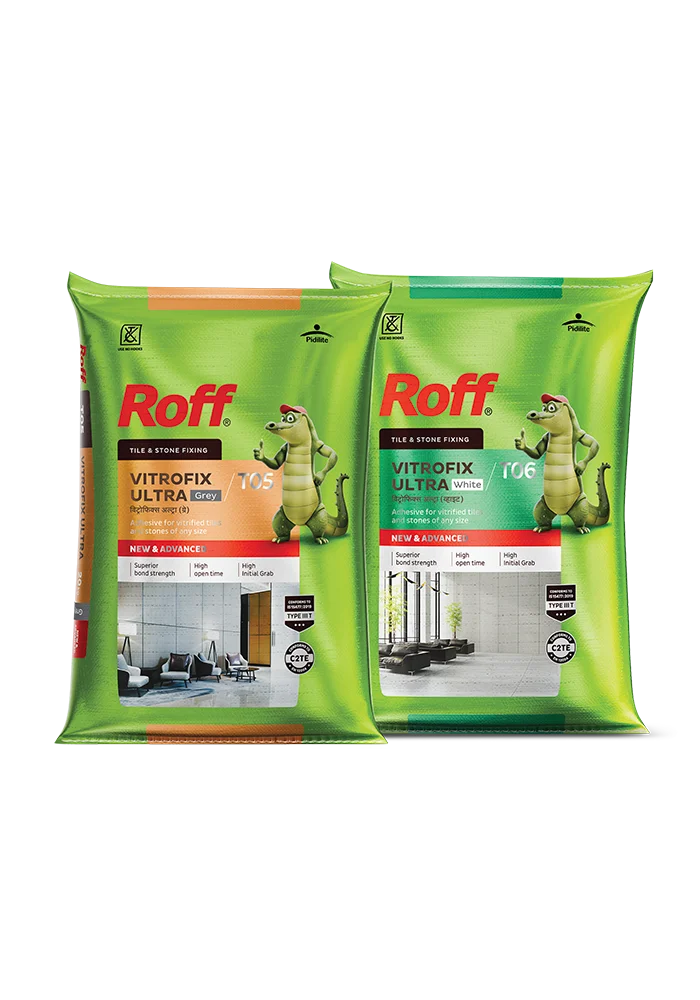
If you need a stone adhesive glue for your home, consider Roff Vitrofix Ultra Adhesive. This powerful stone adhesive can be applied even on vertical surfaces thanks to its high sag-resistance. Moreover, this adhesive is also capable of withstanding heat ageing, making it ideal for use in high-heat areas.

FAQs

1. Is stone adhesive suitable for large-format stone slabs?

Yes, provided the product offers high bond strength and slip resistance for vertical stability.

2. Can stone glue replace traditional mortar completely?

Not always. Heavy structural applications may still require mechanical anchoring or mortar support.

3. Does glue for stone improve installation speed?

Yes. Adhesive-based systems reduce curing time and thickness buildup, enabling faster project completion.

This approach ensures the wall isn’t just ‘ready’ but rather bonded to the wall tile adhesive system.