Blogs & Current Trends

Check out the biggest trends of the season and our expert take on them.

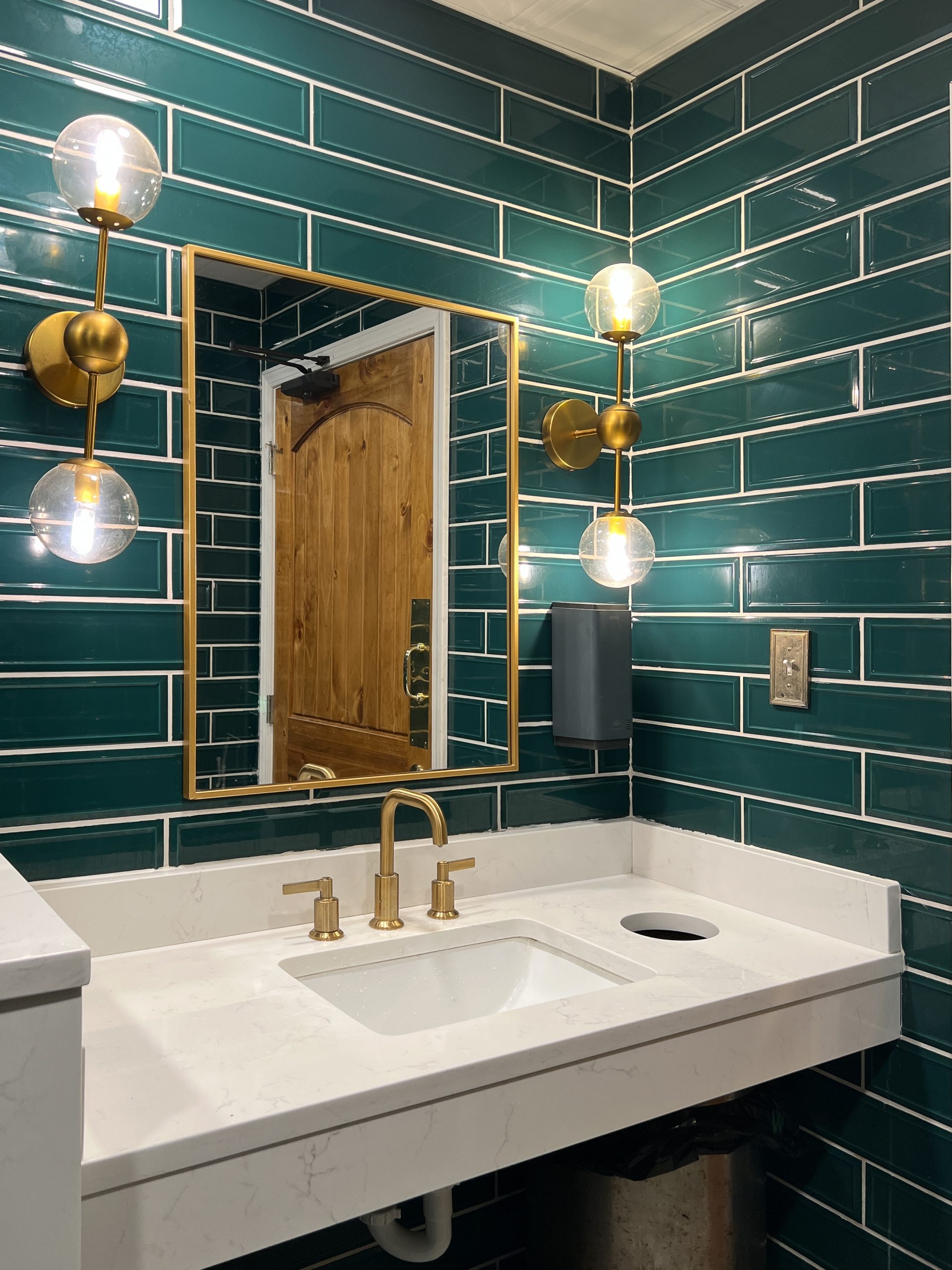
A bathroom with green subway tile walls, gold light

The risks of skipping gaps: Why epoxy grout for tiles needs space to perform

Going “groutless” or installing tiles with minimal gaps often appeals to homeowners and interior designers who prioritise a seamless look. Since traditional grout can collect dirt or mould and form dark lines between tiles, many assume that eliminating grout joints will enhance aesthetics. This perception stems from the belief that traditional grout not only disrupts visual continuity but also adds to long-term maintenance issues.

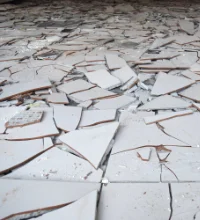
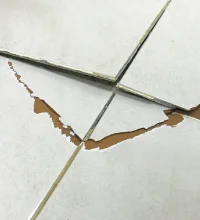
Unfortunately, skipping tile gaps can cause more harm than good in the long run. Professional installers almost universally advise against butt-joint (no gap) installations. Even if it looks fine right after installation, tiles installed without sufficient joints are prone to cracking, tenting (bulging upward), or debonding from the floor over time.

So, before you commit to your next tiling project, it’s essential to understand why tile gaps matter, how epoxy grout for tiles works, and what really goes into achieving a seamless finish that lasts. Let’s break down why those little gaps matter so much.

Why are tile gaps essential?

These seemingly small spaces between tiles, also known as grout joints, are engineered solutions that address structural issues in any tiled surface. Here’s why you should never eliminate your tile joints:

  1. Thermal expansion management

    Tiles, like most building materials, expand and contract with temperature changes. Without proper spacing, this natural movement creates tremendous stress between adjacent tiles. When tiles are forced together without gaps, even the strongest adhesives and cement grouts cannot prevent eventual cracking or complete tile failure. A decently spaced joint allows flexibility and prevents tiles from pressing against each other and cracking.

  2. Even surface adjustments

    Floor and wall surfaces are rarely 100% even. Grout joints mask micro-level unevenness and create a smooth finish that looks visually pleasing.

  3. Blackening of joints and mould growth

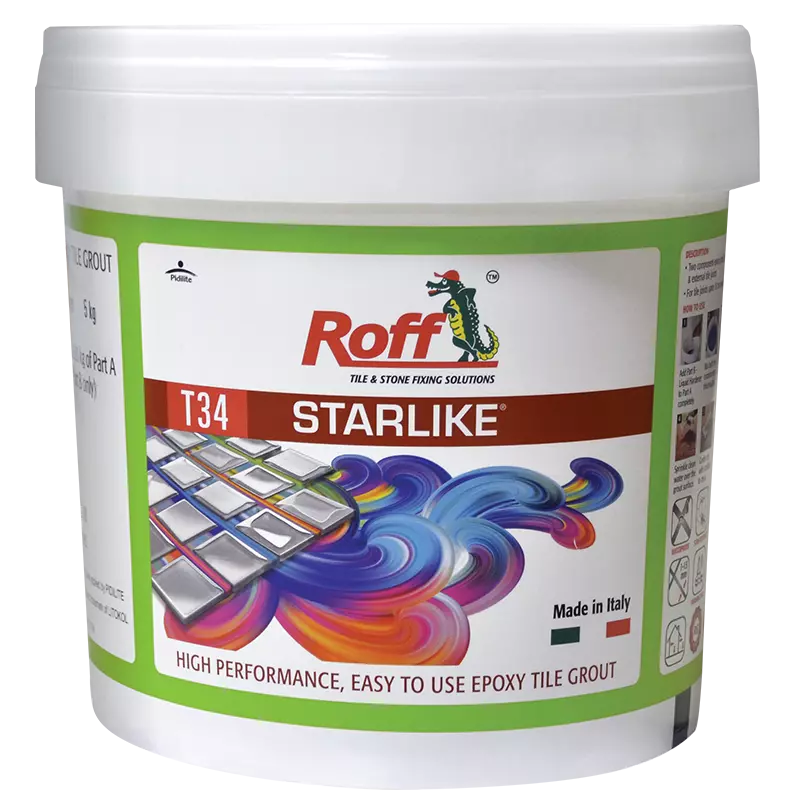
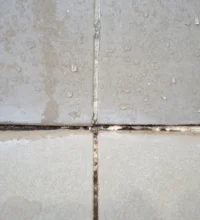
    Black joints form when moisture and dirt seep into porous cement grouts, leading to mould growth. Using a non-porous epoxy-based grout like Roff Starlike prevents this by blocking water and stains, keeping joints clean and hygienic.

  4. Moisture control

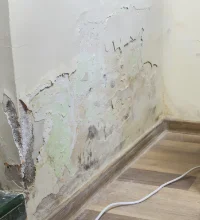
    Without gaps, water infiltration becomes a serious risk through hairline cracks. This often leads to seepage, mould growth, or lifting tiles. Properly installed epoxy-based tile grout creates a complete moisture barrier and prevents long-term water damage.

What is epoxy grouting for tiles?

Epoxy grout is a type of grout that is composed of epoxy resins, hardeners, and specialised filler components. It is durable, water-resistant, and durable, making it the go-to choice for bathrooms and other areas with high humidity. A two-part epoxy-based tile grout fills the joints between tiles and has excellent elastic properties. So, when exposed to moisture, the tiles don’t crack or crumble like traditional grouts.

High-quality epoxy grouts like Roff Starlike create a waterproof and stain-proof seal in the joints that outperform regular, cement-based grout in both strength and longevity. In fact, epoxy grout cures almost like a solid plastic resin within the joint – it won’t crack or crumble easily and doesn’t need sealing over time. 

Essential tile epoxy grout benefits

If you use the correct joint width and a quality epoxy grout for tiles, your tiled surface will reap numerous benefits:

  1. Superior waterproofing

    The non-porous nature of epoxy grout prevents water infiltration completely, making it ideal for bathrooms, kitchens, and other high-moisture environments. This feature eliminates the mould problems that plague traditional cement grout in humid conditions.

  2. Exceptional durability

    Epoxy grout for tiles withstands heavy traffic, chemical exposure, and mechanical stress without deteriorating. Its resistance to cracking and chipping significantly exceeds that of cement-based alternatives, often lasting decades without replacement.

  3. Stain resistance

    The dense, non-porous surface of epoxy grout prevents oils, greases, and pigments from penetrating the grout lines. This makes maintenance effortless. Most stains can be removed with simple wiping, eliminating the need for harsh chemical cleaners that can damage traditional grout.

  4. Enhanced hygiene

    By preventing moisture absorption and bacterial growth, epoxy grout maintains healthier indoor environments. This benefit is particularly valuable in kitchens, hospitals, and food processing facilities where hygiene standards are paramount.

Why do jointless installations fail even with premium grout?

Grout, whether epoxy or cement, is meant to go into the space between tiles, not just sit on top. If tiles are butted together, there’s no cavity for the epoxy to occupy. You might force a little into the hairline, but it won’t achieve a proper bond or depth. Manufacturers specify a minimum joint width for epoxy grout to perform – for example, Roff Starlike can fill joints from 1 mm up to 15 mm wide. That range indicates you need at least about a millimetre gap at a minimum. A paper-thin line of epoxy on the surface will likely peel out or crack under pressure.
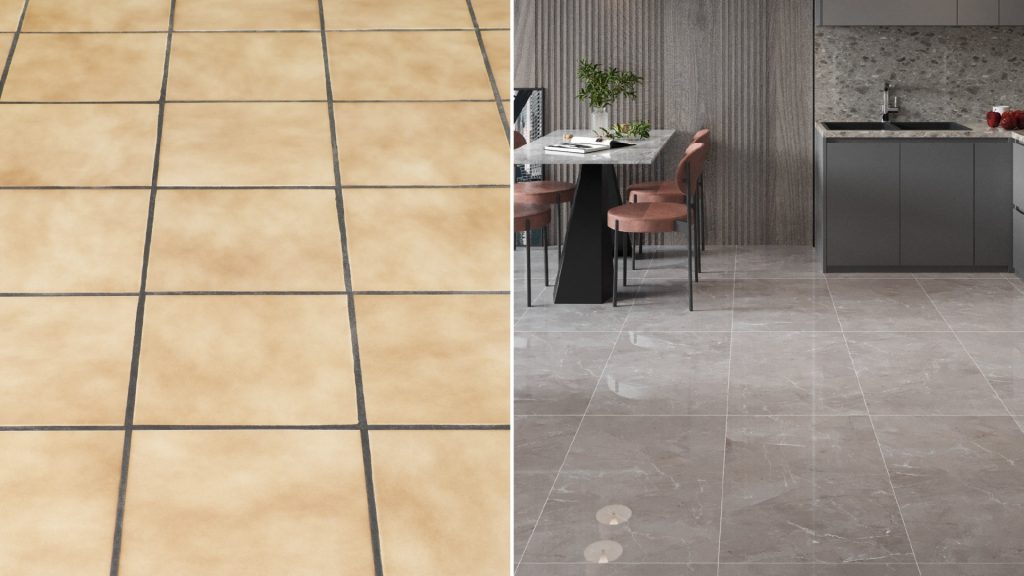
When properly installed, a strong epoxy helps distribute forces and accommodate slight movements between tiles. If you eliminate the joint, the force transfers directly tile-to-tile, often resulting in cracked edges or corners.

Recommended spacing guidelines

While maintaining correct spacing is important, how do you determine the right width for your tiling project? The simple answer is to consult a professional for the right answer. However, as a rule of thumb, here are a few guidelines for different types of tiles:

  • Small format tiles (up to 12 inches)

    2-3 mm joints provide adequate movement accommodation while maintaining clean aesthetics.

  • Large format tiles (12+ inches)

    3-5 mm joints become essential due to increased thermal movement potential and manufacturing tolerances.

  • Exterior applications

    Minimum 5-8 mm joints spaced every 8 feet, increasing to 1/2 inch for 12-foot spacing, with additional width required for extreme temperature variations.

How to apply epoxy tile grout?

Understanding how to apply epoxy grout to tiles ensures optimal performance and longevity. The process requires precision and adherence to manufacturer specifications.

1. Preparing the surface

  • Ensure the tiles are firmly set and the adhesive or mortar has completely cured.
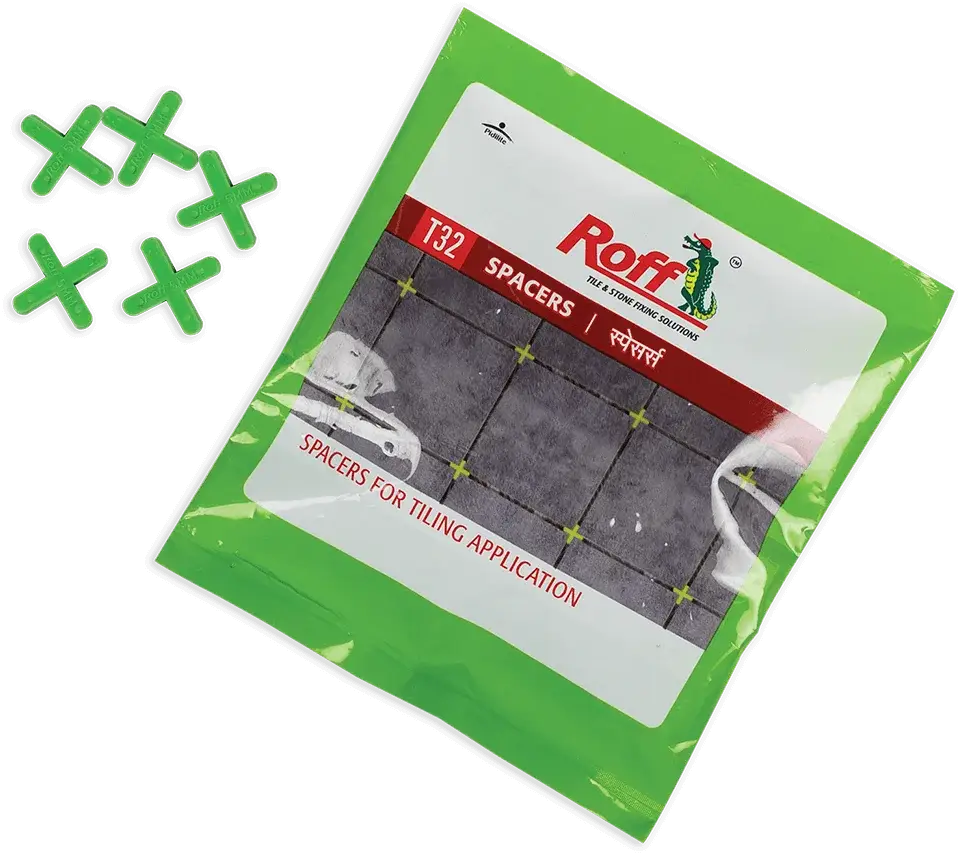
  • Maintain uniform joint spacing by using suitable tile spacers during installation.
  • Keep the spacers and grout lines clean, free from dust, debris, or leftover adhesive.
  • Avoid strong or abrasive cleaning agents on tiled surfaces. Instead, wash the joints with water or mild detergent, making sure to remove any lingering moisture.

2. Mixing the epoxy

  • Always adhere to the manufacturer’s ratios when preparing epoxy mixtures.
  • Blend the resin and hardener in precise proportions until you achieve a smooth paste with consistent colour.
  • Take care not to overmix, as this can cause air bubbles to become trapped in the mixture

3. Applying epoxy grout

  • Use a rubber float or a squeegee tool to apply grout into the tile joints, working in small, manageable areas.
  • Press the grout firmly and evenly into the gaps, ensuring it flushes with the edges of the tiles.
  • Wipe away any surplus grout immediately using the appropriate tool or a sponge.
  • For cleaning, use a damp sponge in gentle circular motions, which helps clear residue without introducing excess water that could reduce the grout’s chemical resistance.
4. Cleaning and finishing

  • Keep the tiled area blocked while the grout cures to avoid any accidental damage.
  • Carry out final cleaning and touch-ups promptly, within 30 minutes, to ensure optimal results.

While cement grout may seem like a cheaper alternative to epoxy grout at first, the long-term value proposition favours epoxy in demanding applications. The durability, maintenance reduction, and aesthetic preservation justify the premium cost through reduced replacement and repair expenses over the installation’s lifetime.

Roff Starlike exemplifies this value proposition, offering decades of performance with minimal maintenance requirements. The product’s patented quartz technology provides flexibility to accommodate structural movement while maintaining waterproof integrity and stain resistance.

Ensure long-term performance with tile spacing

A flawless tile job is about installing the tiles correctly and not about eliminating tile joints. When tiles are spaced appropriately and grouted with a high-quality epoxy, the result is a continuous surface that is durable, waterproof, and easy to maintain for years to come.

For the best results, choose Roff Starlike epoxy grout for your tiles and enjoy a seamless finish today.

Frequently asked questions (FAQs)

FAQ #1: Can I install large-format tiles without joints if I use premium epoxy grout?

No. Large-format tiles require wider joints (3-5 mm minimum) due to increased thermal movement and manufacturing tolerances. Epoxy grout for tiles needs proper joint dimensions to achieve optimal chemical bonding and performance.

FAQ #2: How does epoxy grout prevent mould growth compared to cement grout?

Epoxy-based tile grout creates a completely non-porous surface that prevents moisture absorption, eliminating the damp conditions that lead to mould growth. Cement grout’s porous nature allows water penetration that supports mould and mildew development even with regular sealing.

FAQ #3: What makes Roff Starlike different from other epoxy grout products?

Roff Starlike uses advanced quartz technology with Italian formulation expertise, offering superior workability, 24 colour options, and enhanced durability. The product meets European standards and provides Class A+ low VOC compliance for environmental safety.

FAQ #4: Is professional installation required for epoxy grout application?

For the best results, it is always recommended to opt for professional installation. This ensures that all requirements, including precise mixing ratios and specific cleaning needs, are met. Improper application can compromise the grouting’s performance in the long run.

FAQ #5: How long does epoxy grout last compared to cement grout?

Quality epoxy grout for tiles, such as Roff Starlike, can last decades without replacement when properly installed and maintained. Cement grout typically requires replacement or major repairs within 5-10 years, especially in high-moisture or high-traffic applications.

FAQ #6: Does epoxy grout work with underfloor heating systems?

Yes, epoxy-based tile grout is specifically designed to handle the thermal cycling associated with underfloor heating systems. The flexibility and thermal stability of quality epoxy grout make it ideal for these applications where temperature variations are significant.

This approach ensures the wall isn’t just ‘ready’ but rather bonded to the wall tile adhesive system.