Check out the biggest trends of the season and our expert take on them.
For architects and interior designers, tile gaps are part of technical detailing, not merely layout aesthetics. An appropriate gap is the space that allows grout to perform as a movement-accommodating joint while absorbing installation tolerances. It is not just a visual grid line.
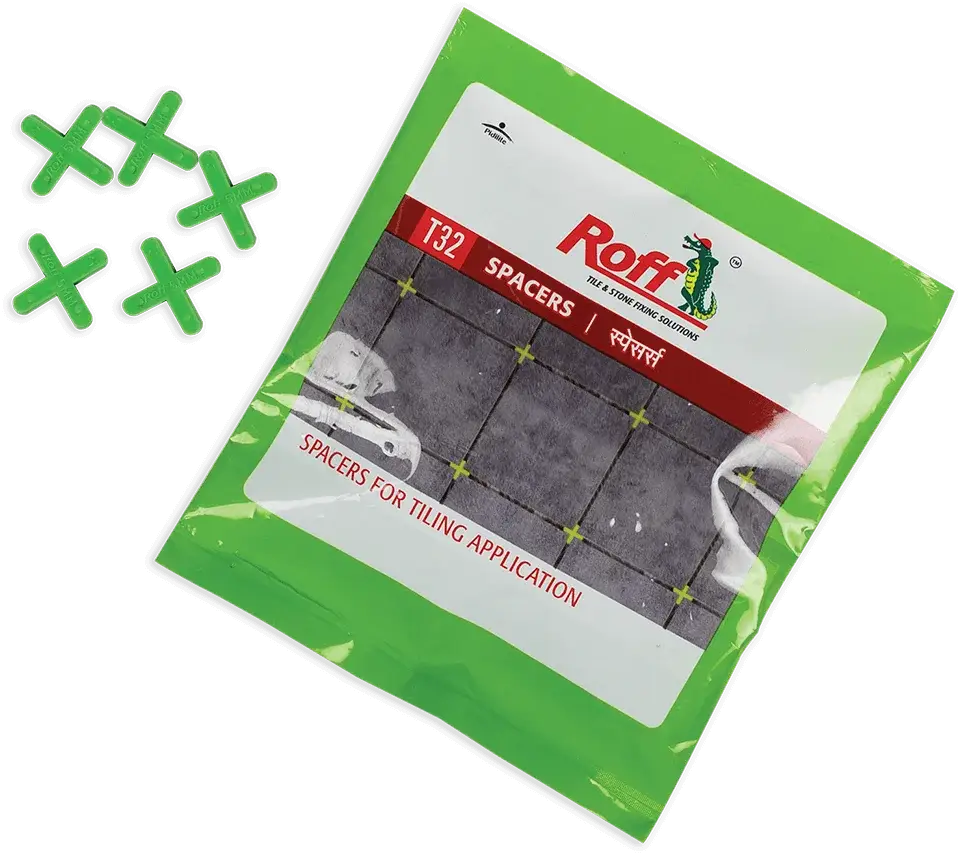
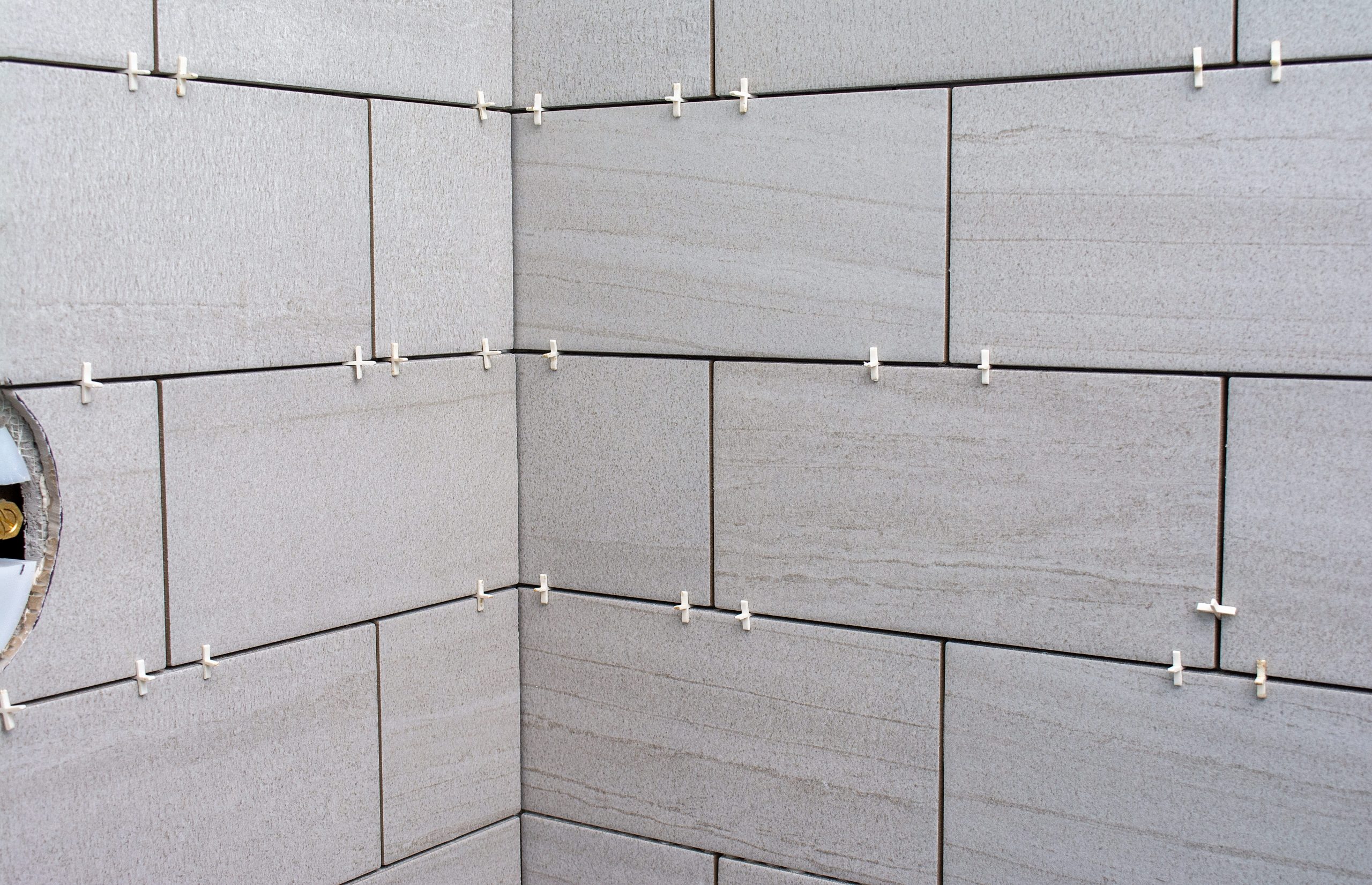
Gap width depends on tile size, edge finish, substrate movement, and environmental exposure. Large-format tiles, outdoor facades, and wet areas all demand disciplined spacing. Laying down tiles with the help of spacers ensures repeatable joint width, supports proper tile levelling, and creates a consistent cavity for grout to pack and cure effectively.
When gaps are treated casually or compressed for a “seamless” look, the consequences are technical, visual, and long-term.
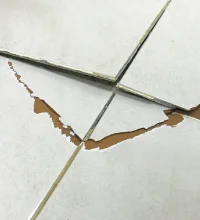
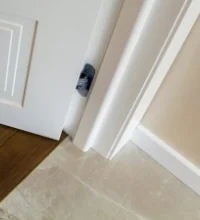
Near-zero gaps are one of the most common specification mistakes. While they may appear sleek initially, they compromise joint performance.
When gaps are too tight:
Without sufficient joint width, even high-quality grout cannot perform. Laying down tiles with the help of spacers prevents installers from compressing joints below the recommended tolerance and protects the long-term integrity of the system.
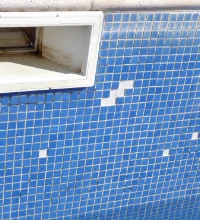
Excessively wide or inconsistent tile gaps create a different set of problems, especially with cementitious grout. Wider joints increase shrinkage stress during curing.
Common issues include:
Inconsistent tile gaps also exaggerate lippage and misalignment, making even premium tiles look poorly installed. When you ensure that tiles are laid with the use of spacers, it ensures uniformity across the grid and reduces visible defects.
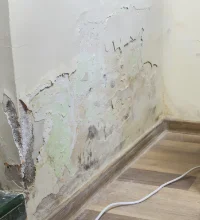
Improper joint detailing affects lifecycle performance. Over time, cracked or porous grout allows water ingress. In wet areas, this can lead to mould growth, efflorescence, and substrate deterioration.
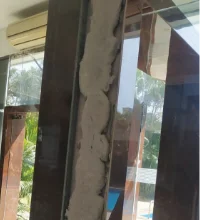
Repeated micro-movements without adequate joint accommodation may result in:
In commercial or external environments, these failures escalate quickly. This is where selecting a high-performance grout becomes critical.
Maintaining appropriate joint width should be specified based on tile format and site conditions. Planning tolerances, enforcing tile levelling, and mandating that tiles are laid down with the help of spacers during installation reduce execution variability.
Where tighter joints or demanding environments are involved, epoxy-based grout systems offer measurable advantages.
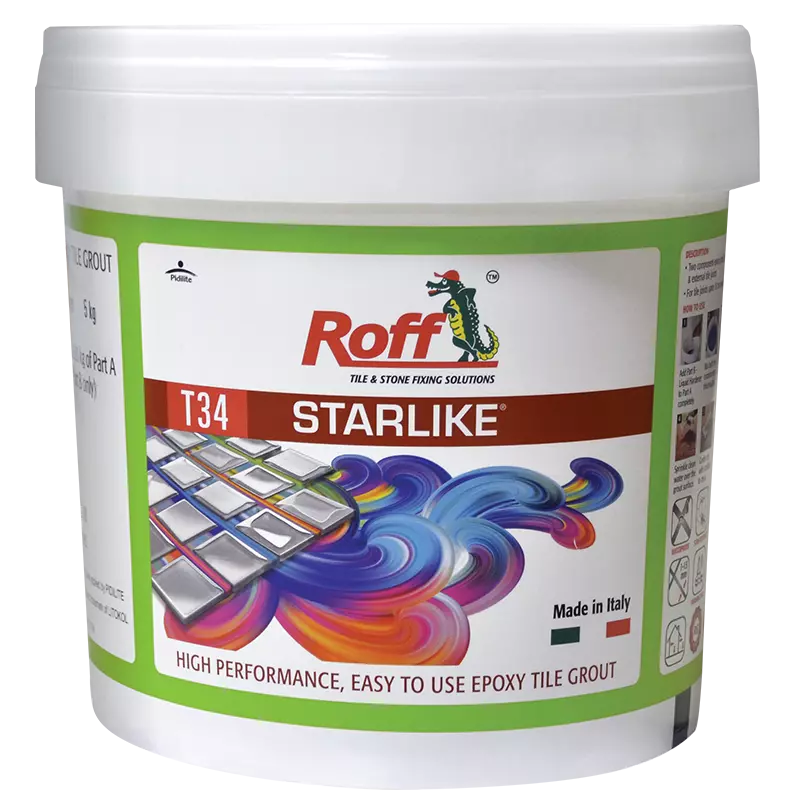
Roff Starlike is a two-component epoxy-based tile joint filler formulated with quartz technology. It offers:
Because epoxy grout does not shrink like cementitious alternatives, it delivers consistent colour, reduced cracking risk, and long-term durability. In projects facing real-world tolerance challenges, specifying Roff Starlike helps maintain stable, high-performance joints without compromising finish quality.
Build durability into every joint. Choose Roff Starlike for grout that matches the performance demands of modern tile installations.
1. Why are tile gaps important in tile installation?
Tile gaps allow grout to accommodate movement, absorb tolerances, and prevent edge damage. Without proper spacing, cracking, debonding, and water ingress risks increase significantly.
2. Can laying down tiles with the use of spacers improve grout performance?
Yes. Laying down tiles with the help of spacers ensures uniform joint width, better grout packing, controlled curing, and improved finish consistency across large or complex tiled surfaces.
3. When should epoxy grout be specified over cement grout?
Epoxy grout is generally recommended across most tile installations today because it is a modern, more durable alternative to cement grout. It offers zero shrinkage, superior strength, and long-term colour stability. It becomes especially important in wet areas, external zones, industrial spaces, and tight joints where moisture resistance, stain protection, and durability are critical.
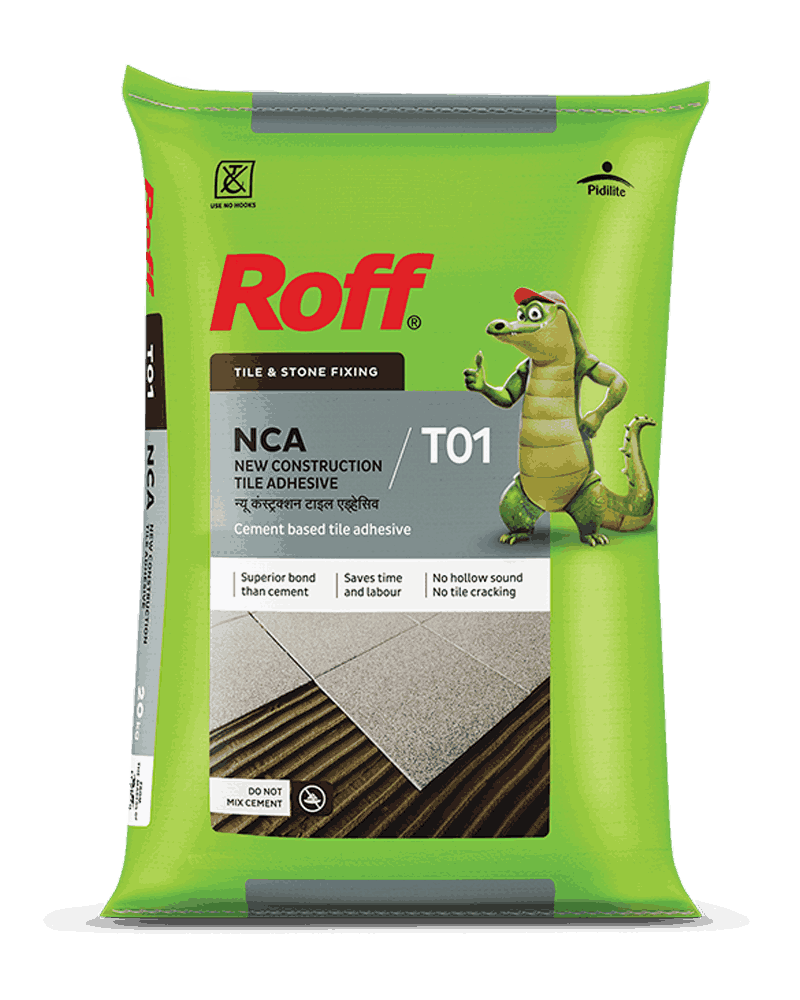
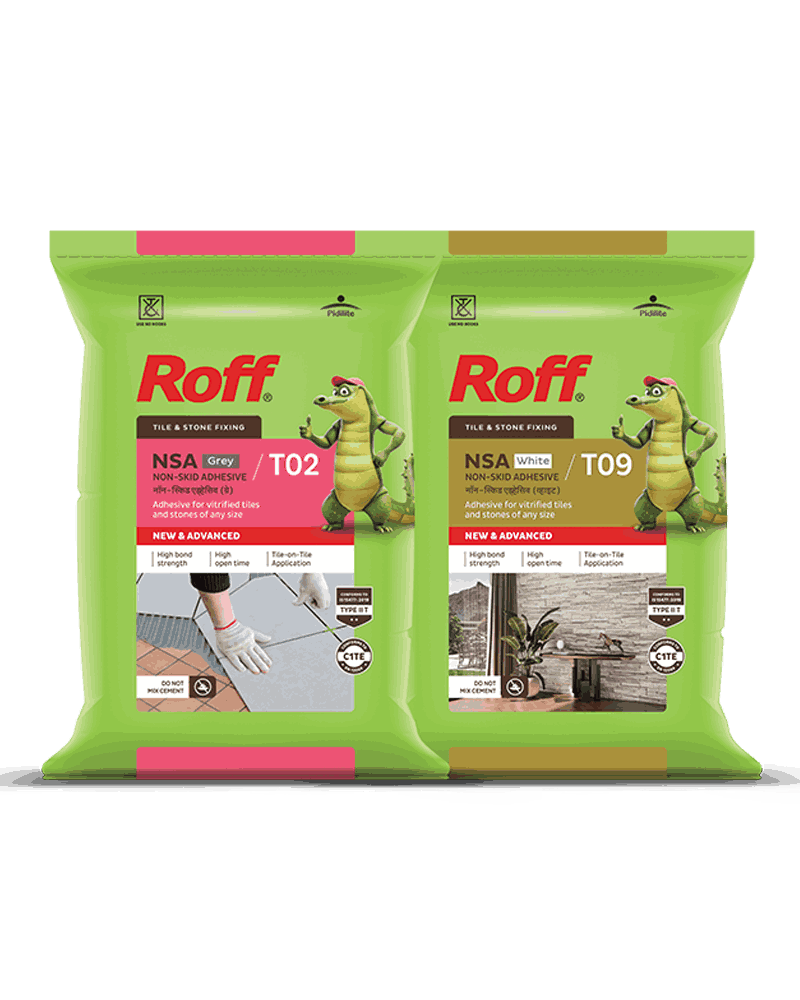
This approach ensures the wall isn’t just ‘ready’ but rather bonded to the wall tile adhesive system.