Check out the biggest trends of the season and our expert take on them.
Cement grouting material and its limitations in high-demand spaces
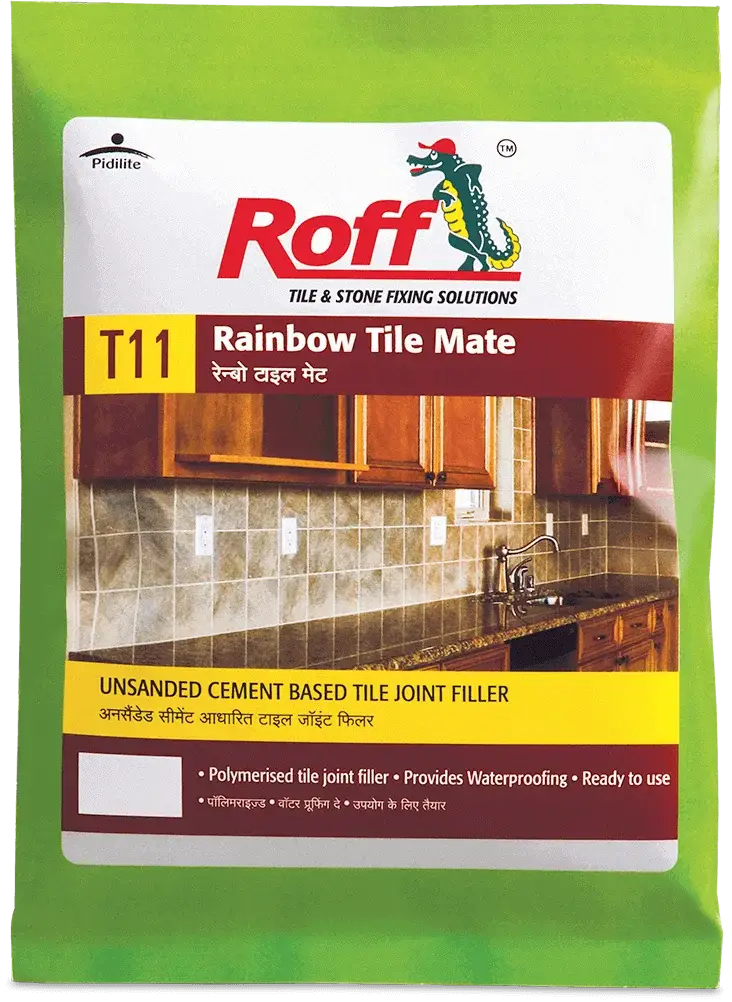
For many interior designers, cement grout is considered the default material for filling minor gaps between tiles during installation. Its affordability, availability, and straightforward application make it a go-to choice across residential and commercial projects.
Yet, relying on cement grouting material alone often creates long-term challenges. This is why it’s important to understand what cement grout is and its limitations, and why it may be time to explore more advanced alternatives.
The limitations of cement grout
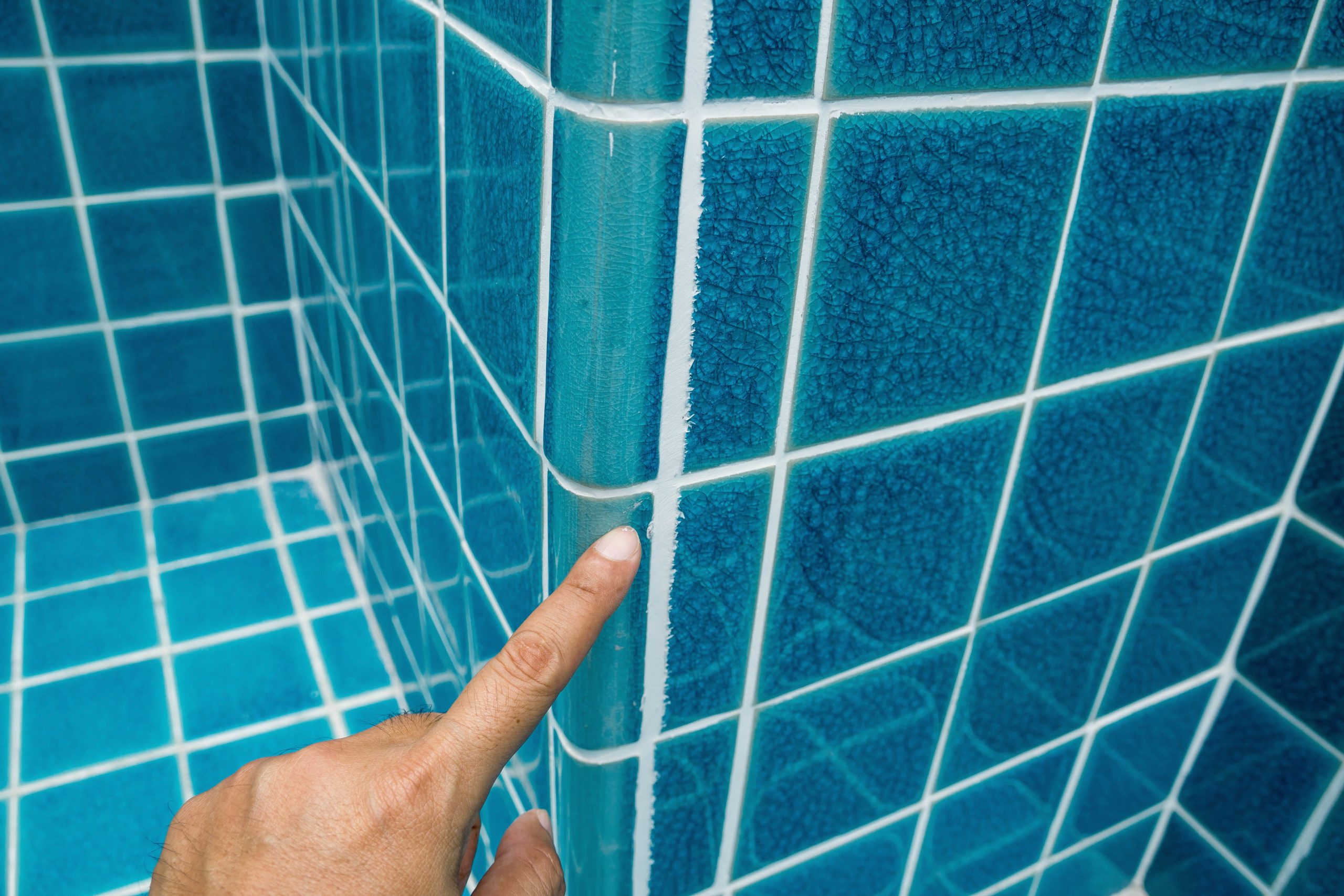
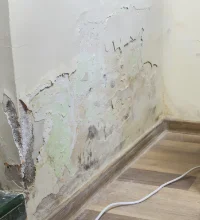
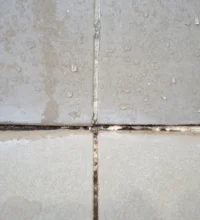
While cement grout is widely used as a grouting material, it is inherently porous due to its shrinkage property. This allows moisture, grease, and stains to seep in, often leading to discolouration and mould growth. Even with sealing, the grout requires regular maintenance to keep surfaces hygienic and visually appealing.
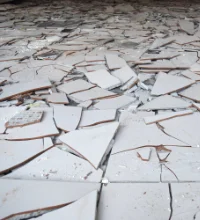
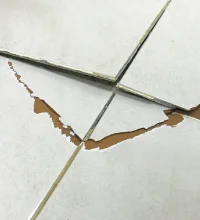
Performance is another concern. In high-traffic zones or areas prone to thermal expansion, cement grouting material is more likely to crack. These fractures compromise both durability and aesthetics, leaving tiled surfaces vulnerable to water damage and long-term deterioration. For designers tasked with ensuring both form and function, these weaknesses highlight the need for alternatives.
Why epoxy-based systems outperform
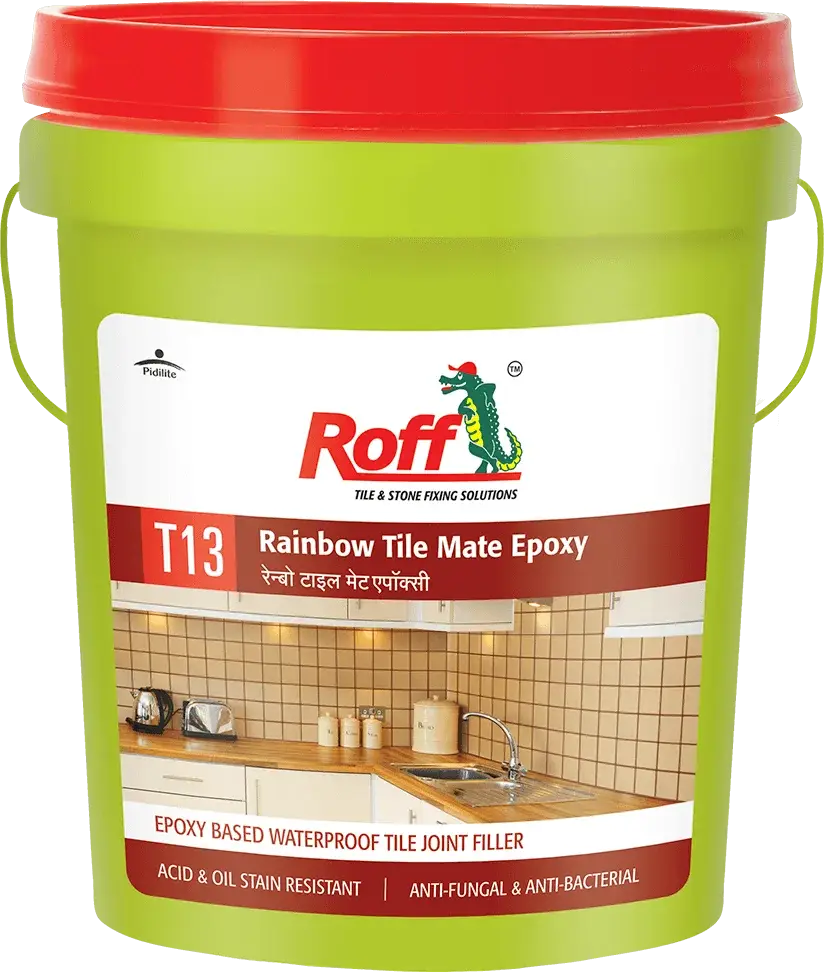
Unlike cement grout, epoxy systems are engineered for durability. They are non-porous, meaning they resist water, stains, and everyday cleaning chemicals. This eliminates the recurring issues of blackened joints, mould formation, or fading that come with traditional cement grout.
Epoxy grouting for tiles also excels in flexibility and strength, ensuring that your tiles stay intact even under heavy use or structural shifts. With superior colour retention, they maintain the intended design integrity — an advantage particularly valuable in high-end interiors where grout lines are part of the visual statement.
Creative potential for designers
Today, grout is more than a technical filler that creates a waterproof, long-lasting tiling job — it’s also a design tool. Using epoxy grouting in tiles allows seamless application in mosaics, feature walls, and high-contrast layouts. Its large variety of colours offers designers new avenues to experiment with textures. Unlike cement grout, which often restricts creative freedom due to its vulnerability, epoxy-based options expand possibilities without compromising performance.
Roff Starlike: Moving beyond cement grout
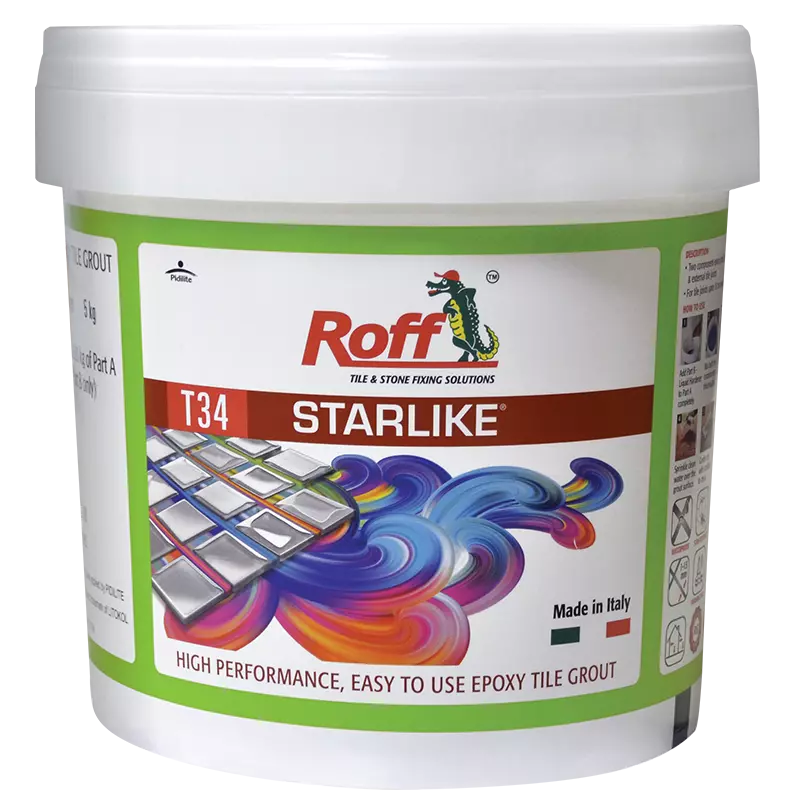
Roff Starlike is a two-component epoxy grout that goes beyond the limitations of traditional cement grouting material. It offers:
Waterproof to withstand wet areas like bathrooms, kitchens, and balconies.
Resistance to cracking and discolouration, ensuring longevity in high-traffic zones.
A non-toxic, food-grade formulation, making it safe for use in kitchen areas
Ease of application, making it practical for both small and large-scale projects.
Aesthetic flexibility for mosaics and decorative finishes.
For interior designers, this means grout lines that are both durable and beautiful, ensuring every tile installation performs flawlessly over time.
Rethinking cement grout: Smarter choices for modern spaces
Cement grout may be a familiar solution, but it often comes with hidden challenges, from porosity and cracking to high maintenance. By switching to epoxy systems, interior designers can unlock the benefits of epoxy grout: durability, water and stain-resistance, long-lasting colour, and creative versatility.
Ready to elevate your projects? Choose Roff Starlike to ensure your installations excel in both performance and design.