Check out the biggest trends of the season and our expert take on them.
Challenges of Fixing Natural Stones in Modern Constructions
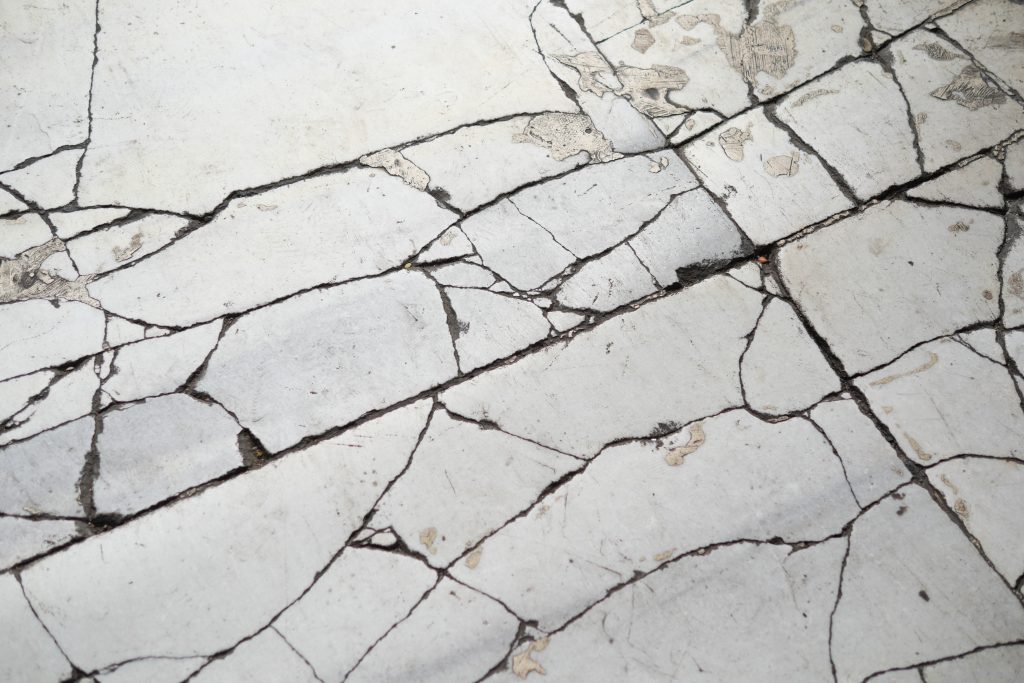
Natural stones are some of the most beautiful and durable materials used in modern construction. From flooring to walls, natural stones can enhance the aesthetics of any building while adding strength and longevity. However, fixing natural stones in modern construction, repairing cracked marble, and finding a good adhesive can be daunting due to several challenges.
The post mentions some of the challenges of installing natural stone in modern construction. Let’s take a glance at them.
Challenge #1: Compatibility of the Adhesive Material Used
Natural stones come in different textures, shapes, sizes, and colours, which require a wide range of adhesives to fix them properly. Unfortunately, not all adhesives are compatible with natural stones, and using the wrong adhesive can cause a host of problems, including discolourations and detachment.
So, the choice of adhesive, whether you intend to fix marble or granite, is always crucial. You cannot use an adhesive for granite fixing if it is meant for repairing cracked marble. Therefore, choose wisely.
Challenge #2: Weight of Natural Stones
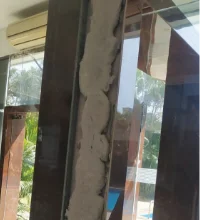
Natural stones, such as marble, are generally heavy, and their weight can put significant stress on a building’s structure, especially in high-rise buildings. Proper support and reinforcement are needed to ensure the natural stones are securely fixed without compromising the building’s structural integrity. This also plays an important role in maintaining the surface over time, particularly in repairing scratched marble and preserving its finish.
Challenge #3: High Porosity in Natural Stones
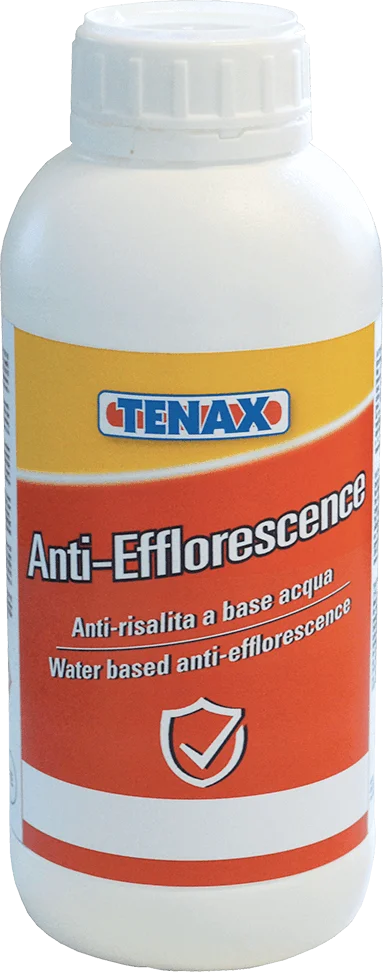
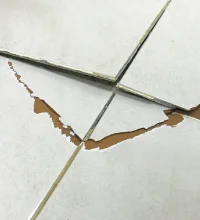
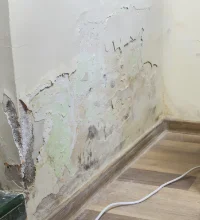
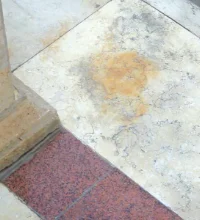
In addition to weight, natural stones have high porosity, which can lead to water infiltration and moisture retention. Moisture and salts can seep through the pores of the natural stones from below the stone and cause damage to the stone in the form of efflorescence.
Over time, this can lead to the formation of mould, mildew, and other water-related issues that compromise the building’s structural integrity. From above, coffee and turmeric spills can cause permanent stains on the stone.
For example, filling cracks in marble can prevent moisture from seeping through. Regular sealing and timely maintenance can further help protect the stone surface and extend its lifespan.
Challenge #4: Need for Specialised Skills and Tools
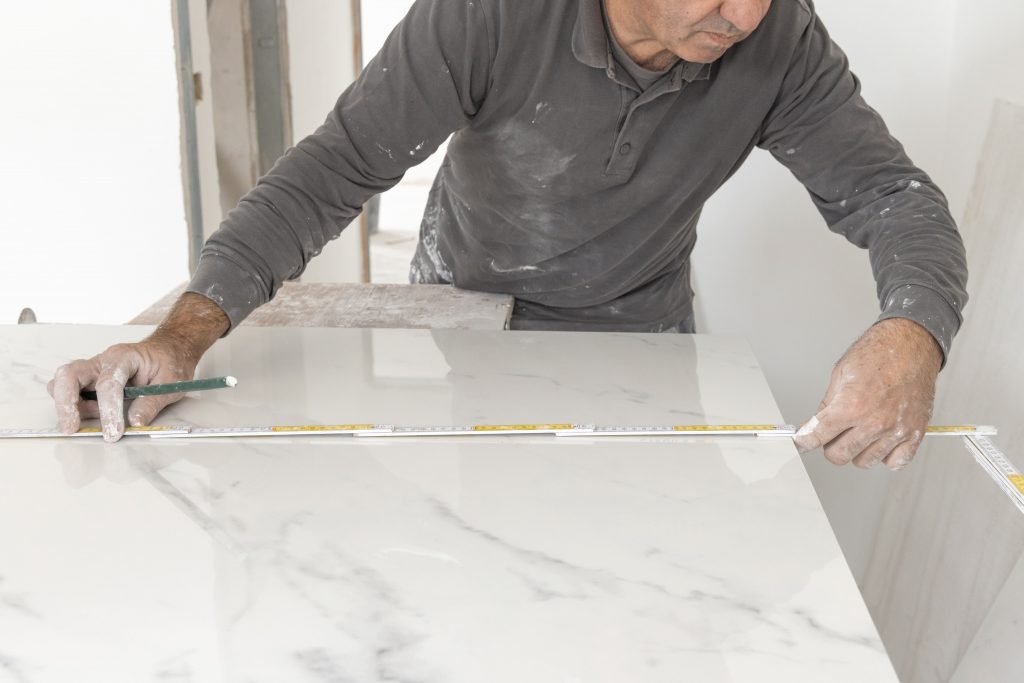
Natural stones require special handling, cutting, and shaping to ensure that they fit properly and securely. Using improper tools or techniques can result in uneven edges or a poor fit, leading to aesthetic and functional issues. They can also lead to stone breakage, increasing the need to repair chipped marble to restore both appearance and durability.
Tackling These Challenges
Despite these challenges, using natural stone in modern construction remains a popular choice among architects and builders. Natural stones offer a unique, timeless aesthetic that cannot be replicated by any other material. To overcome the challenges, builders need to work with skilled, experienced professionals who understand the intricacies of natural stone installation, such as repairing scratched marble, using appropriate tools, and selecting the right adhesives.
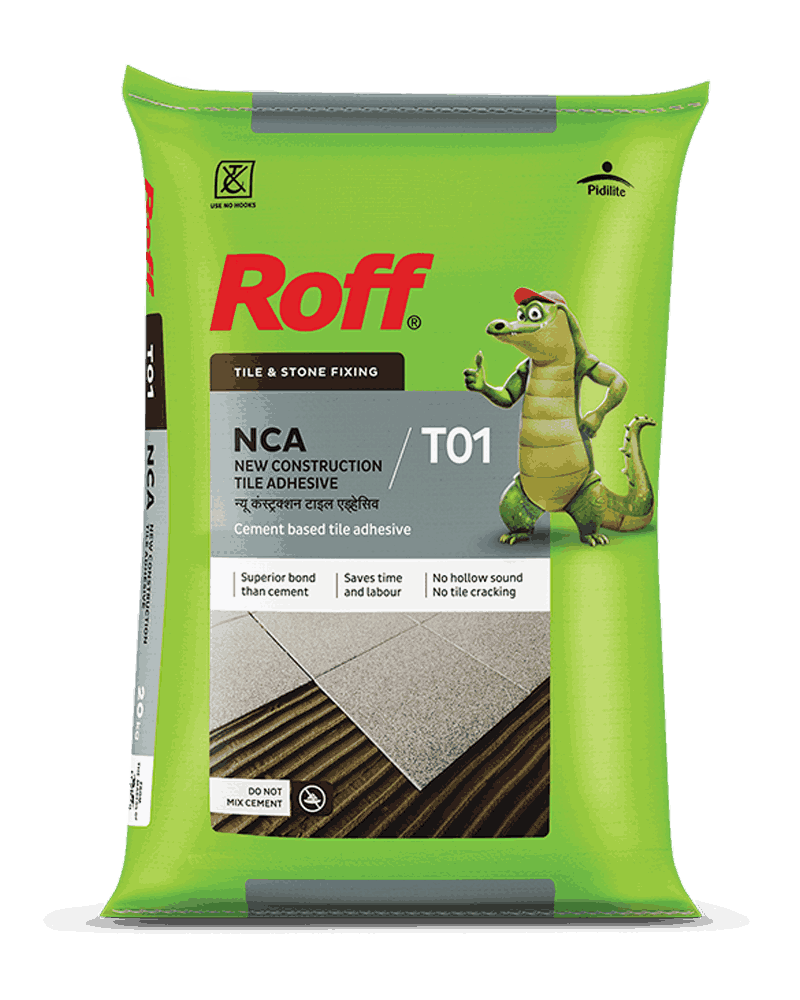
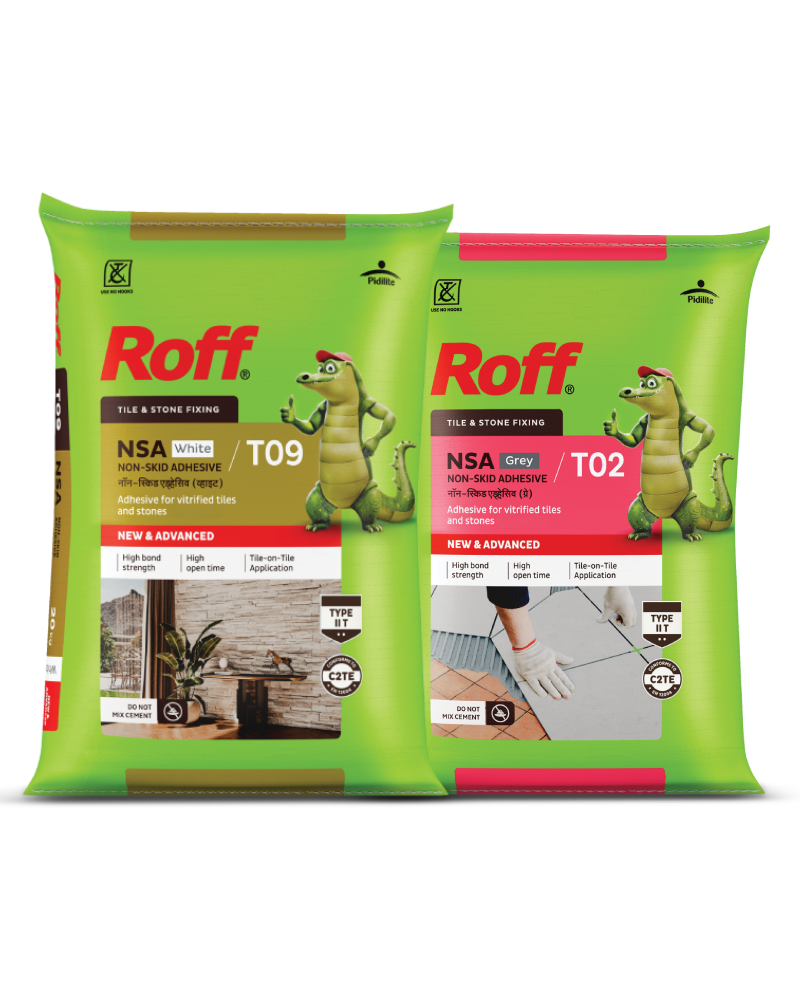
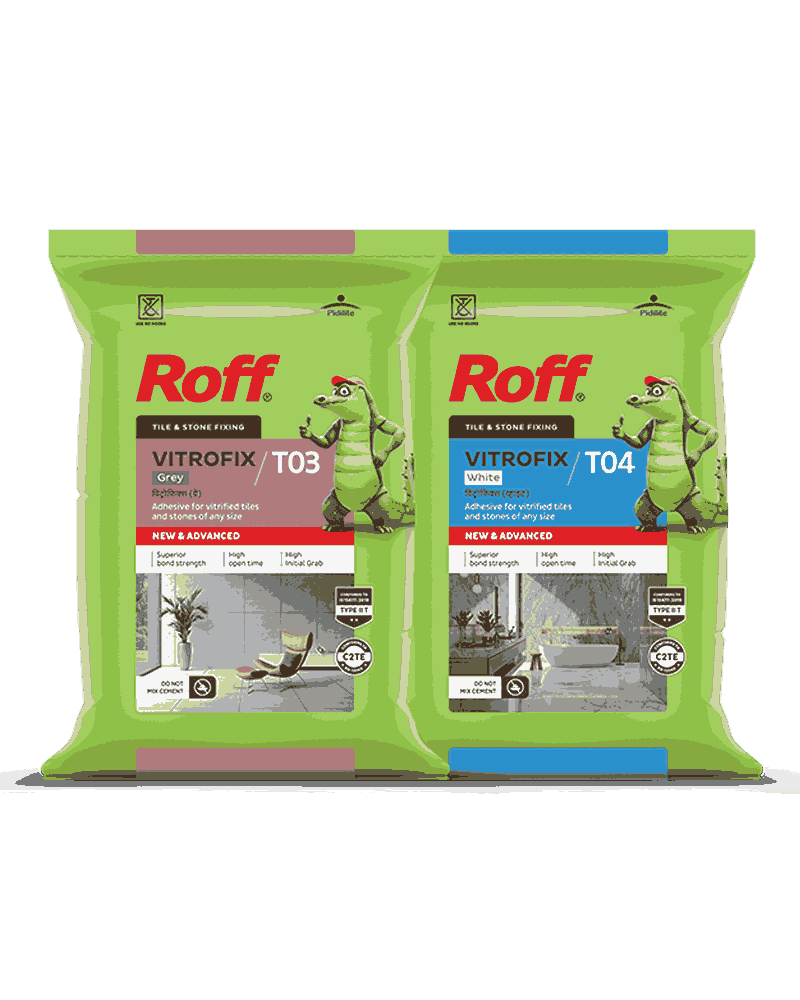
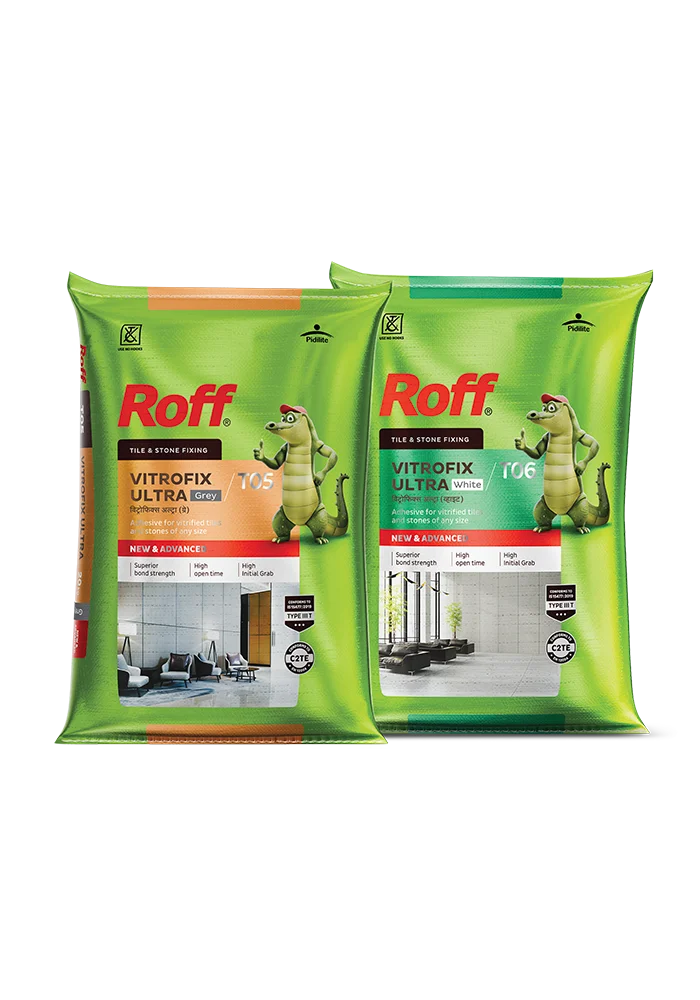
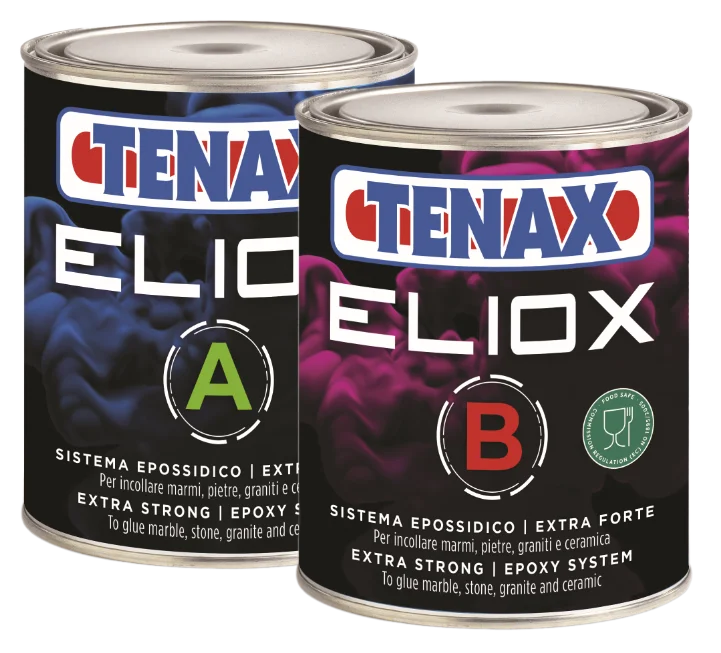
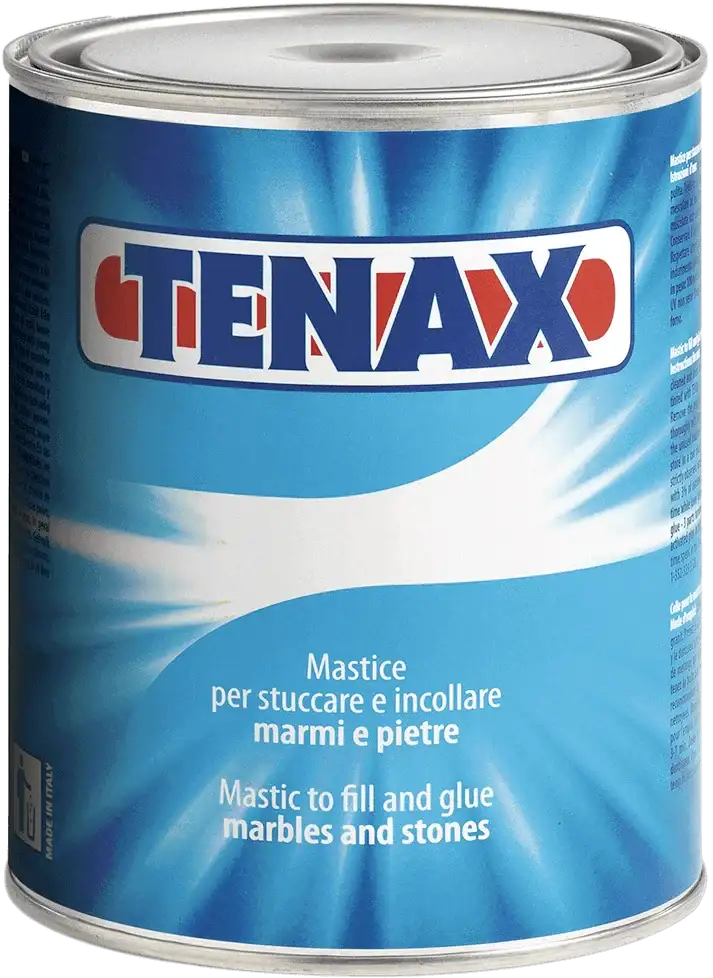
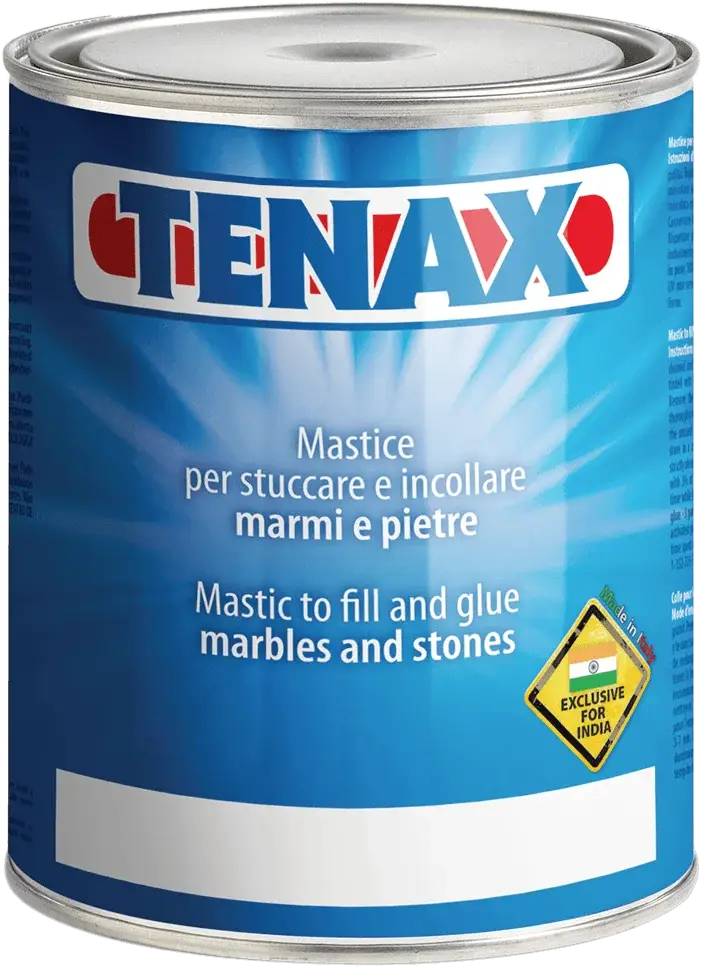
Additionally, technological advancements have enabled the creation of specialised adhesives compatible with a wide range of natural stones. For instance, a specialised marble-fixing glue used to repair cracked marble provides a strong bond between the marble and the substrate. These adhesives are designed to provide strength, durability, and resistance to water and moisture, making them ideal for fixing natural stones in modern constructions.
Wrapping up
Fixing natural stones, such as filling cracks in marble or sealing pores in granite, can be challenging in modern constructions, but the benefits are well worth it. The unique aesthetic and durability of natural stones make them a popular choice among architects and builders. By addressing challenges and working with skilled professionals and specialised adhesives, builders can ensure natural stones are securely fixed, providing long-lasting beauty and functionality.
Roff offers a wide range of tiles, granite, and marble adhesives for repairing cracked marble. Get in touch with our experts to find out more about the most advanced tile and natural stone fixing solutions.
FAQs (Frequently Asked Questions)
What are the problems with natural stone?
Natural stone looks great, but it’s not exactly low-maintenance. It can absorb moisture, stain easily, and develop cracks or dull patches over time. If ignored, small issues turn into bigger ones. That’s why things like repairing cracked marble become necessary to keep it looking and performing the way it should.
What are the challenges faced in construction?
Working with natural stone isn’t as simple as it sounds. It’s heavy, tricky to handle, and needs precision at every step. One wrong cut or a poor fit can mess up both the look and structure. Add transport and labour to that, and it gets expensive fast. Even after installation, repairing scratched marble is often part of the upkeep.
What are the limitations of using stone as a construction material?
Stone is tough, but it’s not perfect. It’s heavy, can crack under stress, and tends to absorb liquids if left unsealed. Installation takes time and skill, which adds to the cost. Plus, weather and moisture don’t always play nice with it, so you’re signing up for regular maintenance whether you like it or not.
What is the problem with stone cladding?
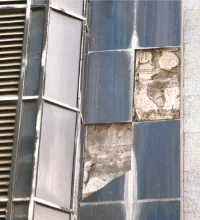
Stone cladding can look sleek, but behind the scenes, things can go wrong. Poor installation or trapped moisture can cause panels to loosen or stain over time. The extra weight doesn’t help either. If it’s not done right from the start, it can turn into a maintenance headache pretty quickly.