Check out the biggest trends of the season and our expert take on them.
From dull to dramatic: How stone polish transforms wall cladding
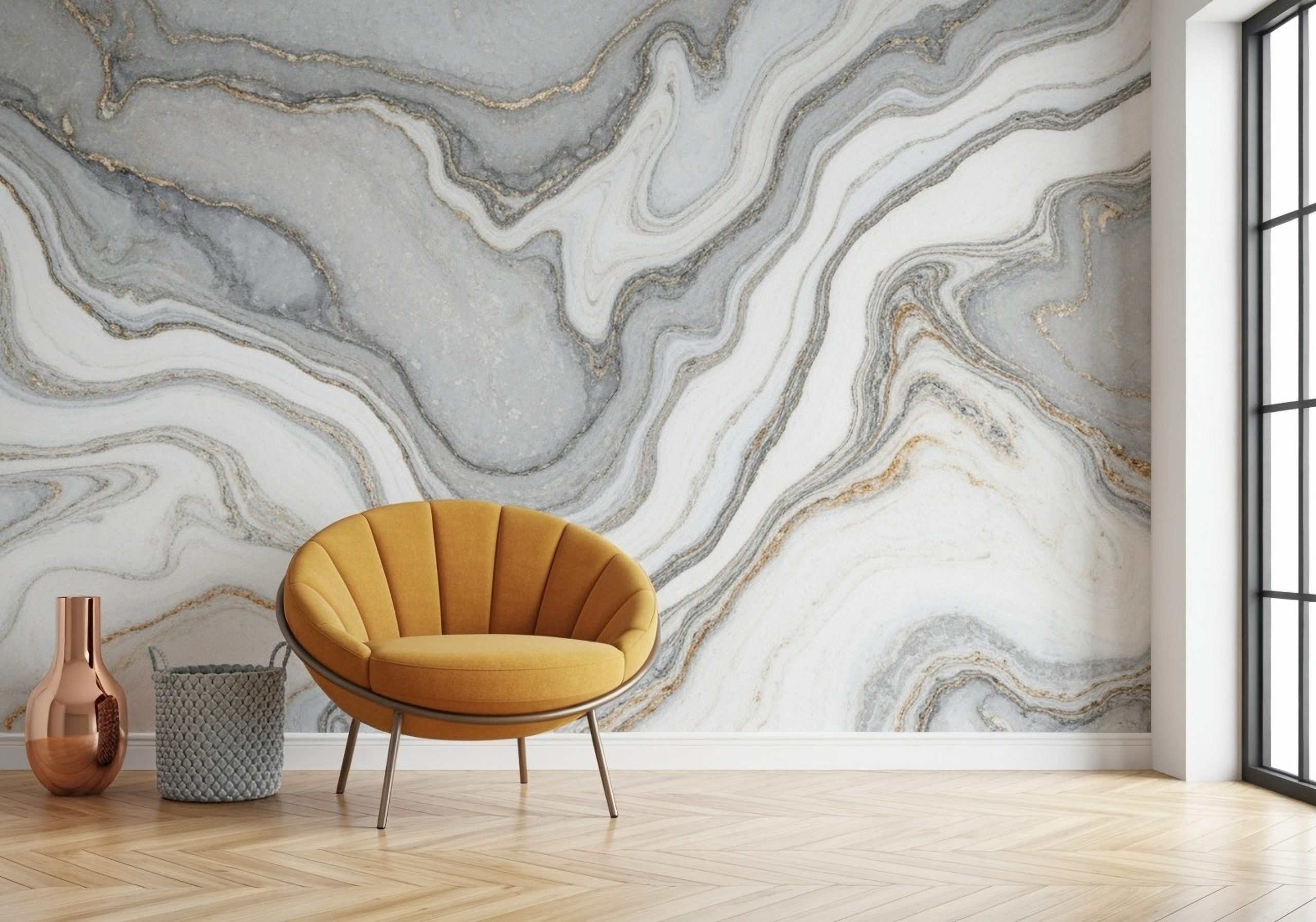
Natural stone wall claddingisn’t just a design trend –it’s a surface language. It brings texture, warmth, and timeless depth to any space. Whether you’re designing for a minimal interior or a dramatic feature wall, polish is what brings the cladding to life. More than just a protective layer, a well-chosen stone polish enhances tone variation, magnifies colour richness, and delivers the kind of surface uniformity that catches the eye.
But how do you make sure your well décorretains its appeal? Here’s everything you need to know about making your stone polish last longer.
Why polish matters in stone wall cladding
While wall texture design often begins with the stone type, the finish defines how it’s perceived. Unpolished stone can look dull or uneven in tone. Stone polish intensifies visual clarity by highlighting the grain, smoothing out visual noise, and locking in a refined finish that enhances the overall aesthetic wall décor.
A polished stone wall cladding surface reflects more light, offering gloss variation that adapts to both natural and artificial illumination. For vertical installations, this visual elevation also boosts perceived value in high-end residential or hospitality settings.
Know your stone before you polish
Not all stones respond the same way to polish. A one-size-fits-all approach risks overprocessing or underdelivering on your stone wall cladding.
Here are some of the common stones used in cladding along with their unique needs:
Sandstone benefits from a matte or semi-polished finish to avoid washout of its soft grains.
Travertine requires resin treatment before polishing for consistent surface reflection.
Onyx, with its translucent veining, responds well to high-gloss polish but demands careful handling.
Selecting a stone polish formulated for the specific stone type ensures clarity, consistency, and enhanced gloss.
Choose a designer-grade polish for refined results
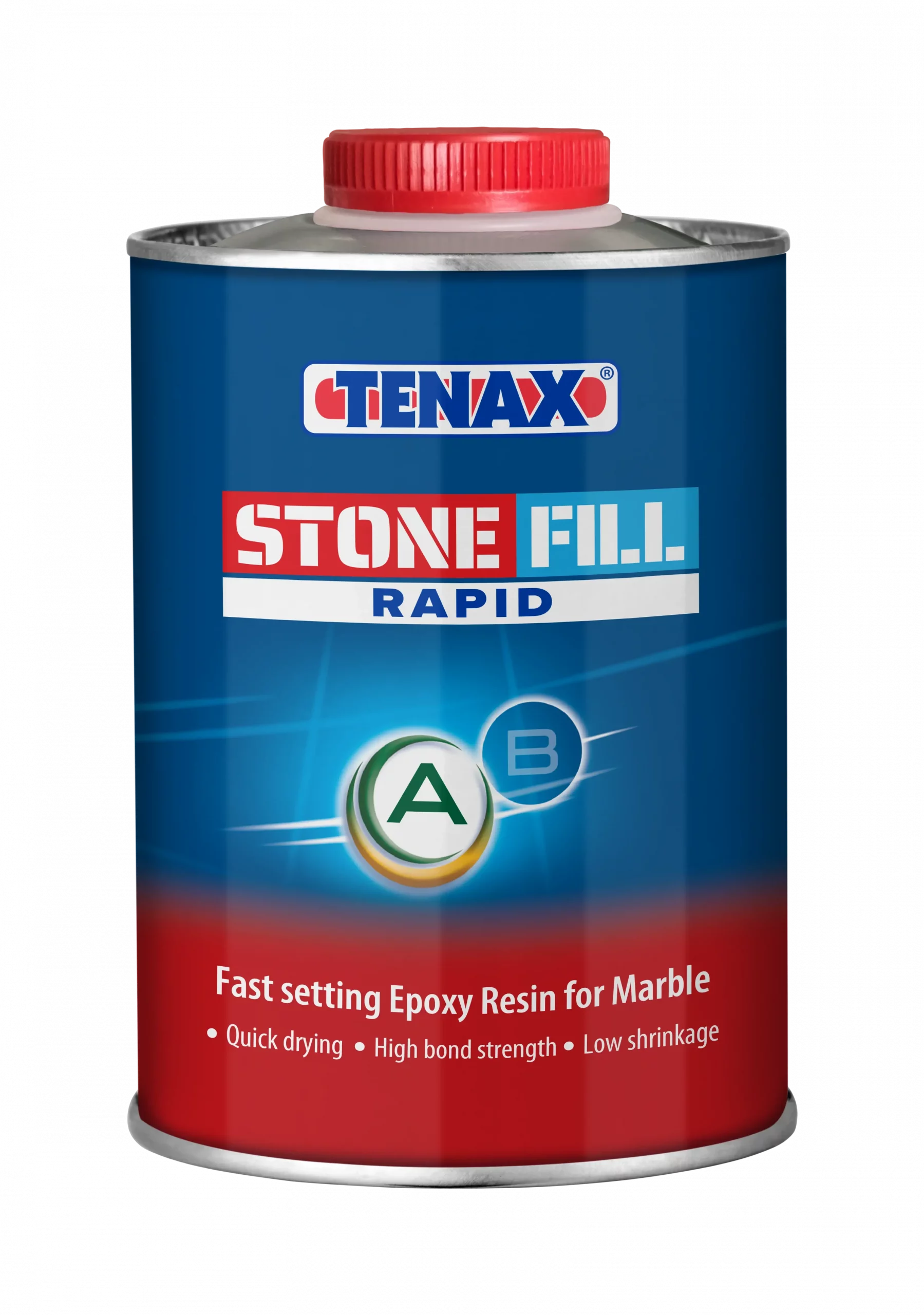
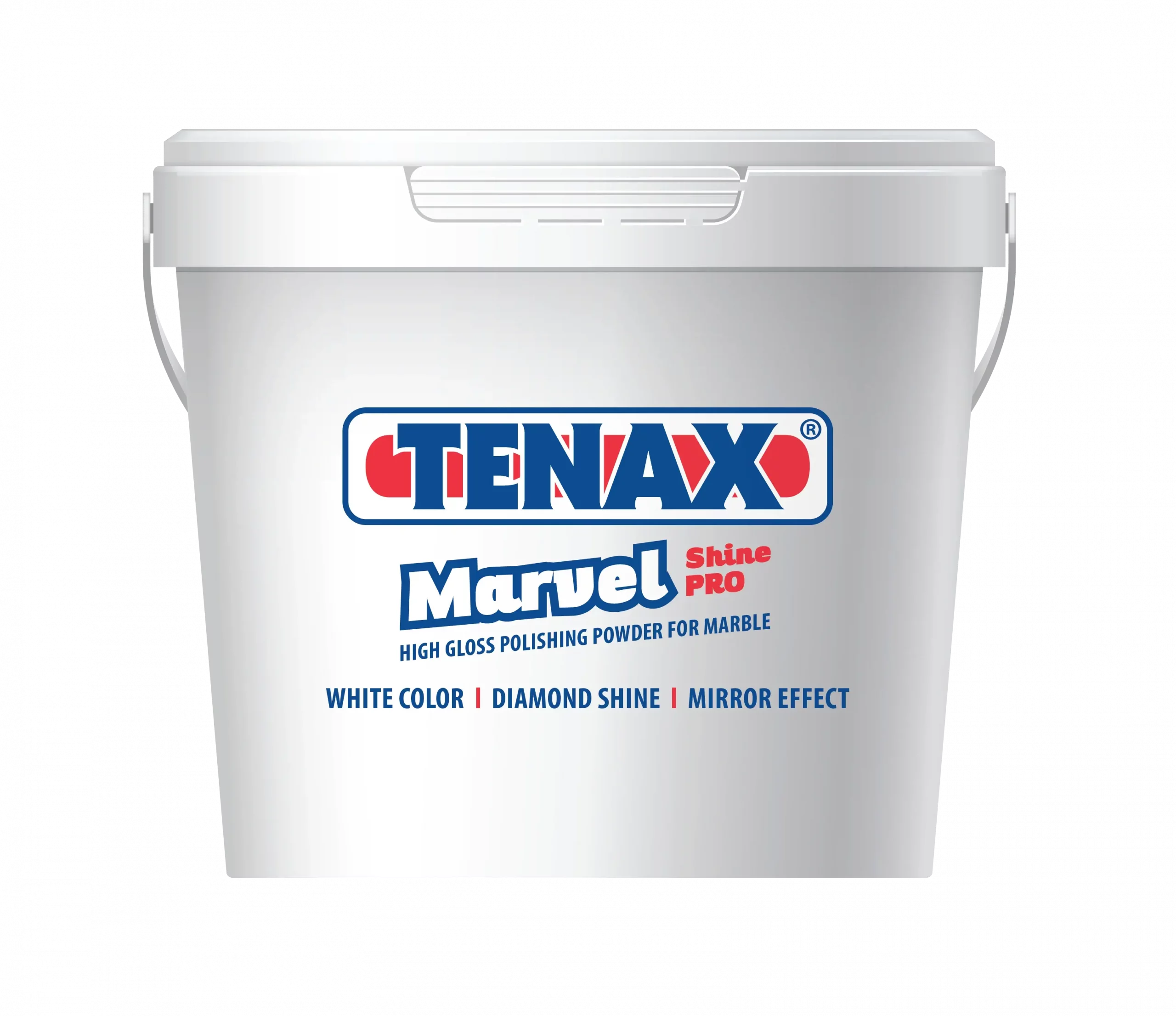
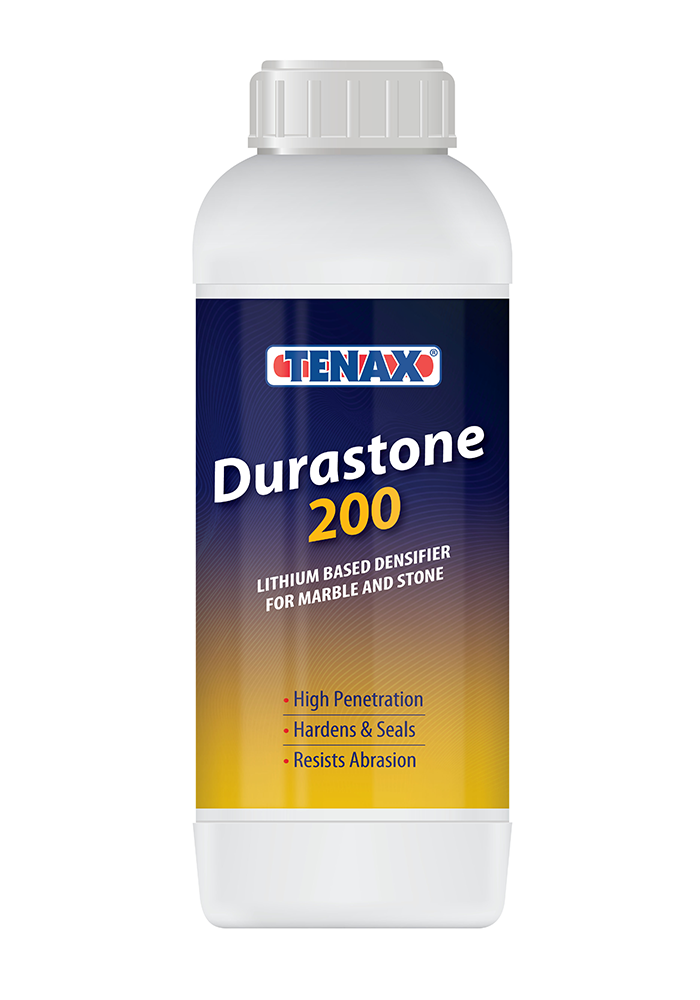
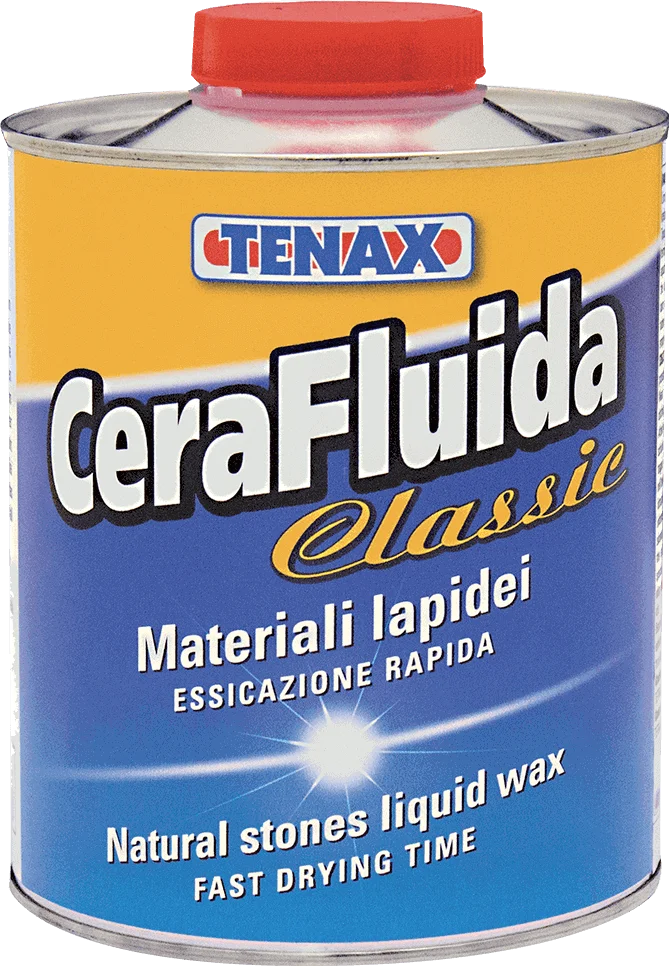
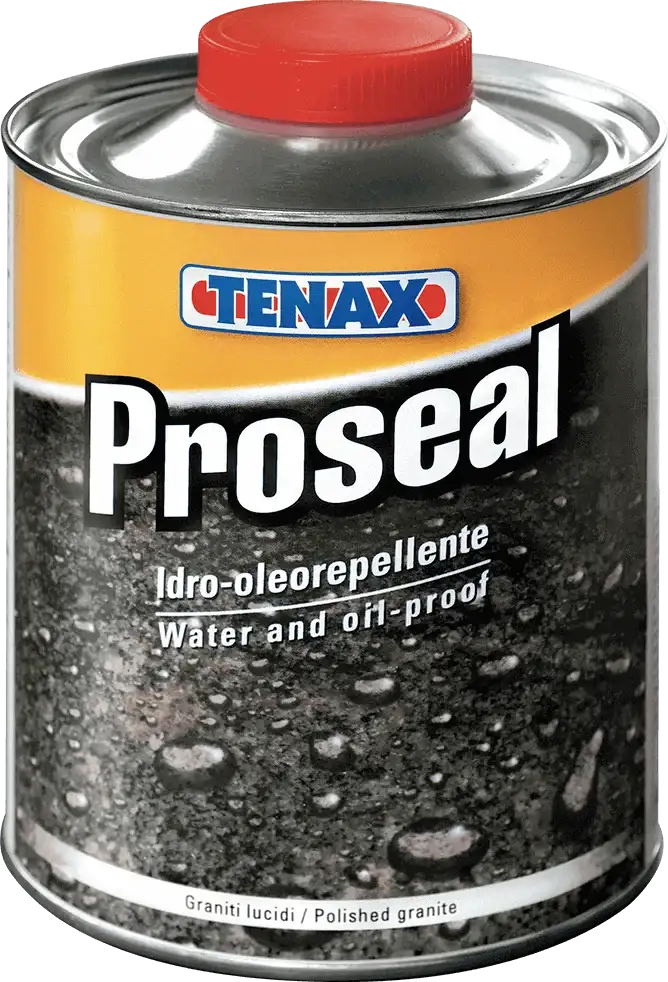
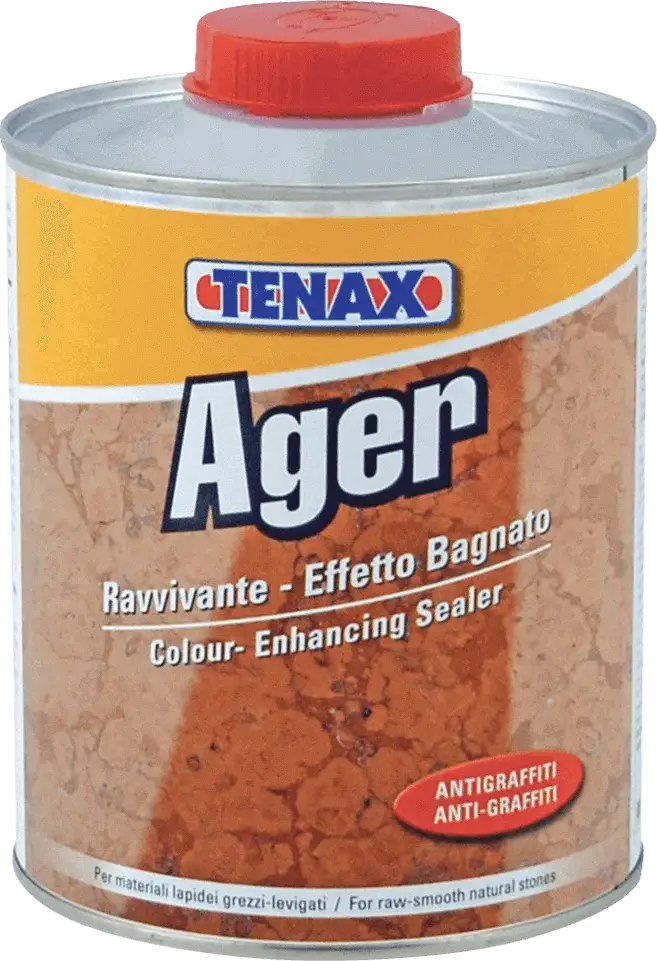
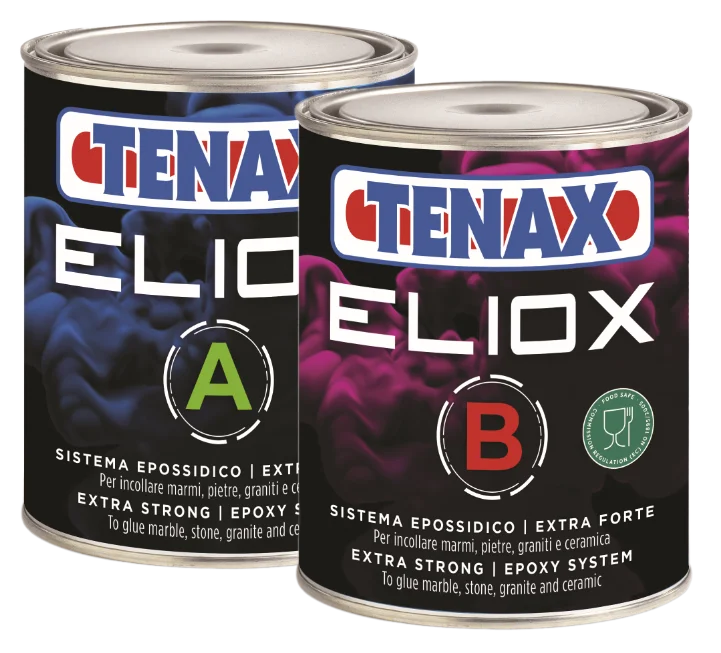
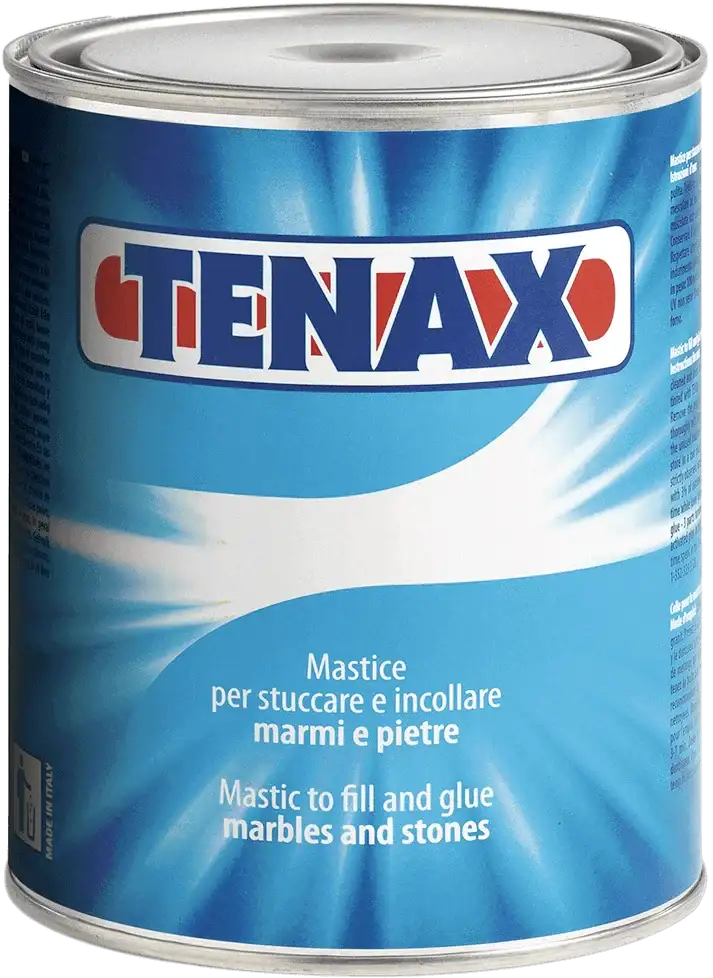
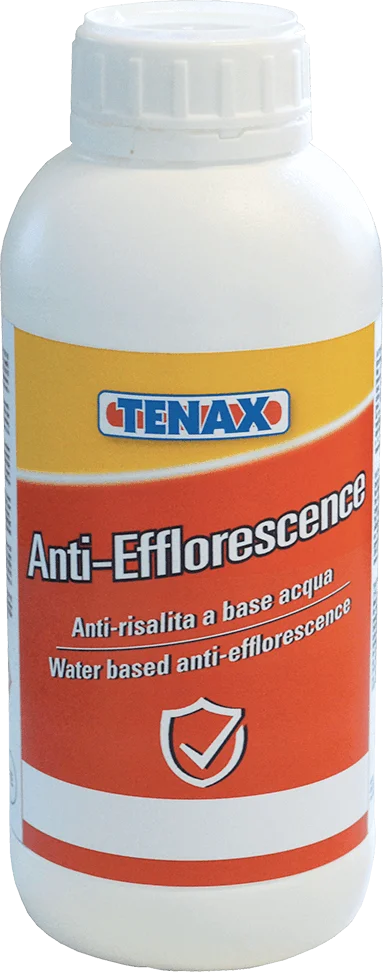
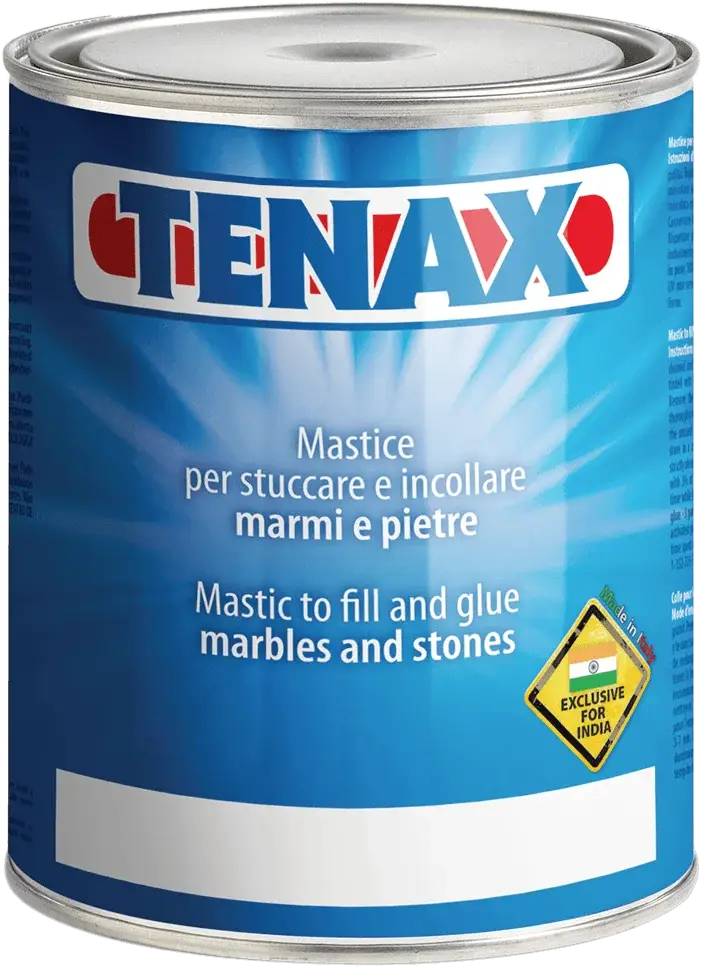
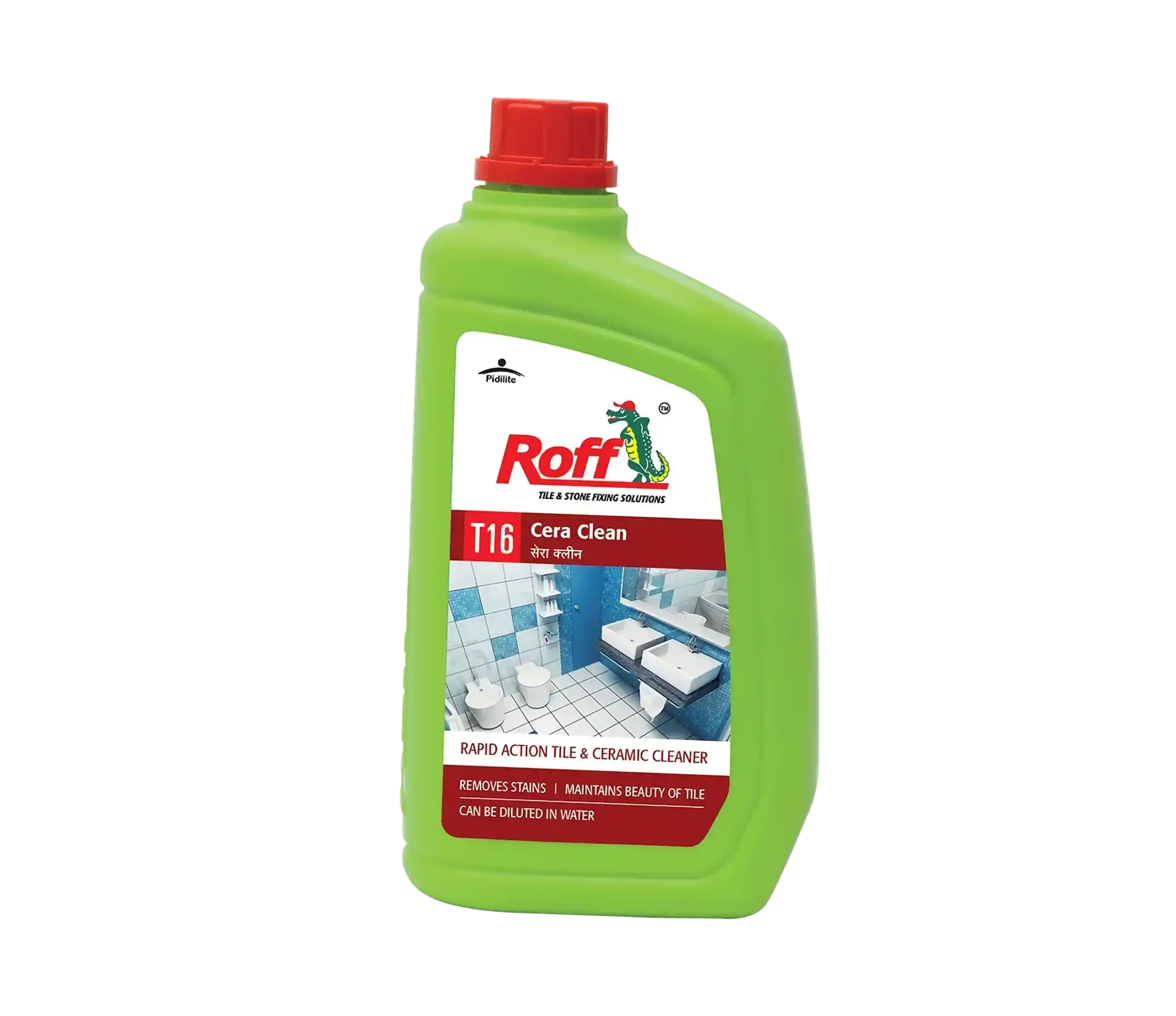
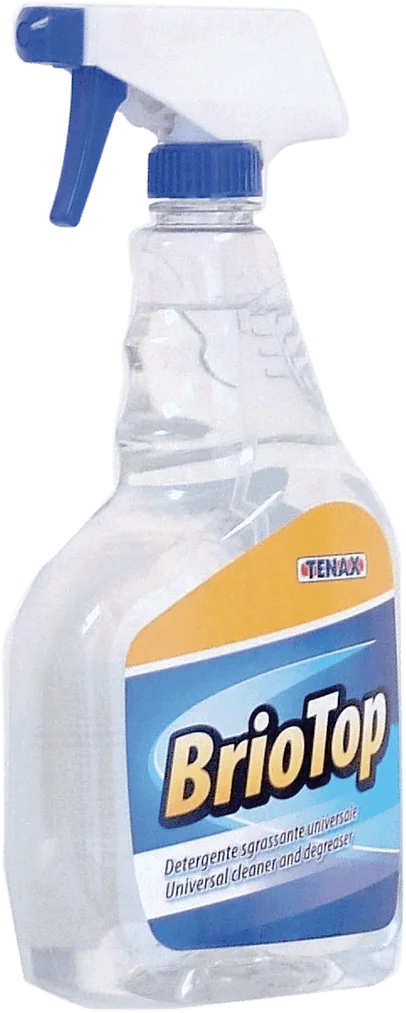
Roff’s Tenax stone care range is tailored for design precision. Its stone polishes enhance the grain structure while offering long-term gloss retention. They’re also engineered for minimal residue and even application, which is key when working on vertical cladding where runoff and unevenness are common issues.
For interior designers, the right stone polish doesn’t cover the stone. It reveals it.
Your stone polish is a visual strategy
In both minimalist and maximalist interiors, polished stone offers balance. In minimal settings, it becomes the central feature material. In rich, layered spaces, it adds controlled contrast, especially when paired with matte paint or natural fibres.
In long corridors, foyers, or living walls, polished stone helps light travel, creating movement on static surfaces. This makes stone polish not just a material choice, but a wall décor strategy.
Bring out the true beauty of your stone wall cladding with Roff’s Tenax stone care range– engineered to protect, polish, and preserve every surface with lasting brilliance. Discover the perfect finish that keeps your stone walls looking timeless and refined.
Frequently asked questions (FAQs)
FAQ #1: What are the main types of stones used for interior wall cladding?
Common options include sandstone, slate, travertine, onyx, quartzite, and granite. Each offers different textures, tones, and polish responsiveness, which must be factored into your finish selection.
FAQ #2: How does stone polish affect the long-term visual appeal of stone wall cladding?
Stone polish helps preserve the stone’s original visual depth by maintaining colour richness, tonal consistency, and surface clarity over time. A high-quality polish ensures the stone wall cladding continues to reflect light evenly, prevents the surface from appearing flat or faded, and sustains the refined finish that makes stone wall cladding look premium long after installation.
FAQ #3: Can stone polish be used on textured or rough-finish stone wall cladding?
Yes, but selectively. Certain polishes are designed to enhance without flattening the natural relief. Always test on a small area to ensure the finish enhances without compromising the stone’s tactile quality.