Check out the biggest trends of the season and our expert take on them.
Why bathrooms need appropriate tile gap filling for long-term durability
Bathrooms are constantly exposed to moisture, humidity, and water. While bathroom construction often focuses on tile design or brand, homeowners and builders frequently overlook the most important aspect of tiling: properly filling the gaps between tiles. Most bathroom problems don’t start with broken tiles; they start with what lies between them.
These gaps are not just aesthetic; they are functional. The gap between tiles might seem minor, but it plays a critical role in preventing water damage. Understanding how to fill the gap between tiles can save you from serious and expensive issues later. Tile gap filling can save you major headaches tomorrow.
Why are tile gaps your bathroom’s first line of defence?
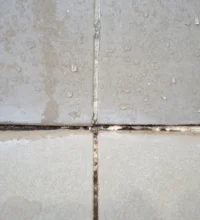
Tile gaps, or grout lines, play a crucial role in protecting your bathroom. They act as a barrier against water seepage. Without proper tile gap filling, water can easily penetrate beneath the tiles.
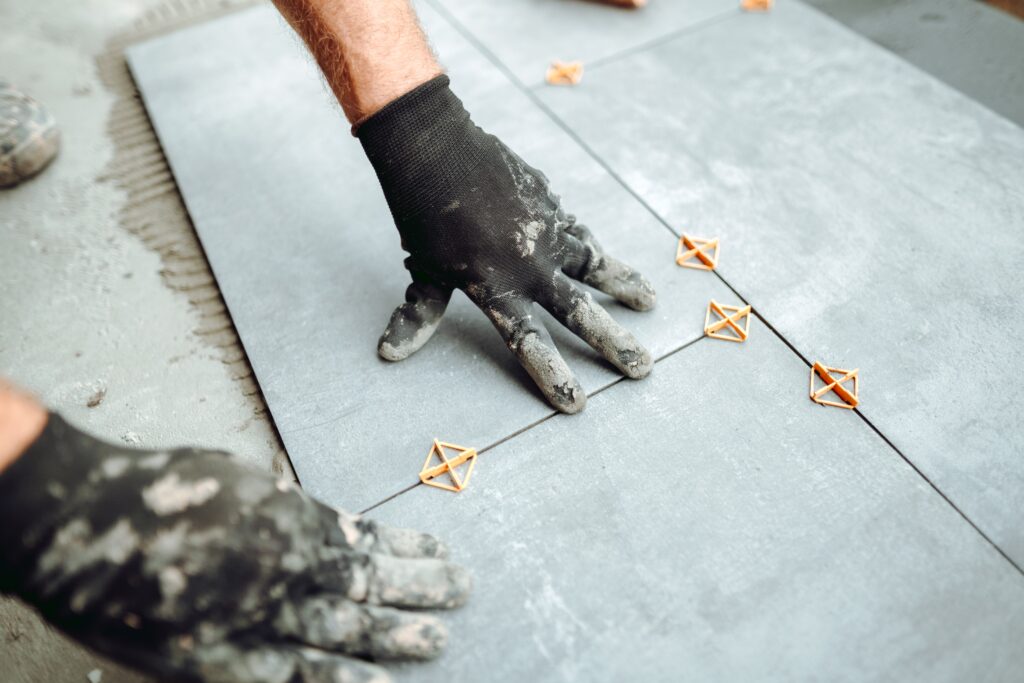
This is why it is important to maintain a proper gap between tiles during installation. Avoid “paper joints” (extremely thin gaps), as they do not allow enough space for effective filling. A well-sized gap ensures that the filler bonds properly and performs its protective role.
When you fill gaps between tiles, you are essentially sealing the surface against water entry. This reduces the chances of hidden moisture damage, helping you achieve a leak-free bathroom.
What are the risks of ignoring tile gap filling?
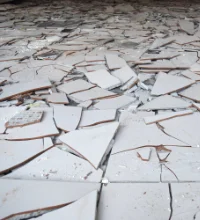
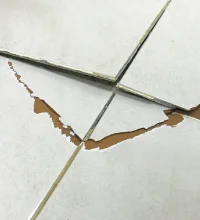
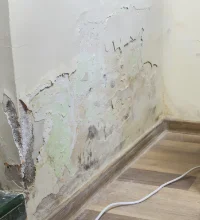
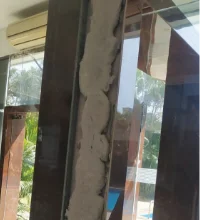
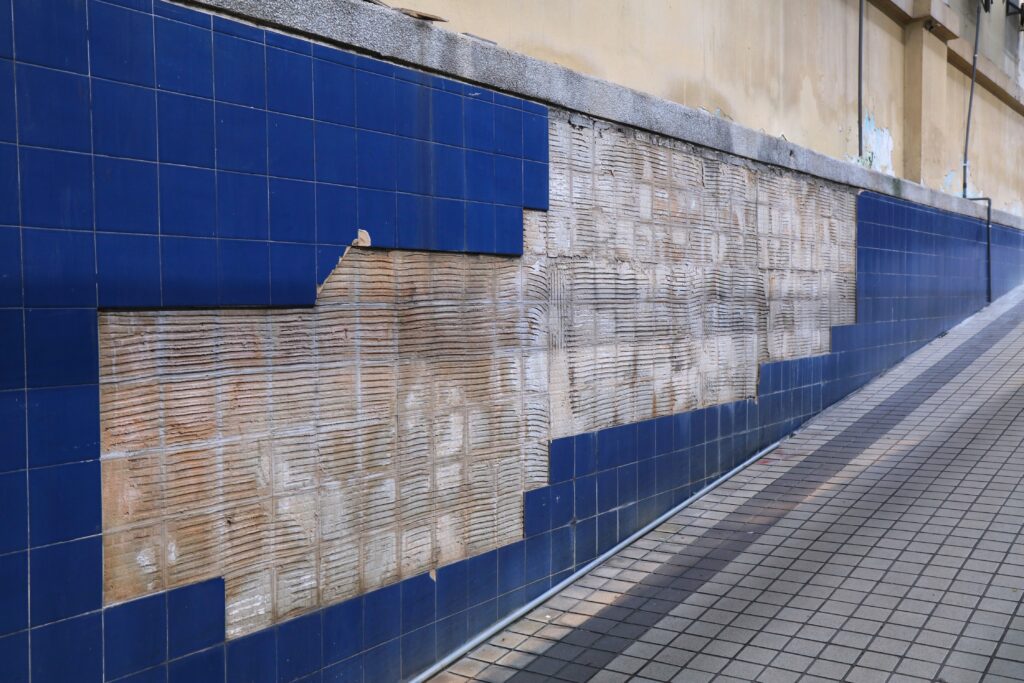
Over time, tile joints can crack, erode, or loosen. This gap can create pathways for water to seep underneath and may cause:
Growth of bacteria, mould, and mildew
Persistent foul odours
Loosening or popping of tiles
Damage to walls and subflooring
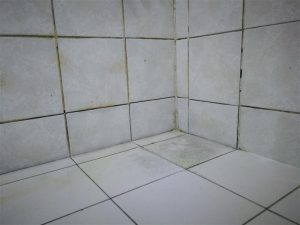
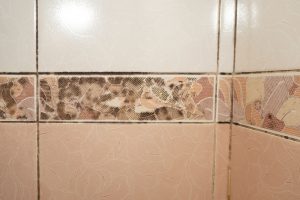
The gap between the floor tile and the wall is especially susceptible to water damage due to its maximum exposure. These areas highlight the necessity of proper sealing.
Open or damaged gaps become breeding grounds for bacteria. Sealing them properly prevents dirt accumulation and keeps your bathroom hygienic and safer.
Long-Term Tile Protection with the Right Materials
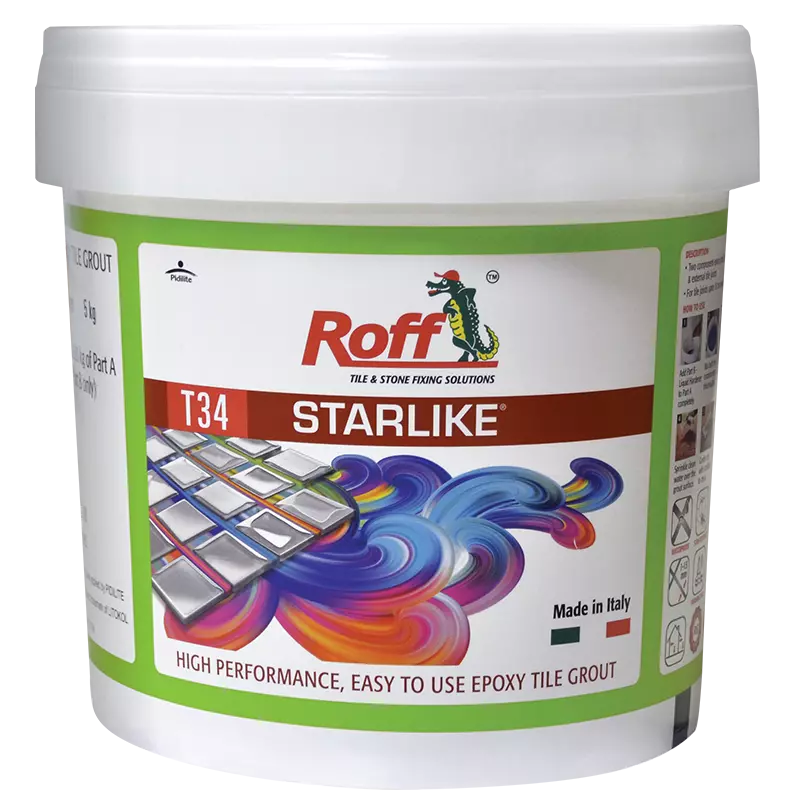
Tile gap filling is necessary when building a bathroom. Hence, choosing high-quality tile gap fillersolutions can ensure better water resistance. The premium tile gap fillers in India includes products like Roff Starlike. These are designed to provide:
Stronger bonding
Resistance to cracks and shrinkage
Better stain and moisture protection
However, it’s important to understand one thing:tile gap filling alone is not enough. Waterproofing is still required beneath the tiles. While grouting acts as a surface defence, waterproofing protects the structure underneath. Both work together to keep your bathroom safe.
Regular maintenance is equally important. Re-grouting or sealing worn-out joints on time can significantly extend the life of your tiles and underlying surfaces.
Conclusion
Tile gap filling is an essential practice for protecting your bathroom from moisture damage. Learning how to fill the gap between tiles with high-quality materials can prevent costly repairs in the future.
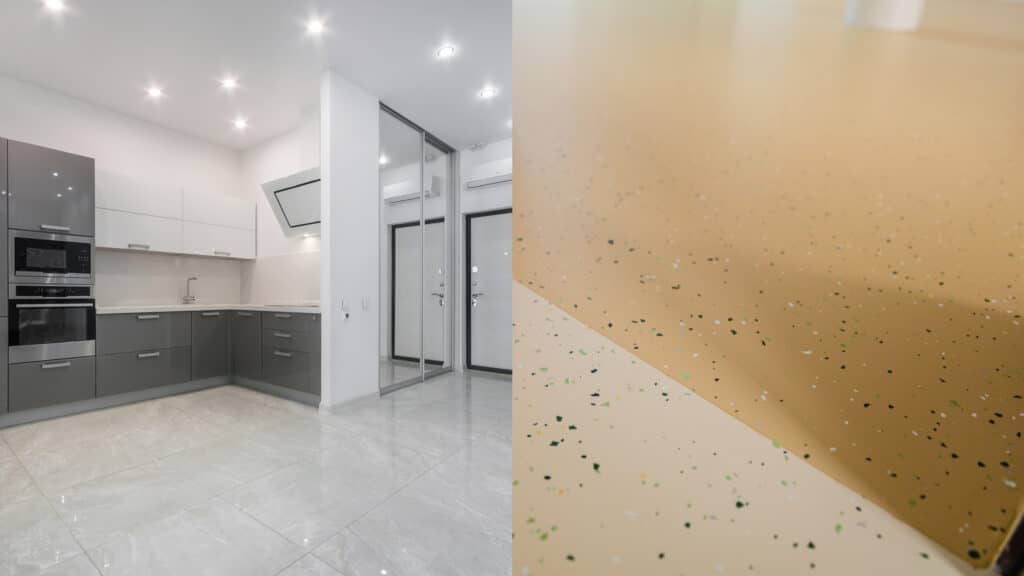
This is why you should invest in a proper tile gap filler today to ensure a stronger, safer, and longer-lasting bathroom tomorrow.Roff Starlikeis an epoxy grout that is water-, stain-, and chemical-resistant, making it ideal for those who want their tiles to remain healthy for years to come.
FAQs
1. Why is tile gap filling important in bathrooms?
Tile gap filling prevents water seepage, protects underlying surfaces, and prevents issues such as mould, odour, and tile damage.
2. What happens if I don’t fill gaps between tiles?
Unfilled or damaged gaps allow water to penetrate, leading to structural damage, loose tiles, and bacterial growth.
3. How to fill the gap between tiles properly?
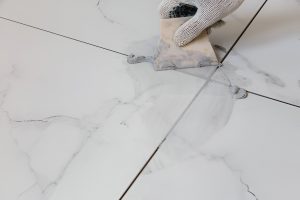
Clean the joints, apply a quality grout or filler evenly, and ensure proper curing for long-lasting results.
4. Is waterproofing needed even after tile gap filling?
Yes, waterproofing is essential beneath tiles. Gap filling only protects the surface, not the structure below.
5. Which is the best tile gap filler in India?
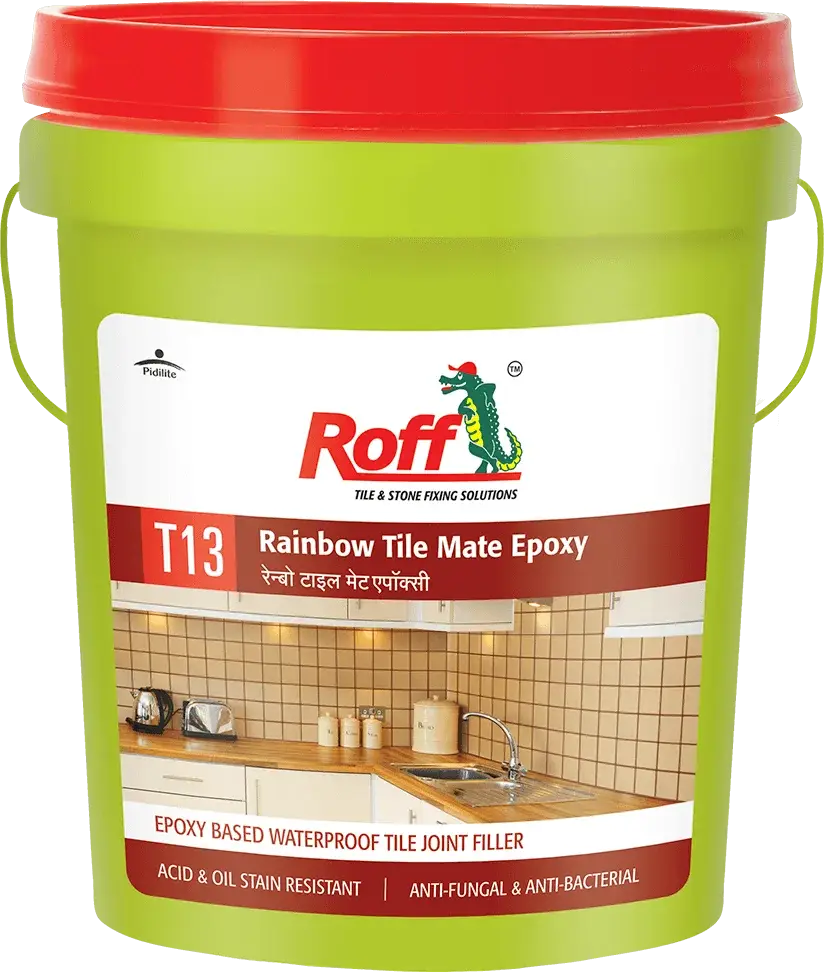
High-quality options like epoxy-based fillers offer greater durability, water resistance, and long-term performance than basic fillers.