Check out the biggest trends of the season and our expert take on them.
Tile gap-filling: Choosing the right grout material for lasting performance
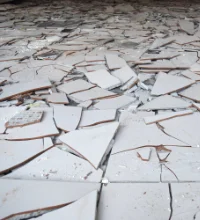
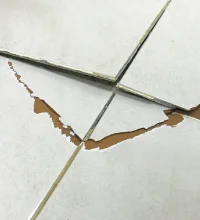
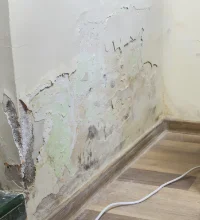
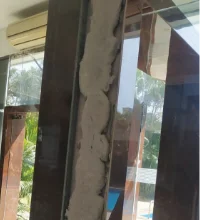
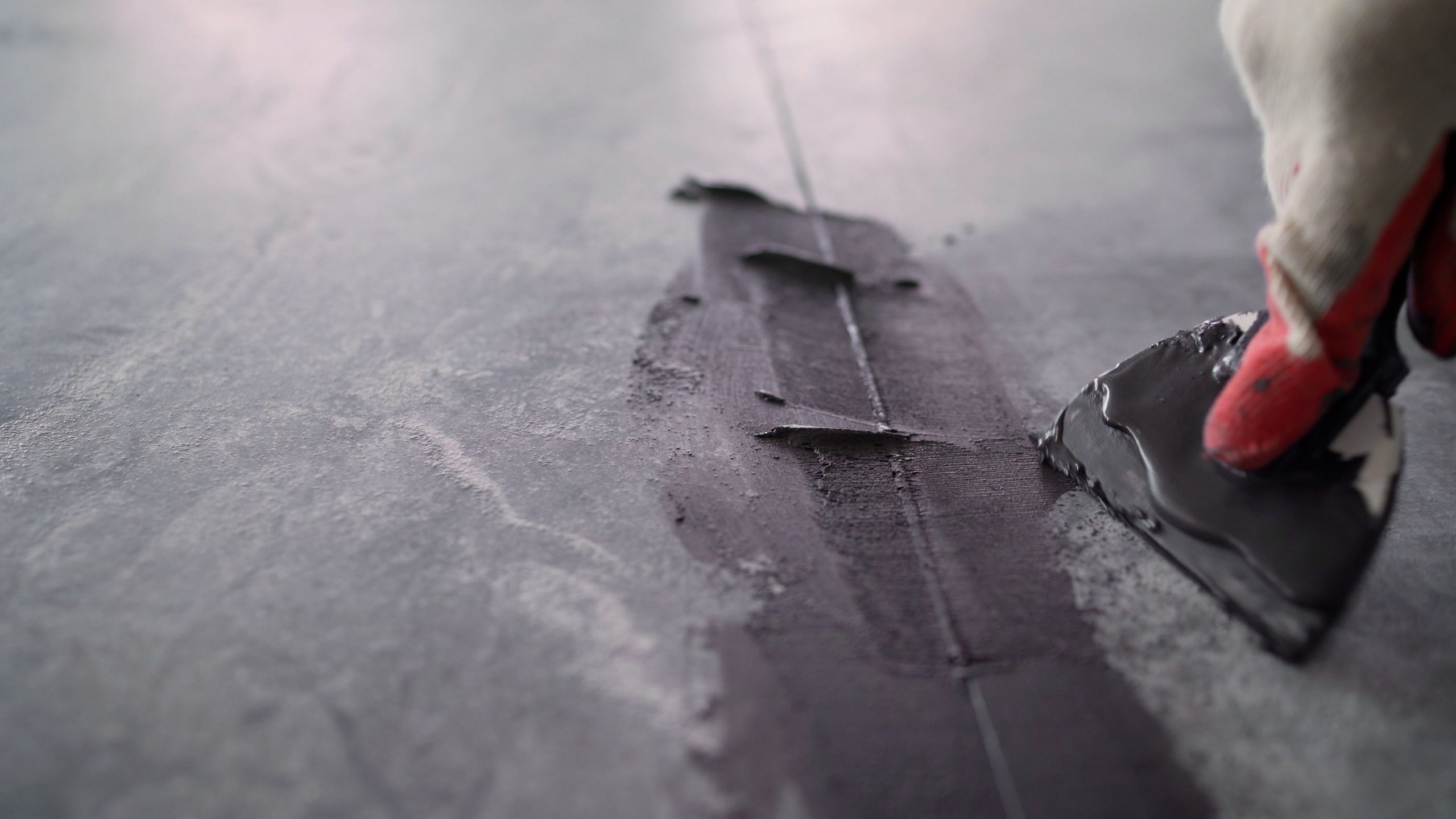
For architects and interior designers, tile gap-filling is not a finishing afterthought. It is a performance layer that directly affects durability, hygiene, and visual consistency. Poor joint treatment can lead to cracking, staining, moisture ingress, and premature surface failure.
The right tile gap-filling material ensures that tiled surfaces perform as intended across varied conditions, from moisture-heavy bathrooms to high-traffic commercial lobbies. When specified correctly, it protects edges, absorbs minor movements, and maintains the integrity of the installation over time.
What influences material selection
Choosing the appropriate tile gap-filling material depends on multiple technical factors:
Tile type and porosity
Joint width and depth
Substrate movement and structural behaviour
Exposure to water, chemicals, or UV
Traffic intensity and maintenance expectations
For example, natural stone and vitrified tiles behave differently under thermal stress. Similarly, wet areas demand a waterproof gap filler for tiles, while commercial kitchens may require chemical resistance. Effective tile gap-filling must respond to these conditions, not just complement the design palette.
Common materials used for tile gap-filling
There are two main types of grouting materials that are used for tile gap-filling:
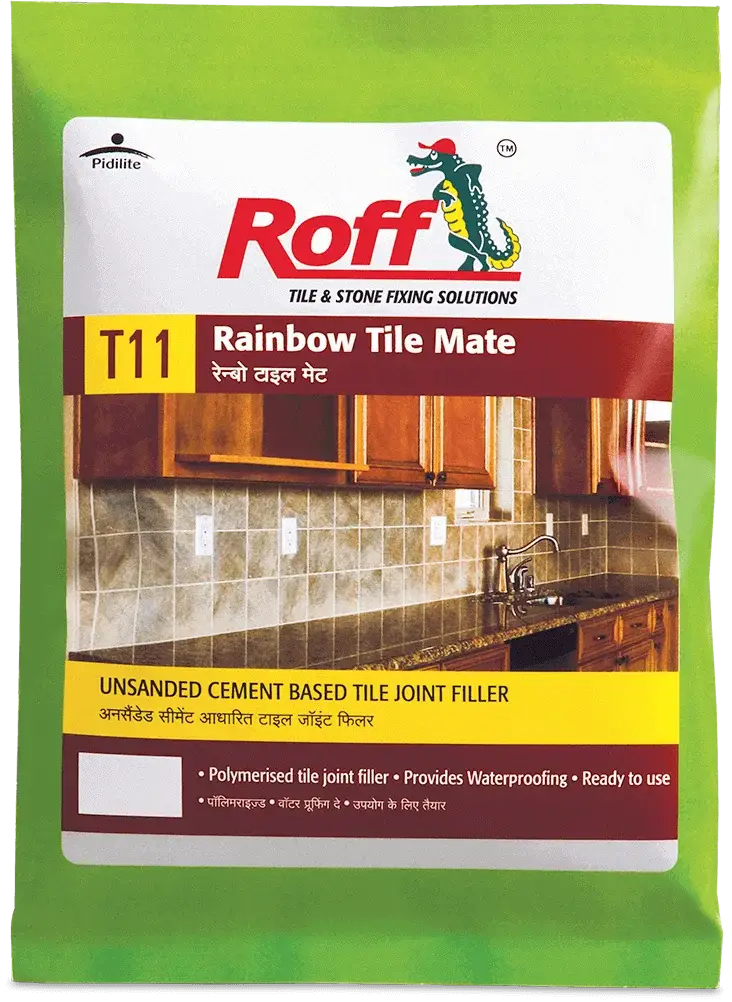
Cement-based grout
Traditional and economical, cement grout is widely used for residential floors and walls. However, it is porous and may require sealing. It is less resistant to staining and cracking under movement.
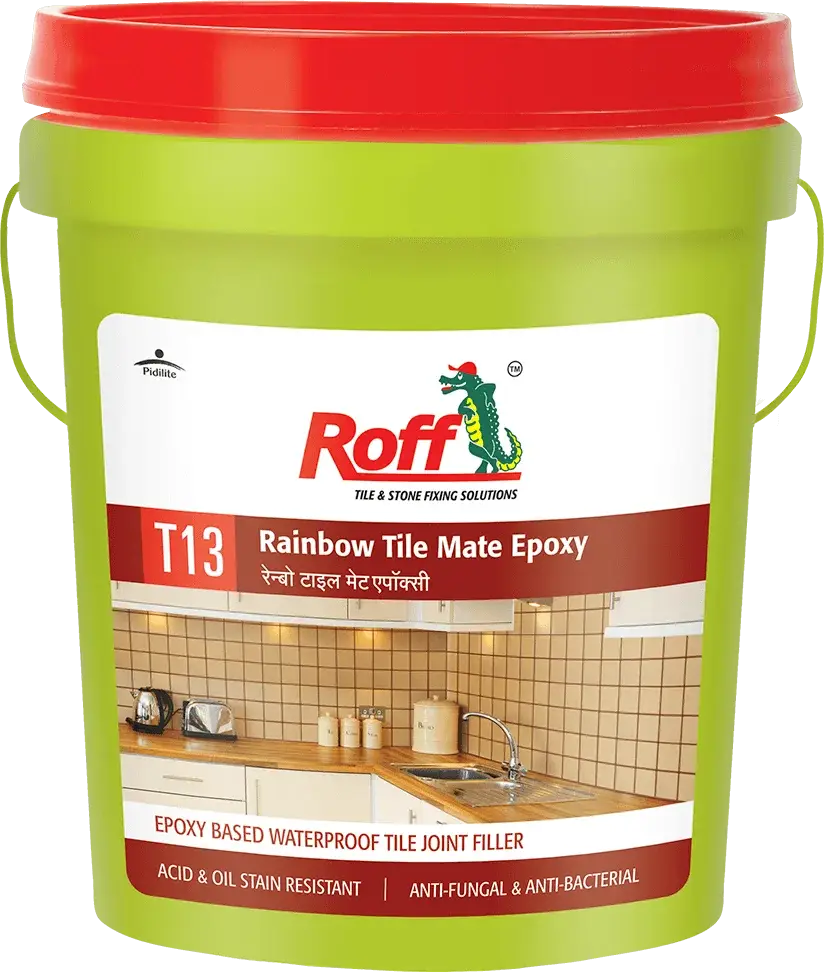
Epoxy grout
Often considered a premium tile gap-filling material, epoxy offers superior strength, chemical resistance, and low porosity. An epoxytile gap filler is ideal for high-traffic areas, swimming pools, commercial kitchens, and industrial spaces.
Comparing performance parameters
When evaluating tile gap-filling solutions, consider:
Strength and abrasion resistance
Flexibility under movement
Water and stain resistance
Resistance to mould growth
Ease of cleaning and maintenance
Cementitious options may be easier to apply, but often fall short in long-term stain resistance. Epoxy-based tile gap-filling material solutions offer better lifecycle value due to their durability and low maintenance requirements.
Elevating performance with Roff Starlike
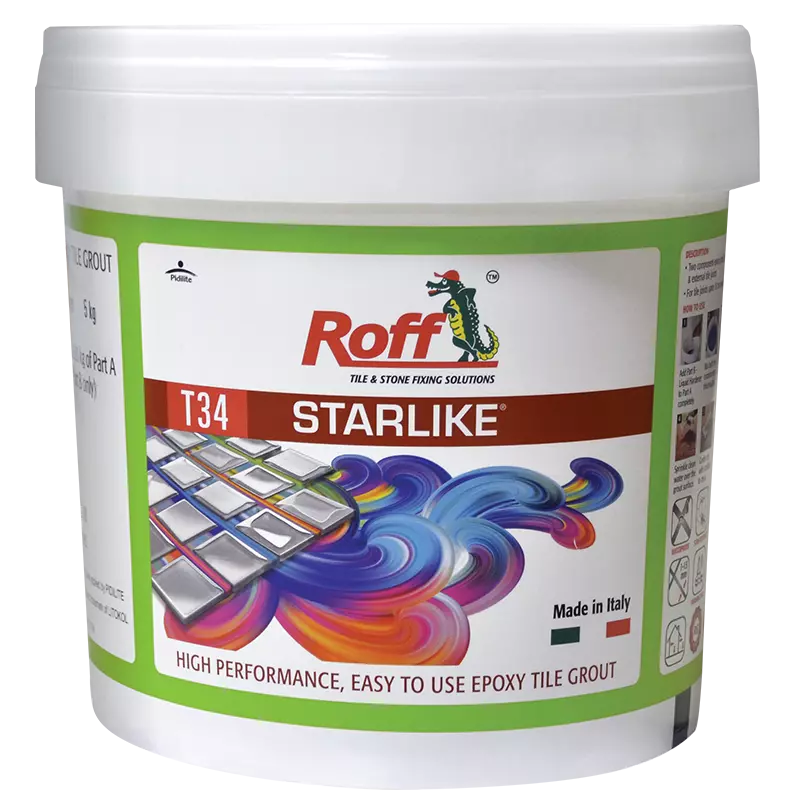
Roff Starlike is a high-performance, two-component epoxy-based tile gap-filling material developed using Italian quartz technology. Designed for joints from 1 to 15 mm, it delivers:
Zero shrinkage for consistent joint integrity
Excellent flexibility to accommodate minor movement
Waterproof performance suitable for wet areas
UV resistance for exterior applications
Stain resistance against grease, oil, and gunk
High chemical resistance, ideal for industrial settings
Low VOC formulation for safer indoor environments
As a premium epoxy tile gap filler, Roff Starlike ensures long-lasting aesthetics and structural reliability across residential, commercial, and outdoor projects.
The joint that defines the project
Ultimately, tile gap-filling is a design and performance decision. The right tile gap-filling material protects your specification, reduces callbacks, and preserves the visual intent of the space.
If you are looking for a reliable, high-performance solution that meets modern architectural demands, consider Roff Starlike for your next project and deliver surfaces that last.
Frequently asked questions (FAQs)
1. What is the best material for tile gap-filling in wet areas?
Epoxy-based solutions are generally the best choice. A high-quality waterproof gap filler for tiles provides superior resistance to moisture, staining, and mould compared to cement-based options.
2. When should an epoxy tile gap filler be specified?
An epoxytile gap filler like Roff Starlike should be specified in high-traffic, commercial, industrial, or moisture-prone environments where durability, stain resistance, and chemical resistance are critical.
3. Can tile gap-filling prevent cracking and discolouration?
Yes, if the correct tile gap-filling material is selected. High-performance epoxy systems like Roff Starlike minimise shrinkage, resist stains, and maintain colour consistency over time.
4. Why is epoxy grout essential for bathrooms, kitchens and other wet areas?
Epoxy grout is essential in bathrooms, kitchens, and wet areas because it is waterproof, stain-resistant, and highly durable, preventing moisture penetration and mold growth. Unlike cement grout, it doesn’t crack or absorb water, making surfaces more hygienic and long-lasting.