Check out the biggest trends of the season and our expert take on them.
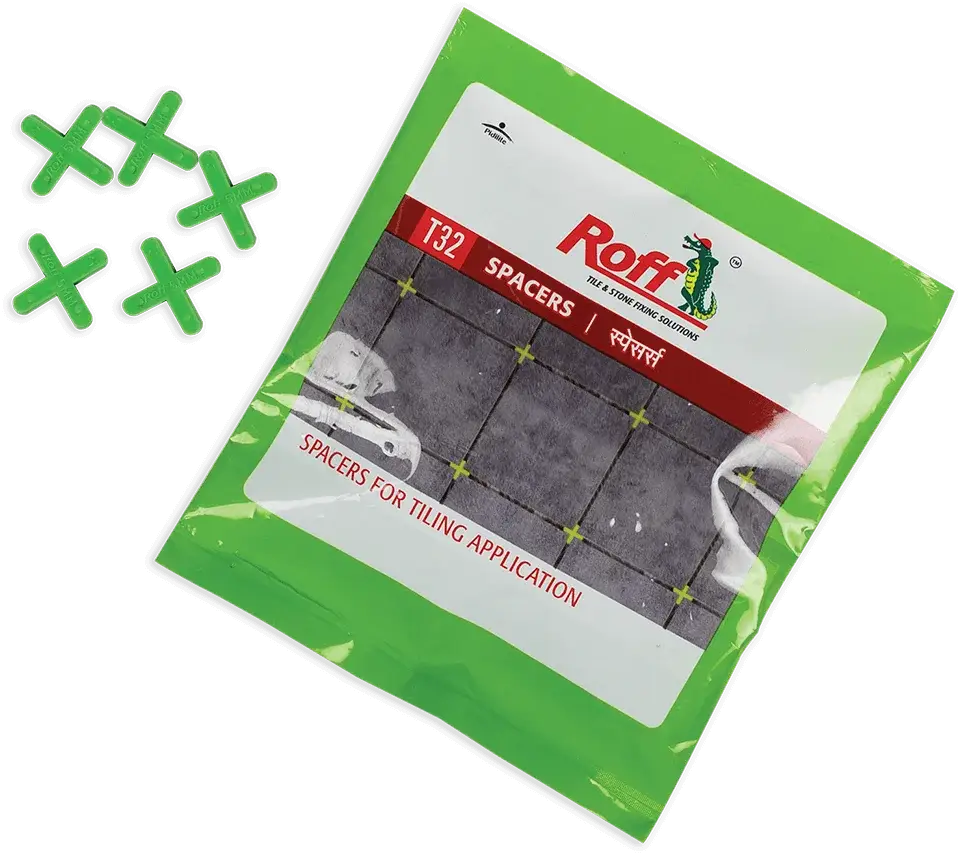
What happens when tile installations skip tile spacers?
That perfectly seamless floor looks stunning on day one. No visible lines, no breaks, just clean, continuous tile. It’s an aesthetic that’s easy to fall in love with. The problem? It rarely holds up. Most “no tile gap” installations start showing their age within a year or two, and the damage is almost always avoidable by using tile spacers.
Here’s what’s actually happening beneath the surface.
1. Tiles expand and contract, and the pressure has to go somewhere
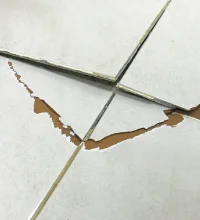
Every material responds to temperature changes. Tiles expand in heat and contract in cold. Without tile spacers creating deliberate gaps between each tile, there’s nowhere for that movement to go. The pressure builds at the edges until something gives, usually a chip or a crack along the tile face.
2. Edge-to-edge contact causes chipping faster than you’d expect
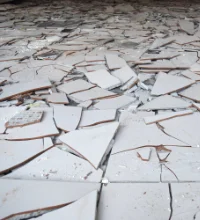
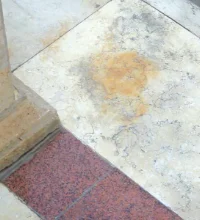
When tiles sit flush against each other with no tile gap, even minor stress concentrates at the corners and edges. You’ll typically notice chipping within the first year, especially in high-traffic areas like kitchens and entryways. It’s not a product defect. It’s a spacing defect.
3. Skipping tile spacers makes levelling harder to maintain over time
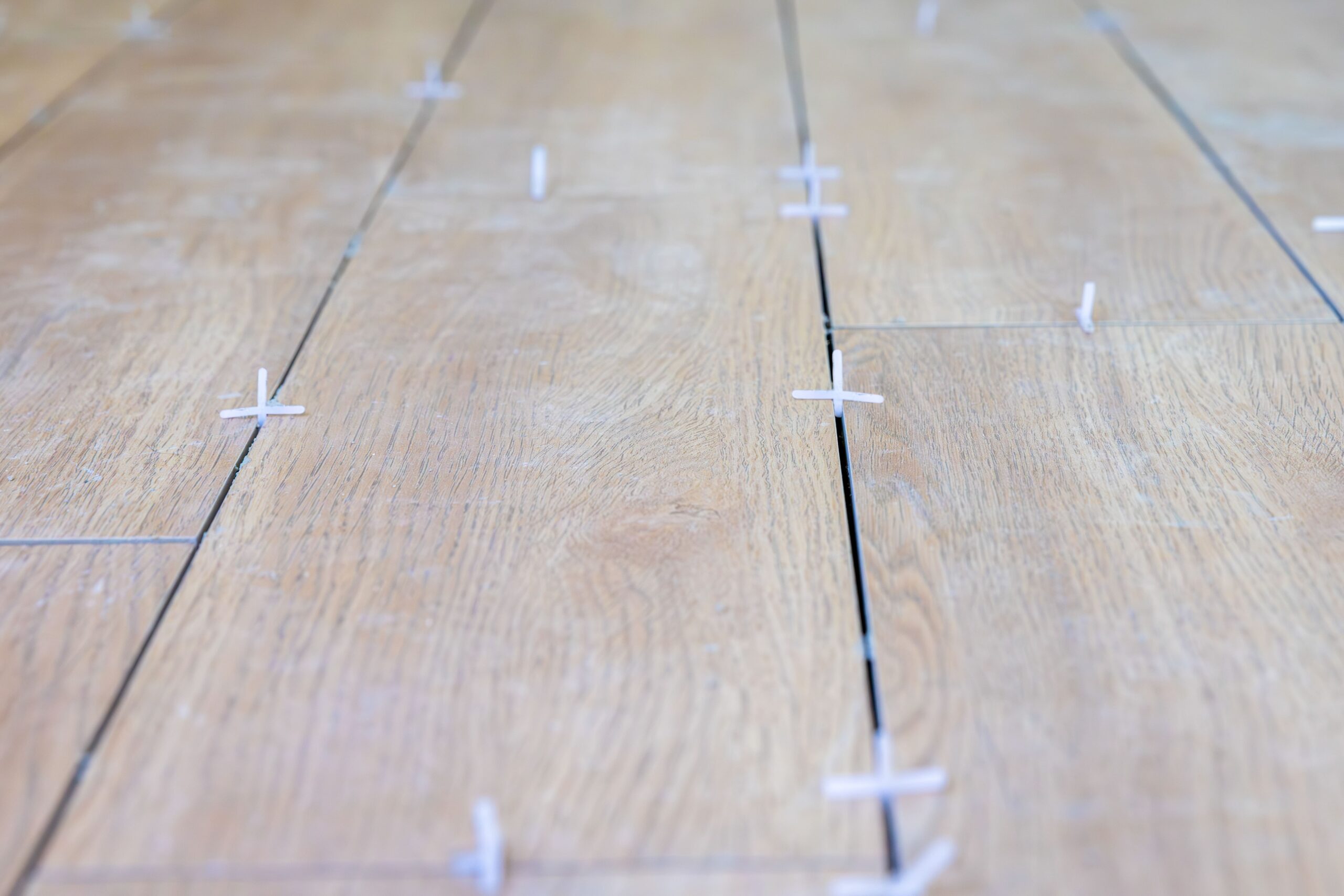
Consistent tile levelling during installation depends on uniform joint spacing. When tile spacers are skipped, the surface may look even initially, but it loses that evenness as the subfloor flexes with use and seasonal movement. Edges start to lift or sink, creating lippage that’s both a visual and a safety problem.
4. Moisture finds its own path when there are no proper joints
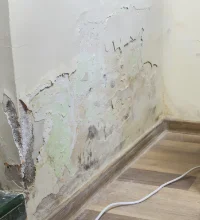
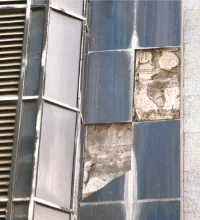
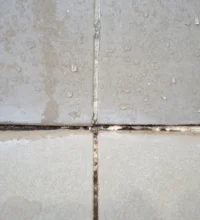
Grout lines aren’t just aesthetic. Properly spaced joints, when correctly filled, manage how moisture moves across a tiled surface. Poor or uneven grout lines can lead to dampness, leakage, and water seepage into walls or floors over time. This dampness can further spread to other parts of your house, causing even more damage. Without water resistant grout lines, water can slip under tiles, weaken the adhesive bed, and eventually cause tiles to loosen or sound hollow.
5. The right grout in the right joint is what makes tile installations last
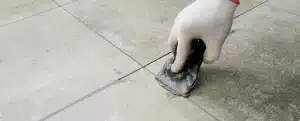
This is where the work of proper spacing pays off. Well-defined joints give high-performance tile grout a place to actually do its job.
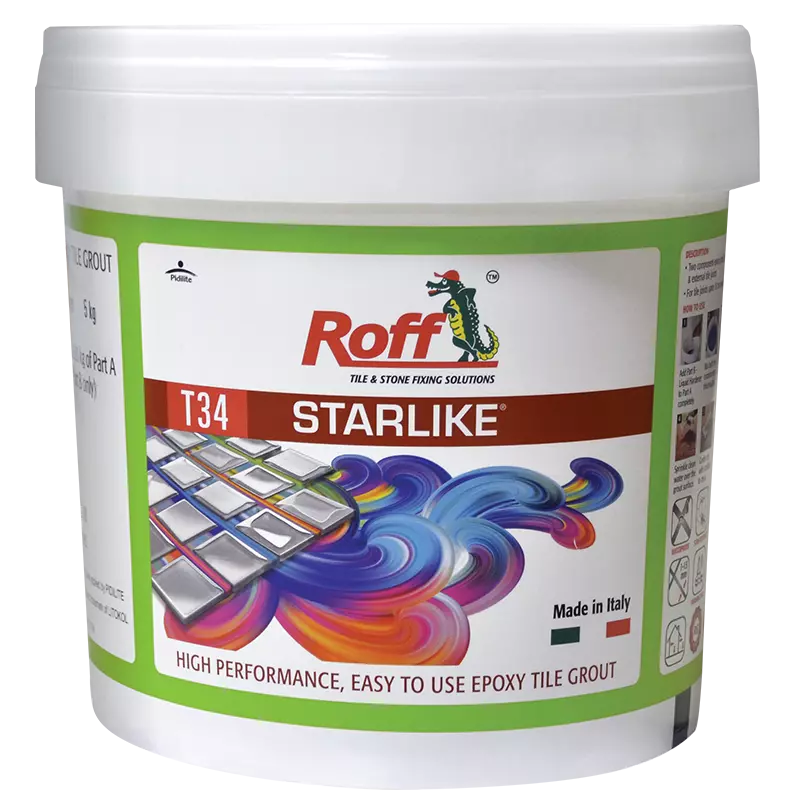
Roff Starlike is a two-componentepoxy tile grout with zero shrinkage, UV resistance, and full stain resistance. It works across ceramic, vitrified, natural stone, and glass mosaic surfaces, holds joints between 1 and 15 mm, and comes in 24 pre-mixed shades that don’t fade.
The tile grout benefits here are long-term: joints that stay intact, colour that holds, and no cracking or moisture ingress over the years of use.
The right gap makes all the difference
The seamless look homeowners want isn’t actually achieved by eliminating gaps.It’s achieved by spacing tiles correctly and filling those joints with a grout that holds up over time.
Poorly spaced tile installations cut corners that show up as chips, cracks, and uneven edges within months. The fix isn’t complicated, but it does need the right professional and the right product.
Check outRoff Starlike epoxy grout and get joints that stay intact, stain-free, and consistent for years to come.
FAQs
1) Why should tiles not be installed without gaps?
Tiles should not be installed without gaps because they naturally expand and contract with temperature changes. Without spacing, pressure builds between tiles and can cause chipping, cracking, or uneven edges.
2) What happens if tile spacers are not used
If tile spacers are not used, tile joints become uneven, levelling becomes harder to maintain, and tiles may chip or crack over time due to edge-to-edge pressure.
3)Do grout lines help protect tiles?
Yes, grout lines help protect tiles by allowing controlled movement, reducing edge stress, and preventing moisture from entering beneath the tile surface.
4)What is the ideal tile gap for epoxy grout?
The ideal tile gap depends on the tile type and installation area, but Roff Starlike epoxy grout can be used for joints ranging from 1 mm to 15 mm.
5)Why is epoxy grout better for long-lasting tile joints?
Epoxy grout is better for long-lasting tile joints because it resists stains, UV exposure, shrinkage, cracking, and moisture ingress, helping tiled surfaces stay durable and consistent for years.