Check out the biggest trends of the season and our expert take on them.
How waterproof epoxy adds an extra layer of protection against dampness
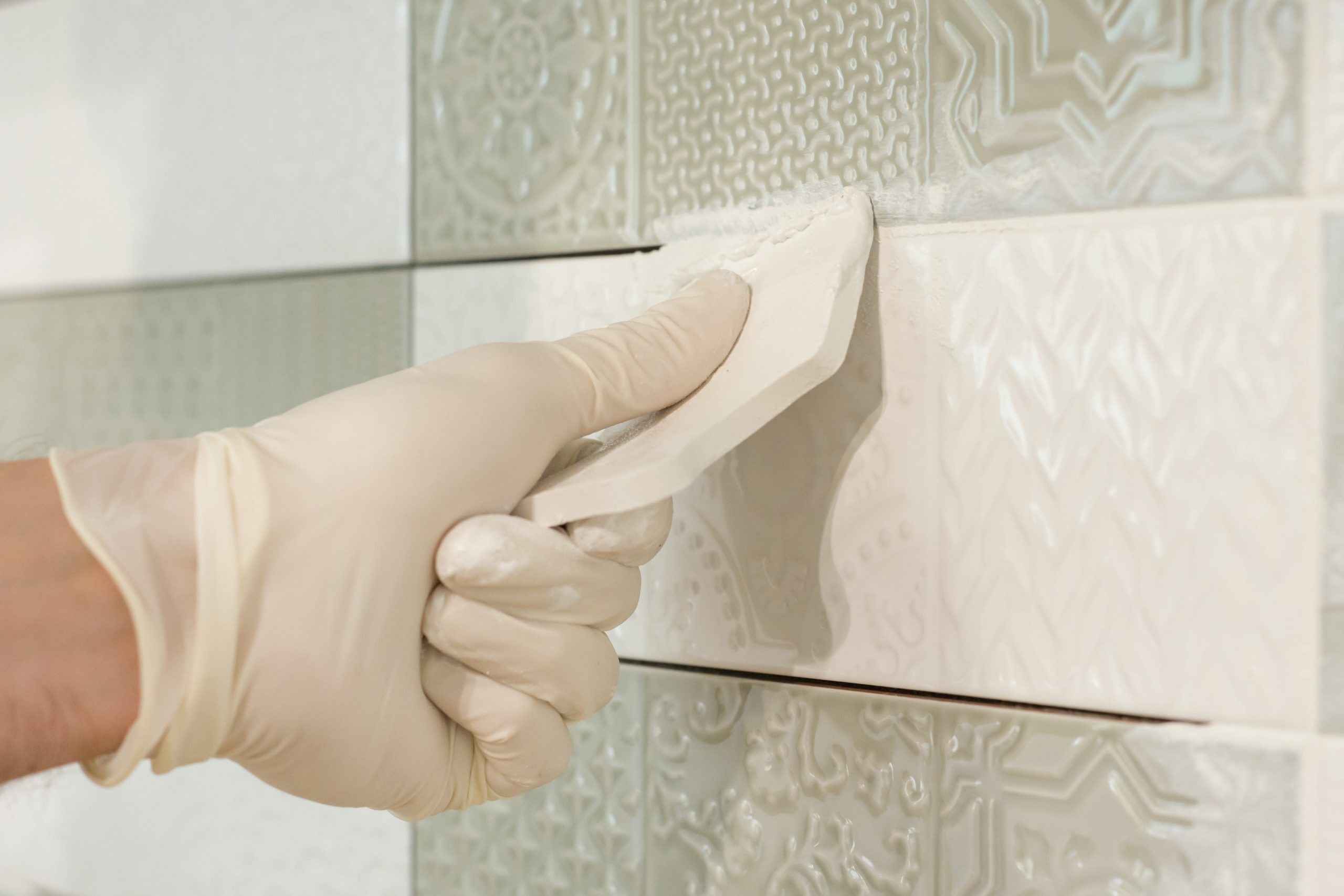
Waterproof epoxygroutis a high-performing material that aligns with modern construction demands. In wet zones and high-stress environments, conventional cement-based or acrylic solutions often fall short. From tile joints in bathrooms to industrial floors and swimming pools, waterproof epoxy grout delivers long-term durability when specified properly.
This comprehensive guide breaks down its uses, benefits, and applications to help you make informed design and specification decisions for your upcoming projects.
What is epoxy, and how does it work?
To understand the performance of waterproof epoxy grout, we need to first understand: what is epoxy?
Epoxy is a thermosetting polymer formed by the reaction between epoxy resin and a hardener. Once combined, a chemical curing process occurs, creating a durable structure. Unlike cement-based solutions that rely on hydration and remain porous, waterproof epoxy resin forms a nearly impermeable surface after curing.
This molecular structure gives epoxy its defining properties:
Extremely low porosity
High bond strength
Strong chemical resistance
Minimal water absorption
Waterproof epoxygrout provides superior resistance to water ingress, staining, and chemical attack.
Benefits of choosing waterproof epoxy grout
Using waterproof epoxygrout provides ample advantages, such as:
1. Impermeability
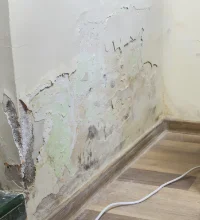
Water penetration causes tile and stone failure, leading to discolouration, mould, and deterioration. Waterproof epoxy resin, being non-porous, prevents water from seeping into substrates or tile joints, making it ideal for moisture-prone projects and ensuring your work remains intact.
This makes it ideal for wet areas such as:
Bathrooms
Kitchens
Spa zones
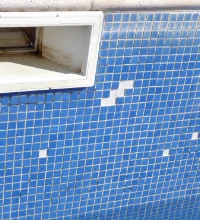
Swimming pools
Balconies exposed to rain
This impermeability protects finishes and underlying structural elements, reducing long-term risks.
2. Chemical resistance
In commercial kitchens, laboratories, hospitals, and industrial facilities, surfaces are frequently exposed to cleaning agents and chemicals. Waterproof epoxy grout solutions resist acids and detergents better than cement-based products. They maintain structural and aesthetic integrity even under aggressive cleaning regimes.
3. High bond strength
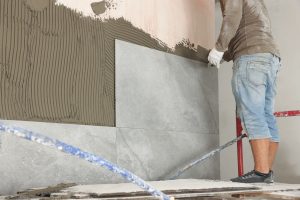
Epoxy solutions are exceptional adhesives for tiles, stone, concrete, and metal. This makes them suitable for high-load flooring and vertical applications.
4. Durability
Waterproof epoxy resin is known for its superior resistance to abrasion, impact, and mechanical stress. It performs well and maintains its integrity even when exposed to harsh chemicals or extreme temperature fluctuations. Because of this durability, it minimises the need for regular repairs or replacements, making it a cost-effective choice.
5. Versatility in applications
A key advantage of waterproof epoxy resin is its versatility. It works across marine repairs and home renovations, effectively bonding to various surfaces under different conditions.
6. Long service life
Unlike cementitious systems that may require resealing or repair, waterproof epoxygrout maintains performance with minimal maintenance. Its non-porous structure prevents staining and dirt absorption, while preserving aesthetics.
For designers, this extended service life reduces maintenance costs and improves client satisfaction.
Primary application areas
1. Bathrooms and kitchens
In residential and hospitality projects, exposure to moisture is constant. Designers are often concerned about whether tile application is waterproof.
These environments experience prolonged exposure to water and thermal variation. Waterproof epoxy resinmaintains integrity under immersion and temperature shifts, reducing efflorescence and joint deterioration.
3. Industrial floors
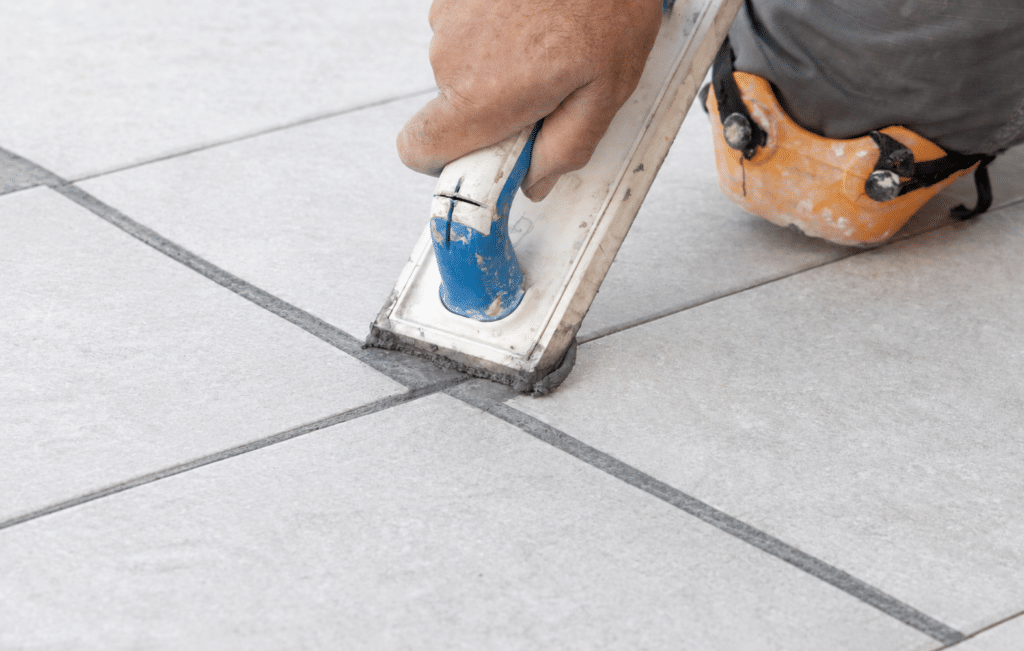
Warehouses, factories, and pharmaceutical facilities require seamless, chemical-resistant surfaces. Epoxy grouts deliver structural durability under heavy traffic and equipment loads. These resins are used to create durable linings, making them ideal for industrial flooring.
4. Tile repair works
Epoxy grout provides long-term stain resistance and eliminates recurring sealing requirements. It is durable, non-cracking, waterproof, and fade-resistant, resulting in minimal repair and maintenance needs. For repairs, waterproof epoxy grout can be used for concrete, stone, and tiles, and provides strong structural reliability.
Waterproof epoxy grout vs traditional solutions
Comparing material performance is essential before finalising specifications. While cement-based grouts and acrylic sealants have been widely used for decades, waterproof epoxygrout offers distinct advantages in demanding environments. However, each system has its place depending on project conditions, detailing complexity, and site capabilities.
Cement-based grouts
Cementitious grouts remain common in residential and low-stress environments because they are cost-effective and easy to apply. However, their performance limitations must be carefully evaluated.
Features:
Porous structure: Cement grout absorbs water over time, allowing moisture migration into substrates.
Requires sealing: To improve resistance, periodic sealing is necessary, adding to maintenance cycles.
Prone to staining: Dirt, oils, and cleaning chemicals can penetrate the surface.
Cracking risk: Thermal movement and substrate shifts may lead to hairline cracks.
Where do they work best?
Dry interior areas
Budget-sensitive projects
Low-traffic residential applications
Limitations:
In wet zones such as showers, balconies, or pools, cement grout may deteriorate faster, leading to discolouration, mould growth, and eventual failure
Acrylic sealants
Acrylic-based products are often used for flexible joints and gap filling.
Features:
Flexibility: Suitable for minor movement accommodation.
Ease of application: Simple installation process.
Lower durability: Not designed for heavy abrasion or chemical exposure.
Limited chemical resistance: Can degrade under aggressive cleaning regimes.
Where do they work best?
Light-duty interior joints
Low-moisture environments
Temporary or cosmetic sealing
Limitations:
Acrylic solutions are not ideal for areas exposed to constant moisture, heavy traffic, or industrial cleaning agents.
Waterproof epoxy grout
In contrast, waterproof epoxygrout systems are engineered for performance-critical applications
Features:
Non-porous and waterproof: Prevents water ingress and substrate damage.
High chemical resistance: Withstands acids, detergents, and cleaning agents.
Superior bond strength: Ensures strong adhesion to tile, stone, and concrete.
Longer service life: Reduced maintenance and minimal need for resealing.
Where do they excel?
Bathrooms and shower enclosures
Swimming pools and spa zones
Commercial kitchens
Hospitals and laboratories
Industrial floors
For projects prioritising durability, hygiene, and lifecycle cost efficiency, epoxy systems offer measurable long-term benefits.
However, epoxy requires precise mixing, skilled installation, and proper surface preparation. It also has a shorter working time compared to cement grout, which must be factored into site coordination.
Key considerations for specification
To fully leverage the performance of waterproof epoxy grout systems, you must move beyond product selection and carefully evaluate technical conditions on site. Proper specification directly impacts durability, finish quality, and long-term performance
Here’s a look at the most critical factors:
1. Substrate preparation
Epoxy systems rely on mechanical and chemical bonding. Unlike cementitious materials that may tolerate minor imperfections, epoxy demands precision.
Clean surface: Dust, oil, laitance, curing compounds, or previous coatings can significantly reduce adhesion.
Dry condition: Excess moisture in the substrate may interfere with curing or cause bond failure.
Structural integrity: Weak screeds, hollow tiles, or cracked concrete must be repaired before application.
Surface profile: In some cases, light mechanical abrasion improves bonding performance.
For designers, this means ensuring substrate inspection is included in pre-installation checklists and coordination meetings with contractors.
2. Compatibility with tile and stone
All tiles and stones do not react the same way to epoxy systems.
Porous natural stones (such as marble or limestone) may be prone to resin staining if not tested.
Large-format tiles may demand specific adhesive grades to manage weight and surface area.
Mock-ups and compatibility tests are recommended, particularly in high-visibility or premium projects. This prevents aesthetic defects and costly replacements.
3. Joint movement
Epoxy grout is strong but less flexible than silicone sealants. While this makes it ideal for structural stability, it does not replace movement joints.
Designers must ensure:
Expansion joints are detailed at structural breaks.
Perimeter joints are treated with flexible sealants.
Thermal movement in exterior applications is accounted for
Movement joints must be detailed separately to accommodate expansion and contraction.
4. Curing time
Epoxy cures chemically, not air drying and requires controlled environmental conditions. Plan installation sequences accordingly to avoid site delays.
Temperature: Low temperatures slow curing, whereas high temperatures shorten working time.
Humidity: Excess moisture can interfere with adhesion in some applications.
Installation sequencing must account for curing windows before foot traffic or load application. This is especially important in commercial projects with tight deadlines.
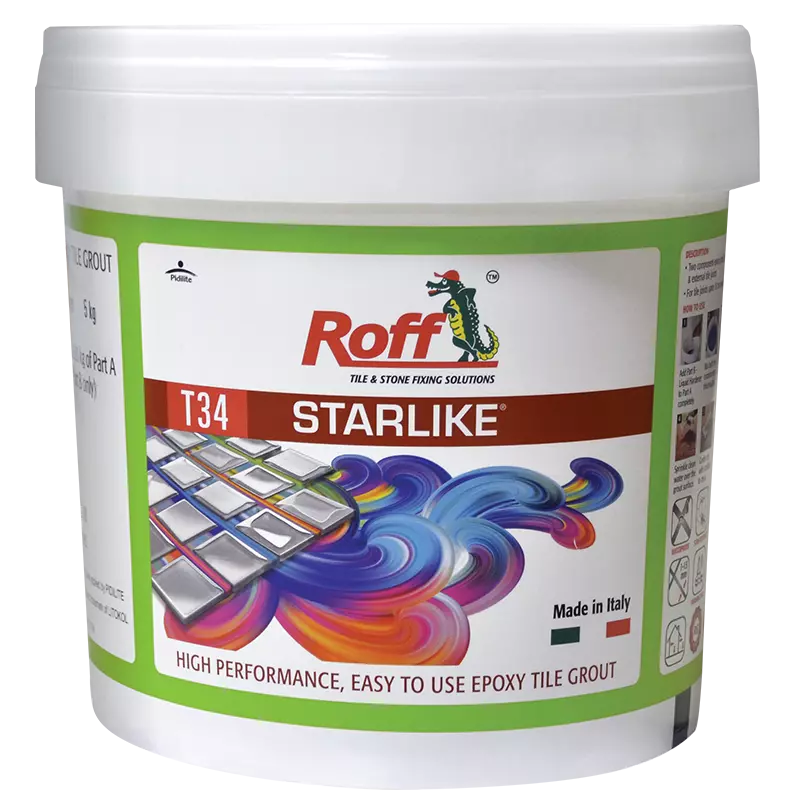
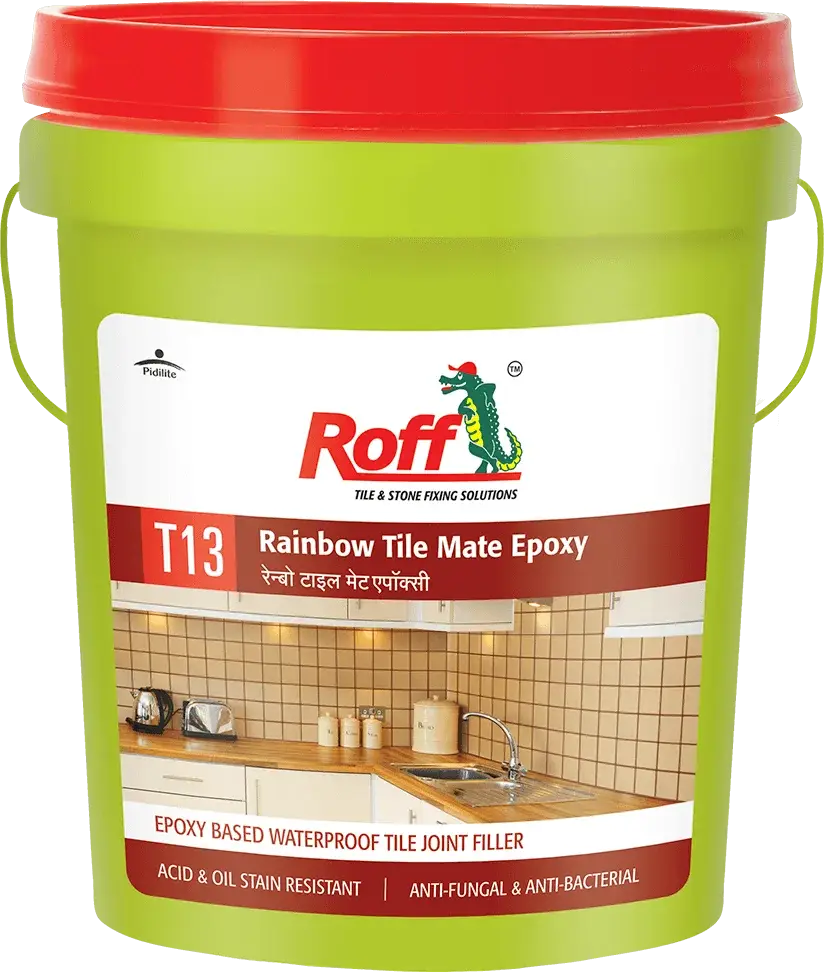
Roff Starlike epoxy grout
One notable example in the market is Roff Starlike epoxy grout, a high-performance epoxy grout solution designed for demanding environments.
Benefits
100% waterproof and stain-resistant
High chemical resistance
Anti-bacterial and mold-resistant
Smooth, easy-to-clean finish
Suitable for both residential and commercial spaces
Highlights
Two-component epoxy formulation
High compressive and flexural strength
Excellent adhesion to ceramic tiles, vitrified tiles, and natural stone
Wide colour range for aesthetic integration
Products like Roff Starlike provide performance reliability while maintaining design flexibility. However, always review technical requirements and conduct mock-ups before final specification.
Maintenance and long-term performance
Products like Roff Starlike provide performance reliability while maintaining design flexibility. However, always review technical requirements and conduct mock-ups before final specification.
This contributes to:
Lower lifecycle costs
Improved hygiene standards
Consistent aesthetic appearance
For institutional and hospitality projects, these factors significantly influence long-term client satisfaction.
Best practices for designers
To ensure success with waterproof epoxygrout systems:
Select products based on environmental exposure and load conditions.
Coordinate closely with installers to ensure correct mixing ratios.
Include movement joints in detailing.
Request technical data sheets and compliance certificates.
Conduct sample installations for high-visibility areas.
The key is informed specification, not brand preference alone.
Key takeaway
Waterproof epoxygrout is a robust and long-lasting solution for demanding applications where moisture resistance, strength, and durability are crucial. By understanding what epoxy is, how waterproof epoxy resin works, and where it performs best, you can reduce failures and deliver higher-quality outcomes.
Before your next wet-zone or high-performance project, evaluate epoxy systems against environmental conditions, substrate compatibility, and lifecycle expectations. Understanding its properties, limitations, and proper use enables smarter specifications and fewer failures.
FAQs
1. What is epoxy and why is it waterproof?
Epoxy is a thermosetting polymer formed by mixing resin and hardener. Once cured, it creates a dense, cross-linked structure that prevents water penetration, making it inherently waterproof.
2. Is epoxy grout waterproof?
Yes. Epoxy grout is non-porous and highly resistant to water absorption, making it suitable for showers, pools, kitchens, and other wet areas.
3. When should I use waterproof epoxygrout instead of cement-based grout?
Use waterproof epoxygroutin areas exposed to moisture, chemicals, heavy loads, or where superior bond strength and durability are required.