Check out the biggest trends of the season and our expert take on them.
Epoxy Grout waterproofing: The complete guide for durable tile installations
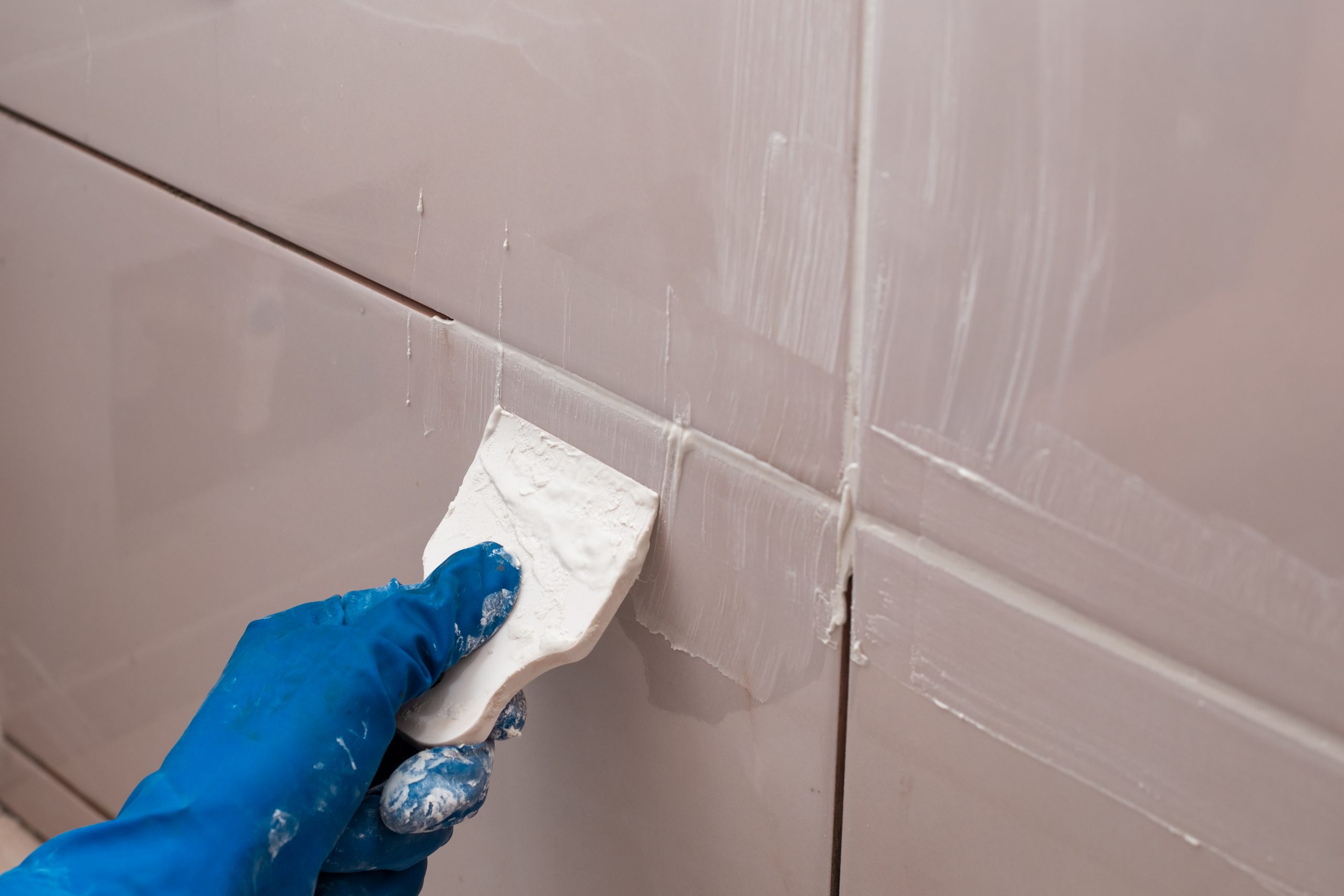
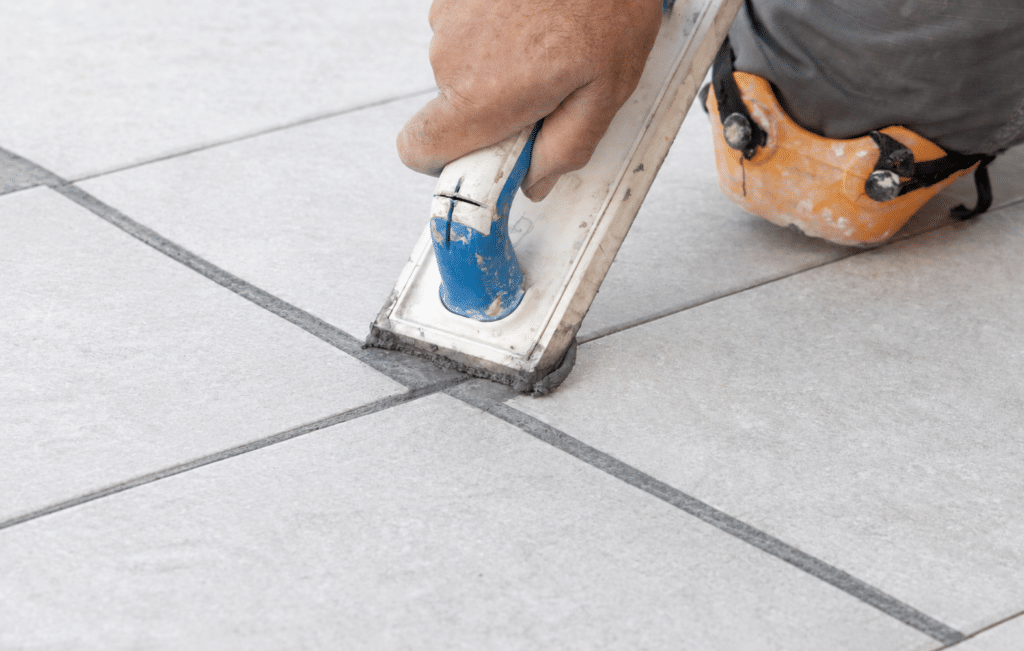
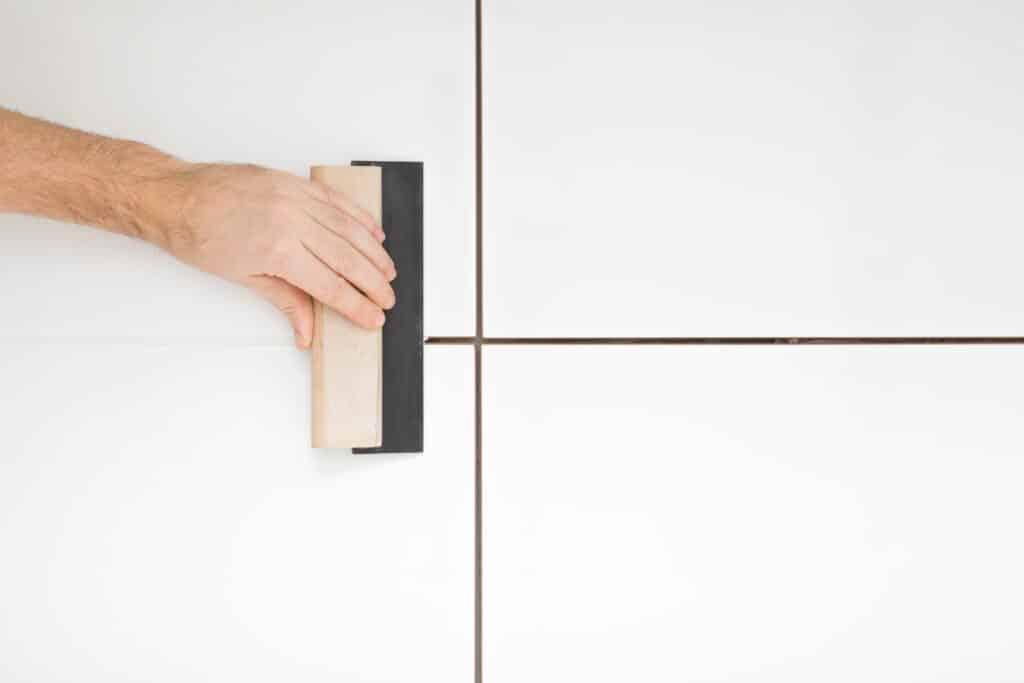
Epoxy Grout waterproofing is a critical process in construction and renovation projects, which is often treated as a finishing detail. In tile installations, the tiles may be water-resistant, but the joints between them remain vulnerable to water. Grout lines, if not treated properly, become the weakest link in the system, allowing water stains and contaminants to penetrate beneath the surface.
Understanding everything about epoxy grout waterproofing is a technical specification that directly impacts durability, hygiene, and performance, especially in moisture-prone areas. Whether you’re an architect or an interior designer, this comprehensive guide can significantly improve the appearance and durability of your upcoming projects. It breaks down how epoxy grout waterproofing works, where it is critical, and how to specify it correctly in modern tile systems.
Why does epoxy grout waterproofing matter in tile systems?
Grout is a filler material designed to lock tiles in place, distribute stress, and seal joints. However, traditional cement grout is inherently porous. It absorbs water, allowing moisture to travel through the tile system and into the substrate. While tiles may be water-resistant, the joints between them can absorb moisture over time.
Without proper waterproof grouting, this can lead to:
Water seepage into substrates
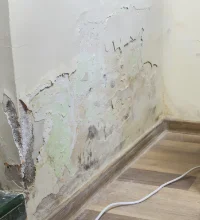
Dampness in adjacent walls
Mould and mildew growth
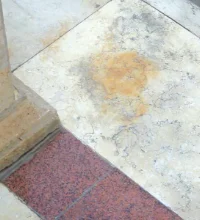
Staining and discolouration
Tile debonding and structural damage
Without proper epoxy grout waterproofing, even premium tiles and adhesives cannot prevent long-term damage. Grout must act not just as a filler but also as a protective barrier.
What are the key application areas and risk zones?
Epoxy grout waterproofing is especially critical in areas exposed to constant or intermittent moisture:
Bathrooms and shower enclosures
Kitchens and backsplashes
Balconies and terraces
Swimming pools and spa zones
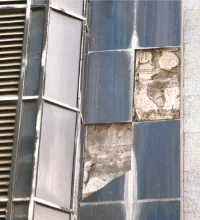
Building façades
Commercial and hospitality interiors
Untreated grout can quickly become a pathway for water ingress in these areas. Specifying tile epoxy or other waterproofing systems helps mitigate these risks.
What happens when epoxy grout waterproofing is ignored?
Grout failure is rarely immediate. It is gradual and often unnoticed until visible damage appears.
Stage 1: Absorption
Moisture enters porousgrout and begins to travel beneath tiles. Moisture doesn’t just impact wet areas, but can also damage every part of your home through adjacent walls.
Stage 2: Contamination
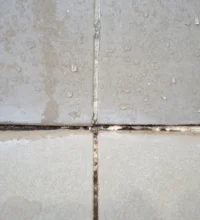
Dirt, oils, and bacteria settle into grout joints, causing discolouration and hygiene issues.
Stage 3: Structural impact
Water weakens the adhesive layer, leading to hollow tiles and eventual debonding.
Stage 4: Visible damage
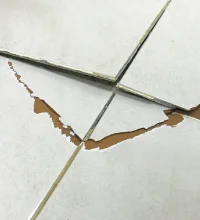
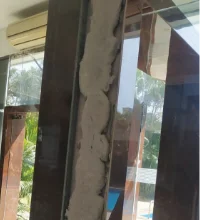
Cracks, stains, mould growth, and tile movement become apparent, often calling for complete replacement.
This progressive damage highlights why waterproof grouting must be addressed at the specification stage, and not as a repair later.
Systems involved in epoxy grout waterproofing
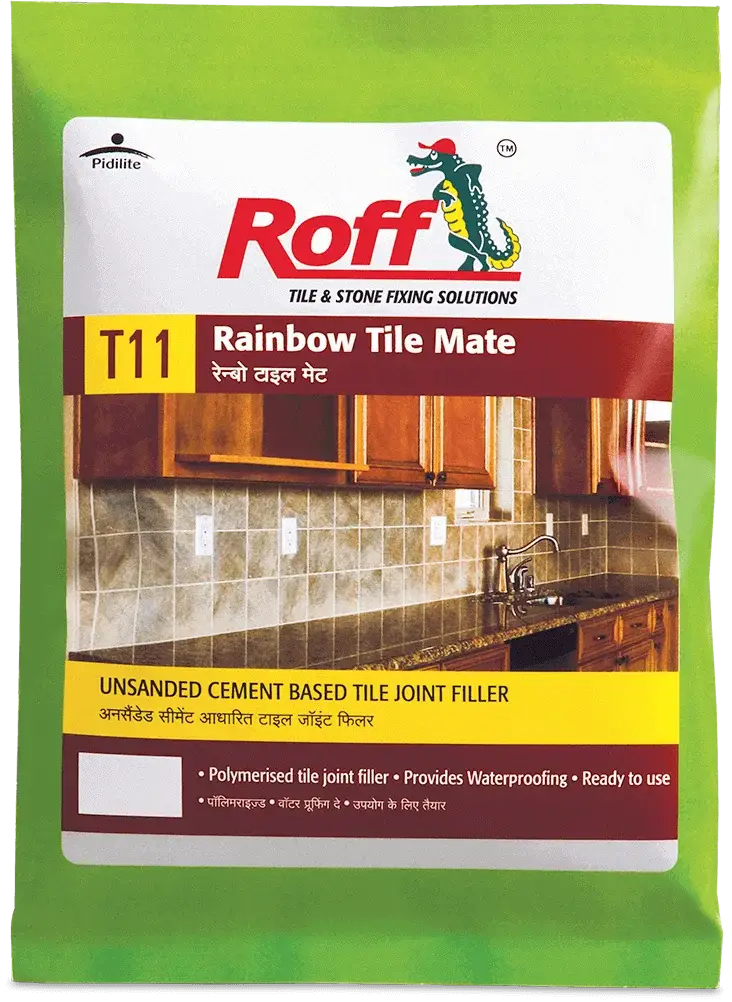
Epoxy grout waterproofing is often misunderstood as a single product solution. In reality, it is a multi-layered system in which each component is responsible for controlling moisture and protecting the tiled surface. It includes:
1. Base waterproofing coating (primary defence)
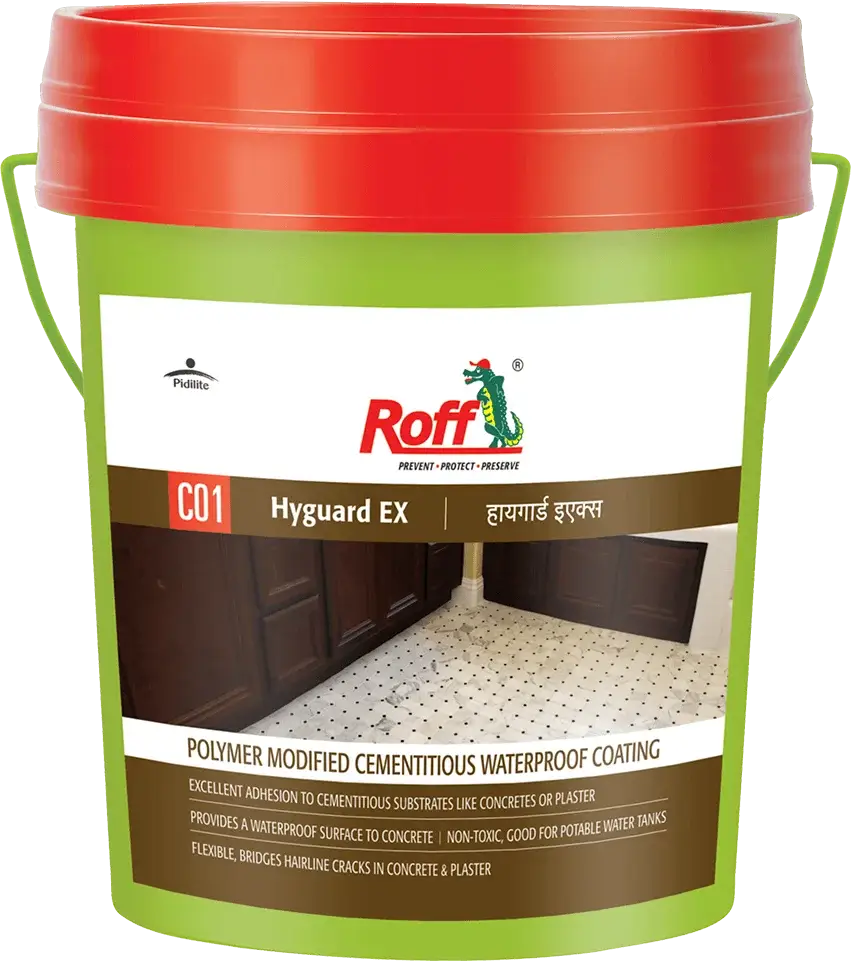
In wet areas such as bathrooms, balconies, and terraces, the first and most important step is applying a waterproofing membrane or coating beneath the tile layer.
Applied over the structural substrate (concrete/screed)
Acts as the main barrier preventing water from reaching the slab
Essential in areas exposed to continuous or standing water
Without this layer, even the best waterproof tile grout cannot stop water from eventually penetrating deeper into the system.
High resistance to chemicals, stains, and moisture
This raises a common question: is epoxy grout waterproof? Yes, epoxy grout is inherently waterproof due to its dense, non-porous structure that prevents water penetration.
Best suited for:
Bathrooms and wet areas
Kitchens and commercial spaces
Pools, spas, and industrial environments
Advantage:
Long-term reliability with minimal maintenance makes it ideal for high-performance projects.
Sealants are used only with cement-based grout systems to improve water resistance. However, they only:
Penetrate grout pores and reduce absorption
Provide temporary protection
Require reapplication over time
They are not needed when using tile epoxy systems, as epoxy is already waterproof.
How does grout waterproofing work?
The effectiveness of waterproof grouting lies in controlling porosity and water movement.
Cement-based systems– Sealers penetrate the grout and partially block pores, reducing water absorption.
Epoxy systems– Form a dense, cross-linked structure that prevents water ingress entirely.
This distinction is critical. While sealers offer temporary resistance, waterproofepoxy grout provides intrinsic protection, making it more reliable in demanding environments.
At the same time, well-designed systems allow limited vapour transmission, preventing trapped moisture and ensuring system stability.
Benefits of epoxy grout waterproofing
When specified correctly, waterproof tile grout delivers several advantages:
Reduced water penetration– Prevents moisture from reaching the substrate, protecting structural integrity.
Using the wrong grout type: Cement grout in high-moisture areas without sealing leads to early failure.
Poor surface preparation: Reduces adhesion and performance.
Improper application: Incorrect mixing or curing affects durability.
Avoiding these mistakes ensures that epoxy grout waterproofing performs as intended.
Key takeaway
Epoxy grout waterproofing is a critical component of modern tile systems, not just a finishing step. When specified and executed correctly, it protects against moisture, enhances hygiene, and extends the life of tiled surfaces.
For architects and interior designers, the choice between short-term solutions, such as sealed cement grout, and long-term systems, such as waterproof epoxy grout, can significantly affect project performance.
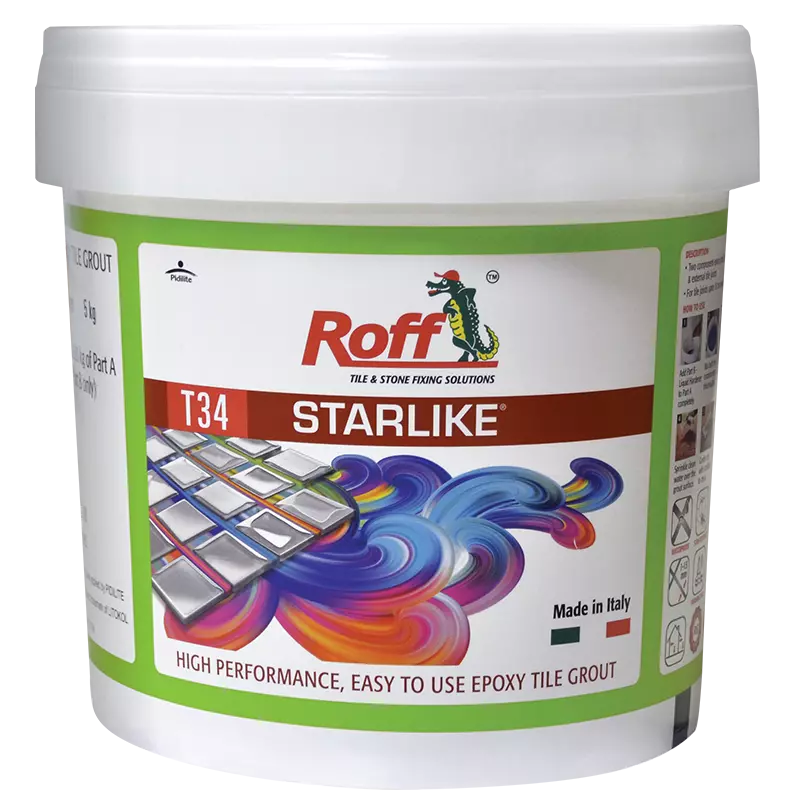
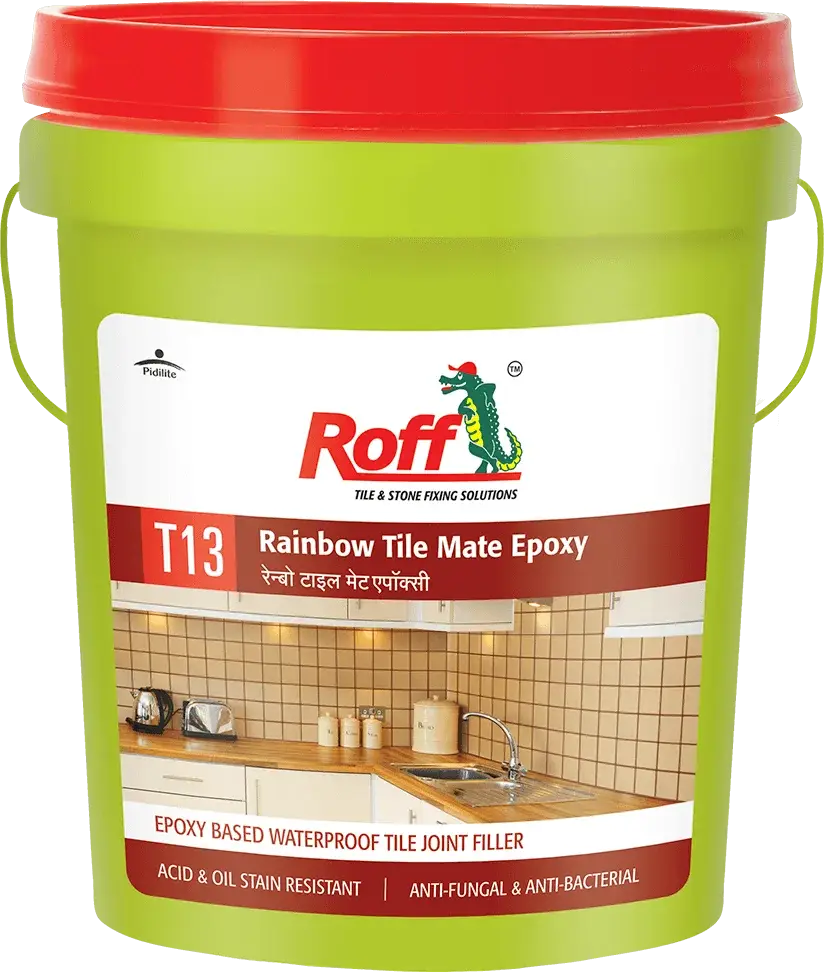
Roff Starlike, an epoxy grout, plays a key role by offering a non-porous, waterproof barrier that enhances hygiene, stain resistance, and overall tile performance.
FAQs
1. Is epoxy grout waterproof?
Yes, waterproof epoxy grout is non-porous and highly water-resistant, making it ideal for wet areas like bathrooms and pools.
2. Can epoxy grout waterproofing replace waterproofing membranes?
No, epoxy grout waterproofing complements but does not replace base waterproofing systems applied beneath tiles.
3. What is the difference between cement grout and tile epoxy?
Cement grout is porous and may require sealing, while tile epoxy provides a non-porous, durable, and low-maintenance solution.