Check out the biggest trends of the season and our expert take on them.
The professional’s guide to selecting the perfect waterproof tile gap filler
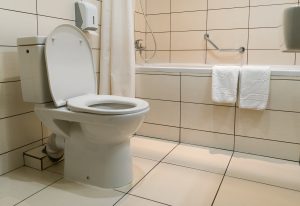
When designing wet areas like bathrooms, kitchens, or balconies, most professionals focus solely on installing comprehensive waterproofing systems to provide moisture resistance. While these solutions are essential for preventing water damage, a key element often overlooked is using a waterproof tile gap filler.
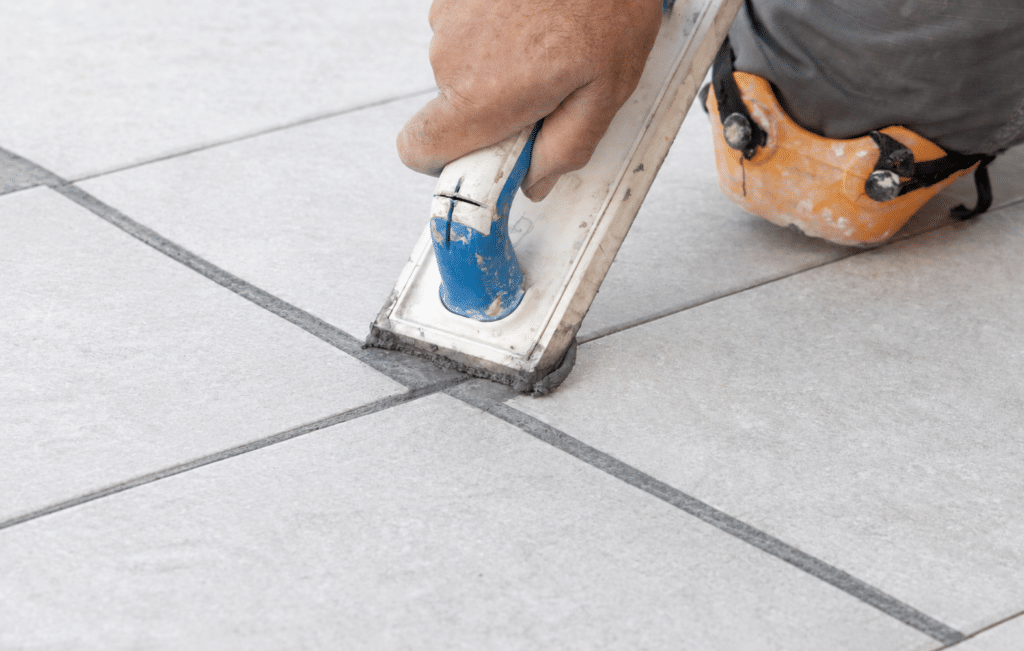
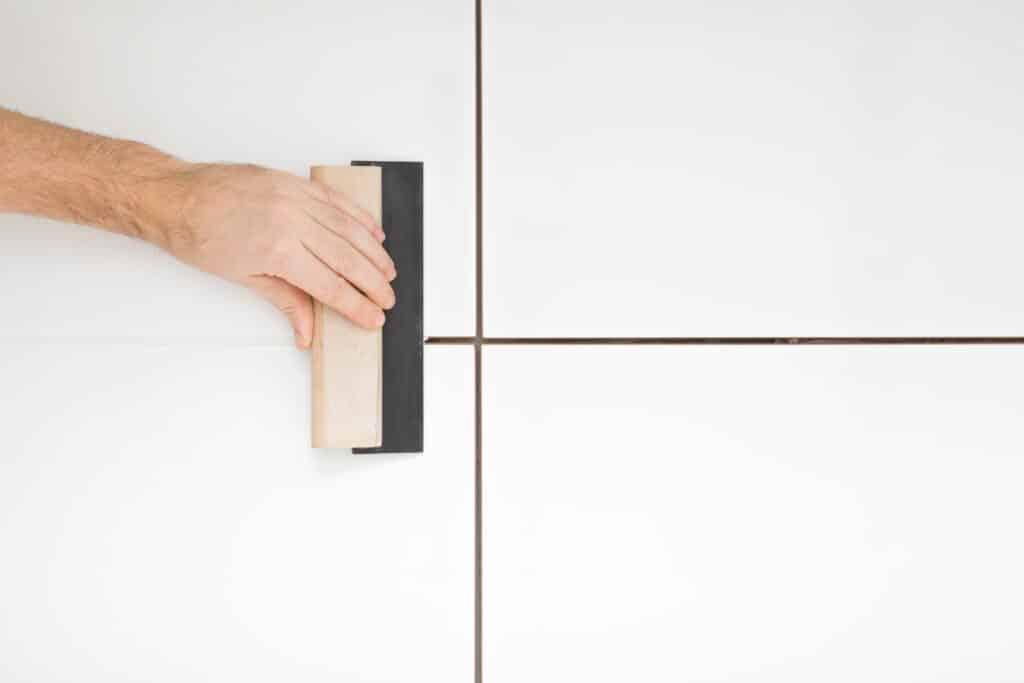
In most areas of the house, a tile gap filler or grout brings together the structural integrity of the installation by closing gaps between individual tiles. But in areas exposed to constant moisture, it also acts as a barrier, preventing water from seeping beneath the tiled surface and causing damage.
If you want to ensure the structural soundness and longevity of your tiling projects, here’s why a waterproof tile gap filler is crucial for wet areas, along with the factors you must consider to ensure consistent performance.
Why is it important to choose a waterproof tile gap filler?
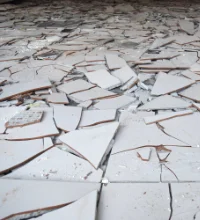
As a professional, you may already be aware of the importance of using a gap filler chemical for tiles: it stabilises the installation, prevents cracks, and improves long-term durability. But, in areas frequently exposed to water, the risks of damage increase exponentially, making a waterproof tile gap filler essential to prevent issues like:
Microbial growth
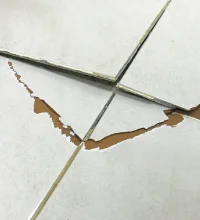
Cracks and shrinkage over time
Mould growth
Lippage and debonding of tiles
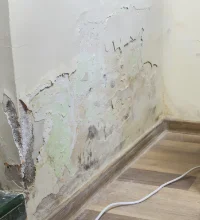
Dampness in adjacent walls that seeps through bathroom walls
Moreover, choosing a high-quality waterproof tile gap filler goes beyond creating long-lasting tiling projects. When you choose the right grouting material, it reinforces your credibility as a professional who delivers lasting results.
5 Factors to consider when choosing a waterproof tile gap filler
The performance of a waterproof tile gap filler depends on several factors. Here are five major ones that you should consider when choosing a grout that does its job well:
1. Water resistance performance
This is the most fundamental factor to consider when choosing a waterproof gap filler for tiles. Higher water resistance means that moisture stays above the tiled surface, preventing seepage into the substrate. Ultimately, it protects the installation from long-term moisture damage, even in constantly wet areas like bathrooms.
2. Adhesion to tile and substrate
The grouting you use acts as a lock that holds tiles in their place, which is why strong adhesion is so critical. The filler must bond seamlessly with both the tile and the underlying surface, ensuring the installation remains stable and resistant to lifting, cracking, or movement caused by regular use or water exposure.
3. Flexibility and movement tolerance
Tiles expand and contract with temperature and structural shifts. A flexible waterproof tile gap filler accommodates this movement, reducing stress on joints and preventing cracks, shrinkage, or tile debonding over time.
4. Durability and ageing
Long-lasting performance matters. Choose a tile gap filler that resists wear, discolouration, and chemical exposure due to acidic cleaners commonly used in bathrooms, maintaining its protective and aesthetic qualities.
5. Ease of maintenance
A grout that is easy to clean and resistant to stains, mould, and microbial growth saves time and effort. Waterproof formulations simplify upkeep, keeping joints hygienic and visually consistent.
Choose Roff Starlike for durable, worry-free tilin
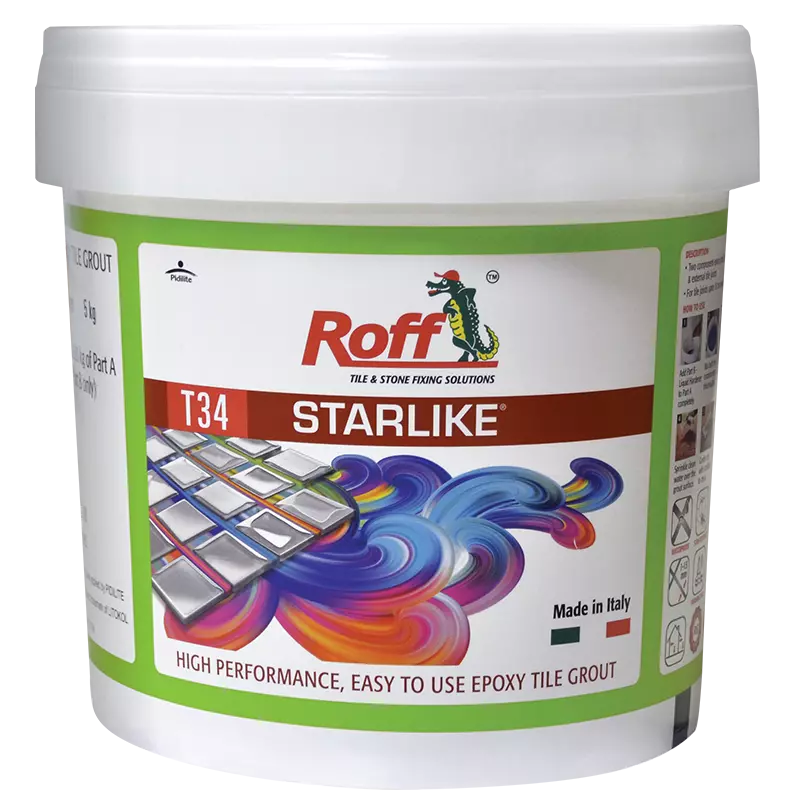
Finding a waterproof tile gap filler that meets all the performance criteria doesn’t have to be difficult. For professionals seeking reliability, Roff Starlike is an advanced formulation that combines strong adhesion, water resistance, acid and chemical resistance, and flexibility, keeping tiles secure even in the most moisture-prone areas. Designed for long-term performance, it supports both the structural integrity of the installation and your professional reputation for delivering lasting results.
Make every project last with confidence. Choose Roff Starlikeas your go-to waterproof tile gap filler and ensure long-term performance, hassle-free maintenance, and flawless results that clients can trust.
Frequently asked questions (FAQs)
1. How does a waterproof tile gap filler differ from regular grout?
Unlike standard cementitious grout, a waterproof tile gap filler resists water penetration, accommodates slight tile movement, and prevents long-term issues like shrinkage, lippage, and microbial growth, making it essential for wet areas.
2. How does flexibility in waterproof tile gap filler prevent tile damage?
Tiles expand and contract with temperature and building movement. A flexible filler absorbs stress, preventing cracks, shrinkage, or debonding, especially in high-moisture zones like showers and balconies.
3. Are epoxy-based waterproof tile gap fillers better than cement-based ones?
Epoxy fillers like Roff Starlike are highly water and chemical-resistant, making them ideal for kitchens, bathrooms, and other wet areas. On the other hand, cement-based fillers are porous and deteriorate more quickly, leading to repeated repairs and higher long-term costs.