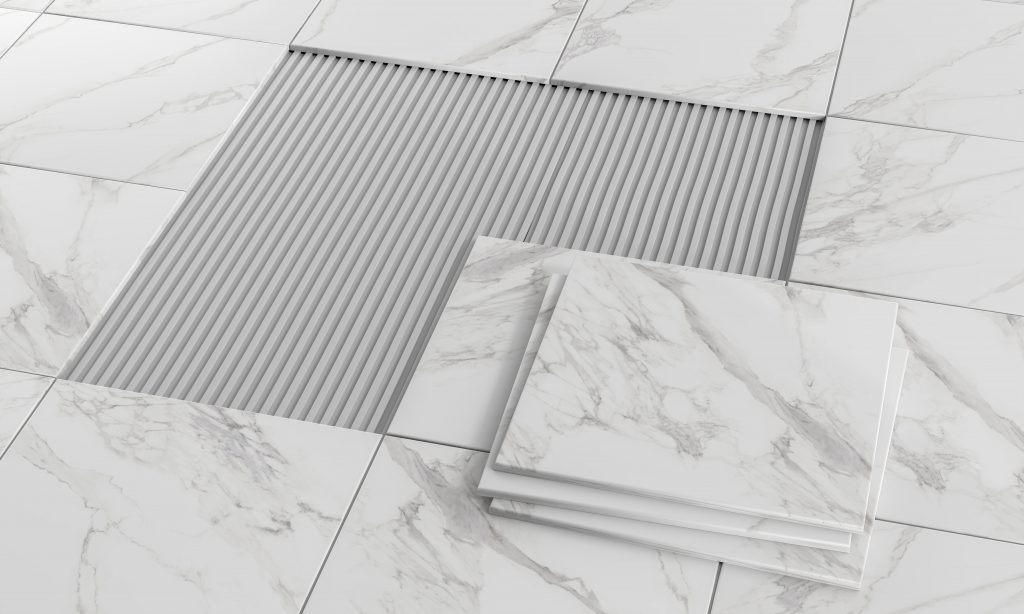
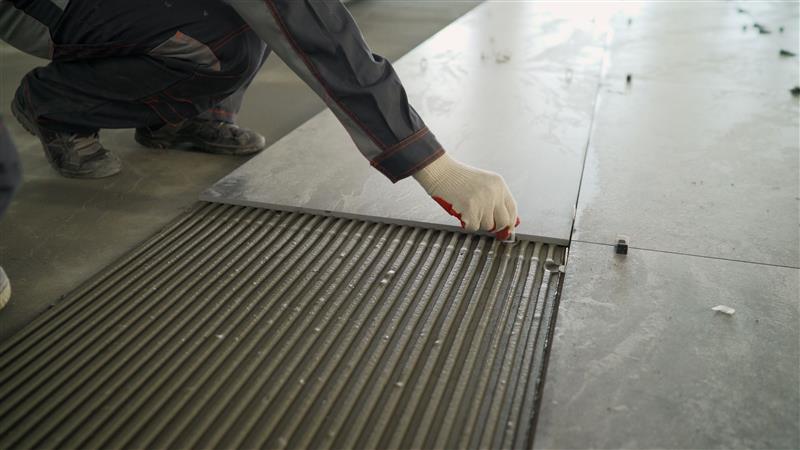
Check out the biggest trends of the season and our expert take on them.
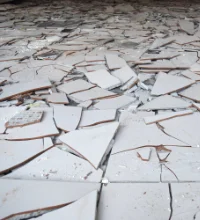
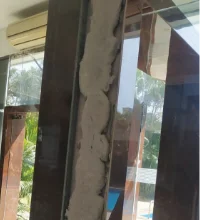
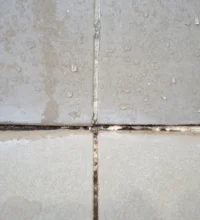
When you’re getting tiling done in your new home or during a renovation, decisions around how to fill the tile gaps are often left to the contractor, and most homeowners don’t think twice about it. Yet, this overlooked step can cause big issues if not planned properly – from cracked tiles and stained joints to difficult maintenance and costly repairs later.
The key lies in two things: ensuring the right spacing and choosing the right tile gap-filling material, such as epoxy grout, that provides strong tile protection. Done right, it keeps your tiles looking seamless and lasting longer.
To help you avoid common mistakes, here’s a quick list of do’s and don’ts for tile gap filling.
1. Leave adequate tile gaps
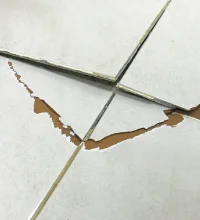
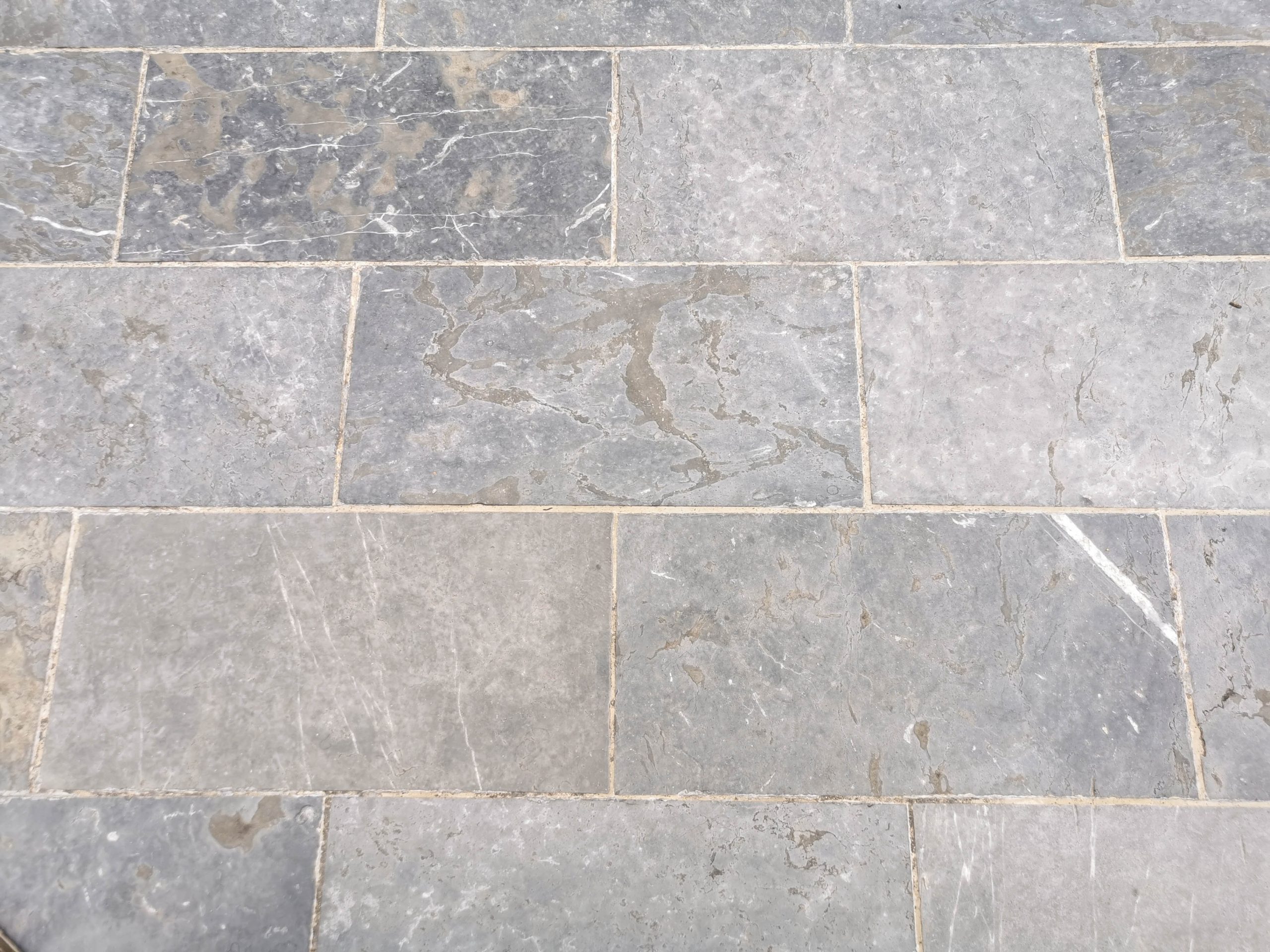
Gaps aren’t flaws, yet many homeowners try to avoid them because of the trend of jointless tiles. For large-format tiles, proper gaps are essential to handle thermal expansion, prevent cracking, and enable easy repairs or replacements later.
2. Choose the right grout for the area
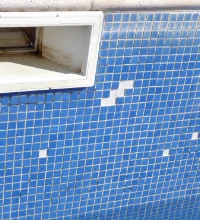
When deciding how to fill tile gaps, consider the specific needs of each space. High-traffic areas demand durability, outdoor surfaces must tolerate temperature shifts, and wet zones like bathrooms or kitchens need grout that prevents water infiltration effectively.
3. Seal your grout lines
Depending on the tile gap-filling material used, sealing can improve stain resistance and reduce maintenance. This is because it discourages the absorption of water as well as dirt accumulation, ensuring protection and ease in cleaning.
4. Ensure tiles can be replaced easily later
Plan your layout and grouting to allow individual tile replacement without disturbing the rest of the surface. This means keeping uniform gaps to simplify future maintenance and make any tile replacement far less complicated. If there are no gaps, damage to one tile can easily spread to the adjacent tiles, making repairs more difficult and costly.
5. Invest in premium products
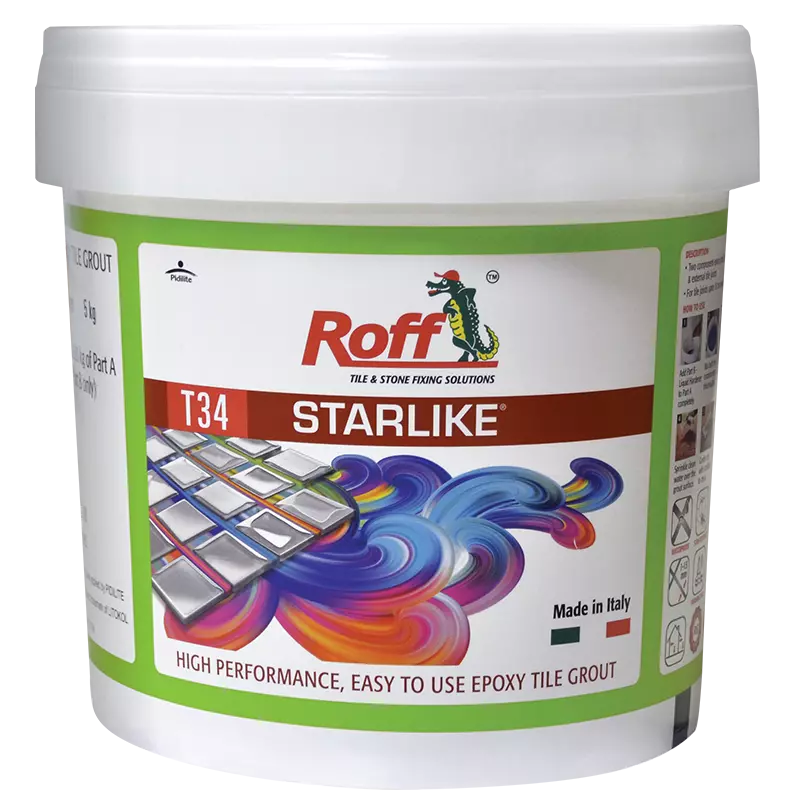
Using high-quality products can make a big difference in the final finish of your home. Roff Starlike, a two-component epoxy grout, delivers superior durability, chemical resistance, and long-lasting colour protection to ensure your tiled surfaces remain beautiful, resilient, and easy to maintain.
1. Ignore your contractor’s expertise
While a smooth, jointless look may seem appealing at first, it’s important to follow your contractor’s recommendations. Skipping gaps can increase the risk of chipping, uneven surfaces, and eventual tile debonding.
2. Compromise on material quality
Choosing local tile gap-filling materials like cement may feel cost-effective initially, but they are porous, wear out faster, and eventually result in frequent repairs.
3. Ignore cleaning during application
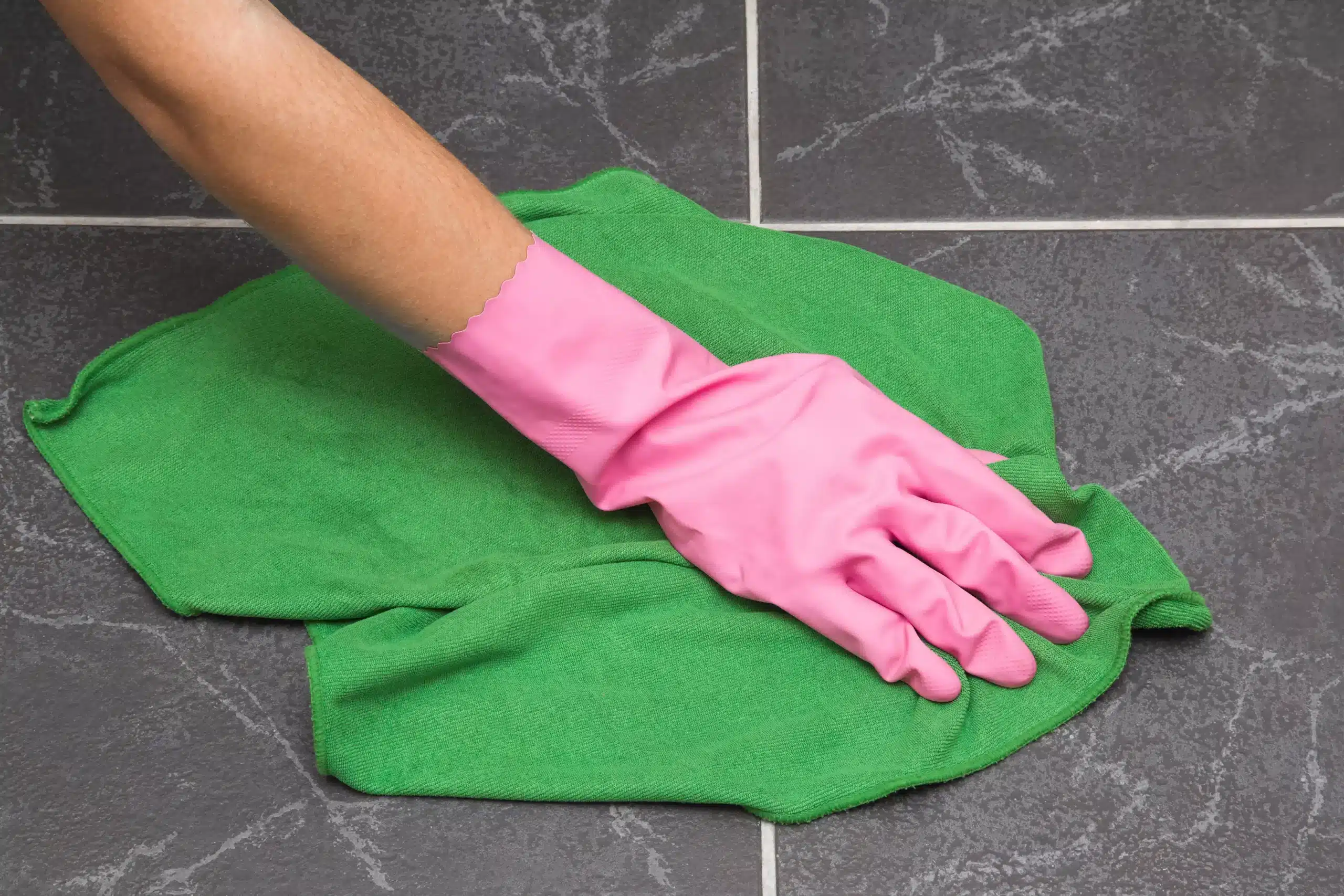
Always ensure your contractor properly cleans the tiles once the application process is complete. Residue left behind during grouting can harden, dulling tile finishes and complicating maintenance.
4. Forget about long-term maintenance
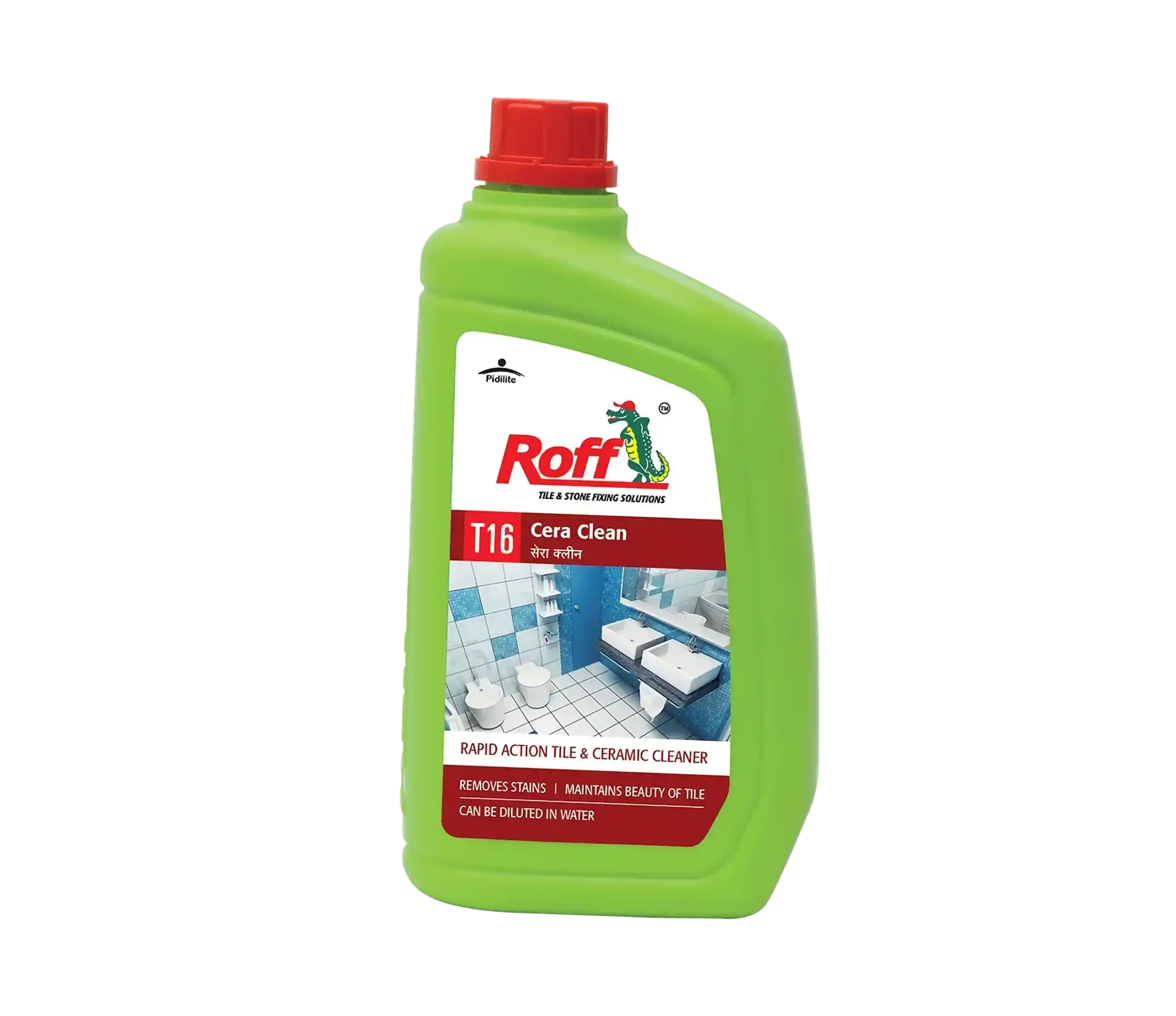
Using high-quality epoxy grout simplifies cleaning and prevents seepage, but long-term care is still crucial. Regularly cleaning with the right tile cleaner helps maintain appearance, remove stains, and prevent dullness over time.
5. Overlook compatibility and safety factors
When filling tile gaps, it’s not just about matching colour or finish – the material’s composition matters too. Using non-toxic, food-grade grouts is essential in kitchens or dining areas to ensure hygiene and safety, while aesthetic compatibility ensures the final surface looks seamless and premium. Roff Starlike, for instance, offers 30+ shades along with a certified food-grade, non-toxic formulation, making it ideal for both beauty and safety.
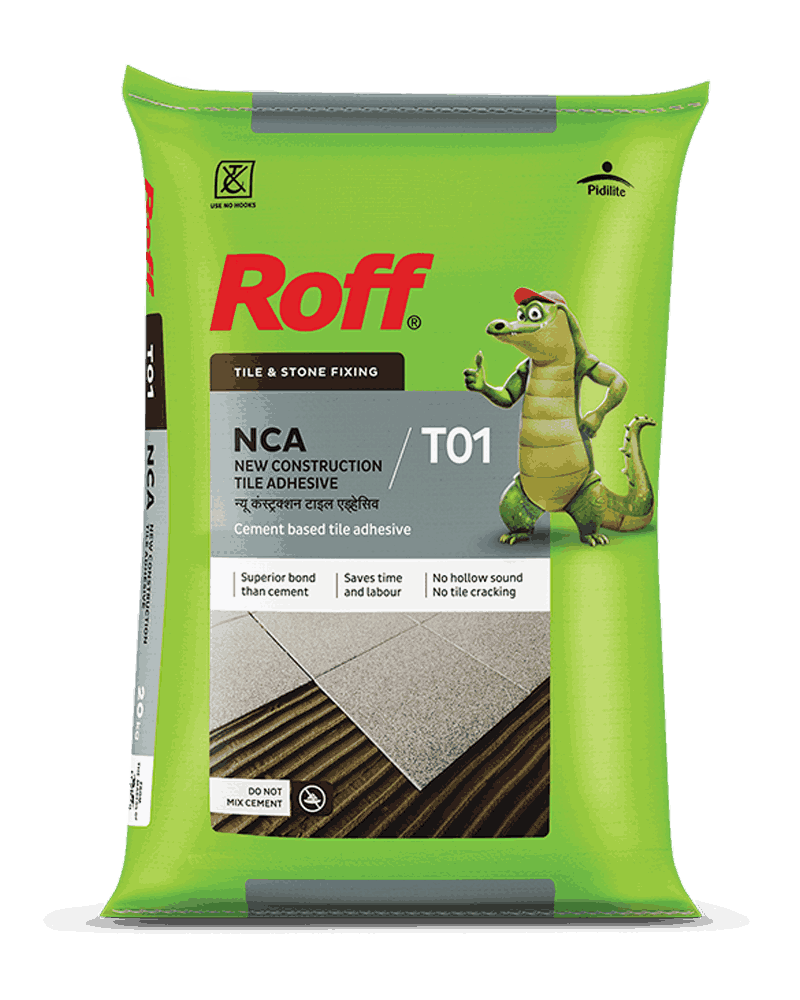
Proper tile gap filling is more than a finishing step – it’s the backbone of a long-lasting, low-maintenance tiled surface. By choosing the right tile gap-filling material and premium products like Roff Starlike, homeowners can avoid costly repairs, prevent water seepage, and extend the life of their floors and walls. Learning how to fill tile gaps correctly today means investing in the beauty, safety, and resilience of your home for years to come.
FAQ #1: How wide should tile gaps be?
Most installations need a gap of 2–5 mm, but the width depends on factors like tile size, layout, and environmental conditions. Always check with your contractor to know how to fill tile gaps correctly for your project.
FAQ #2: Can I use the same grout for indoor and outdoor areas?
Indoor and outdoor spaces face different temperature changes, movements, and levels of wear. However, when you choose a high-quality epoxy grout like Roff Starlike, you can use it for both areas, as well as wet spaces, due to its durability and consistent protection.
FAQ #3: What happens if I don’t fill tile gaps properly?
Not knowing how to fill tile gaps properly can spoil the look of your installation due to uneven joints, visible cracks, stains, and dull finishes that take away from your home’s overall aesthetics.
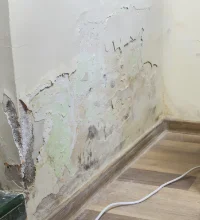
This approach ensures the wall isn’t just ‘ready’ but rather bonded to the wall tile adhesive system.