Check out the biggest trends of the season and our expert take on them.
The Importance of Grouting in Tile Installation: Benefits and Tips from the Experts
Grouting is an essential process that is often overlooked in floor maintenance. It is a crucial part of tile installation in which the spaces between tiles or stones are filled with a specific type of grout. It gives the floor a smooth appearance and protects it from external damage. These days, high-performance tile grouts are available. These tile fillers are better alternatives to traditional construction grouts.
What is tile grouting?
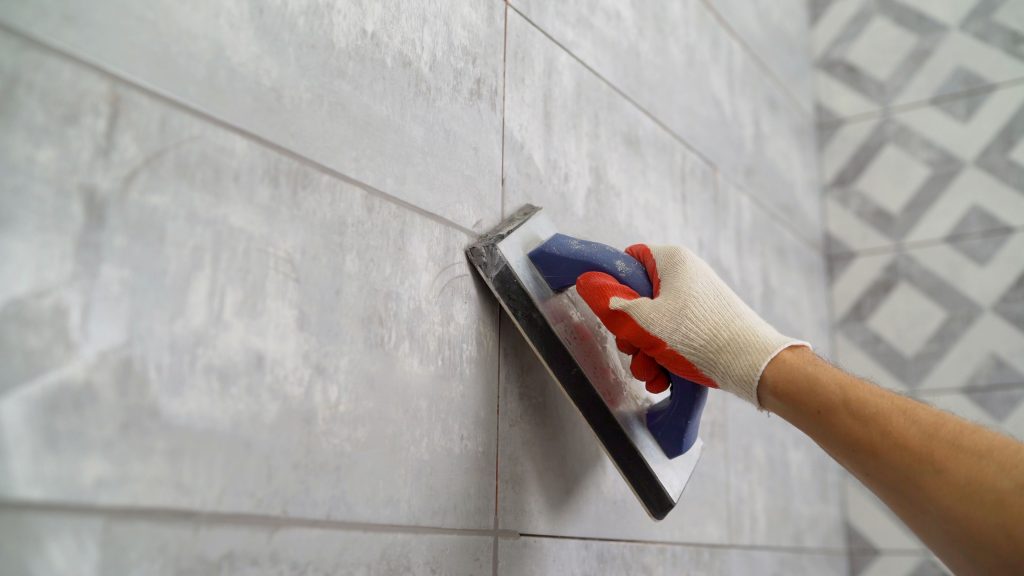
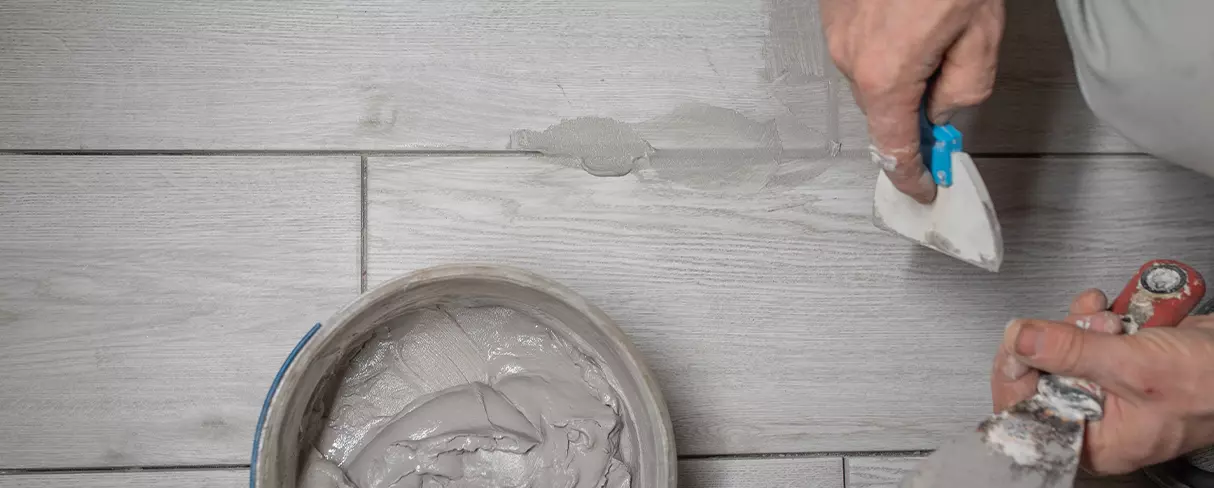
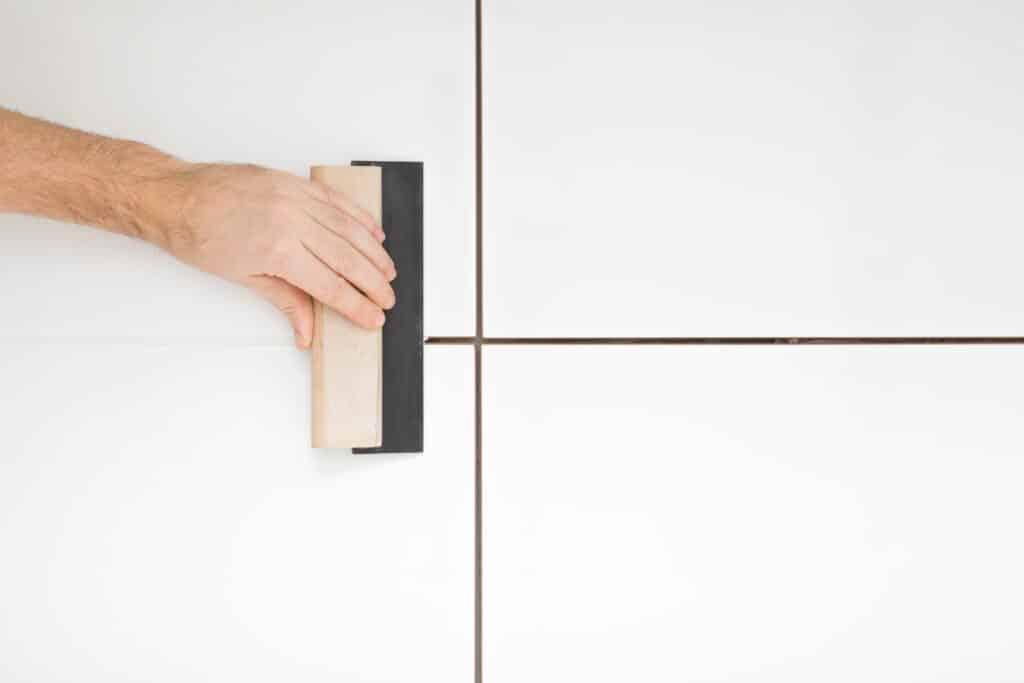
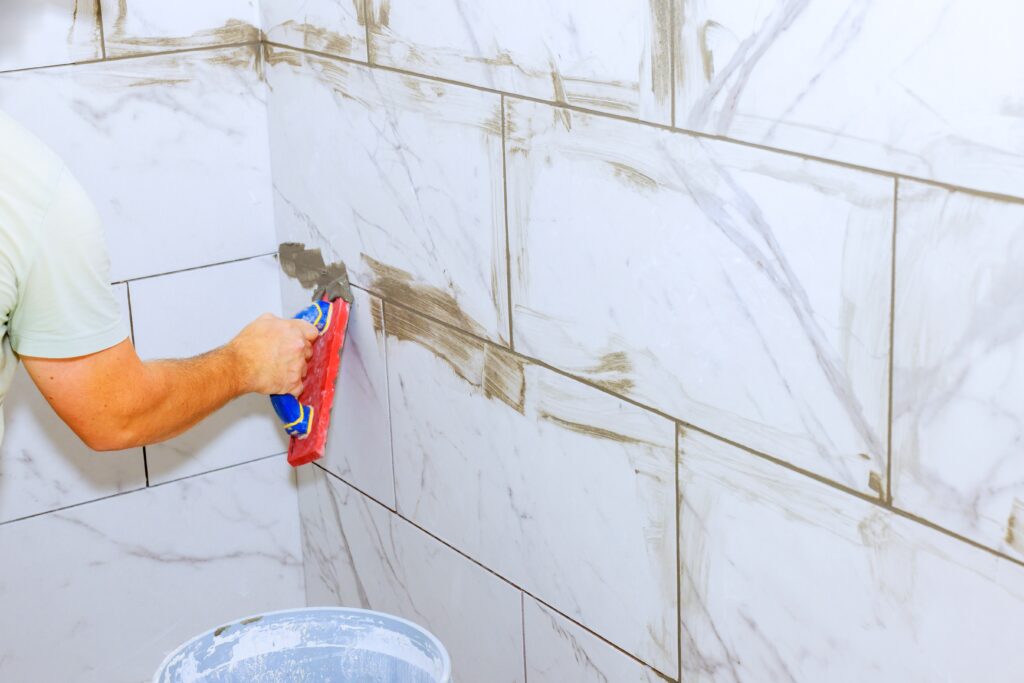
So, what is grouting in tiles? It involves using specially designed grout material to fill the spaces between tiles. The spaces between tiles become operational components after installation is complete. Grout for tiles serves three functions: securing tiles in place, preventing water from penetrating the surface, and creating an aesthetically pleasing final appearance.
The system establishes a protective shield that minimises both dirt accumulation and bacterial development while preventing tile movement throughout the years. Proper grouting establishes permanent, durable surfaces that result in long-lasting tile installations throughout your work on floors, walls, and backsplashes.
Why is grouting important?
Let’s have a look at why grouting is important for a tiled surface and how it adds value to the tiled installation:
1. Prevents water seepage
Grouting a tiled surface helps to prevent moisture from seeping into the gaps between tiles or stones. This is especially important in wet areas of your home, such as bathrooms and kitchens, that are prone to high humidity.
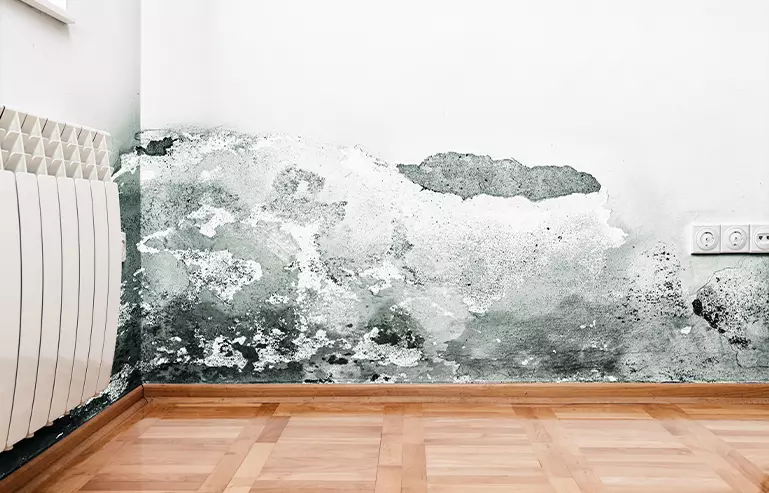
Tile grouting can prevent moisture seepage through the tiniest gaps. If the issue is not resolved, it may lead to the growth of mould and mildew. These mould buildups can cause several health issues, especially if there are kids and elderly people in the house.
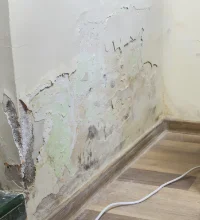
Besides, water ingress through tiles can also cause dampness in the house’s walls. This can lead to fungal growth and paint peeling. So, by sealing these gaps with tile grout, you can protect your floor from water damage and prevent the growth of harmful bacteria and mould.
2. Prevents dirt and stains from entering tile joints
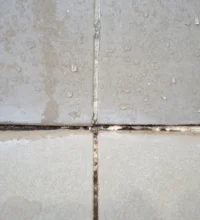
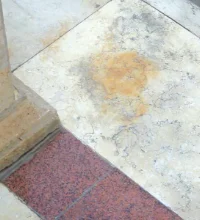
You might have noticed that the gaps between tiles and stones start to yellow over time. If the grout is applied properly on the surface, it protects your floor from staining. Without grout, any spillages or stains can easily seep into the gaps between tiles, making them extremely difficult to remove.
Grout acts as a barrier, preventing stains from penetrating the surface of your floor and making it easier to clean spills. This is particularly important in high-traffic areas of your home, such as hallways and living rooms, where you spend most of your time.
3. Enhances the appearance of tiles
Grouting the surface enhances its appearance, making it look more polished and professional. By filling in the gaps between tiles or stones, you get a clean, aesthetically pleasing look. You will definitely get several compliments on your home’s flooring from your guests. Grout also comes in a range of colours, so you can choose one that complements the colour of your tiles or stones, creating a cohesive, stylish look.
4. Improves tile stability and alignment
Grouting improves the durability and longevity of your tiled surface. By filling in the gaps between tiles or stones, you can help to prevent them from shifting and minimise breakage over time. This is particularly important in high-traffic areas of your home, where constant foot traffic can loosen and shift tiles or stones.
If you are wondering how to grout floor and wall tiles, you can reach out to Roff for professional expert advice. Roff helps select the right grouting material based on project requirements. As a well-established brand in the industry, we provide high-quality building solutions, including tile adhesives, grouts, and surface treatment products.
5. Supports tile expansion & temperature changes
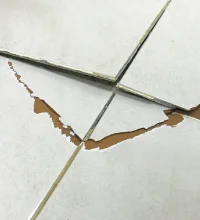
Tiles undergo expansion and contraction due to temperature and humidity variations. The absence of grout between tiles would result in direct tile-to-tile contact, leading to cracking, chipping, and pulling away from the surface.
Tiles use grout as an adaptable buffer system that functions between their surfaces. The system absorbs small tile movements while it protects the surface from stress damage. It protects against cracks while extending tile life and maintaining the surface finish during daily use and environmental changes.
Tips for proper tile grouting
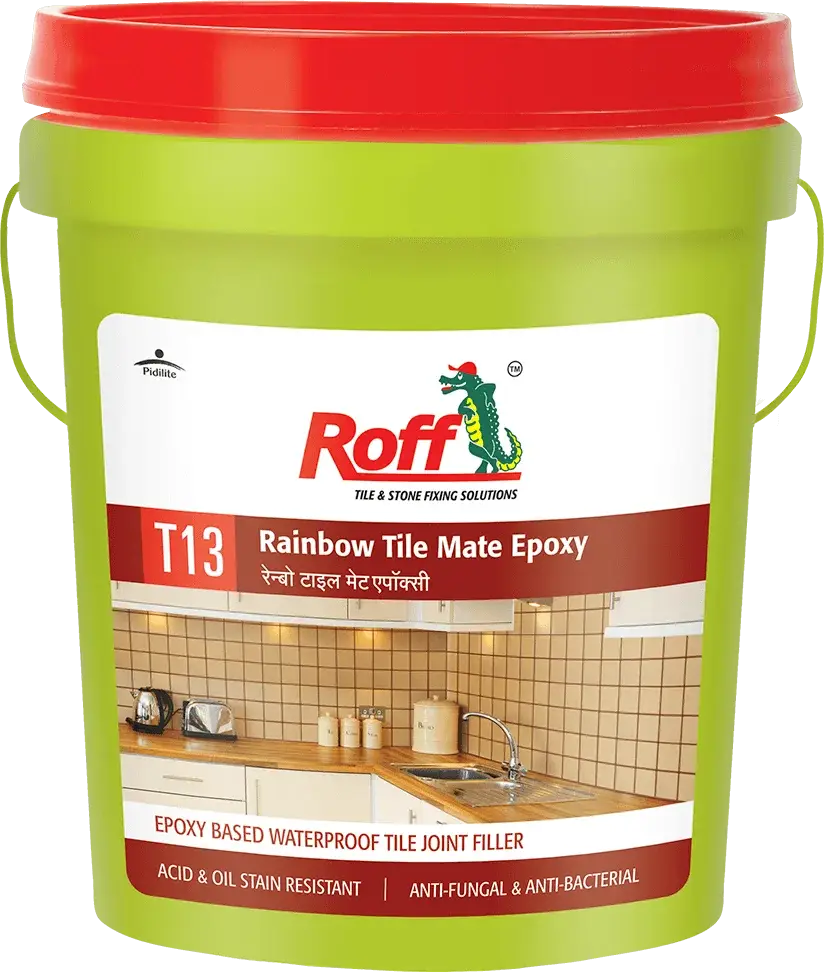
Choose the right grout type: Use cement grout for standard areas and epoxy grout for high-moisture zones like bathrooms and kitchens
Mix to the right consistency: too watery, and it weakens; too thick, and it won’t spread properly. Aim for a smooth, paste-like texture
Apply at the right time: Wait until tiles are firmly set before grouting, usually 24 hours after installation
Work in small sections: Grout for tiles dries fast, so don’t try to cover everything at once
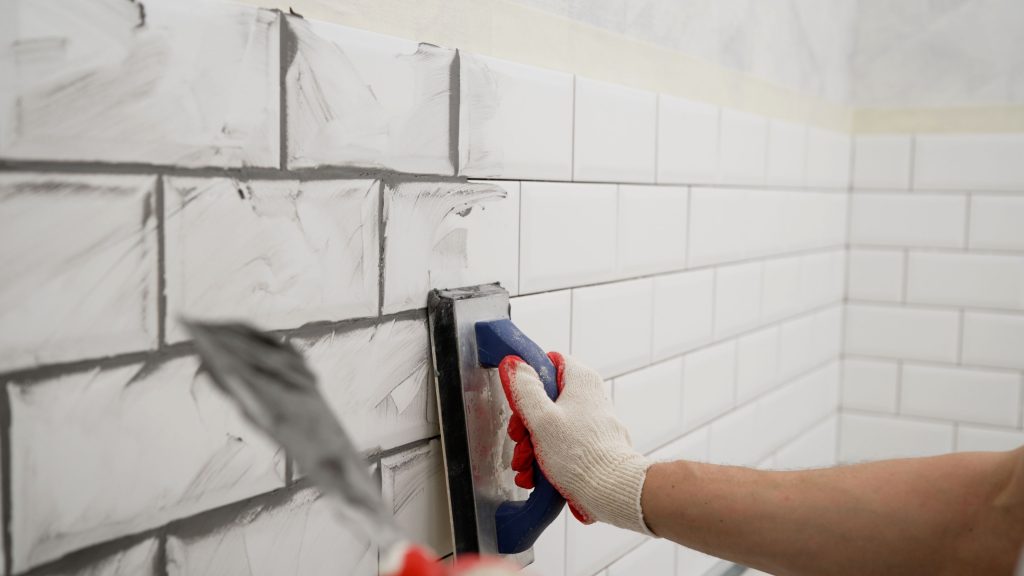
Clean excess immediately: Wipe off extra grout before it hardens to avoid that annoying haze
Seal the grout lines: Especially in wet areas, sealing helps prevent moisture absorption and staining
Use proper tools: A rubber float and sponge make a huge difference in achieving clean, even lines
Let it cure properly: Avoid water exposure and heavy use for at least 24–48 hours after application
Conclusion
Even though how to grout floor tiles appears to be the last step in a process, it is the essential component that supports all work between grouting and tile installation. The material secures tiles in place while creating a barrier against water and uniting all elements of the installation.
The best tiles will break down if you either skip the process or execute it incorrectly. Your finishing work will remain durable when you achieve basic operations through proper grout selection and application methods, and cure your installation work. The entire installation process becomes more valuable through proper grouting work, as it requires no additional effort.
FAQs (Frequently Asked Questions)
Is grouting necessary for tiles?
Grouting serves a vital function in tile work by establishing necessary connections between tiles, securing their position, and preventing water and soil from reaching the base material. The absence of grout between tiles allows them to move and develop cracks, creating major problems for building integrity and maintenance.
What are the advantages of grouting?
Grouting provides strong protection by ensuring proper tile alignment and preventing water from entering the space between tiles. The process creates a complete finish by filling empty spaces with precision. The product prevents dirt buildup while simplifying cleaning, enabling your tiled area to maintain its original condition and aesthetic value for an extended period.
Is grout 100% waterproof?
Most grout materials lack full waterproofing according to their standard properties. The material shows water resistance, though its porous nature allows moisture to penetrate over extended periods. Grout requires sealing because it needs better water protection in locations that experience continuous water contact, such as bathrooms and kitchens.
Do you really need grout between tiles?
The choice to avoid grout installation between tiles creates significant problems for tile work. Temperature variations cause tiles to expand and contract as they move from their original positions. Grout for tiles provides a protective space that prevents tiles from making direct contact with one another. The absence of it creates pathways for cracks, uneven surfaces, and enduring destruction.