Check out the biggest trends of the season and our expert take on them.
Tile gap filling for swimming pools: Why the right grout matters
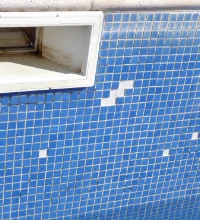
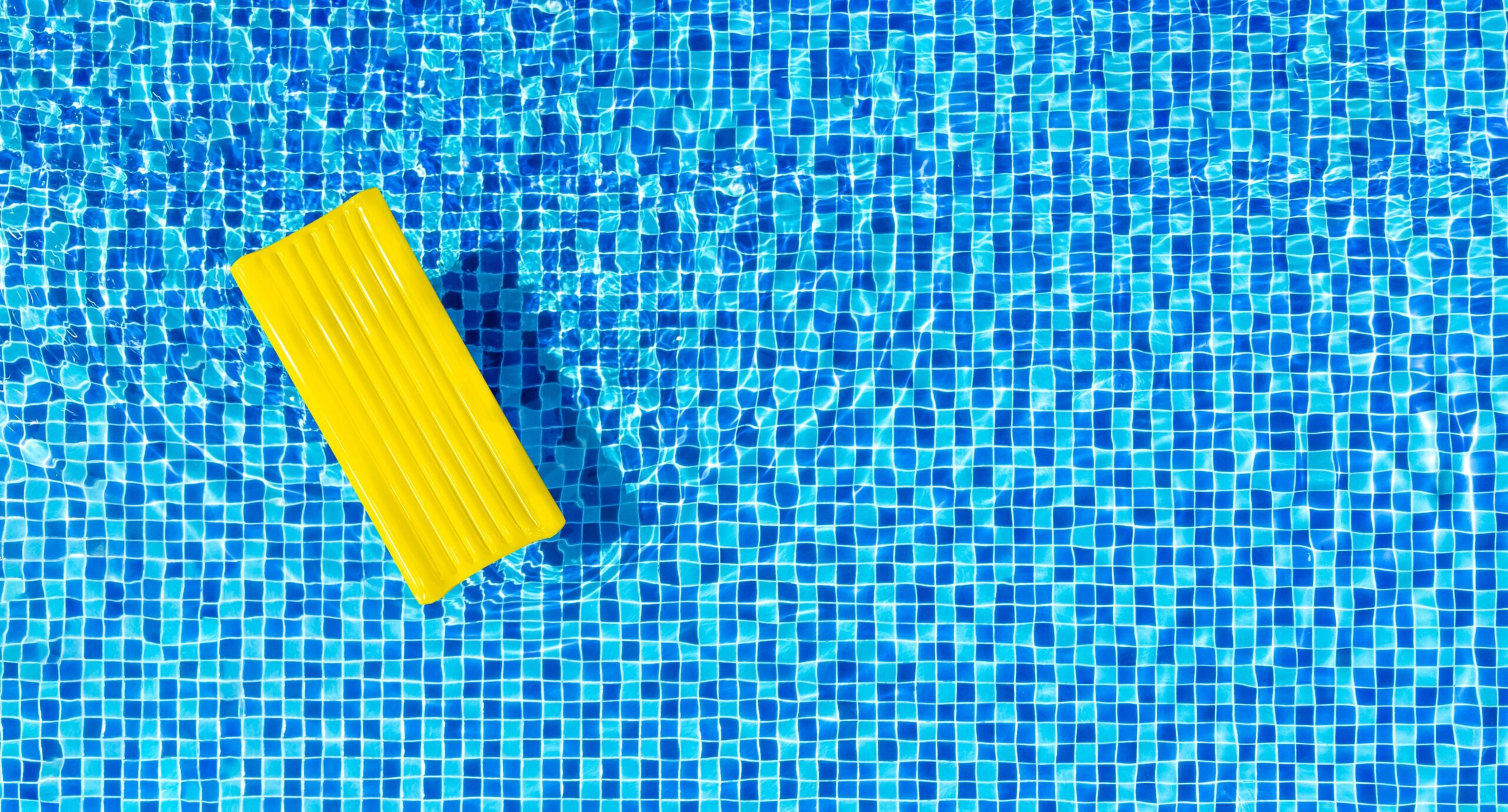
A swimming pool looks stunning when it’s done right with clean lines, gleaming tiles, and water that sits still and clear. But behind that finish is a joint system under constant pressure. Tile gap filling in submerged areas isn’t just a decorative activity. It is load-bearing, water-blocking, and structurally critical. If the wrong filler is used, the damage it can cause is slow, invisible, and expensivein the long run.
What makes submerged areas different from regular tiled surfaces?
Standard tiled floors and walls are occasionally exposed to moisture. A swimming pool never dries out. The tile joints are permanently submerged, exposed to chlorine and cleaning chemicals, and subjected to continuous pressure from the water column above them. Add to that temperature fluctuations, particularly in outdoor pools, and you have a set of conditions that most conventional grouts simply aren’t built to handle.
that most conventional grouts simply aren’t built to handle.
Swimming pool flooring takes the worst of it. Joints at the base of a pool bear the weight of the water, foot traffic from swimmers, and cycles of filling and draining over the years.
What happens when the wrong material is used for tile gap filling?
Cement-based grouts are porous by nature. In normal applications, this isn’t a dealbreaker. In submerged conditions, it is. Over time, cement grout absorbs water, which causes:
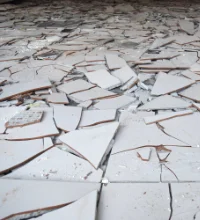
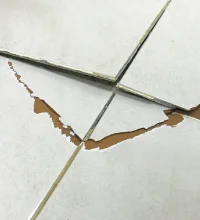
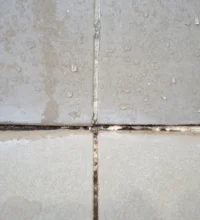
Cracking and crumbling of the joint
Discolouration and staining that no amount of cleaning removes
Microbial growth due to algae and bacteria that find their way into the porous surface
Weakening of the bond between tile and substrate, leading to loosening and eventual tile loss
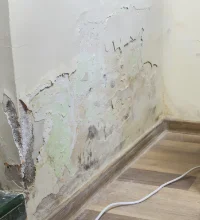
Water seepage through the joint, which can quietly compromise the pool’s structural shell
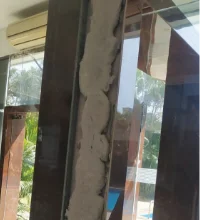
These are classic swimming pool tile issues and problems that look minor at first but become structural headaches quickly. By the time they’re visible, the underlying damage is usually already significant.
Why is epoxy grout the right call for swimming pool tile gap filling?
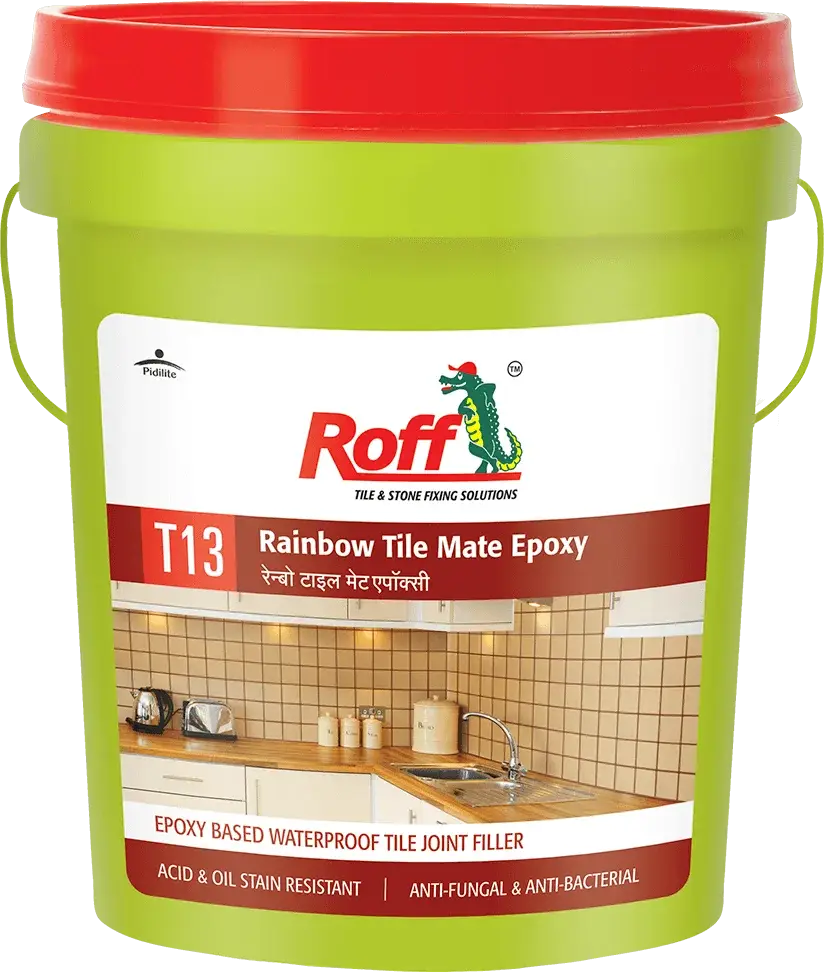
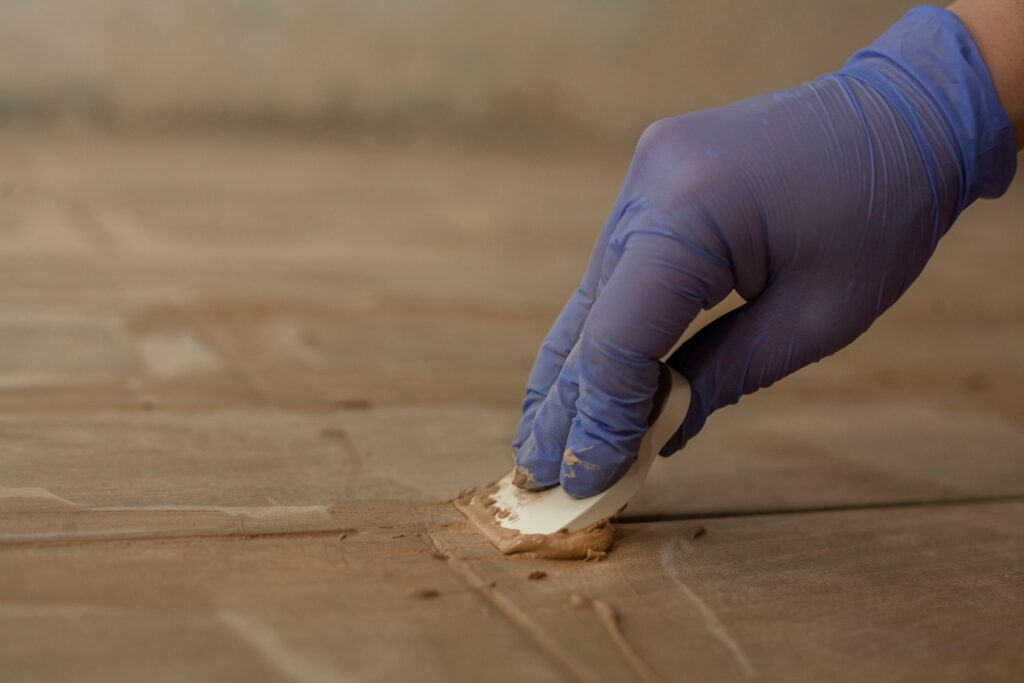
Epoxy grout is fundamentally different from cement grout in how it’s made and how it behaves. It’s dense, non-porous, and chemically resistant, which means water, chlorine, and cleaning agents can’t break it down over time.
As a waterproof tile joint filler, epoxy grout creates a sealed joint that doesn’t absorb water, crack under chemical exposure, or give algae or bacteria anywhere to settle. For swimming pool flooring, this matters enormously, as properly filled joints mean a lower risk of seepage, better hygiene, and fewer interventions over the pool’s lifespan.
How can the right tile gap filler reduce long-term costs?
Swimming pool repair is expensive. Retiling even a section of a pool involves draining, demolition, re-waterproofing, a process that costs multiples of what a proper initialtile gap-filling job would have.
Good epoxy grouting at the outset not only protects the tile but also protects the pool’s shell, reduces cleaning frequency, and considerably extends the gap between major maintenance cycles.
Key takeaway
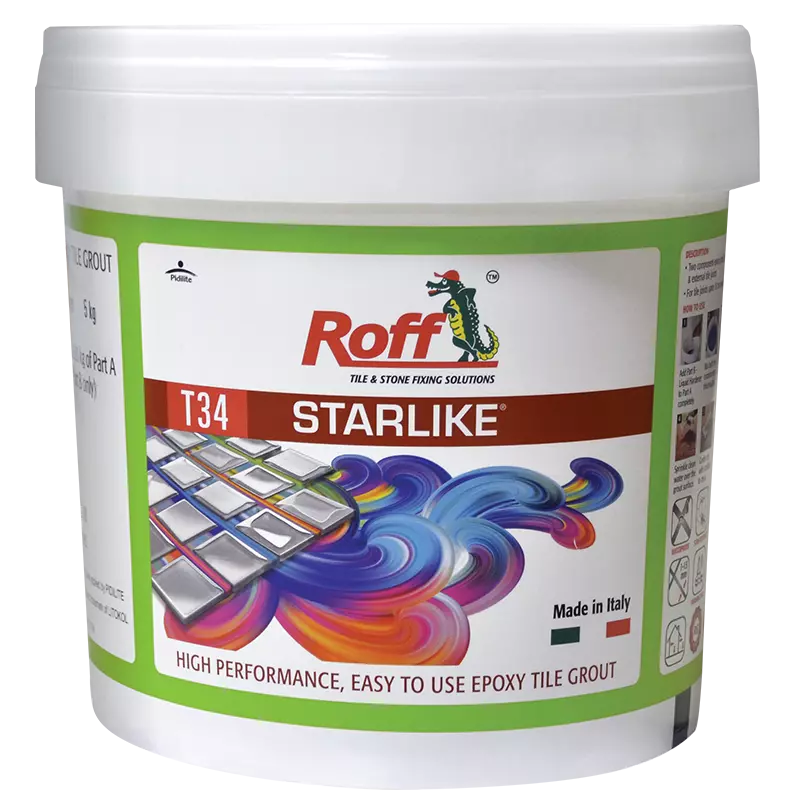
For submerged areas like swimming pools, an epoxy grout like Roff Starlike is the perfect fit.This is especially true for outdoors swimming pools, as cement grout quickly turns yellow due to constant sun exposure. Roff Starlike is a two-component epoxy grout that is UV-resistant, meaning that your grout lines will remain clear for years to come. Moreover, Roff Starlike is also stain- and chemical-resistant, making it ideal for use in swimming pools, jacuzzis, spas, and water tanks.
If you are planning to build or renovate a pool, choose Roff Starlike for a pool that actually holds up in the long term, rather than just looking pretty on day one.
Frequently asked questions (FAQs)
1) Can regular grout be used in a swimming pool?
Cement-based grouts are not recommended for swimming pools. They are porous and absorb water over time, which leads to cracking, staining, and microbial growth under constant submerged conditions. An epoxy-based waterproof tile joint filler is far more suitable for pools.
2) How often does tile gap filling need to be redone in a swimming pool?
With the right epoxy grout applied correctly, tile gap filling in a swimming pool can last many years without needing to be redone. The exact lifespan depends on pool usage, maintenance practices, and the quality of the initial application. A professional assessment is always recommended before undertaking any swimming pool repair.
3) Why does algae grow in pool tile joints, and how can it be prevented?
Cement grouts are porous, providing algae and bacteria with microscopic spaces to settle and grow. Green or black staining along joints after tile gap filling is almost always a sign of microbial growth in degraded grout. Switching to a non-porous epoxy grout during renovation removes the habitat algae depend on and significantly reduces the problem.