Check out the biggest trends of the season and our expert take on them.
Why cement grout struggles in modern tile installations
Tile technology has evolved dramatically over the past decade. Large-format tiles, porcelain slabs, vitrified surfaces, and seamless design schemes are now common across residential, commercial, and hospitality projects. However, cement grout has not evolved at the same pace.
Many specifications still rely on traditional cement grout because it has been used for decades. The challenge is that modern tile systems place very different demands on jointing materials than older installations ever did.
Why do modern tiled surfaces need more from their grout?
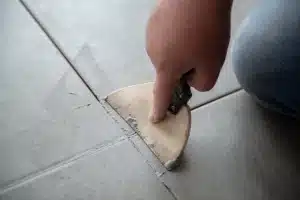
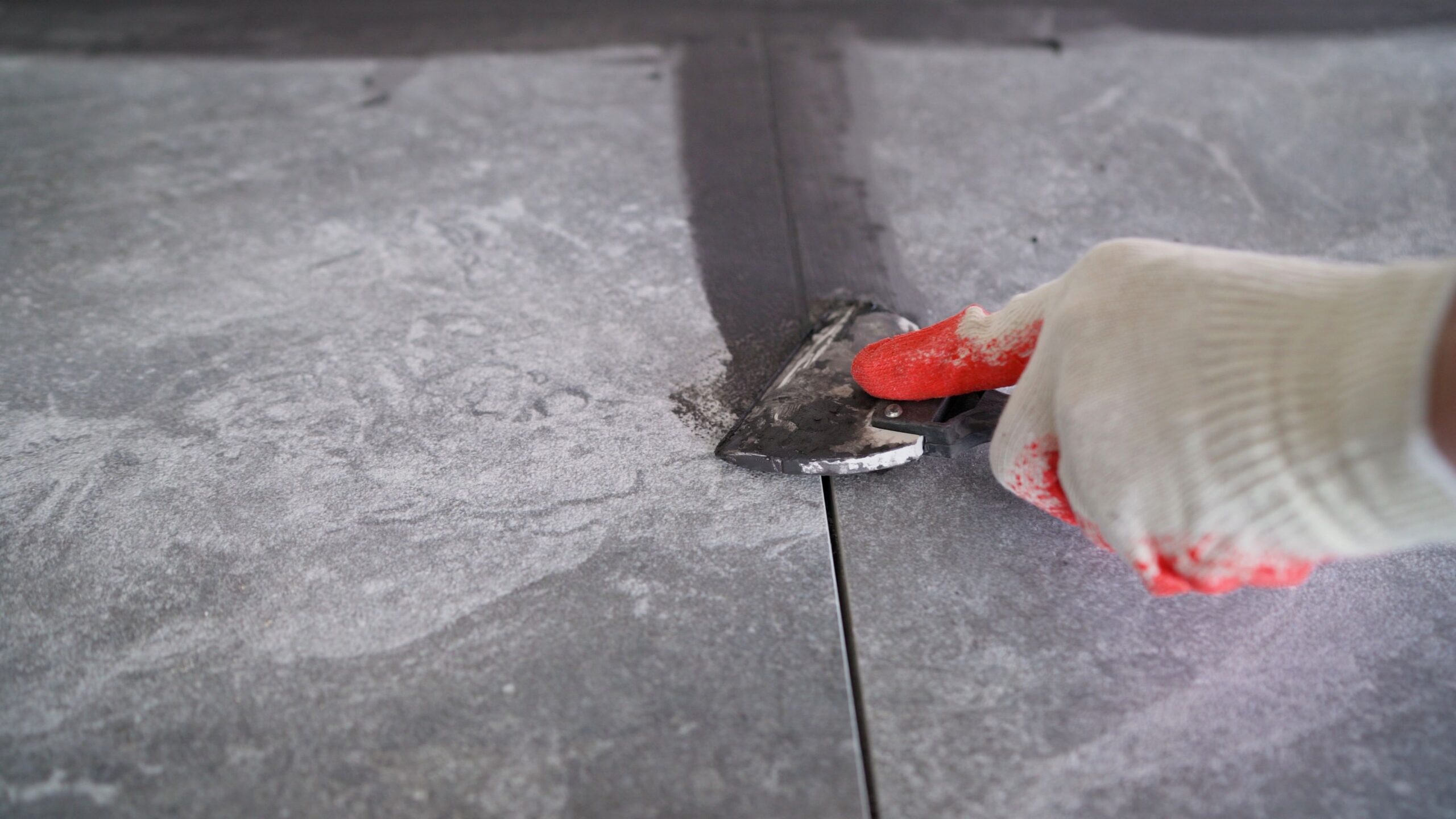
To understand the issue, it helps to revisitwhat grouting is in construction. Grouting fills and protects the joints between tiles while helping create a finished surface. However, today’s tile formats require more than basic joint filling.
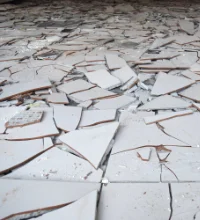
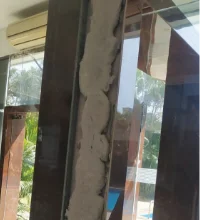
Large tiles and low-porosity surfaces experience movement caused by temperature changes, substrate shifts, and structural loading. Traditional cement grout tends to be rigid and brittle, making it less capable of accommodating these movements over time.
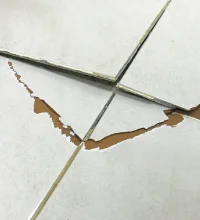
As a result, cracks, debonding, and joint deterioration become more common in demanding installations.
Why is movement a challenge for cement grout?
Every tiled surface experiences some degree of expansion and contraction. Floors, walls, façades, and wet areas all react differently to environmental conditions.
When movement occurs, cement grout often struggles to absorb the resulting stresses. Instead, the material can crack or powder under pressure.
For architects evaluating how to stop floor tiles from cracking, joint performance is an important part of the solution. A weak grout system can transfer stress throughout the tiled assembly, increasing the likelihood of visible damage.
Modern projects require grouts that offer greater flexibility while maintaining strength and durability.
Why does cement’s porosity create long-term maintenance concerns?
Another limitation of cement grout is its relatively high water absorption.
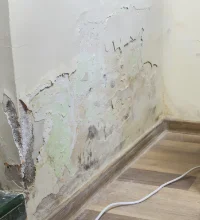
Because cement grout is porous, it can absorb moisture, dirt, oils, and cleaning residues over time. This creates staining concerns in residential spaces and hygiene challenges in commercial environments.
Frequent cleaning may remove surface dirt, but contaminants can remain trapped within the grout structure. This often leads to discolouration that is difficult to reverse.
For projects where appearance and cleanliness are priorities, traditional cement grout can become a long-term maintenance challenge.
How do high-traffic spaces expose the weaknesses of cement grout?
Modern buildings are subjected to heavier use than ever before. Shopping centres, hotels, hospitals, offices, and transport hubs all experience constant foot traffic and intensive cleaning cycles.
Under these conditions, cement grout can gradually erode, powder, or wear away. Aggressive cleaning agents may accelerate this process even further.
Many designers now specify epoxy tile grout because it offers superior resistance to abrasion, chemicals, and moisture exposure. This shift reflects changing performance expectations across contemporary grouting work and its applications.
The future of tile jointing starts with better specifications
Modern tile systems demand more than traditional cement grout can consistently deliver. From movement resistance and hygiene to durability and visual consistency, today’s projects require higher-performing solutions.
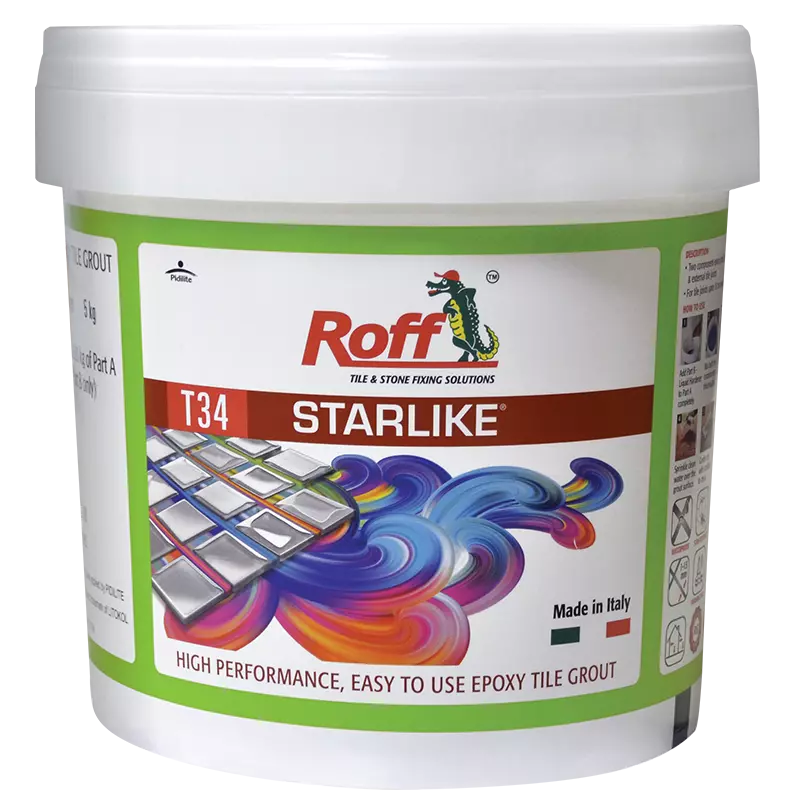
Roff Starlike is a premium epoxy tile grout solution engineered to overcome the limitations of traditional cement grout. Its non-porous composition delivers superior stain resistance, enhanced durability, excellent chemical resistance, and long-lasting colour consistency, making it ideal for modern residential, commercial, and hospitality projects.
Frequently asked questions (FAQs)
1) Is cement grout suitable for large-format tiles?
Large-format tiles often benefit from more flexible grout systems that can better accommodate movement and reduce stress concentrations.
2) Does epoxy tile grout require special maintenance?
No. Most epoxy grouts are easier to maintain because they effectively resist staining, moisture absorption, and chemical exposure.
3) How does what is grouting in construction relate to tile performance?
Grouting helps protect tile joints, distribute stresses, and improve durability, making it an essential part of the installation system.
4) Can the choice of grout influence the frequency of tile cracks?
Yes. Selecting a grout with appropriate flexibility and strength helps manage movement and reduces stress on tiled surfaces.
5) Why is high-quality grouting work important in commercial projects?
Proper grouting improves durability, protects tile edges, supports hygiene standards, and helps maintain appearance under heavy use.