Check out the biggest trends of the season and our expert take on them.
4 tile gap filling mistakes that can ruin large-format tile installations
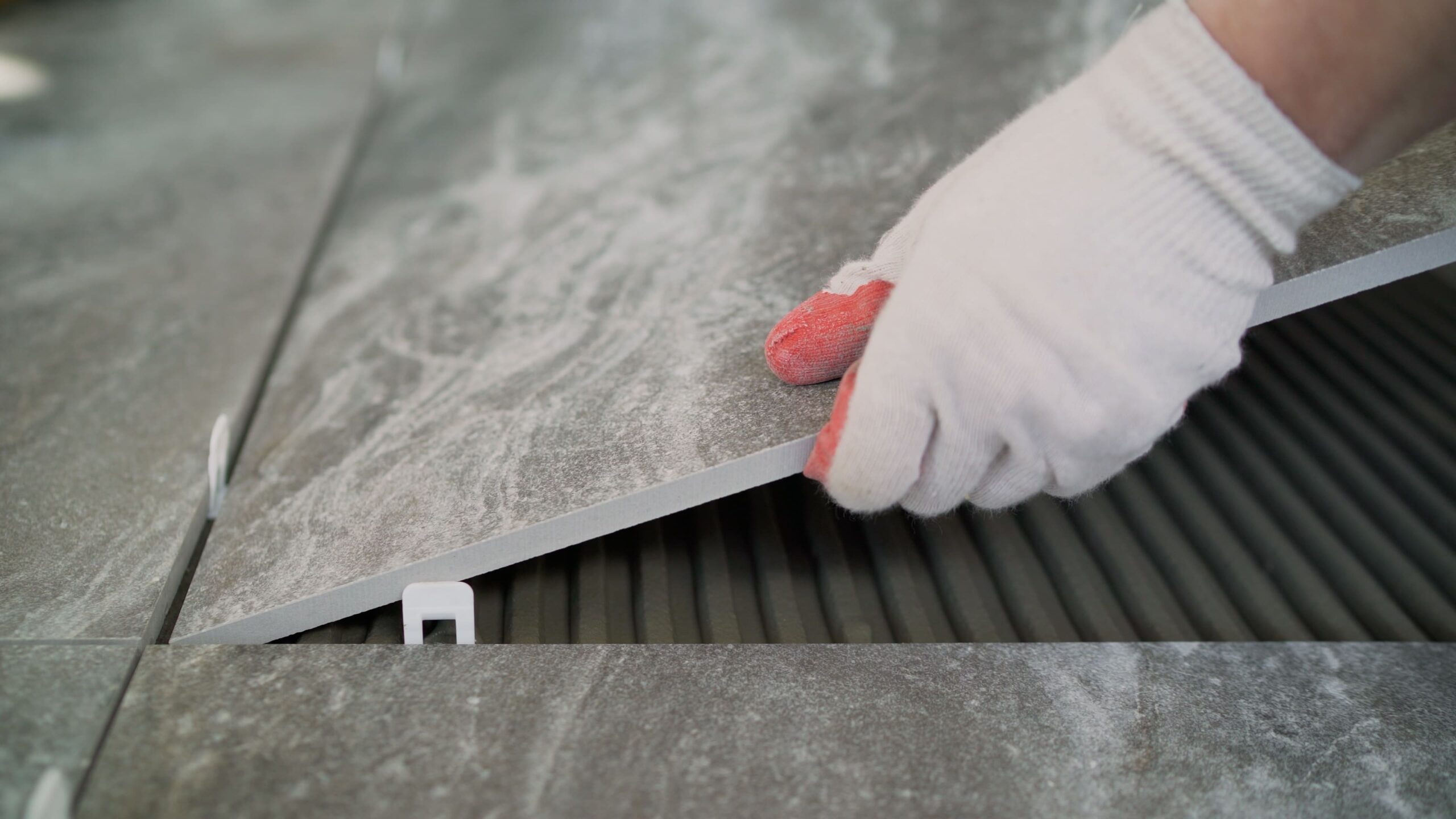
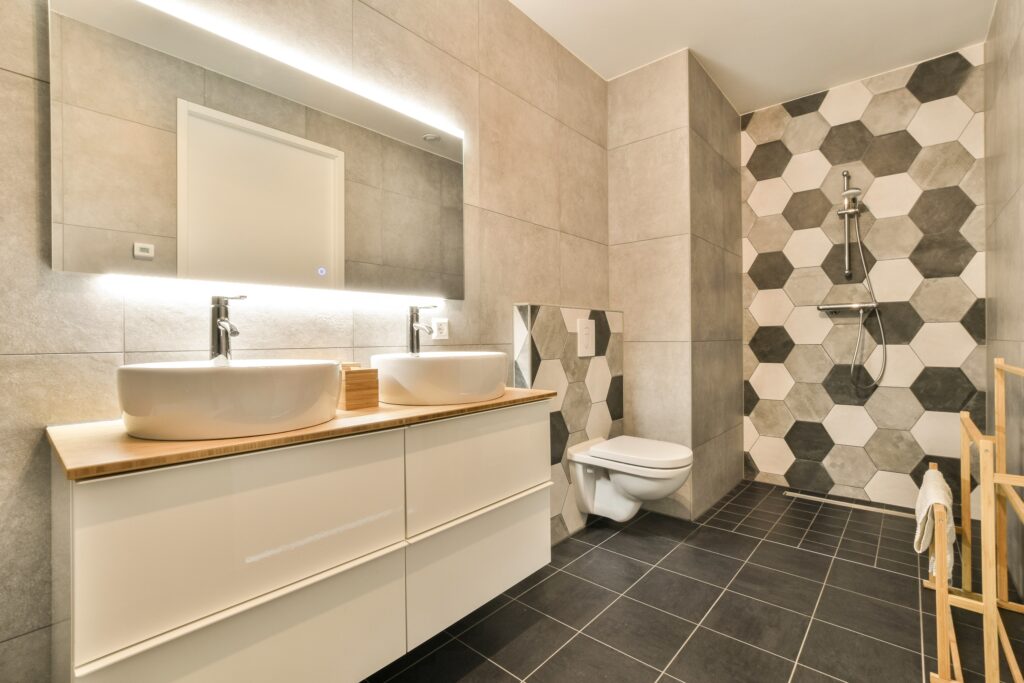
Large-format tiles have become the standardfor modern homes, especially in big cities like Mumbai or Bangalore. Large-format tiles create seamless surfaces with fewer visible joints.However, achieving a flawless finish also requires a proper tile gap-filling material that addresses performance, durability, and the appearance of the installation.
Unfortunately, one of the most common mistakes in large-format tile projects is treating tile joints only as aesthetic elements. In reality, these gaps serve a much bigger purpose.
Here are a few mistakes that you should avoid:
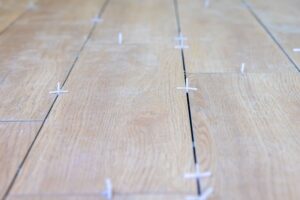
1. Keeping tiles too close together
Many homeowners and installers assume that large-format tiles should be installed with almost no gap to achieve a continuous look.
This is a major mistake.Tile joints are designed to accommodate:
Natural expansion and contraction
Moisture-related movement
Structural shifts within the building
Minor installation tolerances
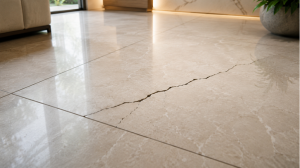
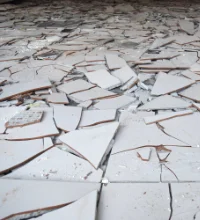
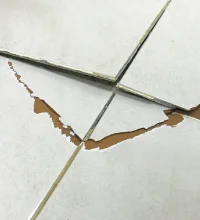
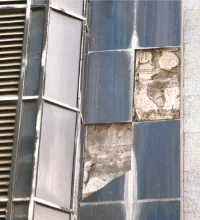
When tiles are installed too tightly, pressure builds up over time. This can result in cracked tiles, edge chipping, tenting, or tiles lifting from the substrate.
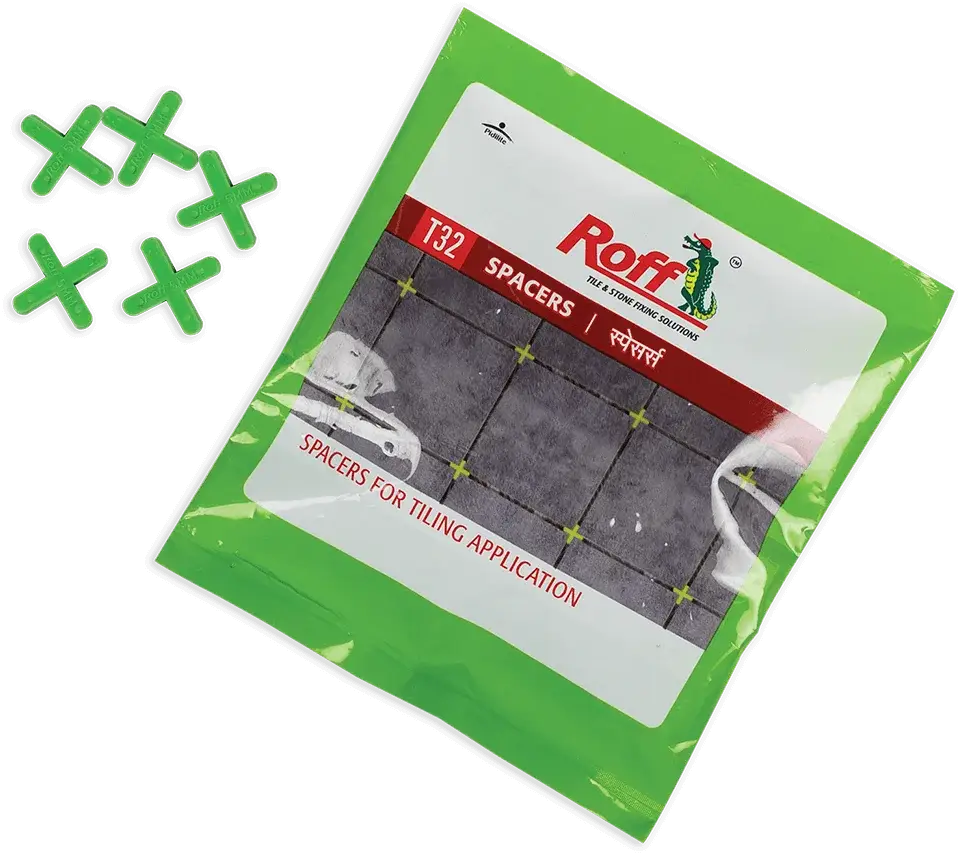
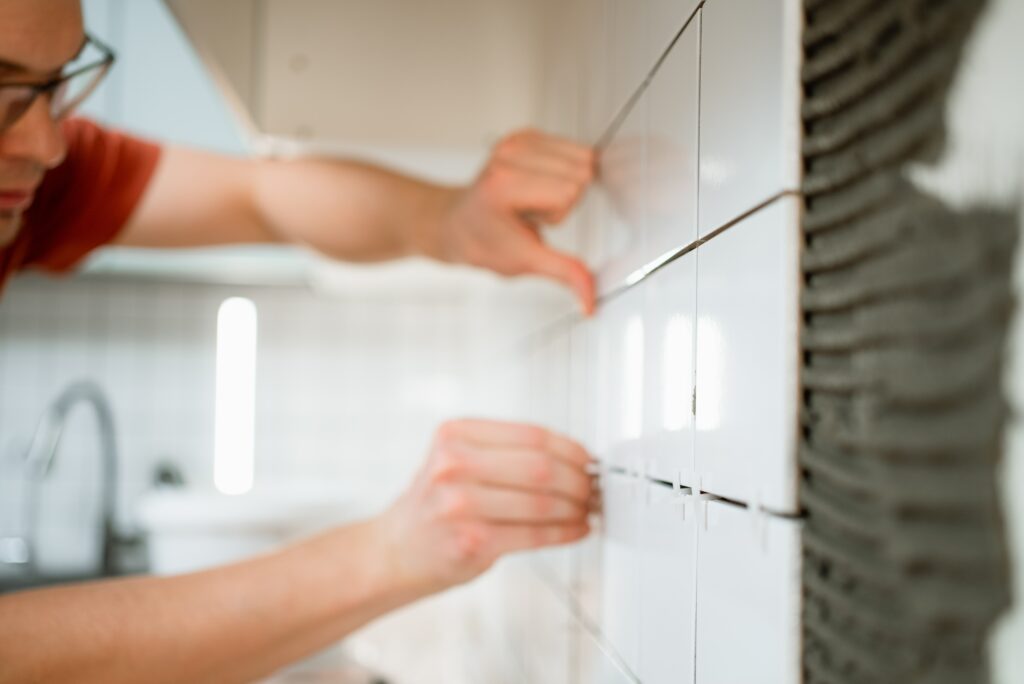
Uneven gaps can negatively affect both the look and the performance.
Inconsistent joints often lead to:
Poor visual alignment
Weak grout sections
Uneven stress distribution
Maintaining uniform gaps throughout the installation ensures a cleaner finish and improves long-term durability.
3. Using the wrong tile gap-filling material
Choosing the right tile gap–filling material is just as important as maintaining the correct joint width.
Many projects still rely on traditional cement grout because it is familiar and economical. However, cement grout can present several challenges over time:
Water absorption
Staining
Cracking
Discolouration
Frequent maintenance requirements
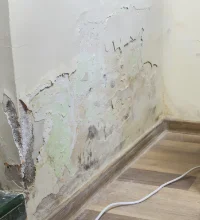
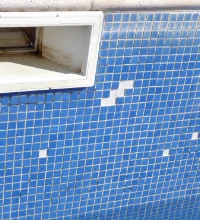
In wet areas such as bathrooms, balconies, kitchens, and swimming pools, cement grout may deteriorate more quickly and contribute to seepage.
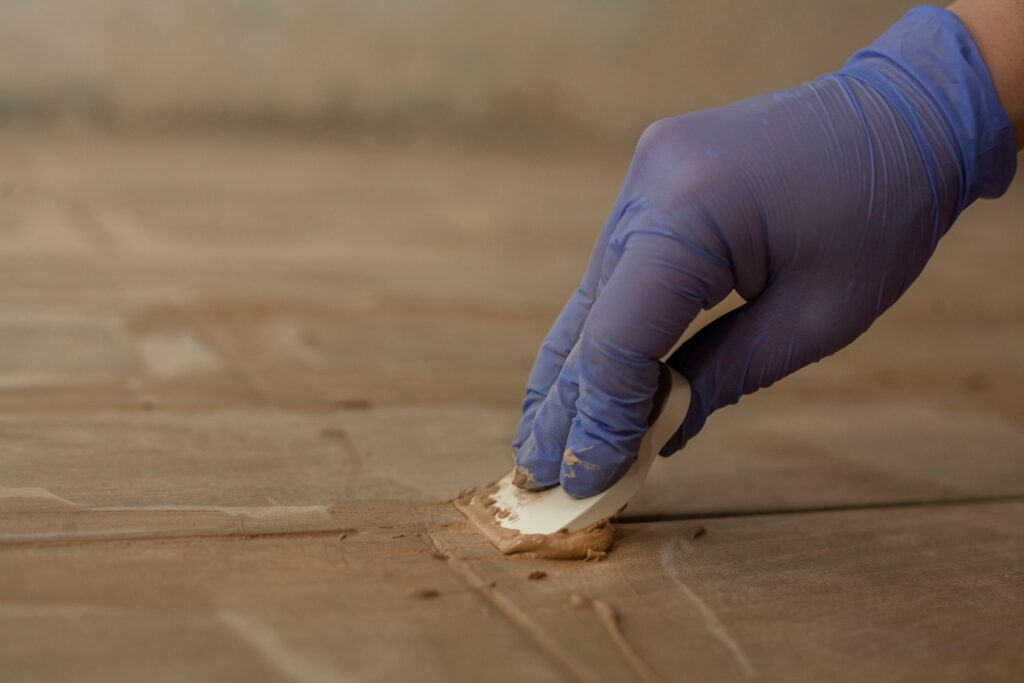
4. Poor gap–filling execution
Even the best grout can fail if it is not applied properly.
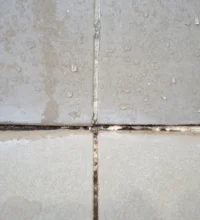
Improper tile gap filling can leave voids within joints, allowing:
Water penetration
Dirt accumulation
Bacterial growth
Staining and discolouration
This makes surfaces more difficult to clean and maintain.
Why is epoxy grout a better solution?
When considering how to fill gaps between two tiles, epoxy grout offers significant advantages over traditional cement grout.
Epoxy grout provides:
Superior water resistance
Stronger bonding performance
Better stain resistance
Enhanced durability
Lower maintenance requirements
For large-format tile installations, these benefits help ensure cleaner joints, improved hygiene, and long-term performance.
Conclusion
Successful large-format tile installations depend on many factors other than tile selection and layout. Proper tile gap filling, consistent joint widths, and choosing the right grout are all essential for preventing future problems.
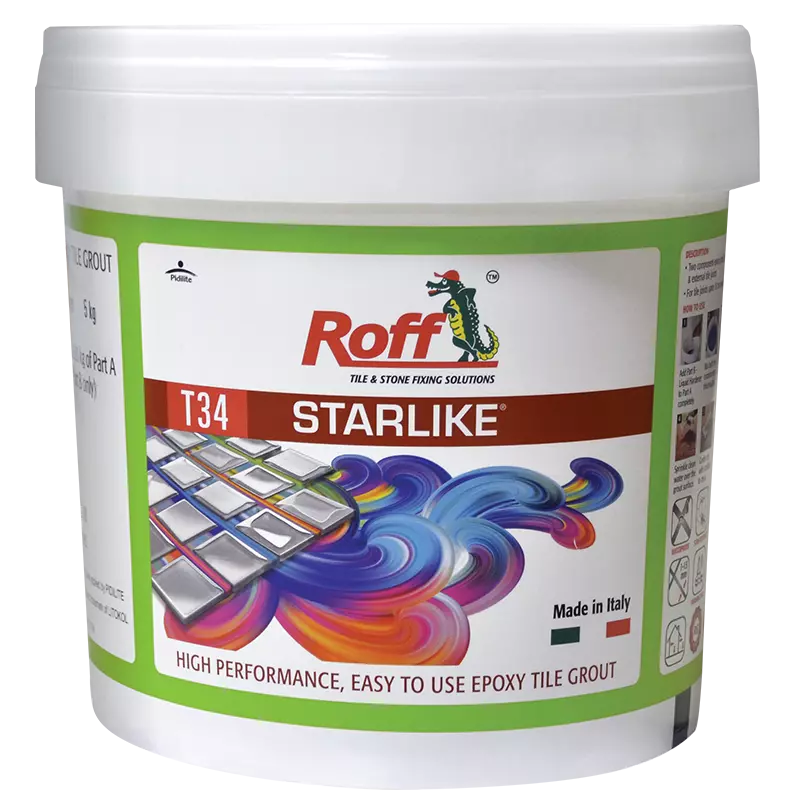
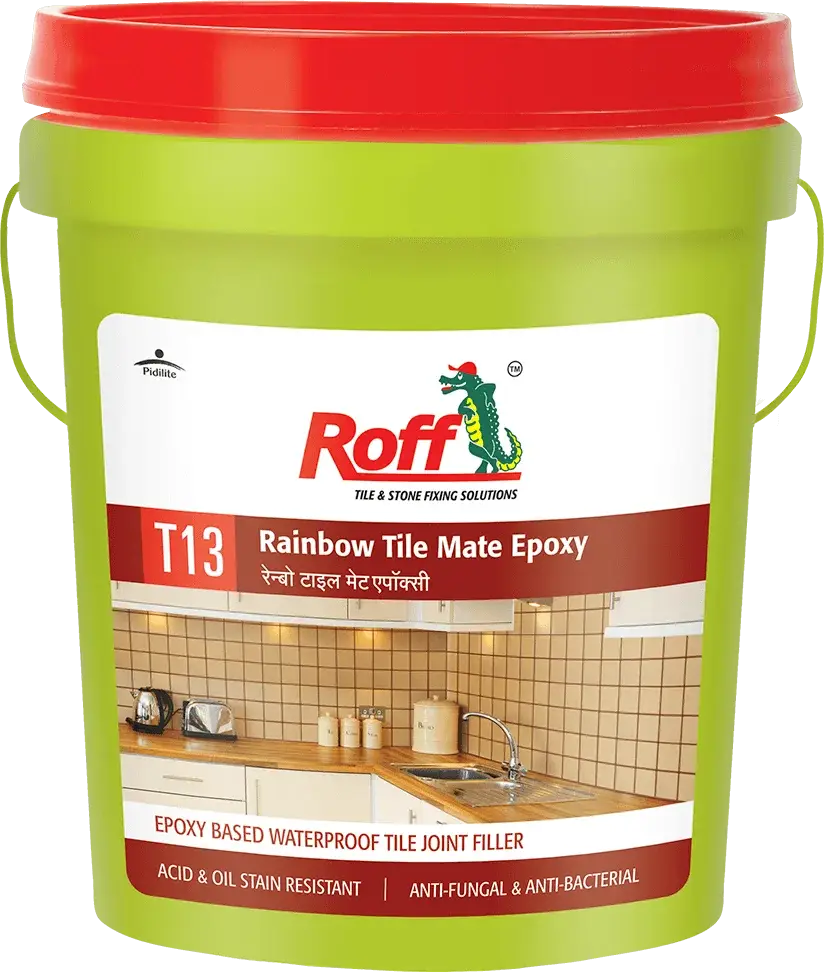
By maintainingappropriate gaps and selecting epoxy grout instead of traditional cement grout, you can create durable, attractive surfaces that remain damage-free and easy to maintain for years.Consider using a high-performance epoxy grout, such as Roff Starlike, to ensure your tiles remain beautiful and healthy for years to come!
Frequently asked questions (FAQs)
1) Why are gaps necessary between large-format tiles?
Tile gaps allow for natural expansion, contraction, moisture movement, and minor structural shifts, helping prevent cracking and tile lifting.
2) What is the best tile gap–filling material for large-format tiles?
Epoxy grout is often considered the best tile gap–filling material because it offers superior durability, water resistance, and stain protection compared to cement grout.
3) How do I fill gaps between tiles properly?
Understanding how to fill gaps between tiles involves maintaining consistent joint widths and using a high-quality grout that completely fills the joint without leaving voids.