Check out the biggest trends of the season and our expert take on them.
What causes a crack in tile and how can you fix it?
Spotting a crack in tile can be frustrating, especially when the rest of the surface still looks perfectly fine. Many homeowners immediately assume the tile needs complete replacement, but that is not always true. In many situations, a minor crack in tile can be sealed effectively if the damage is identified early and repaired correctly.
The key is understanding what caused the damage and whether the tile crack is purely cosmetic or a sign of a deeper structural issue.
What are the different types of cracks found in tiles?
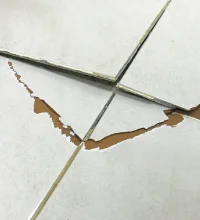
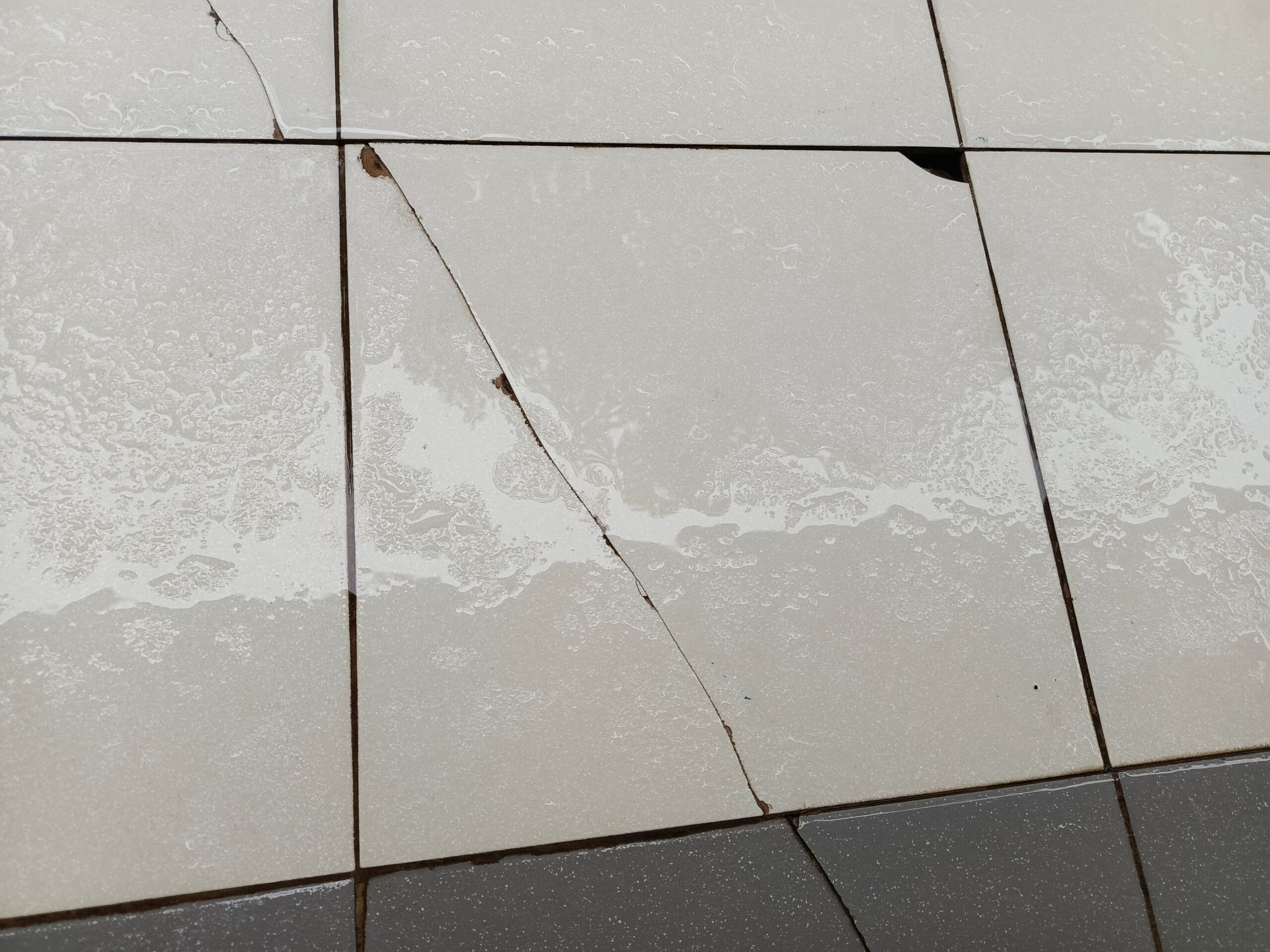
Not every crack in tilelooks or behaves the same way. Some are surface-level issues, while others indicate movement underneath the tile surface.
Hairline cracks are usually thin and shallow. These are among the most manageable types of cracks and can often be repaired without replacing the tile completely.
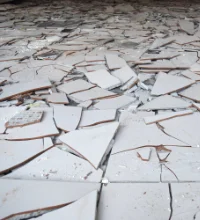
A deeper crack in the tile may run across its full thickness. This often occurs due to impact damage, poor installation, or movement in the underlying substrate.
Another common issue is a cracked floor tile that feels loose or hollow whenstepped on. In these situations, sealing alone may not solve the problem because the tile has lost proper support underneath.
When is it possible to seal a crack in tile?
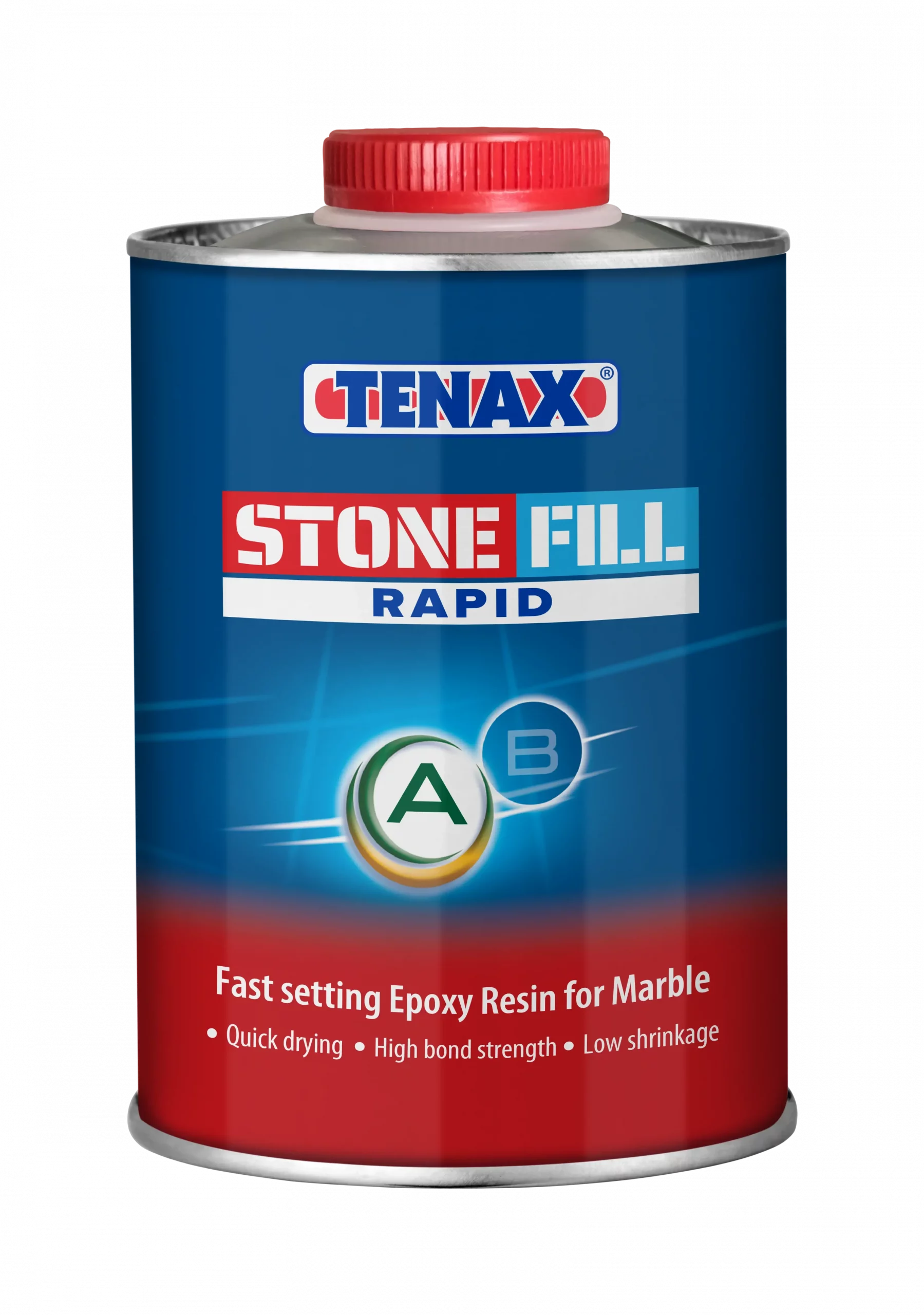
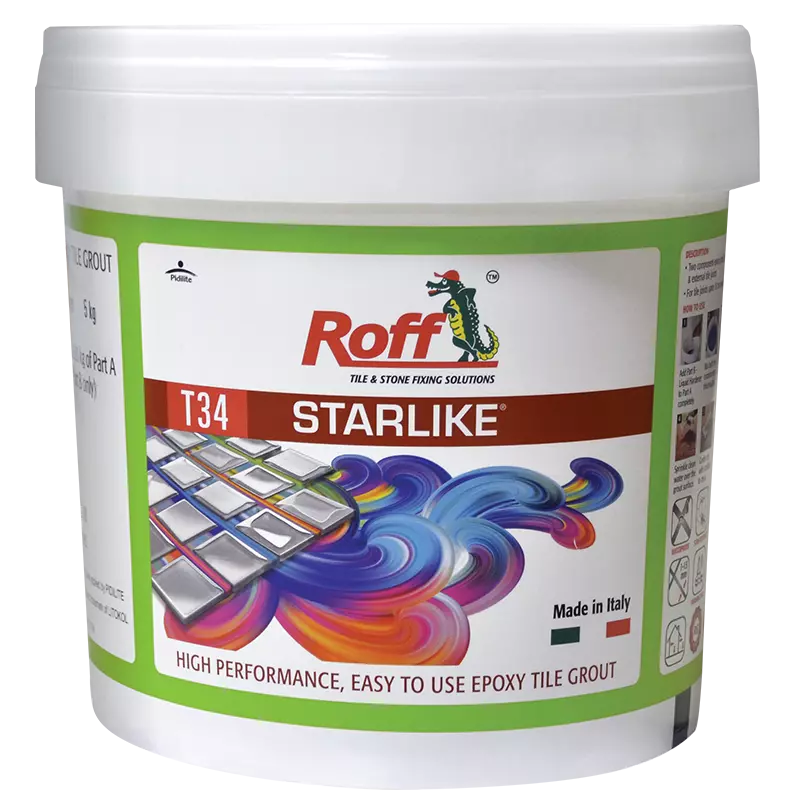
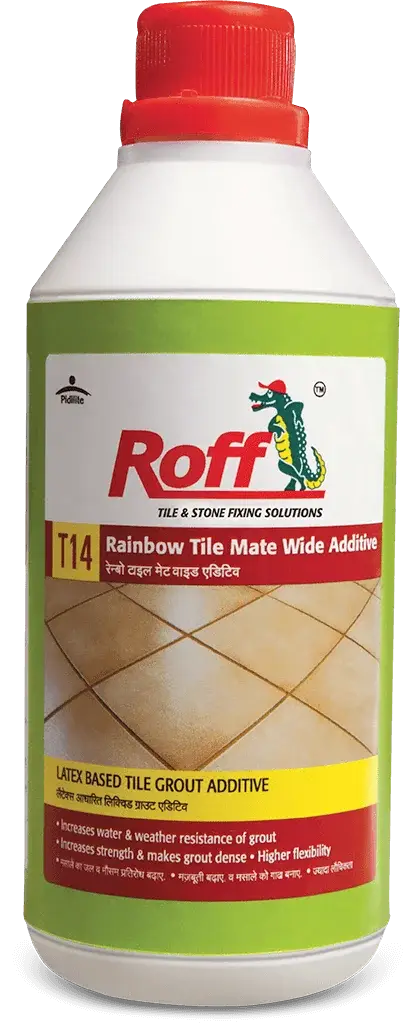
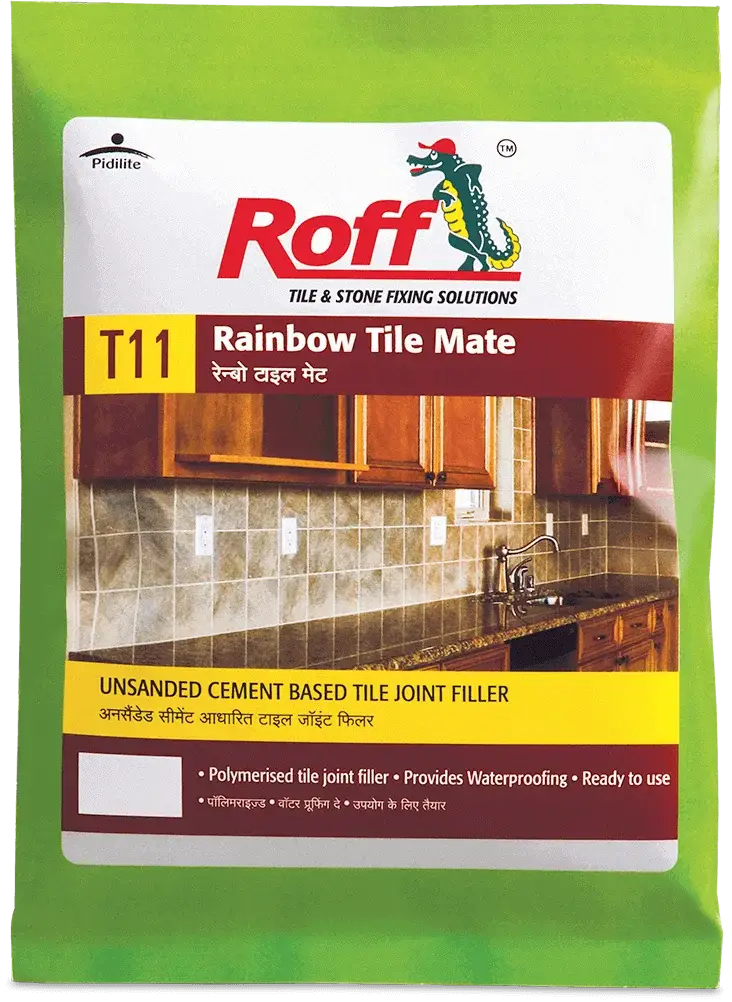
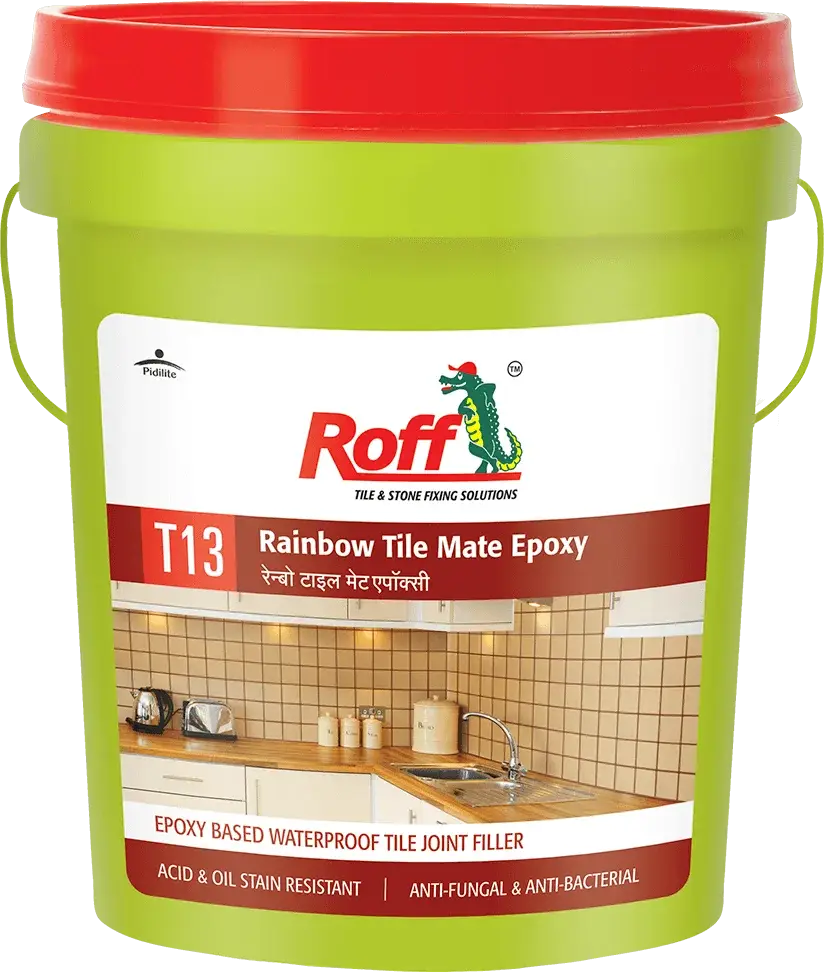
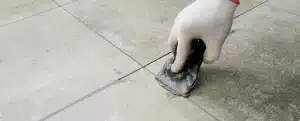
A small crack in tile can often be sealed successfully using epoxy fillers or tile repair compounds designed for ceramic and vitrified surfaces.
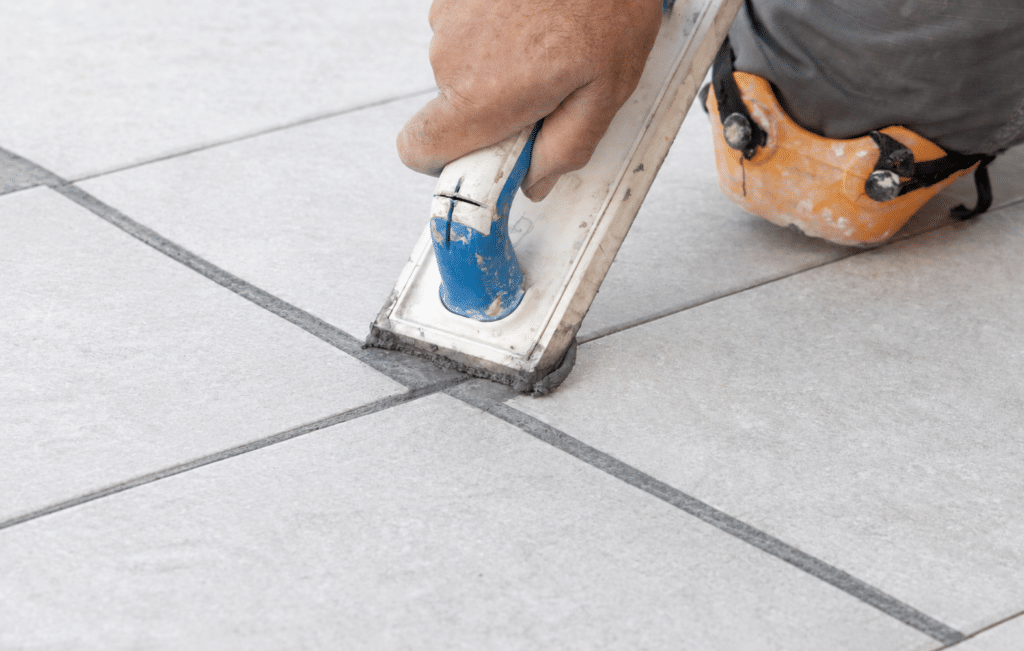
The process starts with thoroughly cleaning the damaged area. Dust, moisture, and grease can prevent the filler from bonding properly. Once the surface is dry, the repair product is carefully applied to the crack.
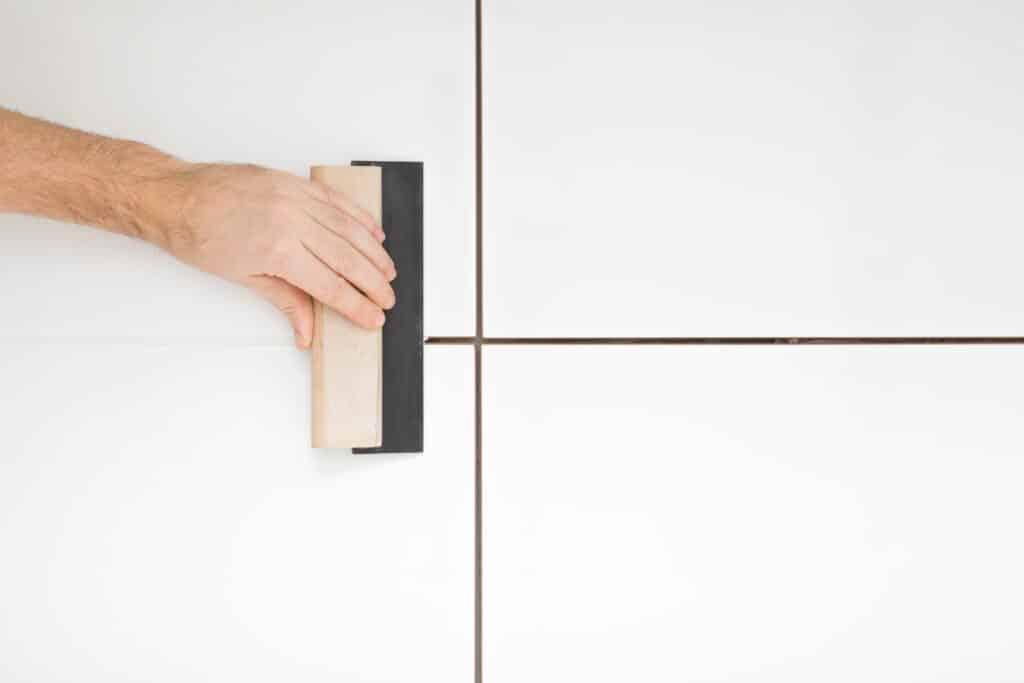
After application, gently smooth the area and allow the proper curing time as per product instructions. Rushing the process can weaken the repair and reduce durability
Early cracked tile repairalso helps prevent water seepage, especially in bathrooms, balconies, and kitchen areas where moisture exposure is common.
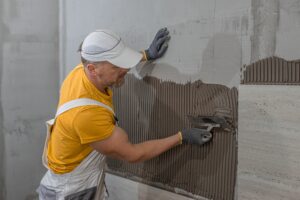
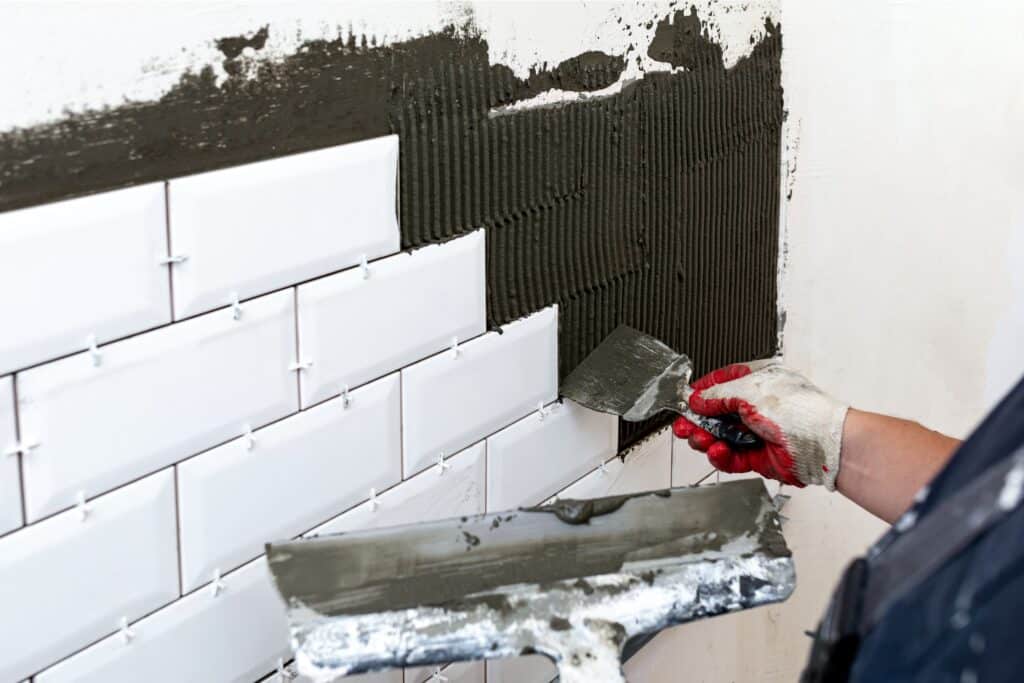
Important Note: Crack repairs are only a short-term solution, and they do not fully restore your tiles’ original look and durability. For complete repairs, you will have to reinstall/replace the tiles. Hence, it is essential to install tiles using the correct procedure at the start of the project, as using the wrong technique will simply lead to more cracks in the future even after renovations.
When is sealing not enough?
Sometimes, a crack in the tile is a symptom rather than the actual problem. If the crack keeps returning after repair, the issue may involve movement beneath the tile surface.
Large gaps, uneven edges, or severely cracked floor tiles usually require replacement rather than sealing. Tiles affected by structural movement or substrate failure also need professional assessment before repairs begin.
Many homeowners ask, “Can cracked tile be repaired without replacing the entire flooring?” The answer depends entirely on the severity of the damage and the stability of the underlying surface.
Understanding the different types of cracks helps homeowners avoid temporary fixes that fail repeatedly over time.
Frequently asked questions (FAQs)
1) Can a crack in tile spread over time?
Yes, regular pressure, moisture, and temperature changes can gradually widen small cracks if repairs are delayed for too long.
2) Is repairing a cracked floor tile cheaper than replacing it?
Minor repairs are usually more affordable. However, extensive damage or loose tiles may eventually require complete tilereplacement instead.
3)How long does cracked tile repair usually last?
Crack repairs usually last for a short period of time. Moreover, repairing cracks does not fully restore your tiles’ original look. For complete repairs, you should consider replacing the damaged tiles entirely.