Check out the biggest trends of the season and our expert take on them.
What causes crack in tiles post installation and how to prevent it?
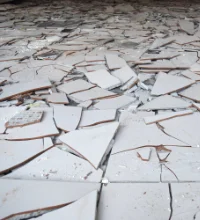
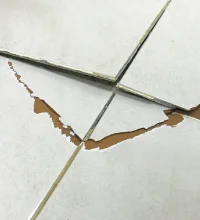
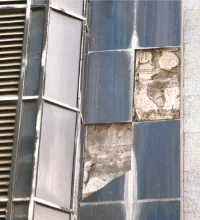
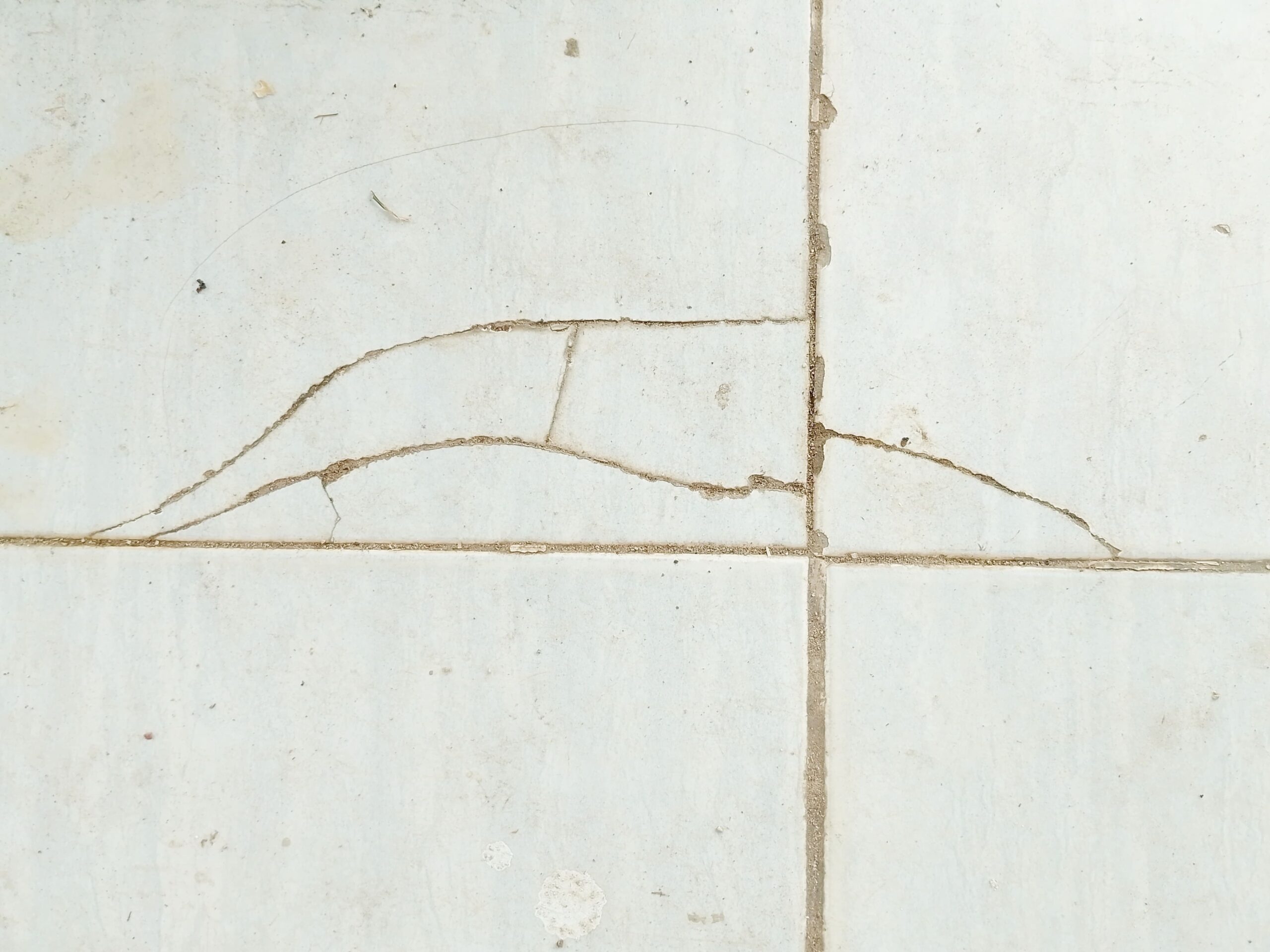
Spotting a crack in tile soon after installation can be frustrating, especially when everything looked perfect at handover. Cracks in tiles are not just a surface issue. It usually indicates bigger problems in installation, materials, or how the surface handles movement in the long run. However, with the right information and care, most cracks can be repaired or prevented before they become a bigger problem.
If you want to understand why it happens and how to avoid it during renovations or repairs, read on:
Why do tiles crack after installation?
1. Building movement
Every structure naturally expands and settles. If your tile system cannot absorb this movement, stress builds up, leading to a hairline crack in the tile or more visible damage.
2. Weak or uneven base
Tiles laid on poorly prepared or uneven surfaces develop pressure points. Over time, these weak spots lead to cracks.
3. Cement-based fixing
A major cause of cracks is traditional cement fixing. Cement is rigid and lacks flexibility. As the building shifts, it transfers stress directly to the tile rather than absorbing it, resulting in a crackmonths after installation.
What's the major reason for cracks in tiles?
Traditional cement tile fixing is one of the main reasons for tile cracks, as cement is inherently rigid. Once it hardens, it cannot accommodate natural building movements such as expansion, contraction, or slight structural shifts. Instead of cushioning these movements, cement transfers the stress directly to the tile surface. This built-up pressure leads to a hairline crack in the tile or even visible fractures, often appearing months after installation, even if the installation initially looked perfect.
Why is tile adhesive a better alternative?
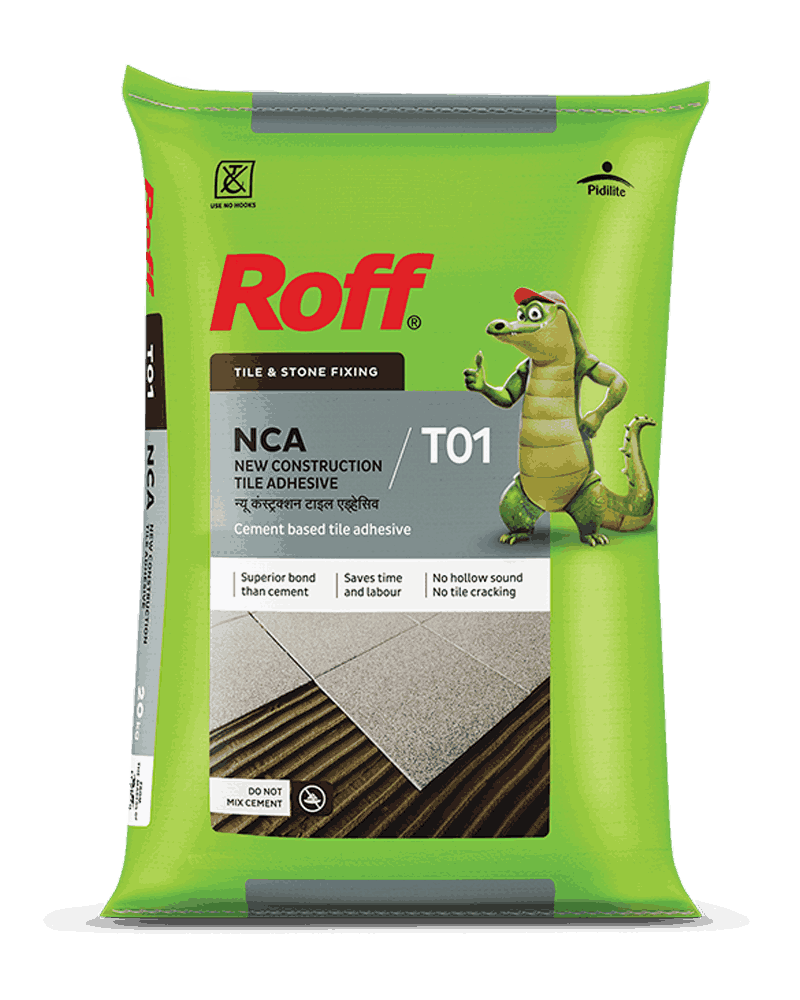
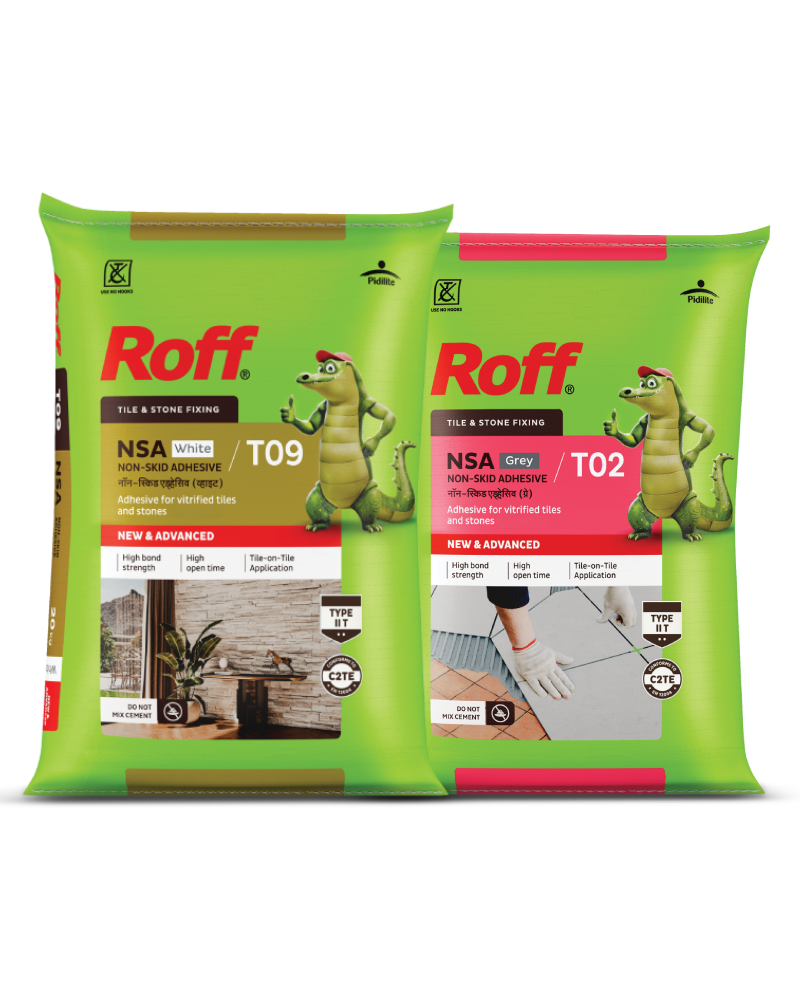
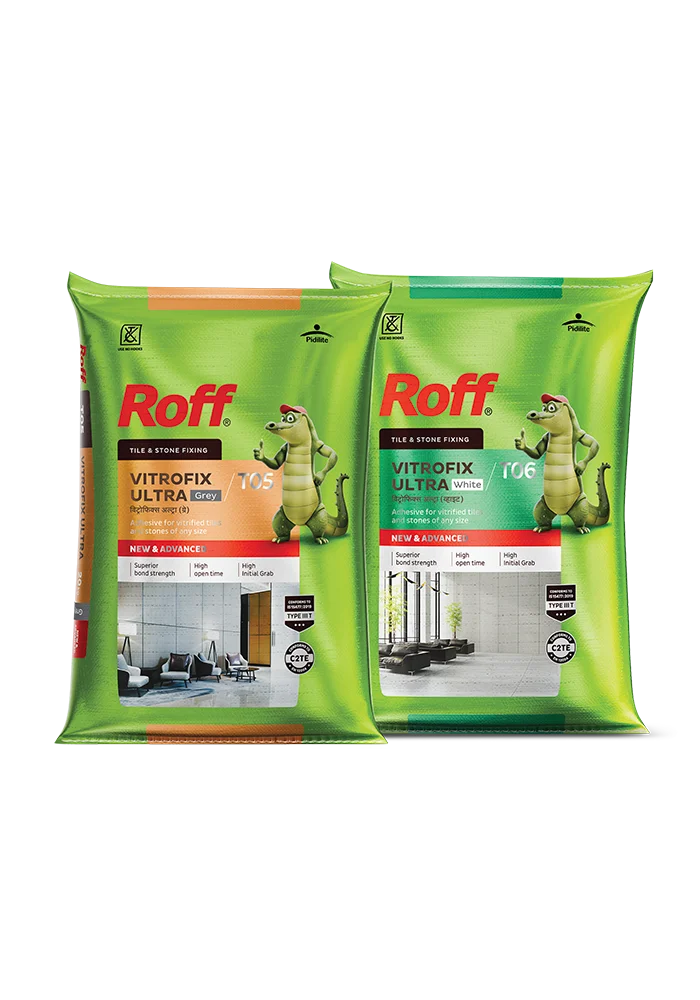
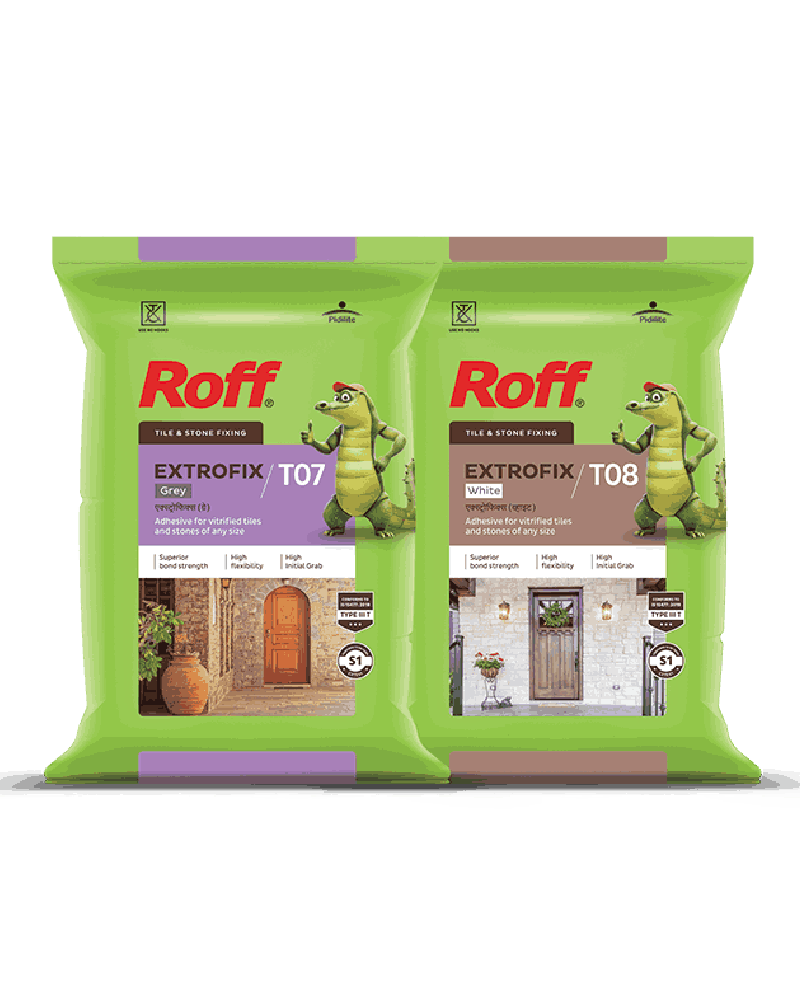
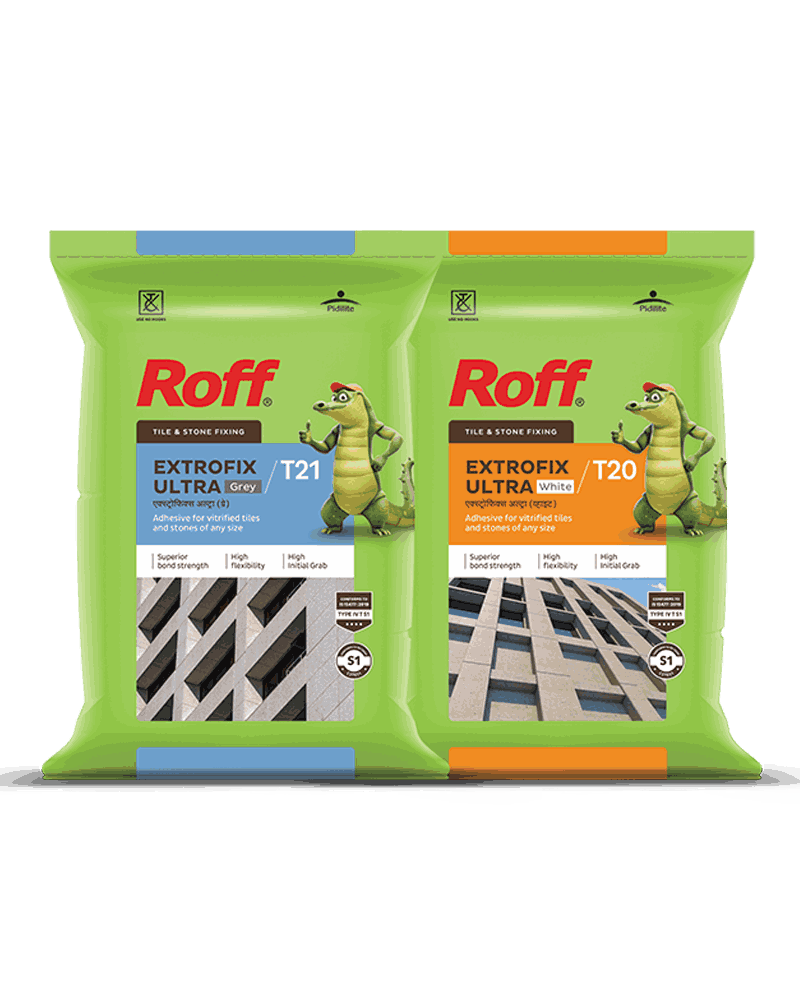
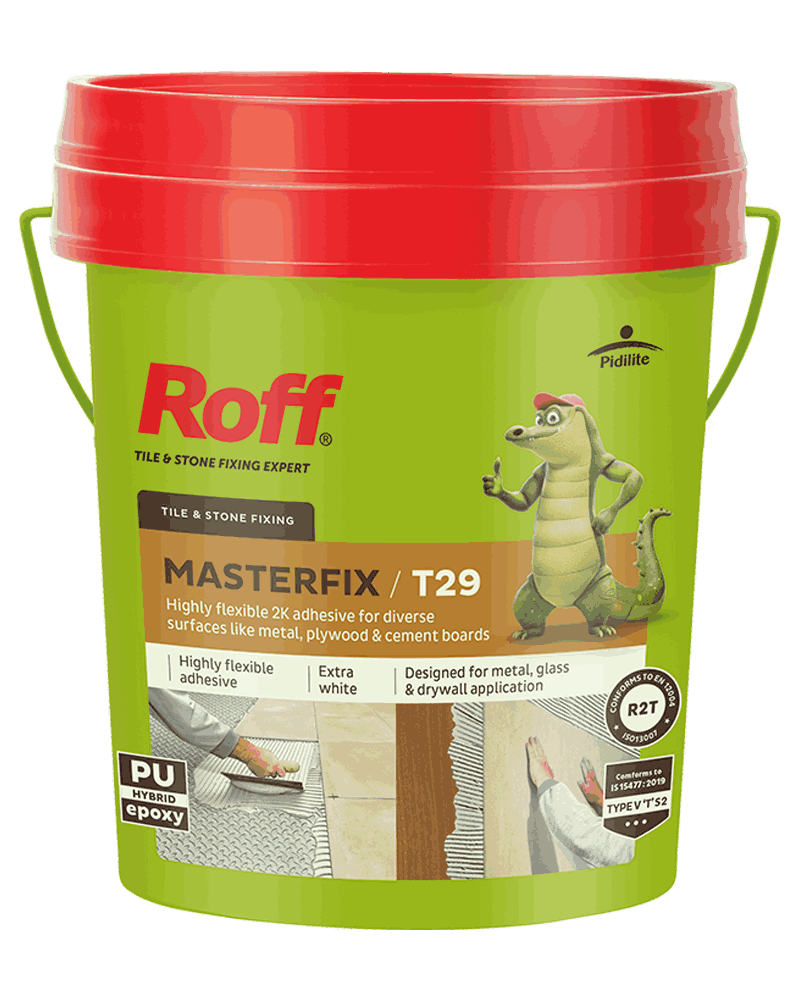
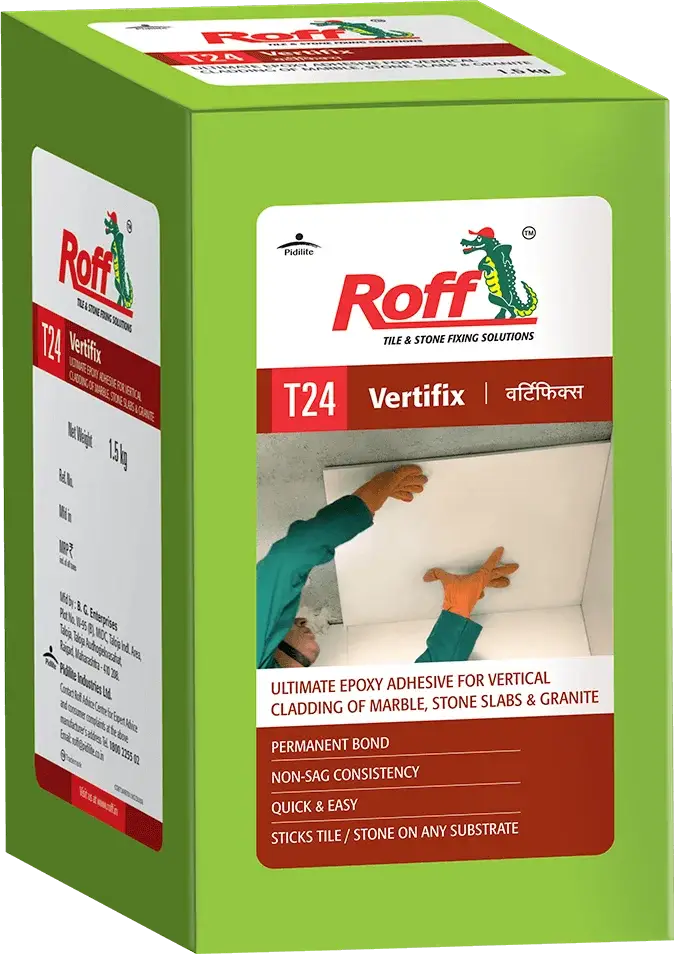
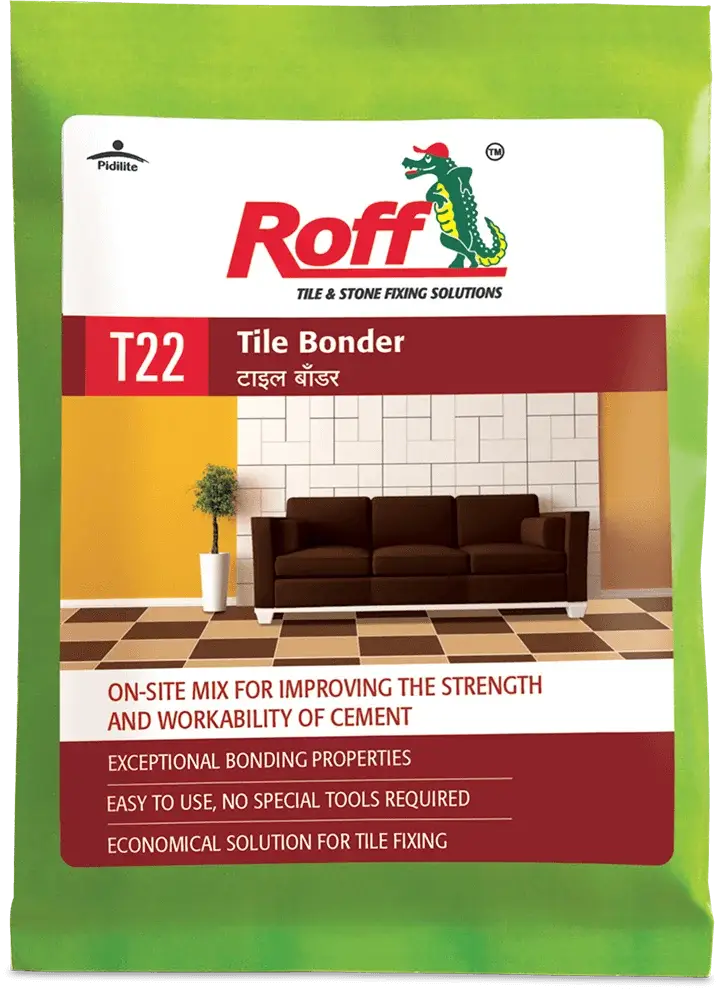
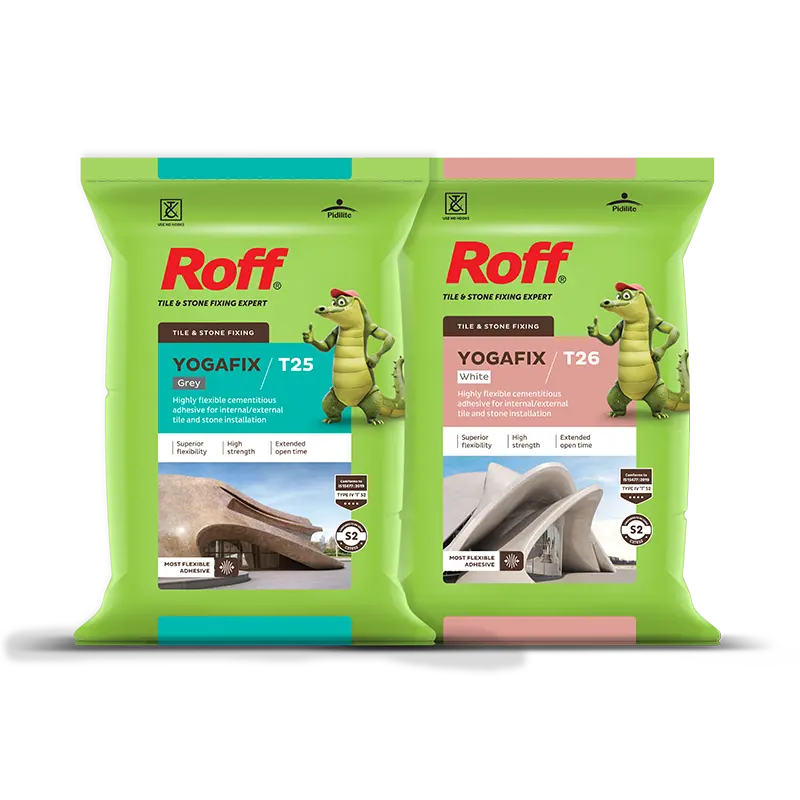
Modern tile adhesive solutions are designed to tackle these issues. Compared with cement, they offer greater flexibility and stronger bonding.
Adhesives like Roff tile adhesives:
Absorb minor structural movement
Reduce stress between tile and substrate
Improve long-term tile durability.
This is especially important when working with larger tile size formats, which are more prone to stress if not installed correctly.
Other common causes homeowners overlook
Poor tile selection for the application
Incorrect adhesive for wet areas or heavy tiles
Incomplete adhesive coverage that creates voids
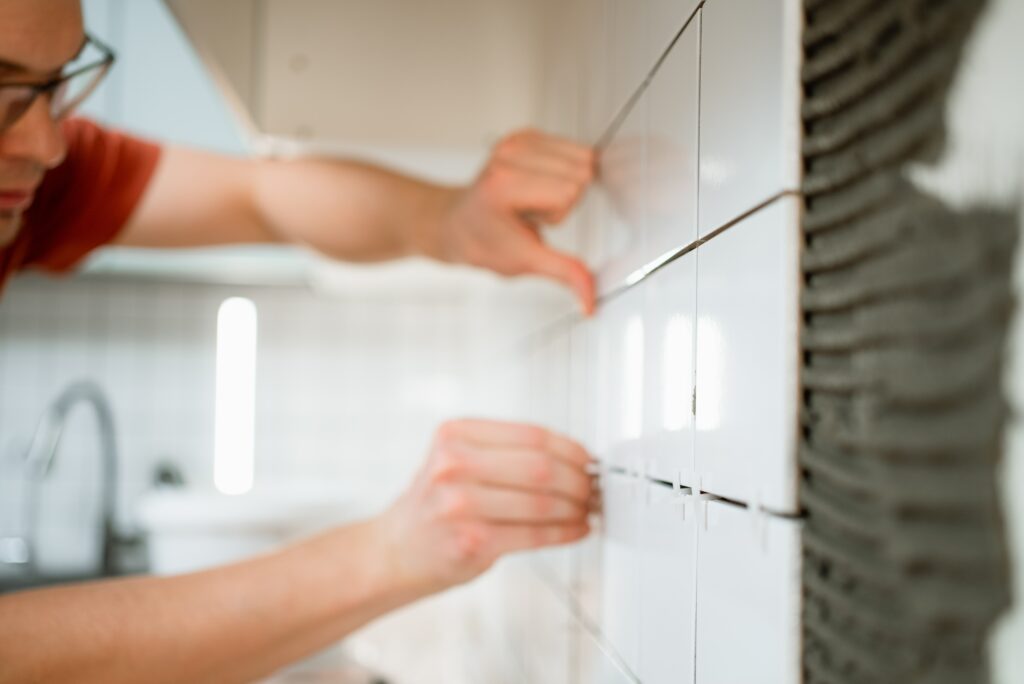
Missing or insufficient tile joint that restricts expansion
Skipping the curing time before grouting or use
How to prevent tile cracks?
To avoid costly repairs:
Choose the right tile adhesive instead of cement
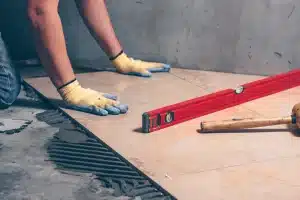
Ensure proper surface preparation and levelling
Maintain adequate tile joint spacing
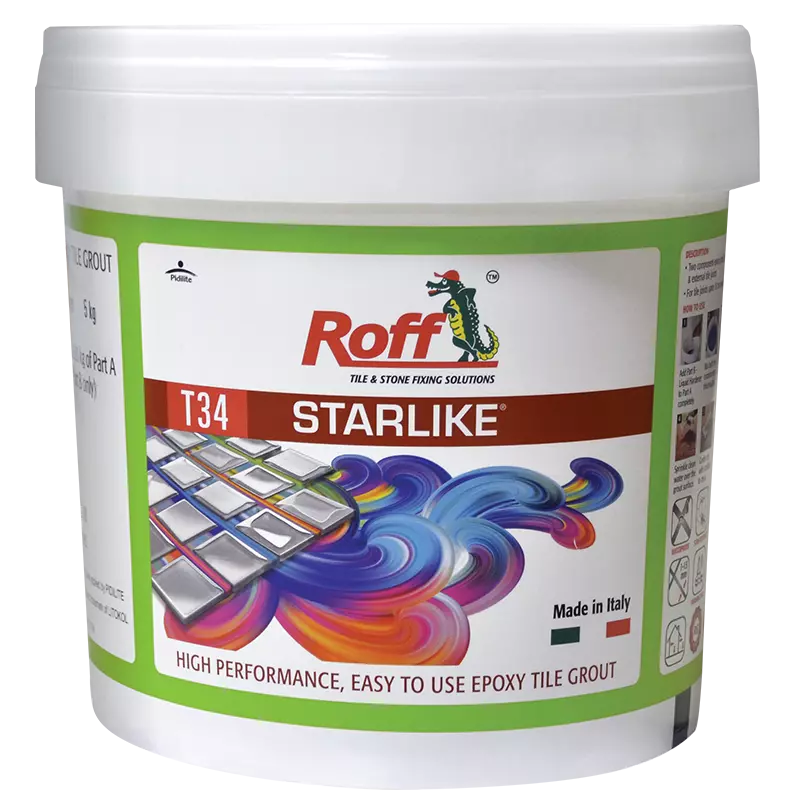
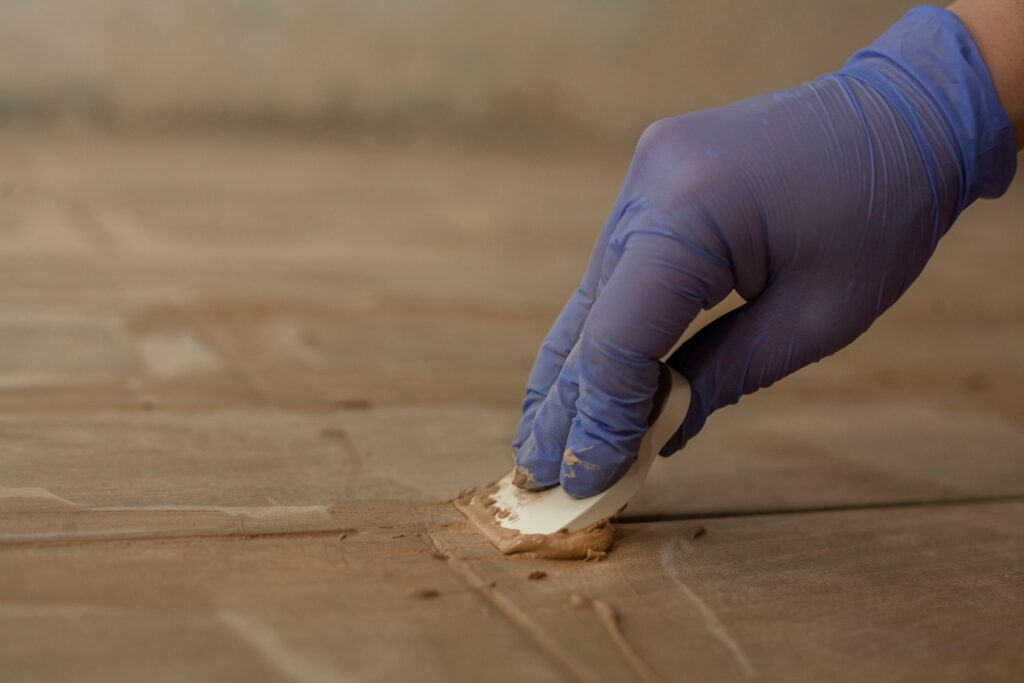
Fill the tile joints with a grout like Roff Starlike
Match adhesive to tile size and usage area
Allow proper curing before grouting
Use compatible grout systems
Work with skilled professionals
How to fix broken tiles?
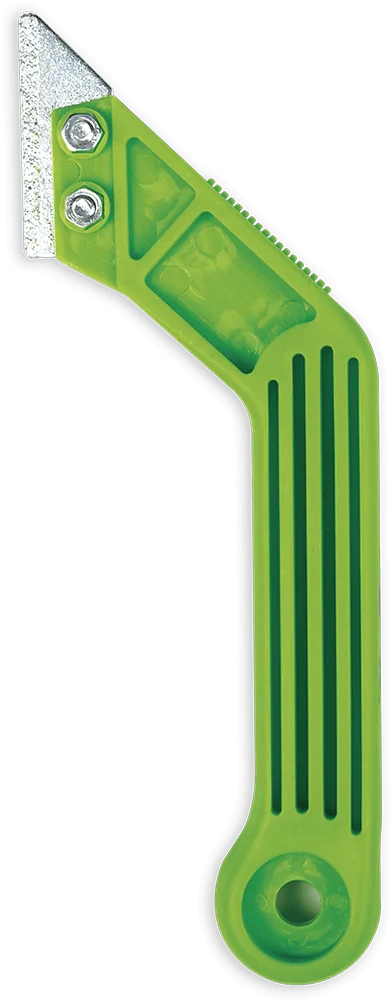
If damage has already occurred, fixing a broken tile involves carefully removing the affected tile and reinstalling it with proper adhesive and grout. This ensures the issue doesn’t repeat.
Key takeaways
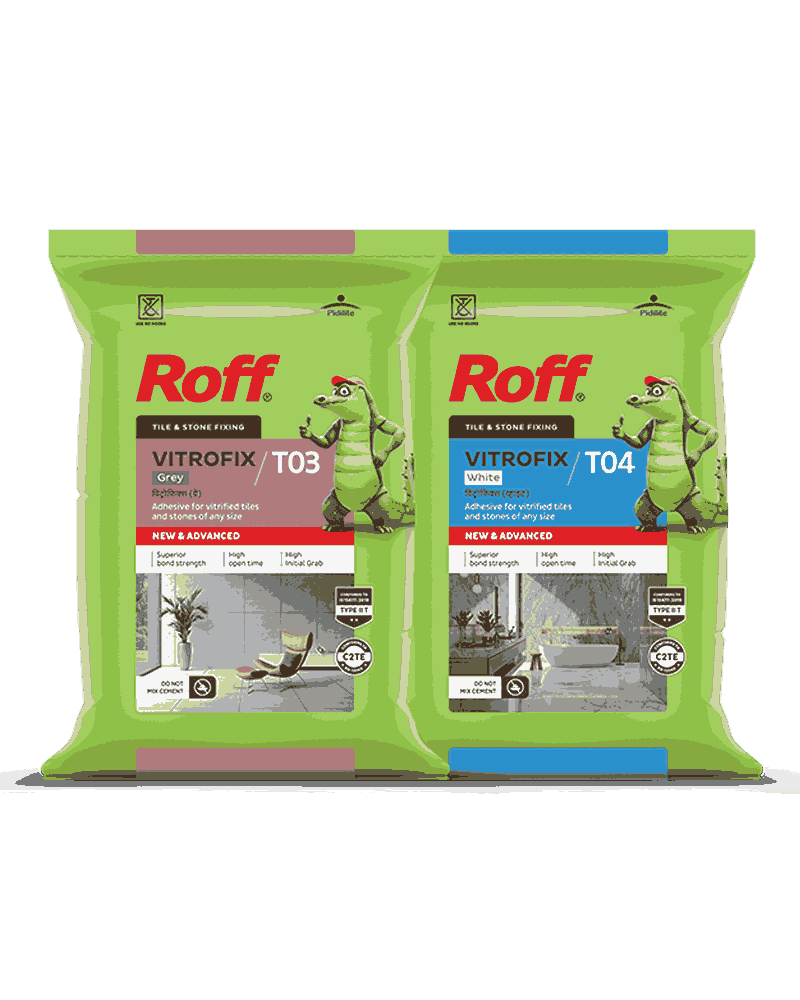
A crack in tile is usually the result of rigid cement fixing and poor installation methods, not poor tile quality. By choosing modern tile adhesives, such as Roff Vitrofix, and following best practices, you can ensure long-lasting and crack-free surfaces in your home. And once your tiles have been attached to the surface, you can use a grout like Roff Starlike to fill in the spaces between tile joints for maximum protection.
If you’re planning a renovation or repair, make the right material choice today and avoid expensive fixes tomorrow.
FAQs
1) Why do tiles crack after installation?
Cracks in tilesoccur due to regulartile movement (caused by heat expansion/contraction), uneven surfaces, or rigid cement that cannot absorb stress.
2) Is cement a good option for fixing tiles?
No, cement is rigid and can cause cracks as it doesn’t accommodate structural movement.
3)Why are tile adhesives better than cement?
Tile adhesives are flexible and can absorb stress, helping prevent cracks and improve durability.
4)Can cracked tiles be repaired?
Yes, damaged tiles can be replaced using proper adhesive and installation methods.