Check out the biggest trends of the season and our expert take on them.
How to fix cracks in marble surfaces? Reasons & solutions
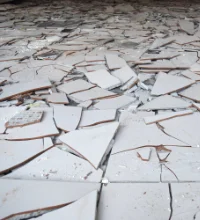
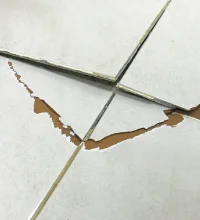
Marble is a preferred option for homeowners due to its timeless elegance and durability. However, even the best marble surfaces can develop cracks over time. These cracks can appear due to heavy impact, improper installation, or natural expansion or contraction of the building. Whether it’s a tiny line on the floor or a visible split across a slab, you should by no means ignore these cracks.
If you’re wondering how to fix cracks in marble, the first step is understanding why they happen in the first place. In many cases, marble cracks are early warning signs of deeper installation or maintenance issues.
Why do cracks appear in marble?
Although marble looks strong and durable, it is still a natural stone and can be sensitive to stress, moisture, and poor maintenance.
Common causes of marble cracks include:
Daily foot traffic and heavy impact: Constant pressure from movement, furniture dragging, or accidental impact can weaken marble over time.
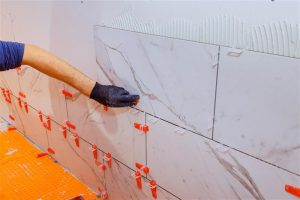
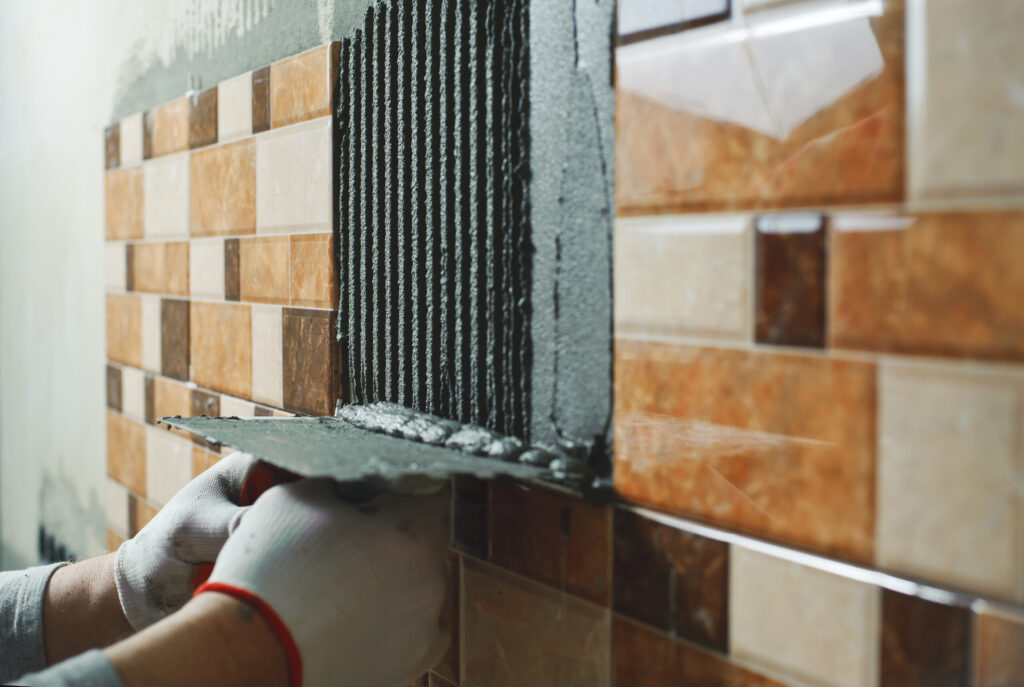
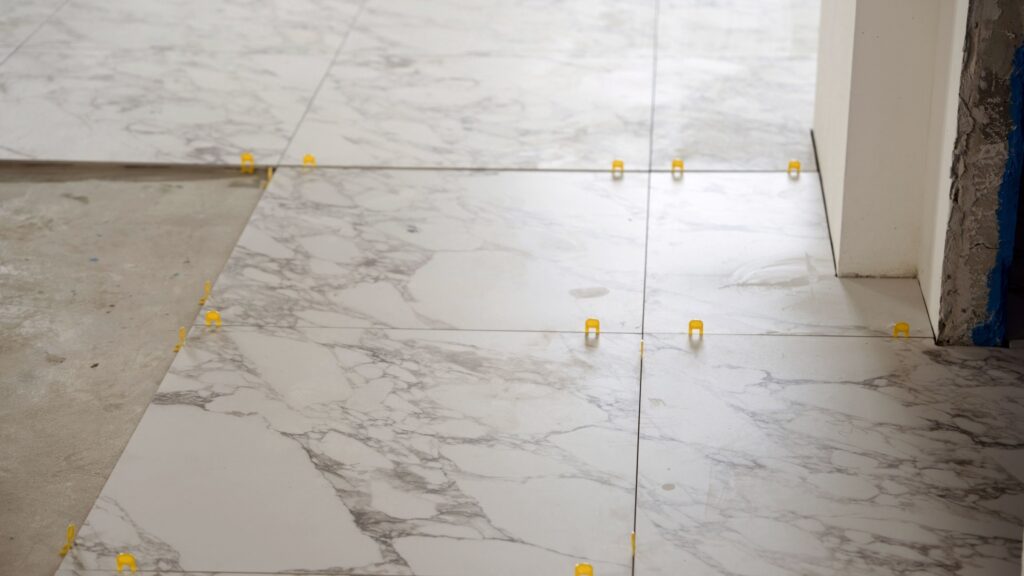
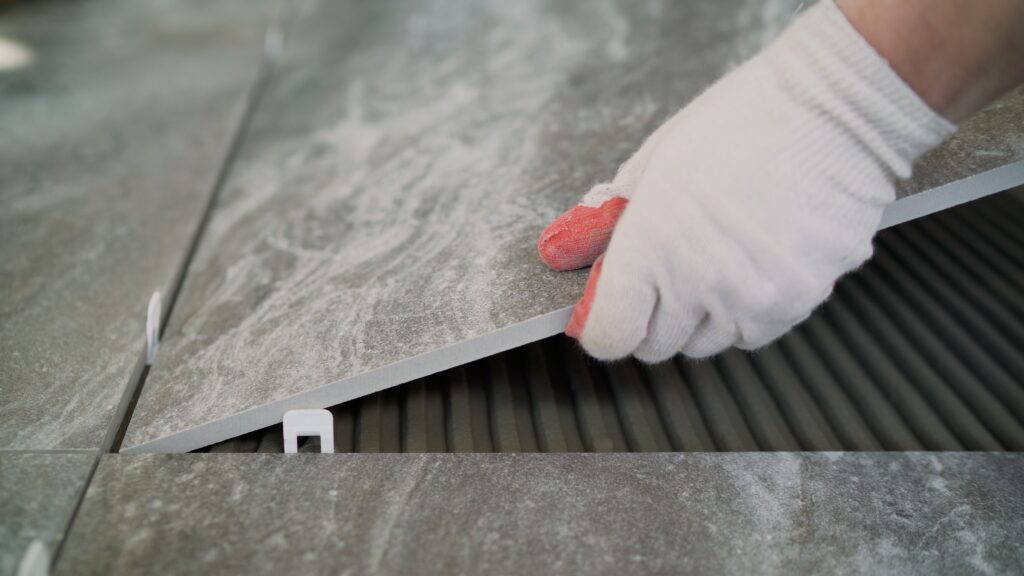
Poor installation: Improper bedding, uneven substrates, or weak adhesive support often lead to cracked marble floors.
Subpar marble quality: Low-quality or improperly processed marble is more prone to cracking and breakage.
Structural movement: Buildings naturally expand and tend to slightly shift. These movements can cause stress that leads to cracks in marble.
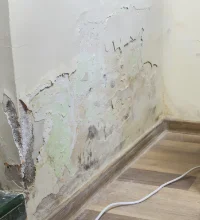
Moisture exposure and temperature changes: Water seepage and temperature fluctuations can expand existing weak points in the stone.
Acidic cleaners: Harsh cleaning chemicals react with marble and weaken the surface gradually.
Different types of marble cracks
All cracks are not equally serious. Knowing the difference helps determine how urgently you should act.
Hairline cracks
Thin surface-level lines
Often cosmetic
Can worsen if ignored
Deep cracks
Visible splits or separation
May weaken the slab structure
Require immediate repair
Structural damage
Large cracks with movement or hollow sounds
Often linked to substrate or installation failure
Needs professional inspection urgently
Why is ignoring marble cracks risky?
Many homeowners delay repairs because the crack seems minor at first. But as time goes by, such cracks can lead to:
Permanent staining
Moisture penetration beneath marble
Loose slabs or hollow patches
Surface deterioration
Loss of shine and visual appeal
Neglected marble crack repair often becomes more expensive later.
How to fix cracked marble floor surfaces?
If you’re searching for how to repair cracked marble, quick professional action is important.
It usually includes:
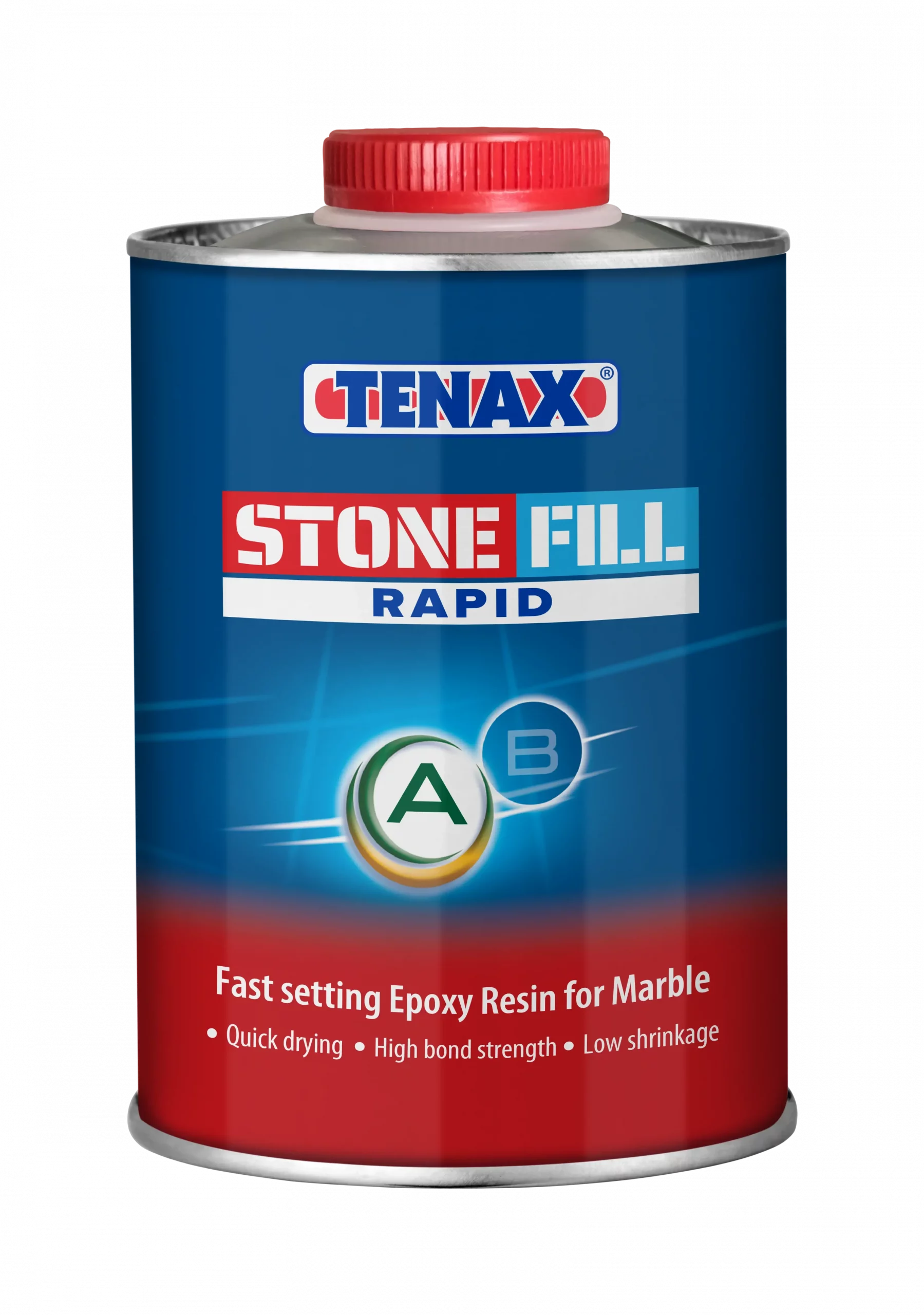
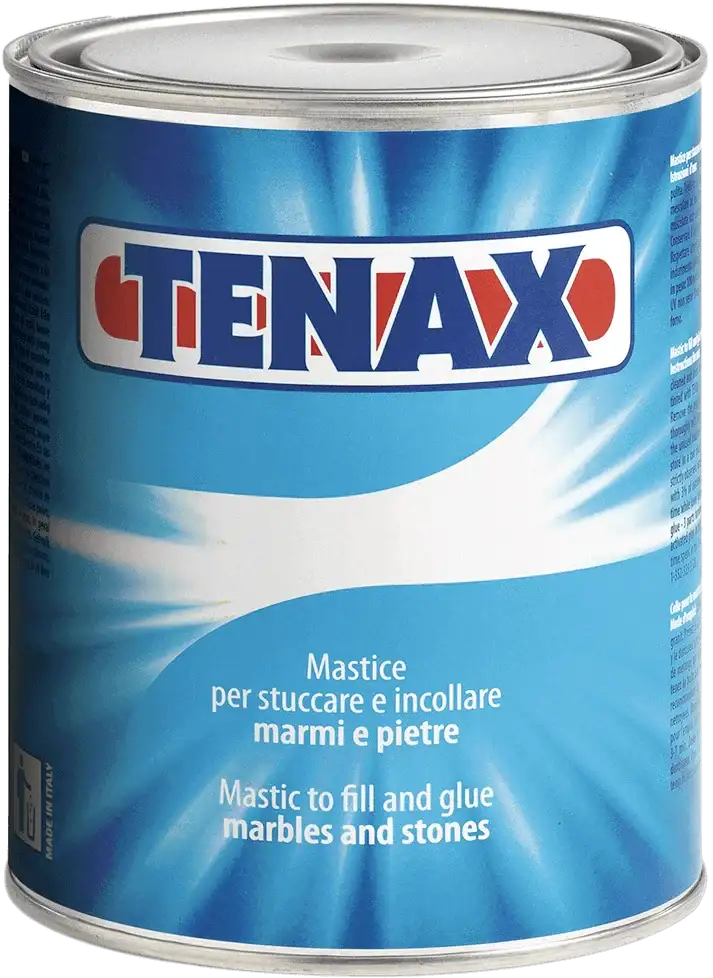
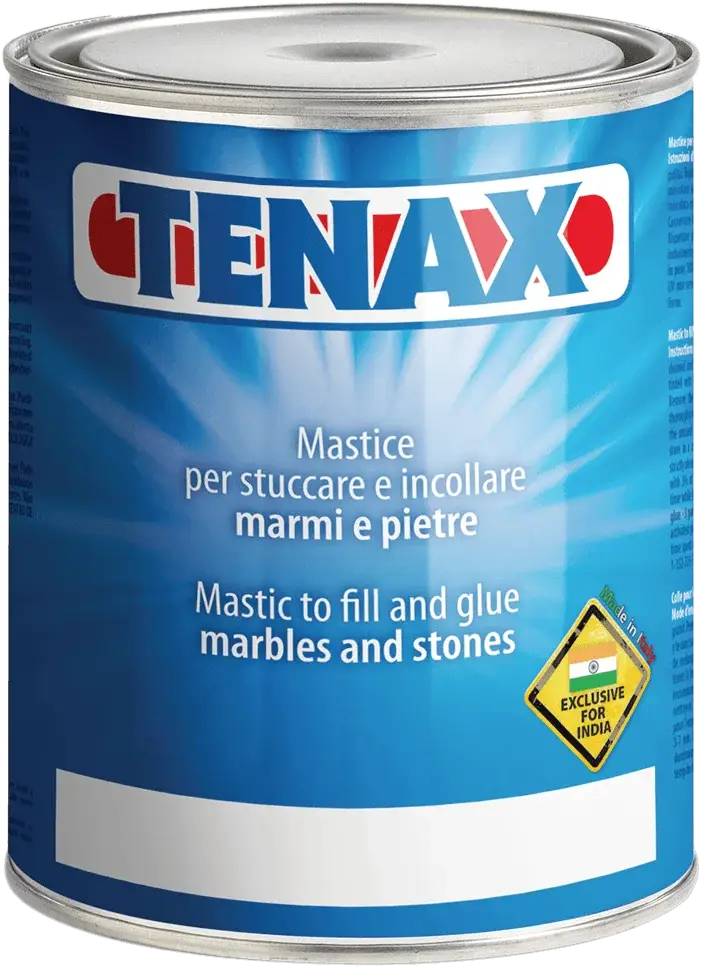
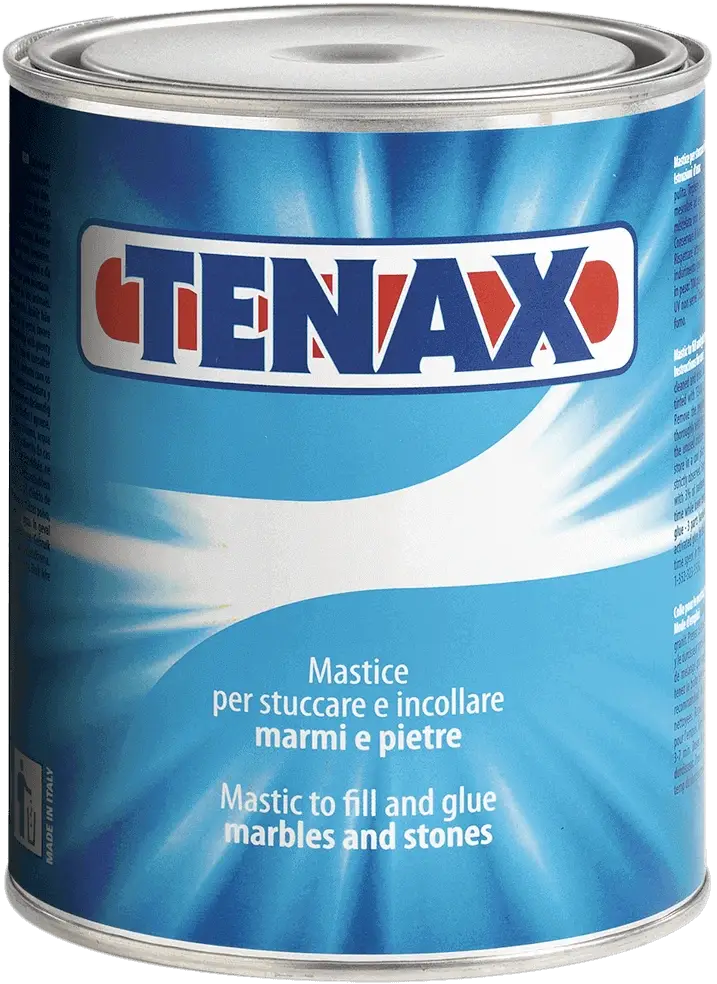
Gap filling and resining: Special fillers and resins help stabilise the crack and restore surface continuity.
Polishing: Polishing smoothens the repaired area and restores shine.
Sealing:Sealers help protect marble from moisture and future staining.
These steps support long-term durability while improving appearance.
Why do professional assessments matter?
DIY repairs may temporarily hide the crack but often fail to address the actual cause.
Proper maintenance helps reduce the need for repeated repairs of cracks in marble.
Key takeaway
Marble cracks are often signs of deeper installation issues, moisture problems, or maintenance problems. Acting quickly with the right marble crack repair solution helps prevent further damage, staining, and structural weakening.
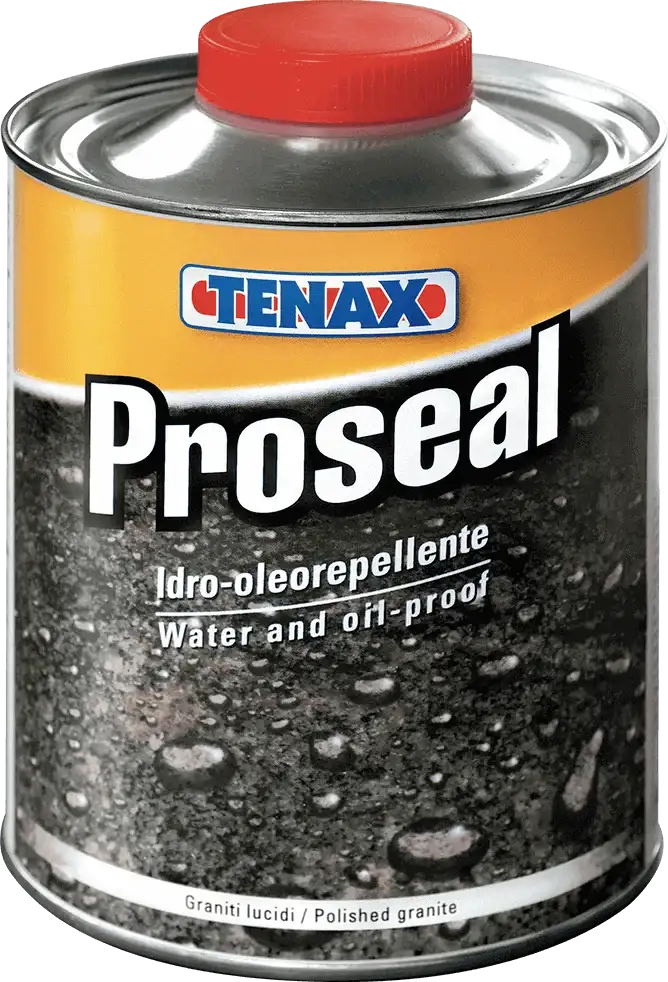
Roff provides professional repair, proper sealing, and preventive care, all essential to preserving the look and durability of your marble surfaces. For example, Tenax Prosealprotects yourmarble surfaces from stains caused by coffee, wine, ketchup etc. Tenax Proseal is also oil and water-resistant, further enhancing your marble’s durability.
Frequently asked questions (FAQs)
1) Why do cracks appear in marble?
Cracks appear in marble due to heavy impact, poor installation, weak adhesive support, structural movement, moisture exposure, temperature changes, subpar marble quality, or the use of acidic cleaners. Since marble is a natural stone, it can weaken over time when exposed to stress, water seepage, or improper maintenance.
2) How do I know if a marble crack is serious?
A marble crack may be serious if it is deep, visibly separating, spreading, or accompanied by hollow sounds or movement in the slab. Hairline cracks are often cosmetic, but deep cracks and structural damage require immediate professional inspection to prevent further weakening.
3) How can cracked marble floors be repaired?
Cracked marble floors are usually repaired by filling gaps, applying resin treatments, polishing, and sealing. Special fillers and resins stabilise the crack, polishing restores the surface shine, and sealing helps protect the marble from moisture, stains, and future damage.
4) Can I fix cracks in marble myself?
DIY marble crack repair may temporarily hide the crack, but it may not solve the underlying problem. Professional assessment is recommended because cracks can be caused by poor installation, moisture issues, or substrate movement, all of which require the right repair solution.
5) How can I prevent cracks in marble surfaces?
You can prevent cracks in marble by using high-quality installation materials, avoiding acidic cleaners, regularly sealing the surface, fixing moisture problems promptly, and avoiding heavy impacts or furniture dragging. Products like Tenax Proseal can also help protect marble from stains, water, oil, and surface damage.