Check out the biggest trends of the season and our expert take on them.
What are the reasons for cracks in marble & how to avoid them?
Marble is preferred for its elegance, durability, and timeless appeal. However, even the most remarkable marble installation can develop a crack in marble years after installation if the right precautions are not taken from the beginning. Understanding the causes of future cracking is essential to ensuring long-lasting performance.
The reality is that marble cracks rarely occur because of a single issue. They are usually the result of material selection, installation quality, handling practices, and long-term maintenance.
Choosing marble based only on appearance
One of the most common mistakes is selecting marble solely for its colour, veining, or visual appeal.
Not all marbles have the same strength or density. Some varieties are naturally softer or contain internal weaknesses that make them more vulnerable to damage. Before specification, it is important to evaluate:
Density and compressive strength
Intended application area
Traffic conditions
Moisture exposure
Ignoring these factors can increase the risk of a future crack in marble.
Understanding the nature of fissures and natural stone structure
A common question is: are fissures and cracks the same?The answer is no.
Fissures are features formed during a natural stone’s geological development. They are not necessarily defects. However, excessive fissures, weak bonding within the stone, inconsistent grain size, or prominent veins may create areas that are more susceptible to cracking under stress.
The particle structure of marble is significant in determining its long-term durability.
Hidden defects in low-quality marble
Poorly processed slabs or low-quality marble may contain hidden weaknesses that are not visible during installation.
Over time, these defects can become visible as:
Surface cracks
Edge fractures
Hairline cracks in marble
Structural weakening
This is particularly common in high-traffic areas or locations exposed to moisture and temperature fluctuations.
Installation mistakes
Many cases of marble failure can be traced to installation errors.
Common issues include:
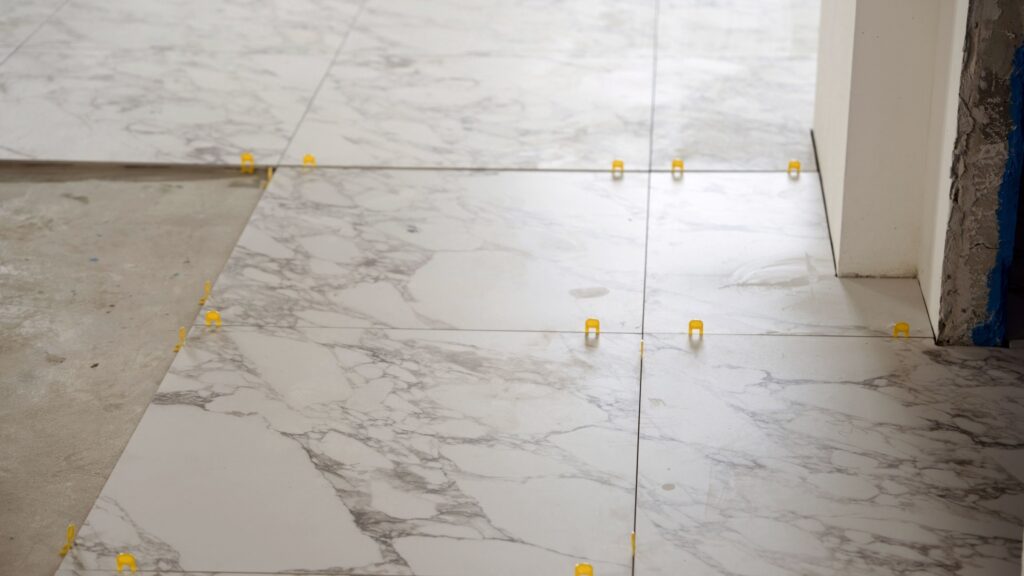
Uneven substrate preparation
Poor levelling
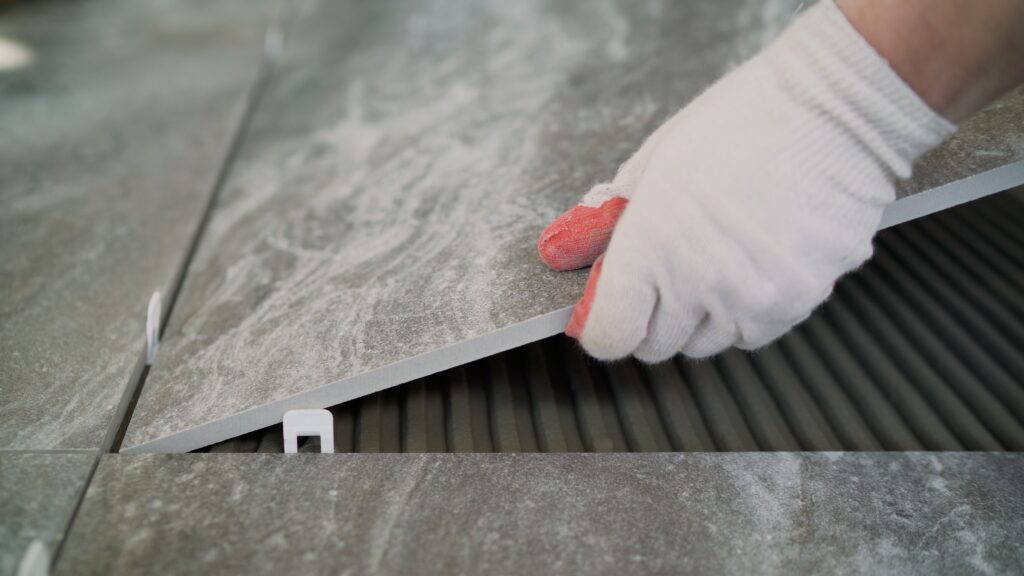
Hollow spots beneath slabs
Inadequate adhesive coverage
Insufficient curing time
When marble is not fully supported, stress concentrates at weak points, increasing the likelihood of cracking over time.
Handling and transportation damage
Not all damage occurs during installation.
Improper transportation, lifting, cutting, or storage can create microscopic fractures within the marble. These micro-cracks may remain invisible initially but gradually expand under normal use and loading conditions.
Why adhesive selection matters?
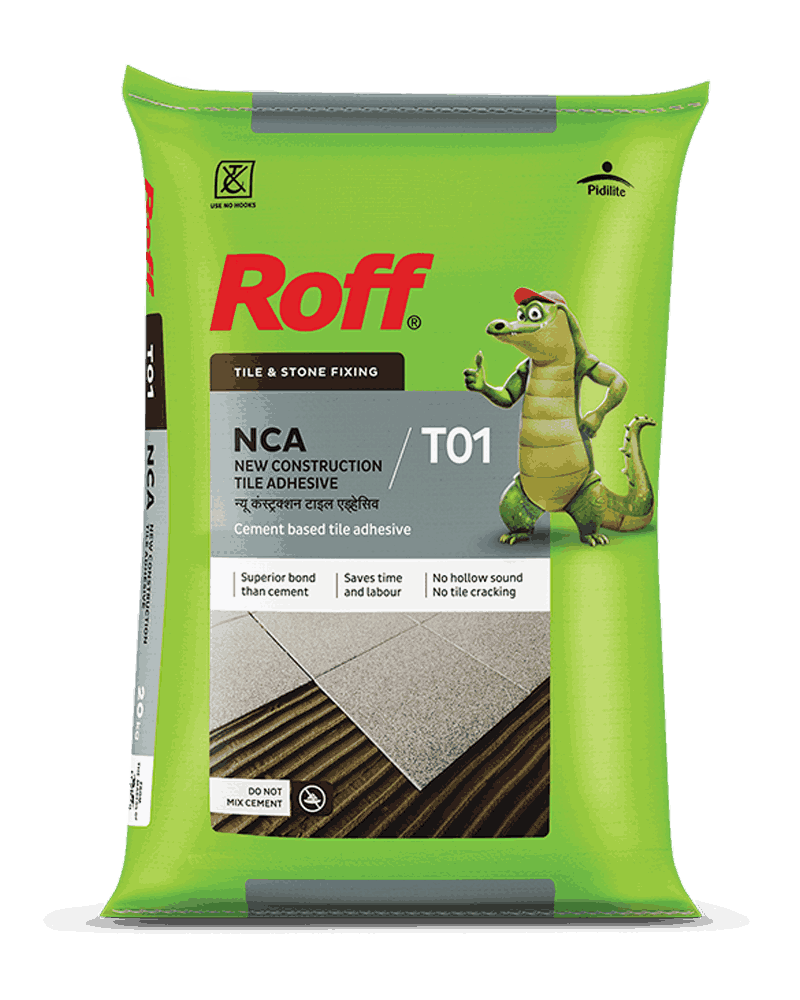
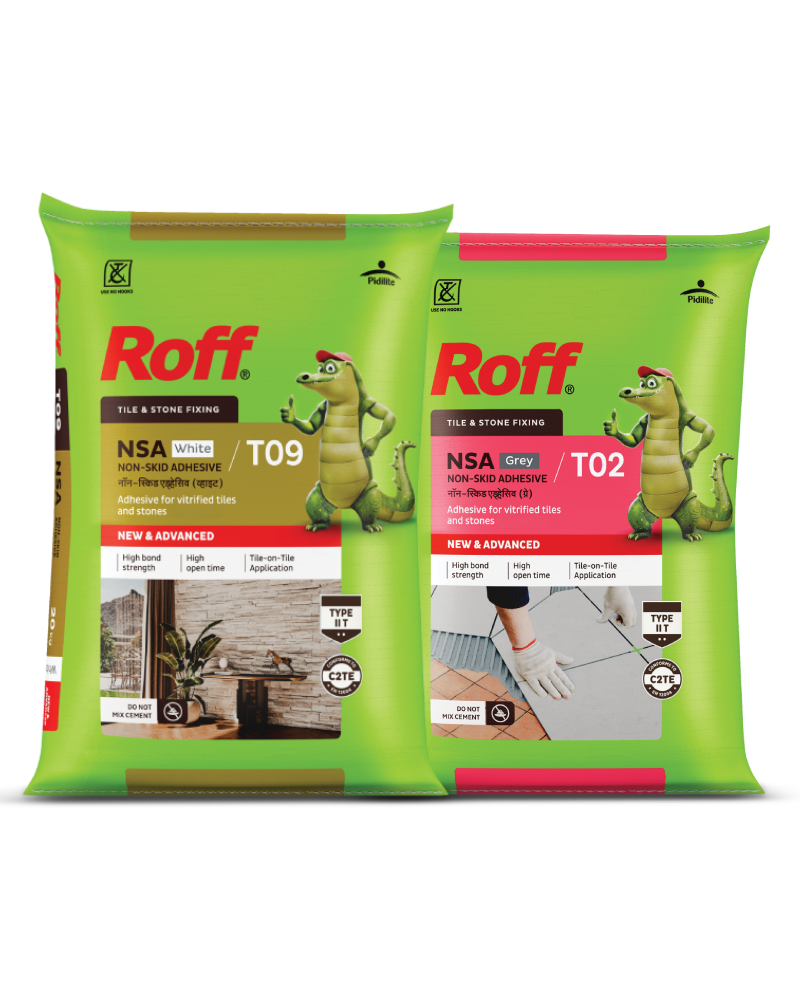
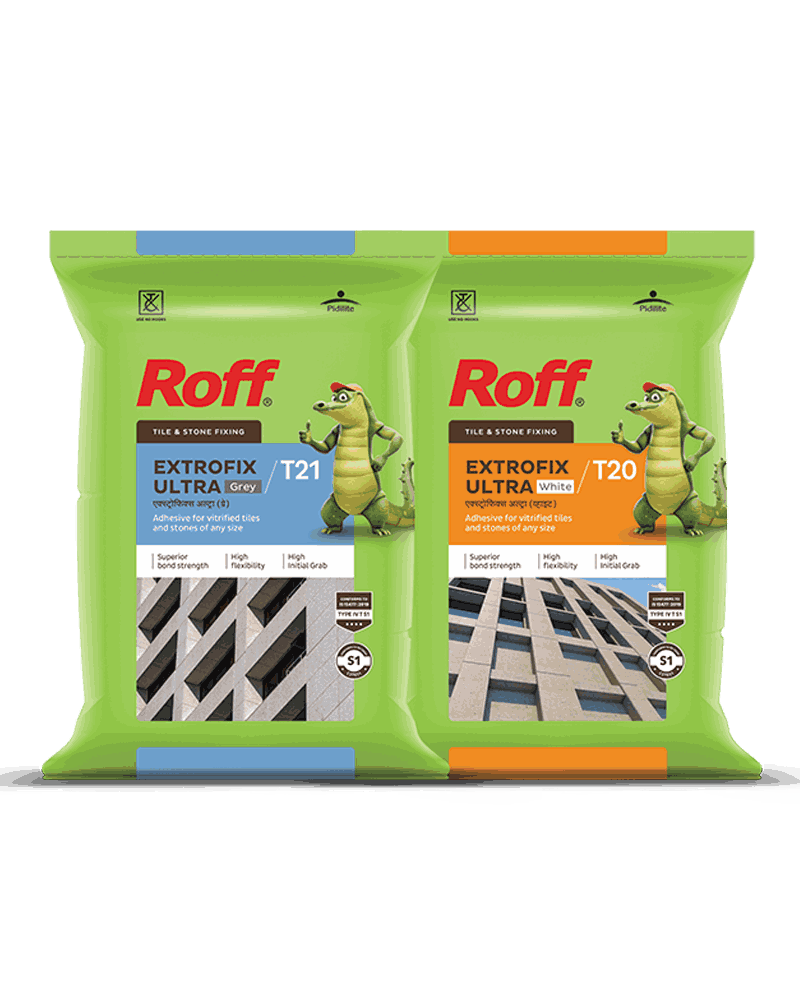
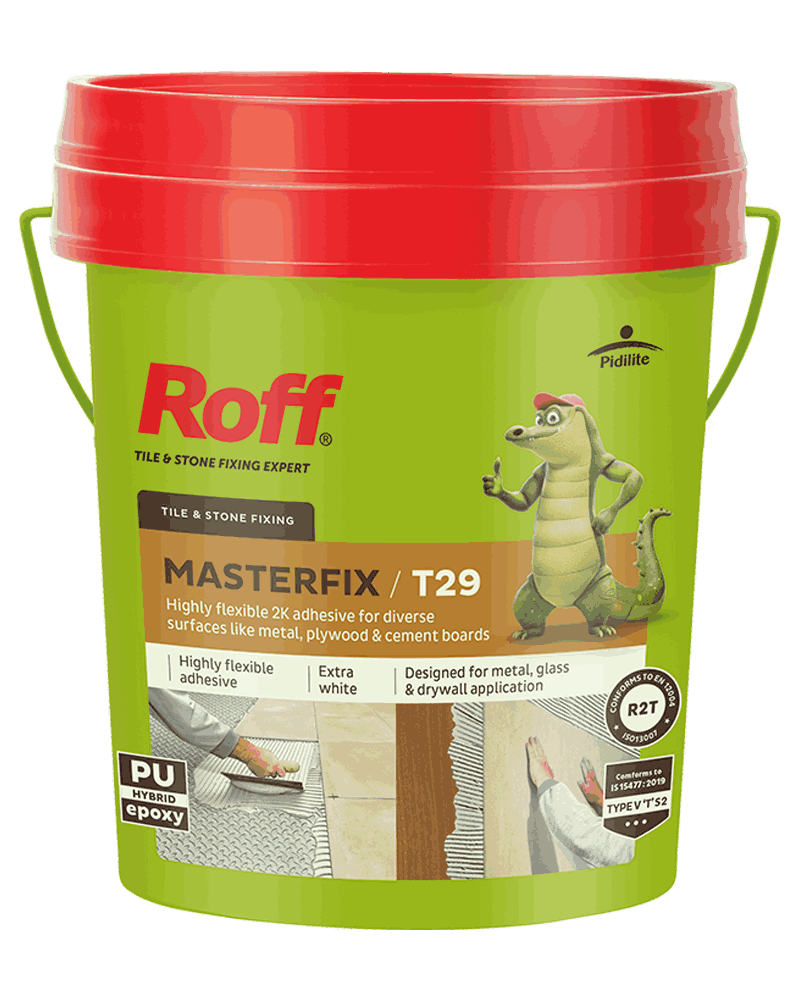
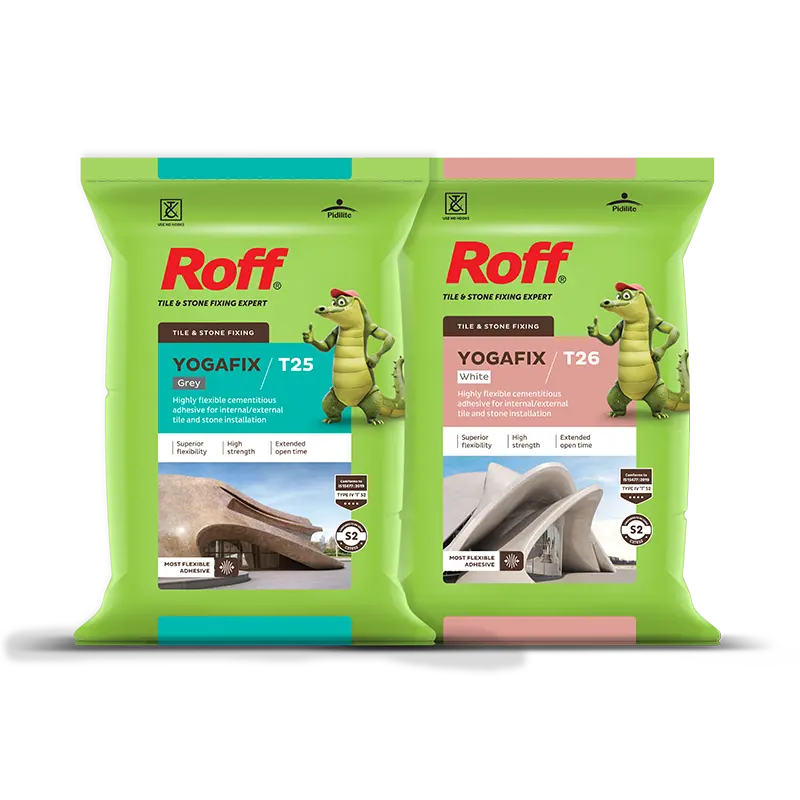
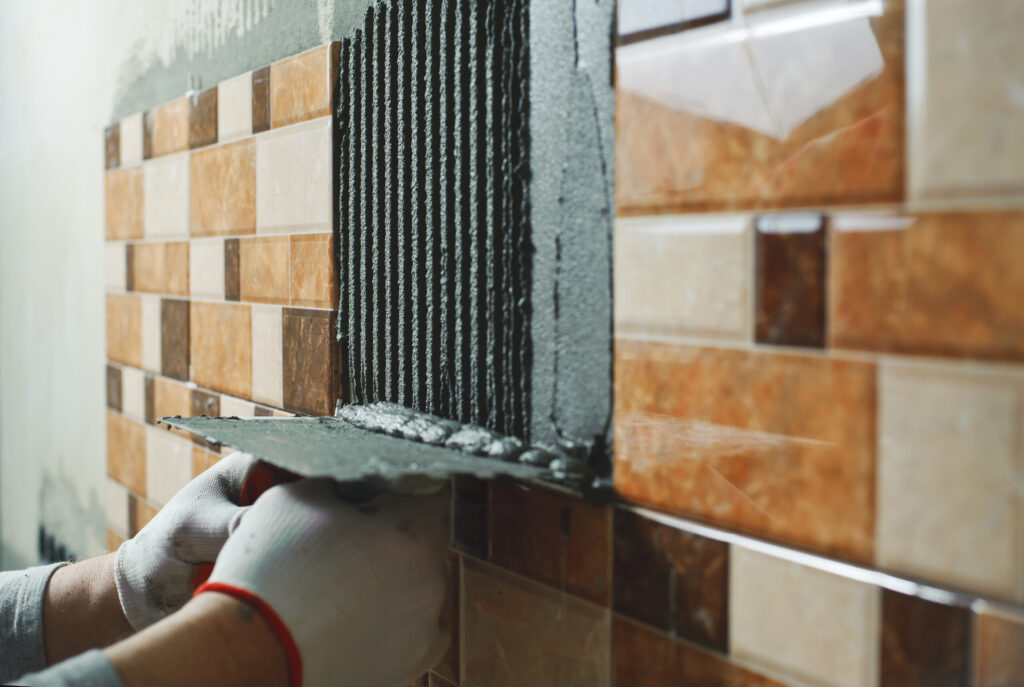
The adhesive system is often overlooked but is important in preventing future cracks.
A high-quality adhesive helps:
Distribute loads evenly
Minimise hollow areas
Reduce stress concentrations
Improve long-term stability
Choosing the right adhesive and applying it correctly provides consistent support across the entire marble surface.
Why adhesive selection matters?
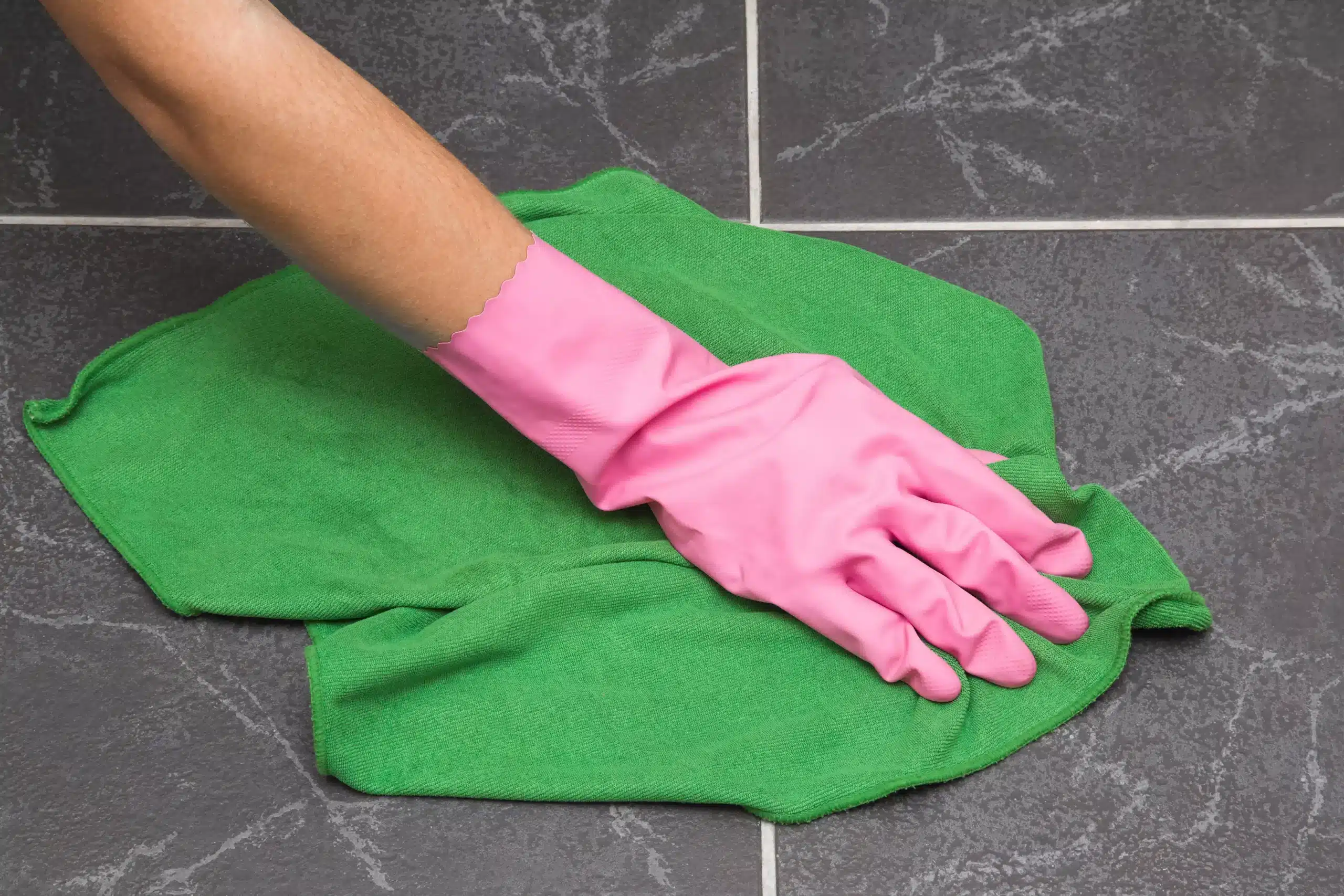
The role of marble care products
Protective solutions, such as Roff’s range of stone care products, can support marble maintenance and prevent cracks from forming in the first place. However, they are not a substitute for proper material selection or installation.
When used correctly as part of a comprehensive maintenance routine, these products can help preserve appearance and support long-term durability.
Conclusion
A future crack in marble is rarely an isolated event. It is usually the result of poor material selection, hidden defects, handling damage, or mistakes in marble installation. By choosing high-quality marble, using the right adhesive system, ensuring professional installation, and properly maintaining the surface, you can reduce the risk of cracking and extend the lifespan of marble installations.
Frequently asked questions (FAQs)
1) What causes a crack in marble after installation?
A crack in marble can result from poor material selection, hidden defects, natural weaknesses, improper handling, uneven substrate preparation, hollow spots, or incorrect adhesive application. In most cases, marble cracks develop over time because of a combination of material, installation, and maintenance issues.
2) Are fissures in marble the same as cracks?
No, fissures and cracks are not the same. Fissures are naturally occurring lines formed during the geological development of marble and are not always defects. However, excessive fissures or weak veins can make marble more vulnerable to cracking under stress.
3) How can I prevent hairline cracks in marble?
Hairline cracks in marble can be prevented by choosing high-quality marble, checking for hidden defects, ensuring proper substrate preparation, using the right adhesive, avoiding hollow spots, and maintaining the marble surface regularly with suitable stone care products.
4) What are the most common marble installation mistakes that lead to cracks?
Common marble installation mistakes include uneven levelling, poor substrate preparation, inadequate adhesive coverage, insufficient curing time, and leaving hollow areas beneath the slabs. These issues can create stress points that may lead to future cracks.
5) Does adhesive selection help prevent cracks in marble?
Yes, choosing the right adhesive is important for preventing cracks in marble. A high-quality adhesive provides even support, reduces hollow spaces, distributes loads properly, and improves the long-term stability of the marble installation.