Blogs & Current Trends

Check out the biggest trends of the season and our expert take on them.

How to choose the correct stone adhesive for durable installations

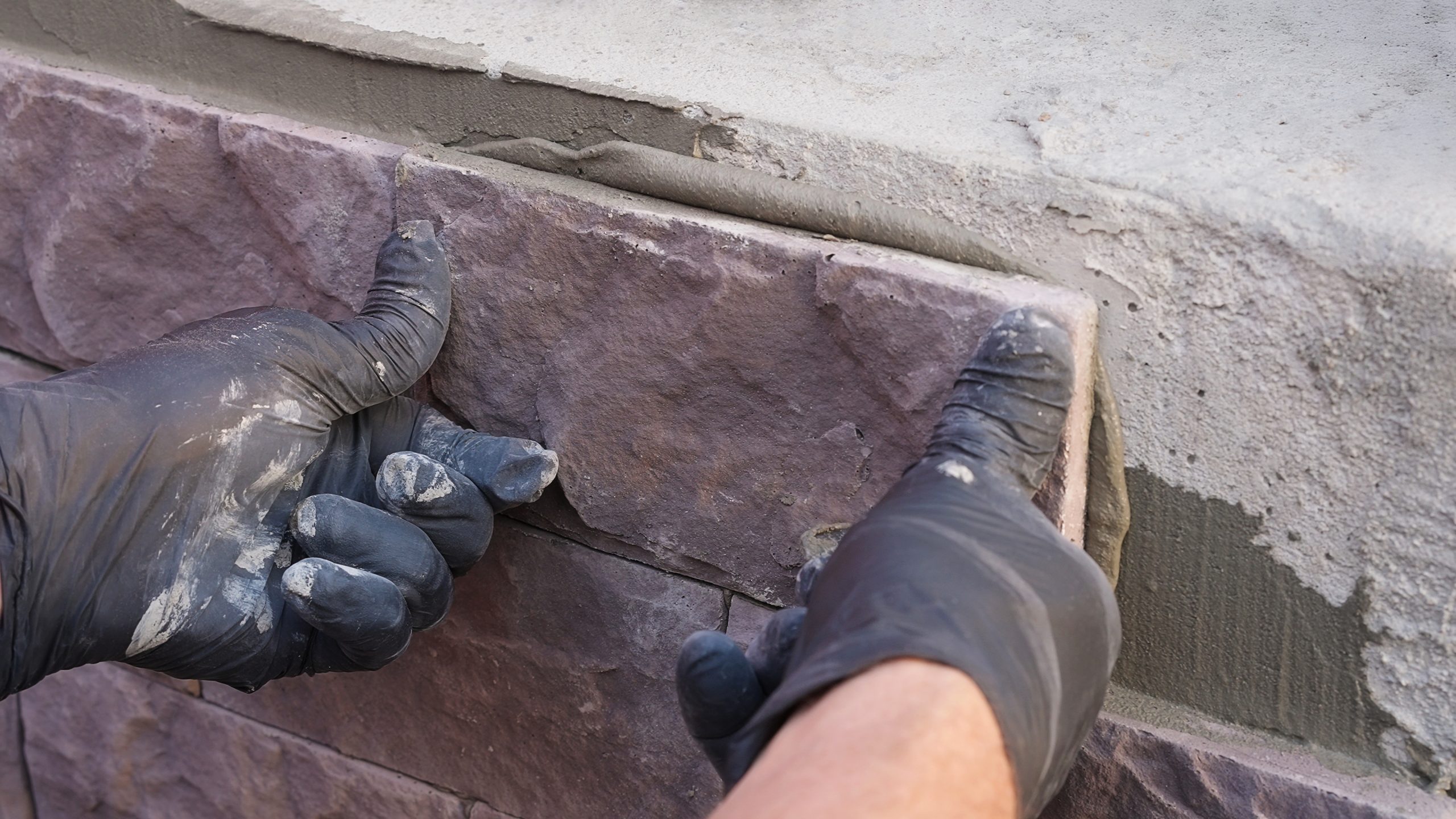
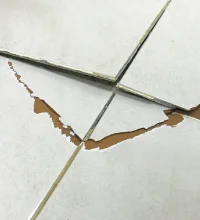
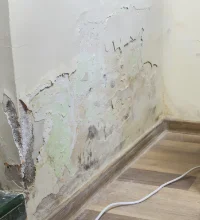
Selecting the right stone adhesive is essential for optimal performance, especially for natural stone flooring, wall cladding, and vertical applications. Whether you’re installing stones in bathrooms, walls or floors, the wrong stone fixing adhesive can result in debonding, staining, cracks, or expensive repairs.
If you’re unsure how to choose the correct adhesives for stones, here are five critical checks to consider:

1. Stone type and absorption characteristics

Not all stones behave the same. Your adhesive needs to be compatible with the type of stone you’re usingMarble and travertine are porous and may absorb moisture from certain adhesives, causing staining or warping. Granite is denser and demands high bond strength. Engineered stones may require a compatible adhesive for stones that accommodate resin content. Understanding water absorption, porosity, and dimensional stability helps you select a compatible stone fixing adhesive that prevents discolouration and ensures proper bonding.

2. Application area and orientation

Horizontal flooring, vertical wall cladding, and exterior facades all impose different stresses. Vertical installations demand high slip resistance to prevent sagging. Outdoor applications require UV stability, moisture resistance, and temperature tolerance. Gravity, thermal shifts, and environmental exposure directly influence how your stone adhesive glue performs over time.

3. Substrate condition and preparation

Even the best stone glue will fail on a weak or uneven substrate. Check for surface flatness, compressive strength, and moisture levels. 

  • Cement screeds must be cured  
  • Drywall must be rigid 
  • Concrete must be free of contamination

Proper surface preparation reduces stress concentration and ensures that the adhesive for stones achieves its bond strength

4. Adhesive performance parameters

Review technical data sheets carefully. Some important factors to consider include:

  • Bond strength– critical for heavy stone slabs 
  • Slip resistance– essential for vertical work 
  • Open time– impacts site productivity 
  • Curing behaviour– affects installation scheduling 

Specifying a high-performance stone fixing adhesive aligned with project conditions ensures long-term structural reliability and an aesthetic finish.

5. Movement accommodation and durability

Natural stone expands and contracts with temperature. Structural movement and building settlement add further stress. Flexible stone adhesive glue systems help absorb movement and reduce stress transfer to the stone, minimising the risk of cracking and debonding. 

Key takeaway

Specifying the right stone adhesive glue requires evaluating stone properties, substrate readiness, environmental conditions, and performance parameters. Checking these factors upfront ensures safer installations, superior finishes, and long-term durability. Before your next project, review the technical data sheet carefully and consult with manufacturers to match adhesive performance with project demands. 

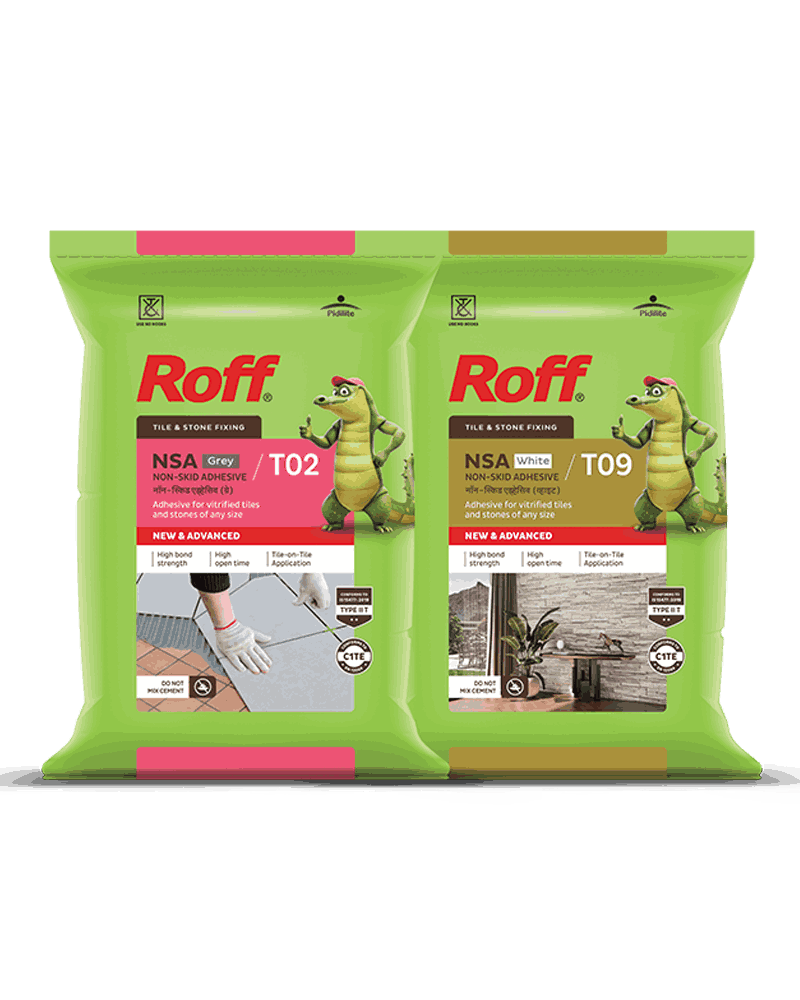
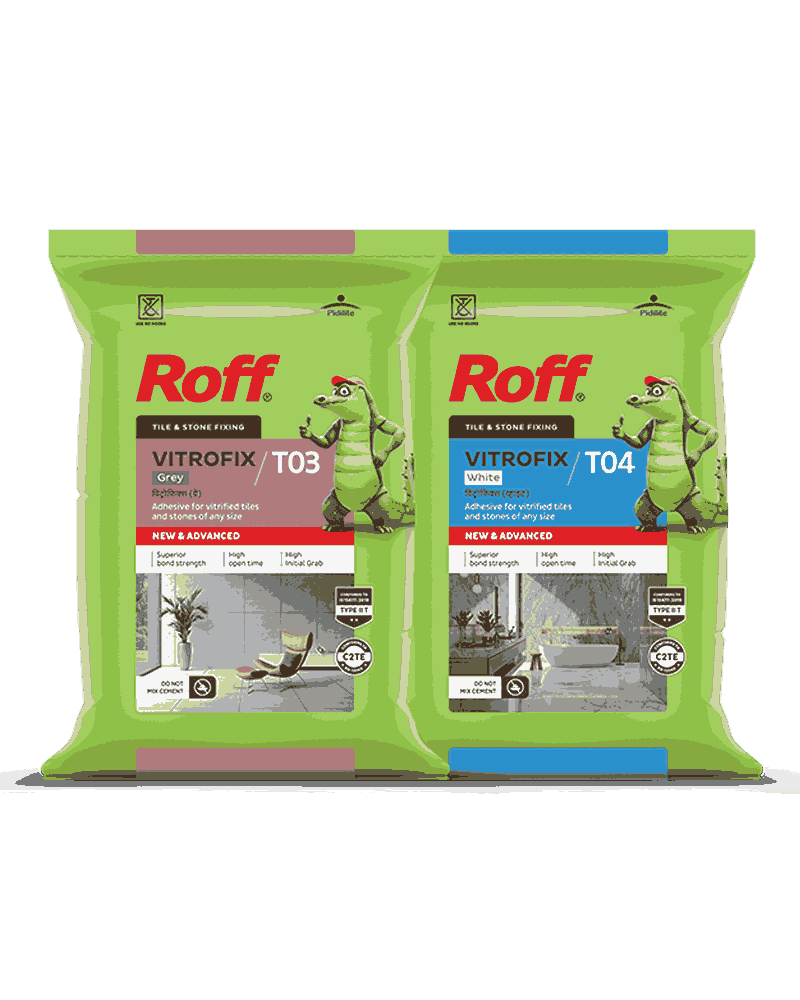
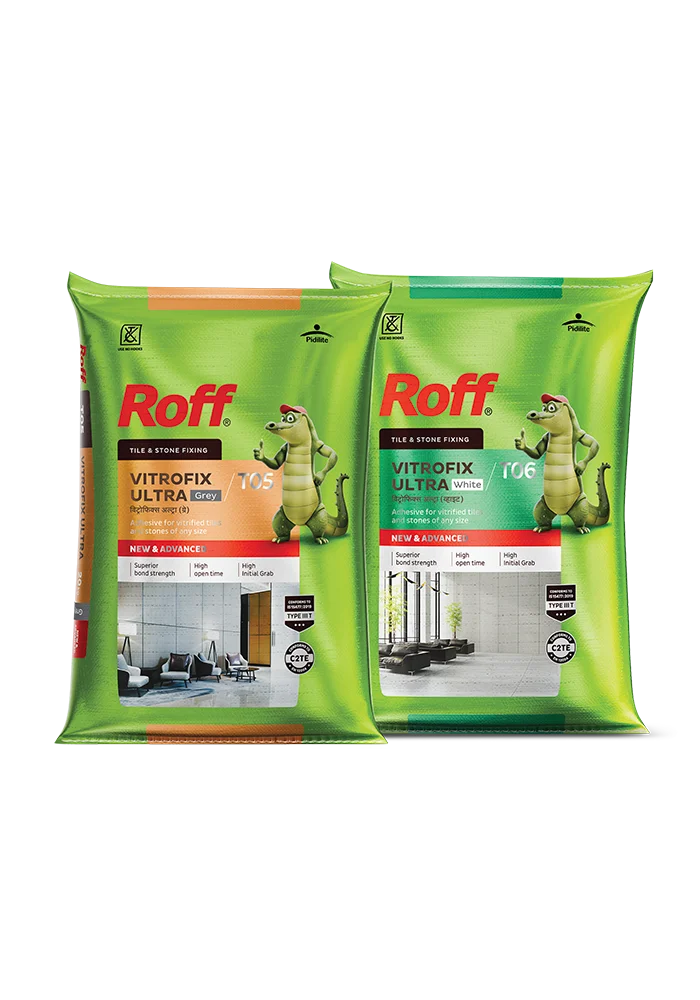
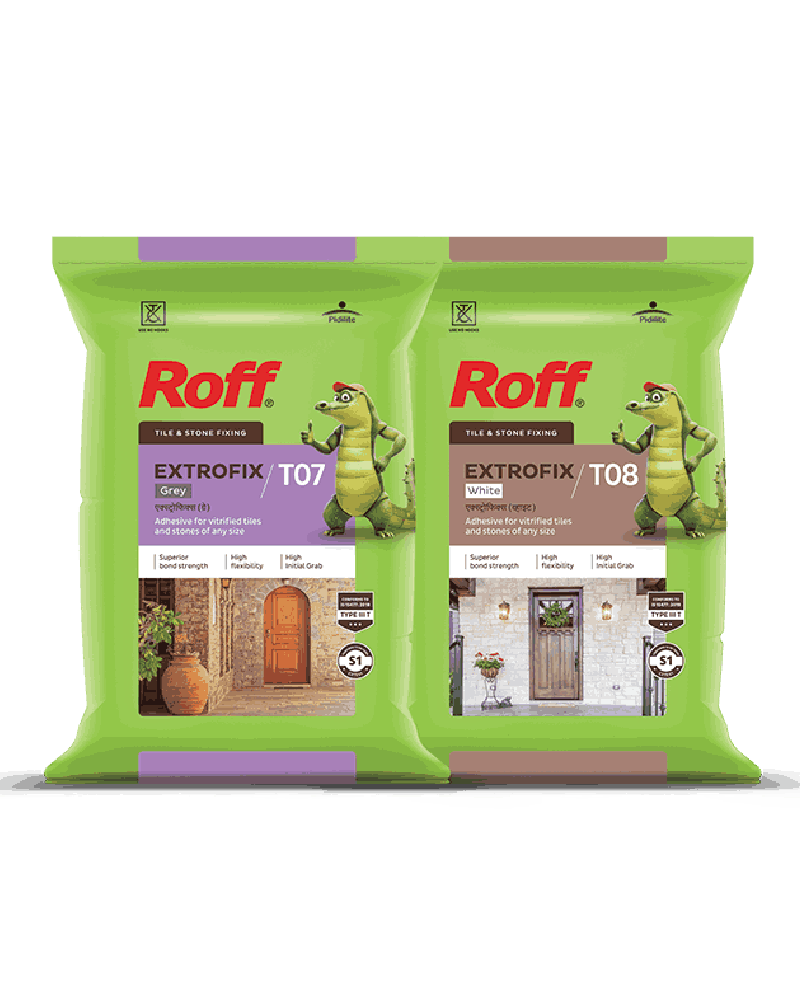
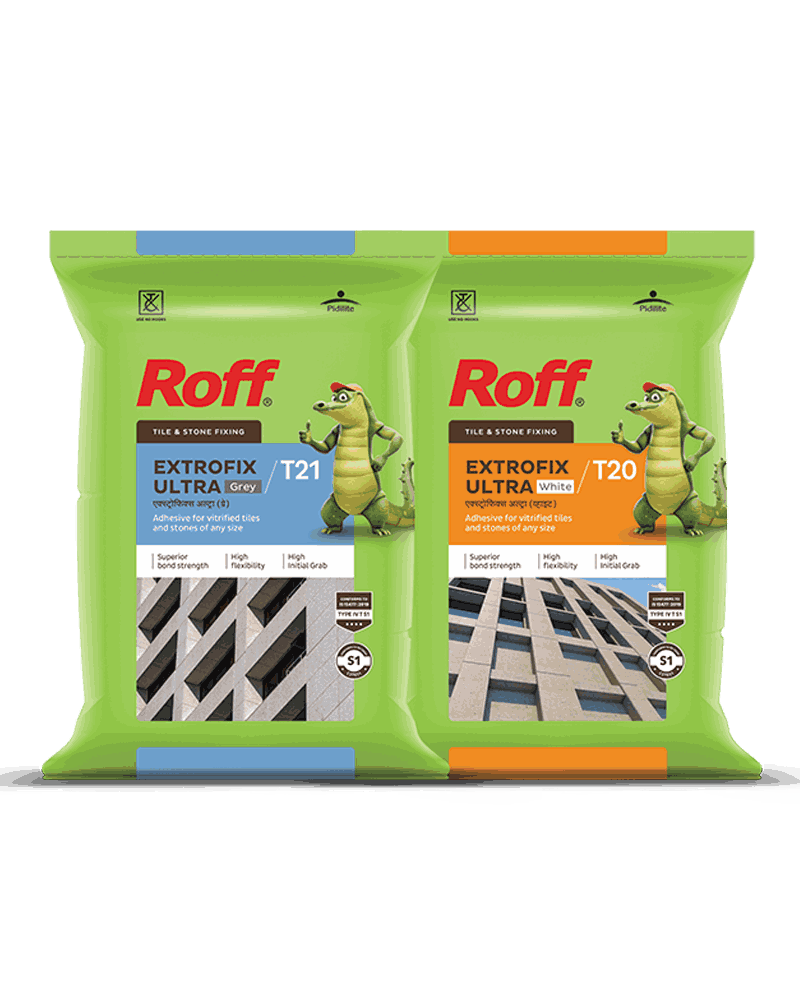
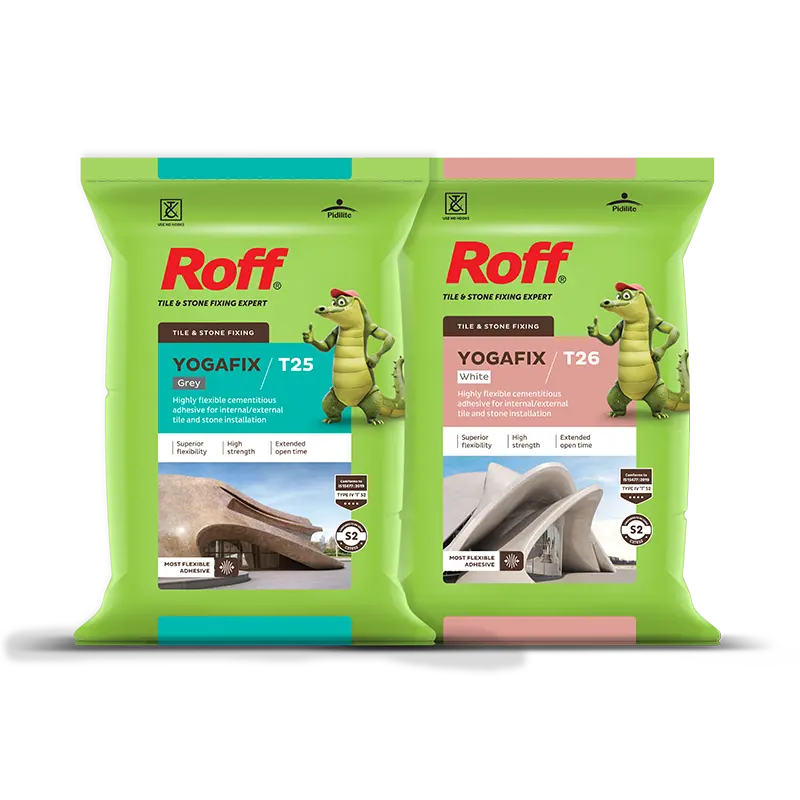
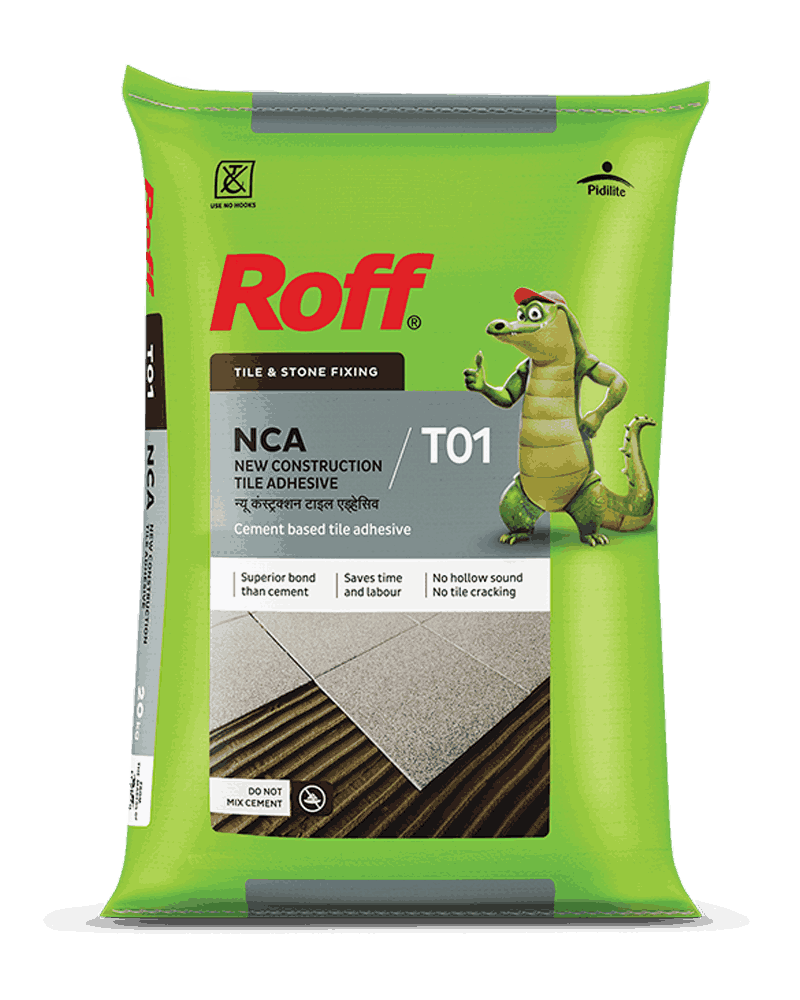
Roff Vitrofix Adhesive is a high-performance option that works perfectly with natural stones for internal areas. Additionally, this adhesive also functions well with ceramic, semi-vitreous, and vitrified tilesRoff Extrofix Adhesive is a flexible option that is recommended for external areas 
FAQs

Q1. Can I use regular tile adhesive as stone glue?

Not always. Natural stone often requires a specialised stone fixing adhesive with higher bond strength and greater compatibility.

Q2. Why does marble sometimes stain after installation?

Improperly applied adhesive for stones can cause moisture migration, leading to discolouration.

Q3. Is adhesive selection important for exterior stone cladding?

Absolutely. Exterior applications demand high open time, flexibility, and weather durability.

This approach ensures the wall isn’t just ‘ready’ but rather bonded to the wall tile adhesive system.