Check out the biggest trends of the season and our expert take on them.
Loose tiles? The problem might be your tile adhesive
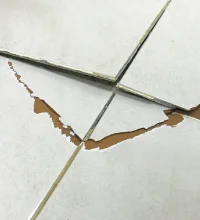
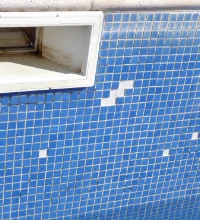
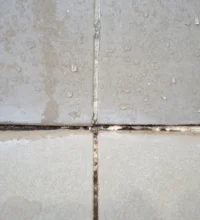
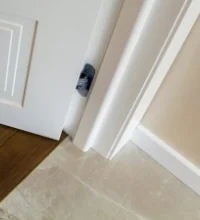
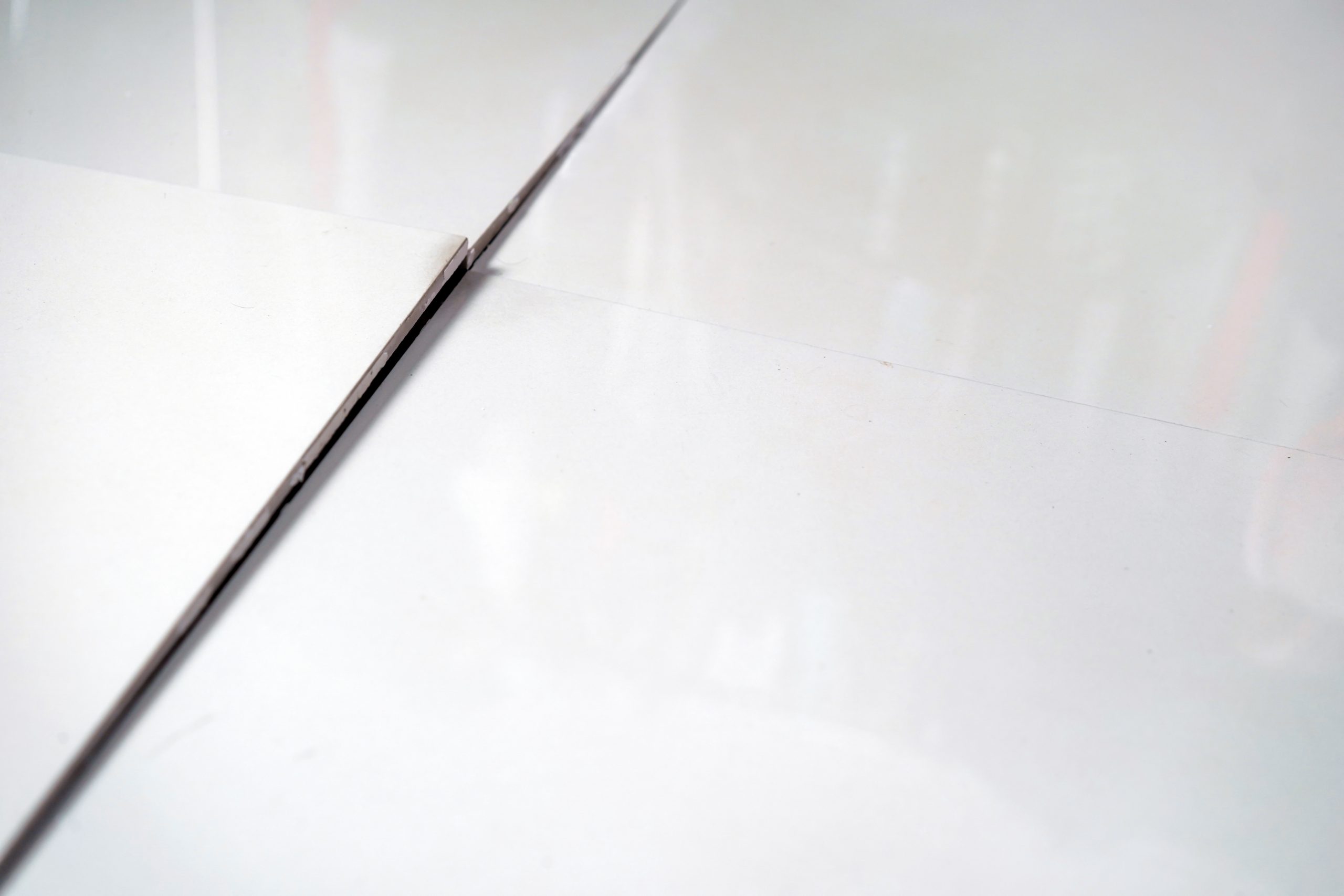
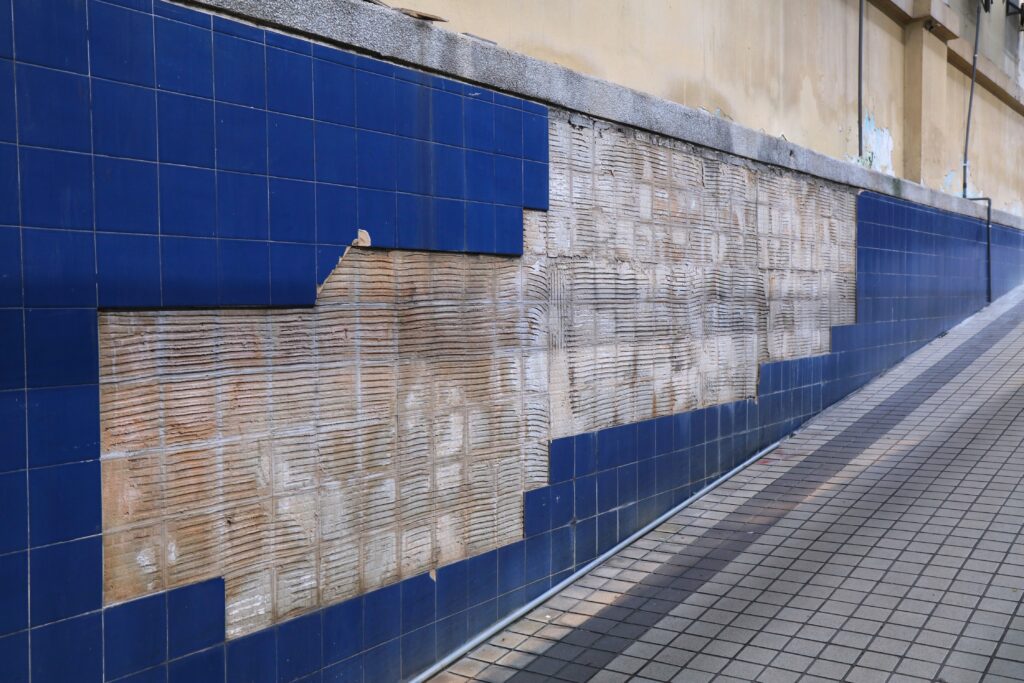
Have you been noticing your home’s tiles shifting, making hollow sounds, or becoming misaligned and uneven? These are the classic signs of loose tiles.
Tile installations can become loose over the years for a variety of reasons, from the type of tile adhesive used to the application process and environmental factors affecting the tiles.
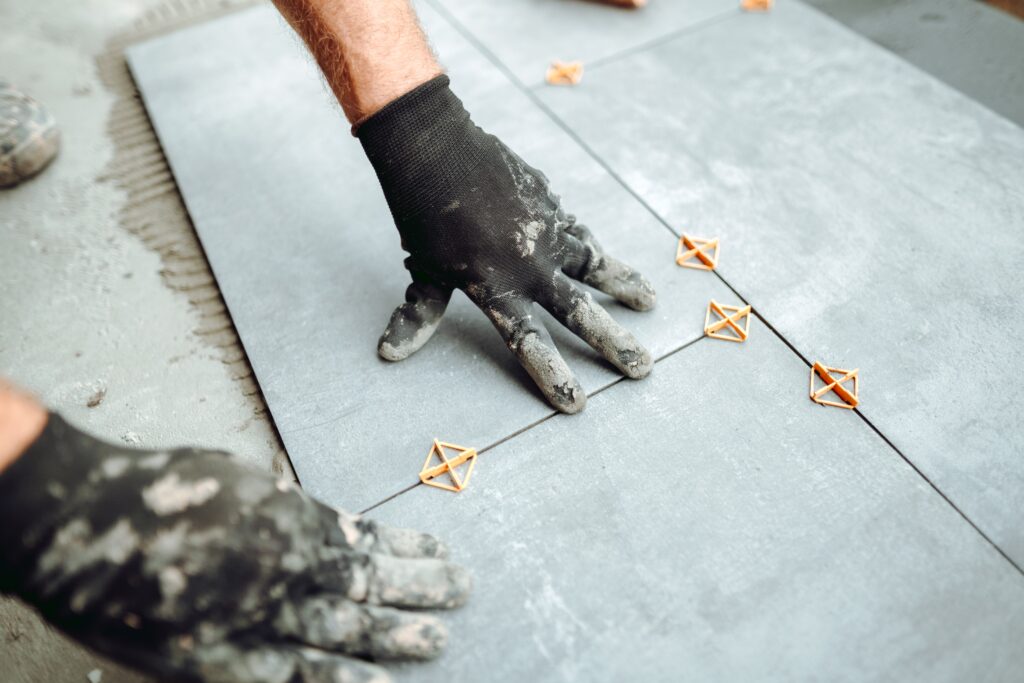
In this article, we will explore the most common reasons for loose tiles and how you can prevent them by choosing the right tile adhesives and following proper installation practices.
Why do loose tiles occur?
There are three main factors that determine why loose tiles occur:
1. Improper surface preparation
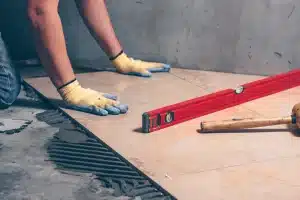
When you think of loose tiles, most people assume that it is an issue with the tile-fixing adhesive. But even the best adhesives will underperform without proper surface preparation. A clean, dry surface free of dirt, oil, or moisture ensures the tiles bond properly to the substrate and do not become loose over time. Additionally, the surface must also be levelled, as an uneven surface can lead to hollowness and tile debonding.
2. Use of cement as a tile adhesive
Using cement as a tile paste is a widespread construction practice in India. However, most homeowners do not realise that it can cost them recurring repairs over the years. Due to its brittle nature and its tendency to shrink upon curing, cement does not form a proper bond between the tile and the substrate, leading to debonding from foot traffic, movement, and temperature fluctuations.
3. Mismatch between tile adhesive and application area
There is no perfect answer to what tile adhesive is the best for your installation. Different applications have diverse needs: tiles in wet areas, like bathrooms, need to resist moisture, while those in outdoor areas need to be resilient to temperature fluctuations and UV exposure. When you do not match the tile adhesive to the application area, it ultimately results in loose tiles.
What should you do about loose tiles?
If you are noticing hollow sounds or tiles popping out, you can either opt for repairs or a re-tiling job.
If only a few tiles in a particular area are loose, localised repairs may be possible with re-adhesion and re-grouting. However, this depends on the condition of the debonded tiles and the substrate’s stability.
On the other hand, if there is significant damage to the tiles or the underlying surface, or if the loose tiles are becoming a recurring issue, then re-tiling the surface with an effective floor tile adhesive would be a better choice.
Ultimately, choosing the best tile adhesive for your installation’s needs is the easiest way to prevent such issues from recurring and save money on repairs in the long run.
How does Roff’s range of tile adhesives help with tile longevity?
Loose tiles are rarely a one-off problem and often reoccur unless the root cause is addressed during installation. Choosing the right tile adhesive for your specific application is what separates a lasting installation from one that needs repeated repairs.
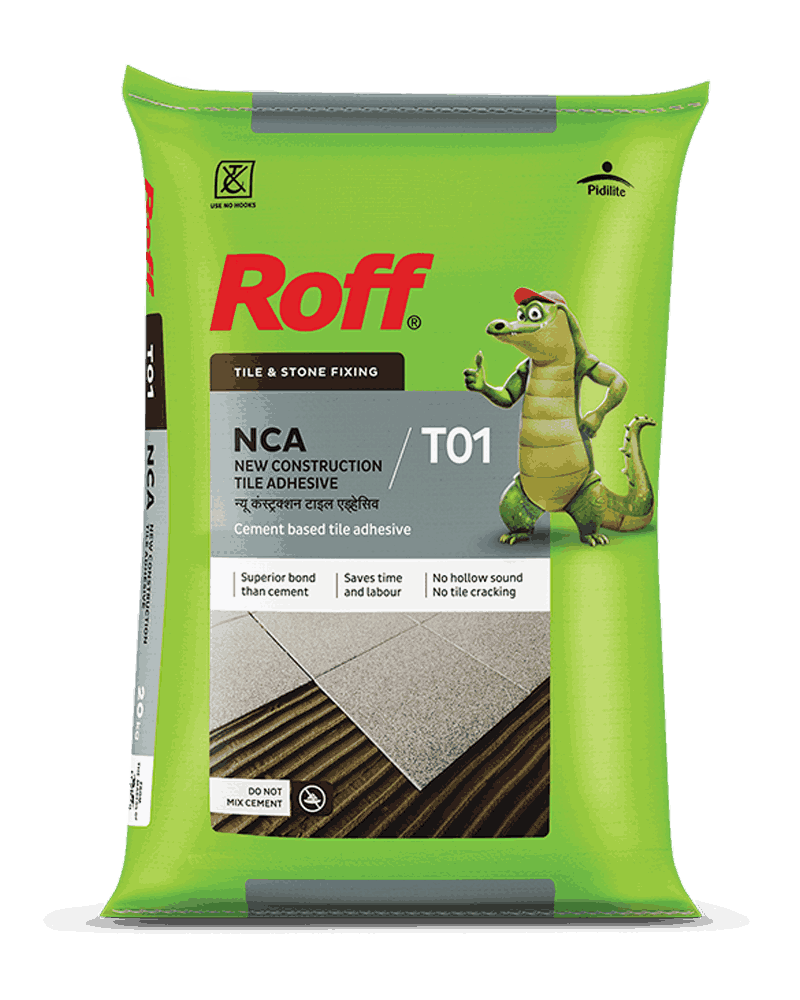
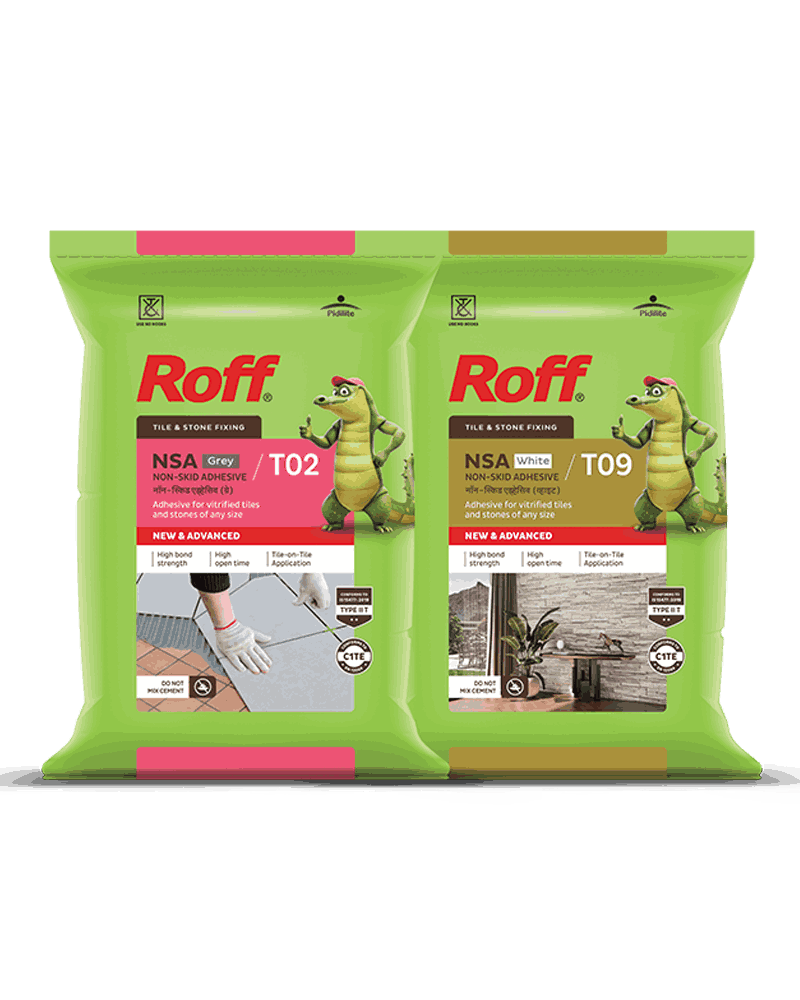
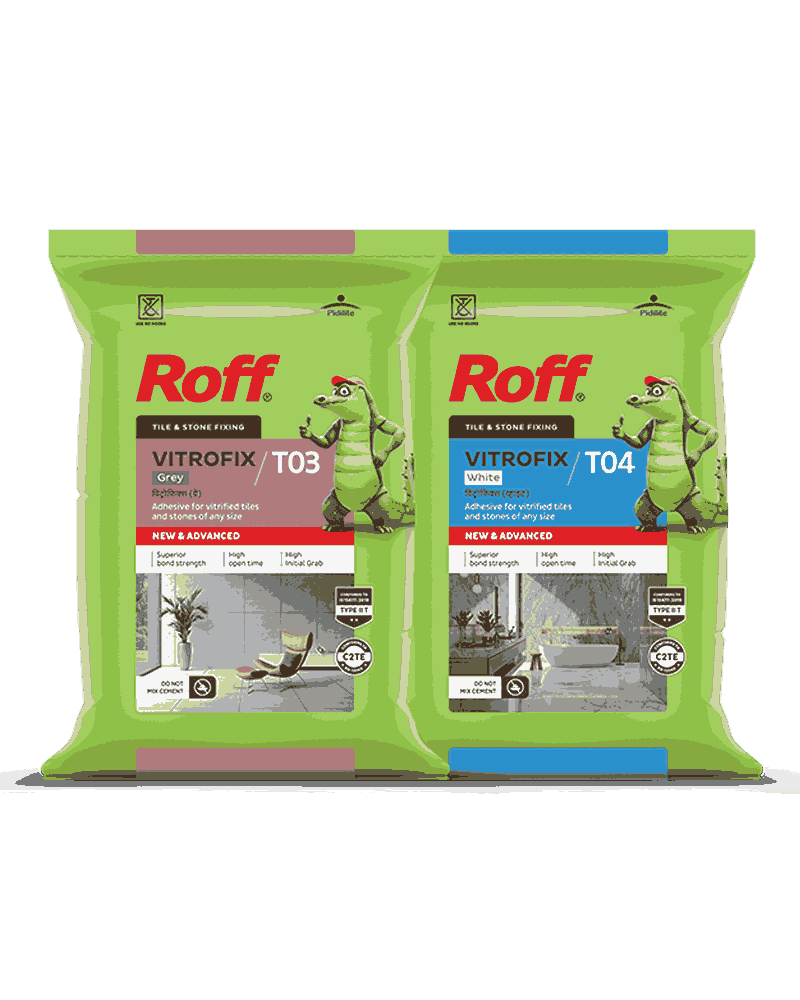
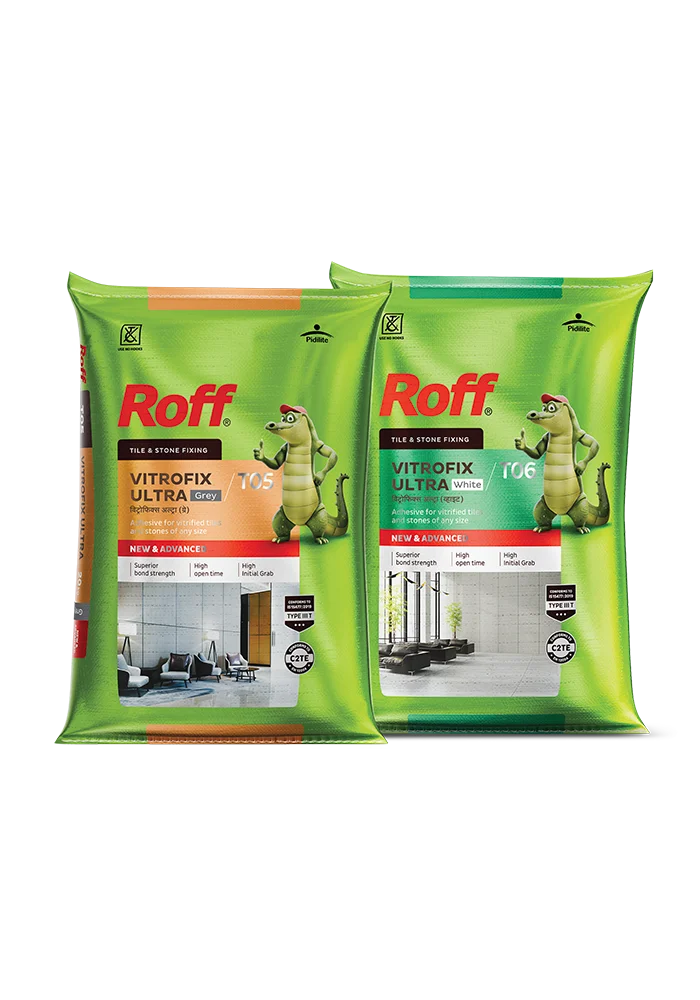
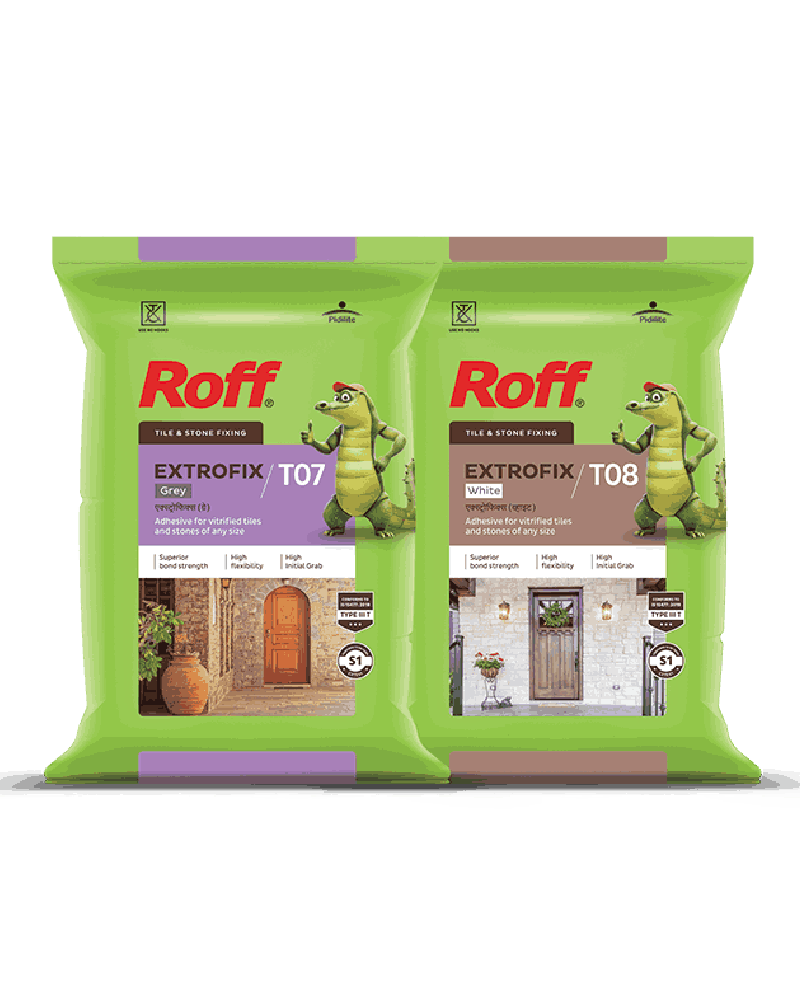
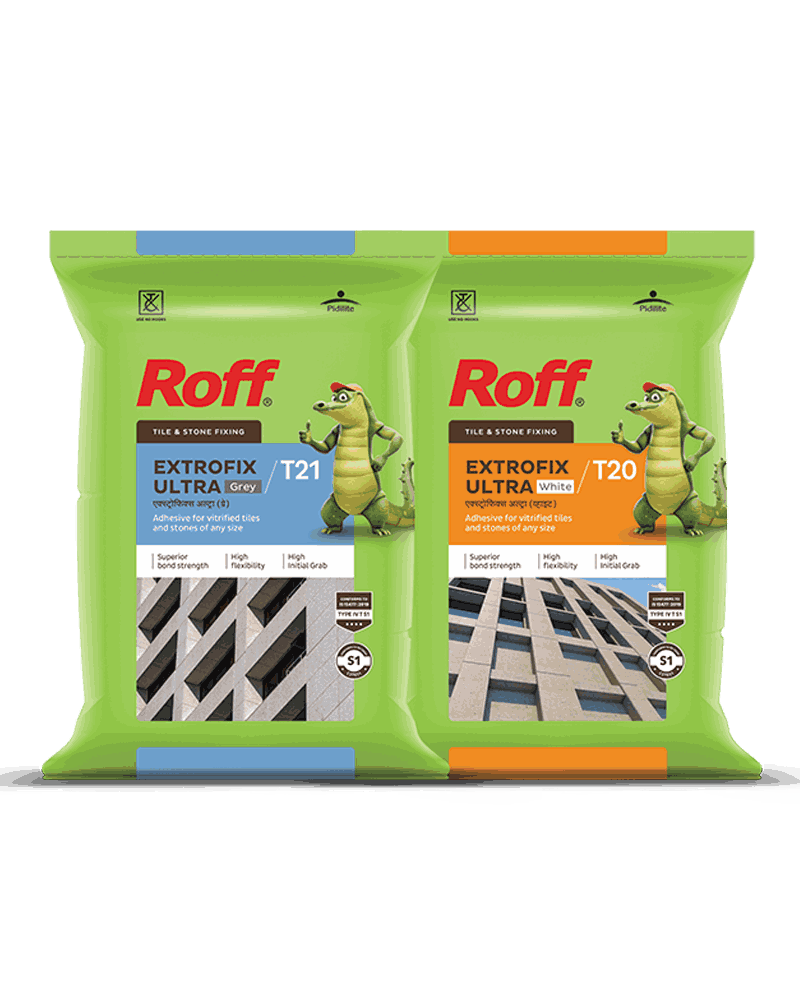
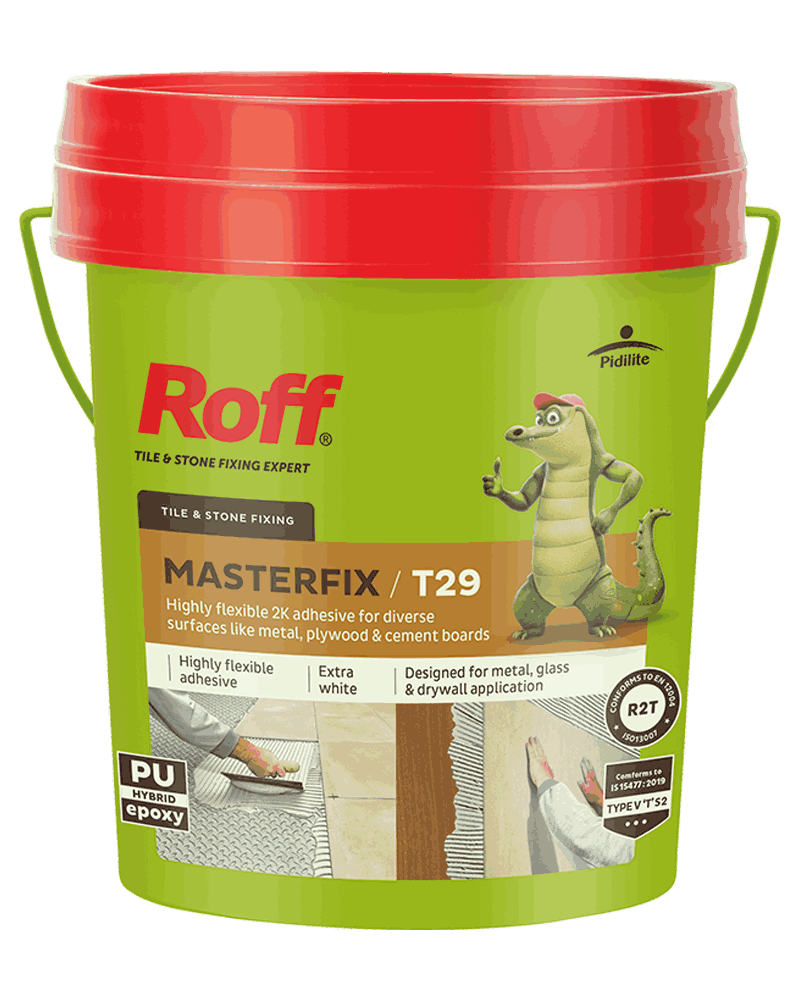
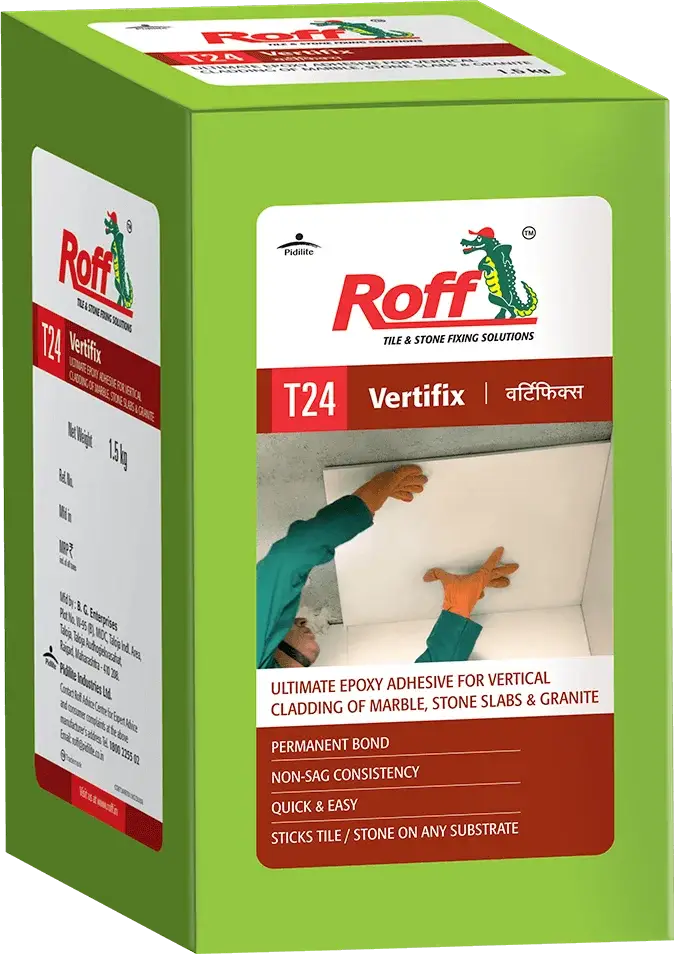
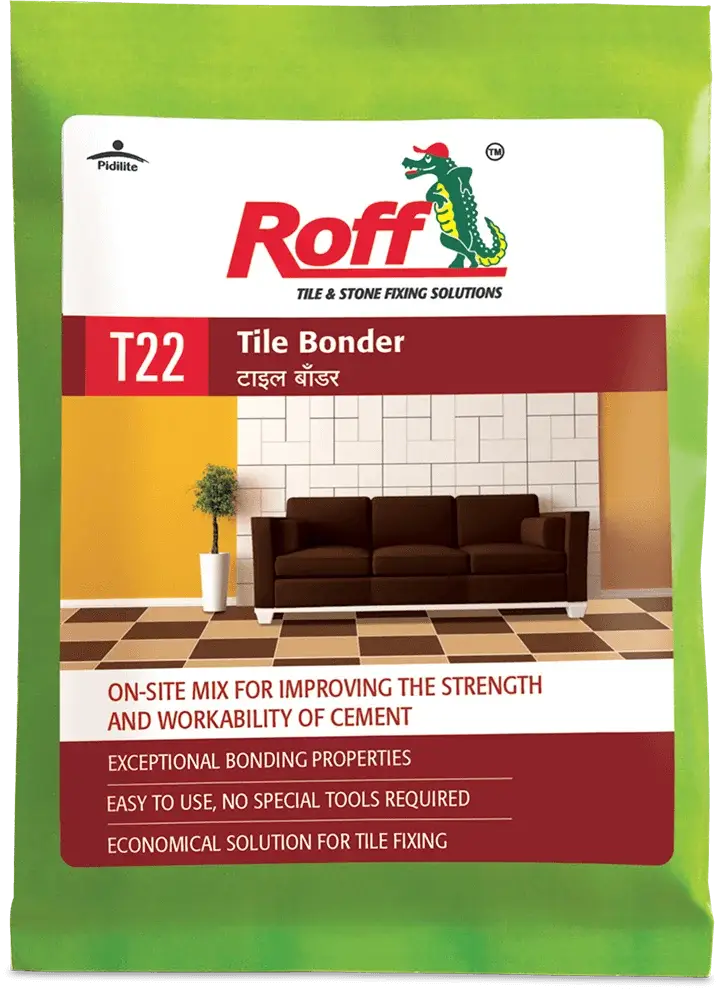
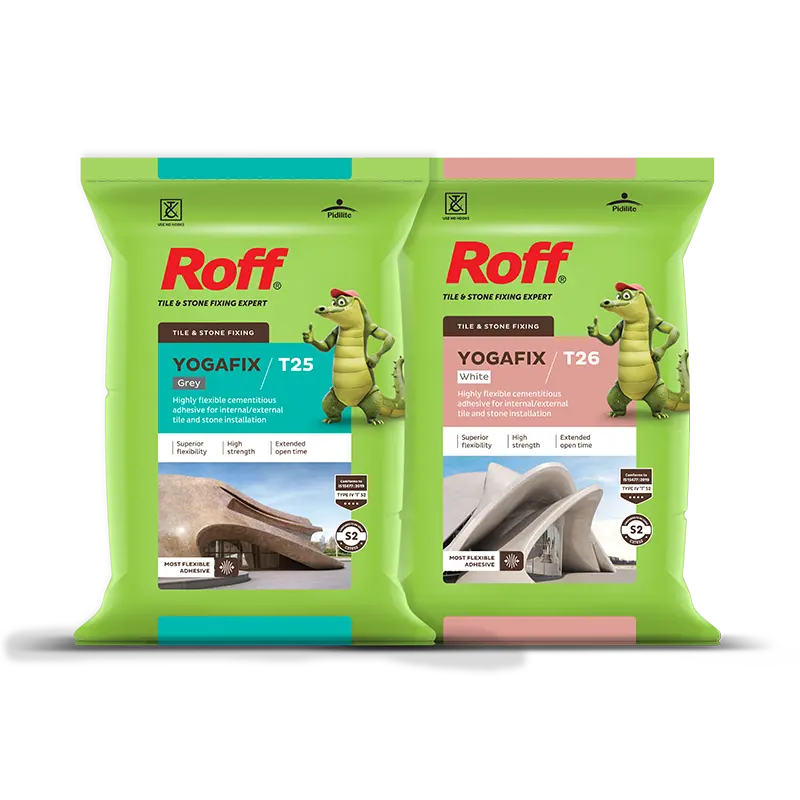
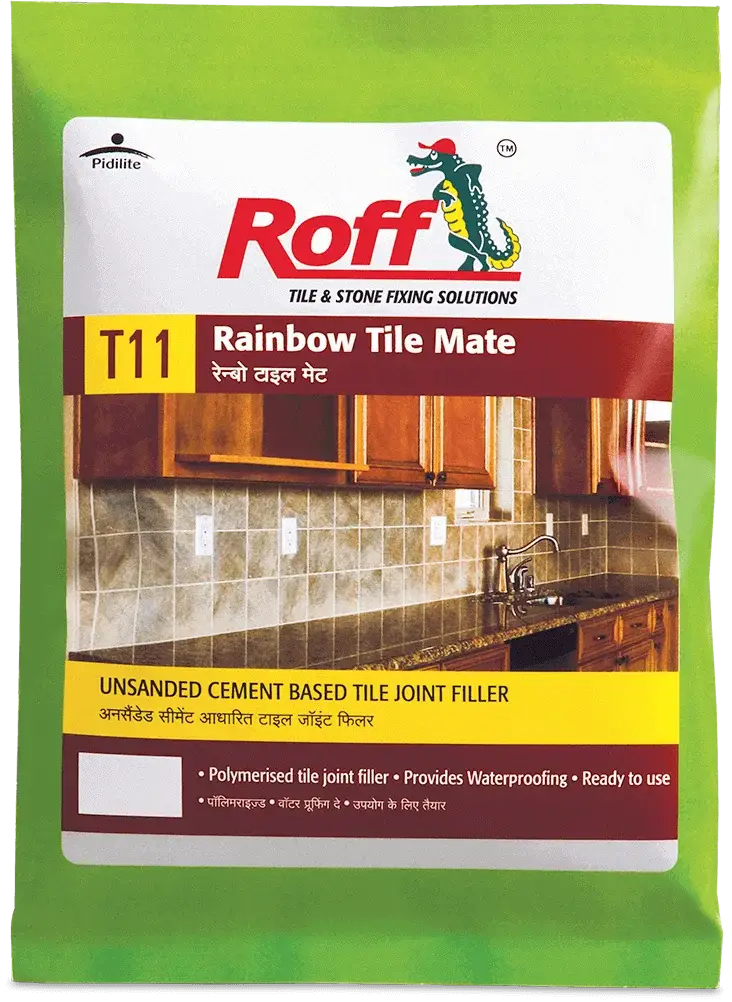
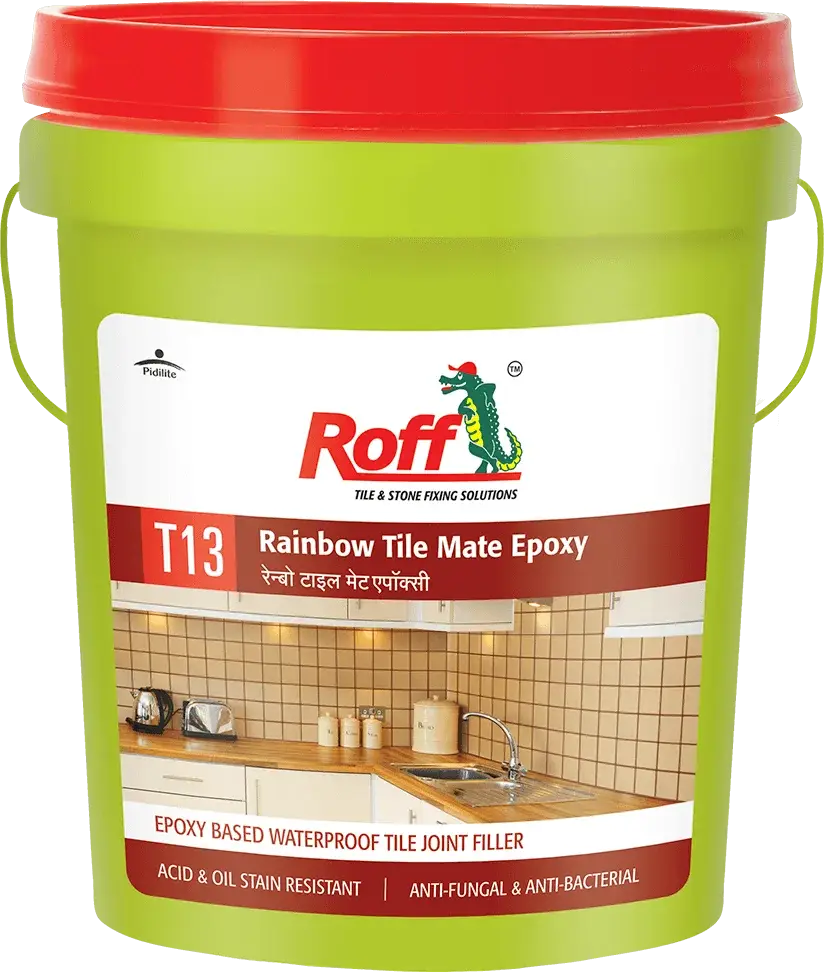
Roff’s range of tile and stone adhesives is designed to meet the demands of different applications, from moisture-prone bathrooms to high-traffic floors and outdoor surfaces.Explore Roff’s range today and find the right tile adhesive for your next installation.
FAQs
1. What are the signs of loose tiles?
Hollow sounds, shifting tiles, and uneven or misaligned surfaces are common indicators of loose tiles.
2. Why do tiles become loose over time?
Tiles loosen due to poor surface preparation, unsuitable adhesives, or environmental factors like moisture and temperature changes.
3. Can loose tiles be repaired without replacing all tiles?
Yes, if the damage is limited, tiles can be re-fixed and re-grouted, depending on substrate condition.
4. How can I prevent tiles from becoming loose?
Use the right tile adhesive for the application and ensure proper surface preparation during installation.