Check out the biggest trends of the season and our expert take on them.
4 important things to know before using tile fixing glue
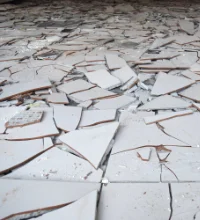
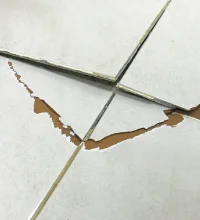
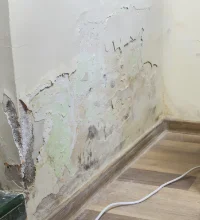
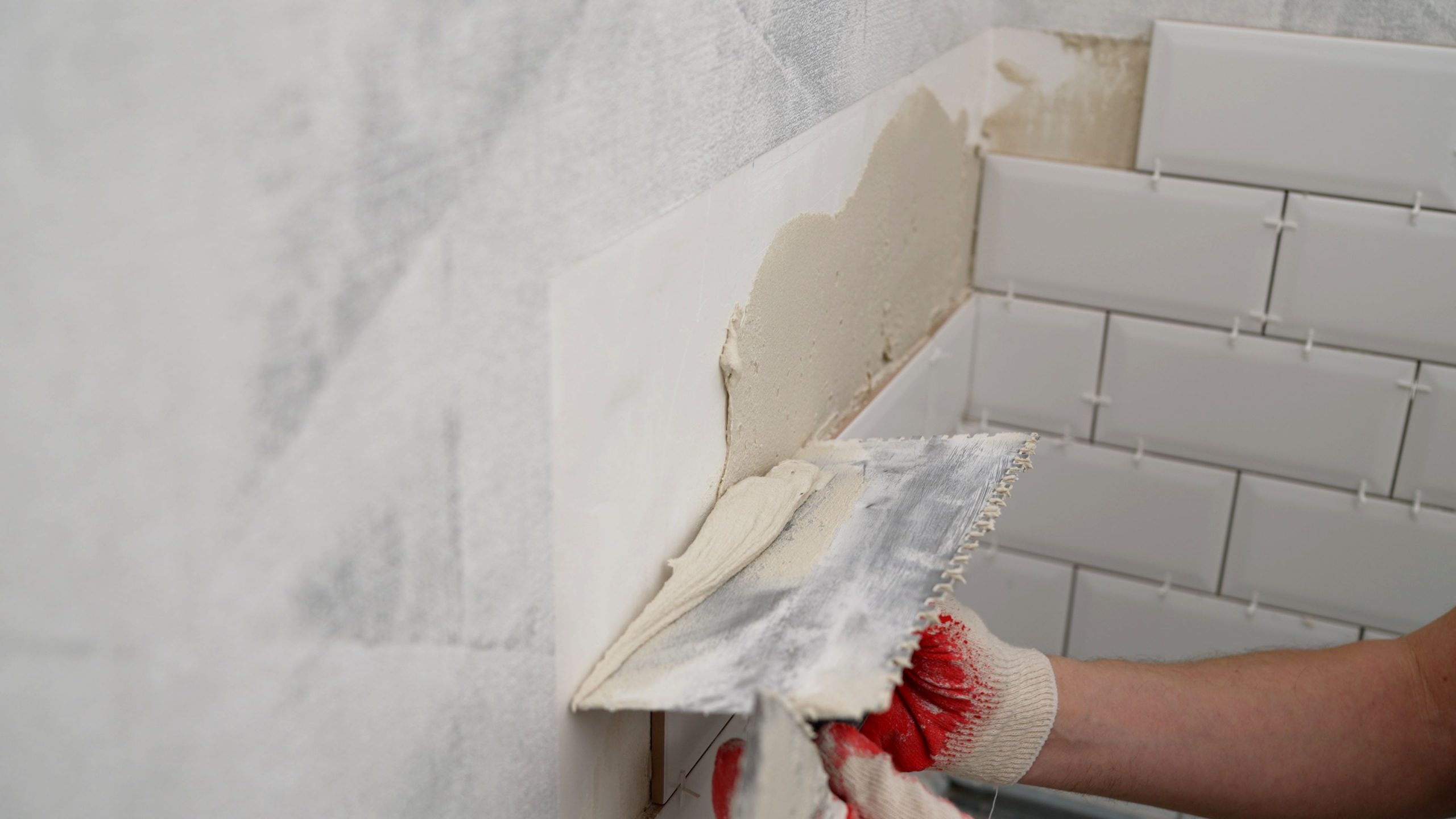
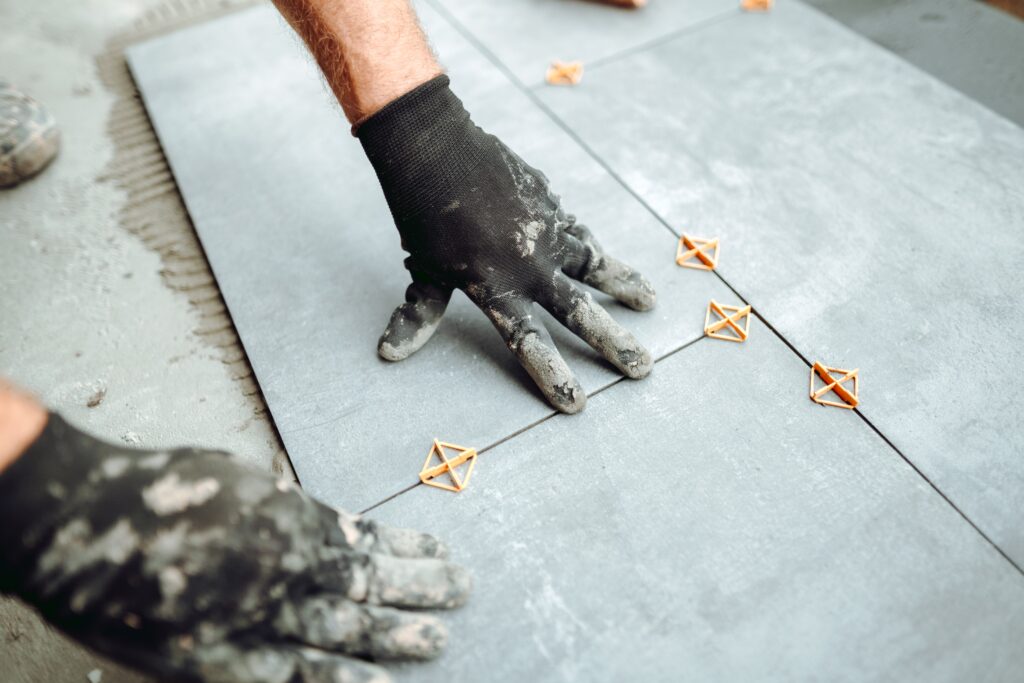
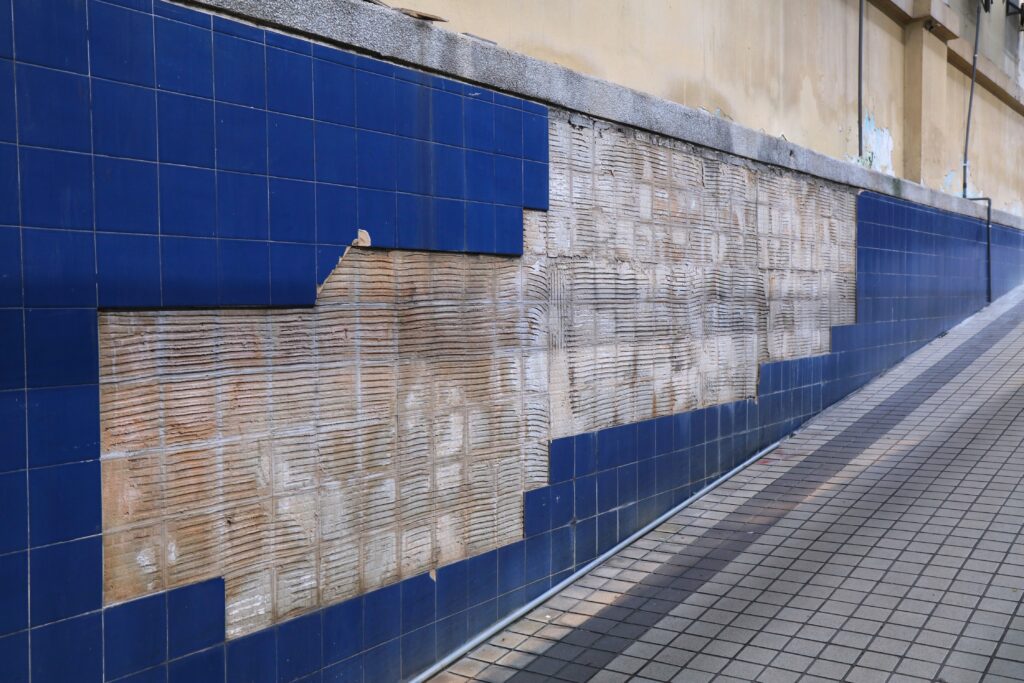
When handling an installation or repair project, the tile fixing glue you choose affects the long-term performance of your tiles. The right tile adhesive ensures your tiles stay in place and withstand years of wear and tear. Using an inappropriate tile fixing chemical or applying it incorrectly can lead to loose tiles, hollow sounds, cracks, and costly repairs later.
If you’re planning a new tile installation or repair, here are four important things to consider before using tile fixing glue.
1. Where will the tiles be used?
The first step in choosing the right tile paste is understanding where the tiles will be installed. Different spaces in your home place different demands on adhesives.
For example:
Wall tiles require adhesives with good grip to prevent slipping.
Floor tiles need stronger bonding to withstand foot traffic and heavy loads.
Bathrooms and kitchens require adhesives that can resist moisture.
Outdoor tiles need adhesives that withstand temperature changes and weather exposure.
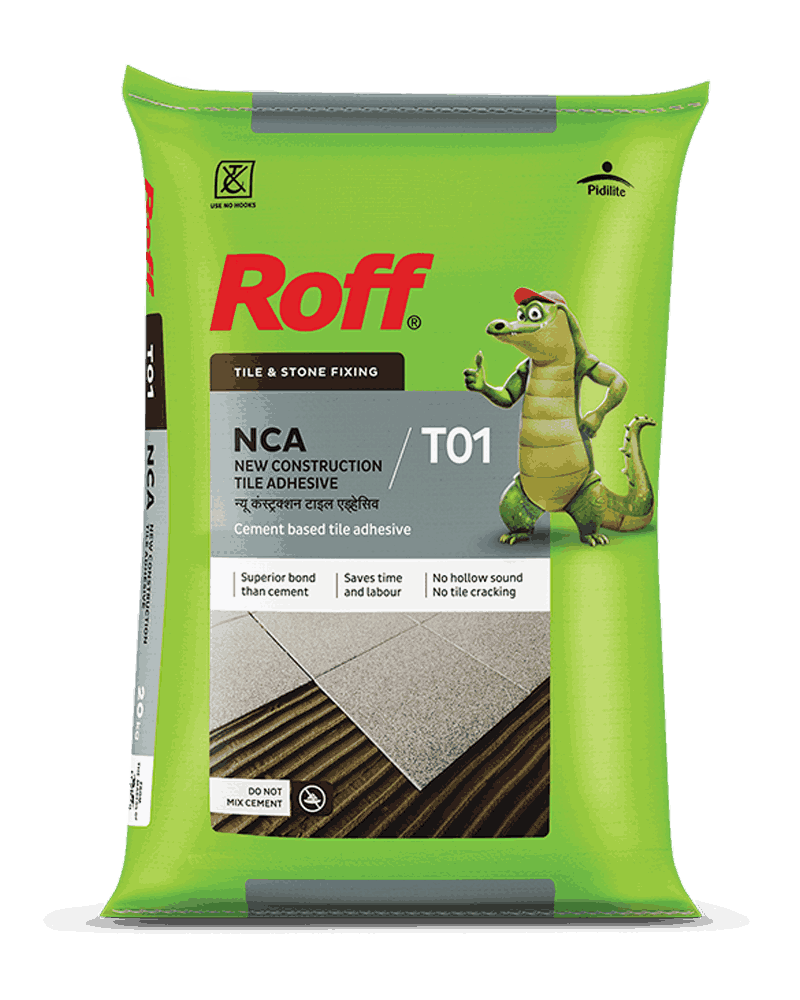
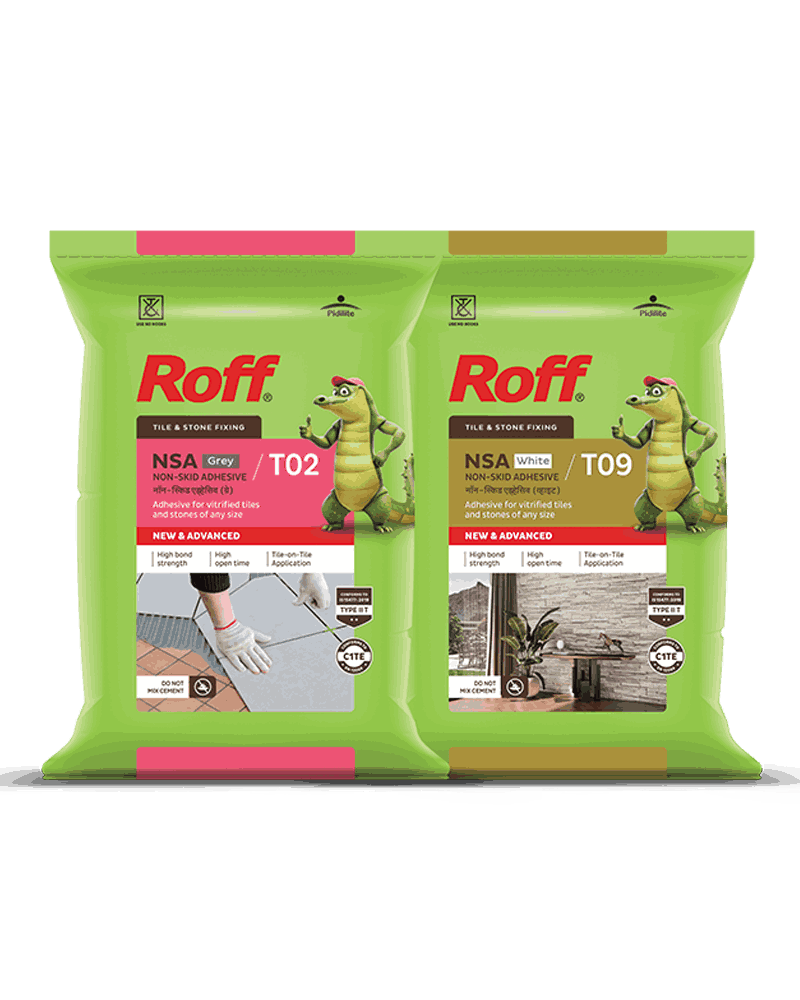
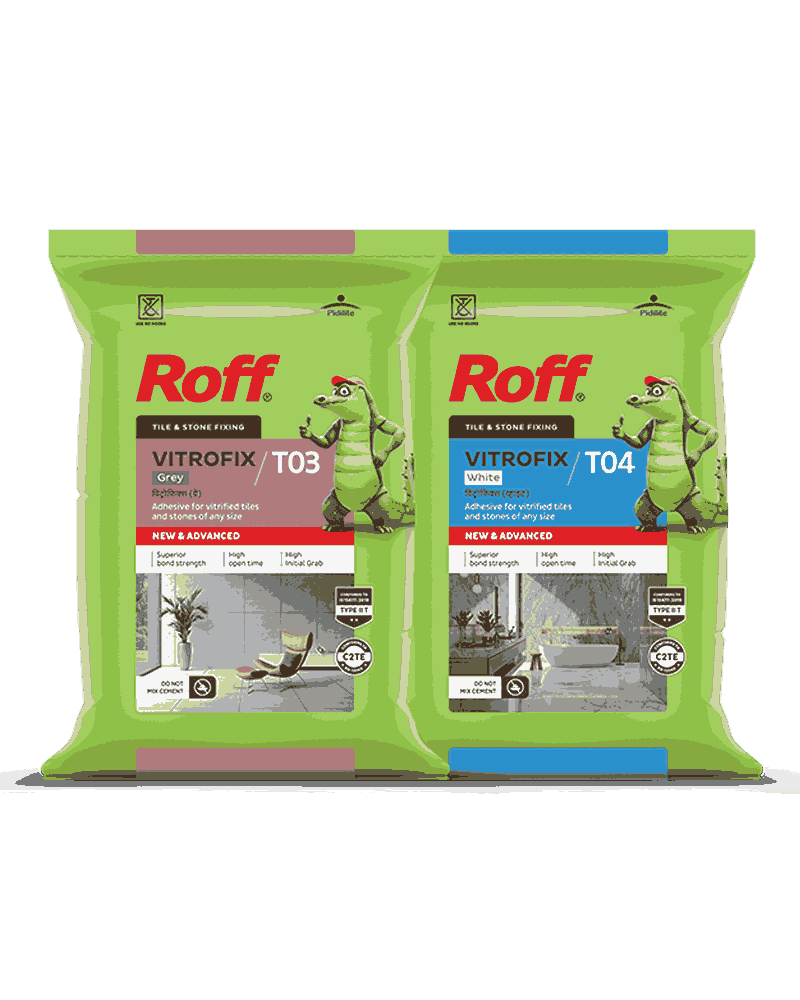
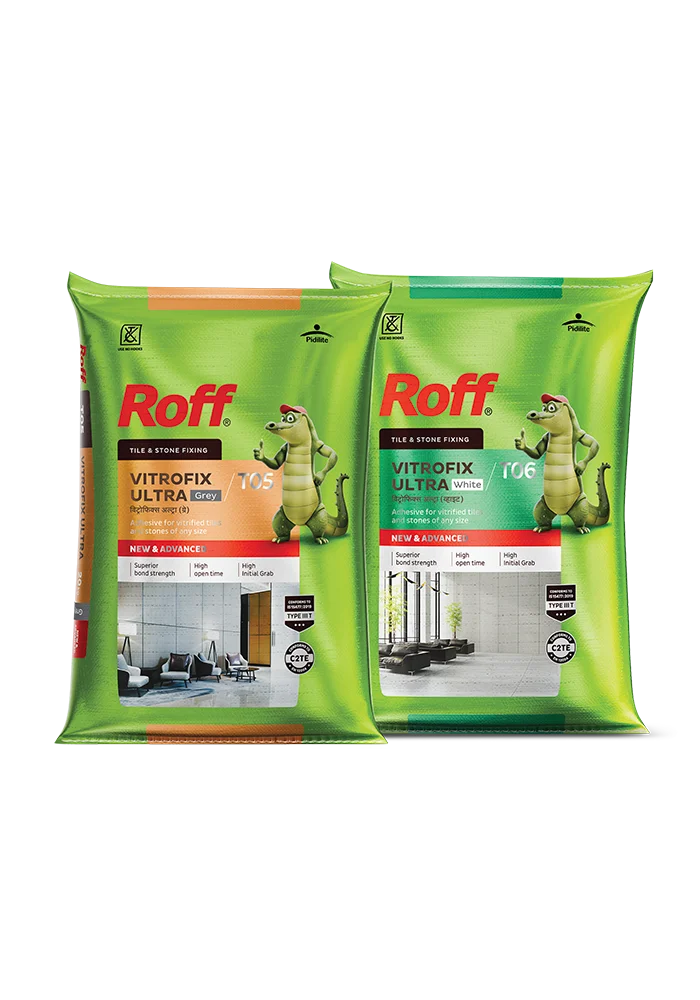
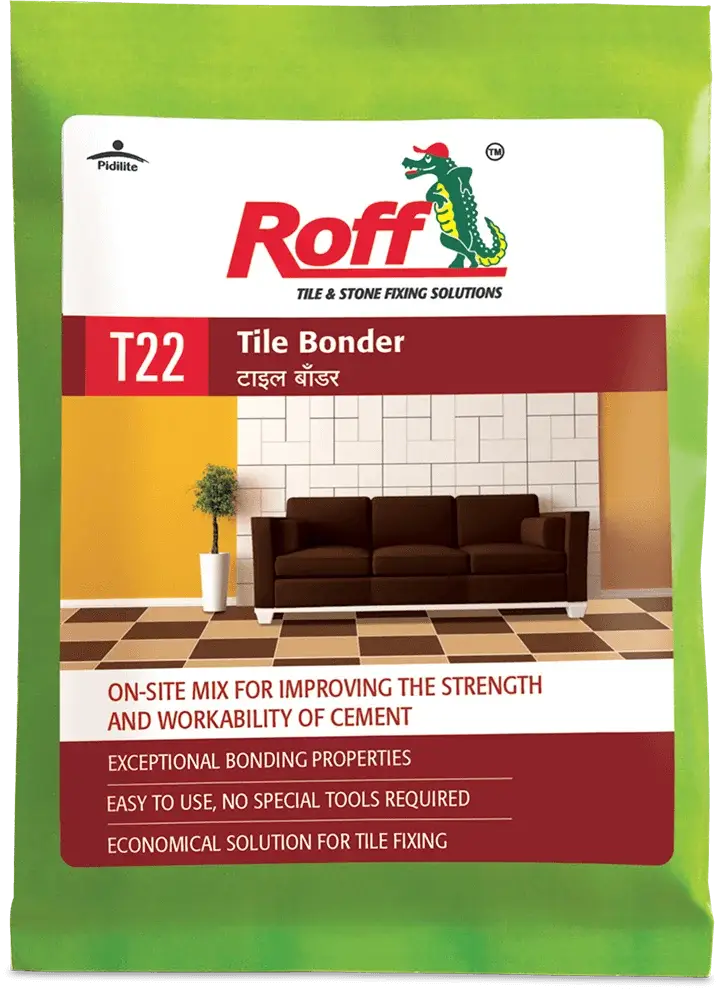
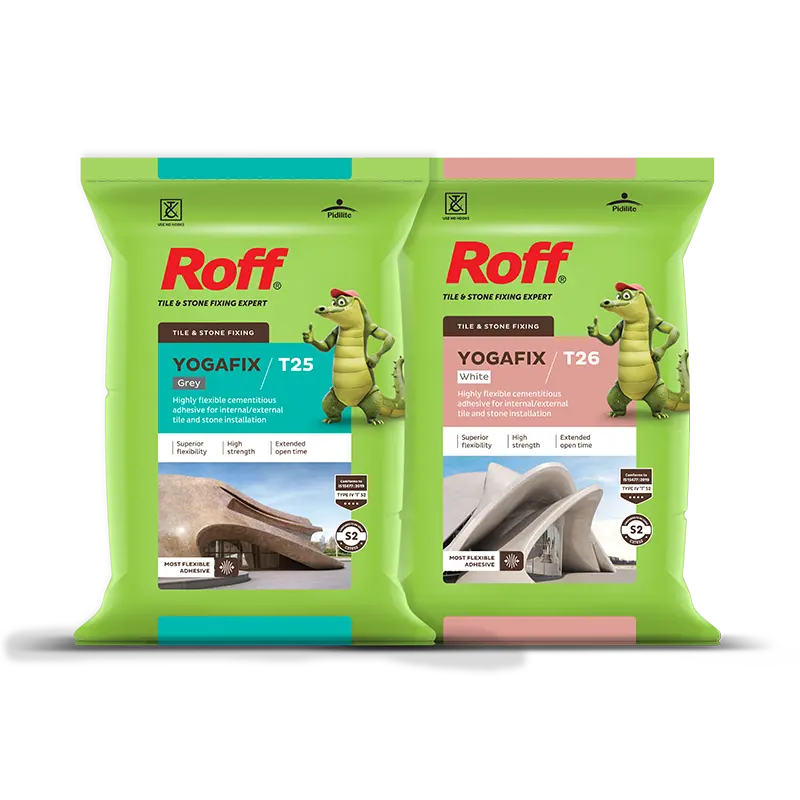
Because of these varying requirements, selecting the correct tile fixing glue is integral. Many manufacturers provide tools to help you choose the right product. For example, the Roff adhesive selector guide can help you identify the right tile fix, based on the location and type of tile installation.
Choosing the correct adhesive from the beginning helps prevent tile failures later.
2. What type and size of tiles are you fixing?
Tiles come in many materials and sizes, and both factors influence how well the adhesive performs.
Some common tile types include:
Ceramic tiles
Vitrified tiles
Porcelain tiles
Glass mosaic tiles
Additionally, some common types of stones that are used include:
Natural stone
Artificial stone
Large-format tiles and heavy stone tiles require stronger tile fixing material due to their greater weight and surface area. Smaller tiles may not need the same level of adhesive strength.
Using the correct tile fixing chemical ensures proper bonding and prevents tiles from loosening or cracking over time.
3. Is the adhesive from a trustworthy brand?
Not all adhesives offer the same level of quality. Choosing a well-known and reliable brand is important when selecting tile fixing glue.
Local or low-cost products may seem economical, but they can cause issues such as:
Weak bonding
Tile detachment
Poor durability
A trusted brand invests in proper product testing and quality control, ensuring that the tile paste performs consistently under different conditions.
Using a dependable tile fixingsolution reduces the chances of tile failure and saves money on repairs or reinstallation.
4. How much glue do you actually need?
Using the right quantity of tile fixing glue is just as important as choosing the right type. Too little adhesive can lead to weak bonding, while too much can cause uneven tile surfaces and unnecessary material waste.
To estimate the correct amount of tile fixing material, homeowners can use tools such as the Roff adhesive calculator, available online. By entering details such as tile size and installation area, the calculator helps determine how much adhesive you’ll need.
Planning the quantity properly ensures smooth installation and prevents unnecessary expenses.
FAQs
1) How long does tile adhesive take to dry completely?
Tile adhesive typically takes 24–48 hours to cure fully, depending on the product and environmental conditions.
2) Can tile adhesive be used on uneven surfaces?
Tile adhesive works best on level surfaces, and uneven areas should be pre-treated with a levelling compound.
3) Is tile adhesive better than cement for fixing tiles?
Yes, tile adhesive offers better bonding strength, greater flexibility, and easier application than traditional cement.
4) Can you apply tile adhesive over existing tiles?
Yes, with proper surface preparation and the right adhesive, tiles can be installed over existing tiles.
5) What is the ideal thickness of tile adhesive during application?
The ideal thickness is usually 3–5 mm, depending on tile size and manufacturer recommendations.