Check out the biggest trends of the season and our expert take on them.
What most homeowners get wrong about tiling grout
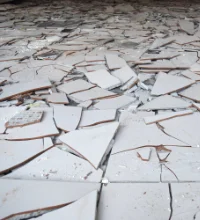
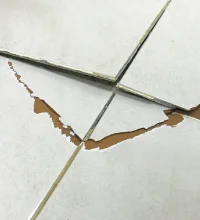
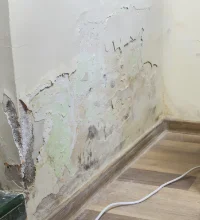
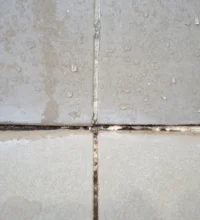
Most homeowners spend hours choosing the right tiles but give very little thought to the tiling and grout work in their house. That is a mistake, as poor grouting can lead to cracked joints, water seepage, and stained lines that undo even the most carefully chosen tiles.
Before you hire anyone for tiling grout work, ask these six questions.
1. What type of grout will you use, and why is it right for this area?
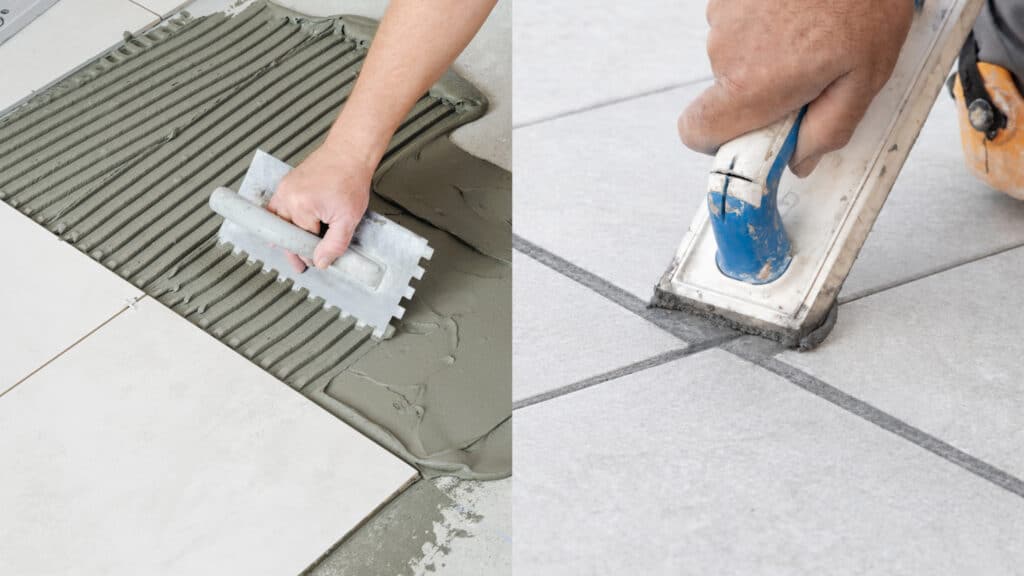
Before we understand the logic of this question, it’s important to break down whatgrout is in tile installation. The grout in your tiling work acts as a filler, sealing the spaces between tiles and preventing moisture, dirt, mould, etc., from reaching their undersides.
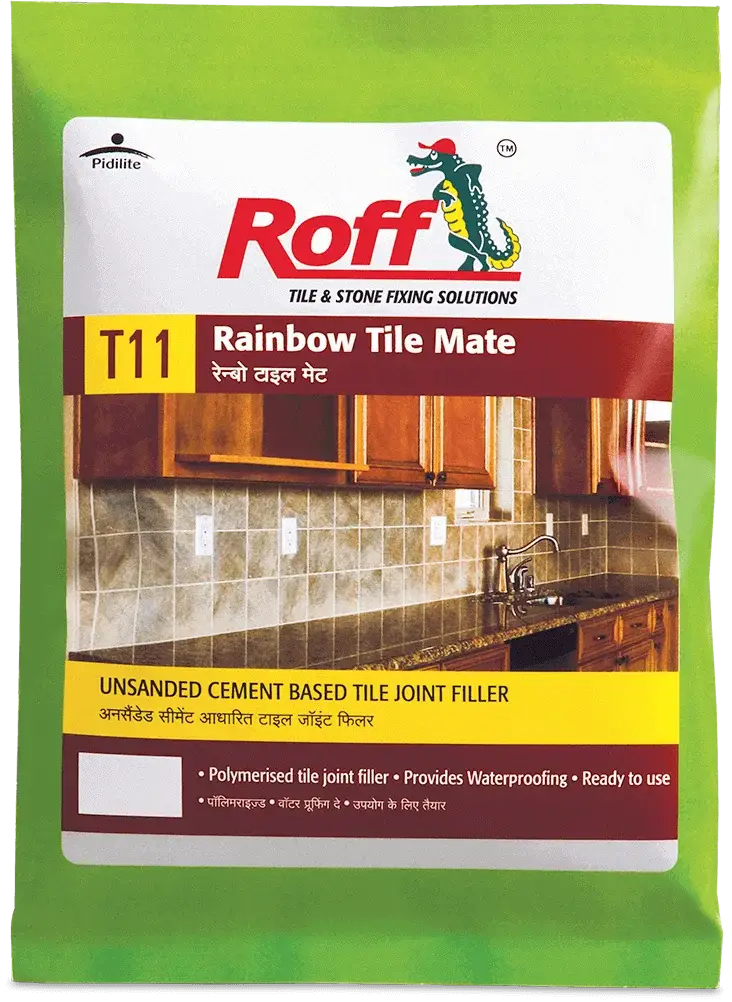
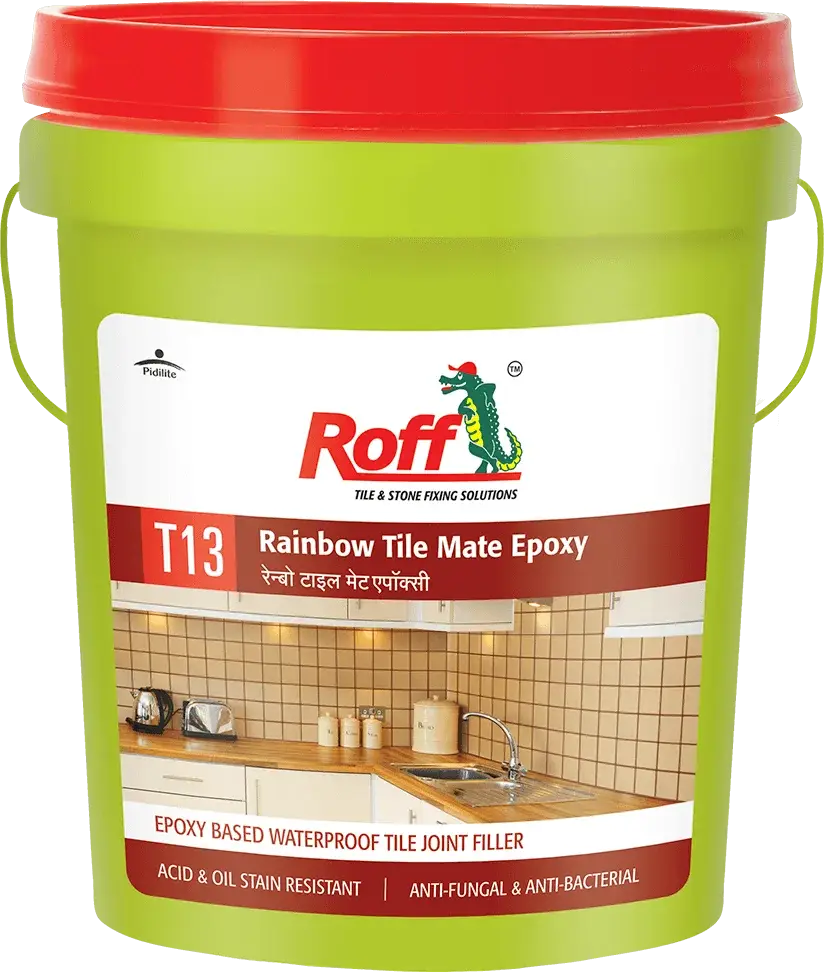
Most contractors today still prefer a cement paste for their tile work, when modern-day epoxy grouts are a much better alternative for most wet or high-traffic zones. A contractor who is not aware of this is a red flag.
2. What steps do you take to prevent cracking, staining, or water seepage?
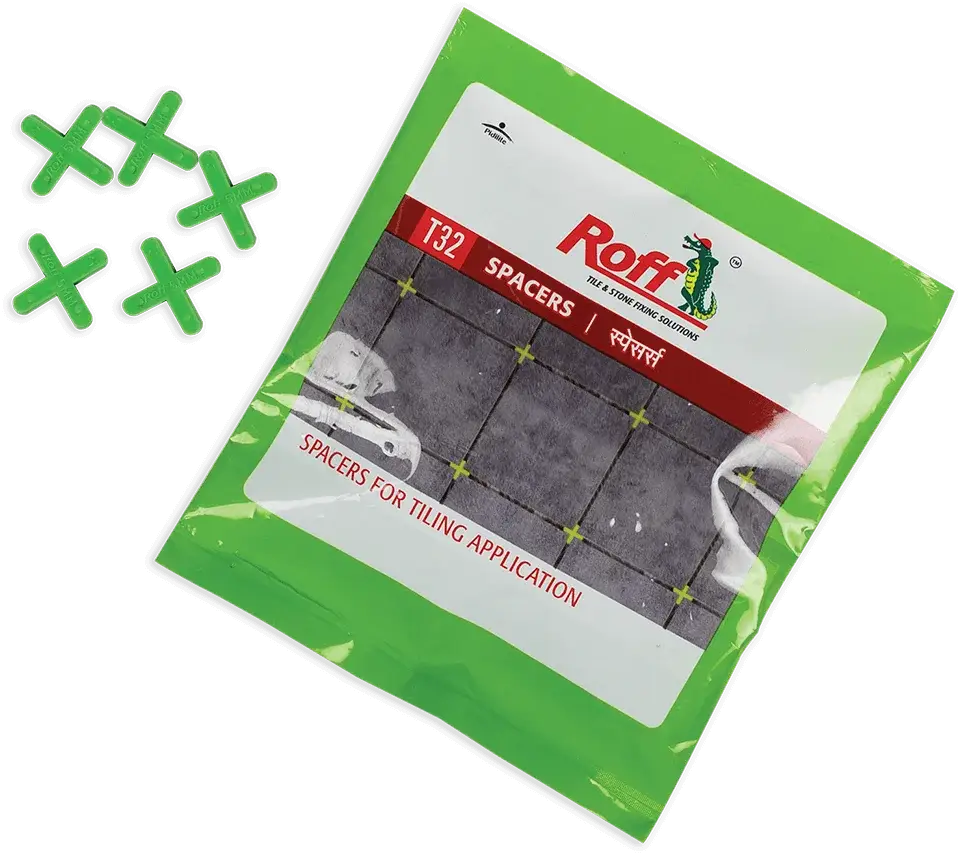
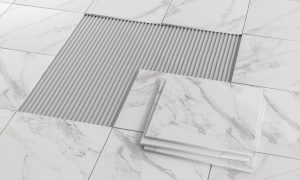
Quality tiling grout involves more than filling gaps. Ask about joint preparation, mixing ratios, and whether they understand the importance of using spacers to ensure proper room for the grouting. These steps determine how your grout tiling holds up over time.
3. How long will the grout take to set?
Grout curing times vary depending on the product and environment. Cement powder-based tile grout typically needs 24 to 72 hours before the area can be used, while epoxy grout may need longer. Knowing this upfront helps you plan and prevents premature damage from foot traffic or moisture exposure.
4. What maintenance is required after tiling grout is applied?
Maintenance of your tile grout does not end after installation. Ask whether the grout needs sealing, how often it should be resealed, and what cleaning products are safe to use. This tells you whether the contractor understands long-term tile care or is only thinking about the job at hand.
5. Which grout products will you be using?
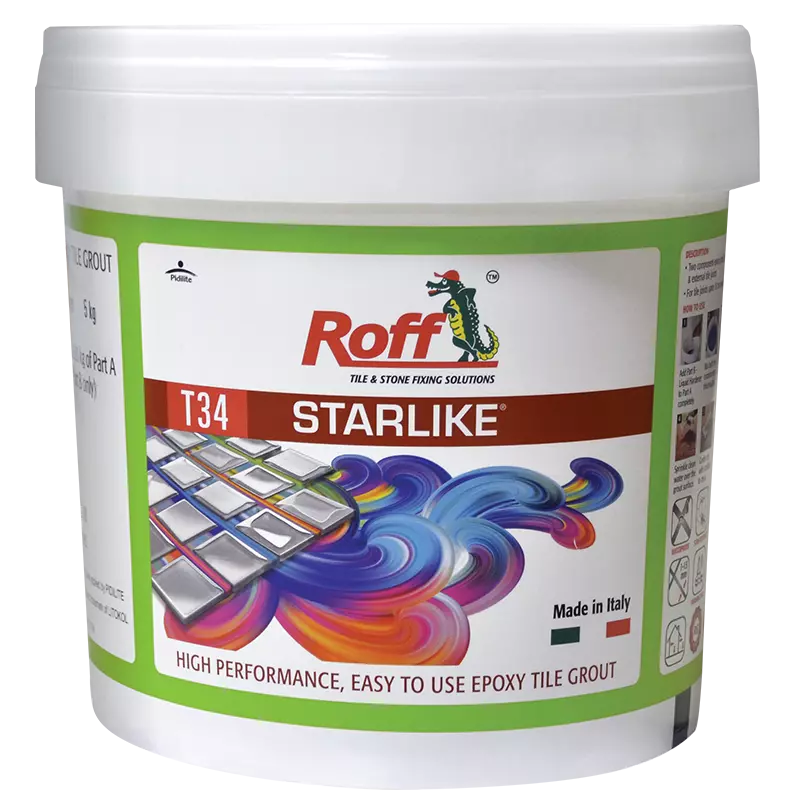
The quality of the materials matters as much as the technique when applying tiling grout. This is where grouting solutions like Roff Starlike can come in handy, thanks to their two-component epoxy formulation designed for durability, cleaner finishes, and resistance to staining and moisture.
6. How will you choose the right grout colour?
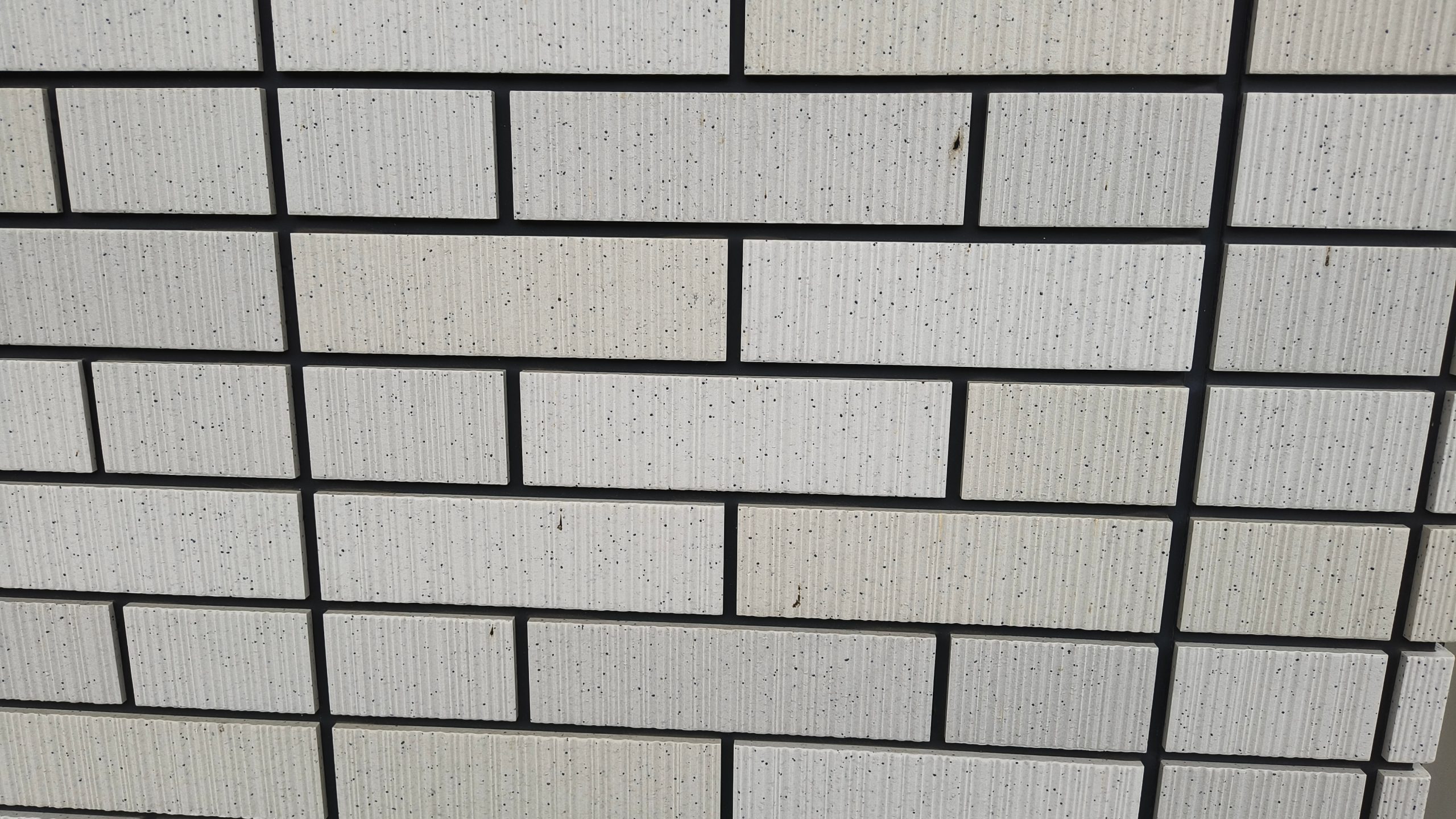
Grout colourplays a key role in improving your tiles’ aesthetics. Ask whether they are factoring in tile tone, room lighting, and long-term stain resistance. Light grouts show dirt faster; dark grouts can fade. This decision deserves a proper conversation, not a default answer.
The right questions make all the difference
Cracked joints, water seepage, and stained grout lines are almost always the result of poor workmanship or substandard tiling grout, both of which are avoidable. Asking the right questions before hiring gives you a clearer picture of who you are dealing with and whether they are likely to cut corners.
Once you have found a skilled applicator, make sure the materials match the effort. Roff Starlike is built for lasting durability, cleaner finishes, and is resistant to moisture and stains. ExploreRoff Starlike and give your tiles the finish they deserve.
FAQs
1) What type of grout is best for tiles?
Epoxy grout is generally the best choice for wet, high-traffic areas due to its durability, stain resistance, and waterproofing compared to traditional cement grout.
2) How long does grout take to dry before use?
Cement-based grout typically cures in 24–72 hours, while epoxy grout may take longer depending on conditions and product specifications.
3) Why is proper grouting important in tile installation?
Proper grouting prevents water seepage, cracking, and staining, ensuring the longevity and appearance of your tiled surfaces.
4) Does tile grout require maintenance after installation?
Yes, grout may need sealing (especially cement grout), regular cleaning, and occasional resealing to maintain its durability and appearance.
5) How do I choose the right grout colour for my tiles?
Select grout colour based on tile shade, lighting, and maintenance needs. Lighter grout shows dirt easily, while darker grout may fade over time.