Check out the biggest trends of the season and our expert take on them.
How stone adhesives or glue can safeguard your stone installations
Stone installations can quickly go wrong if the correct procedure isn’t followed. One of the biggest mistakes one can make during stone installation is not using the right stone adhesives or glue. This failure can lead to expensive and time-consuming renovations in the future.
Stone adhesives, or glues, have matured into precise, highly effective bonding agentsthat are indispensable for modern stone installations.Let’s discuss five scenarios where stone adhesives are a mustif you want to prevent costly errors.
What is a stone adhesive?
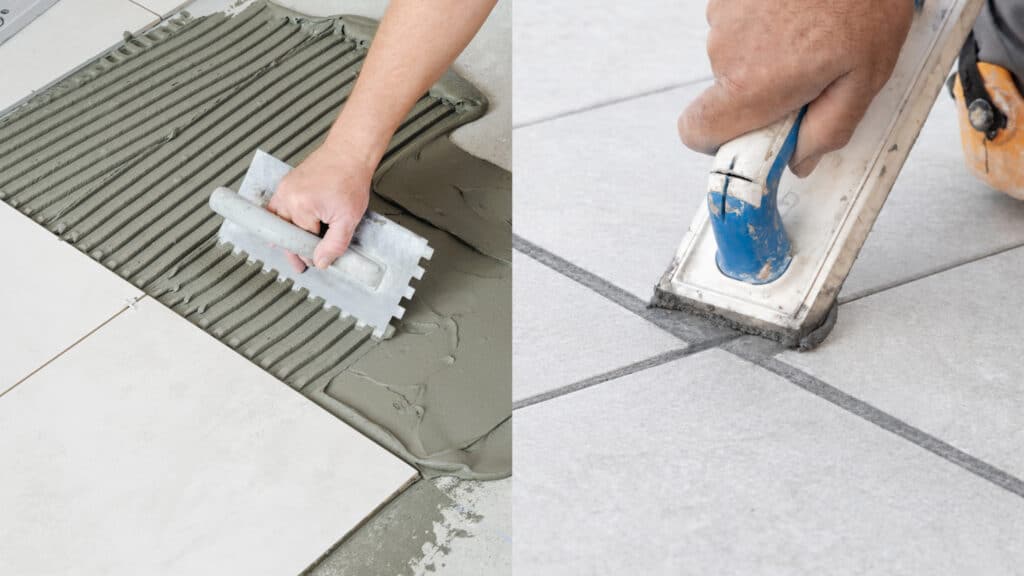
Stone slabs tend to be heavier and thicker than most modern tiles. This means that a regular adhesive that may have worked for a normal sized tile will simply not be strong enough to fix stone slabs to your wall.
Stone adhesives need to have a high bond strength and sag-resistance. They help hold heavy stone surfaces firmly in place, even under harsh conditions. By using the right stone adhesive glue, you can ensure that your stone surfaces maintain their finish and durability for years.
How can stone adhesives help prevent costly repairs?
1. Re-fixing detached or debonded stone cladding
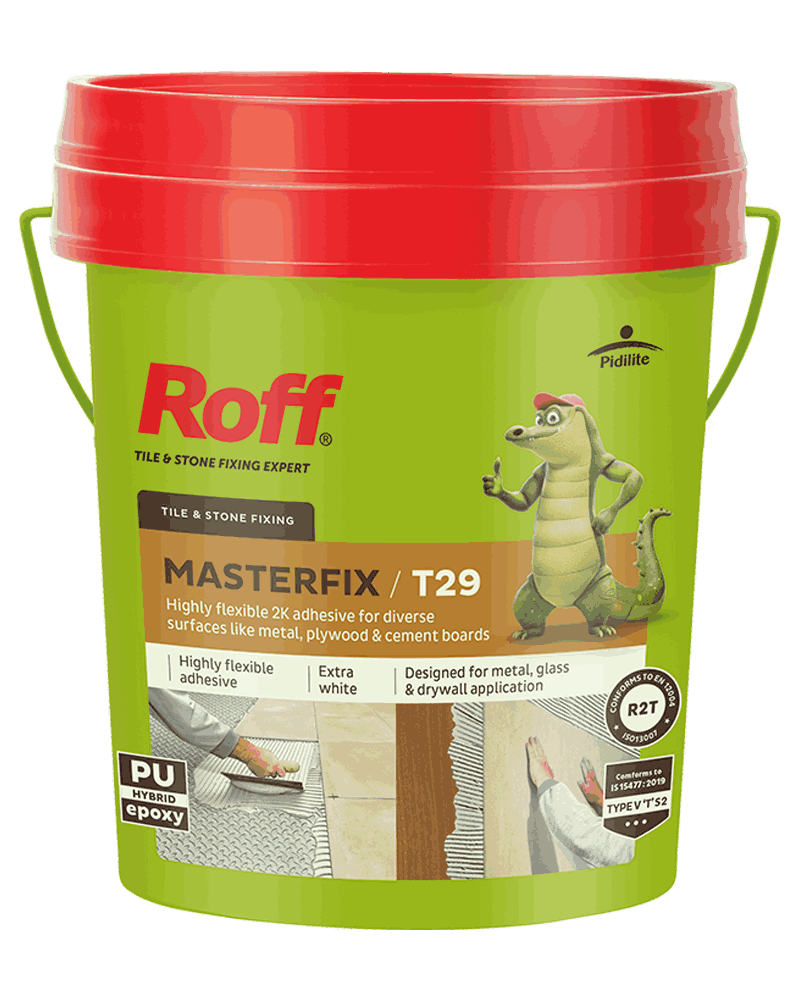
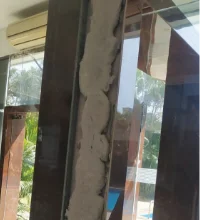
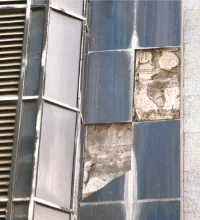
Epoxy stone adhesive or glue, such asRoff Masterfix,can re-secure partially debonded sections on drywalls or artificial stone. Moreover, high-quality stone adhesives resist the thermal and structural stresses that caused the original failure. A good adhesive can drastically improve your stone surface’s durability, reducing your overall maintenance expense in the long run.
2. Reattaching stone skirting, mouldings, or edge profiles
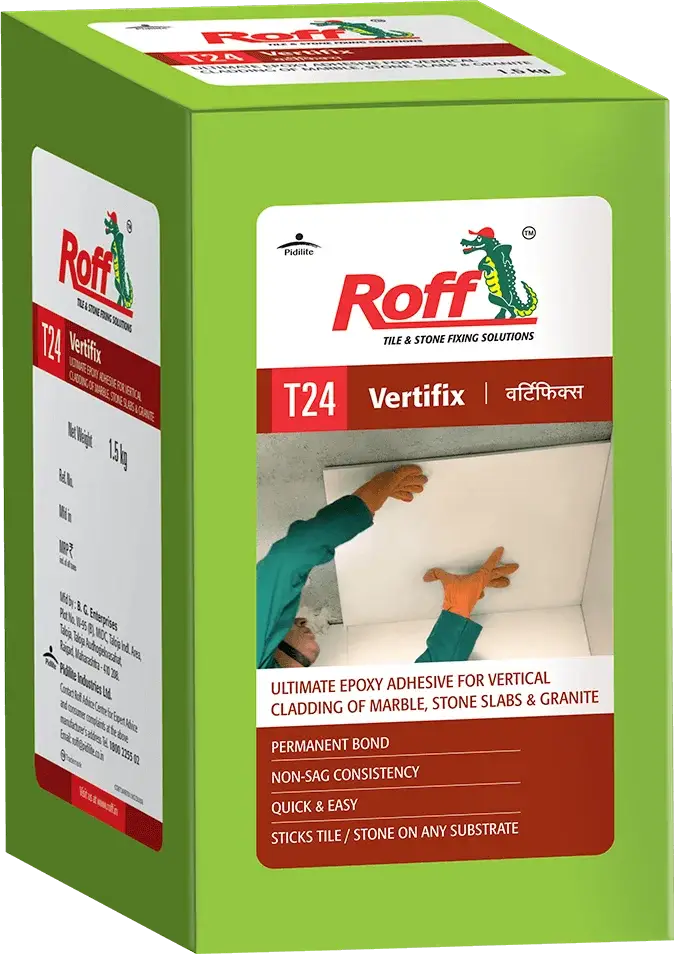
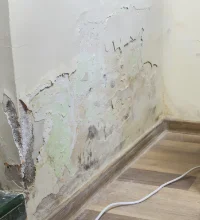
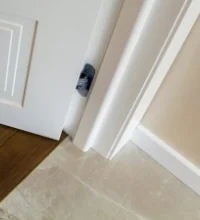
When mechanical anchoring is not feasible or could cause damage, stone-fixing glue is the only practical solution. Non-sag stone adhesives or glues hold vertical applications in place during cure without support.
3. Correcting hollow spots or localised installation failures
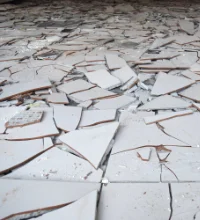
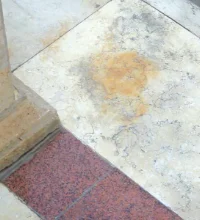
Hollow spots go undetected until point loads cause visible failure. They can cause tile debonding and are among the leading causes of cracked stonesurfaces, as they make tiles more vulnerable to high impact. By using a stone adhesive or glue during installation and following the proper procedure, you can significantly reduce the risk of hollow spots forming in your stone layouts.
4. Salvaging misaligned or partially installed stone pieces
Awell-specified stone adhesiveprovides a defined open time, allowing for on-site repositioning before the adhesive dries. For high-value marble, onyx, or granite, this trait can significantly reduce material wastage.
5. Repairing Cracked or Broken Stone Elements
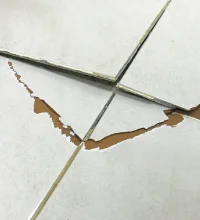
Cracked or broken stone elements don’t always need full replacement. Structural-grade stone adhesive glues provide strong, clean bonding for stair treads, countertops, thresholds, and sills. The repaired parts can blend naturally into the existing stone surface, provided you follow the correct installation procedureand ensure that the adhesive’scolourmatches the existing surface.
What’s the right way to use stone adhesives during repairs?
Here are some key checks to perform when installing slabs with a stone adhesive or glue.
Clean and dry the slab surface thoroughly– Remove dust, loose particles, old sealants, oil, or moisture so the adhesive can bond properly with the stone.
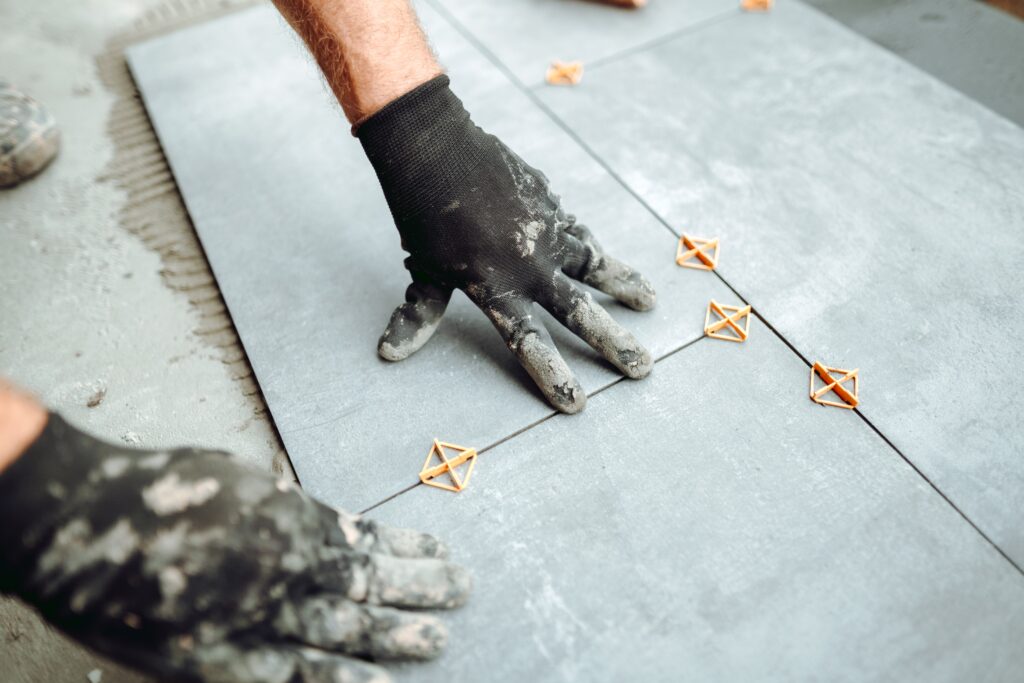
Check slab alignment and fit before bonding– For cracked, chipped, or separated stone slabs, dry-fit the pieces first to ensure the edges meet cleanly and the final surface remains level.
Use the right structural-grade stone adhesive– The best stone adhesive for a specific installation will change depending on the stone type, substrate, and load requirement. Stair treads, countertops, thresholds, and wall slabs often require strong, durable bonding that withstands daily use.
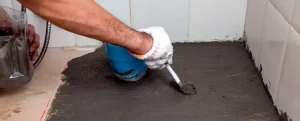
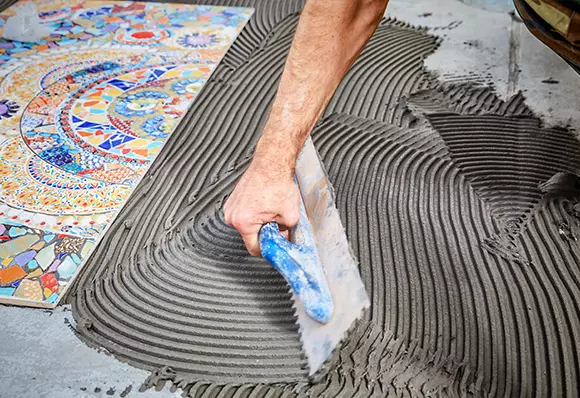
Apply adhesive evenly and avoid excess buildup– Spread it carefully along the crack, joint, or bonding area so the slab sits firmly without creating gaps, uneven levels, or visible overflow.
Allow proper curing before polishing or use– Give the adhesive enough time to set fully, then finish the repaired area with colour matching, sanding, or polishing for a clean and seamless appearance.
How Roff supports precision stone repair on-site
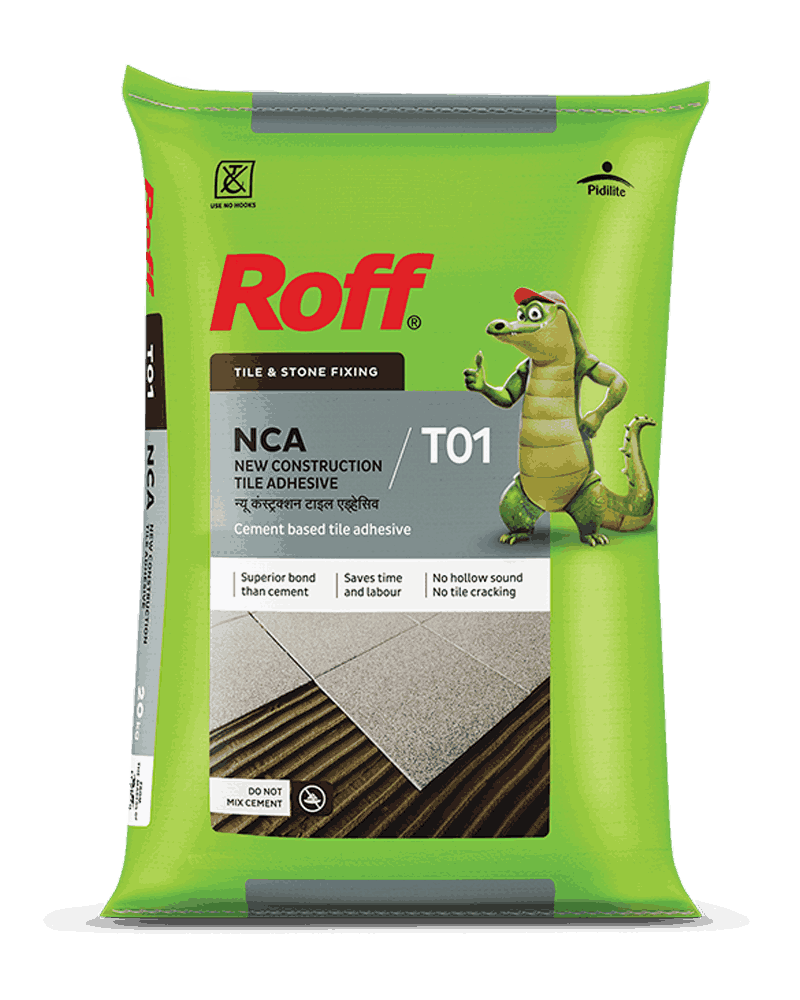
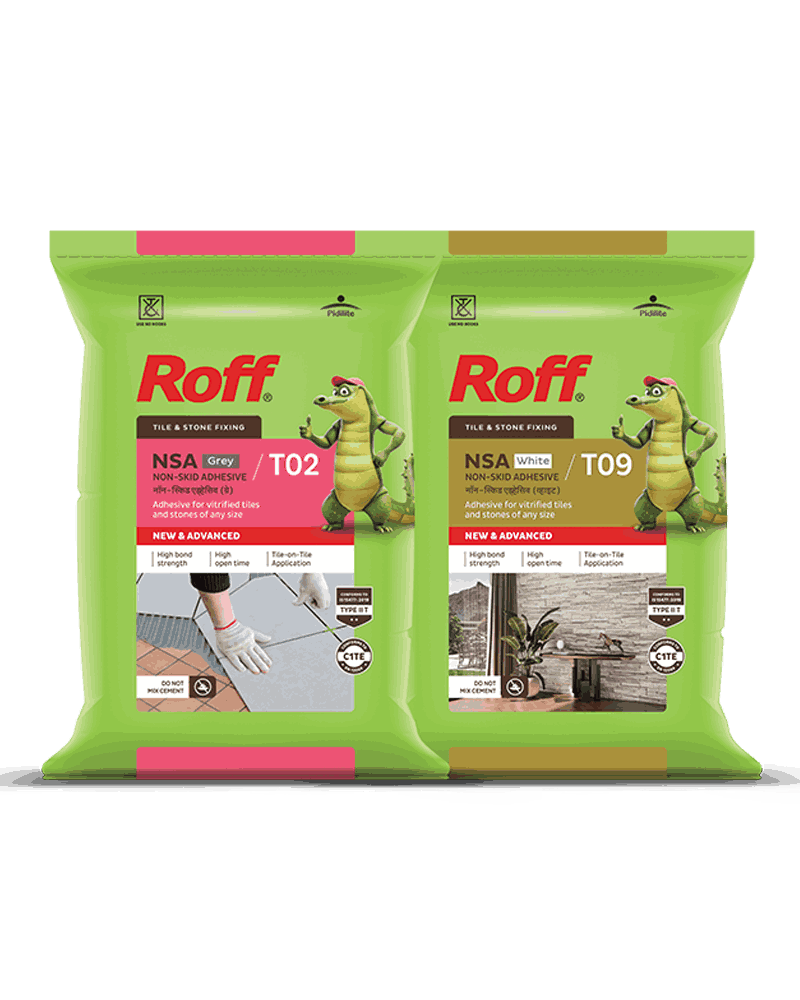
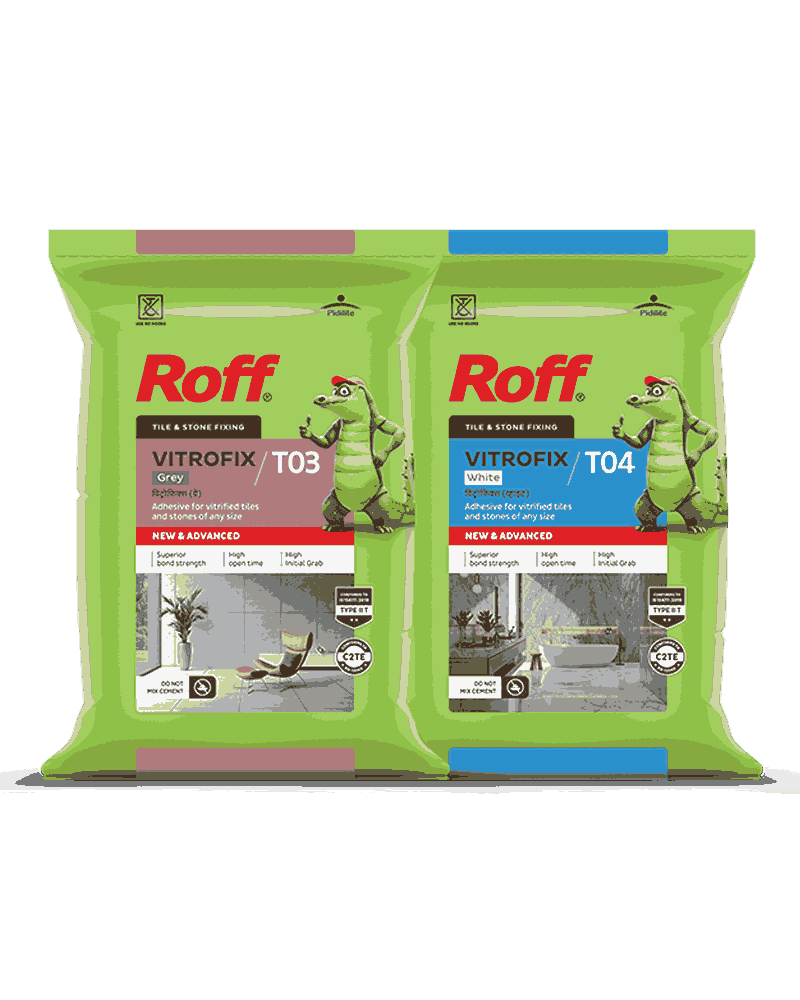
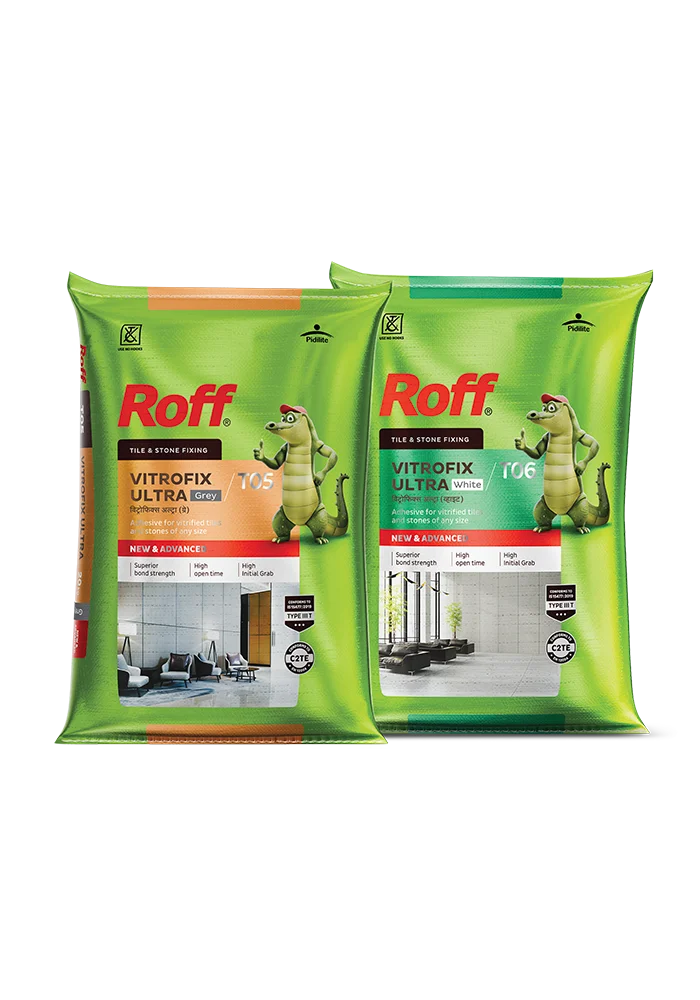
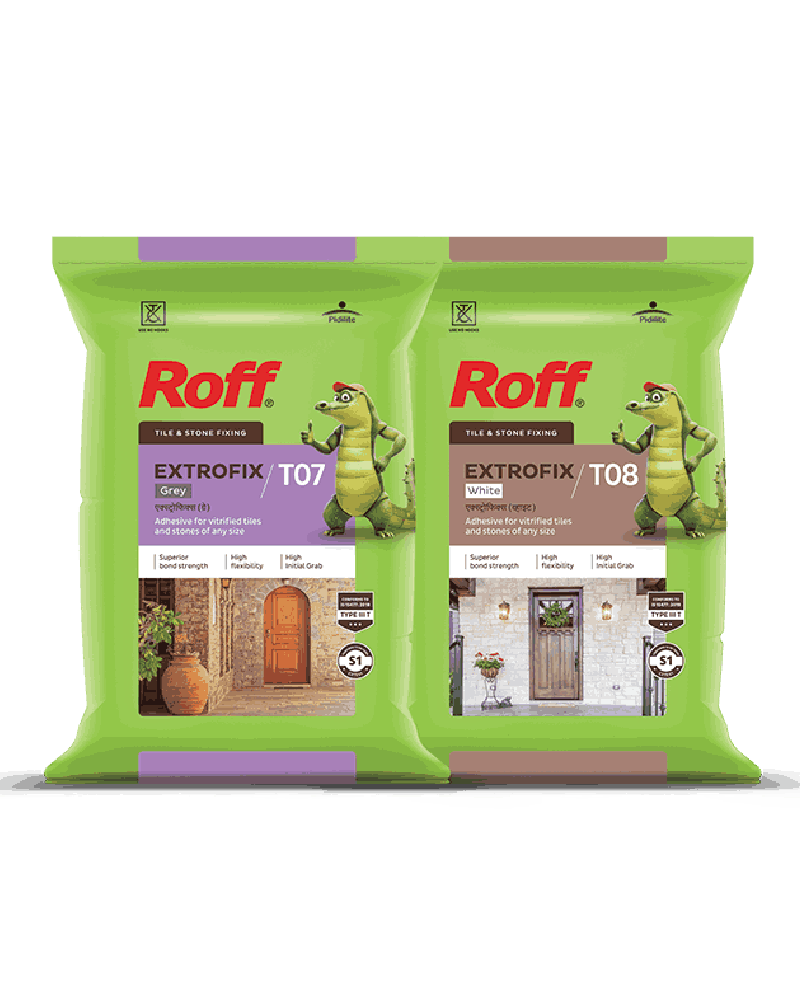
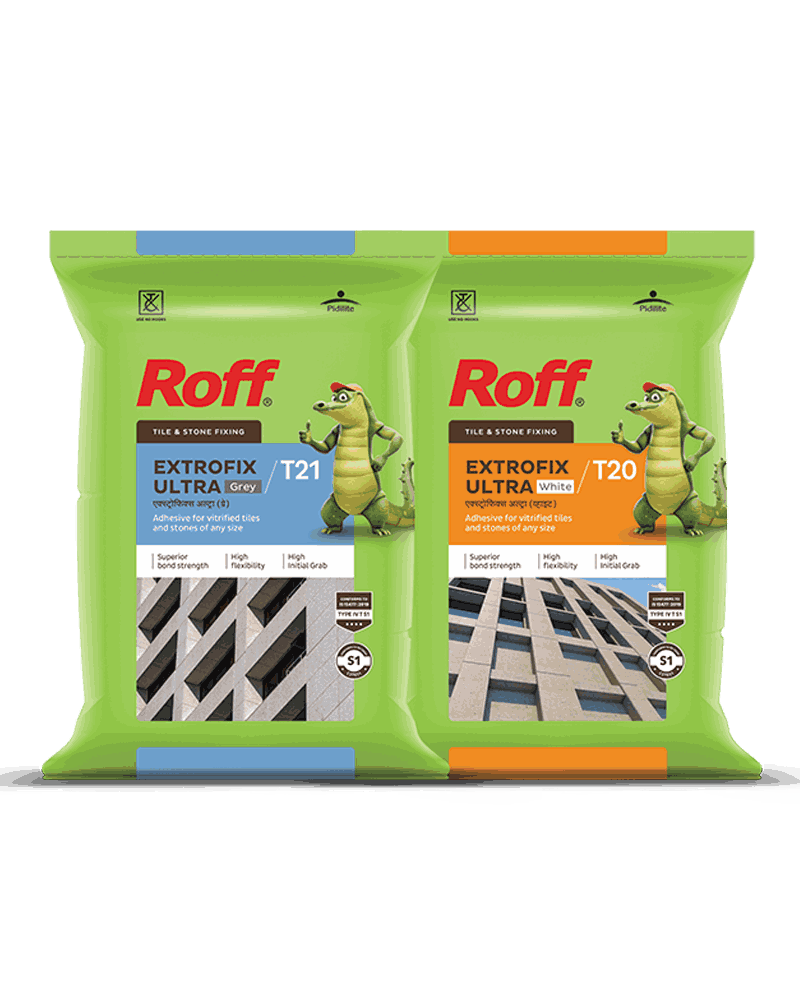
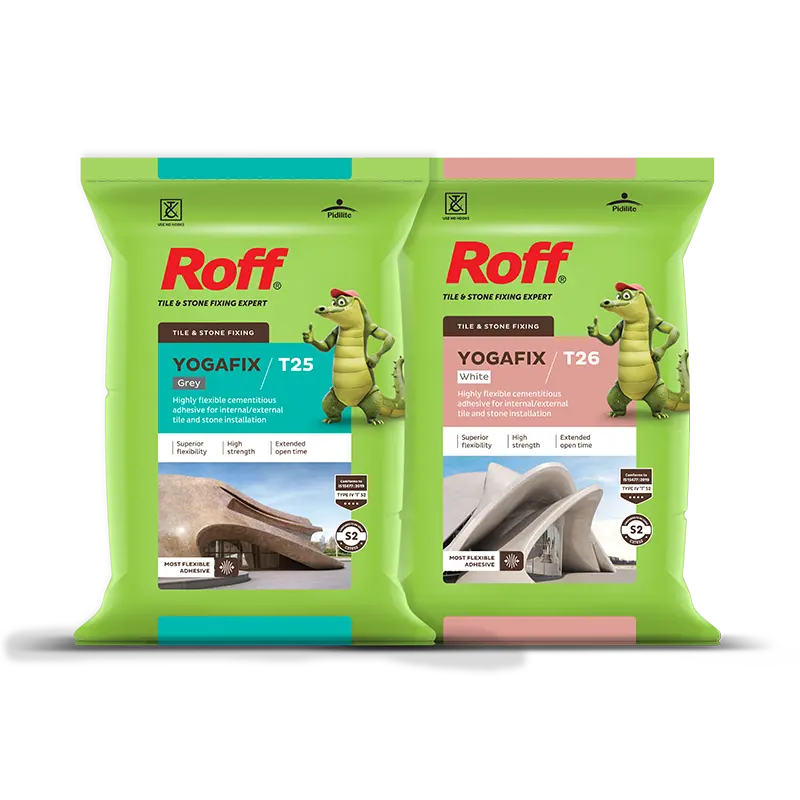
Roff’s range of stone and tile fixing adhesives is engineered for exactly these scenarios. The range includes a variety of formulations designed for different bond requirements, substrate types, and site conditions. Whether you’re re-securing debonded cladding, repairing cracked stone in a premium installation, or correcting a localised failure before handover, there is a Roff product specified for that application.
1) Does stone fixing glue work on all types of natural stone?
Yes, for the most common varieties, including marble, granite, limestone, and sandstone. Porous stones may need surface preparation beforehand. A Roff professional can advise based on the specific material.
2) Can stone adhesive or glue be used to re-bond stone that has been previously installed with cement-based adhesive?
Yes, in most cases. The existing substrate must be clean, sound, and free of residue. A Roff technical representative can advise on surface preparation requirements.
3) How important is colour-matching when selecting stone adhesive for crack repair?
Very important for exposed natural stone. A poor colour match will remain visible even after polishing. Roff adhesives in this category are formulated with polishability and tonal range in mind.
4) Can stone adhesive or glue be used on vertical stone surfaces without the piece slipping during cure?
Yes, provided a non-sag formulation is selected. These are specifically engineered for vertical applications and will hold position without support throughout the open and cure time.