Check out the biggest trends of the season and our expert take on them.
Why you should never skip gap filler for tiles: 5 practical reasons
When planning a tile installation, most homeowners focus on tile design and finishbut often overlook one critical element: the gap filler for tiles. Those small gaps you see between tiles are intentional and properly filling them ensures your tiles last for years.
Here are five reasons why using a gap filler for tiles is non-negotiable.
1. How do tile gap fillers preventwater seepage?
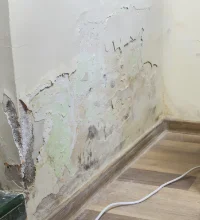
Tiles themselves may be water-resistant, but the gap between tiles is vulnerable. Without a proper gap filler for tiles, water can seep through the joints and damage the substrate beneath. This is especially important in bathrooms and kitchens, where moisture exposure is high.
Using a high-quality tile gap filler in India is a must, especially in humid cities like Mumbai. Good tile gap fillers create a protective barrier, reducing the risk of leakage and dampness.
2. How do gap fillers lock intiles and improve stability?
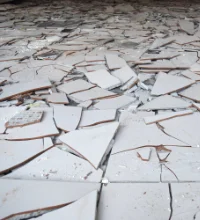
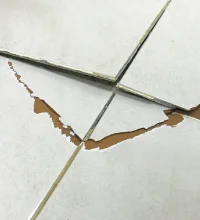
Tiles expand and contract due to temperature changes. If you skip filling the gap between tiles, they can shift, loosen, or even crack over time.
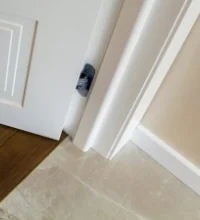
A good gap filler for tiles acts like a cushion, absorbing minor movements and keeping tiles firmly in place. This is particularly important in areas where there is agap between the floor tile and the wall. This area is very vulnerable to cracks, chipped edges, or tiles lifting over time due to temperature changes.
Gap filler for tiles helps absorb this movement, preventing tiles from pressing against each other.
3. How do tile gap fillers enhance the overall finish?
A tile surface looks incomplete without proper grouting. When you fill gaps between tiles, it creates clean, uniform lines that enhance the overall appearance.
Whether you choose a contrasting or matching shade, a tile gap filler helps achieve a polished, professional finish.
4. How it improves hygiene and cleanliness
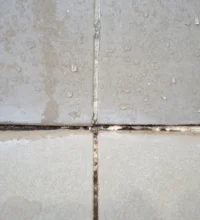
Open gaps can easily trap dirt, grime, and bacteria. Learning how to fill the gap between tiles correctly ensures that these spaces are sealed and easy to clean.
A well-applied gap filler for tiles reduces maintenance effort and keeps your surfaces more hygienic, especially in kitchens and bathrooms.
5. Increases longevity of tile installation
Skipping a gap filler for tiles may save time initially, but it can lead to costly repairs later. Properly filled joints reduce wear and tear, protect edges, and extend the life of your tiles.
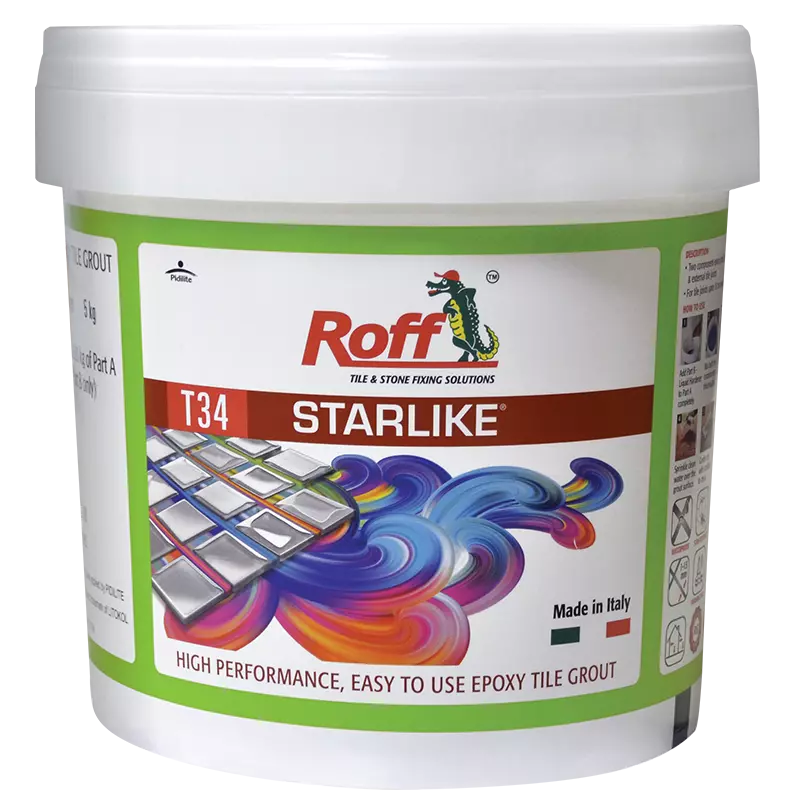
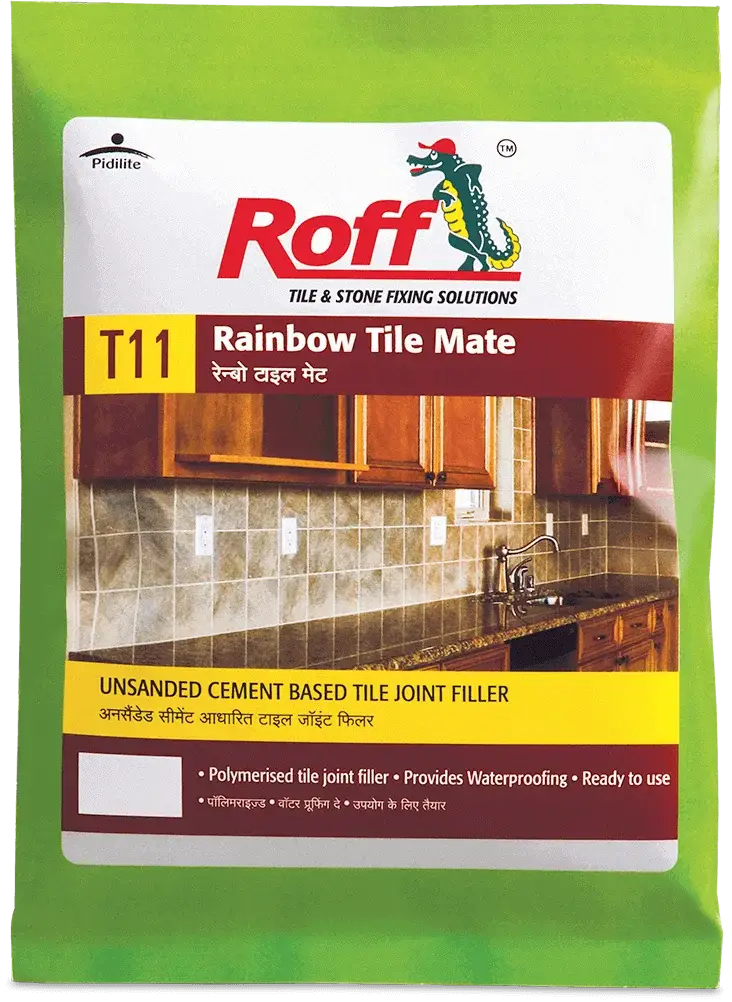
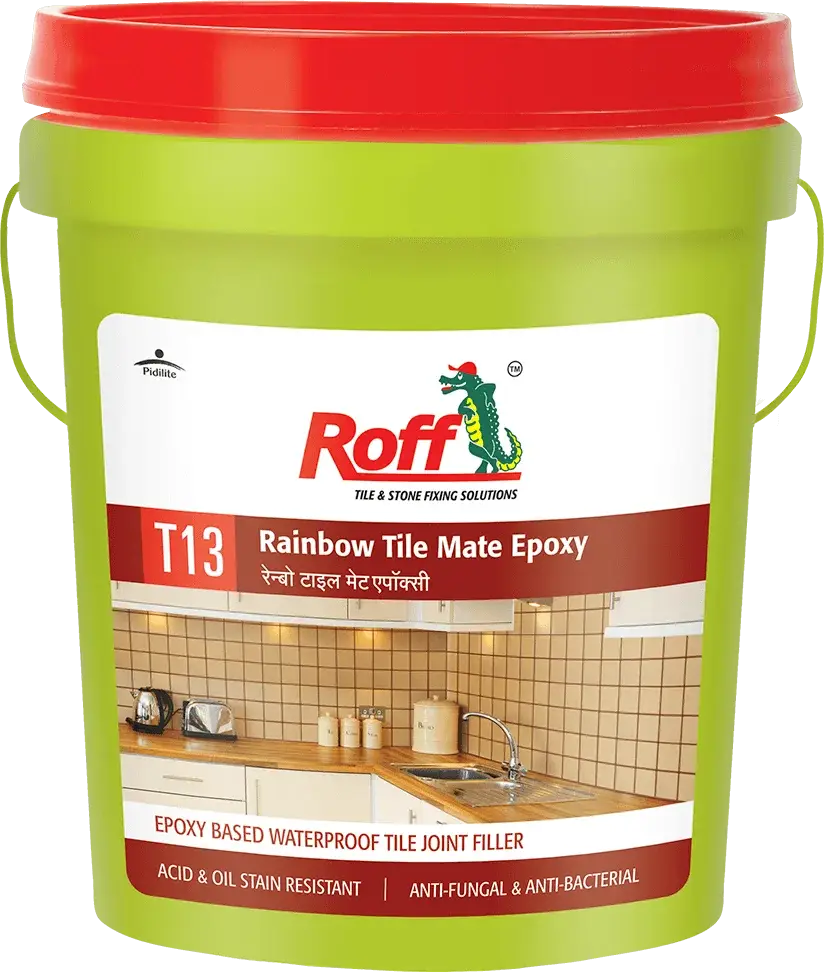
Modern solutions like Roff Starlikeare designed to deliver long-lasting performance, making them a reliable choice for homeowners.
Final Thought
If you’re wondering how to fill the gap between tiles, the answer is simple:use a quality product. A gap filler for tilesoffers more than just aesthetics. It also ensures the durability, protection, and long-term performance of your tiles.
Roff Starlike is a high-performance epoxy tile gap filler that offers flexibility to your tiles, is water–resistant, and is even usable for external areas thanks to its UV resistance. Additionally, Roff Starlike is also stain–resistant, protecting your tiles from oil or grease stains in kitchens and other similar work areas.
FAQs
1. What is the purpose of a gap filler for tiles?
A gap filler for tiles seals the spaces between tiles, preventing water seepage, improving stability, and enhancing the surface finish.
2. How do I choose the right tile gap filler in India?
Look for factors like water resistance, durability, and ease of application. Epoxy-based fillers, such as those offered by Roff, are known for their long-lasting performance and stain resistance.
3. How to fill the gap between tiles properly?
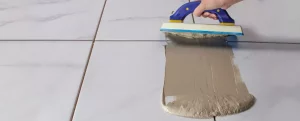
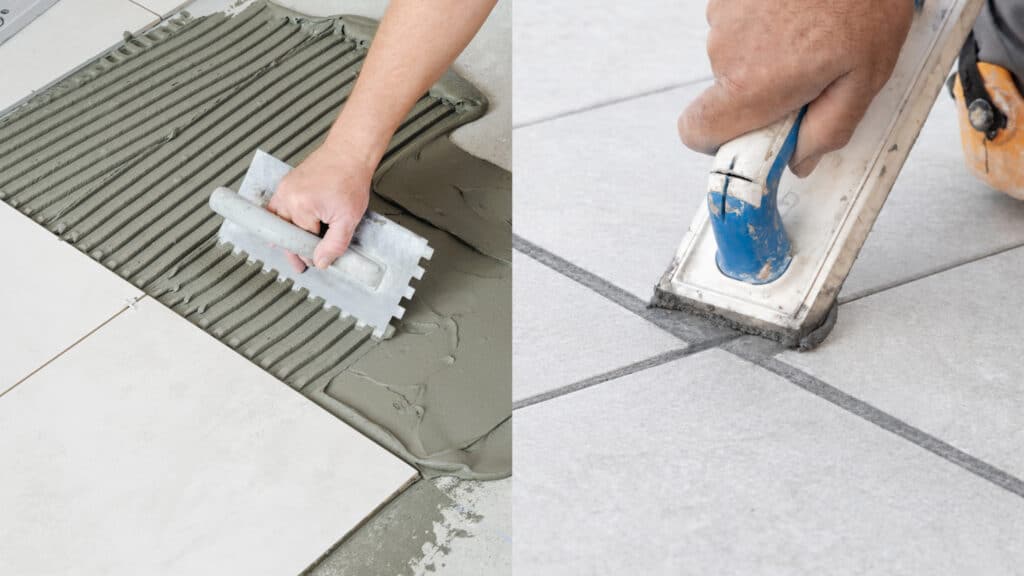
Clean the gaps thoroughly, apply the filler evenly using a grout float, and wipe off excess material before it dries. Proper curing is essential for the best results.
4. Can I leave the gap between tiles unfilled?
It’s not recommended. Leaving the gap between tiles open can lead to water damage, dirt accumulation, and tile movement over time.
5. Why is there a gap between the floor tile and the wall?
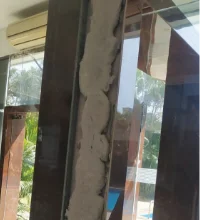
The gap between the floor tile and wall allows for natural expansion and contraction. Filling it correctly with a suitable gap filler ensures flexibility and prevents cracking.