Check out the biggest trends of the season and our expert take on them.
Why do your bathroom tiles get dirty even after repeated cleaning?
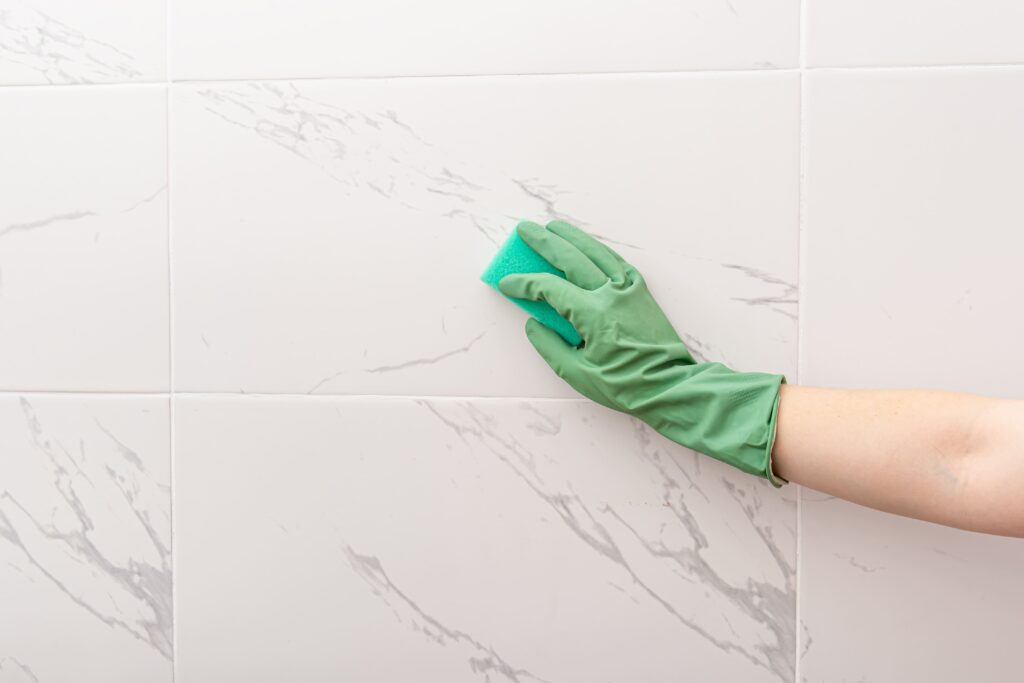
Do your bathroom tiles start to look greasy, dull, or discoloured just days after cleaning? Maybe you’ve tried scrubbing more often, but despite the frequent cleaning, you’re unable to maintain their shine. Many homeowners unknowingly use bathroom tile cleaners that leave an invisible residue layer. While the tiles appear clean after washing, the residual film slowly attracts more dirt, soap scum, and mineral deposits over time.
This creates what experts call the residue cycle: a pattern where tiles seem to get dirtier faster, no matter how frequently you clean them.
What is the residue cycle?
Certain bathroom tile cleaners contain ingredients that do not rinse away completely. After cleaning, a thin film remains on the tile surface. Initially, this is hard to notice, andbathroom tilesmay still look shiny and clean. But after a while, this residue starts becoming noticeable:
Soap scum
Dust and dirt particles
Hard water minerals
Moisture and grime
As this layer builds up, tiles lose their lustre and appear dull much sooner after cleaning.
Why do some bathroom tile cleaners make things worse?
Not all bathroom tile cleaners behave the same way. Some products are designed to provide instant shine or fragrance, but they leave behind surface films that gradually build up with repeated use.
This causes two major problems:
1. Tiles attract dirt faster
The sticky residue acts like a magnet for grime and mineral deposits.
2. Cleaning becomes more difficult
Over time, the buildup becomes harder to remove, leading homeowners to scrub more aggressively or use stronger chemicals.
This is why many people feel their bathroom never stays clean for long, even after regular maintenance
What’s the difference between residue-free and residue-forming bathroom tile cleaners?
A good bathroom tile cleaner should do one simple thing: clean thoroughly and rinse away completely. Here are the differences between different cleaners.
Residue-Forming Cleaners
Leave behind invisible surface films
Create a build-up over time
Increase soap scum accumulation
Residue-Free Cleaners
Wash away cleanly
Don’t attract dirt after cleaning
Help maintain tile appearance for longer
This difference becomes especially noticeable in bathrooms exposed to hard water and daily moisture.
Why do tiles start looking dull faster?
The dullness many homeowners complain about is not always due to tile damage. It is often due to residue accumulation.
Repeated use of incompatible cleaners slowly affects:
Surface clarity
Shine and brightness
Clean appearance
In some cases, homeowners mistake this for ageing tiles and spend unnecessarily on replacement or restoration
How to break the residue cycle with the right cleaner?
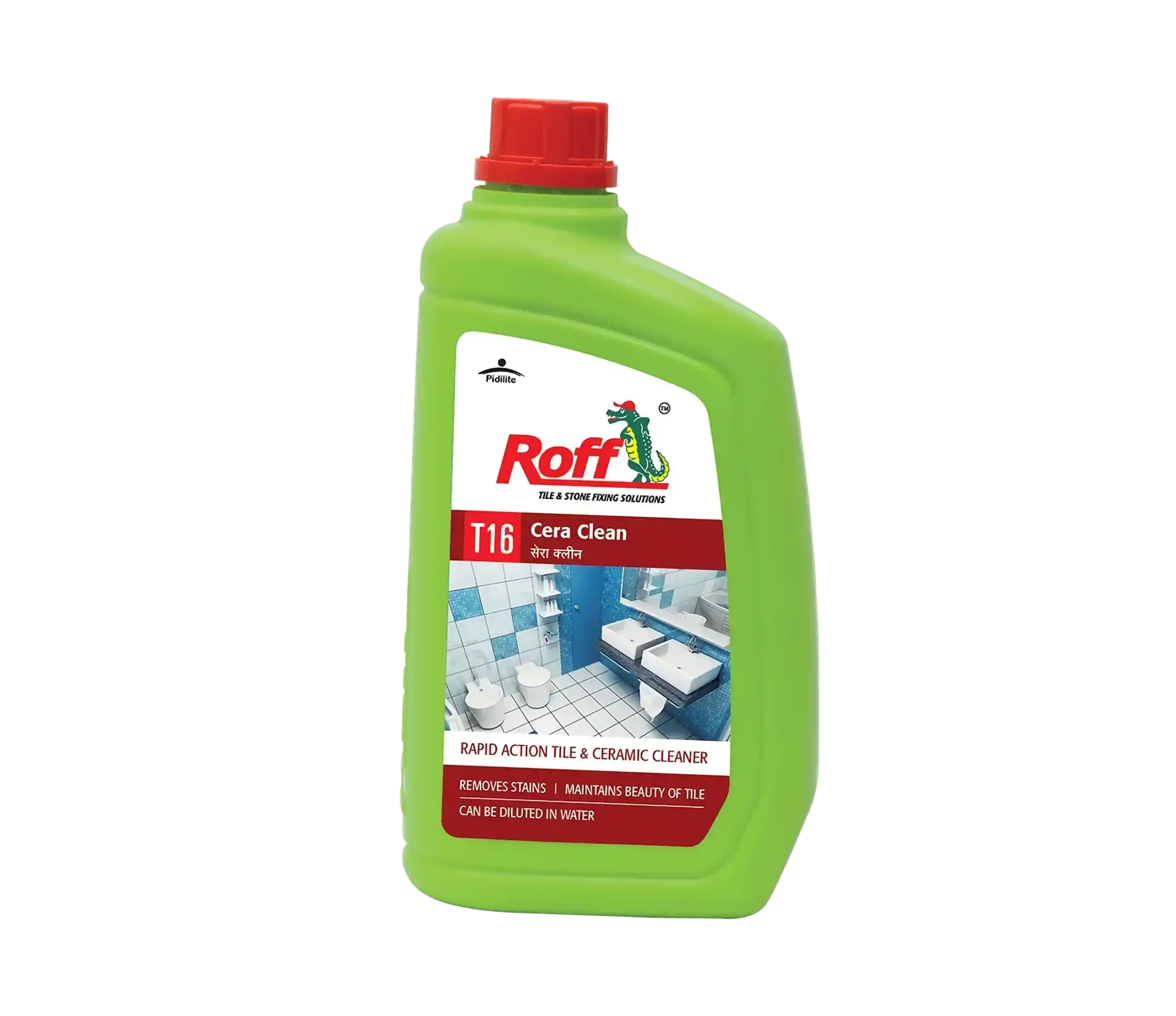
Using a residue-free bathroom tile cleaner liquid, such as Roff Cera Clean, helps address the root problem rather than masking it.
Unlike residue-forming products, it:
Cleans effectively without leaving films
Helps reduce soap scum build-up
Keeps tiles looking fresh for longer
Supports easier long-term maintenance
For homeowners searching for the best bathroom tile cleaner, choosing one that rinses completely can make a fundamental difference.
Don’t ignore the role of your cleaner
The actual difference between fresh-looking tiles and dull tiles often boils down to the quality of your cleaner, not how often you clean. Switching to a premium cleaner and a regular cleaning routine can prevent long-term damage while keeping your tiles looking brand new.
Choose a residue-free solution, such as Roff Cera Clean, as your go-to bathroom tile cleaner, follow the instructions, and retain the shine of your tiles for much longer.
FAQs
1) Why do my bathroom tiles look dirty soon after cleaning?
This often happens because some cleaners leave behind residue that attracts dirt, soap scum, and mineral deposits.
2) What is the best bathroom tile cleaner for long-term maintenance?
A residue-free cleaner that rinses away completely is ideal for keeping tiles cleaner for longer.
3)Can a tile stain remover damage bathroom tiles?
Some harsh or residue-forming cleaners may affect tile appearance over time, especially with repeated use.
4)How can I tell if my bathroom tile cleaner is leaving residue?
If your tiles look dull, greasy, or dirty again soon after cleaning, your cleaner may be leaving behind an invisible film that attracts grime and soap scum.
5)How often should I use a bathroom tile cleaner liquid?
For best results, use a residue-free bathroom tile cleaner liquid regularly as per the product instructions, especially in bathrooms exposed to daily moisture, soap scum, or hard water.