Check out the biggest trends of the season and our expert take on them.
Why is waterproofing grout the missing link in bathroom leakage protection?
Let’s say you’ve waterproofed your bathroom. The tiles look perfect. There are no visible cracks. Yet, months later, damp patches begin appearing on the adjacent wall, paint starts peeling, or a musty smell refuses to go away.What do you think went wrong?
In many bathrooms, the problem isn’t the waterproofing membrane but the tile joints. Specifically, poor grout waterproofing can quietly become the weakest link in the entire system.
Most homeowners assume tiles are fully waterproof. But in reality, water often enters through tile joints, especially in showers, corners, and floor–wall junctions. Over time, this hidden seepage can damage walls, weaken adhesives, and lead to costly repairs.
Why do bathroom leaks continue even after waterproofing?
A waterproofing membrane is designed to prevent water from entering the structure beneath the tiles. But if the coating is damaged, improperly applied, or interrupted at joints, moisture can slowly pass through.
This is where the quality of grout becomes critical.
Tile joints are the most exposed part of a tiled bathroom. Every day, they come in direct contact with water, soap, cleaning chemicals, and moisture buildup. Without proper waterproof grouting, these joints begin absorbing water over time.
Grout: The second line of defense
Consider grout as the bathroom’s backup protection layer.
Even when the waterproofing membrane below the tiles is intact, grout helps reduce water penetration from the surface. A high-performance waterproof tile grout prevents moisture from settling into joints and migrating beneath tiles.
But again, not all grout performs the same way.
Cement grout vs waterproof epoxy grout
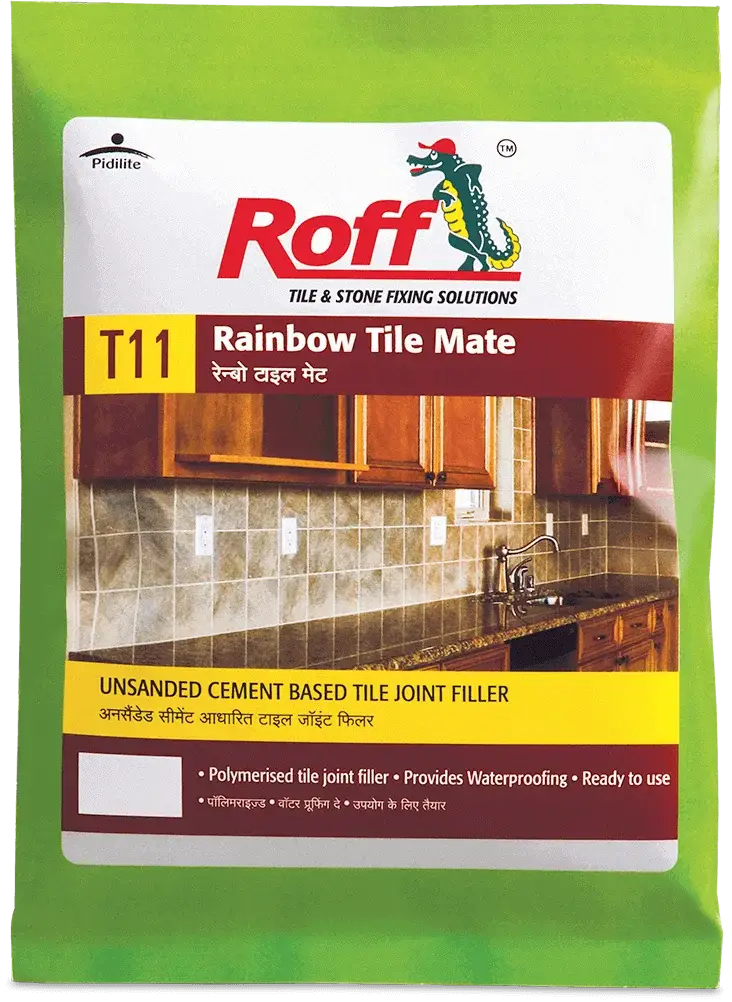
Traditional cement grout is widely used because it is affordable and easy to apply. However, it is porous by nature.
What happens with cement grout?
Water gets absorbed into the grout lines
Moisture slowly travels beneath tiles
Dampness builds up behind walls and floors
Stains, mould, and hidden seepage begin appearing over time
This is why bathrooms with ordinary grout often develop leakage issues years later, even if the tiles look fine.
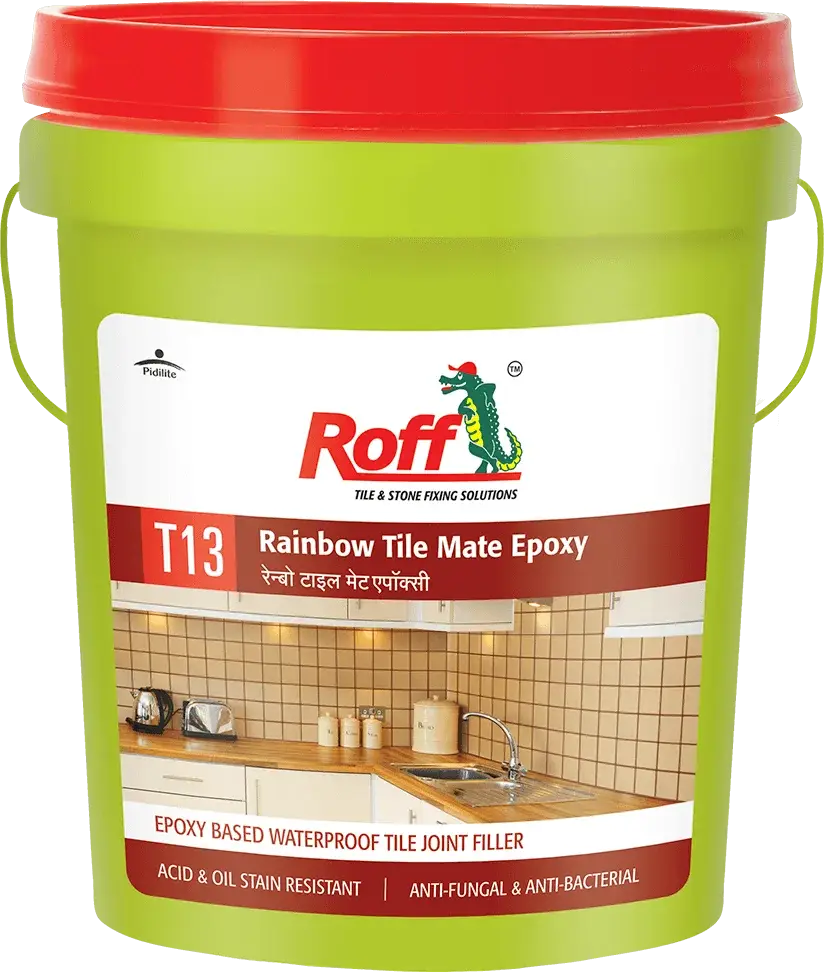
In contrast, waterproof epoxy grout is non-porous and highly resistant to water absorption.
This leads to a common question: Is epoxy grout waterproof?
The answer is yes. Unlike cement grout, epoxy grout creates a dense, impermeable surface that prevents water from penetrating through the joints.
How does Roff Starlike make a difference?
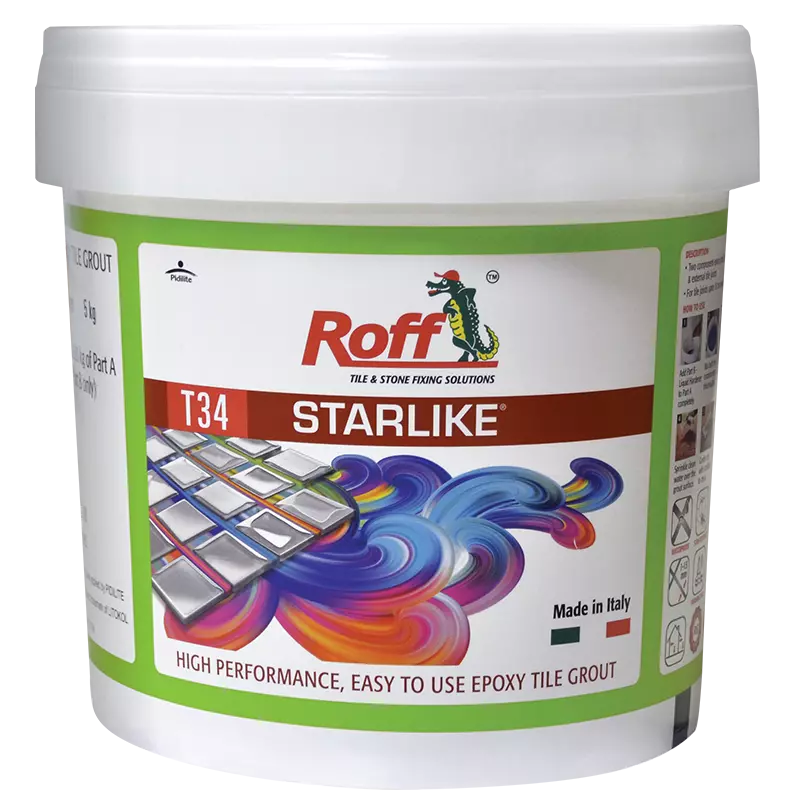
Switching to a premium, waterproof epoxy grout like Roff Starlike completes the waterproofing system.
Its non-porous formulation:
Prevents water absorption
Resists stains and mould growth
Maintains cleaner grout lines
Reduces long-term leakage risks
Unlike ordinary grout, it acts as an active moisture barrier, making it ideal for showers, bathroom floors, and wet zones.
Don’t let grout become the weakest link
Many homeowners invest heavily in tiles and waterproofing, but overlook grout selection. Unfortunately, this small detail often determines whether the bathroom remains truly leak-proof.
A complete bathroom protection system should include:
Proper waterproofing membrane application
Correct tile adhesive selection
High-quality waterproof tile grout
Professional installation and joint treatment
Key takeaway
Waterproofing doesn’t usually fail all at once; it fails at its weakest point. In most bathrooms, that weak point is the tile joints.
Choosing the right waterproof grouting solution for these joints, especially a non-porous waterproof epoxy groutlike Roff Starlike, helps prevent hidden seepage, protects your bathroom structure, and ensures long-term durability.
FAQs
1) Is epoxy grout waterproof?
Yes. Waterproof epoxy grout is non-porous and prevents water absorption, making it ideal for bathrooms and wet areas.
2) Why does my bathroom wall feel damp even after waterproofing?
Moisture may be entering through porous tile joints, damaged joints, or improperly treated corners.
3)What is the difference between cement grout and waterproof tile grout?
Cement grout absorbs water over time, while waterproof tile grout resists moisture penetration and reduces the risk of seepage.
4)Is waterproof grouting necessary for all bathrooms?
Yes. Proper waterproof grouting helps protect tiles, walls, and substrates from long-term water damage.