Check out the biggest trends of the season and our expert take on them.
The biggest installation errors with adhesives used for applying tiles to walls
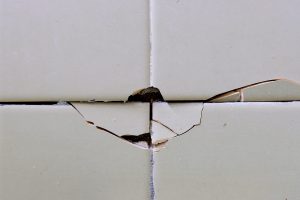
Wall tile installations are technically unforgiving. Unlike flooring, where gravity holds tiles in place during curing, wall tiles have to stay put against the pull of their own weight. That places entirely different demands on the adhesive used for tiles installed on walls, and getting the specification wrong almost always results in slippage on site.
Here are five errors that most often cause it.
1. Using a floor-grade adhesive on vertical surfaces
Standard floor adhesives are not formulated for vertical application. They lack the non-sag properties of adhesives used for tiles installed on walls, meaning the installation tends to slide down the wall before the adhesive sets. This is one of the most common specification errors, particularly when a single product is being used across both floor and wall areas for convenience.
The fix is straightforward: always specify a wall-grade, non-sag tile adhesive designed for vertical surfaces.
2. Incorrect adhesive consistency
Over-diluting or improperly mixing the adhesive changes its consistency and reduces its ability to hold tiles in position. Too thin, and the tile shifts immediately.Too stiff, and coverage is compromised. Adhesive for tiles installed on walls must be prepared exactly as per the manufacturer’s mixing guidelines, and consistency should be checked before application begins.
3. Exceeding the open time
Open time is the window between applying the adhesive and placing the tile. Once that window closes, the adhesive skin over and bond strength drops significantly. On-site, this often happens when the adhesive is spread over too large an area before tiling begins. When applying adhesive for wall tiles, especially in warm or low-humidity conditions, keep this window short by working in manageable sections.
4. Inadequate back-buttering on large-format tiles
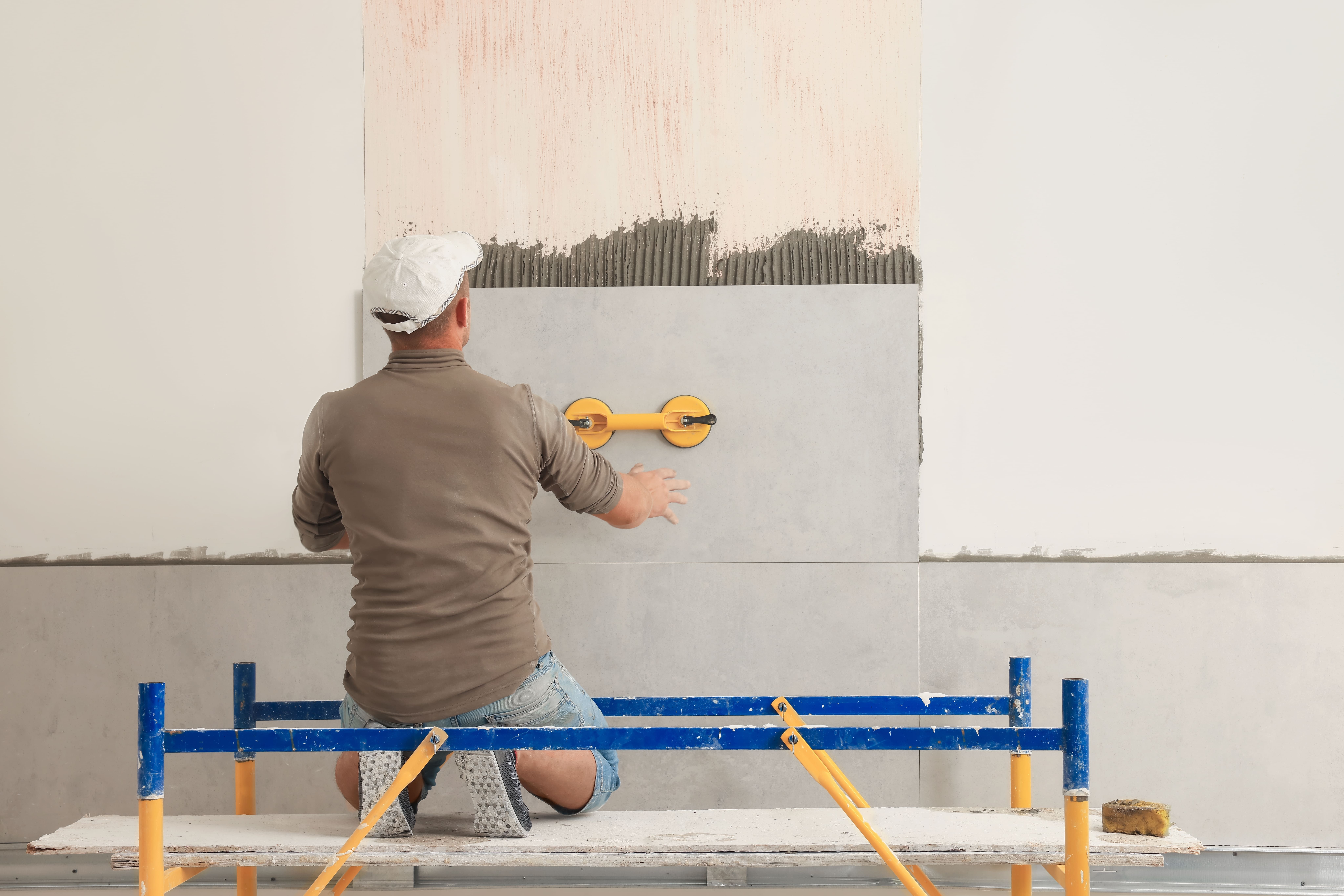
Large-format tiles are heavier and require full contact with the adhesive bed. Applying adhesive only to the wall leaves voids behind the tile, reducing the effective bond area and increasing the risk of slippage. Back-buttering the tile, in addition to the substrate, ensures full coverage of the adhesive used for tiles installed on walls.
5. Ignoring substrate condition and usage of application tool
Dusty, damp, or poorly cured substrates significantly reduce adhesive bond strength. Even a high-quality adhesive designed for tile installation on walls will underperform, regardless of its specifications, if the substrate is compromised. Substrate preparation is not optional, and skipping it is one of the most common reasons a good product delivers poor results.
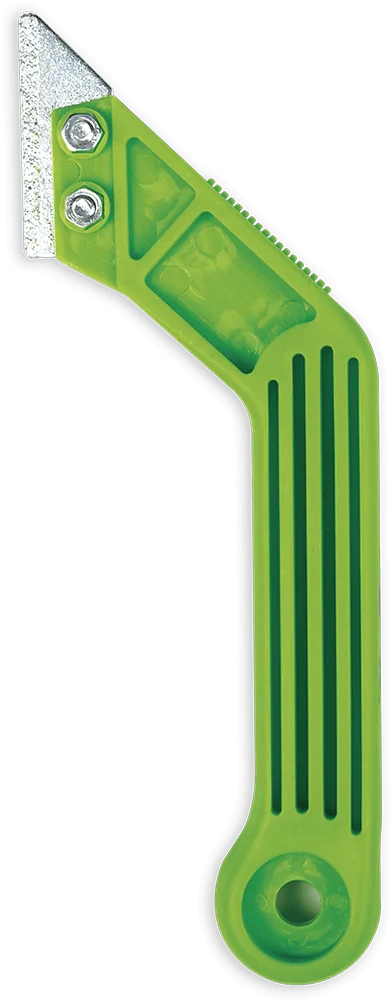
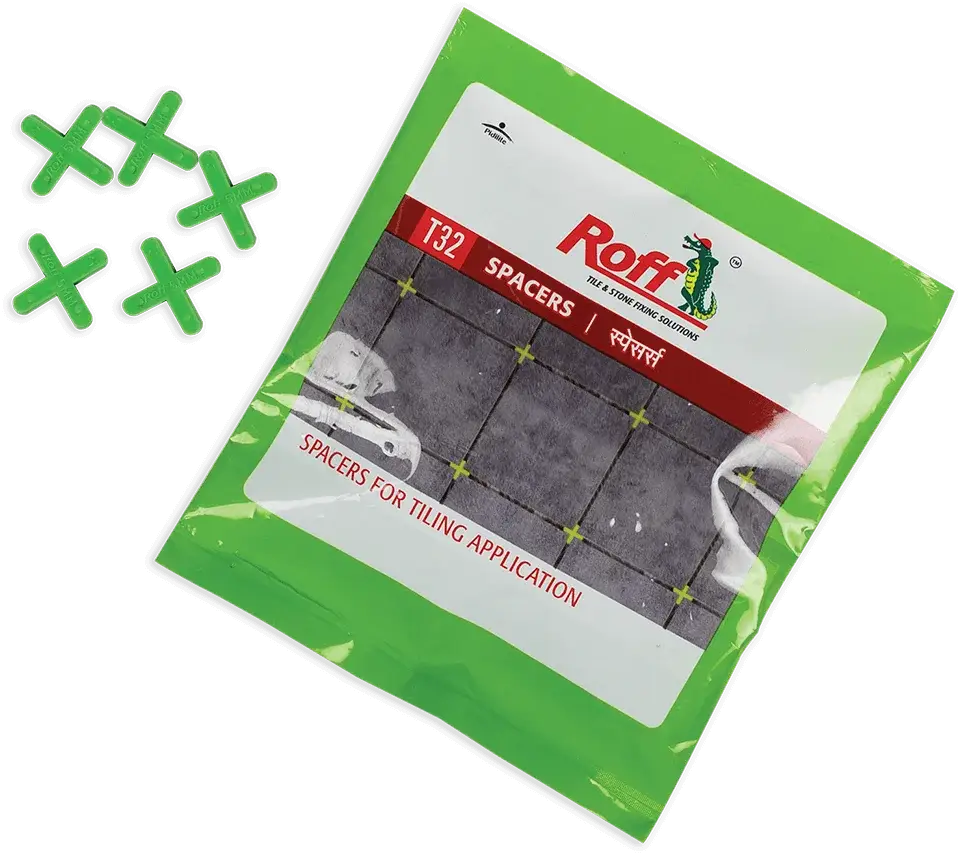
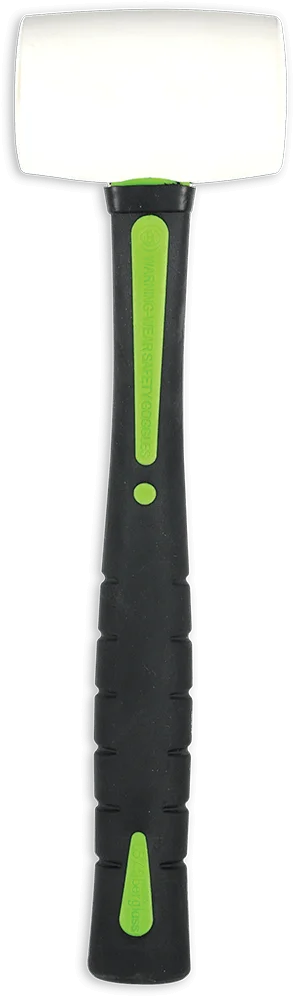
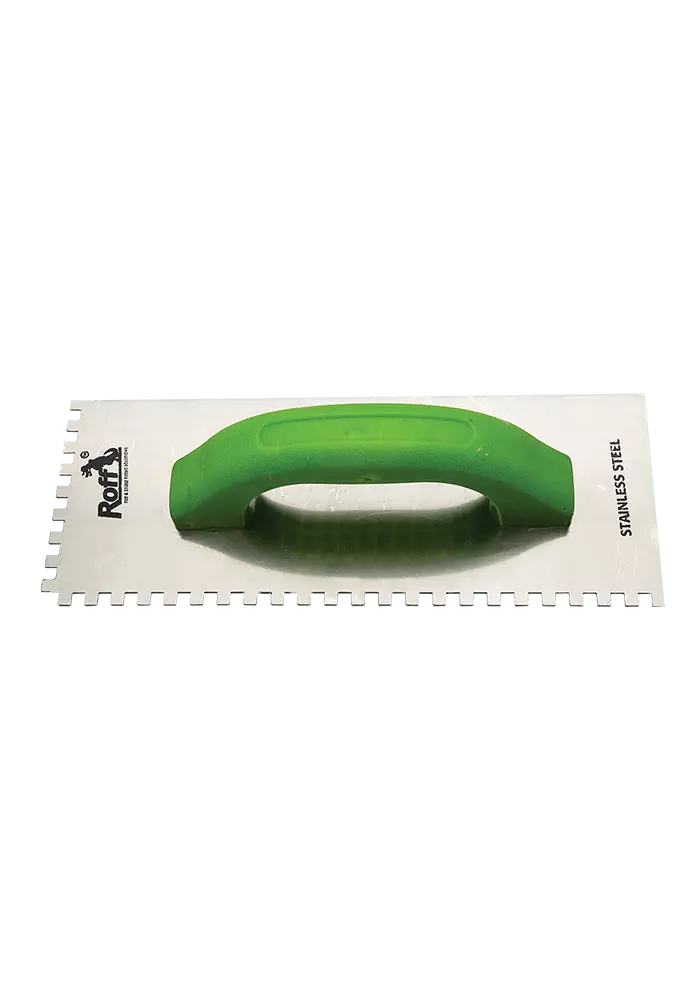
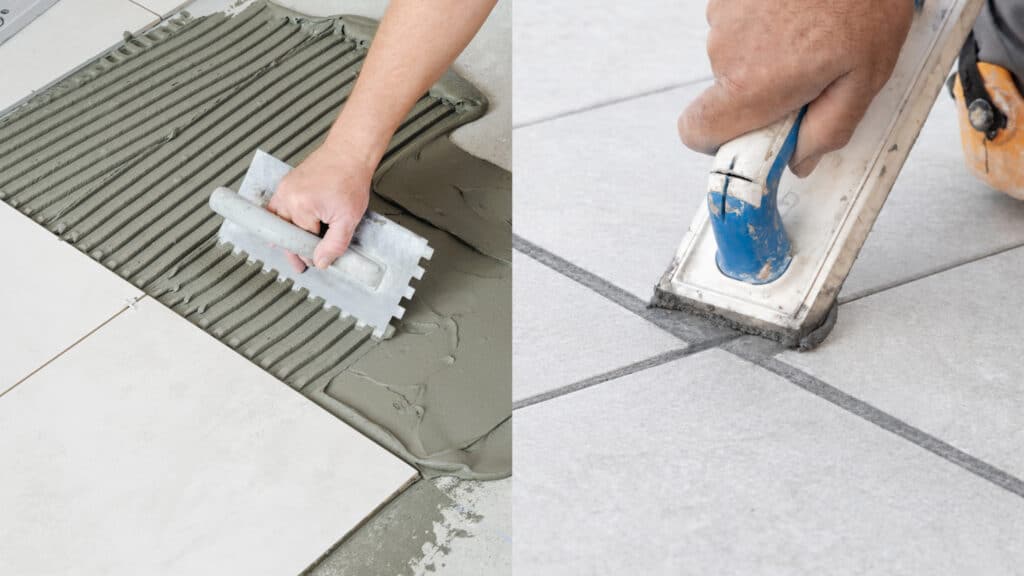
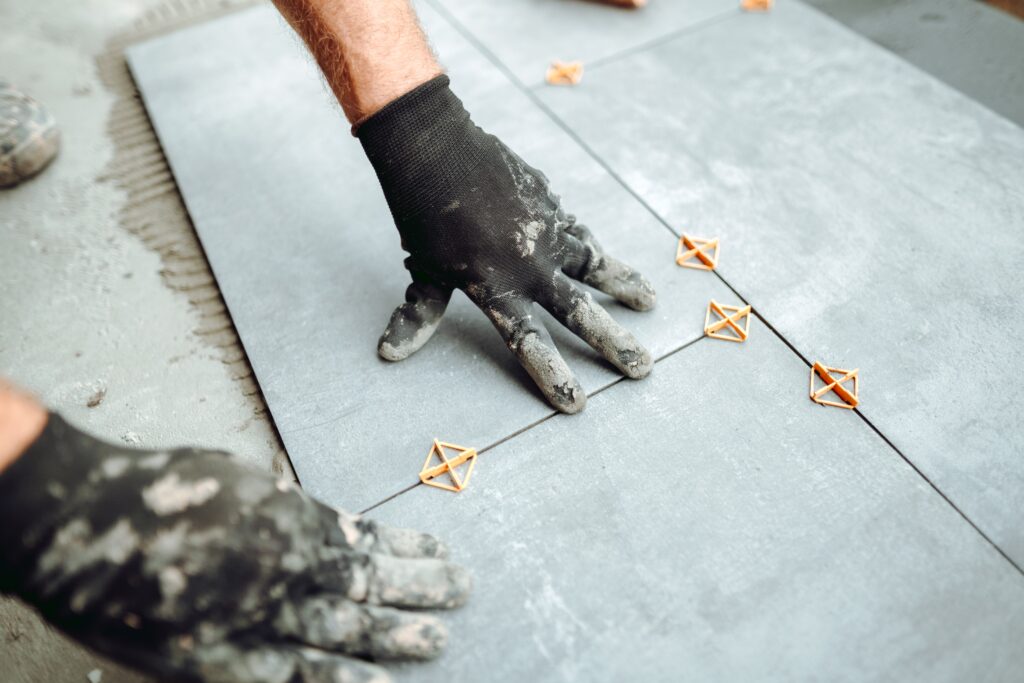
Moreover, using the right application tools is also extremely important. The right tools support proper bonding and alignment, while using the wrong tools only leads to damaged tiles in the future. A notched trowel helps spread adhesive evenly at the correct thickness, while tile spacers maintain uniform gaps between tiles. Spacers are crucial for ensuring evenly spaced gaps and are a must for any professional tile installation.
Specify the right product from the start
Tile slippage is rarely just an installer problem. In most cases, it traces back to an adhesive that was not specified for the application. Knowing which adhesive is best for tiles on vertical surfaces, what open time is appropriate for the conditions, and what non-sag performance to look for makes a material difference to installation outcomes.
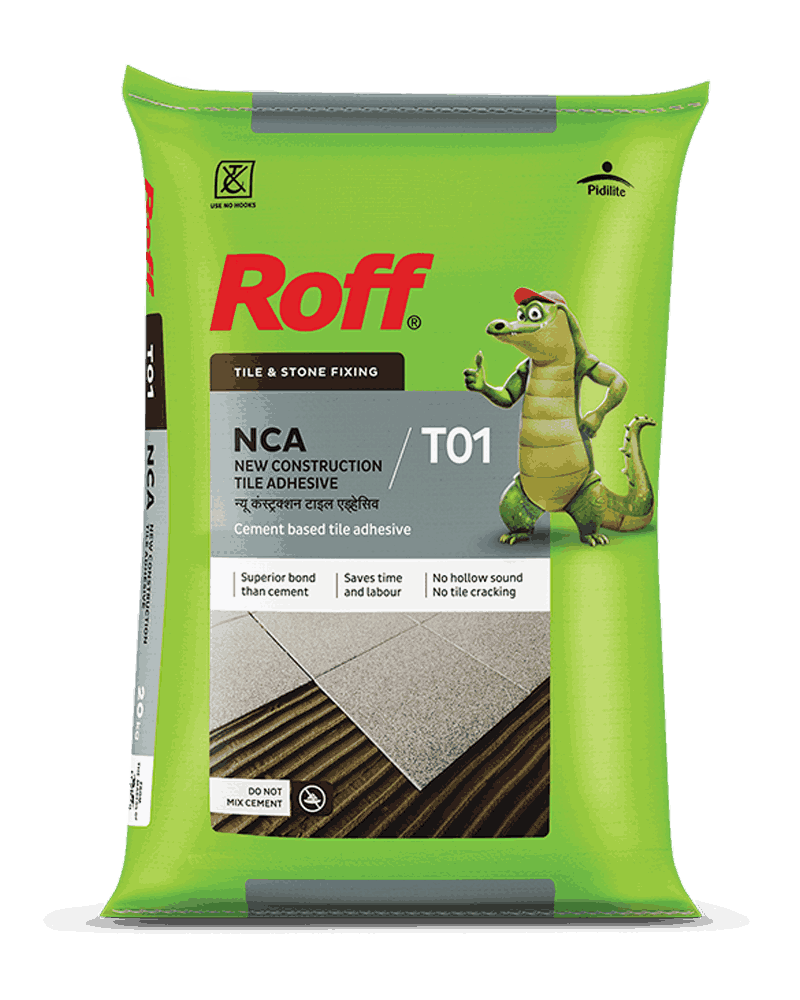
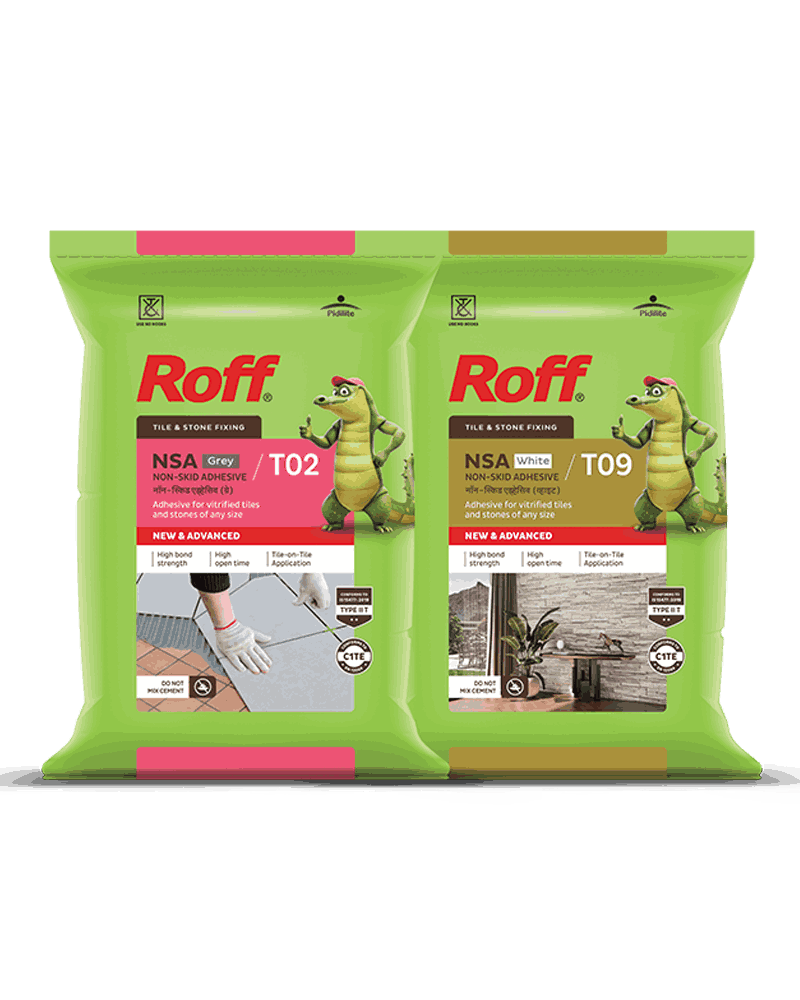
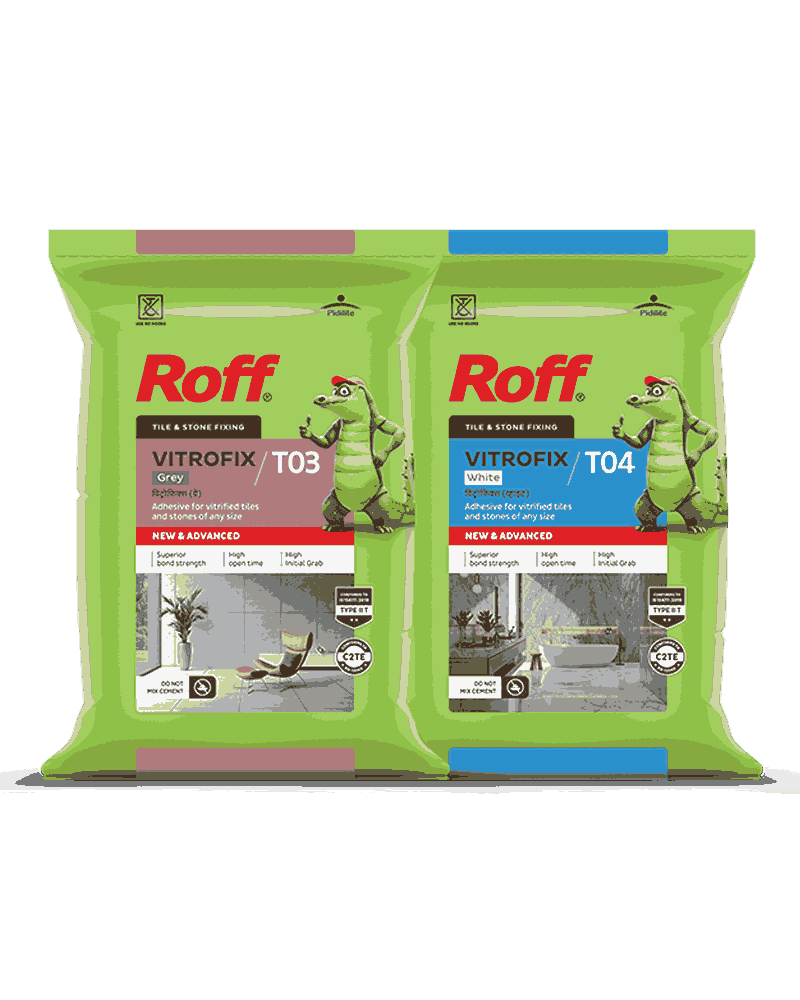
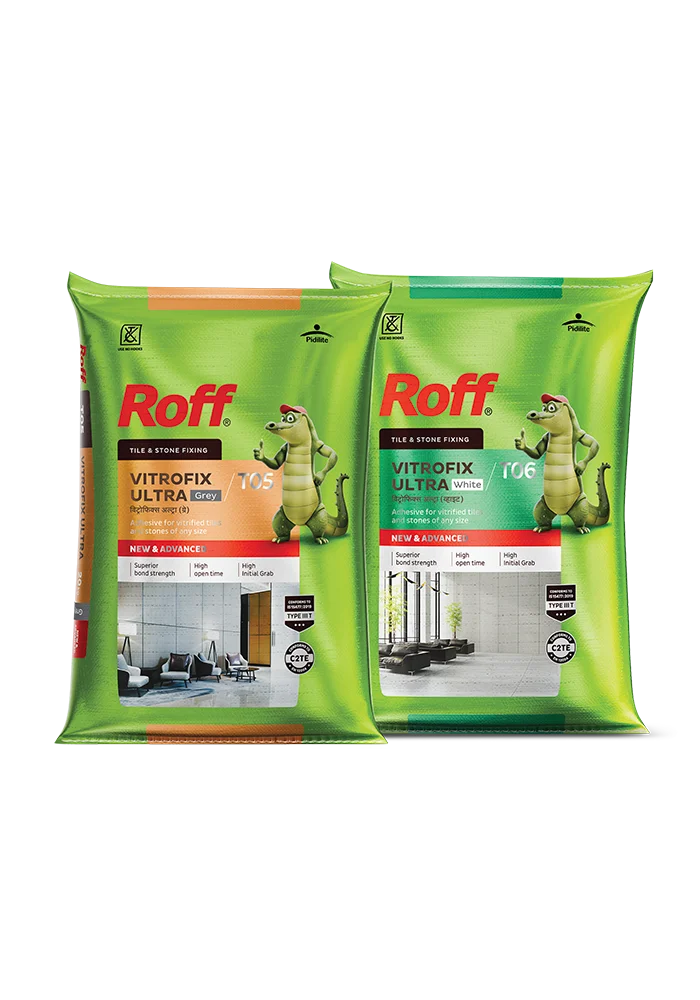
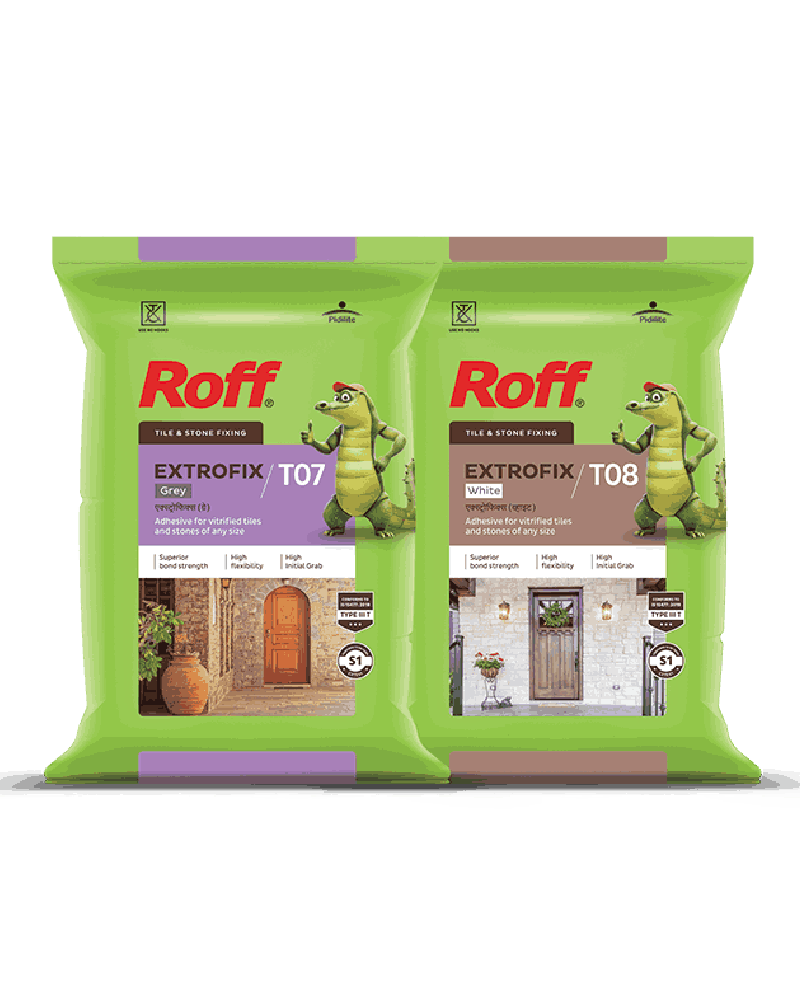
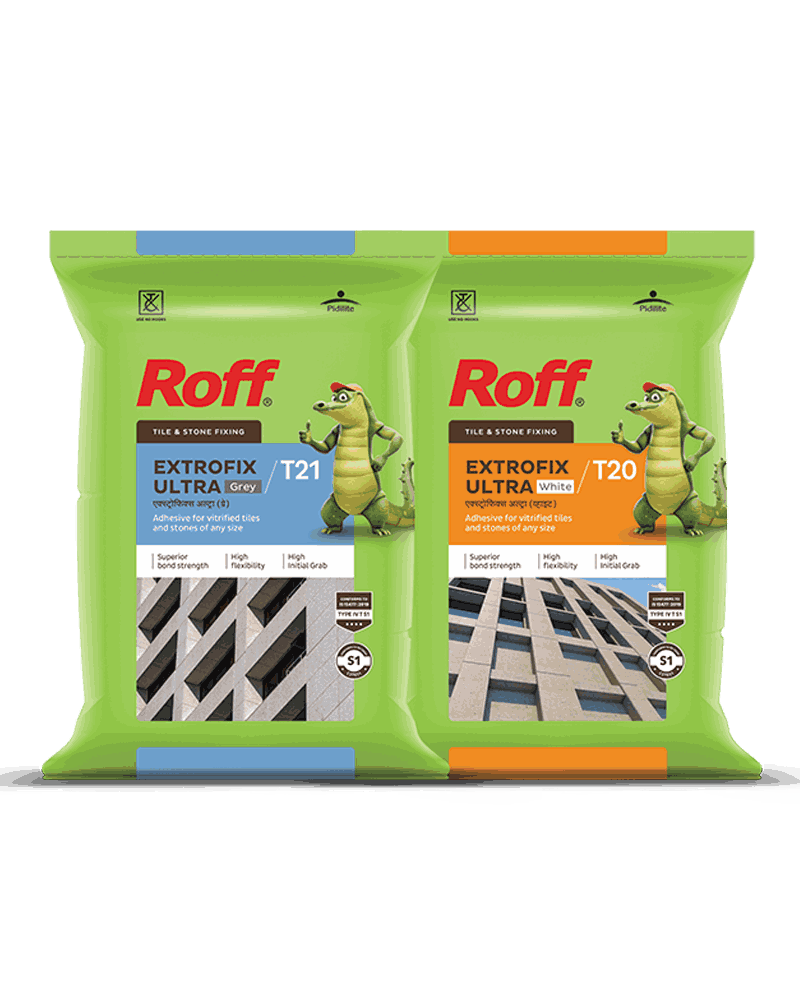
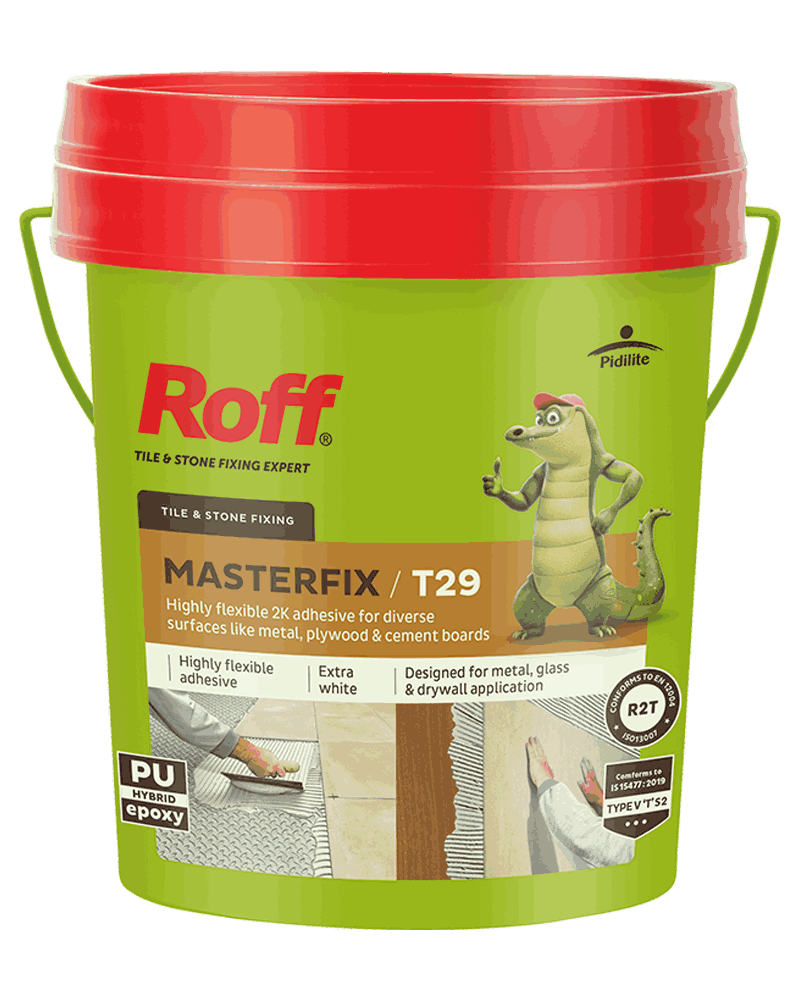
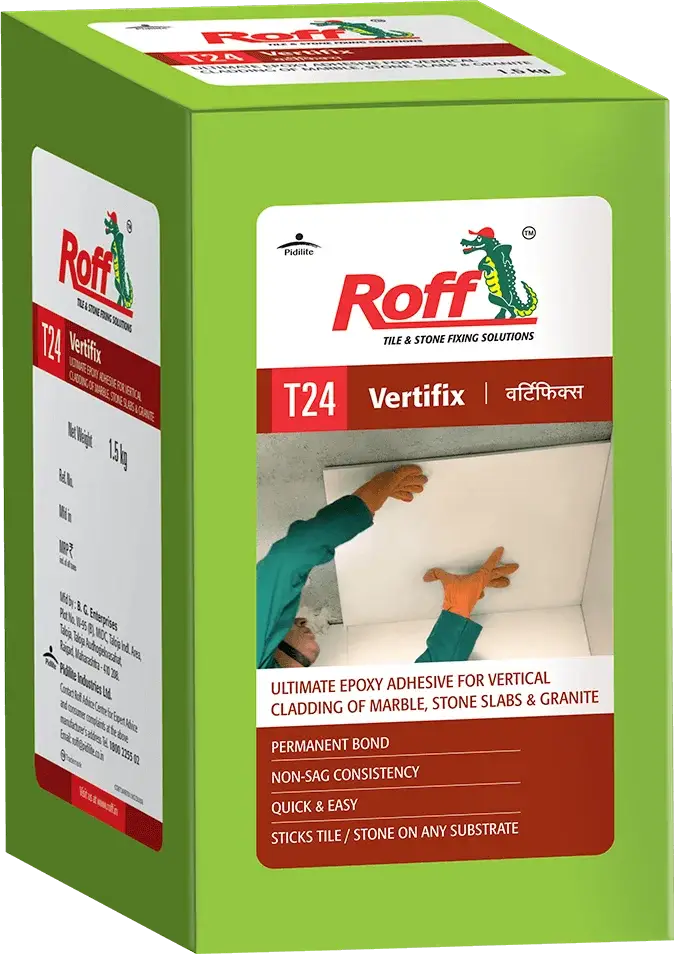
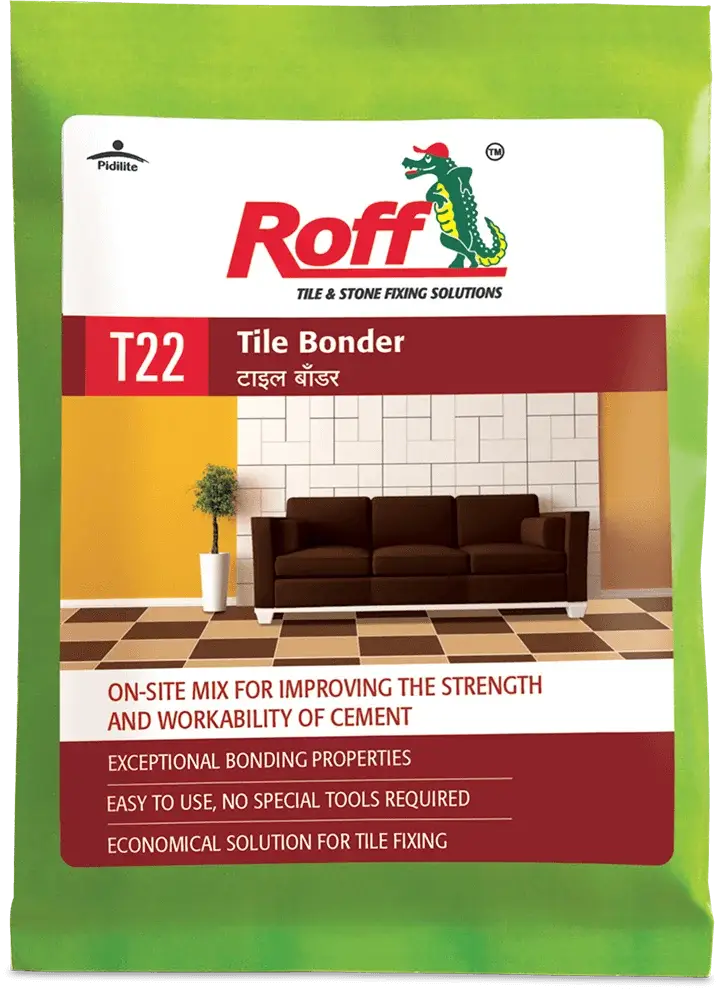
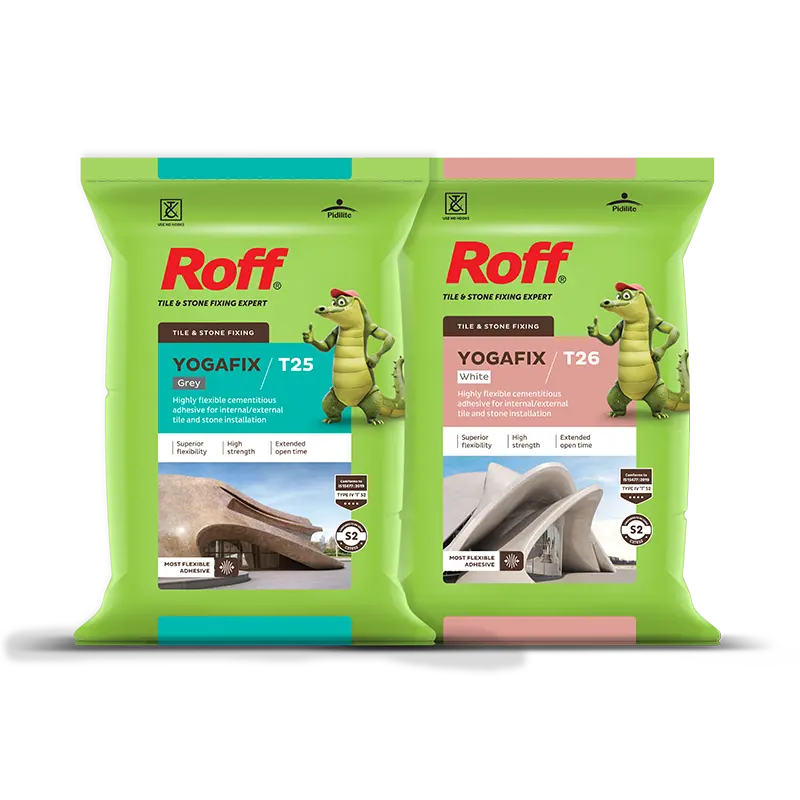
Roff’s range of wall-grade tile adhesives is formulated specifically for vertical applications, with non-sag properties that hold tiles in position through the curing window. To take the guesswork out of specification, Roff’s Tile Adhesive Selector factors in your specific site conditions, including the area, tile type, and installation surface, to recommend the most suitable product for the job.
Frequently asked questions (FAQs)
1) Why do wall tiles slip after installation?
Wall tiles usually slip when the adhesive lacks in non-sag property, is mixed incorrectly, or is applied beyond its open time.
2) Can floor tile adhesive be used on walls?
Floor tile adhesive should not be used on walls unless it is rated for vertical application, because it may not prevent tiles from sliding during curing.
3)What is the best adhesive for wall tiles?
The best adhesive for wall tiles is a wall-grade, non-sag tile adhesive designed specifically for vertical surfaces.
4)Why is open time important for wall tile adhesive?
Open time matters because once the adhesive skins over, bond strength reduces, and tiles may not hold properly on the wall.
5)Do large-format wall tiles need back-buttering?
Yes. Large-format wall tiles should be back-buttered to ensure full adhesive coverage, improve bond strength, and reduce the risk of slippage.