Check out the biggest trends of the season and our expert take on them.
Are self-adhesive floor tiles worth it? Here’s what to consider first
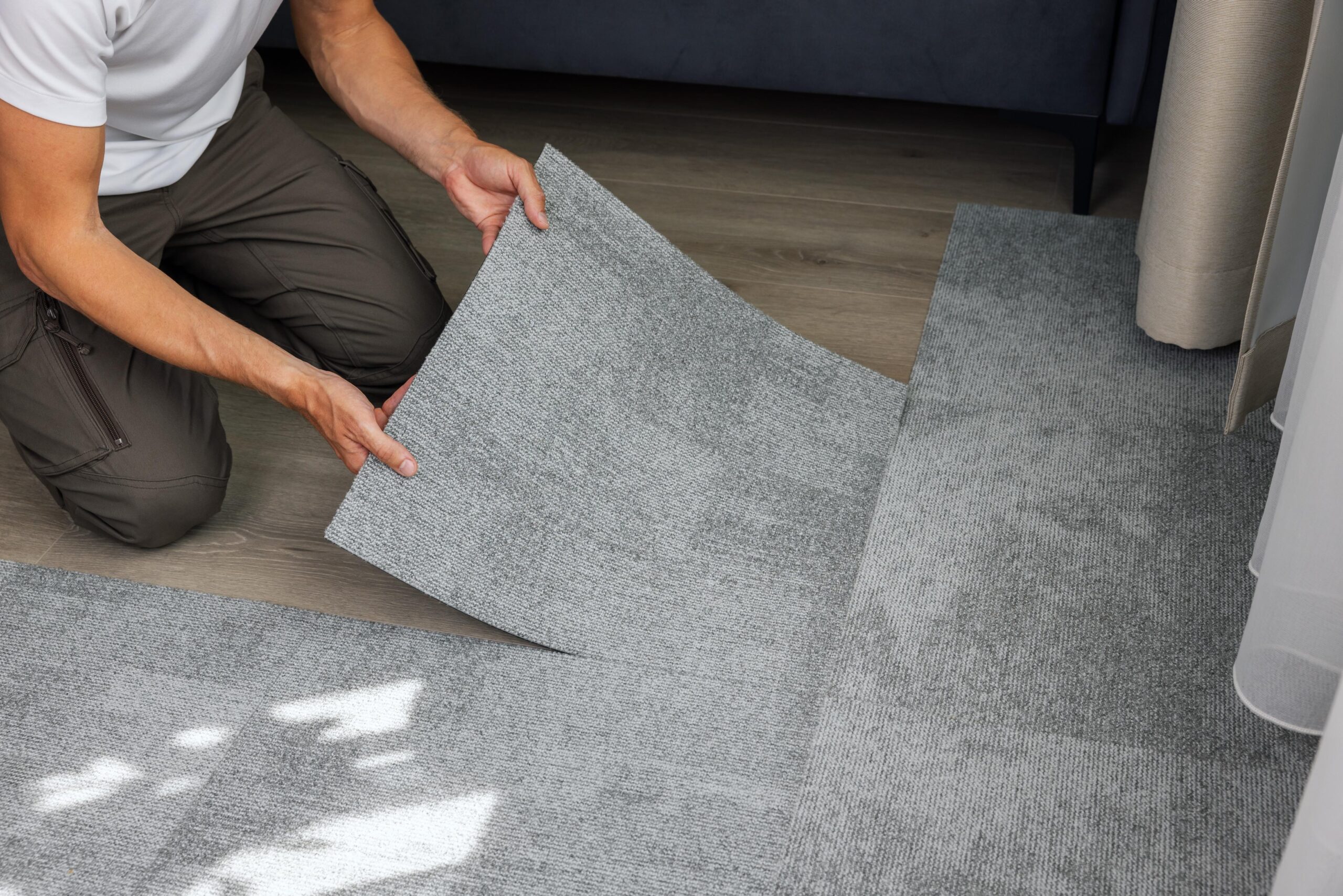
As renovations become more common (and frequent) with changing trends, self-adhesive floor tiles have become a shortcut for many quick home makeovers. And why not? They are easy to install, require almost no tools, and make for a very budget-friendly weekend project.
But what most people do not talk about is the downside that comes with such convenience. Here are some of the trade-offs of stick-on floor tiles that make them a very temporary solution.
Where do self-adhesive floor tiles fall short?
Unlike regular tile adhesives, self-adhesive flooring can be very quick and easy to install, but it can also fail just as swiftly. Here are some factors that influence its long-term performance to help you set more realistic expectations:
1. Installation errors often go unnoticed
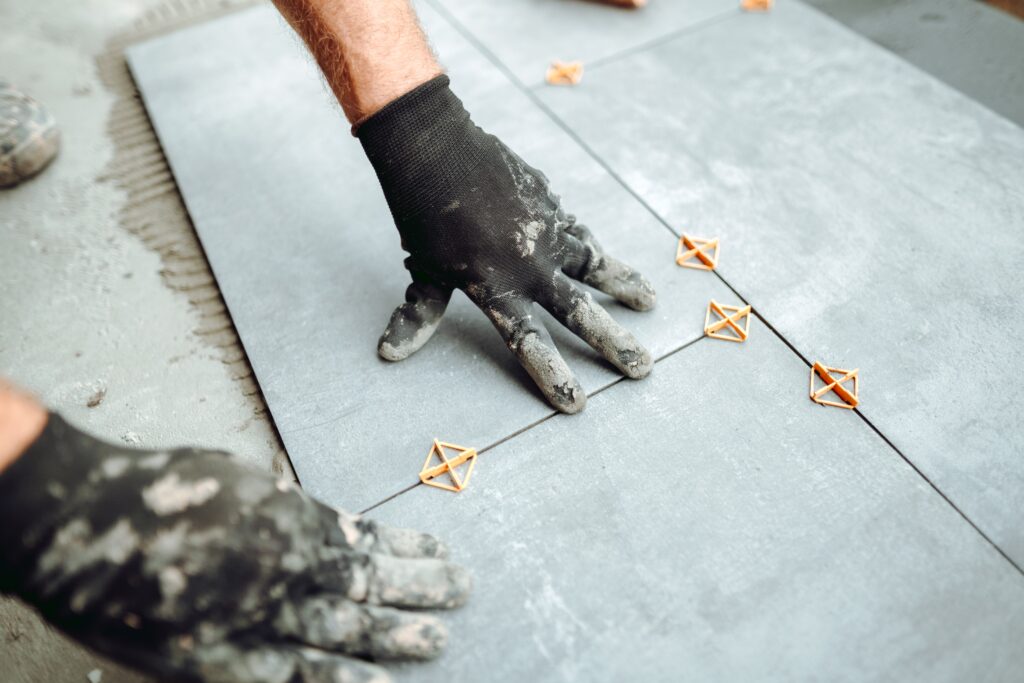
Without professional oversight, gaps, trapped air, and misaligned edges are common with self-adhesive floor tiles. These flaws are not always visible right away, but they weaken the bond and finish over time.
2. They struggle with Indian site conditions
Indian floors face humidity, heat, dust, and constant mopping. The durability of self-adhesive floor tiles takes a hit in these conditions, since the backing was never built to handle ongoing moisture and temperature change.
3.They are thinner than vitrified tiles
Most stick-on tiles for floor use thin materials that scratch, tear, and dent far more easily than vitrified tiles. This makes them a temporary flooring fix rather than a lasting one.
4. They need a near-perfect substrate
Self-adhesive floor tiles need a smooth, dry, and clean surface to bond well. Even small imperfections, like dust or slight unevenness, can affect adhesion and cause early lifting.
5. Repairs add up over time
Curling edges, shifting tiles, and widening gaps are common as the adhesive wears down. A quick fix can soon mean repeated repairs or a full replacement within a few years, one of the biggest disadvantages of self-adhesive floor tiles.
Why are Roff's tile adhesive solutions the smarter long-term fix?
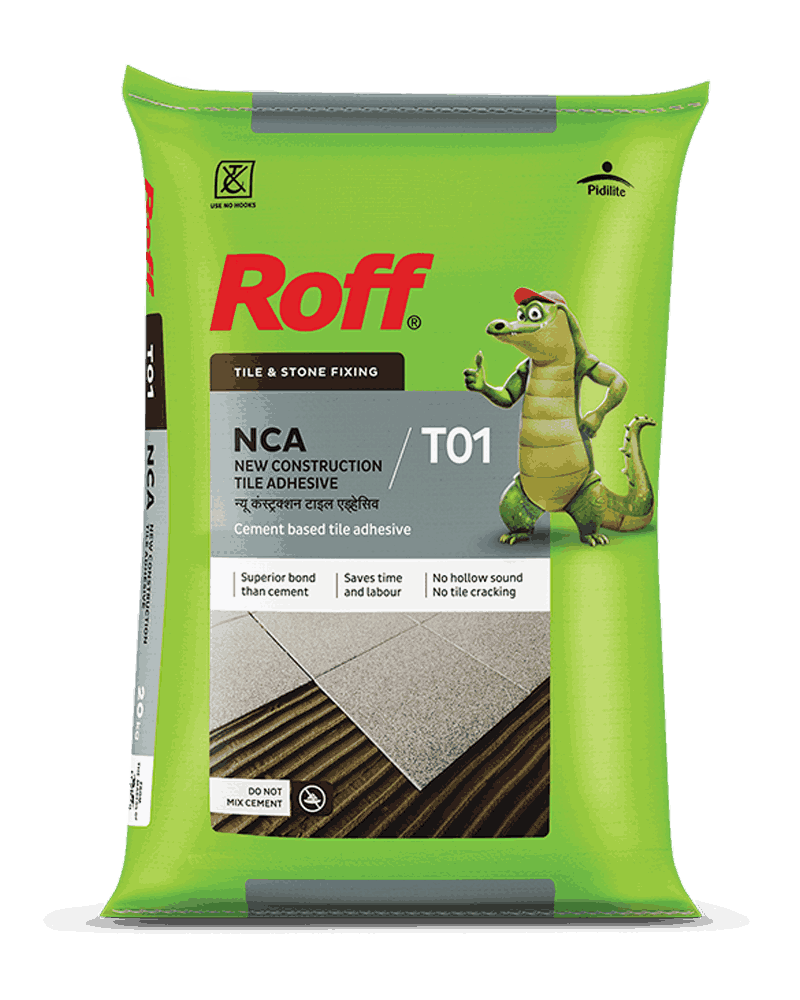
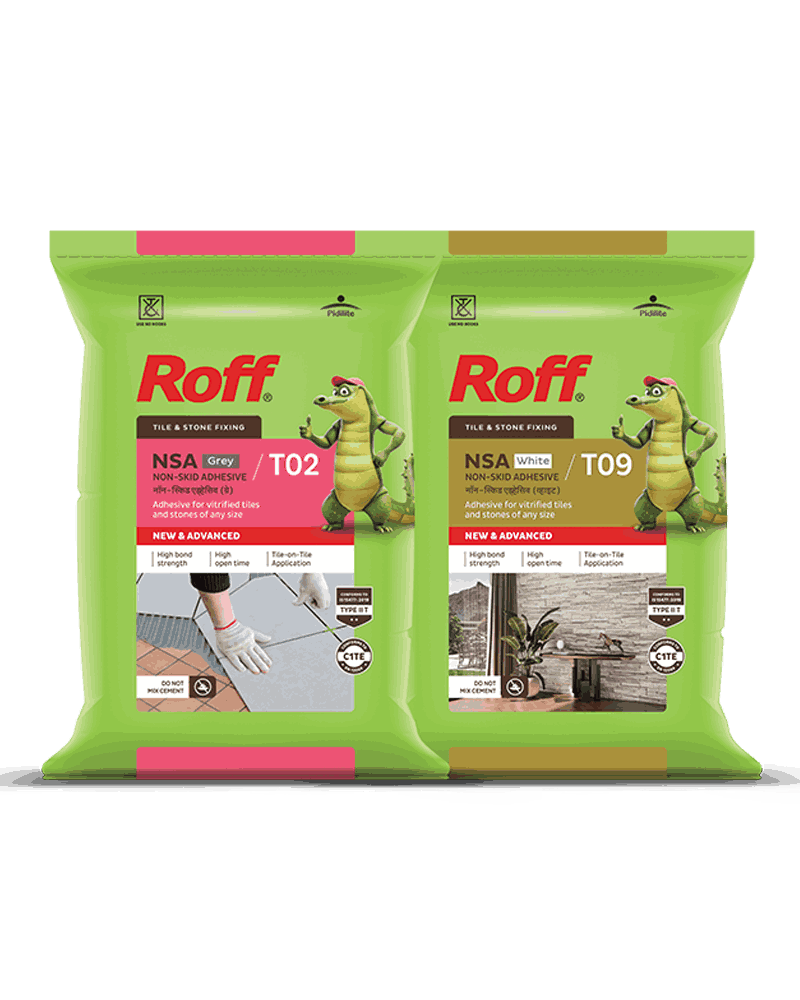
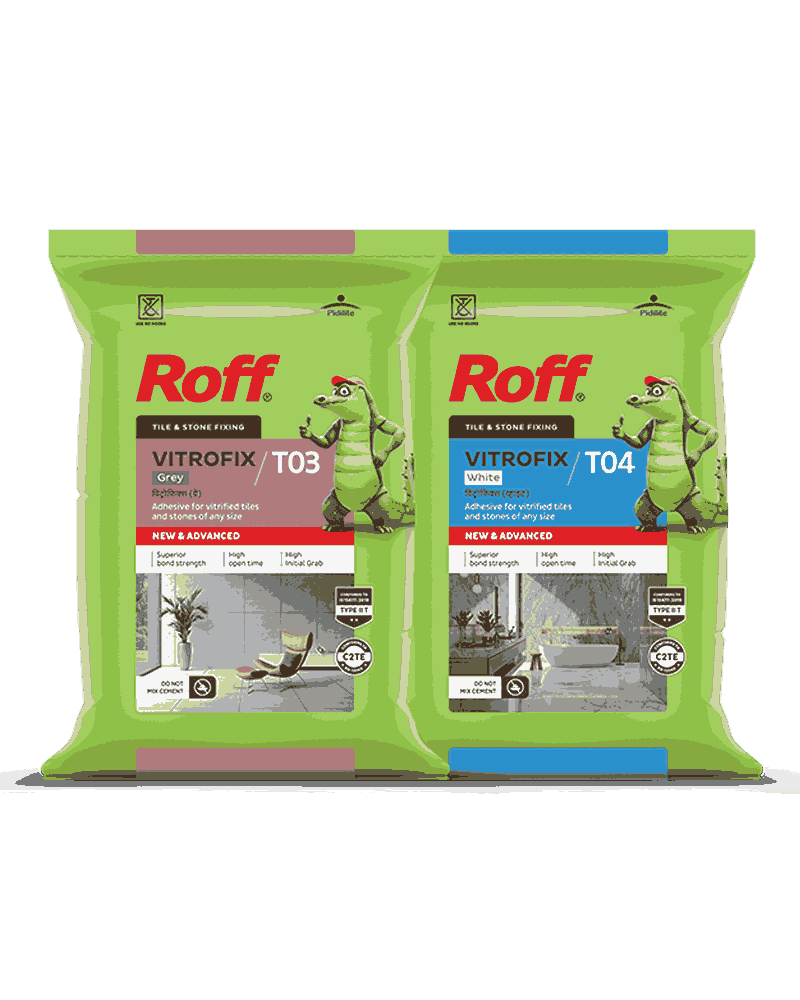
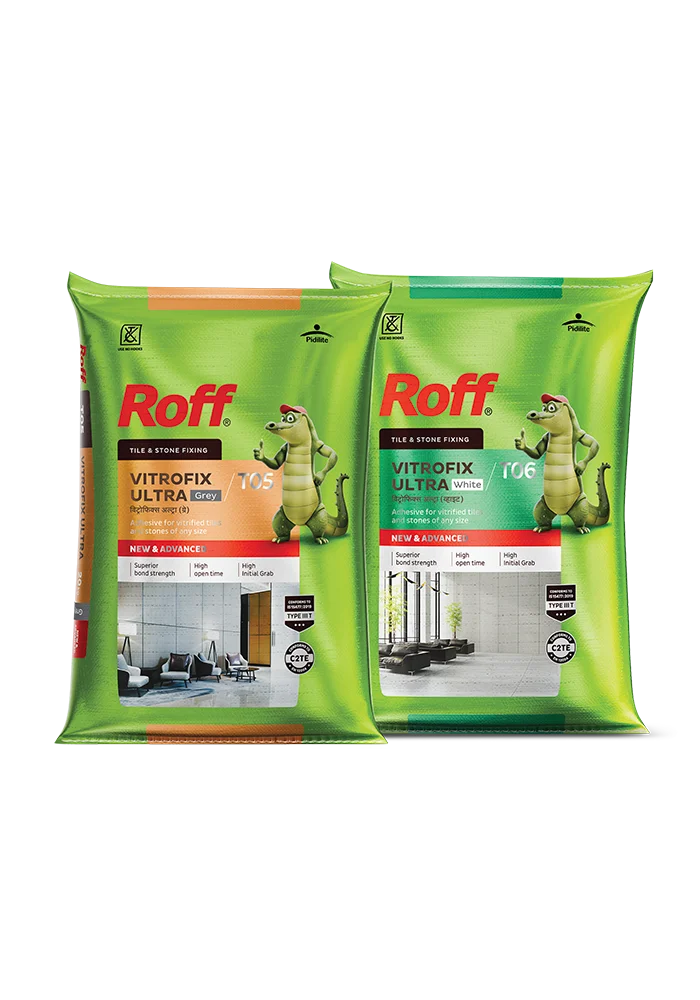
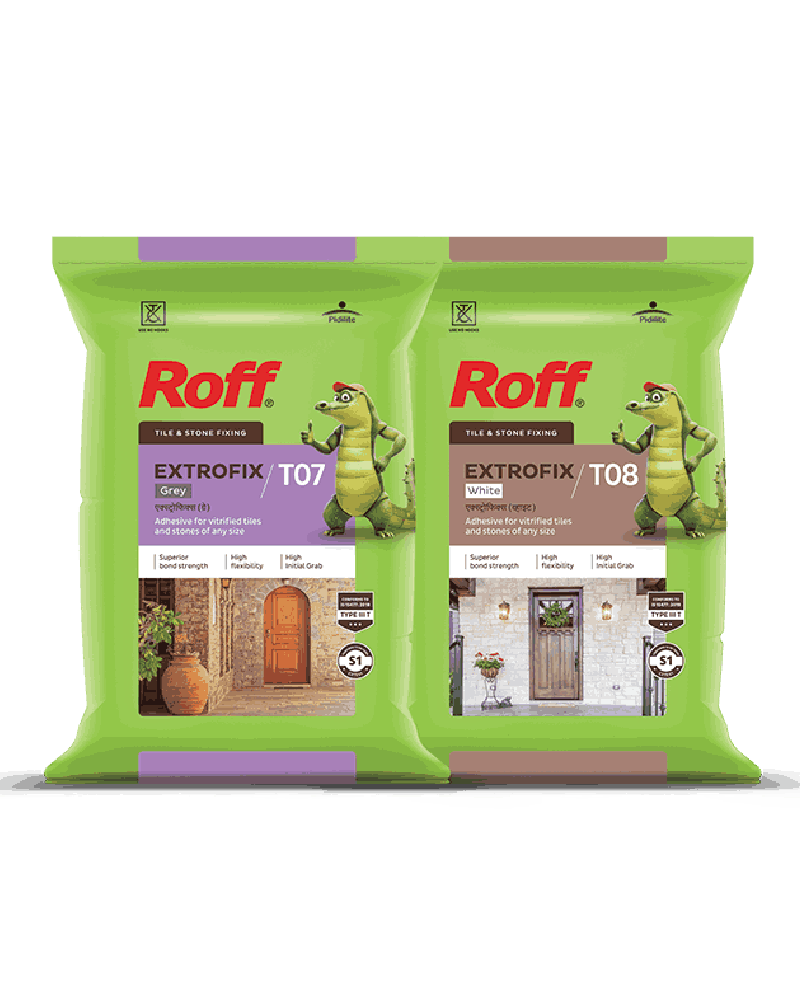
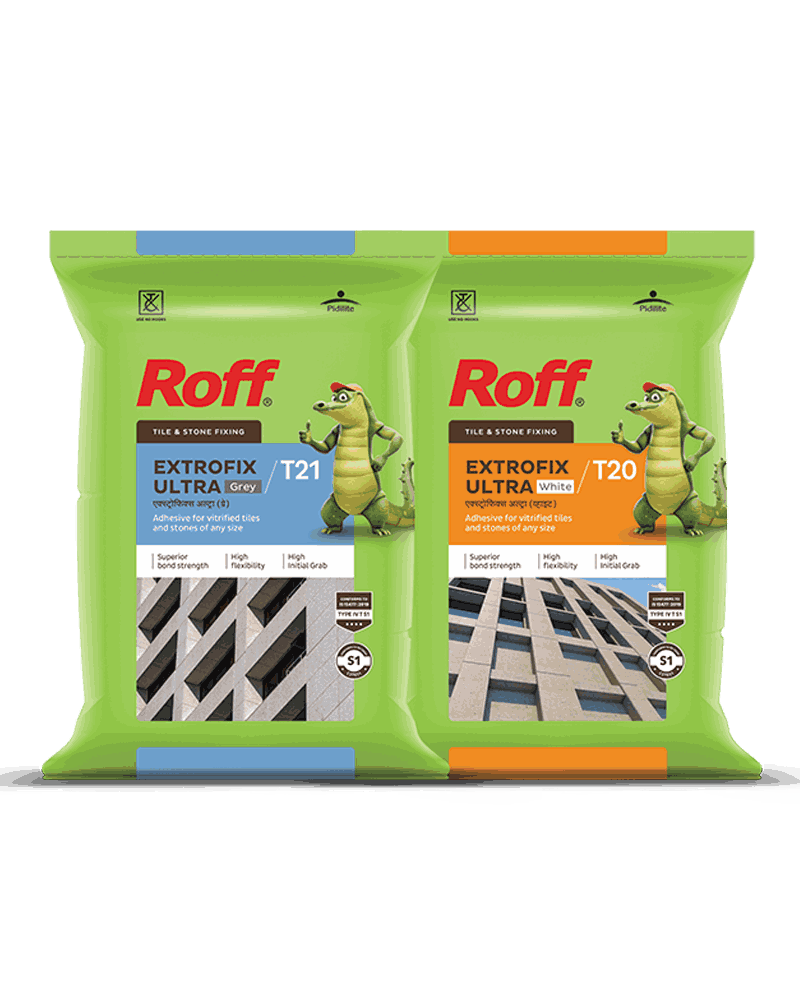
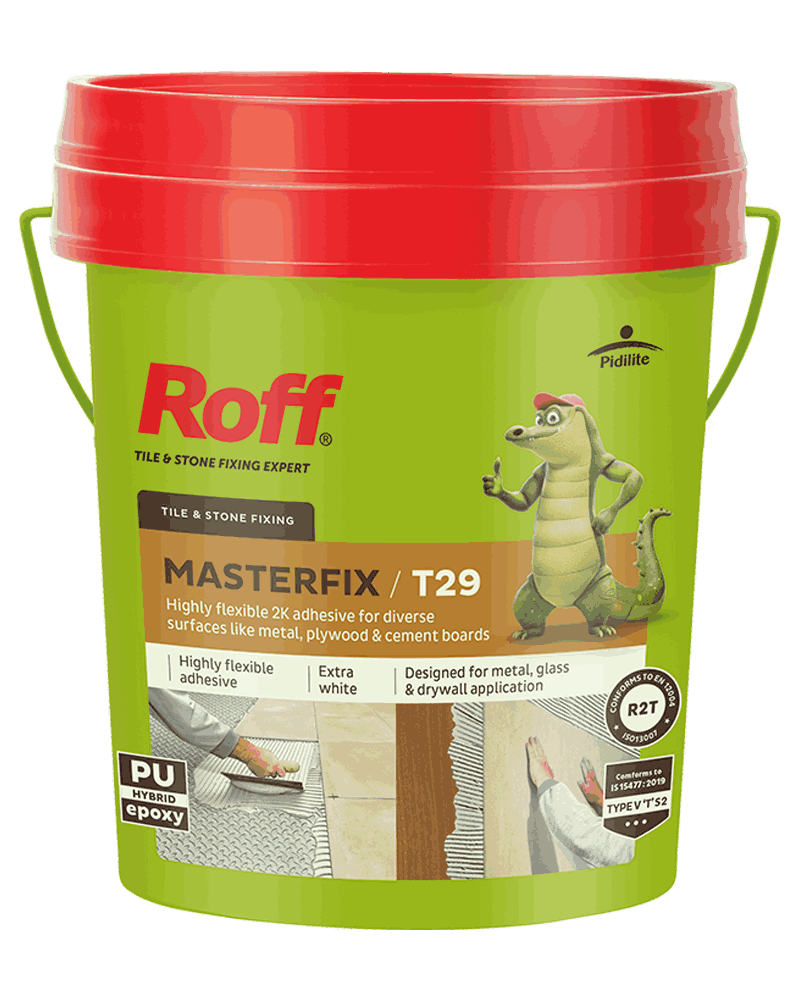
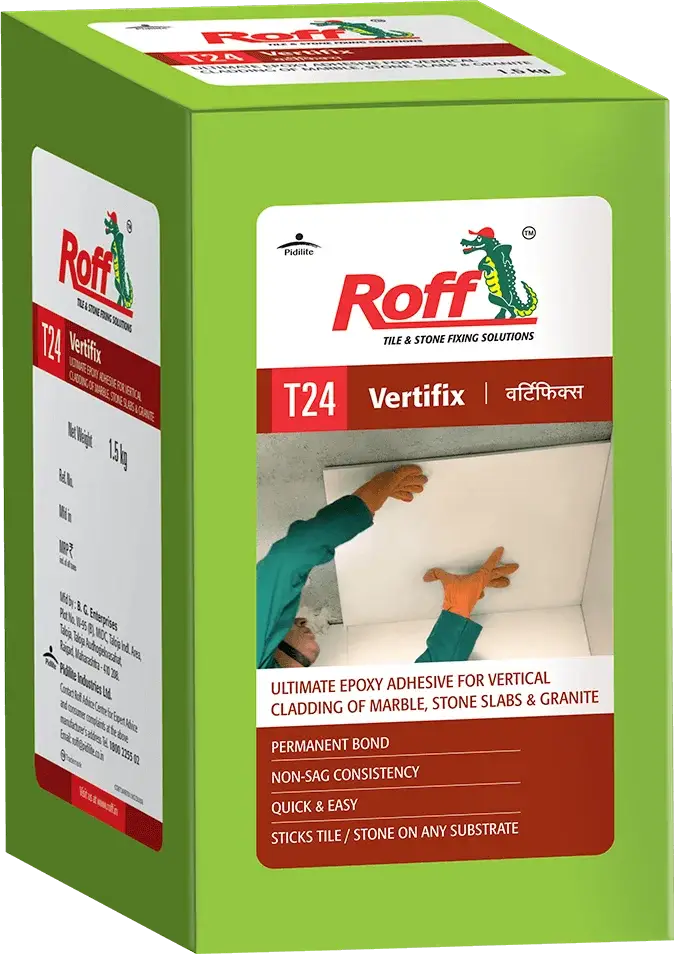
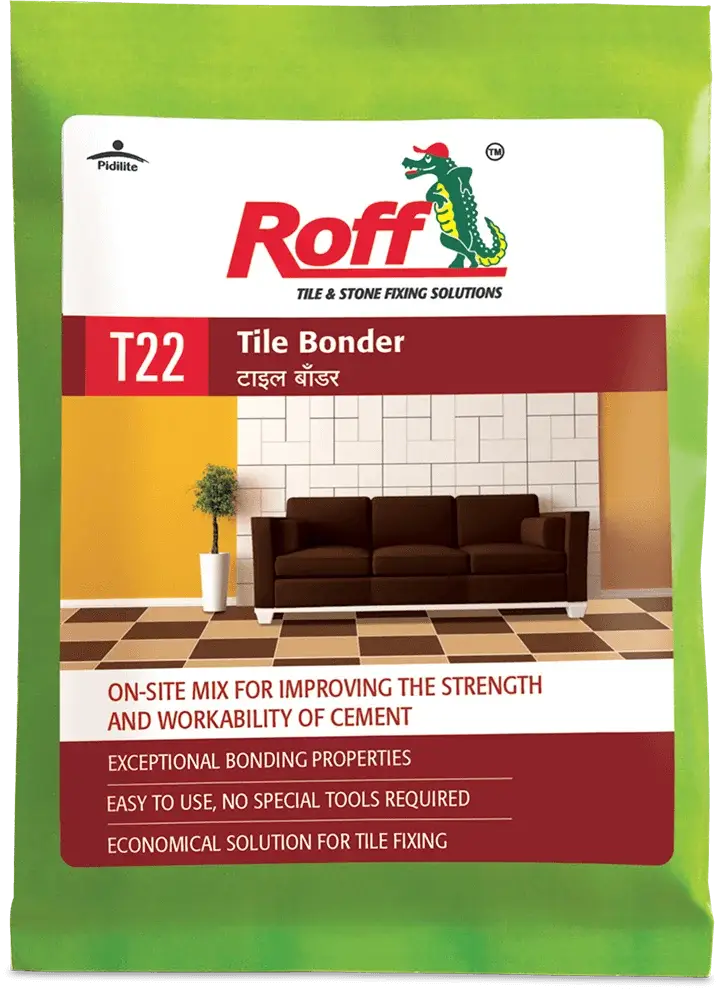
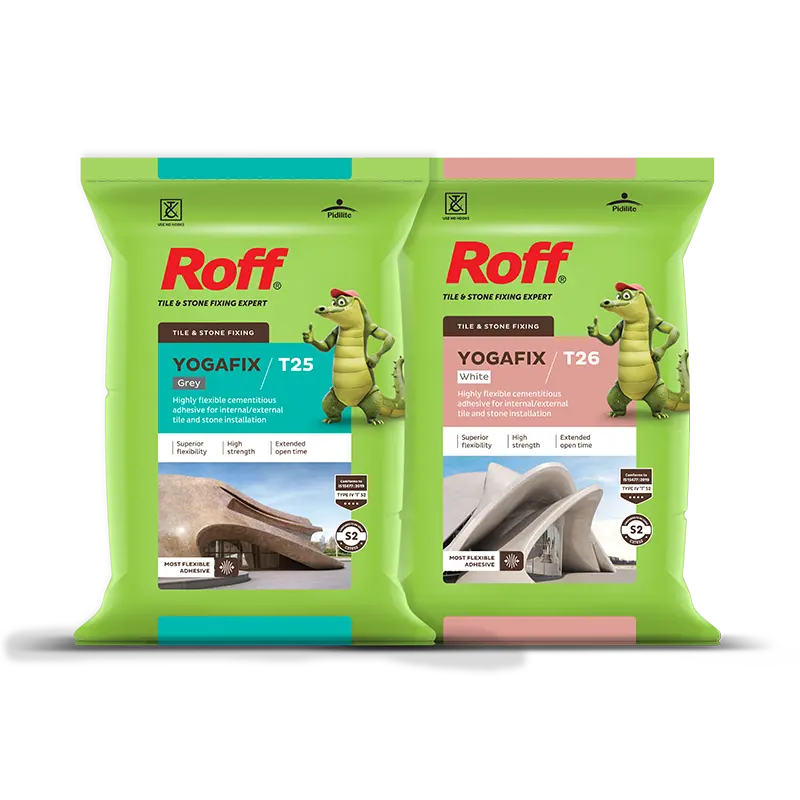
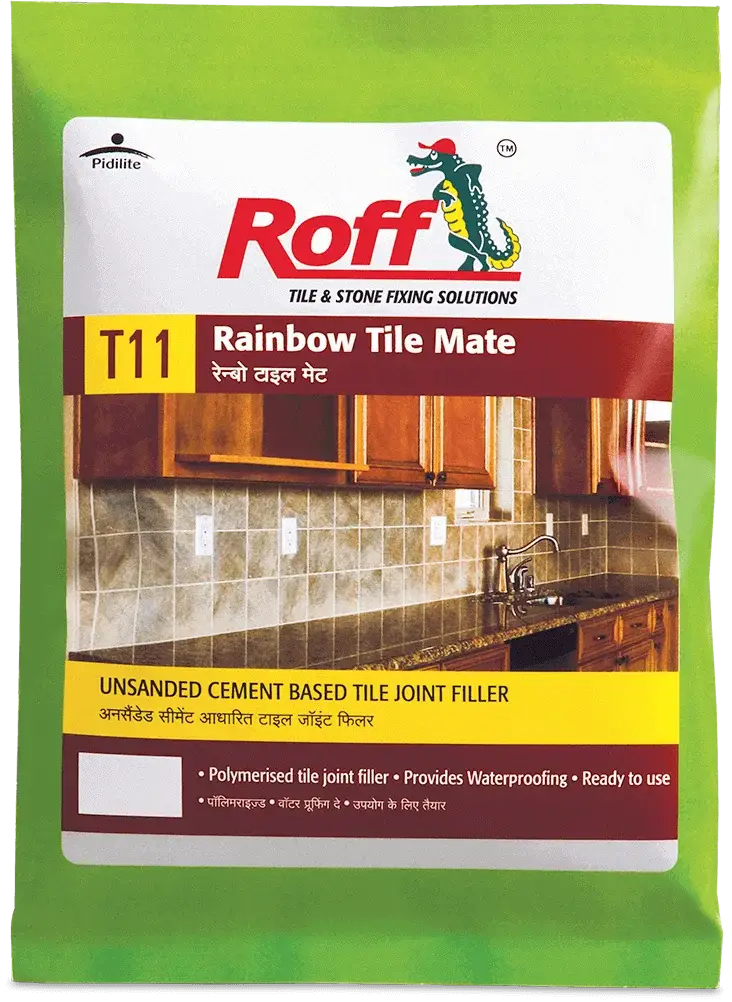
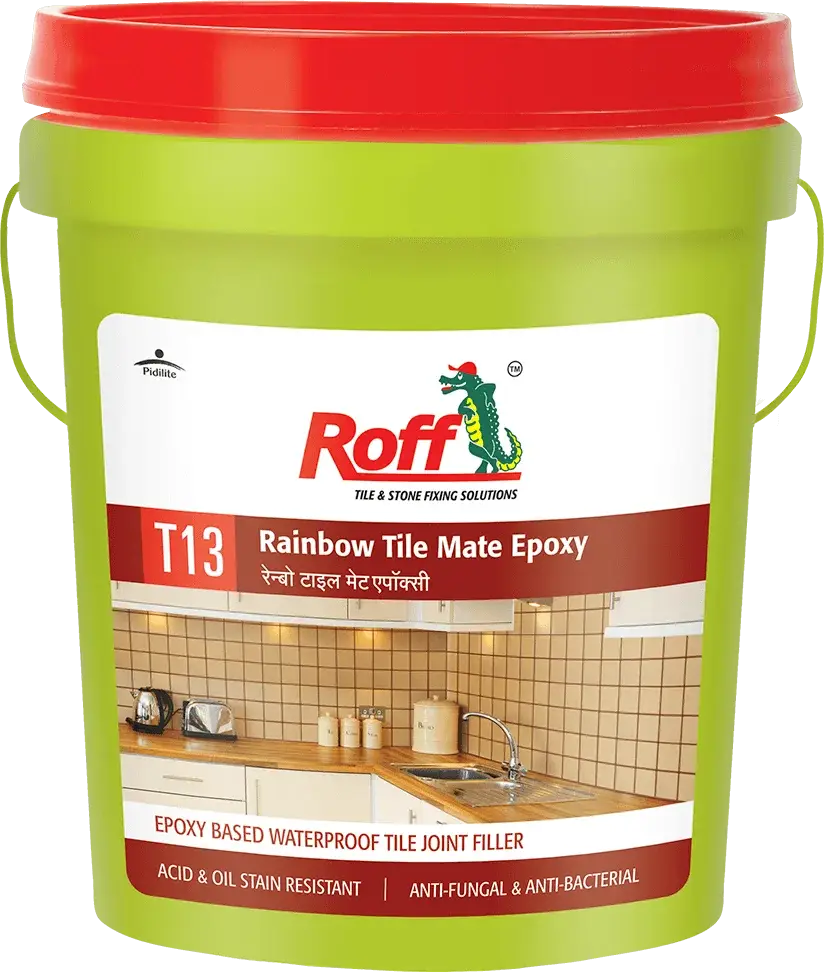
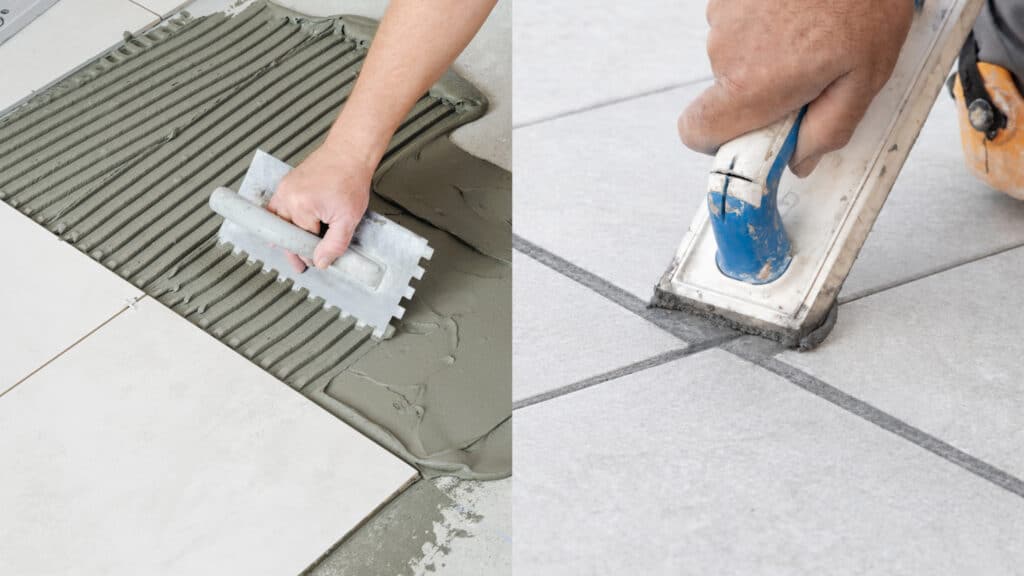
Self-adhesive floor tiles solve for speed, not staying power. For flooring that withstands daily life, Roff’s range offers a dependable adhesive for floor tiles of every type, suited to various surfaces and site conditions across India.
By preventing lifting, gaps, and repeated repairs, Roff helps homeowners and architects deliver floors that look good and last well beyond the first few years. Explore Roff’s tile adhesives and find the right solution for installations that stay put for years.
Frequently asked questions (FAQs)
1) Is the durability of self-adhesive floor tiles good enough for daily use?
Self-adhesive floor tiles are perfect for quick renovations and temporary workspaces. However, if you want tiles that last for a long time, self-adhesive floor tiles are not the way to go.Regular foot traffic and moisture exposure can quickly damage self-adhesive tiles, leading to lifting and curling. For floors that see daily wear, properly bonded tiles offer superior performance.
2) Can self-adhesive floor tiles be used in bathrooms or kitchens?
It is not advisable. These areas have higher moisture exposure, and self-adhesive backing struggles to maintain grip in damp conditions. A professional-grade adhesive is better suited to withstand water and frequent washing in these spaces.
3)What is a more reliable alternative to self-adhesive floor tiles?
Vitrified or ceramic tiles fixed with a proper adhesive, such as Roff’s range, offer stronger bonding, greater durability, and a more finished look. Always consult a professional installer to choose the right adhesive for your surface and site conditions.