Check out the biggest trends of the season and our expert take on them.
Why the best adhesive for tiles changes from room to room
Walk into any construction/chemical store and ask for the best adhesive for tiles, and you’ll rarely get the same answer from two different people. The problem is that there isn’t a single right answer when it comes to tile adhesives. Different spaces in your home deal with very different conditions, and what works brilliantly in one room can fail in another.
Let’s understand how you can find the best adhesive for your tiles on a room-by-room basis.
1. Wet areas need moisture-resistant formulas
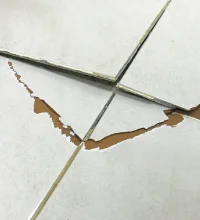
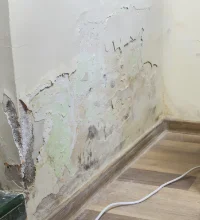
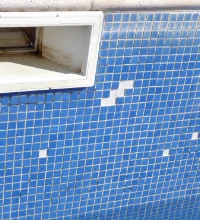
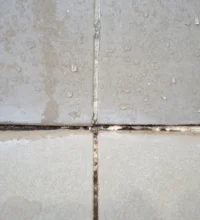
Bathrooms, wet rooms, and kitchen backsplashes are constantly exposed to water and steam. Standard adhesives absorb moisture over time, weakening the bond and eventually causing tiles to loosen or pop. These spaces need a highly water-resistant adhesive.
2. Floor tiles vs wall tiles have different load needs
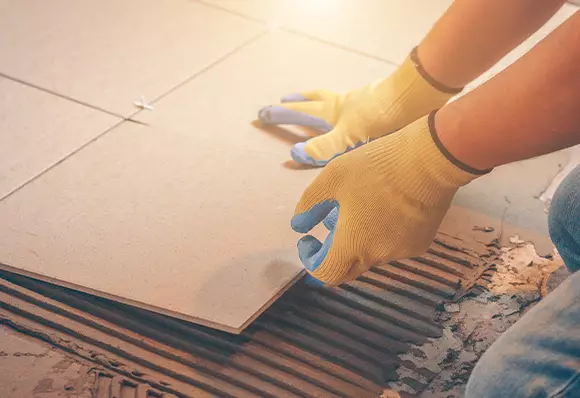
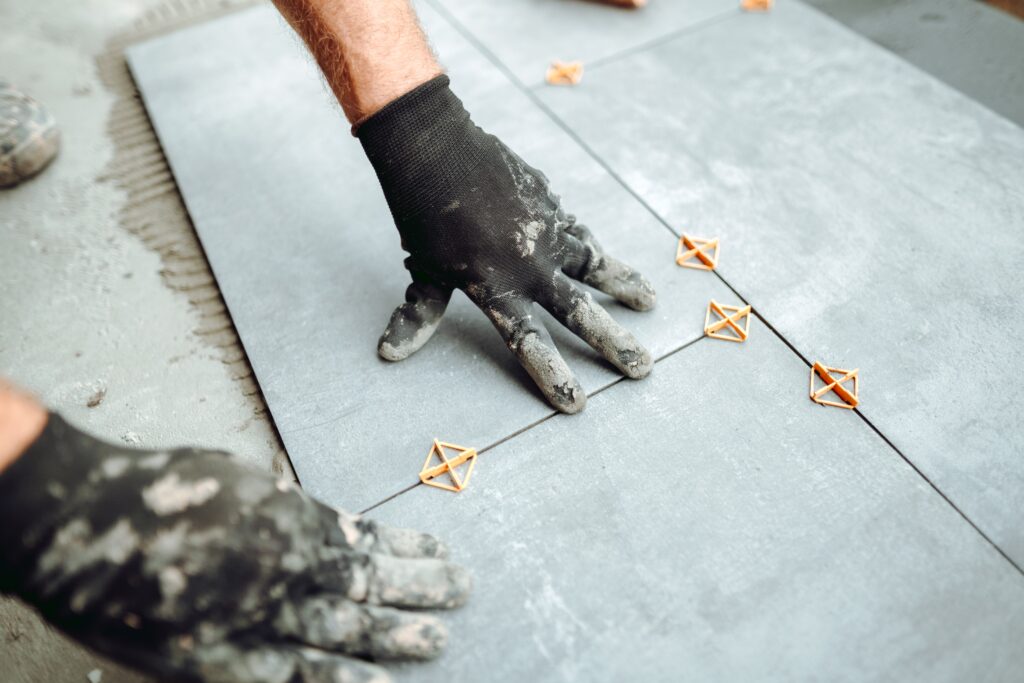
Floor tile installationsare subject to foot traffic, furniture weight, and constant mechanical stress. Wall tiles mostly just need to stay put. Using a wall adhesive on a floor, or vice versa, compromises either the bond strength or the flexibility needed for the job.
3. Large-format tiles require full-bed coverage
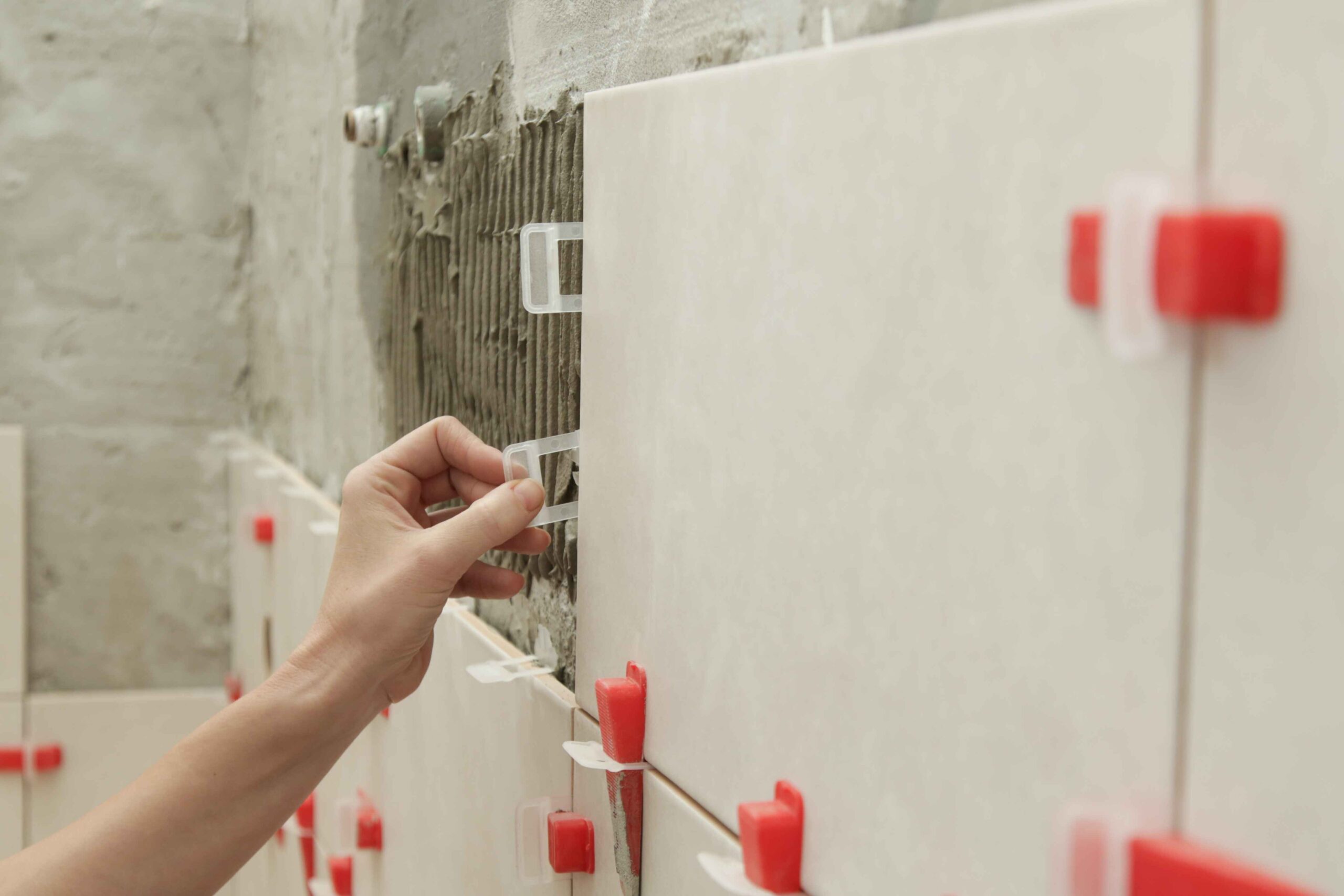
Big tiles leave more room for air pockets if the adhesive isn’t applied correctly or isn’t the right consistency. For large tiles, you need a high-grab formula that ensures complete contact across the tile back, with hollow spots forming and cracking following.
4. Outdoor and balcony tiles face temperature swings
Outdoor surfaces expand and contract with changes in temperature. Rigid adhesives crack under this movement. Exterior tile installations require flexible adhesives that withstand thermal cycling without losing grip.
5. The existing surface changes everything
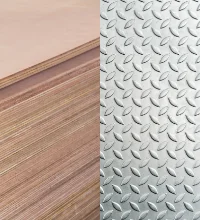
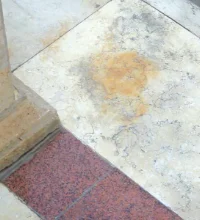
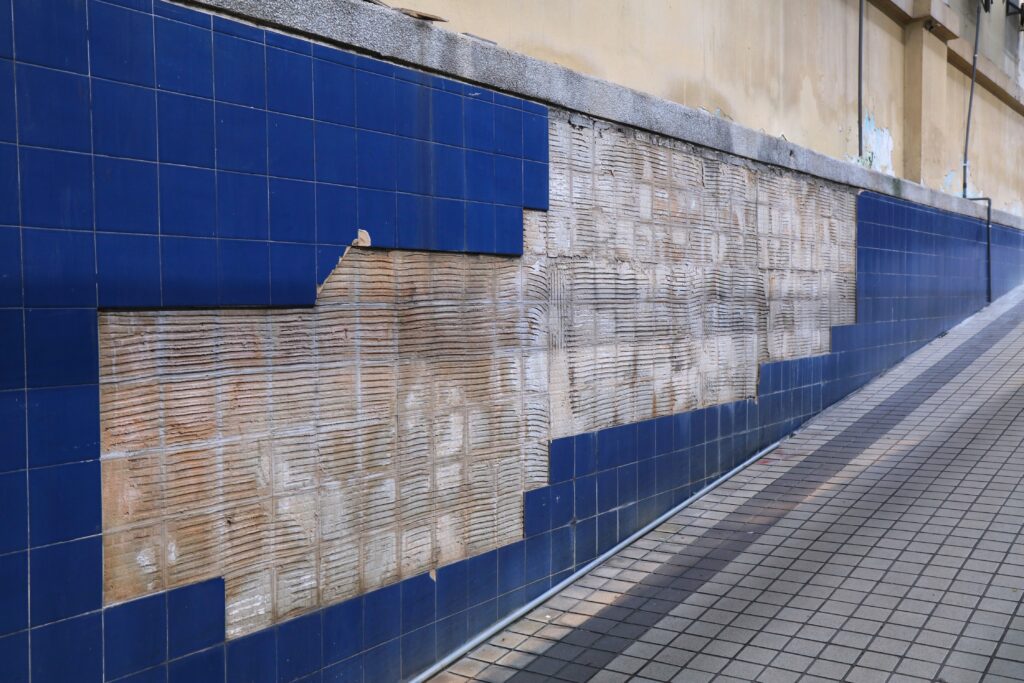
Whether you’re doing fresh tile renovation work or laying over an existing surface, the substrate matters. Concrete, plywood, old tiles, and gypsum boards all have different porosity and structural behaviour. The best tile adhesive for one substrate may not bond properly to another.
How to choose the best adhesive for tiles
So, what is the actual best adhesive for tiles? It depends entirely on where the tiles are going, what they’re made of, and what the surface underneath looks like.
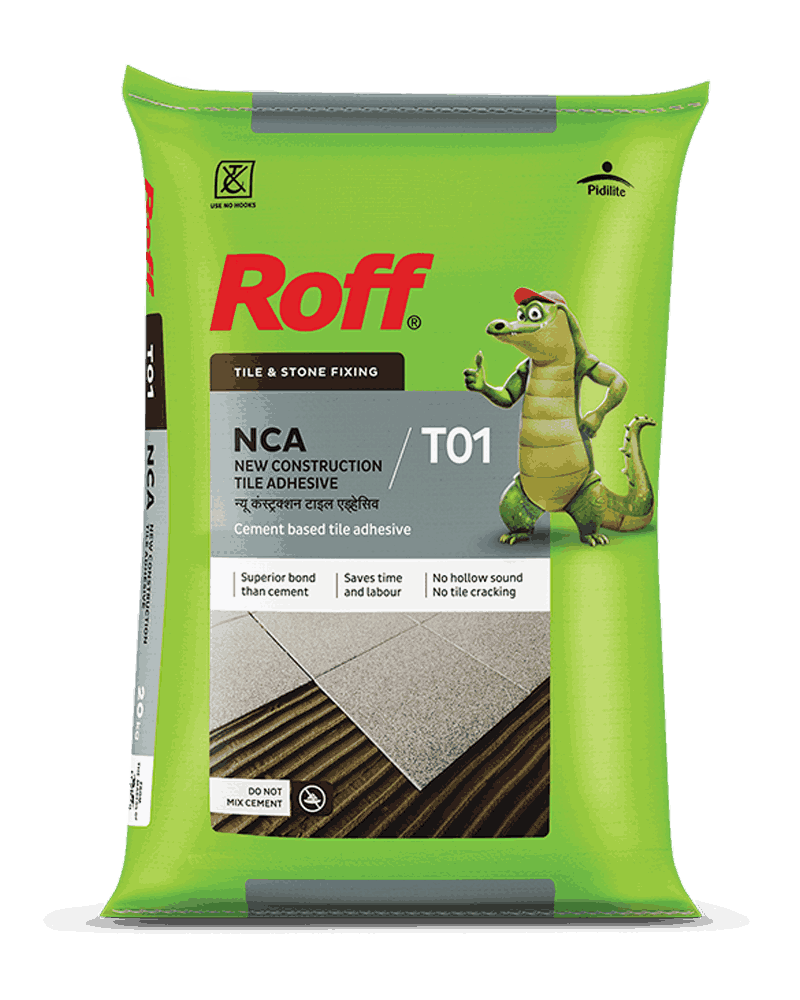
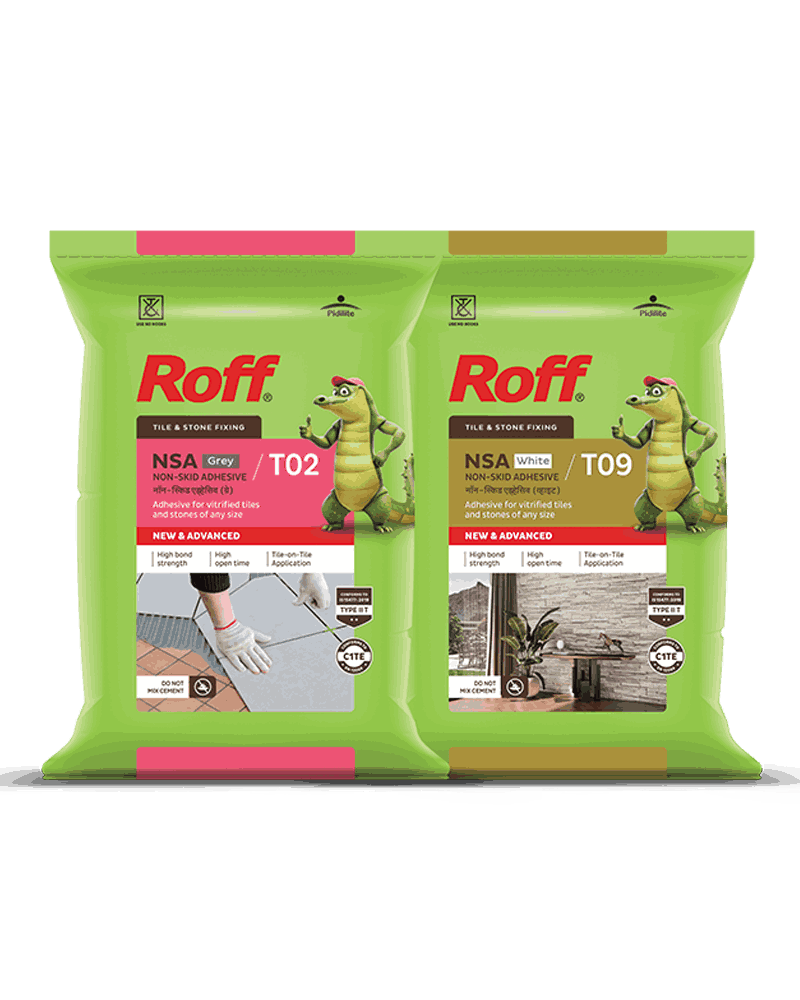
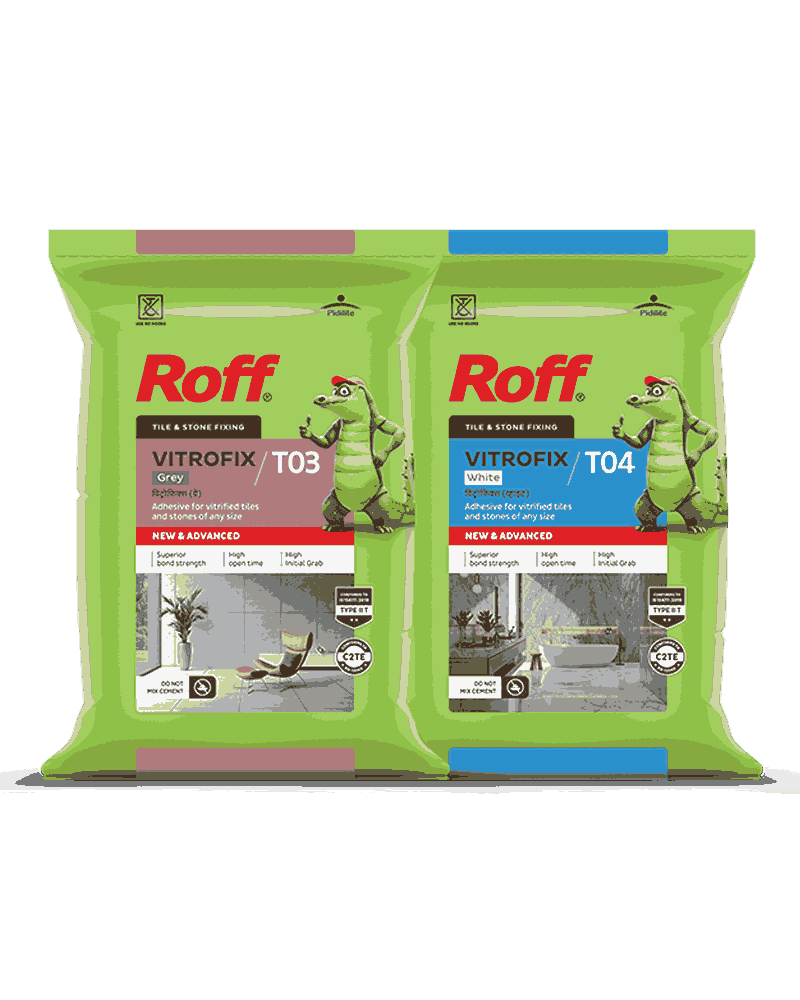
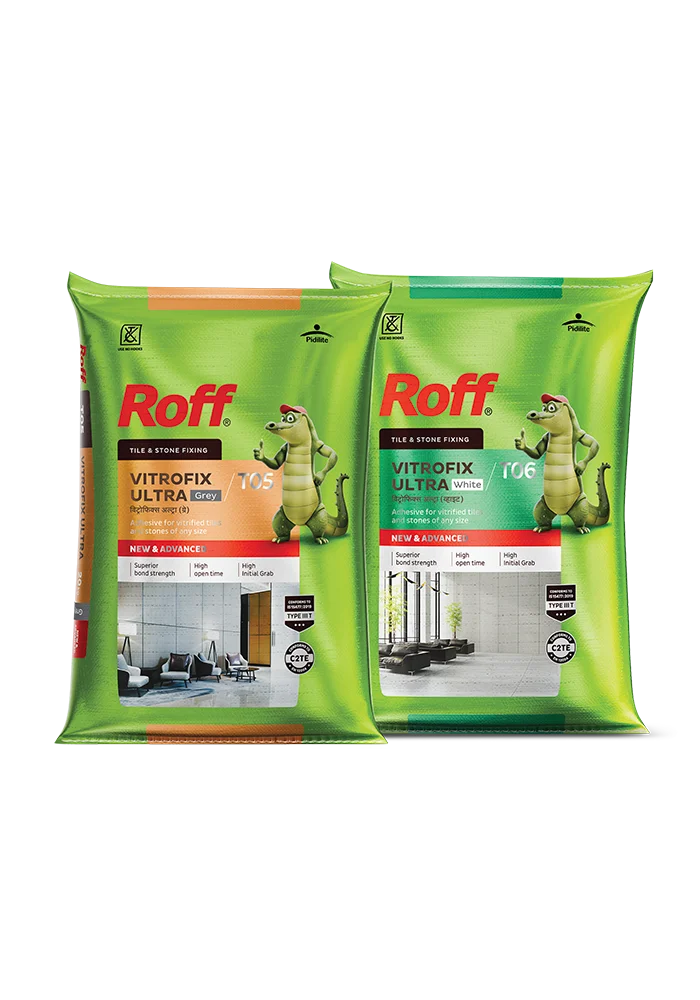
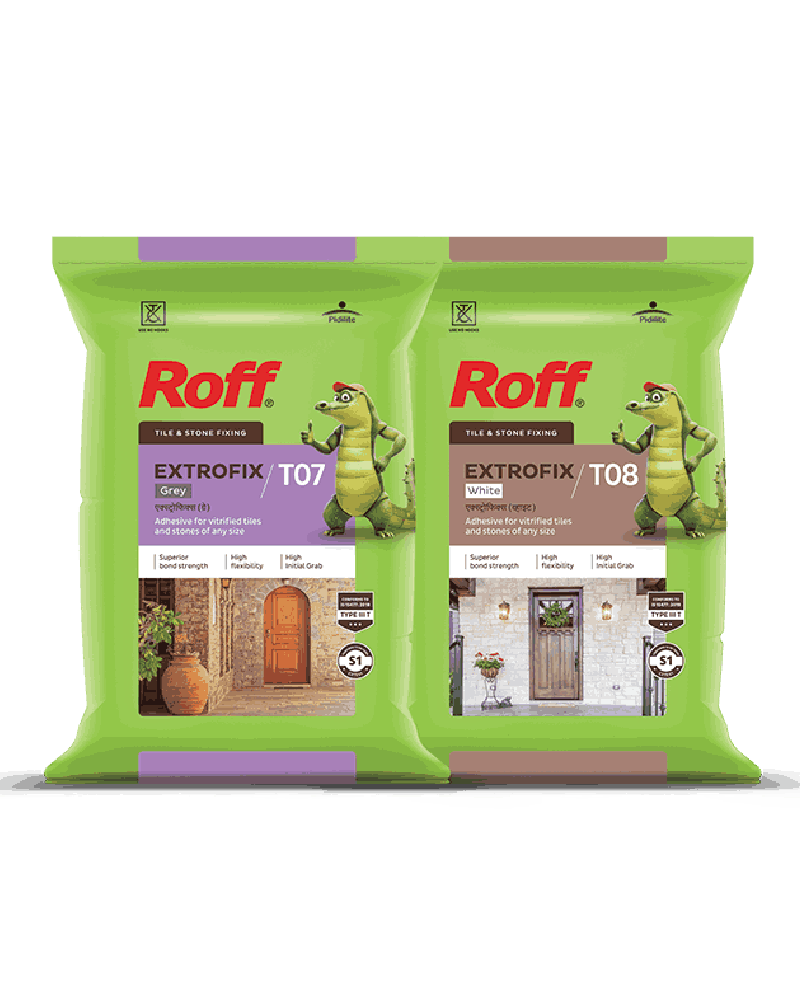
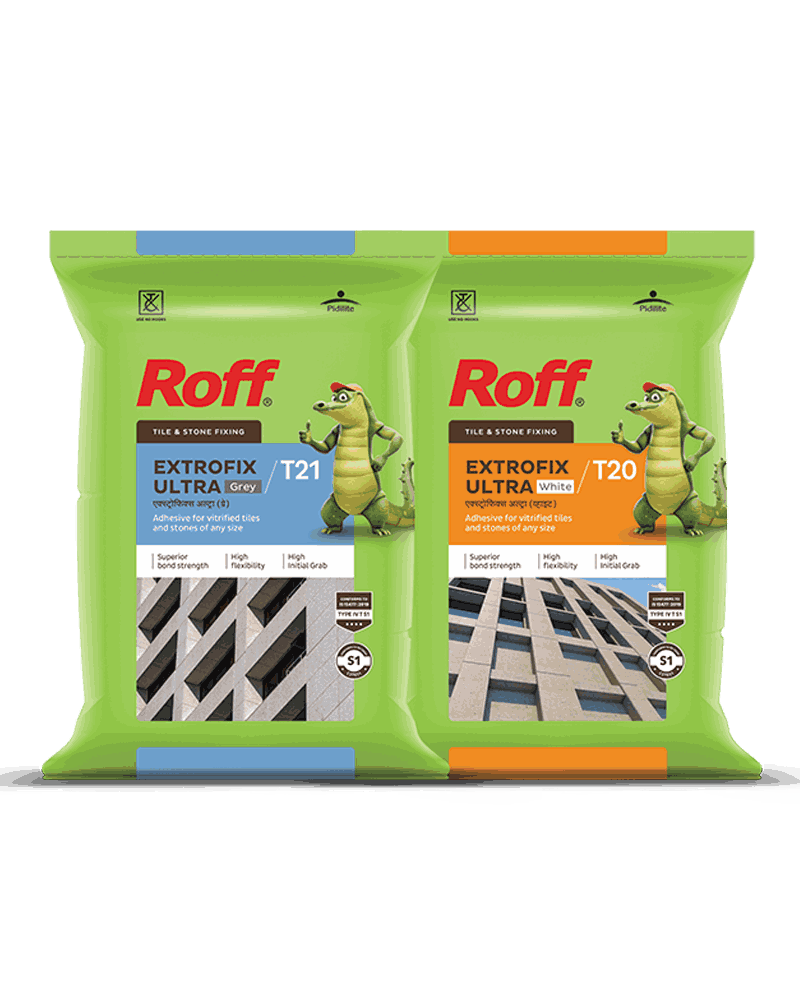
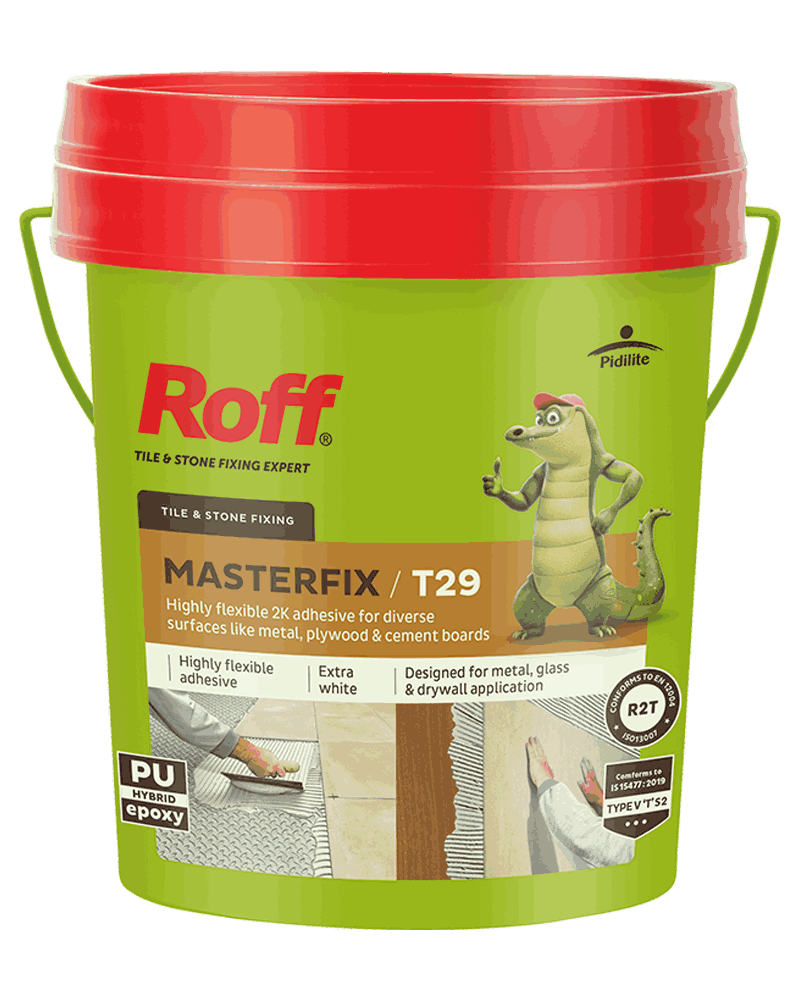
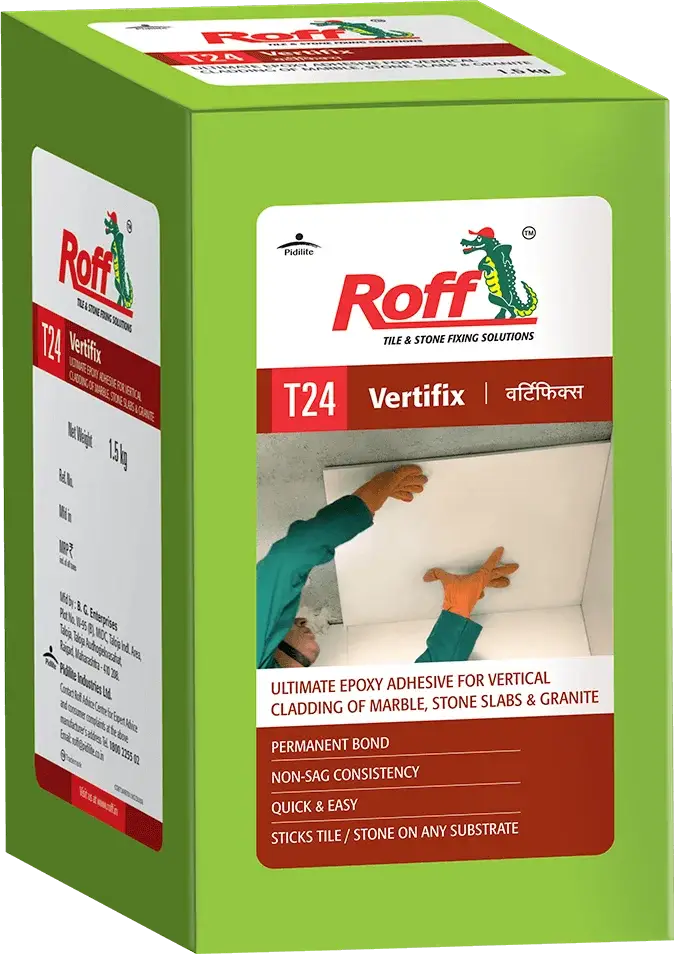
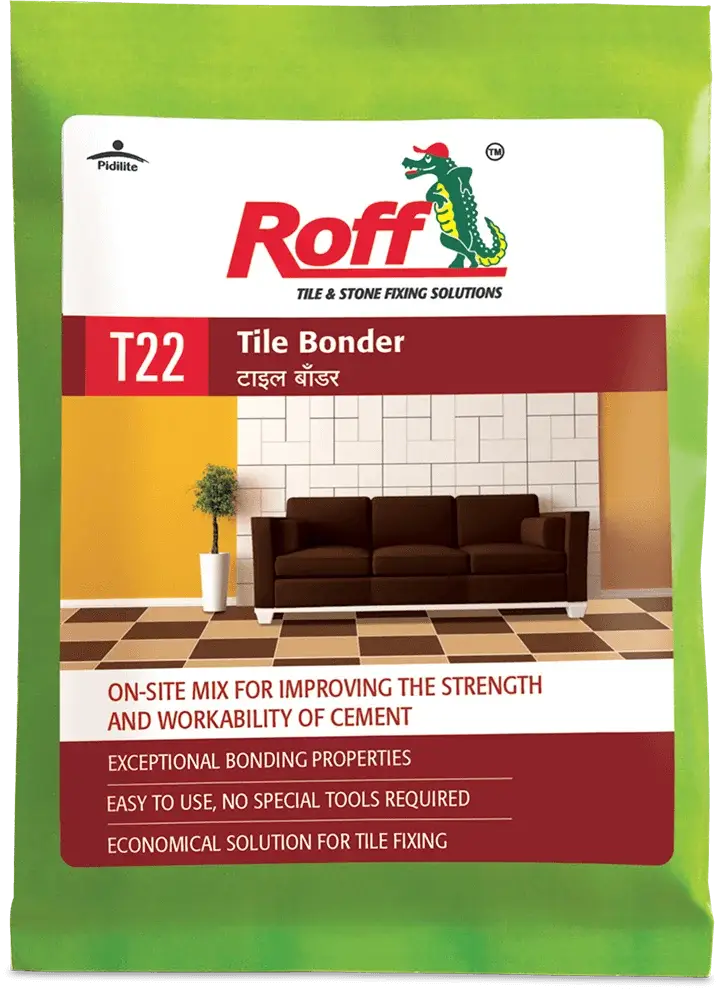
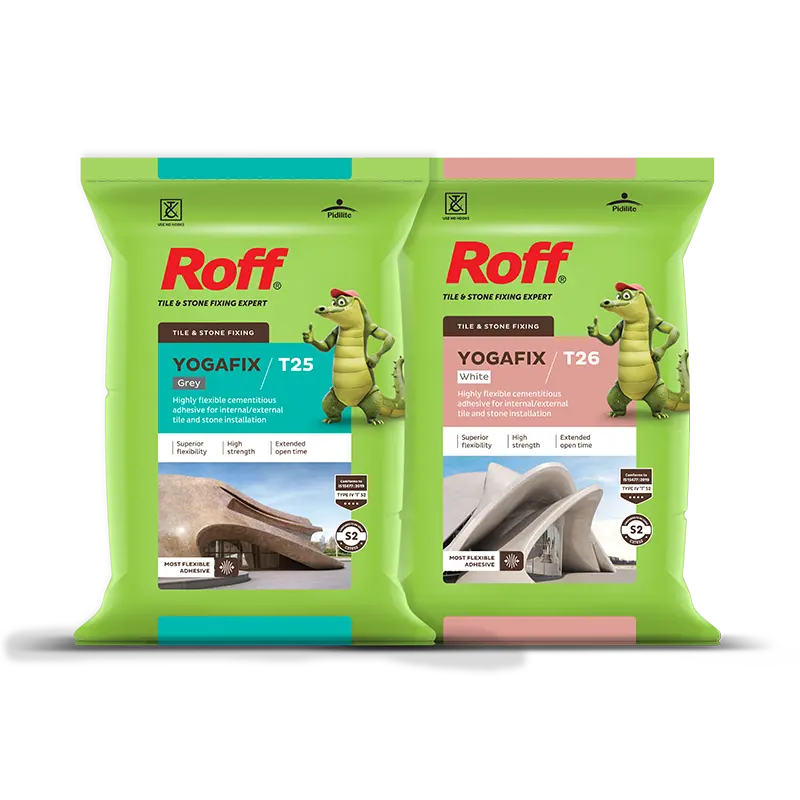
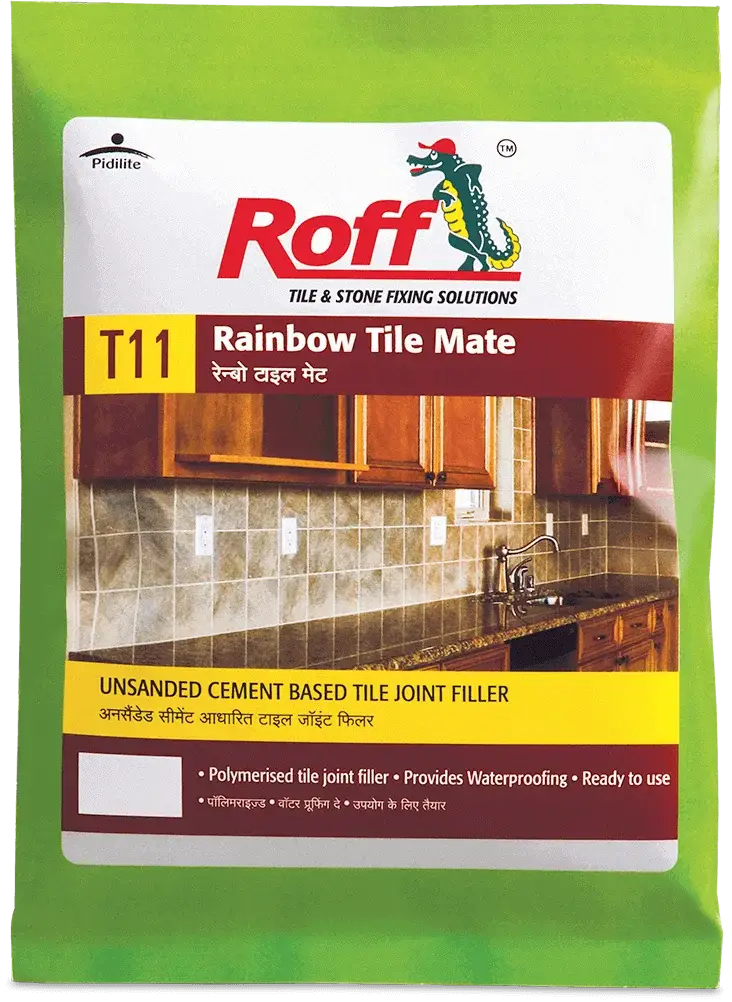
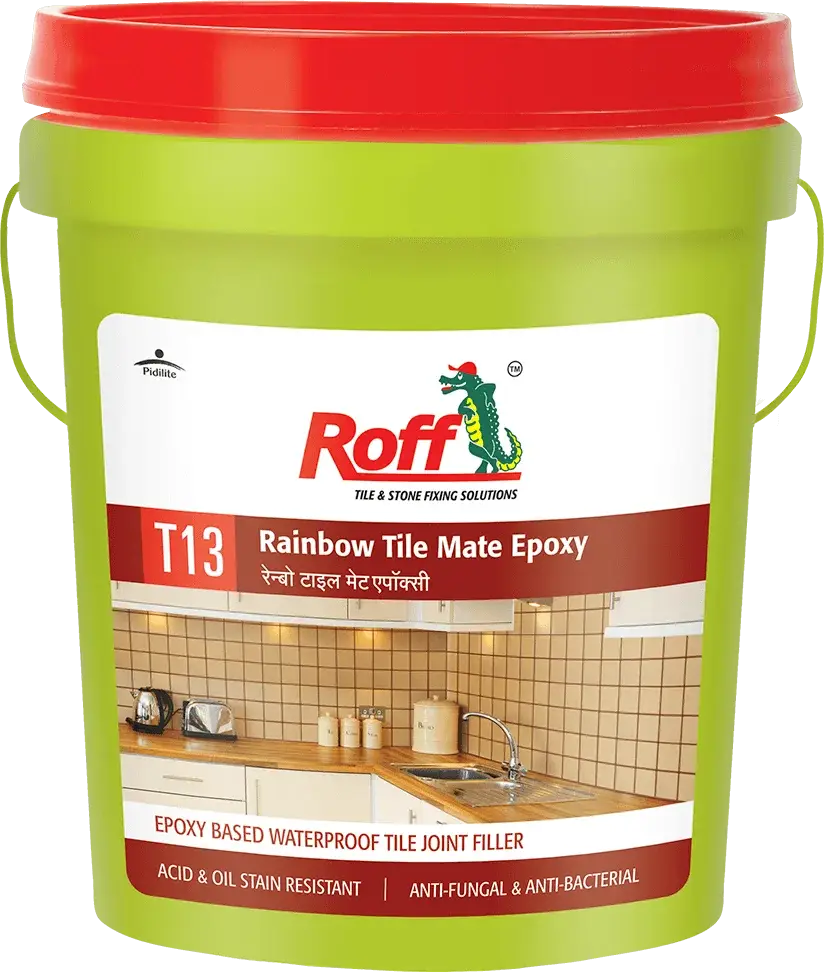
Roff’s range of tile and stone adhesivesspecificallycovers these variables. Whether it’s a moisture-heavy bathroom or a high-traffic floor, there’s a formulation designed for that condition. A professional applicator can assess your space and match the right product from the range to each area, or you can check out theRoff’s Tile Adhesive Selector for more insight into how to select the best adhesive for your home’s tiles.
Frequently asked questions (FAQs)
1) Is there one best adhesive for tiles that works across all rooms?
No. Each area of your home has different demands. The best adhesive for tiles depends on moisture levels, tile size, and the surface it’sbeing applied to.
2) Can I use the same adhesive for indoor and outdoor tiles?
This is not advisable. Outdoor tiles face heat, cold, and rain. An adhesive suited for interior use won’t handle that stress, making professional guidance crucial for any tile renovation project.
3)Does the existing surface affect the choice of adhesive?
Absolutely. Concrete, old tiles, and plywood all behave differently. Using the wrong product for your substrate is one of the most common reasons even the best tile adhesive choices go wrong.