Check out the biggest trends of the season and our expert take on them.
Gap filler for tiles: How to choose the right colour for your home
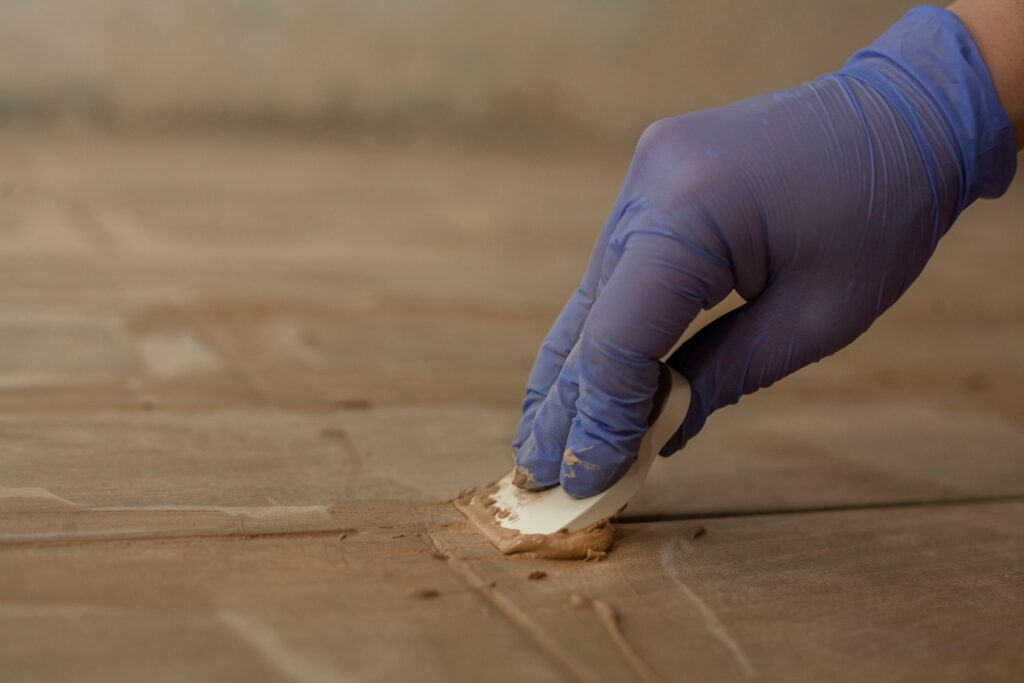
Tiles define the character of a space, but grout lines influence how the final design comes together. Choosing the right gap filler for tiles is not only about durability. Colour selection also impacts aesthetics, maintenance, and how spacious or seamless a room appears.
Whether you prefer subtle elegance or bold tile patterns, the right grout shade can completely transform the finish of your tiled surfaces.
How to decide between contrast or blend?
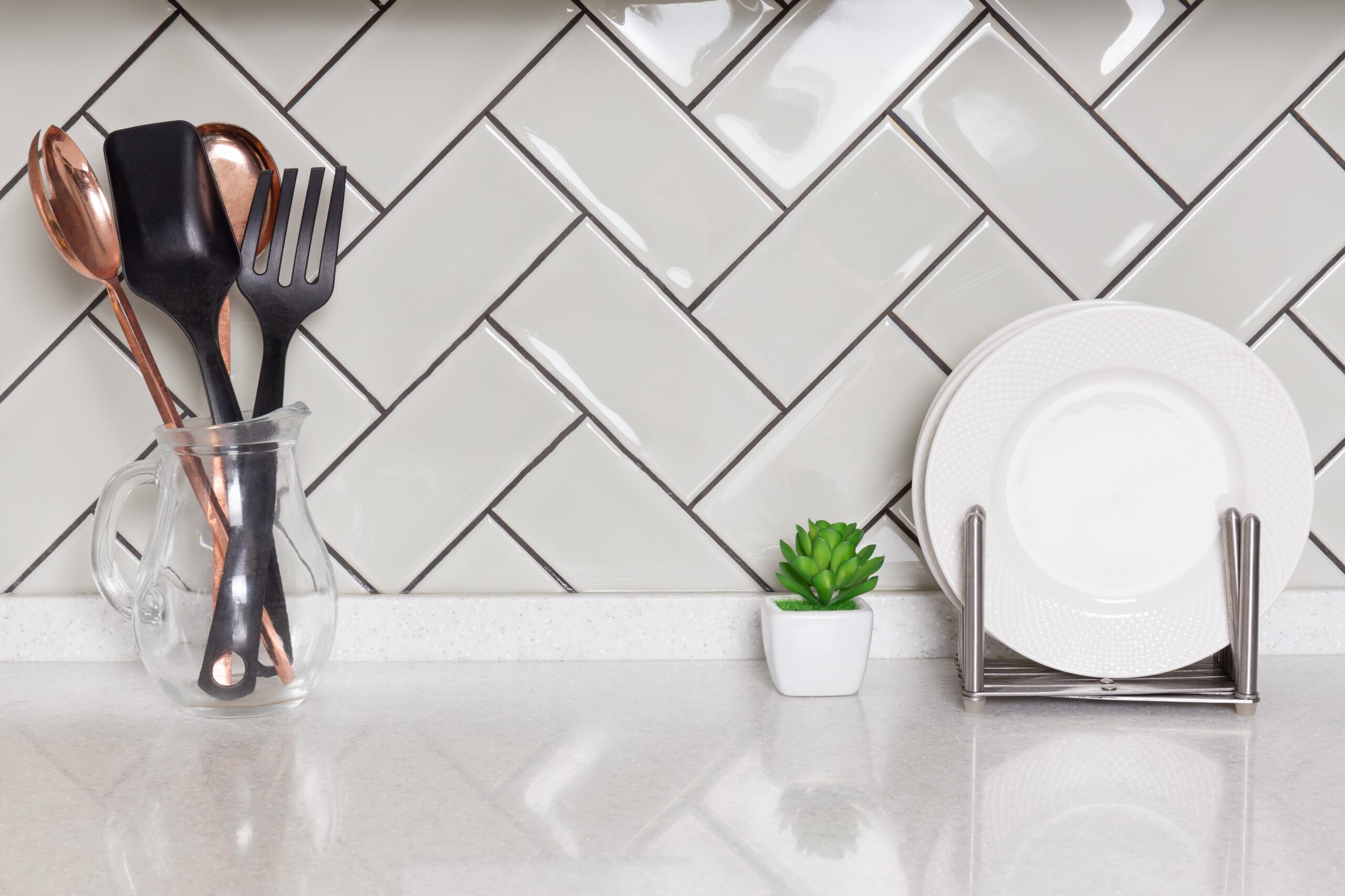
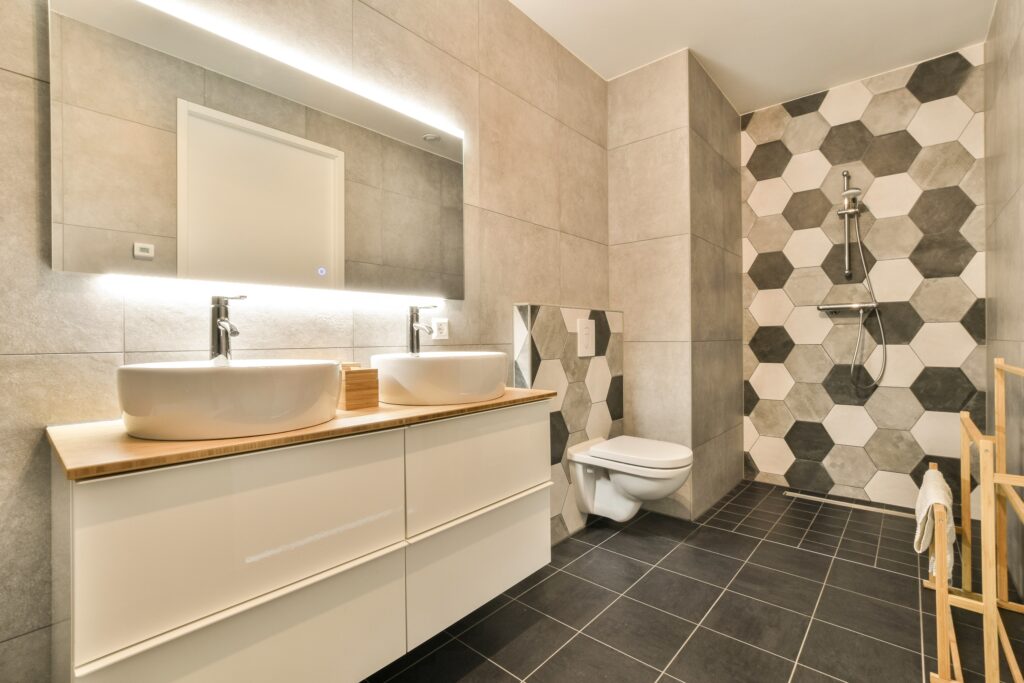
One of the biggest design decisions is whether you want grout lines to stand out or disappear visually. Contrasting shades highlight layouts and geometric patterns, especially with subway or decorative tiles. Matching shades create a seamless look that makes spaces appear larger and cleaner.
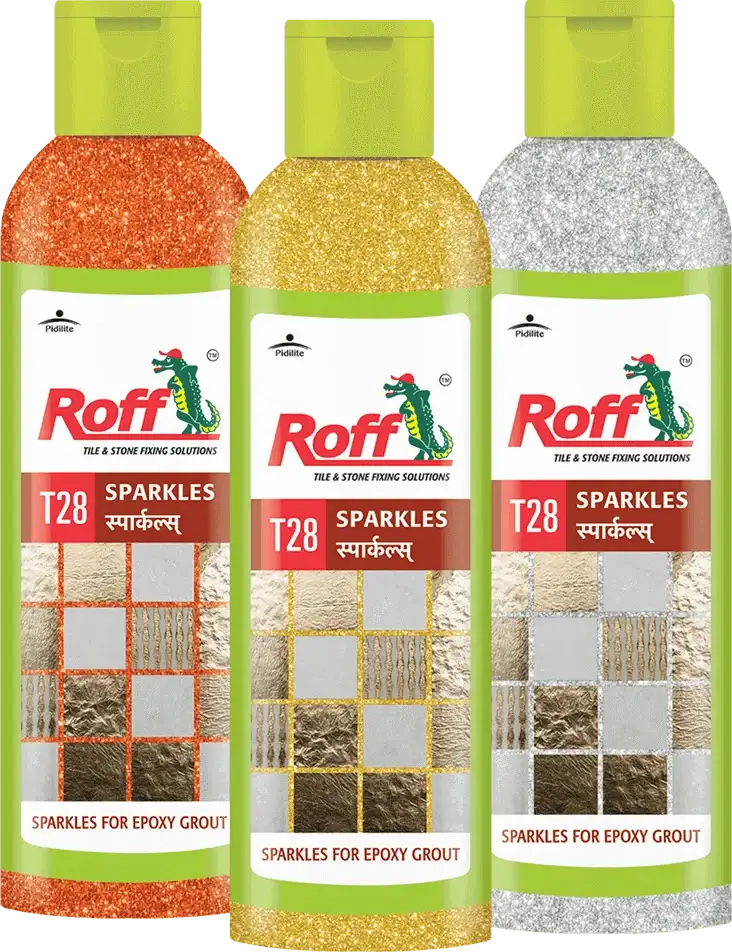
Modern epoxy grout colours offer a wide variety of shades that suit both design approaches while maintaining colour consistency over time
How does lighting affect the colours of your tile grout?
Grout shades can look very different under natural and artificial lighting. A colour that appears warm during the day may look darker under LED lighting at night. Before finalising your gap filler for tiles, test samples within the actual room environment to avoid unexpected results after installation.
This is especially important for glossy surfaces that reflect more light, making grout lines appear sharper.
How do you match grout with tile type and finish?
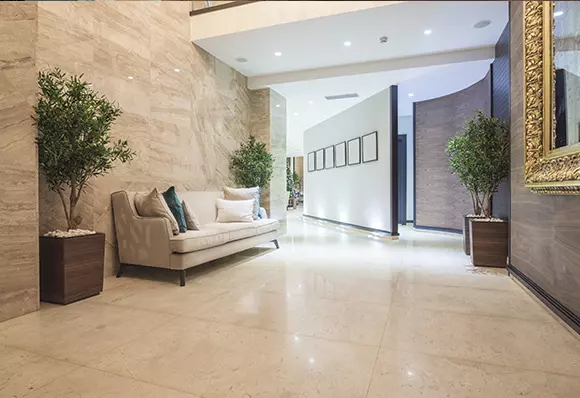
Different tile finishes require different grout considerations. Matte tiles often pair well with softer, earthy tones, while glossy tiles pair better with cleaner, sharper shades. Marble and stone surfaces usually benefit from subtle grout colours that do not overpower natural veining.
Premium epoxy tile grout colours help maintain visual harmony while offering superior stain resistance for demanding spaces.
Why do you need to think about maintenance and stain visibility?
While white or very light grout looks elegant initially, it may show stains and dirt more quickly in high-traffic or wet areas. Mid-tone and darker shades are often easier to maintain, especially in kitchens, bathrooms, and balconies.
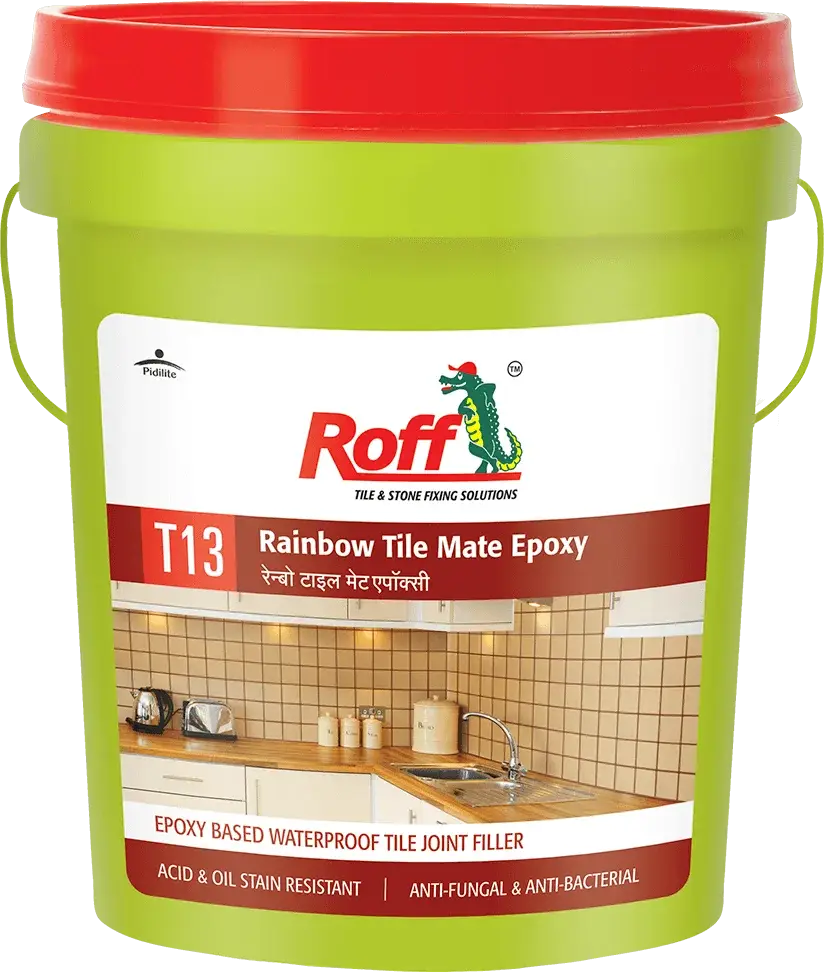
Choosing a durable epoxy tile joint filler also helps prevent fading, discolouration, and uneven shade development over time.
How to select high-performance grouts for long-term beauty?
Appearance matters, but performance matters more over time. Low-quality grout may crack, absorb stains, or lose colour consistency. A premium gap filler for tiles ensures long-lasting durability, waterproofing, and cleaner joints.
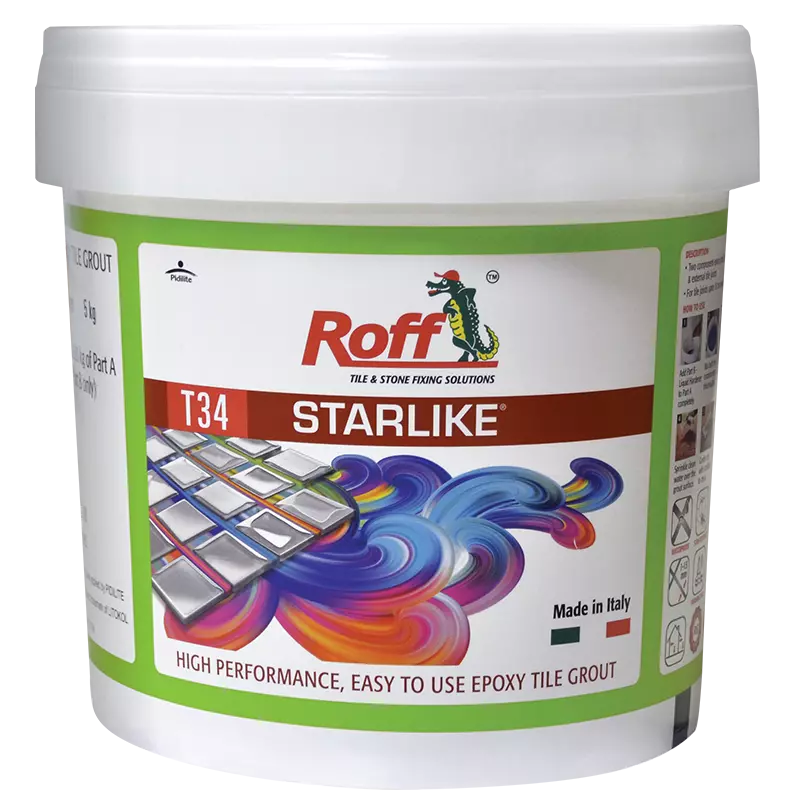
With Roff Starlike, you get pre-coloured grout solutions designed for fade resistance, stain protection, and refined finishes. Its advanced epoxy technology combines aesthetics with performance, helping homeowners achieve elegant tiled spaces with reduced maintenance concerns.
The right grout colour does more than complete a tile installation. It shapes the visual balance of your space while protecting surfaces from moisture, stains, and long-term wear.
Choosing grout colours that last beautifully
The perfect gap filler for tiles does more than complete the installation. It enhances design, improves maintenance, and protects tile joints from daily wear. From selecting the right epoxy grout colours to considering lighting, tile finish, and room usage, every detail influences the final result.
With an epoxy grout like Roff Starlike, homeowners can achieve rich, fade-resistant finishes along with durability and stain protection. The right epoxy tile grout colours ensure your tiled spaces remain elegant, cohesive, and visually refined for years.
Still not sure what grout colour to choose for your tiles? Then use Roff’s Tile Joint Filler Visualizer to quickly find the best match for your house!
Frequently asked questions (FAQs)
1) Should grout be lighter or darker than tiles?
Lighter grout creates a seamless appearance, while darker grout highlights tile patterns and usually hides stains more effectively in busy areas.
2) Which grout colour works best for bathrooms?
Mid-tone or darker grout colours work best in bathrooms because they resist visible staining and maintain a cleaner appearance for longer.
3) Do grout colours change after drying?
Yes. Some grout shades may appear lighter or darker after curing, depending on lighting conditions, moisture, and the tile surface finish.
4) Are epoxy grout colours more durable than cement grout colours?
Yes. Epoxy grout colours resist fading, staining, and moisture far better than cement-based alternatives, making them suitable for demanding environments.
5) Why is epoxy grout preferred for modern homes?
Epoxy grout offers better stain resistance, waterproofing, colour consistency, and durability, helping tiled spaces maintain a premium finish for years.