Check out the biggest trends of the season and our expert take on them.
Importance of waterproofing grout in bathrooms that most homeowners miss
For most homeowners, protecting their house from water damage includes implementing comprehensive waterproofing solutions across the structure, especially in wet areas like the bathroom. And while that’s essential for a long-lasting, leak-free space, a key step often overlooked in this process is selecting the right grout for waterproofing.
The type of grout you choose to fill the spaces between your tiles can be a deciding factor in your bathroom’s waterproofing. That’s why we have put together this quick guide on how exactly epoxy grout is a key part of waterproofing.
Why does your grout choice matter for waterproofing?
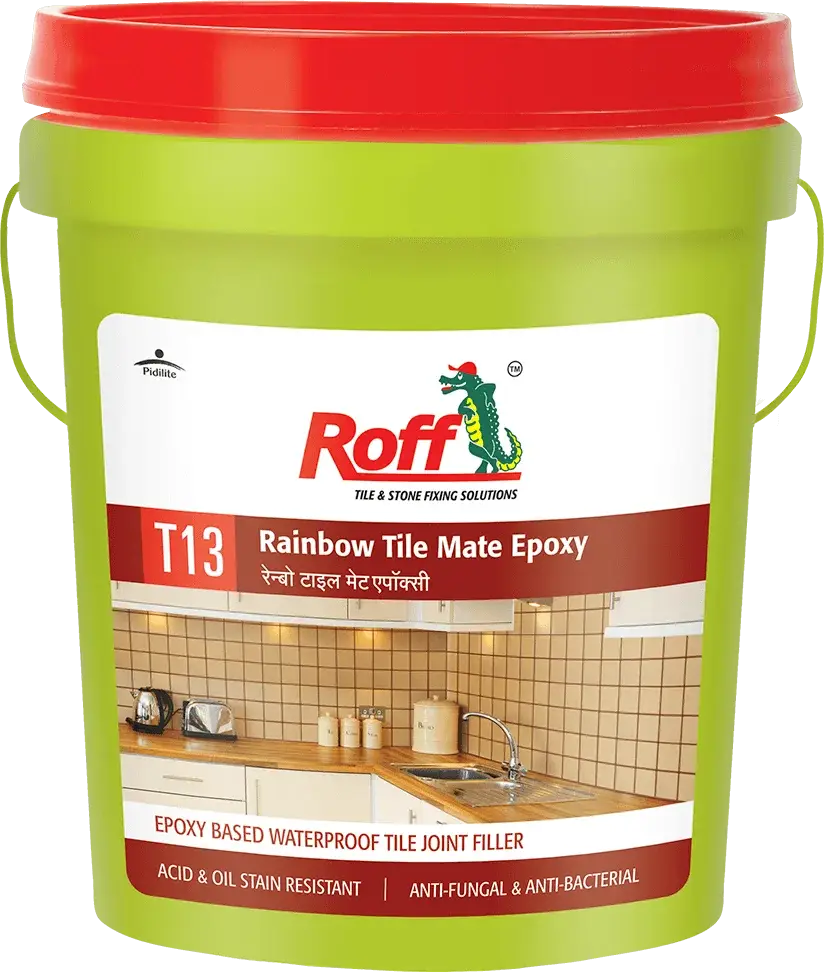
When you choose an ordinary cement grout, it only acts as a filler between your tile spaces and allows water intrusion easily due to its porous nature. But with waterproof epoxy tile grout, these spaces are sealed off from moisture, protecting the underside (or substrate) of your tiles from exposure.
While epoxy grout itselfisn’t enough for waterproofing your bathroom, it acts as a key deterrent and enhances any other solutions you implement to waterproof the space. The bottom line: always choose comprehensive waterproofing systems from a professional for appropriate protection, but pair it with a waterproof epoxy grout for optimal results.
What happens if you skip applying a waterproof epoxy tile grout?
Is a waterproof epoxy grout for your bathroom really worth it?Here’s what happens when you skip it, and moisture gets to the substrate of your tile installation:
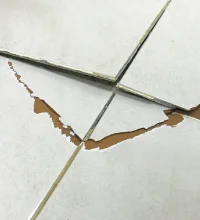
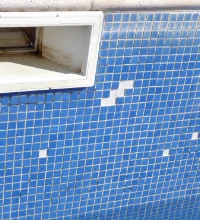
A common failure of failed waterproofing in grout tile debonding, i.e., when your tiles become loose, sound hollow, or even pop out entirely
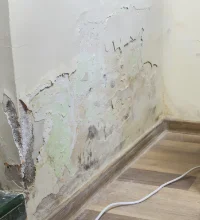
Water can seep into adjacent walls and damage the structure of your entire house, not just your bathrooms
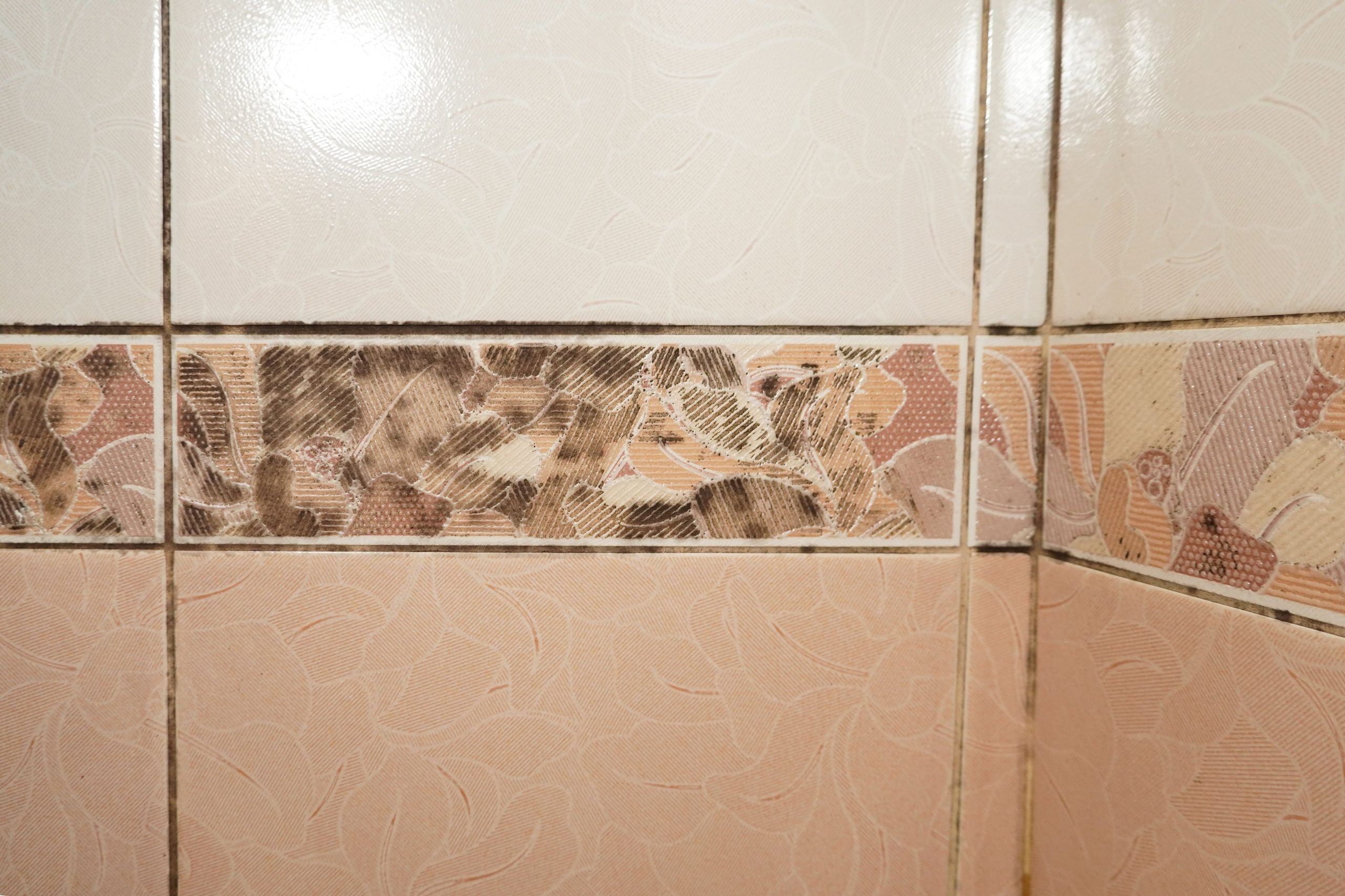
Another symptom is grout deterioration, where moisture causes the filling to become soft, discoloured, or crumbled
Water that gets trapped between the substrate and your tiles can also become a breeding ground for mould or mildew growth, causing unpleasant odours and compromising the air quality
If left untreated, moisture from your substrate can travel to nearby walls and areas, causing the dampness to spread across your home’s structure
In extreme cases, exposure of the substrate to moisture can even cause it to start deteriorating in layers, like the rotting of wood or spalling of concrete
Ultimately, skipping a waterproof epoxy grout can trigger a cascade of failures that can lead to structural decay.
How to maximise the performance of your grout for waterproofing?
Choosing anepoxy grout for tiles matters, but so does its application. Interior design trends in recent years have seen a sharp rise in paper joints: extremely thin spaces between tiles that barely allow any space for the waterproof grouting to fit.
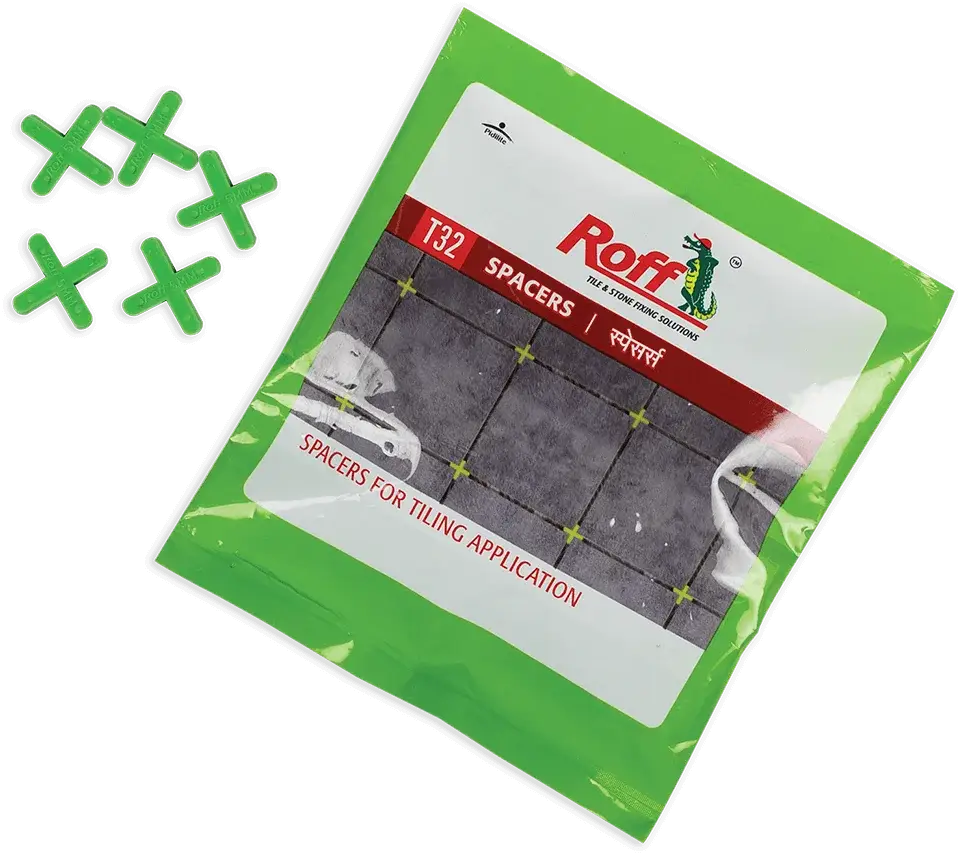
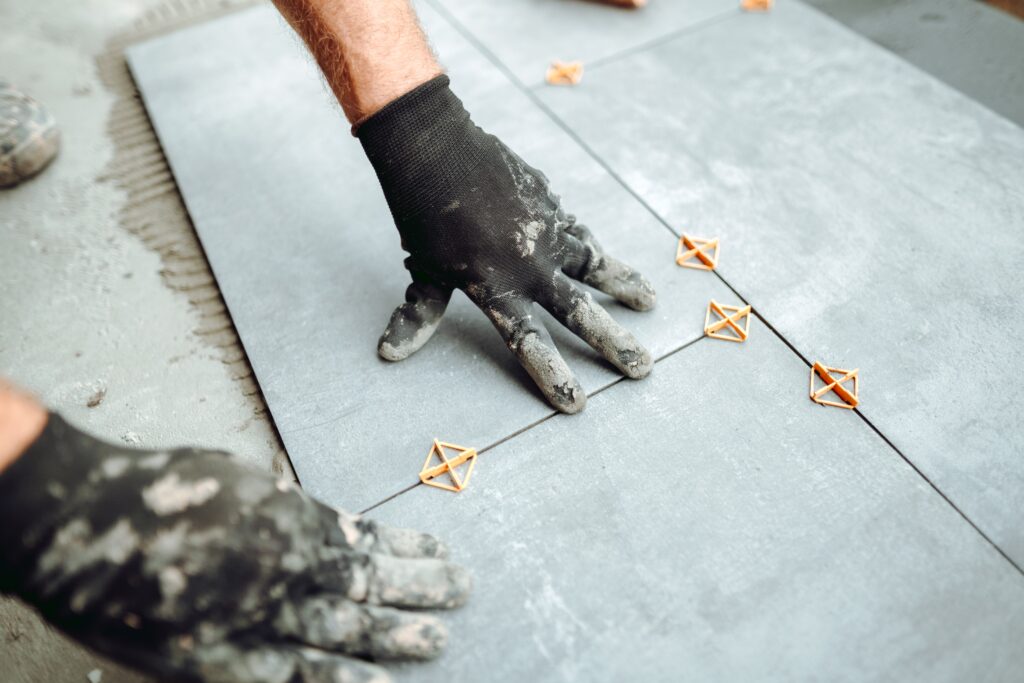
While such jointless tiling may look attractive at first, it rarely provides your epoxy waterproof grout enough breathing room to protect the substrate from water damage. Always remember to maintain at least 2-3 mm for standard indoor tiles (or up to 3-5 mm for large-format tiles) and ask your contractor to use appropriate tile spacers so that your installation can perform as intended.
Choosing the right tile grout for waterproofing your bathroom
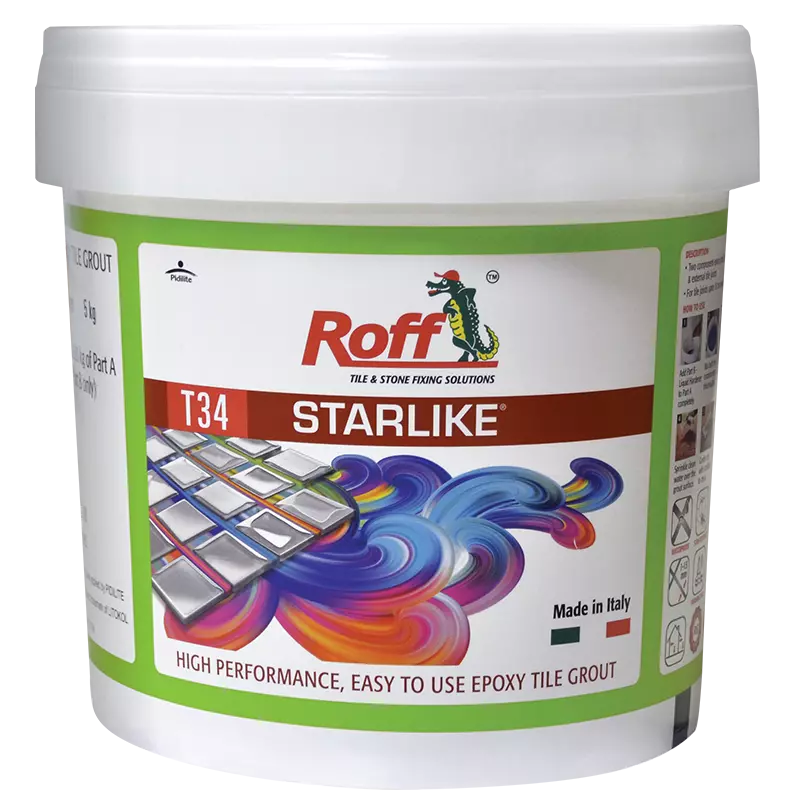
When it comes to selecting a grout for waterproofing your bathroom, Roff Starlike is worth serious consideration. This two-component epoxy tile joint filler is built on Italian quartz technology, making it waterproof, stain-resistant, and flexible enough to handle the demands of a wet area. It also has zero shrinkage, which means the joints stay intact without cracking or pulling away over time.
Roff Starlike can fill joints ranging from 1 to 15 mm, giving it the versatility to work across different tile installations. When you pair it with a comprehensive waterproofing system, you give your bathroom the best chance at lasting, leak-free protection.
Ready to upgrade your bathroom? ExploreRoff Starlike today and take the guesswork out of waterproofing.
FAQs
1. What is epoxy grout?
Epoxy grout is a waterproof tile joint filler made from resin and hardener that helps seal gaps between tiles.
2. Why is epoxy grout better than cement grout for bathrooms?
Epoxy grout is non-porous and water-resistant, so it prevents moisture from seeping through tile joints.
3. Is epoxy grout enough to waterproof a bathroom?
No, epoxy grout supports waterproofing but should be used along with a complete waterproofing system.
4. What happens if you don’t use waterproof grout in a bathroom?
Moisture can seep through tile joints, leading to loose tiles, mould growth, and structural damage over time.
5. What tile joint width is recommended for epoxy grout?
A joint width of about 2–3 mm for standard tiles (and 3–5 mm for large tiles) helps grout perform properly.