Check out the biggest trends of the season and our expert take on them.
7 tried and tested ways to protect marble flooring from cracks
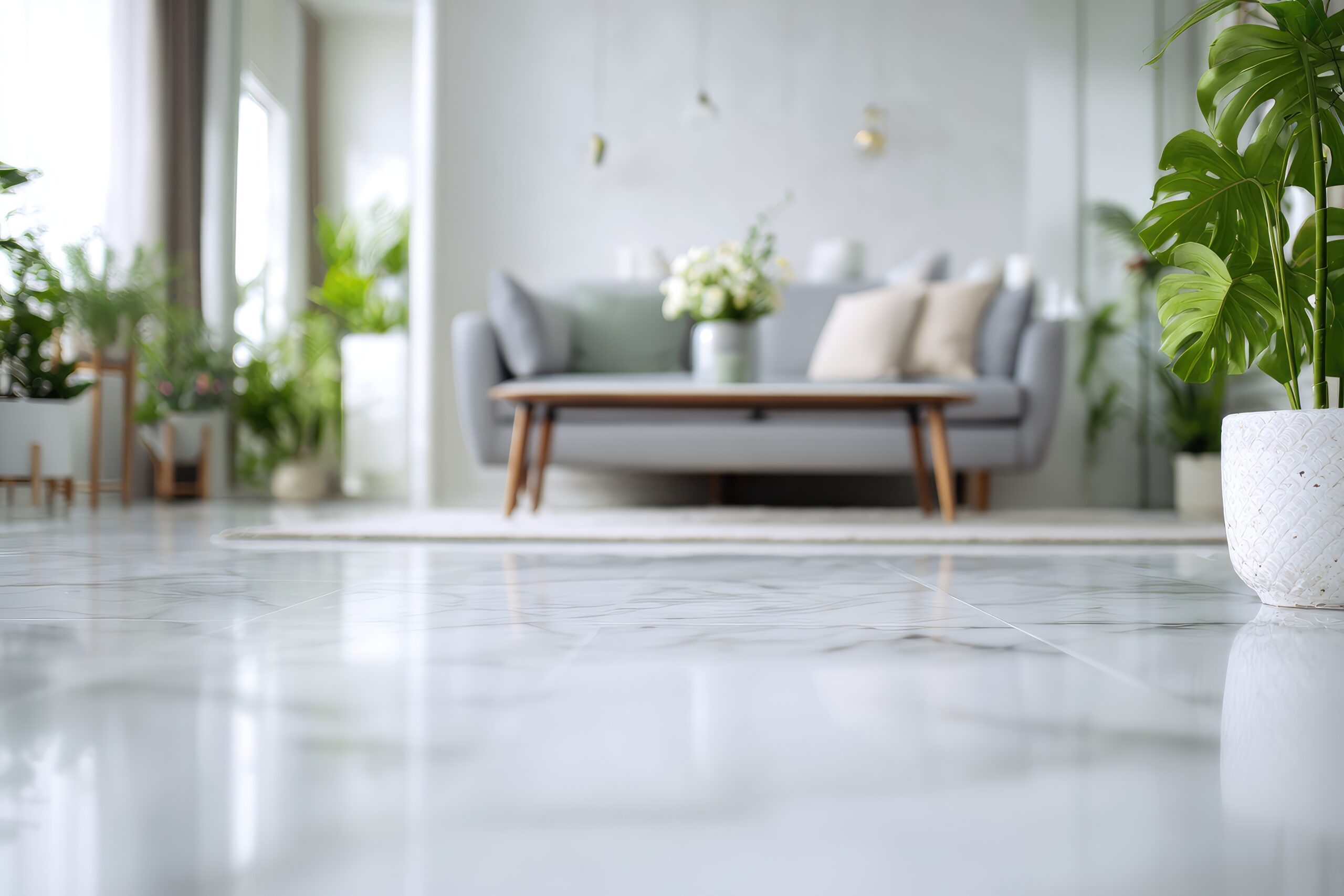
Marble flooring remains one of the most sought-after flooring choices in Indian homes. Its timeless elegance and appeal make it a go-to option for homeowners investing in premium interiors. However, even the highest-quality marble flooring in India can develop damage over time if proper precautions are not taken.
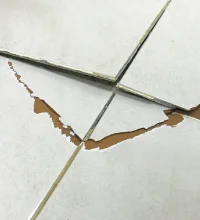
A crack in marble is the result of installation issues, structural stress, moisture exposure, or improper maintenance. The good news is that most cracks can be prevented with the right approach.
Here are seven expert tips to help protect your marble floors and preserve them for years to come:
An uneven, weak, or poorly compacted base creates stress points that transfer pressure directly to the marble surface. Over time, this can lead to a crack in marble or even widespread floor damage.
Before installation, ensure the subfloor is:
Levelled and stable
Free from cracks and voids
Properly cured and prepared
A strong foundation significantly reduces the risk of future cracking.
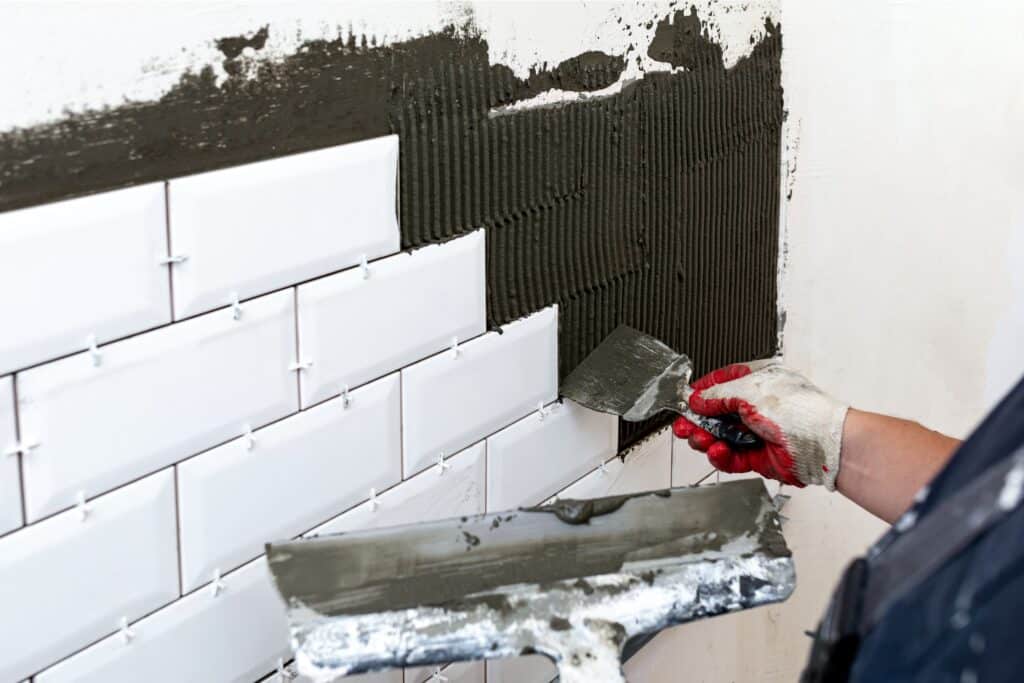
2. Choose the right adhesive and installation methods
Marble is a natural stone that requires specialised installation materials.
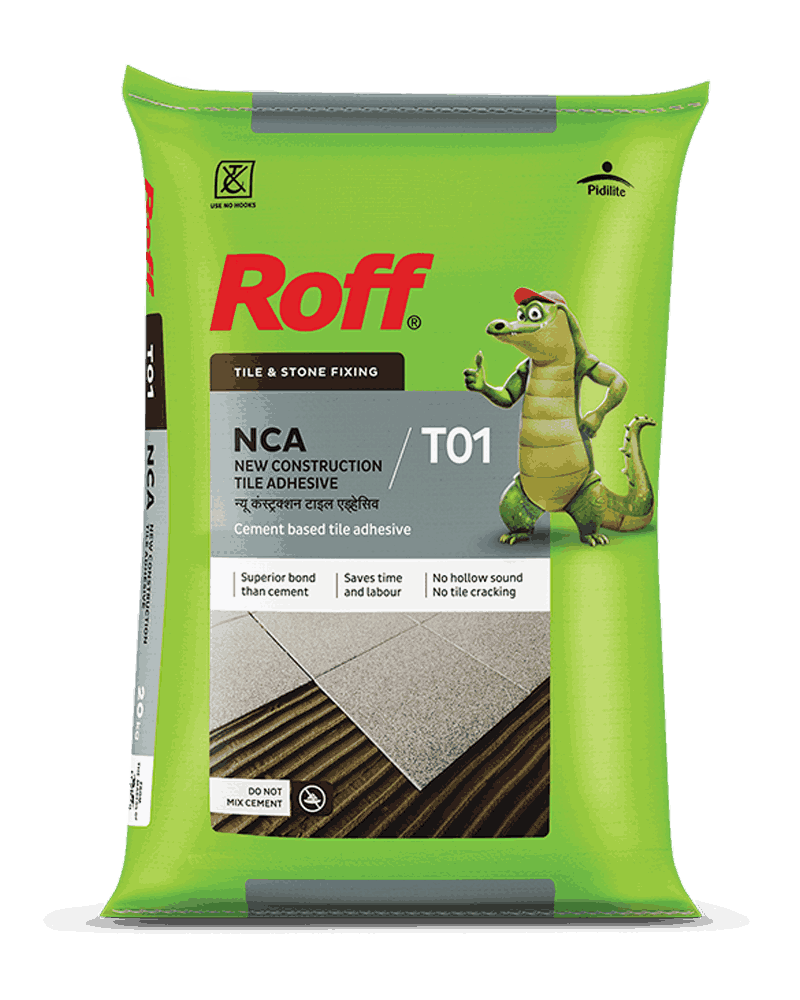
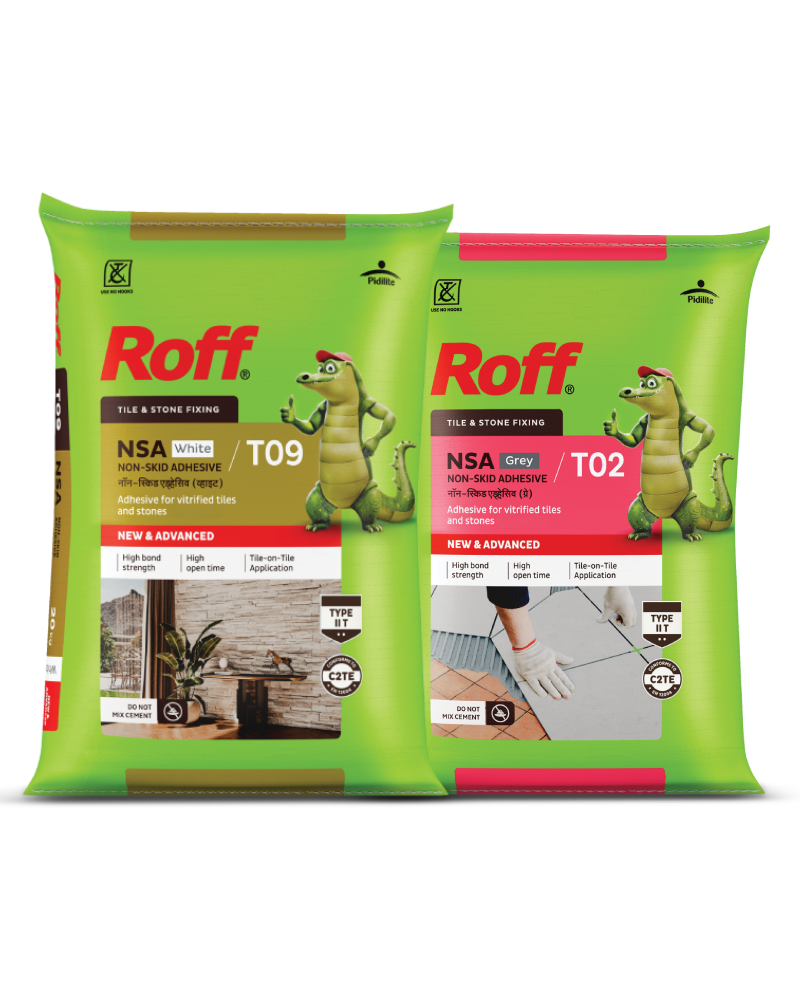
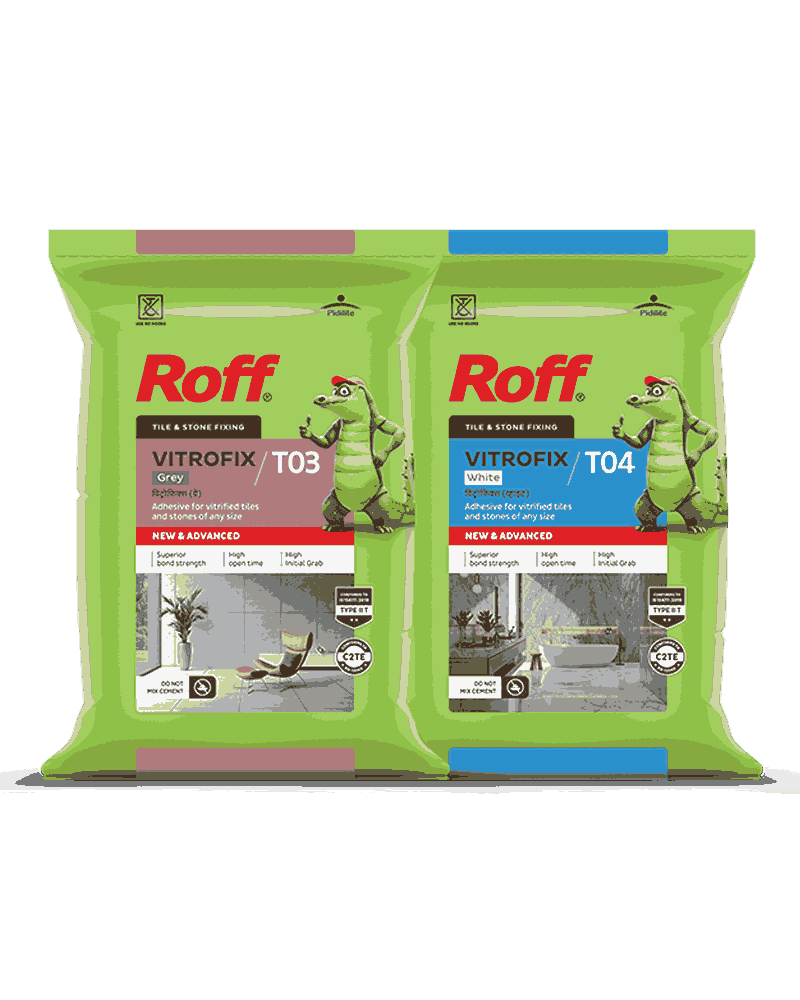
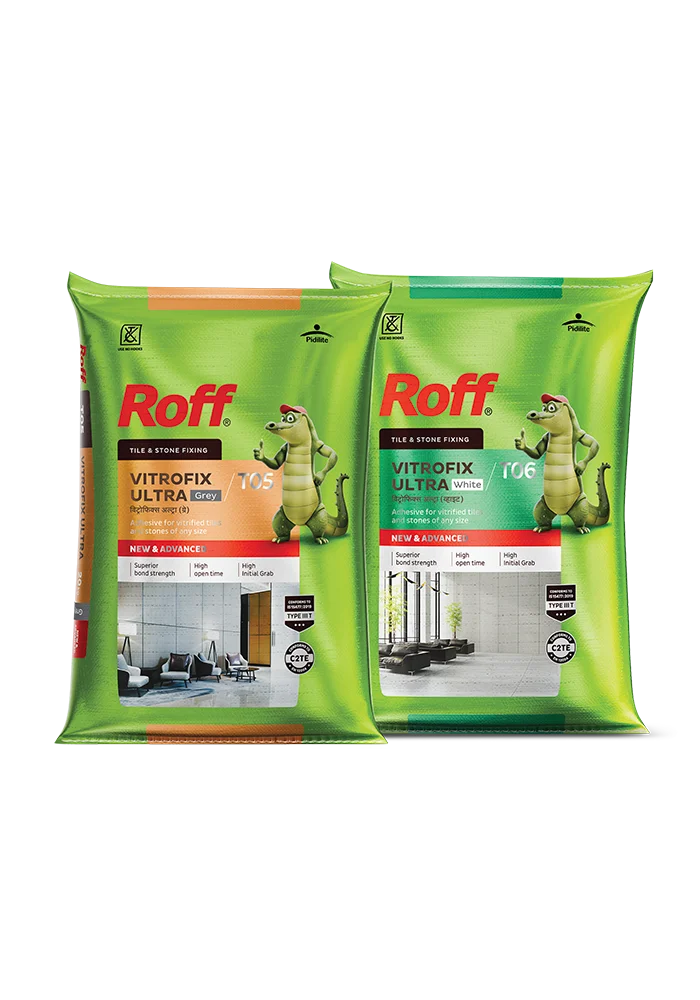
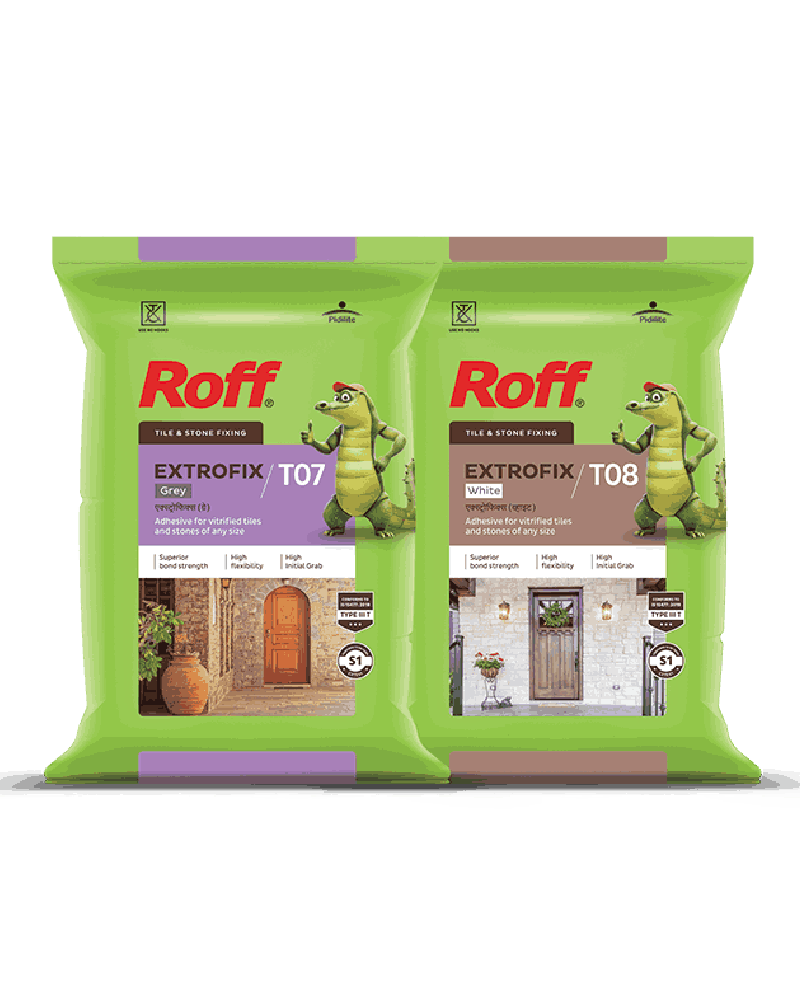
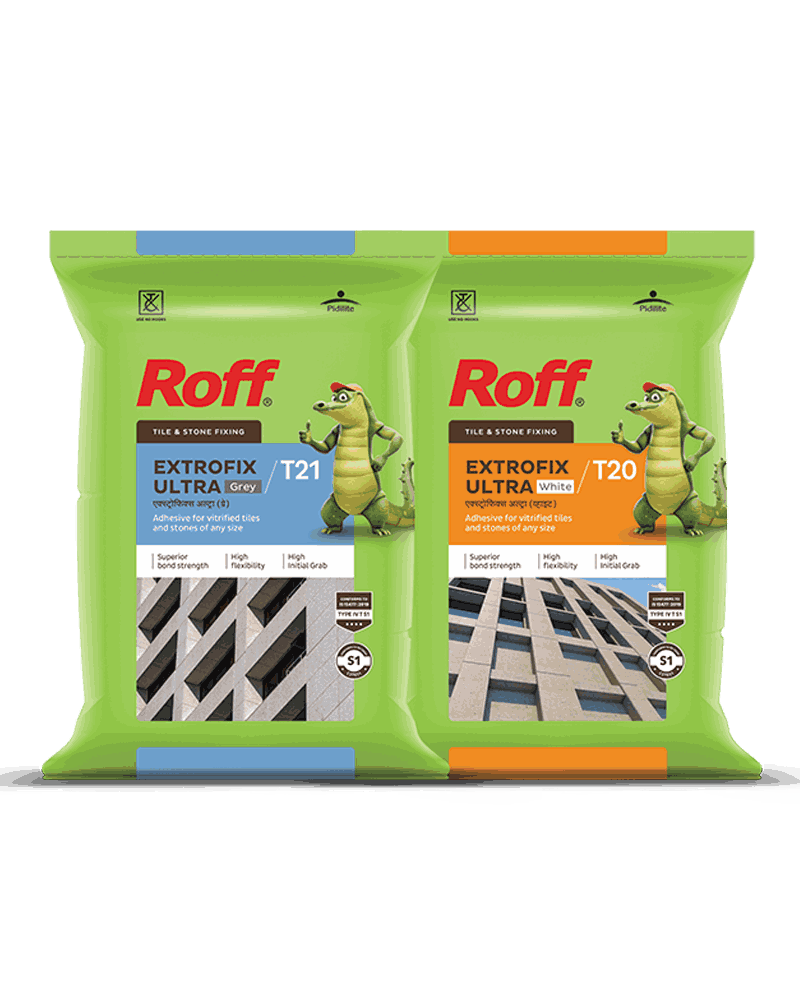
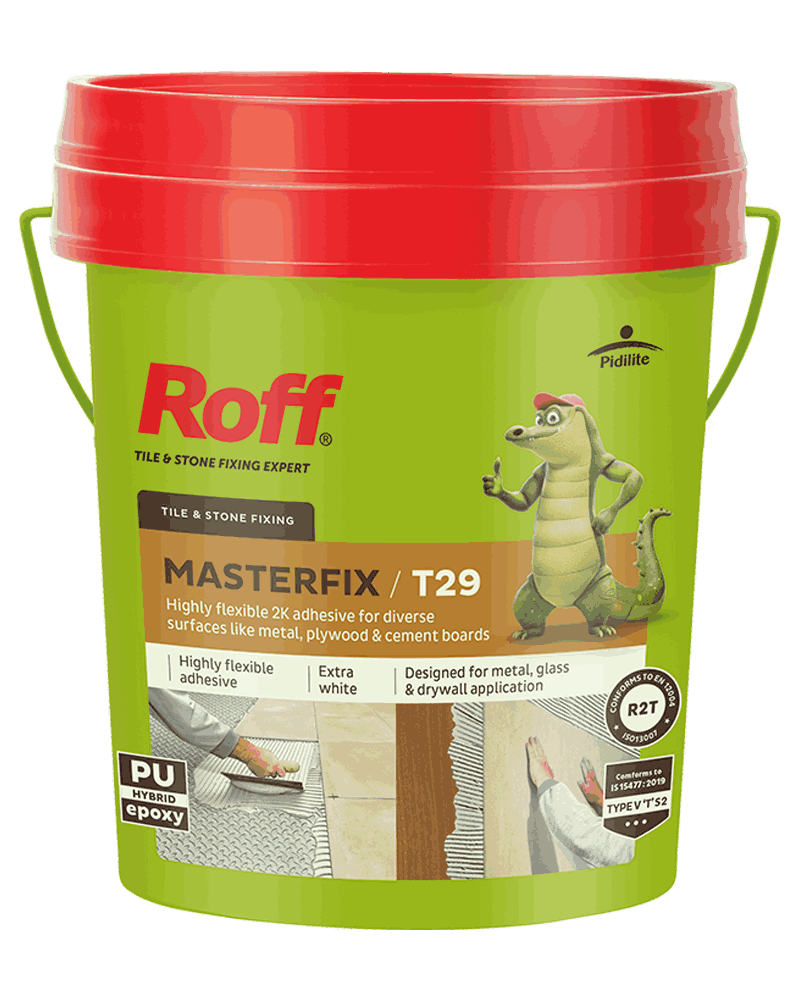
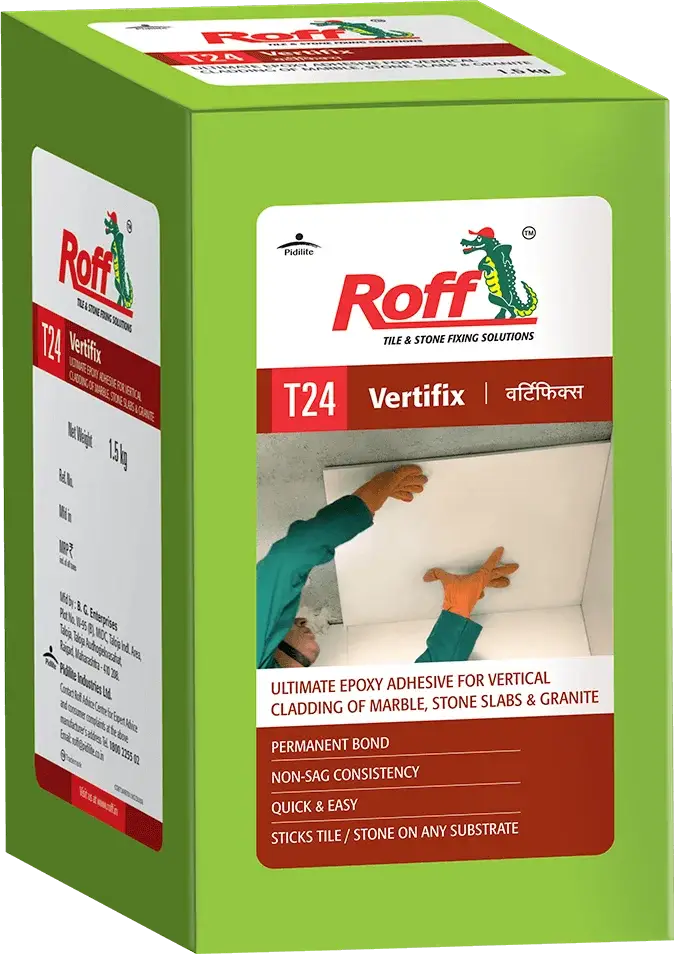
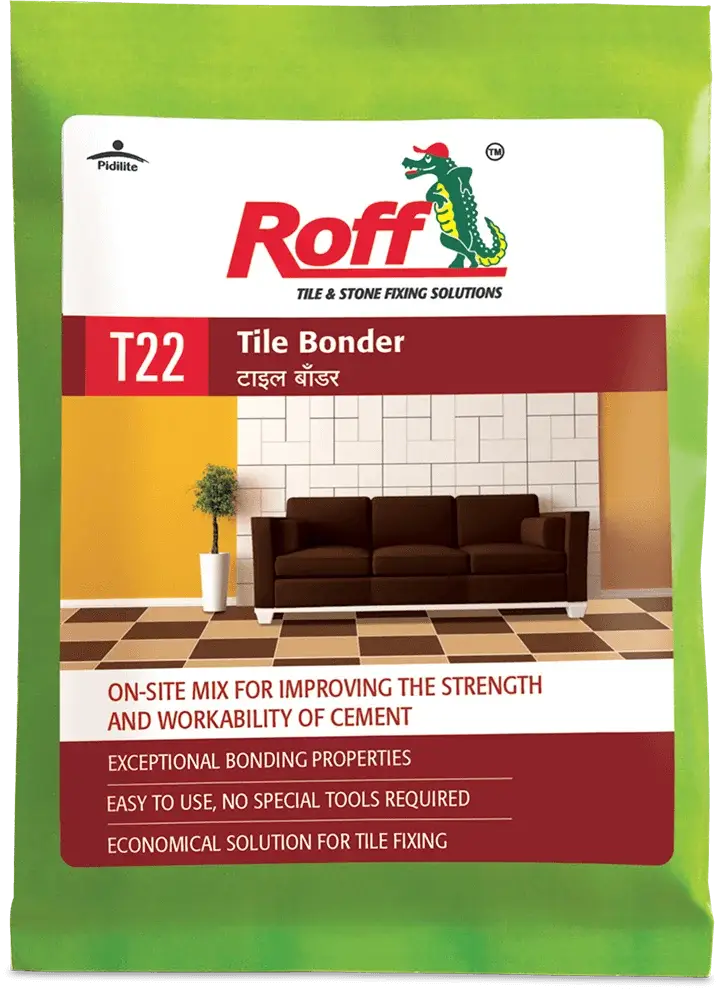
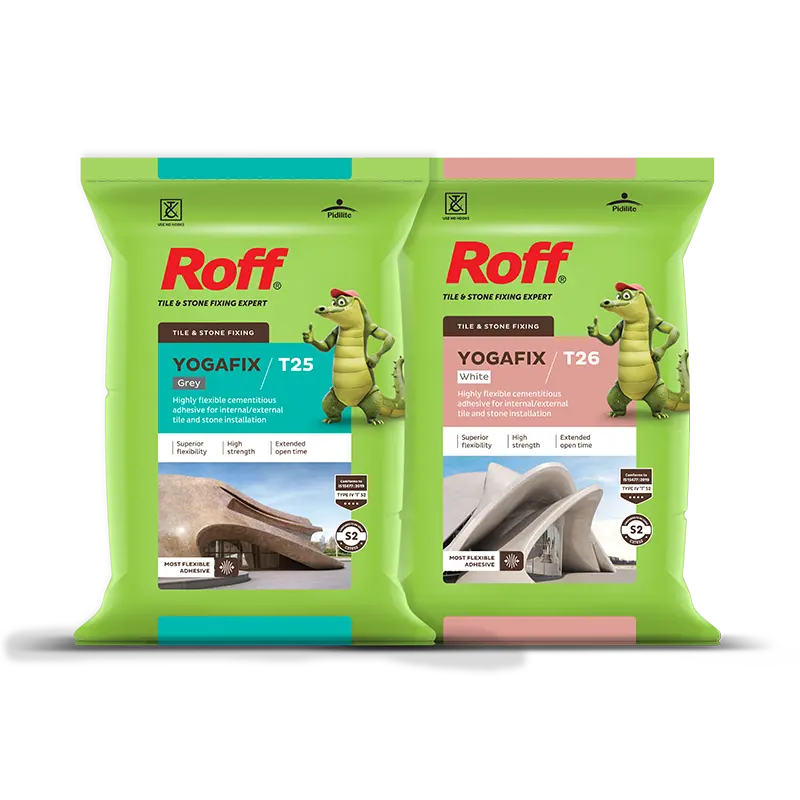
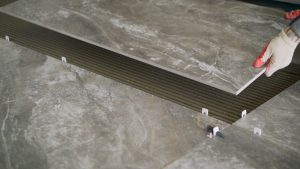
Using high-quality, marble-compatible adhesives ensures better bonding and load distribution. Poor-quality fixing materials may lead to hollow spots beneath the stone, increasing the chances of cracking under pressure.
Professional installation also helps ensure uniform support beneath every marble slab.
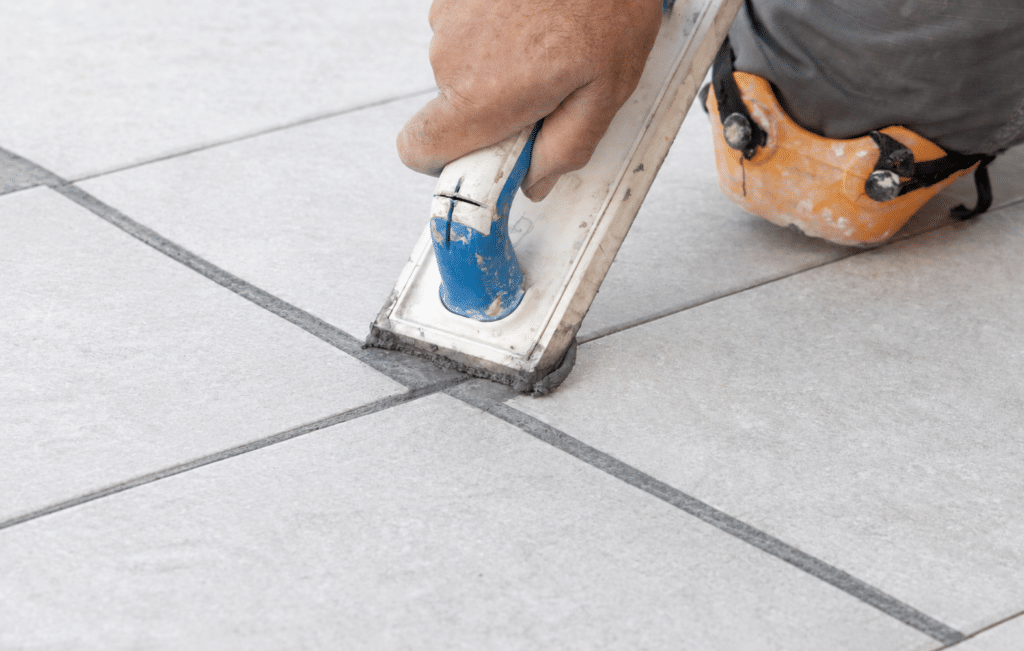
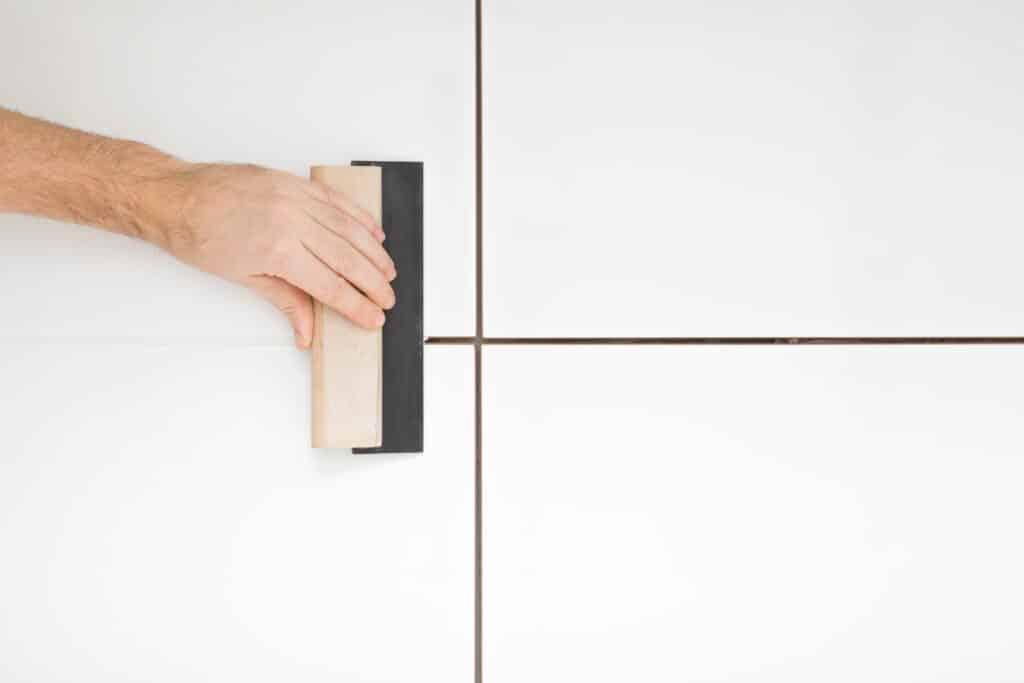
3. Allow for movement joints
Many homeowners ignore the importance of movement joints.
Like all natural materials, marble expands and contracts due to temperature fluctuations. Without proper gaps or joints between marble slabs, stress builds up within the flooring system.
If you’re searching for how to repair cracked marble, quick professional action is important.
Over time, this pressure can result in:
Surface cracking
Edge chipping
Joint failures
Movement joints absorb this stress and help protect marble floors from long-term damage.
4. Avoid heavy impact and concentrated loads
One of the most common causes of cracks in marble is impact damage.
Heavy furniture, dropped objects, or concentrated loads can create excessive stress on a small area.
To minimise risk:
Use furniture pads
Avoid dragging heavy items
Distribute weight evenly
Protect flooring during renovations
These simple measures can significantly extend the life of your marble floors.
5. Control moisture exposure
Moisture is often a major contributor to marble floor damage.
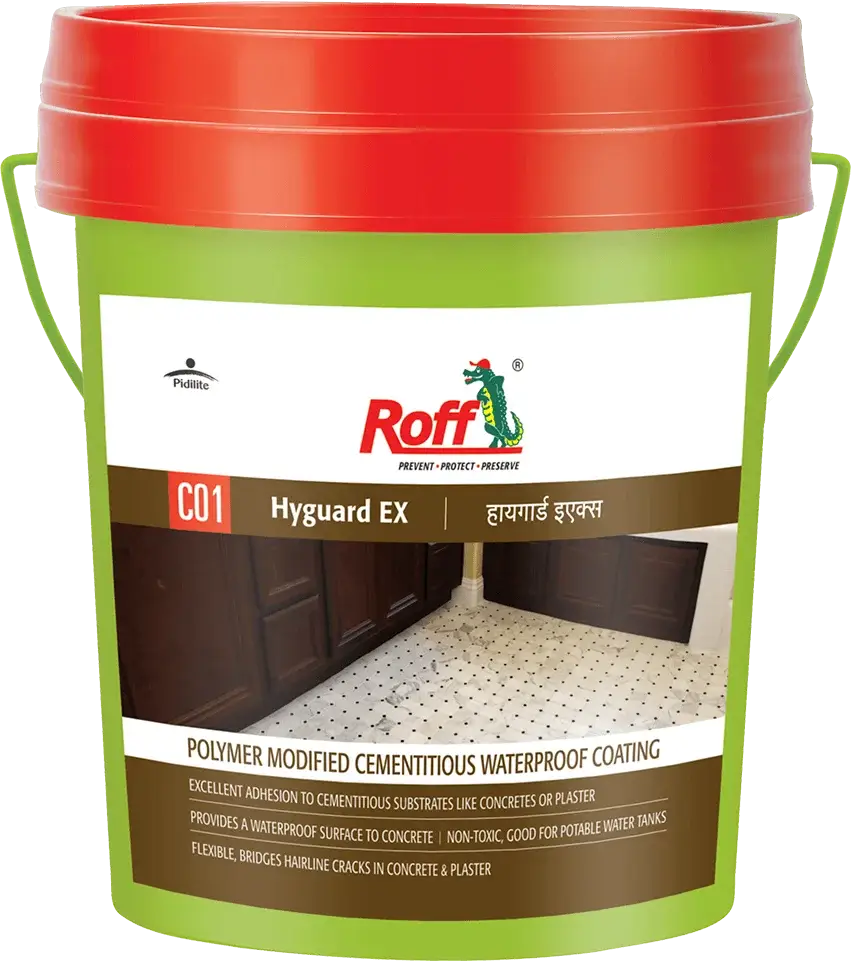
Excess water can weaken the substrate and affect adhesive performance over time. In wet areas such as bathrooms, balconies, and kitchens, proper waterproofing is essential.
Promptly cleaning spills and preventing water seepage helps maintain the integrity of the flooring system and reduces the likelihood of hairline cracks in marble floor surfaces.
6. Follow gentle cleaning practices
The products you use to clean marble can affect its long-term performance.
Harsh chemicals and acidic cleaners gradually weaken the stone surface and increase susceptibility to damage.
Instead:
Use pH-neutral cleaners
Avoid acidic solutions
Clean spills immediately
Use soft cleaning tools
Many homeowners also consider a protective marble floor coating to enhance stain resistance and simplify maintenance.
7. Schedule regular inspections
Small problems are easier and cheaper to fix,but they can quickly escalate into major issues if not addressed immediately.
Periodic inspections help identify:
Loose tiles
Hollow spots
Moisture-related issues
Early-stage hairline cracks in marble floor surfaces
Addressing these concerns early prevents minor defects from developing into extensive replacement projects.
Key takeaway
Preventing a crack in marble is far easier and more cost-effective than repairing one. A combination of proper installation, quality materials, moisture control, and routine maintenance can help preserve the look and durability of your marble flooring for decades.With proactive care, homeowners can ensure that their investment in marble flooring in India continues to deliver elegance, performance, and long-term value.
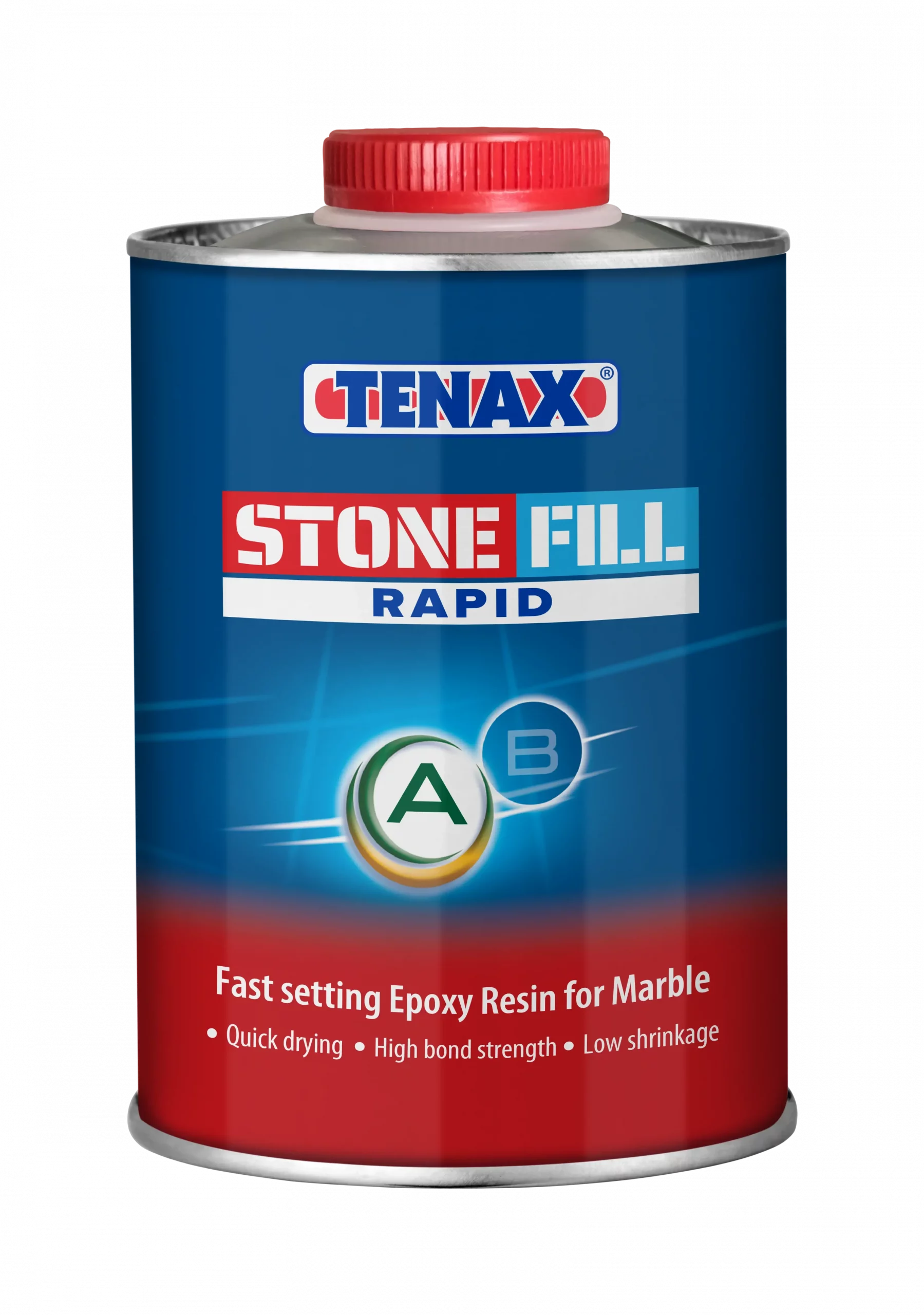
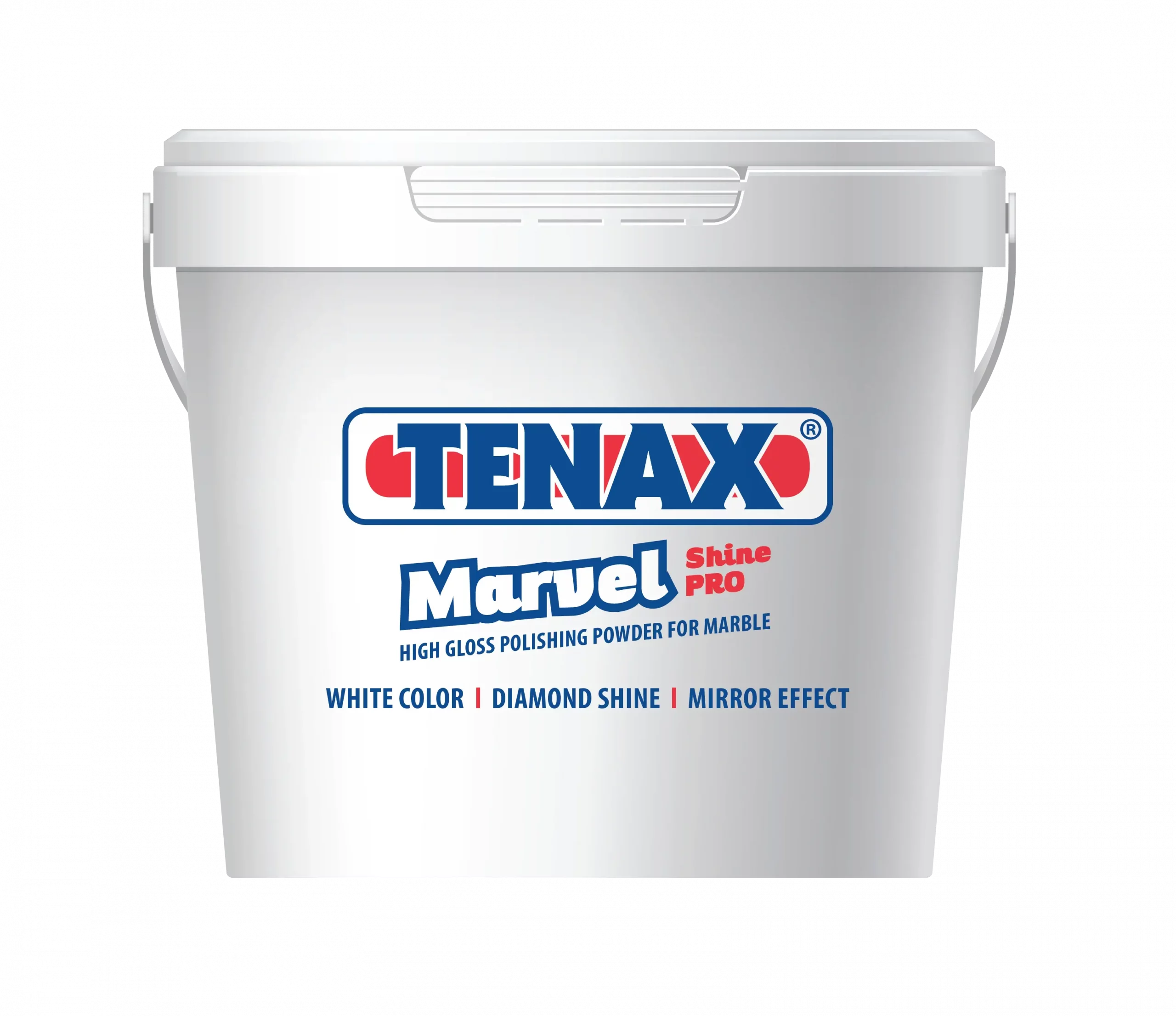
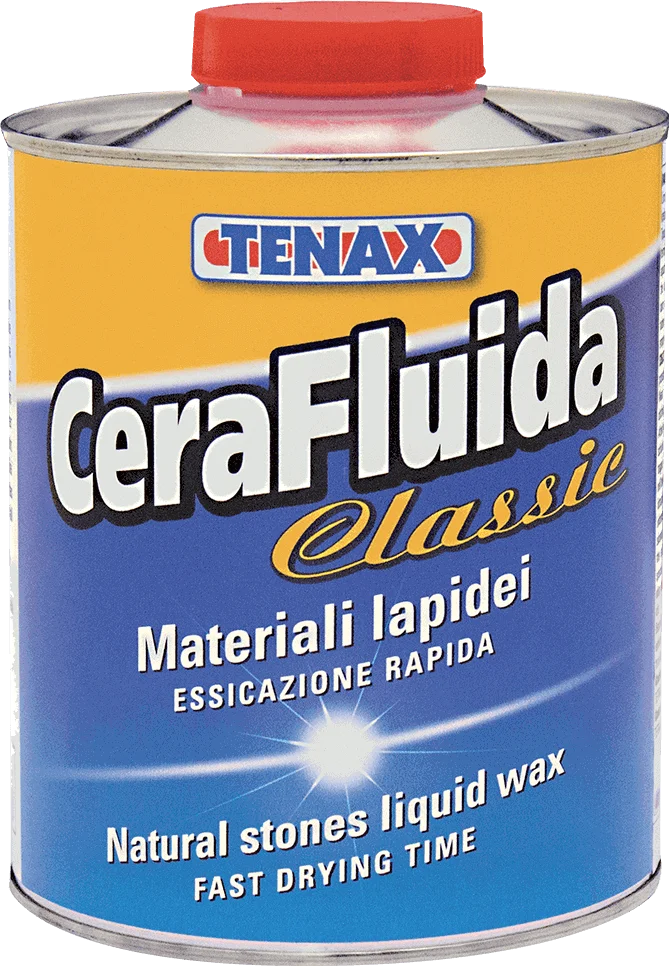
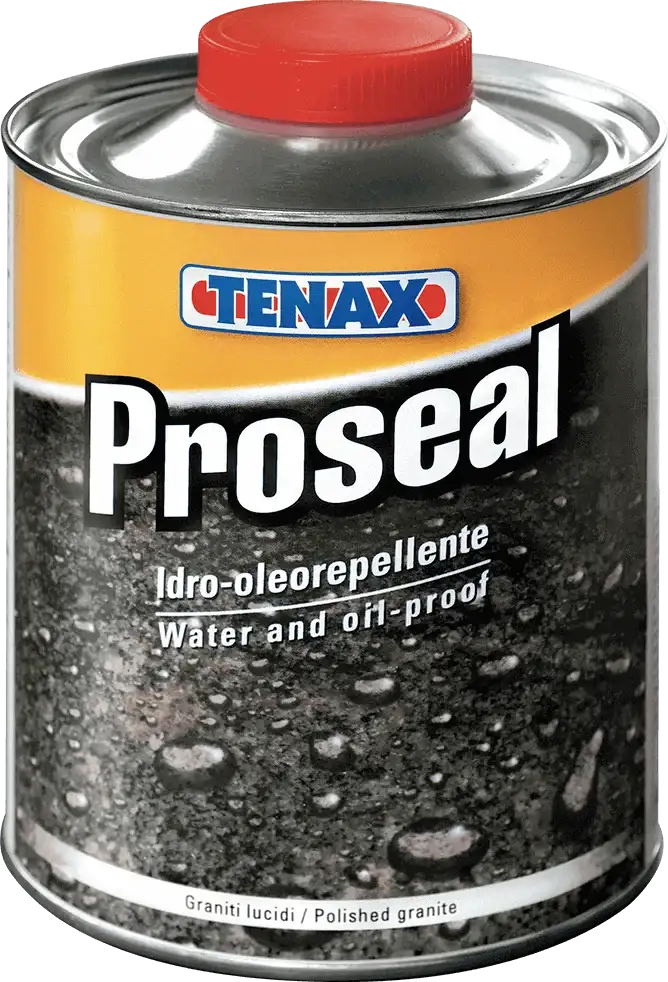
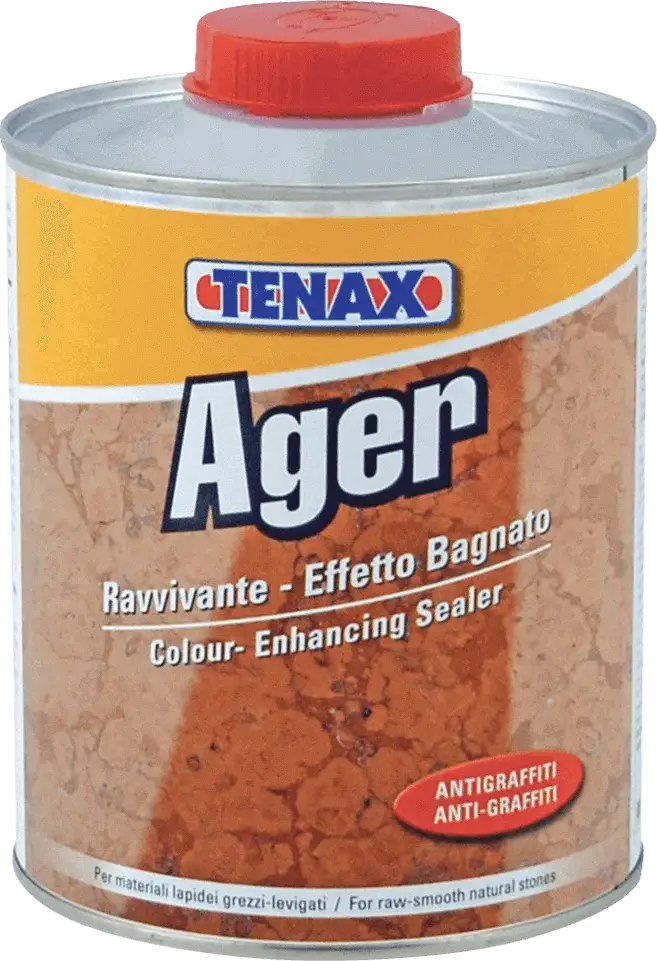
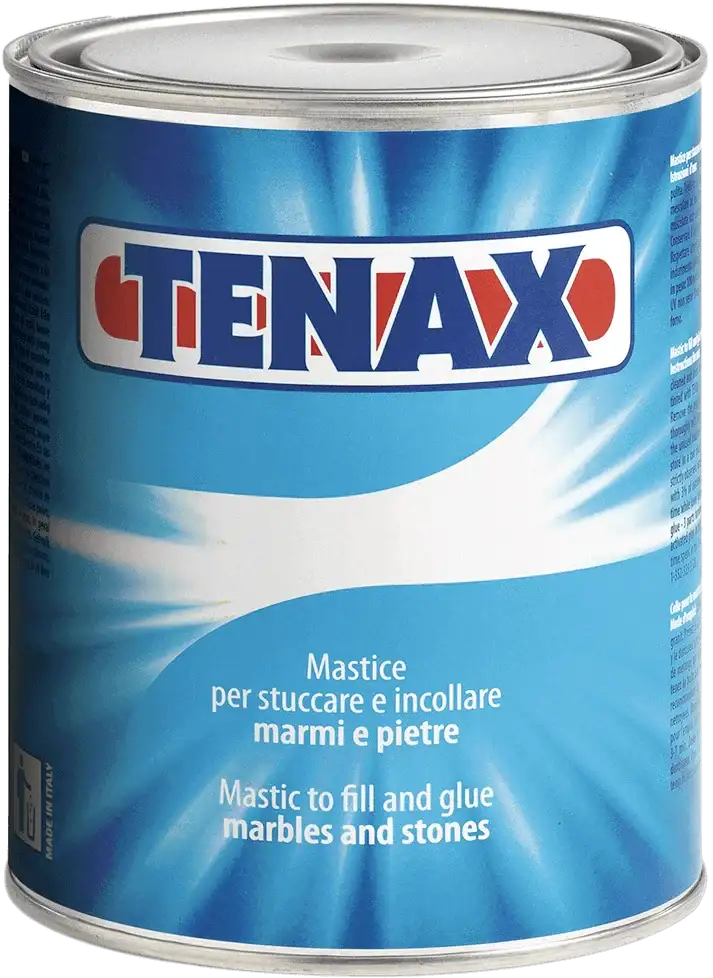
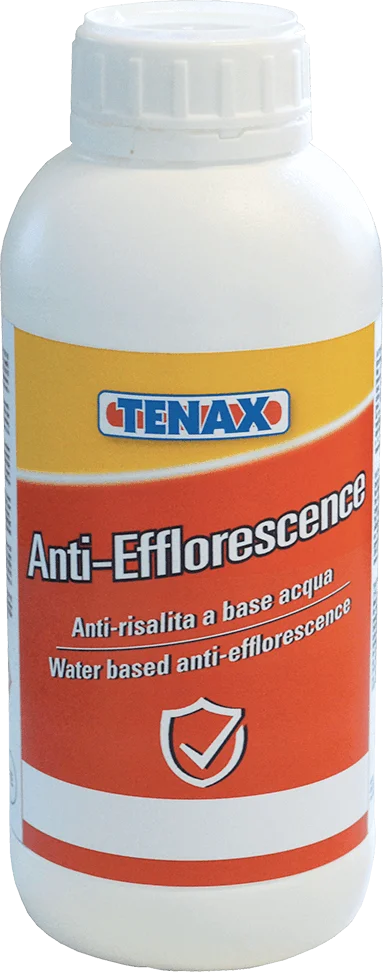
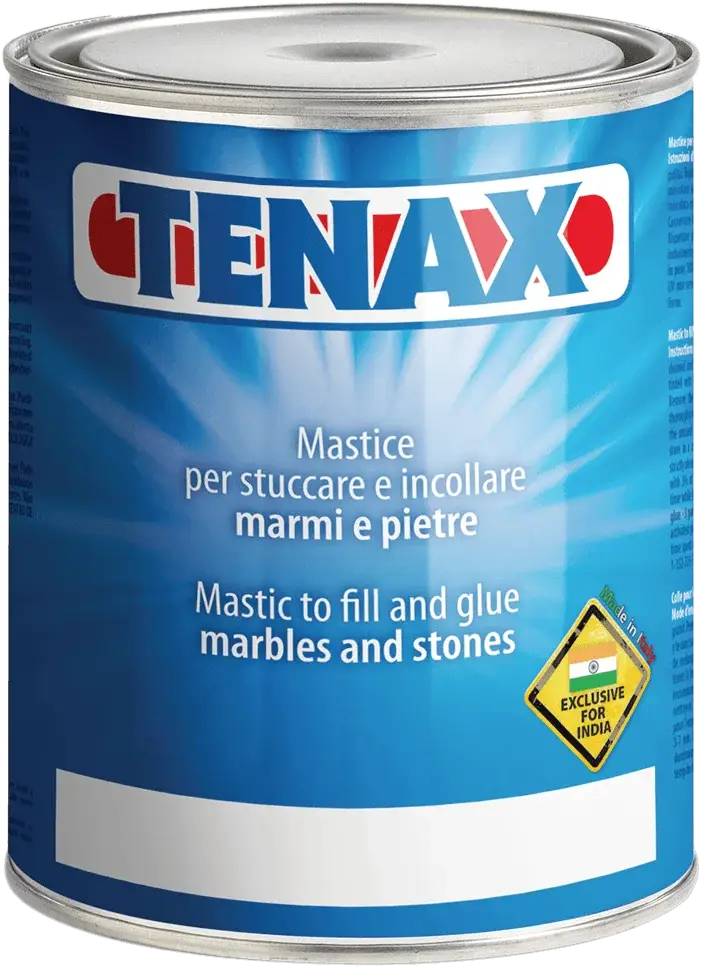
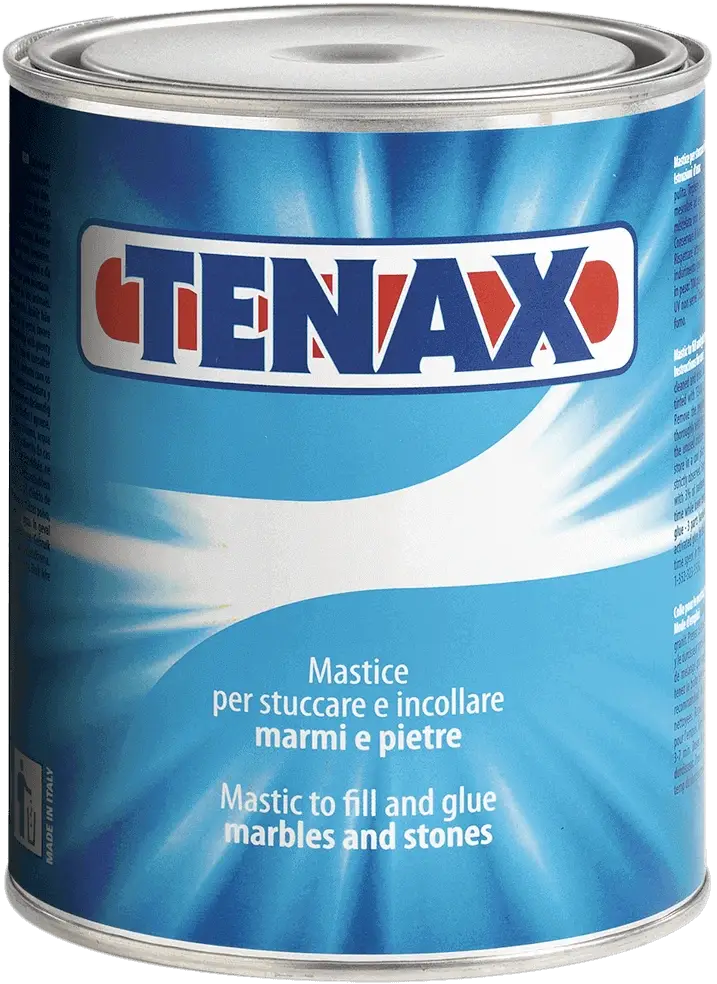
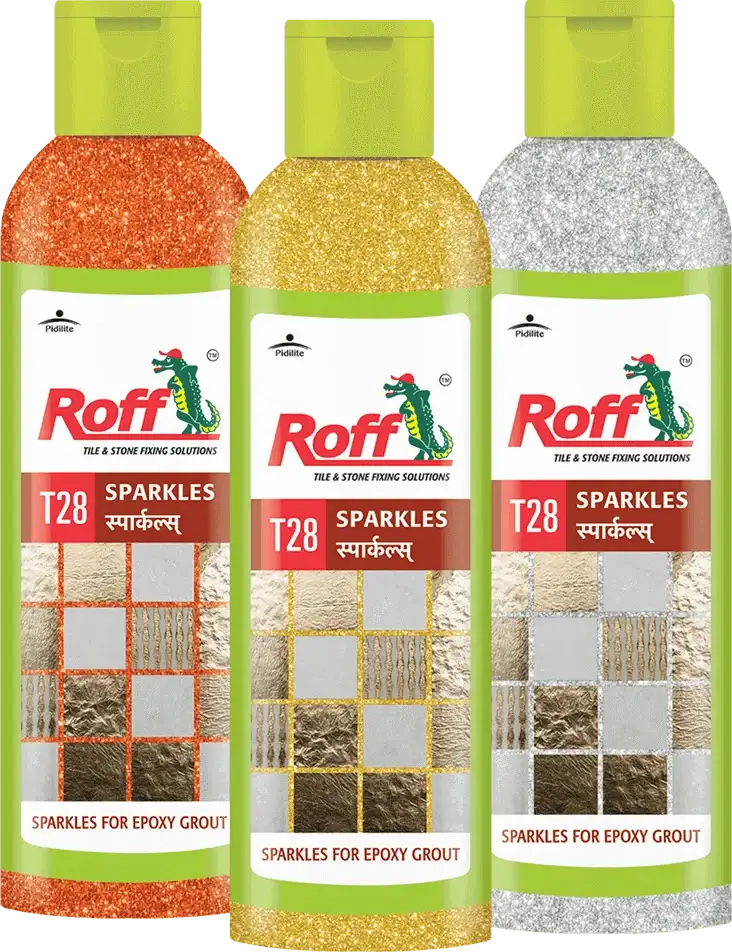
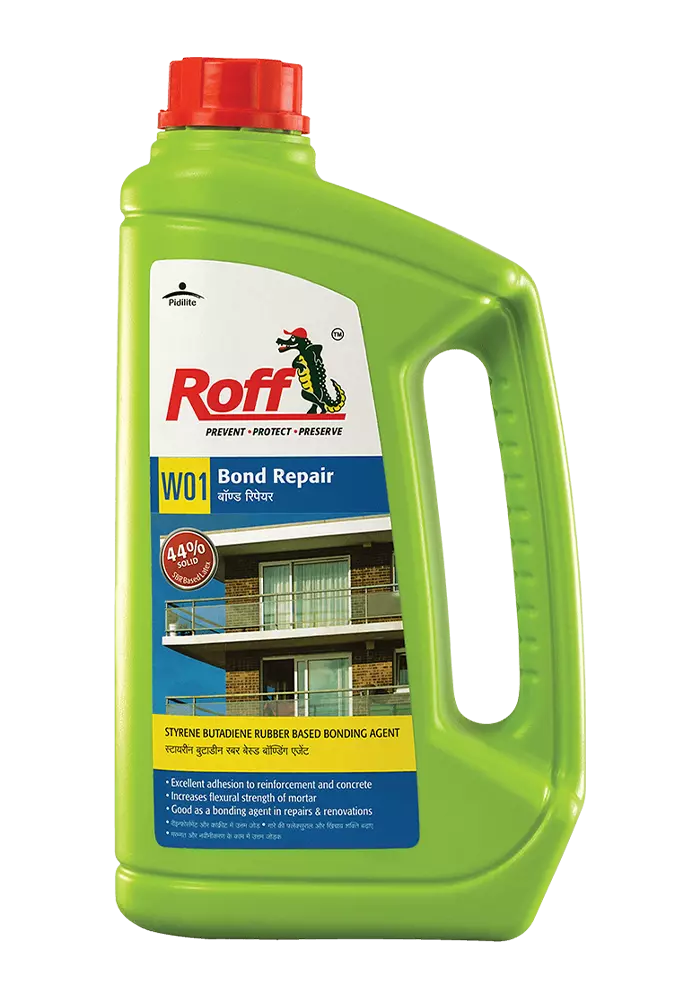
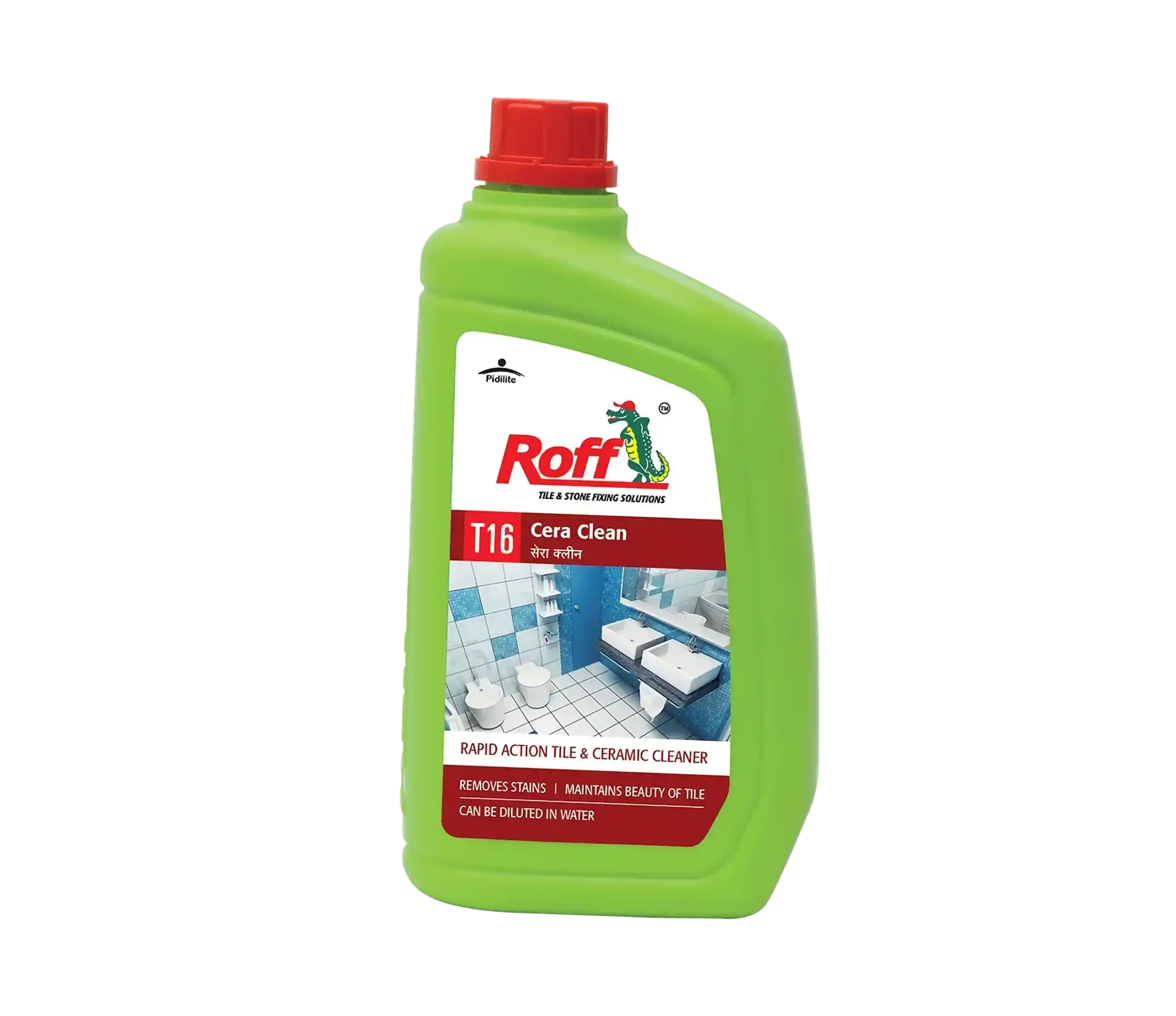
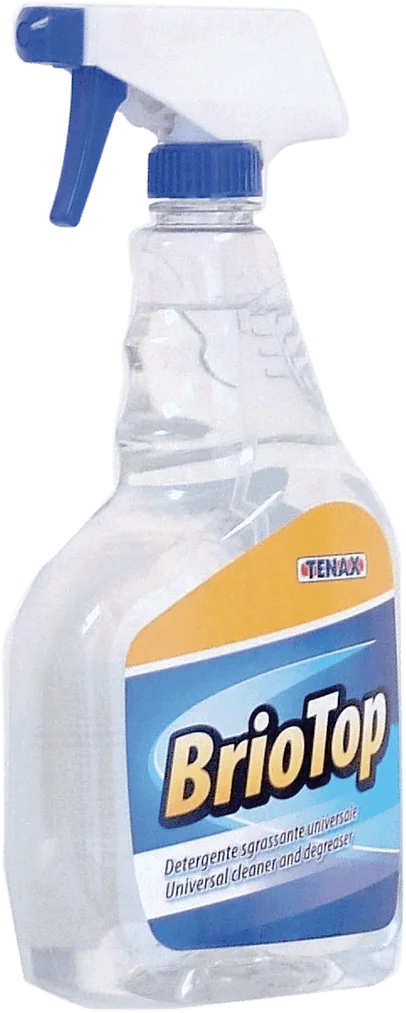
If you need to maintain your marble flooring, consider Tenax, wich is part of Roff’s range of stone-care products. These products are specifically formulated to maintain your marble floor’s shine and lack the harsh chemicals that can damage natural stone.
Frequently asked questions (FAQs)
1) What causes cracks in marble floors?
The most common causes include poor subfloor preparation, improper installation, heavy impact, structural movement, moisture exposure, and inadequate maintenance.
2) Can hairline cracks in marble floors become bigger over time?
Yes. If left untreated, hairline cracks in marble floor surfaces can widen due to foot traffic, moisture infiltration, and temperature changes.
3) Does moisture contribute to marble cracking?
Yes. Excess moisture can weaken the substrate and adhesive bond, increasing the likelihood of cracks and flooring failure.
4)Is marble floor coating useful for preventing damage?
A high-quality marble floor coating can enhance stain resistance and surface protection, but it should complement, not replace, proper maintenance.
5) When should I call a professional for a marble floor inspection?
If you notice cracks, hollow sounds, loose marble pieces, staining, or uneven flooring, it is best to schedule a professional inspection immediately.