Check out the biggest trends of the season and our expert take on them.
Types of Tile Grout: Cement, Epoxy & When to Use Each
Key Takeaways
The main types of grout include cement-based, sanded, unsanded, epoxy, and speciality grouts, each suited to different joint widths and applications.
Cement grout works well for many dry-area installations, while epoxy grout offers higher resistance to water, stains, and chemicals.
When selecting grout, consider moisture exposure, usage level, joint width, tile type, and maintenance requirements.
Grout supports the performance and finish of tiled surfaces, but it does not replace a proper waterproofing system in moisture-prone areas.
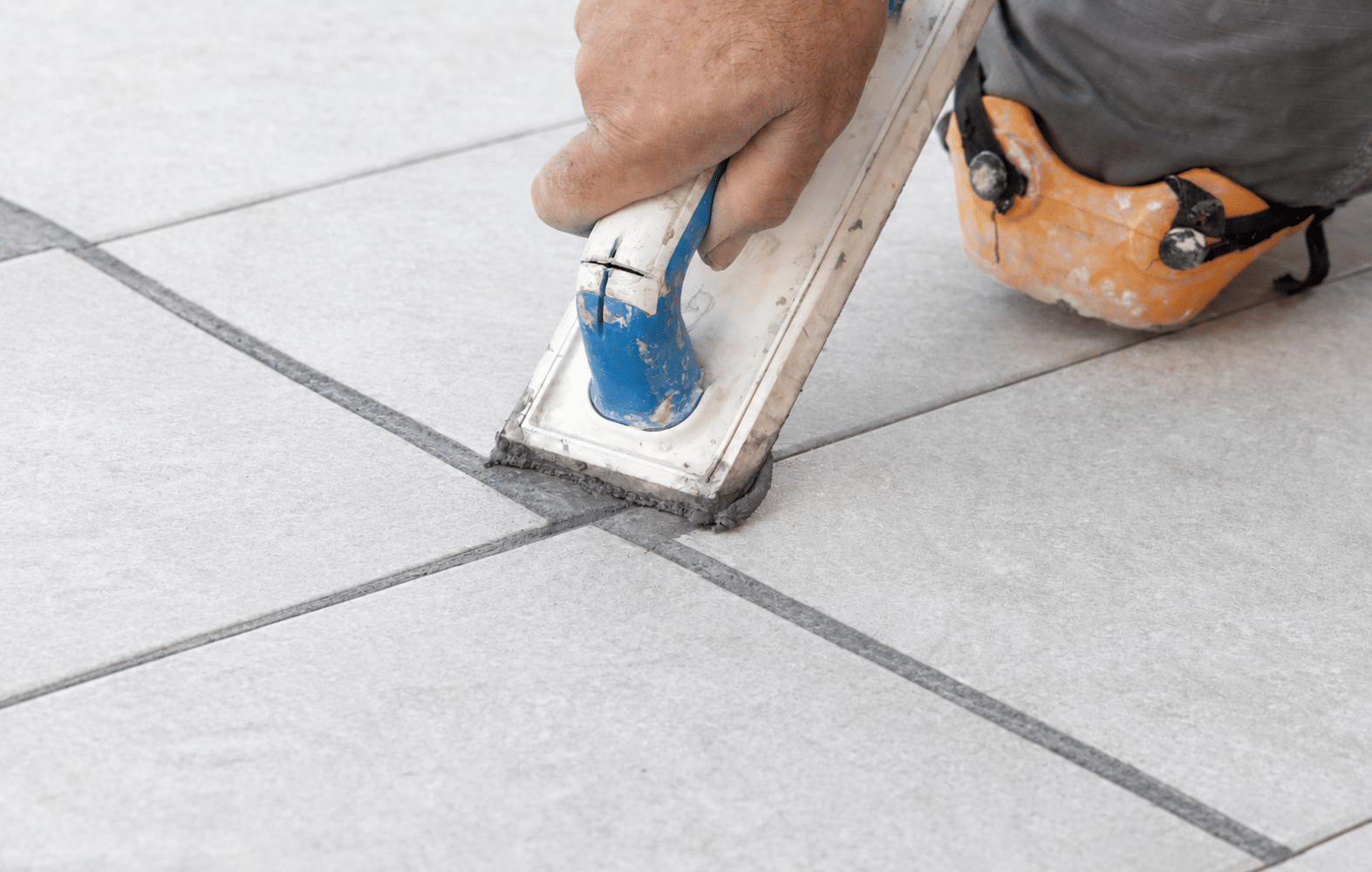
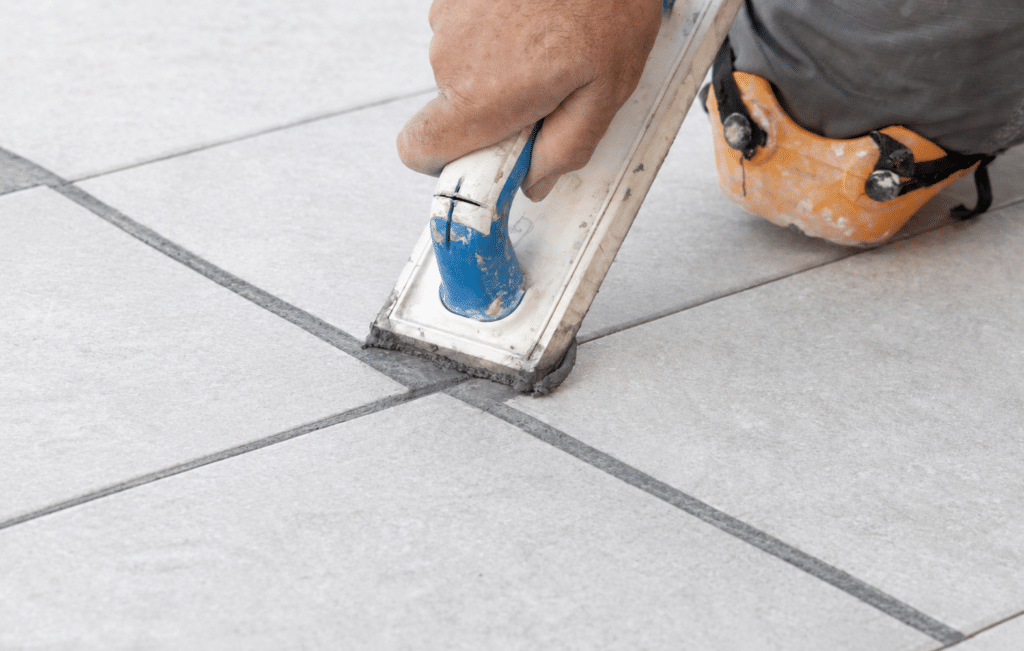
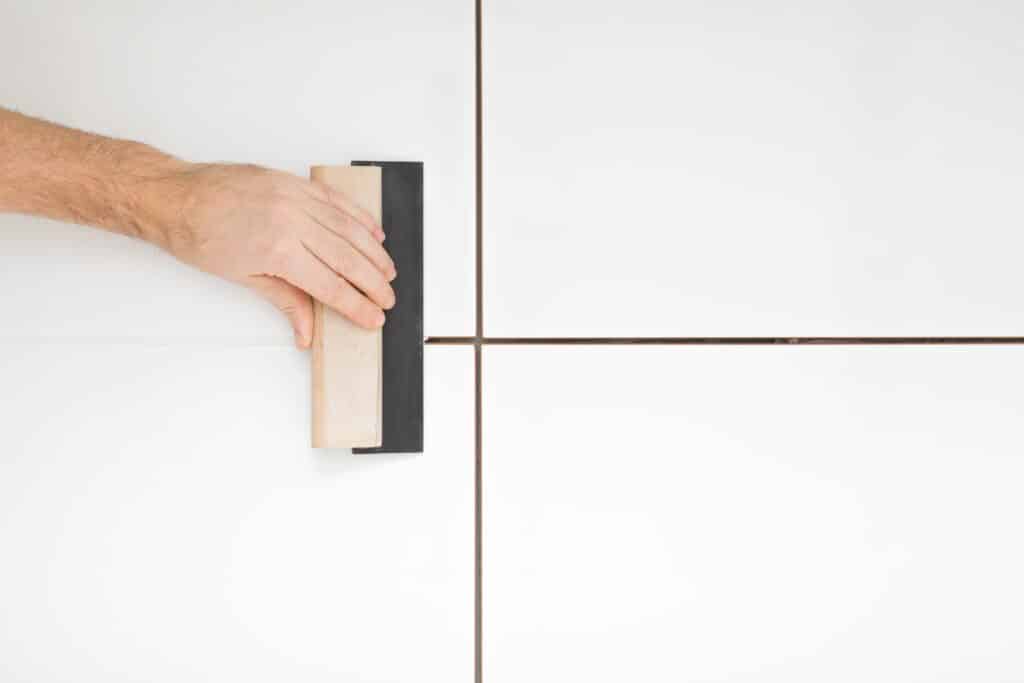
Grout fills the joints between tiles and creates a finished surface. The main types of grout include cement-based and epoxy-based options. Your choice depends on moisture exposure, joint size, cleaning needs, and usage. For wet or high-use areas, the right grout can also support better moisture management.
The Main Types of Grout
The main types of grout used to fill tile joints include:
Cement grout: A traditional option for many walls and floors. It is available in sanded and unsanded forms.
Sanded grout: Contains fine aggregate and generally suits wider tile joints.
Unsanded grout: Has a smoother texture and suits narrower joints.
Epoxy grout: Uses resin and hardener. It offers strong resistance to water, stains, and chemicals.
Speciality grout: Includes products designed for specific visual or performance requirements.
The right selection depends on the tile, joint width, and installation area. Proper surface preparation also supports lasting results.
Cement vs Epoxy Grout
Cement grout and epoxy grout have different properties. Consider the area and performance requirements before selecting one.
Factor
Cement grout
Epoxy grout
Base
Cement-based
Resin and hardener
Water resistance
Varies by formulation
High
Stain resistance
Varies by formulation
Generally high
Chemical resistance
Moderate
High
Maintenance
Regular cleaning may be needed
Generally easier to maintain
Typical use
Dry areas
Wet and high-use areas
Epoxy grout is the best option when moisture, stains, or chemical exposure are key concerns. In general, epoxy grout performs better than cement grout for modern tile installations.
When to Use Each
Dry vs wet vs high-use
Start with the area of application.
Dry areas: Cement-based options can suit many dry spaces where water exposure is low.
Wet areas: Bathrooms and shower areas need careful grout selection. A suitable epoxy grout can provide better moisture resistance.
High-use areas: Kitchens and frequently cleaned surfaces may benefit from a stain-resistant epoxy grout.
Outdoor areas: Epoxy grout is generally recommended for outdoor areas. Check the product’s technical suitability before selection, as environmental exposure can affect grout performance.
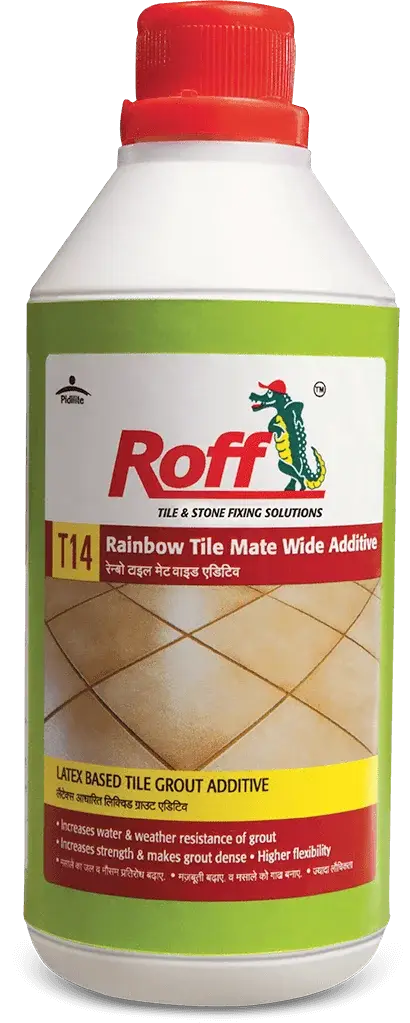
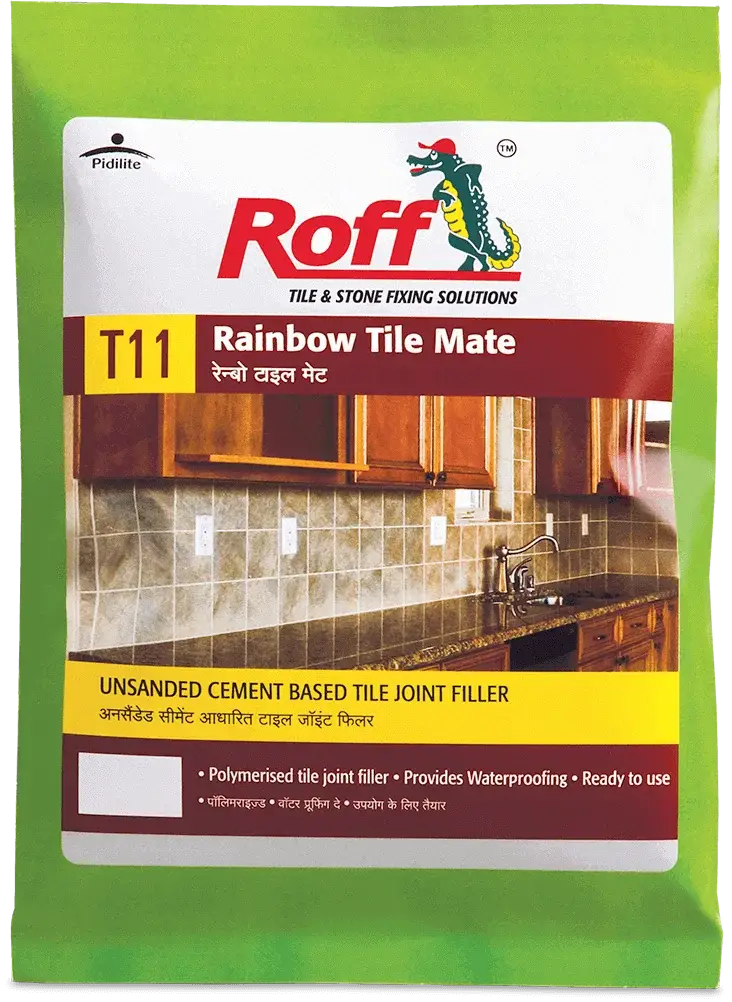
Roff Rainbow Tile Mate (RTM): This cement-based tile joint filler is designed for floors and walls. It is available in multiple shades and suits various tile and stone surfaces.
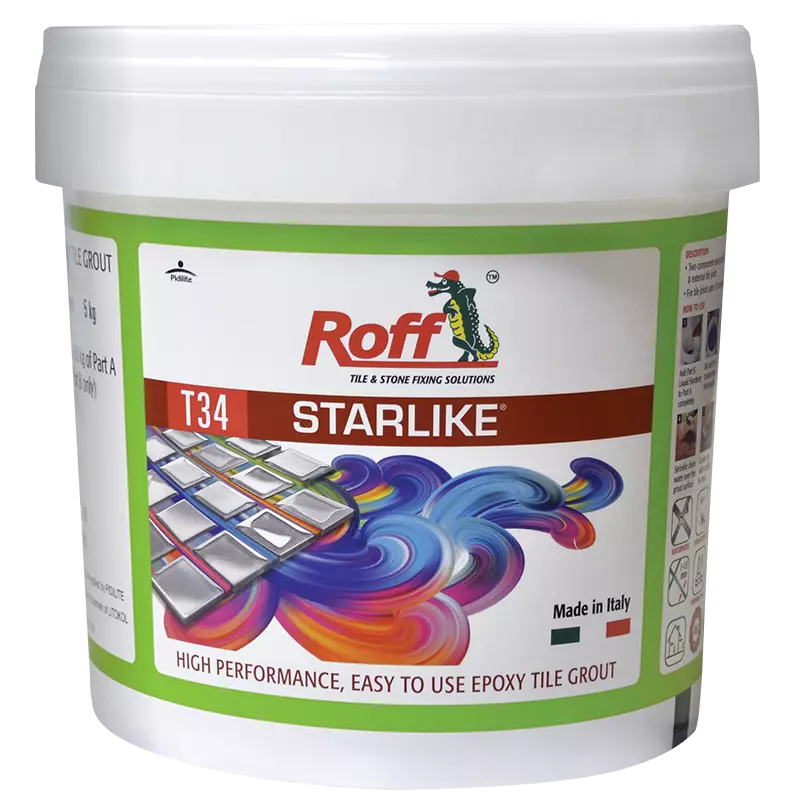
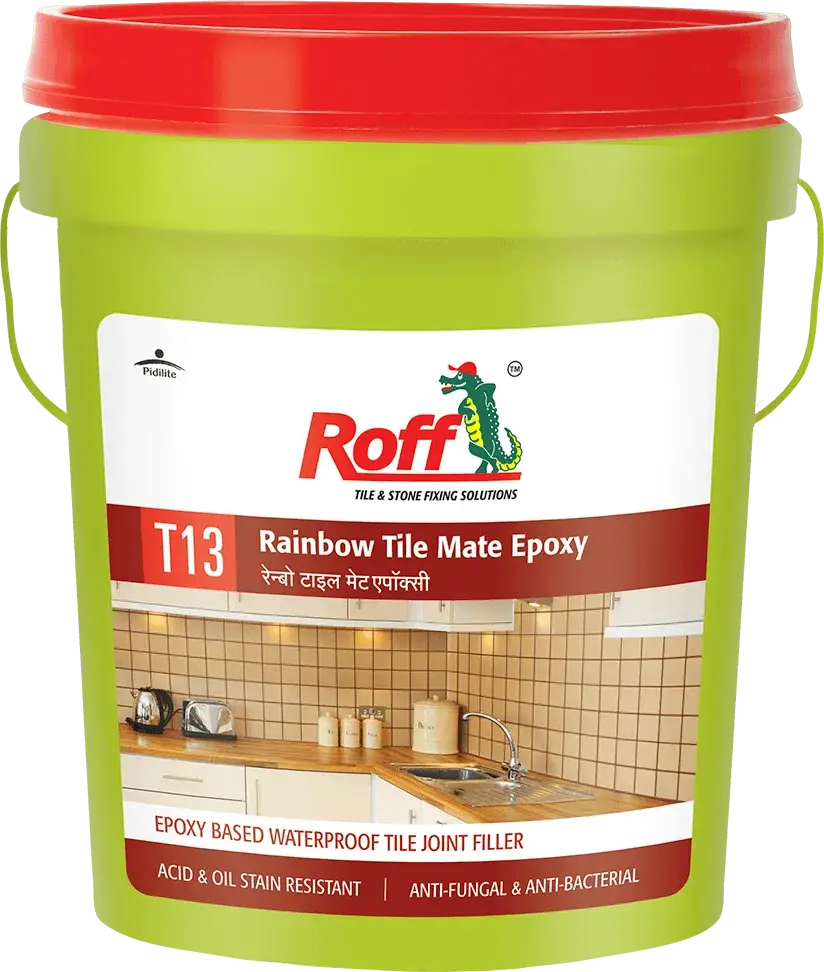
Roff Starlike: This two-component epoxy-based tile joint filler is designed for internal and external applications. It can be used in wet, high-traffic areas where suitable.
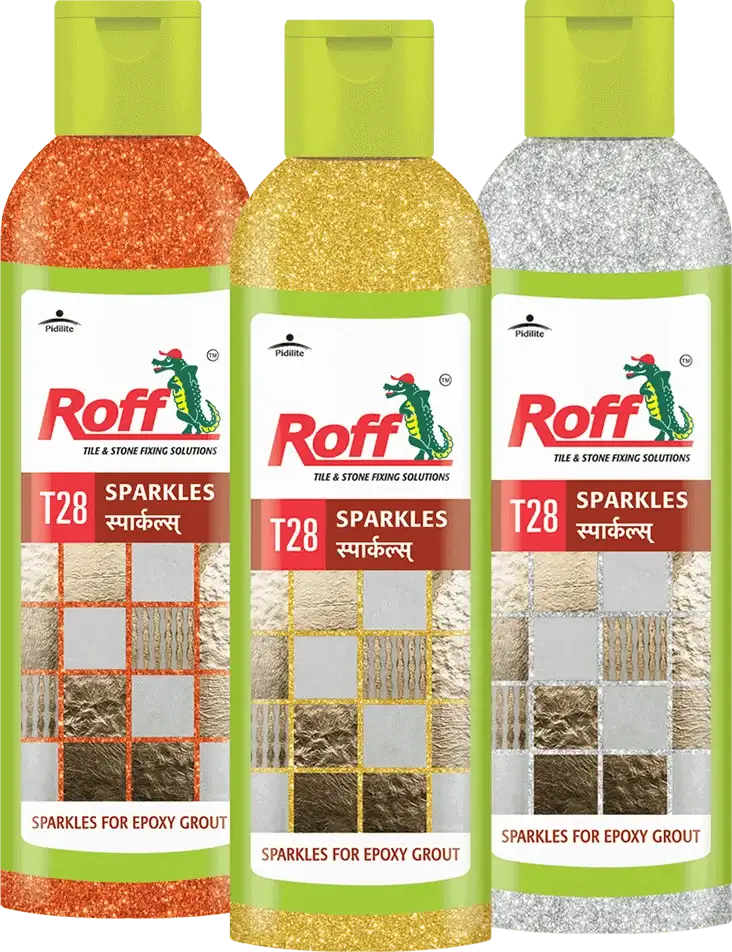
Roff Sparkles: This additive is designed for use with compatible epoxy grout. It can create a decorative sparkling effect in tile joints.
Choosing between these grout types depends on your surface, joint requirements, and desired finish. Remember that grout is only one part of a tile installation. Where moisture can affect the substrate, use a suitable waterproofing system as part of the overall installation.
Frequently asked questions (FAQs)
1) What are the types of tile grout?
The main types of grouts include cement, sanded, unsanded, epoxy, and speciality formulations. The best option depends on the tile, joint, and application area.
2) What is the difference between cement and epoxy grout?
Cement grout uses a cement-based formulation. Epoxy grout uses resin and hardener. Epoxy options generally provide greater resistance to water, stains, and chemicals.
3) Which grout is best for bathrooms?
Bathrooms need grout with suitable moisture resistance. Epoxy-based options are suitable for wet areas. Your complete waterproofing system should also address the substrate.
4) What is sanded versus unsanded grout?
Sanded grout contains fine particles and it is generally used for wide joints. Unsanded grout has a smoother texture and is commonly used for narrower joints.
5) Which grout is waterproof?
Epoxy-based grout offers high water resistance. However, grout should not be treated as a replacement for a complete waterproofing system.
6) How do you choose the right grout colour?
Choose a shade that complements your tile and desired finish. Roff offers multiple grout shades to help you create different looks.