Check out the biggest trends of the season and our expert take on them.
How to Choose the Right Tile Adhesive for Ceramic Tiles
Key Takeaways
Tile size, type, surface condition, and installation area determine the right ceramic tile adhesive.
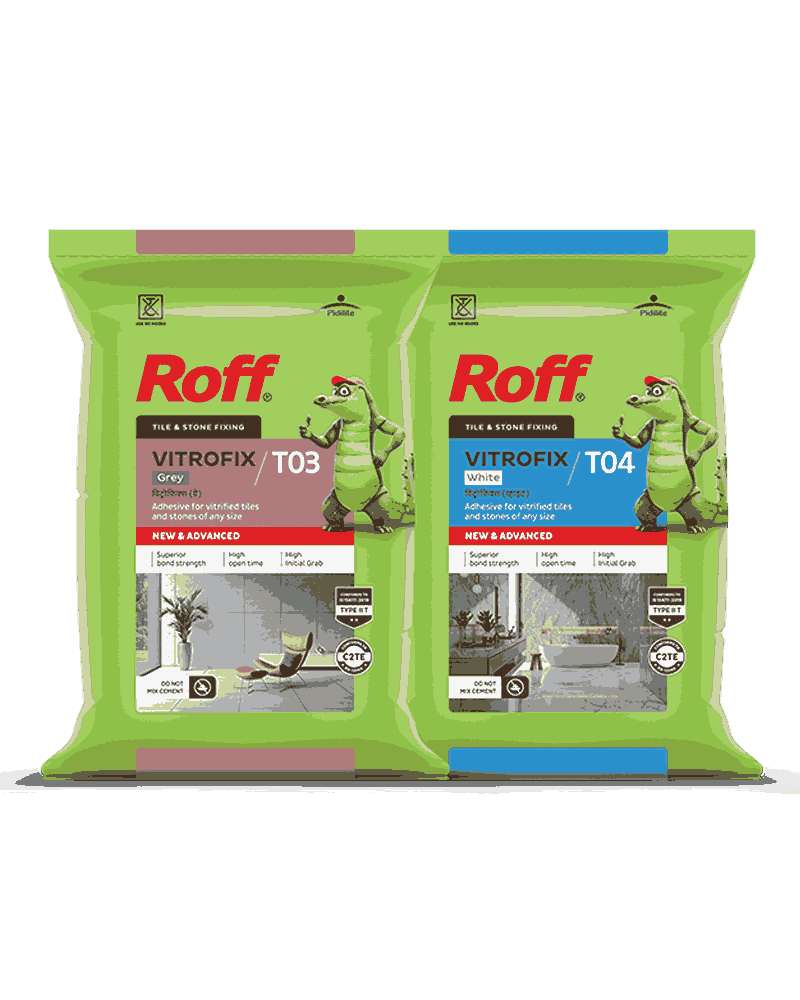
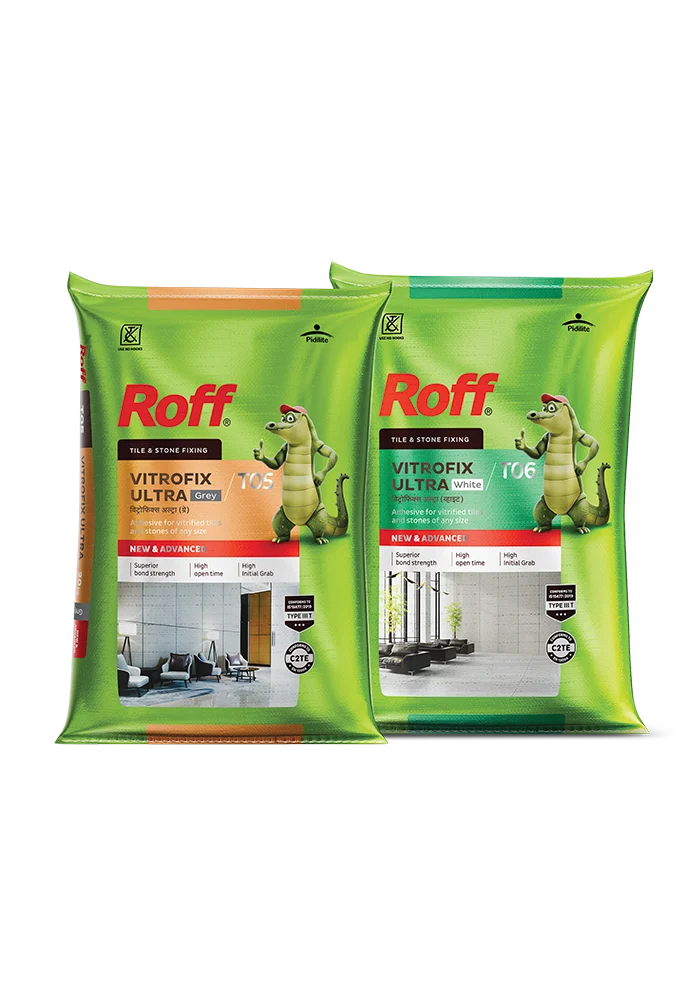
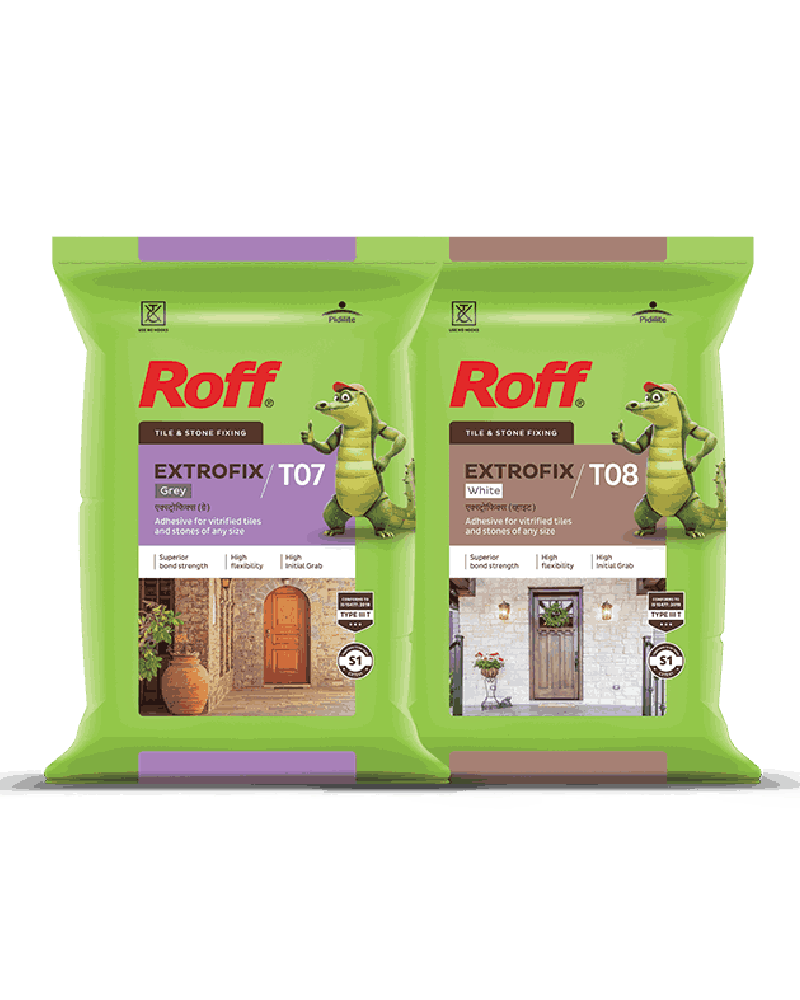
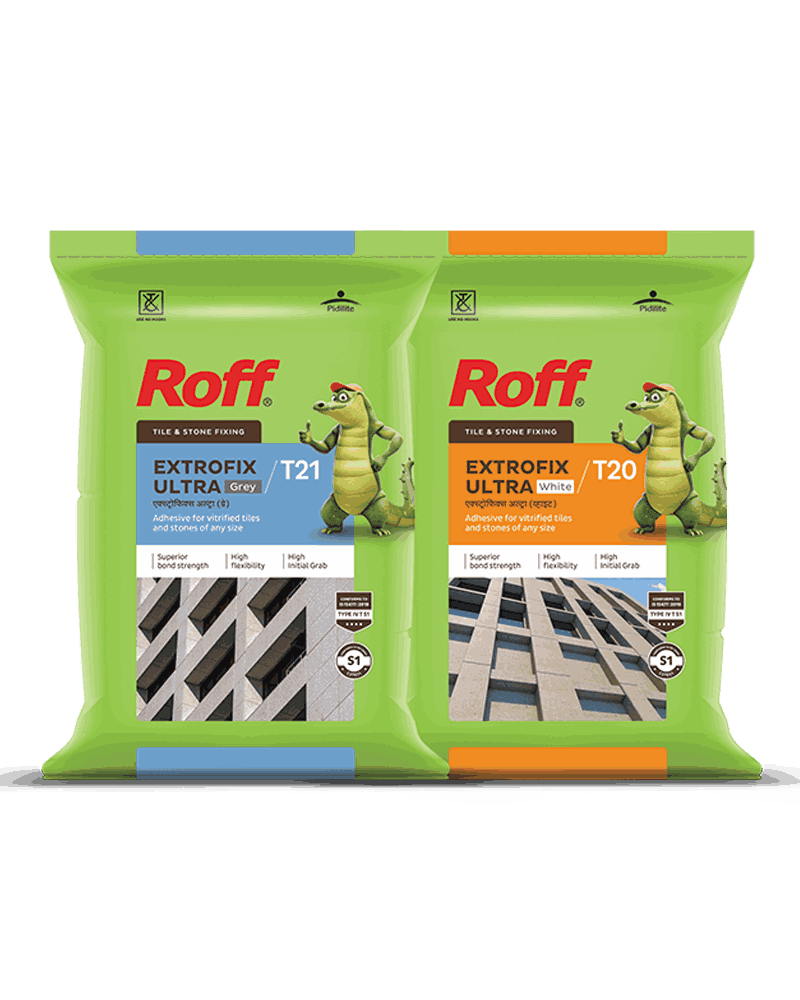
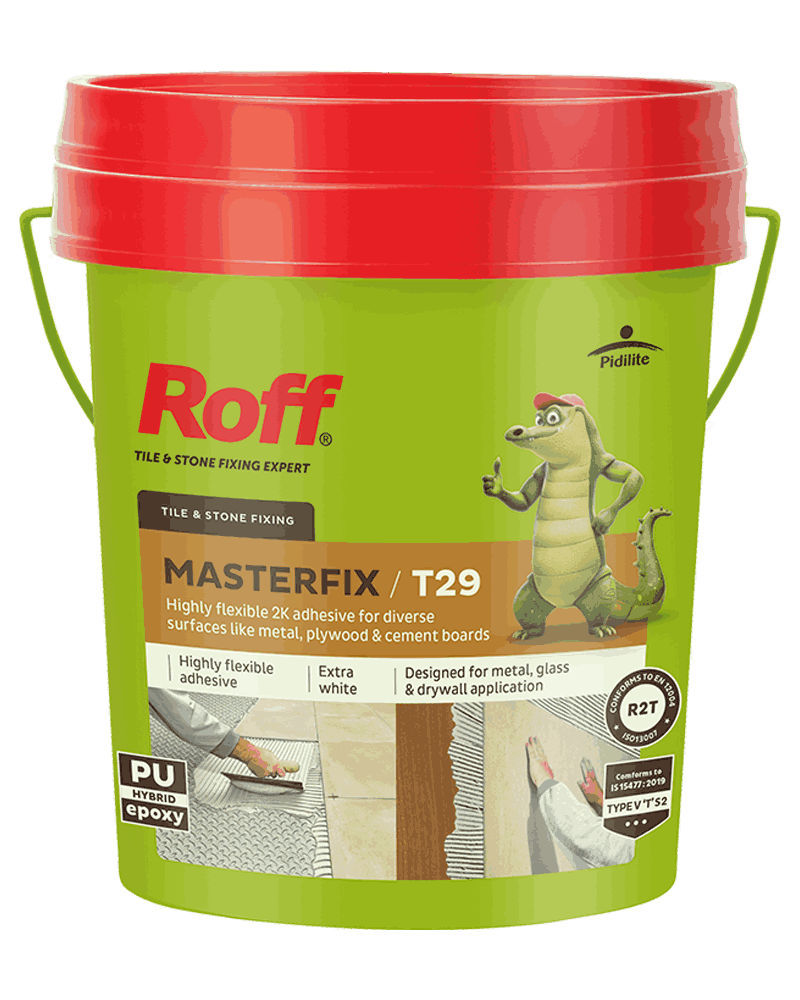
Roff Vitrofix, NSA, Extrofix, and Master Fix are designed for different installation requirements.
Walls require suitable slip resistance, while wet areas need a compatible waterproofing system in addition to the correct adhesive.
Coverage depends on tile size, substrate flatness, trowel size, and adhesive thickness. Use the Roff Adhesive Coverage Calculator to estimate material requirements.
Choosing the right tile adhesive for ceramic tiles depends on the tile size, the surface being tiled, and whether the installation is indoors, outdoors, or in a wet area. The right product helps create a reliable bond and reduces the risk of tiles becoming loose over time. Roff offers different adhesive solutions for standard cement-based surfaces, existing tiles, and more demanding applications, so selecting by installation requirements is more effective than choosing by price alone.
What Affects Your Adhesive Choice (Tile + Substrate + Area)
Before selecting an adhesive, consider three things: the tile, the substrate, and the installation environment. Together, these factors determine bonding performance and the product suitability needed for the job.
Tile type & size
Ceramic tiles are generally more porous than vitrified tiles, but their weight, dimensions, and backing still matter. Smaller, standard ceramic tiles on interior walls or floors may suit a standard cement-based adhesive. In comparison, larger or heavier tiles may require an adhesive with stronger bonding and better slip resistance.
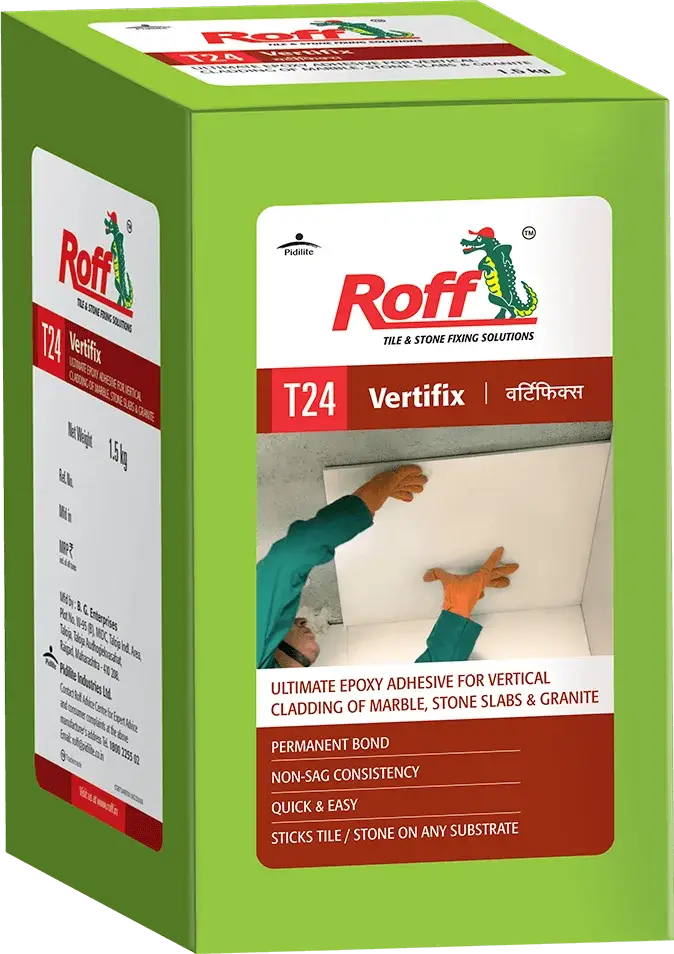
Large-format tiles also need careful installation to achieve adequate adhesive contact. Additionally, certain substrates, such as drywall or metal, need high-performance epoxy-based adhesives for the best results.
Substrate
The surface beneath the tile affects how well the adhesive can bond. Cement-based plaster, concrete, and cement screeds are common substrates for ceramic tile installations, provided they are sound, properly prepared, and sufficiently cured.
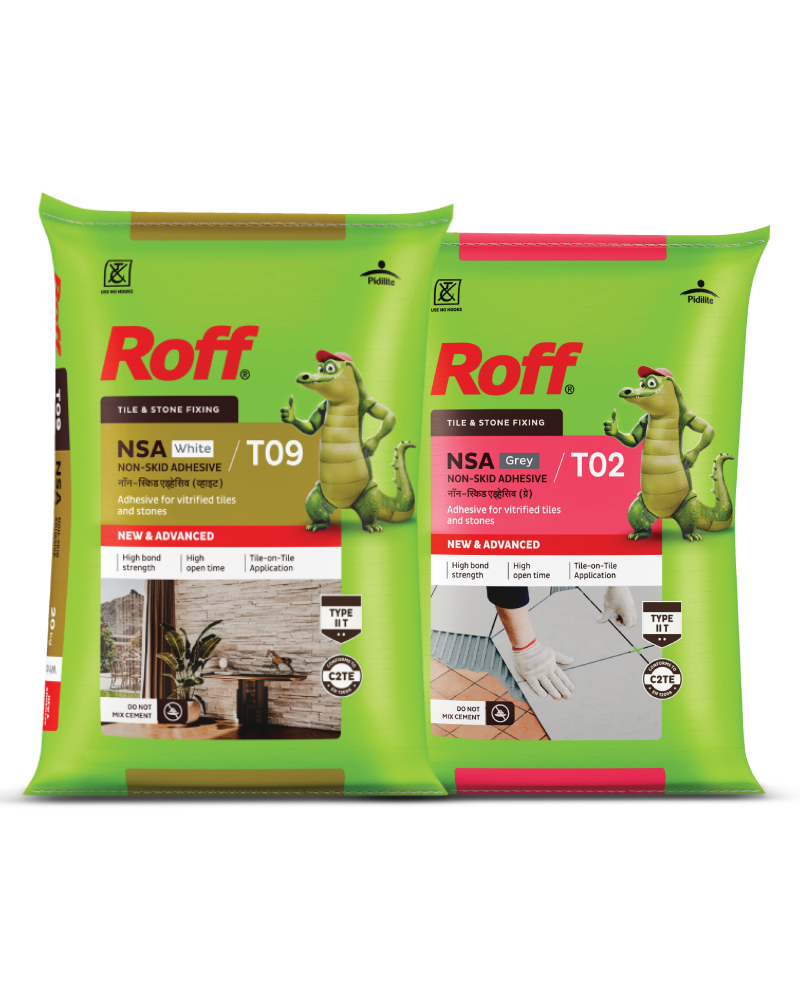
Existing tiles present a different challenge because their surface may be smooth and non-absorbent. For tile-on-tile work, use a product approved for that application, such as Roff NSA Adhesive, and confirm the existing tiles are firmly bonded before covering them.
Area & exposure
Consider whether you’re installing tiles on a wall or floor, and whether the area is dry or regularly exposed to moisture. Wall installations need suitable resistance to tile slippage, while exterior and demanding applications may require more specialised performance.
Bathrooms and kitchens also need attention to waterproofing. A water-resistant tile adhesive is not a replacement for a dedicated waterproofing system where one is required.
How to Choose Adhesive for Ceramic Tiles
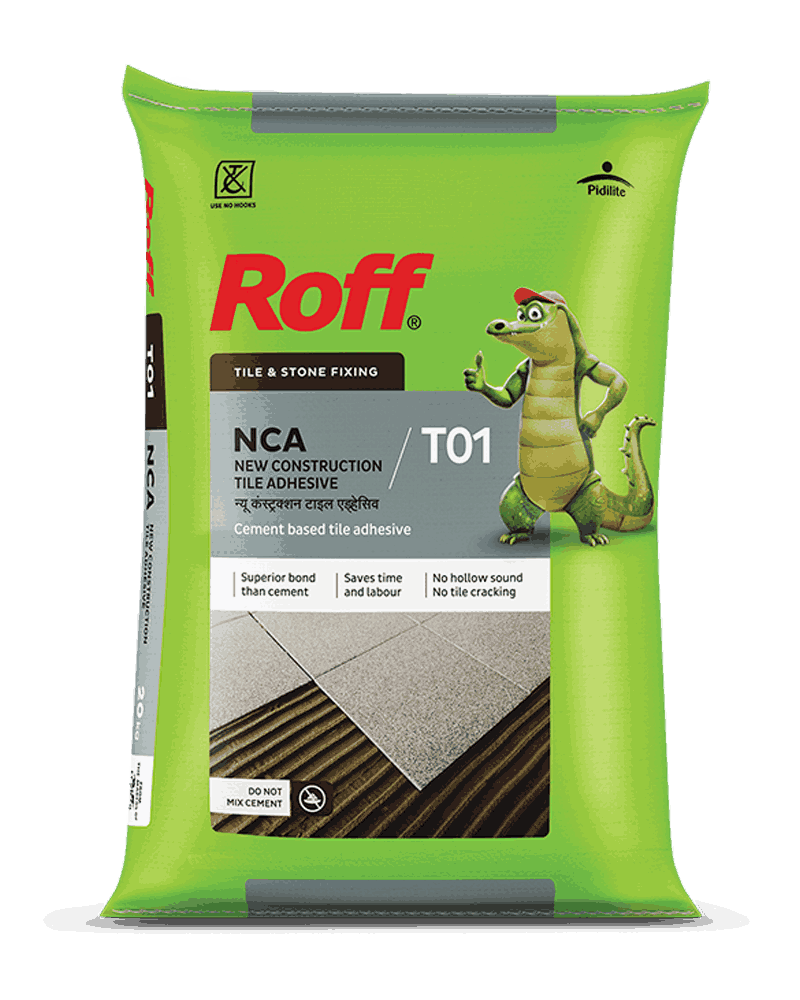
For regular ceramic tiles on interior cement plaster or concrete, a standard cement-based adhesive such as Roff NCA may be suitable. For larger tiles, existing-tile installations, or exterior applications, select a product designed for those conditions. In wet areas, install the appropriate waterproofing system before fixing tiles.
Selection table
Use the following table as a starting point for matching the substrate and installation area to a Roff product. Always confirm tile compatibility and application limits in the product’s technical data sheet before installation.
Substrate or application
Roff product to consider
Regular ceramic tiles on interior cement plaster or concrete
These products have different application limits. For example, Roff NCA is intended for fixing ceramic tiles on cementitious surfaces, while Master Fix is a specialised two-component adhesive designed for a wider range of materials and substrates.
Roff Adhesive Types Explained (Type 1-4)
Tile adhesives are classified by performance and intended application. The table below summarises the relevant adhesive types; always verify each product’s actual classification and application limits against its current technical data sheet.
Adhesive type
Typical application
Type 1
Standard interior ceramic tile installations on suitable cementitious substrates
Type 2
For vitrified tiles from small to large sizes; specifically for interior areas
Type 3
More demanding tile installations, like external areas, requiring higher performance
Type 4
Specialised applications requiring the relevant specified performance
Wall vs Floor vs Wet Area
The installation location matters as much as the tile itself. Walls need an adhesive suitable for vertical fixing, floors need adequate support and contact, and wet areas require a separate assessment of waterproofing requirements.
Walls
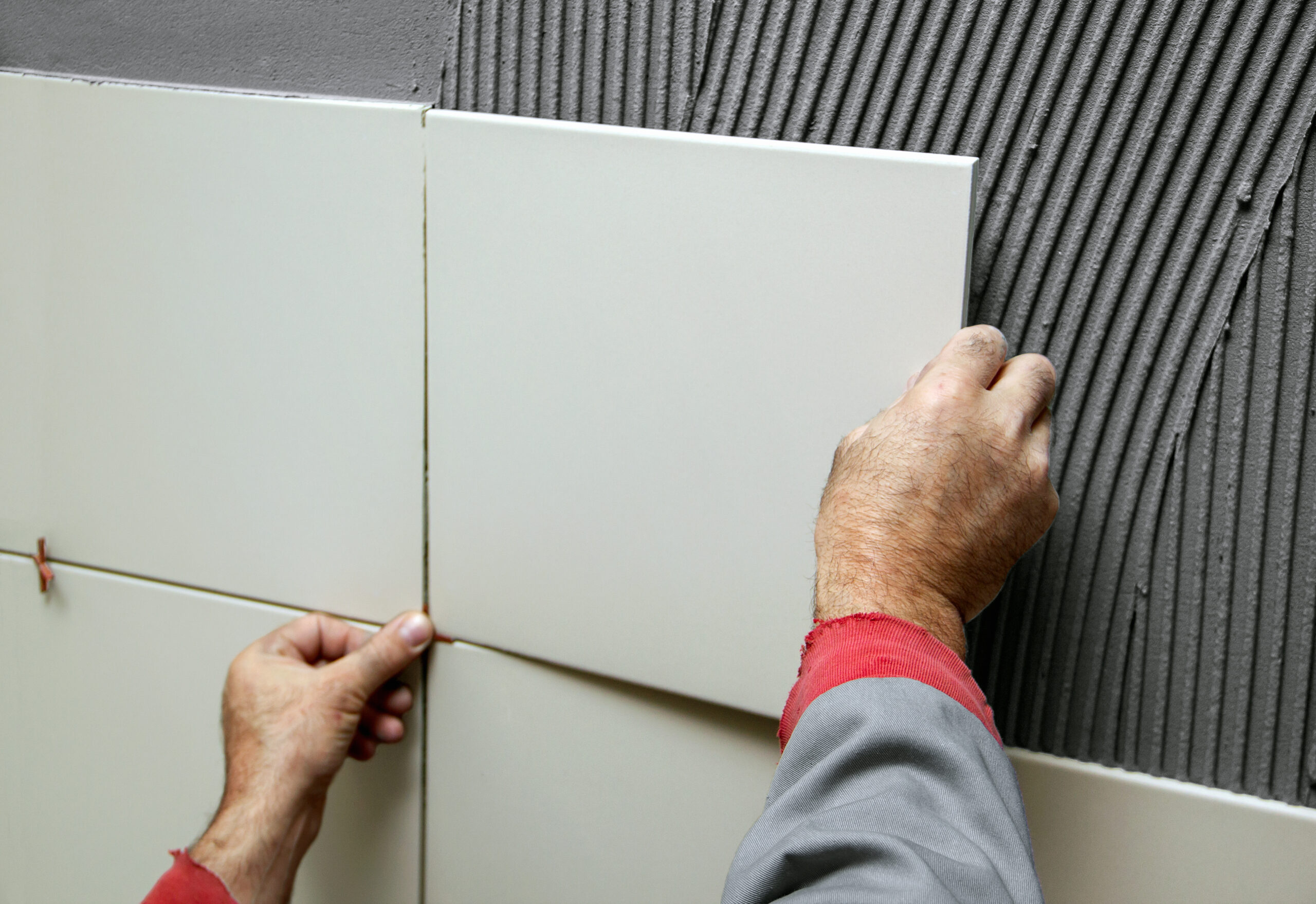
For ceramic wall tiles, choose an adhesive with suitable slip resistance and confirm that it supports the tile’s size and weight. Roff NCA Adhesive has a sag-resistant formulation for vertical applications. Choose an adhesive based on the tile and substrate, not as if they are interchangeable.
Wet areas
Water-resistant adhesive does not make a bathroom or shower waterproof on its own. Where the installation requires waterproofing, apply a compatible under-tile waterproofing system before fixing the tiles, following the system manufacturer’s instructions. Then select an adhesive suitable for wet-area application.
Coverage & Quantity Basics
The amount of adhesive needed depends on the area to be tiled, the product selected, the substrate’s evenness, the trowel used, and the adhesive-bed thickness. Estimating the quantity before work begins helps with material planning and reduces the risk of running short during installation. Use the Roff Adhesive Coverage Calculator to quickly determine how much adhesive you’ll need for a specific project. You can also use the Roff Adhesive Selector if you need further guidance on selecting the right adhesive for your ceramic tiles.
Frequently asked questions (FAQs)
1) Which adhesive is best for ceramic wall tiles?
For regular ceramic tiles on interior cement-based walls, Roff NCA may be suitable. For larger tiles or applications that need extra slip resistance, consider a product such as Roff NSA.
2) Can I use tile adhesive over old tiles?
Yes, but only with an adhesive approved for tile-on-tile application and after confirming the existing tiles are firmly bonded. Roff NSA supports approved internal tile-on-tile applications.
3) What adhesive thickness is needed for ceramic tiles?
The required thickness depends on the tile, substrate flatness, trowel, and product instructions. Follow the manufacturer’s recommendations and avoid using excessive adhesive to compensate for an uneven surface.
4) Is cement or adhesive better for ceramic tiles?
A formulated tile adhesive is generally preferable for applications specified by the manufacturer because its composition is designed for bonding tile. Always select the appropriate adhesive for the tile and substrate.
5) How do I calculate adhesive quantity?
Measure the total area, select the correct Roff adhesive, and enter the details into the Roff Adhesive Coverage Calculator. Treat the result as an estimate because actual consumption varies with substrate condition and application method.